Self-priming pumps have become indispensable in water transfer and dewatering applications due to their unique design, which allows them to maintain continuous operation even when air enters the suction line or pump casing. Unlike standard centrifugal pumps that require manual priming or the use of external priming devices, a self-priming pump automatically evacuates air, enabling it to re-prime itself after each operation. This self-sufficiency makes self-priming transfer pumps particularly valuable in challenging environments where ease of use, reliability, and efficiency are paramount.
Self-priming water pumps are not only valuable for their convenience but also for their ability to handle a wide range of liquids, from clean water to slurries and chemicals. These pumps are widely used in various industries, including agriculture, construction, and wastewater management, where reliability is essential for minimizing downtime and maximizing operational efficiency.
This article delves into the technical aspects of self-priming pumps, explaining how they work, their benefits, and the various applications where they excel. We will also examine some of the common challenges faced when operating self-priming water pumps and provide troubleshooting tips to ensure optimal performance. Finally, we’ll highlight why EDDY Pump’s self-priming transfer pumps stand out from the competition, showcasing real-world case studies and customer testimonials that underscore their performance and reliability.

What is a Self-Priming Pump?
A self-priming pump is a type of centrifugal pump specially designed to evacuate air from its suction line and casing automatically, allowing it to re-prime itself after losing its prime. This ability to remove air from the system without manual intervention makes a self-priming water pump highly effective in applications where fluid levels fluctuate, or air may be entrained in the fluid.
The key difference between a self-priming pump and a standard centrifugal pump is the presence of a mechanism that allows the pump to evacuate air from the suction line and maintain continuous operation even after periods of inactivity. In traditional centrifugal pumps, the pump casing must be filled with liquid (primed) before the pump can begin transferring fluid. If air enters the system, the pump will lose its prime and stop functioning until manually reprimed or equipped with an external priming device.
Self-priming pumps eliminate the need for these additional steps by incorporating a design that allows them to create a vacuum and expel air from the casing and suction line. This makes them ideal for situations where reliable, unattended operation is required, such as in remote locations or environments with fluctuating water levels.
How Self-Priming Pumps Work
The self-priming process is fundamental to the operation of a self-priming pump, allowing it to evacuate air and restore suction without the need for manual intervention. Here’s a detailed breakdown of how a self-priming water pump functions:
Priming Cycle
At the start of the operation, a small amount of liquid is retained in the pump casing. When the self-priming pump is turned on, the impeller creates a mixing action between the retained liquid and any air present in the suction line or pump casing. This action produces an air-liquid mixture, which is then pushed out through the discharge pipe. As the air is evacuated from the system, the vacuum created by the impeller draws more liquid into the pump through the suction line.
Once all the air has been expelled, the self-priming water pump continues operating as a normal centrifugal pump, transferring liquid smoothly and efficiently. This automatic process of removing air and restoring suction allows the self-priming pump to operate effectively even when air enters the system. It is particularly useful in applications where fluid levels are inconsistent or where air may be trapped in the suction line.
Key Features Enabling Efficient Operation
Several design features enable self-priming transfer pumps to operate efficiently:
- Air separation chamber: This chamber is where the air-liquid mixture is separated. The air is expelled through the discharge pipe, while the liquid is retained in the pump casing to facilitate continuous operation.
- Non-clogging impeller: Many self-priming pumps, including those from EDDY Pump, feature a non-clogging impeller that can handle solids and debris without compromising the pump’s ability to re-prime. This is especially important in applications such as wastewater management or construction dewatering, where the fluid may contain solids or debris.
- Volute design: The volute, or casing shape, of a self-priming water pump is carefully engineered to allow for smooth and continuous flow, even when small amounts of air are present in the liquid. This reduces the risk of losing prime and ensures that the pump can continue operating without interruption.
Benefits of Using Self-Priming Water Pumps
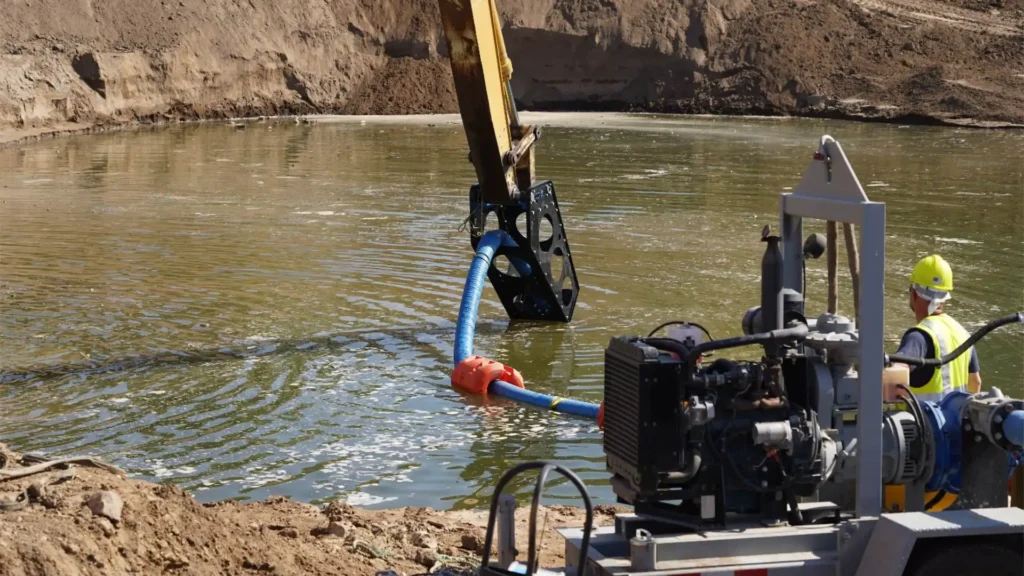
Self-priming pumps offer a wide range of benefits that make them a preferred choice for water transfer and dewatering applications. These pumps are designed to be both efficient and reliable, reducing the need for manual intervention and minimizing the risk of operational downtime. Below are some of the key advantages of using self-priming transfer pumps:
Minimal Maintenance and Fewer Operational Issues
One of the primary benefits of self-priming pumps is that they require minimal maintenance compared to standard centrifugal pumps. Because they can automatically restore the prime after losing it, there is no need for external priming devices or manual intervention. This leads to fewer operational issues and reduces the likelihood of pump failures due to loss of prime. As a result, self-priming transfer pumps are ideal for applications where continuous operation is critical, such as in construction dewatering or wastewater management.
In contrast, traditional centrifugal pumps that lose prime due to air entrainment in the suction line or casing must be manually reprimed or equipped with an external priming system. This adds complexity and increases the risk of operational downtime, especially in remote or inaccessible locations where maintenance personnel may not always be available.
Enhanced Efficiency in Remote or Inaccessible Areas
Self-priming transfer pumps are highly efficient in remote or inaccessible areas where regular monitoring and maintenance may not be feasible. Their ability to re-prime themselves without manual intervention means that they can operate reliably in locations where fluid levels fluctuate or where air is present in the suction line.
For example, in agricultural applications, self-priming pumps are often used to transfer water from wells, ponds, or reservoirs to fields for irrigation. In remote areas, where pumps may be left unattended for extended periods, their ability to maintain continuous operation without frequent maintenance makes them a valuable asset. The same applies to construction sites, where pumps are required to remove groundwater or wastewater from excavation areas.
Adaptability to a Wide Range of Water Sources and Conditions
Another significant benefit of self-priming pumps is their adaptability to a wide range of water sources and operating conditions. Whether handling clean water, wastewater, or slurries, self-priming transfer pumps are designed to handle various types of fluids with ease. This versatility makes them suitable for a wide range of industries, from agriculture and construction to industrial and municipal wastewater management.
The ability of self-priming pumps to operate in diverse environments, including those with fluctuating water levels or challenging fluid characteristics, makes them indispensable for operations where flexibility is essential. Additionally, their capability to handle fluids with entrained air or gas bubbles further enhances their utility in environments where conventional pumps might struggle to maintain prime.
Applications of Self-Priming Water Pumps
Self-priming pumps are used across a wide variety of industries due to their versatility and ability to handle different types of fluids. From agricultural water transfer to industrial wastewater management, these pumps play a critical role in ensuring efficient and reliable fluid handling in many applications.
Agricultural Water Transfer and Irrigation
In agriculture, self-priming transfer pumps are commonly used to transfer water from natural or artificial sources, such as ponds, lakes, or reservoirs, to fields for irrigation. Their ability to re-prime themselves after periods of inactivity makes them an ideal choice for irrigation systems that need to operate autonomously, particularly in large-scale farming operations where multiple pumps may be spread out over vast areas.
Self-priming pumps are also capable of handling water containing solids, such as silt, sand, or organic matter, which is often present in natural water sources. This capability makes them ideal for agricultural applications, where the water quality may vary depending on the source.
Construction Dewatering and Site Preparation
Self-priming transfer pumps are extensively used in the construction industry for dewatering purposes. Construction sites often require the removal of groundwater or surface water to prepare the site for building foundations, utilities, or other infrastructure. Self-priming pumps are well-suited for this task because they can be installed above ground and can continue operating even when fluid levels fluctuate.
In addition, self-priming water pumps can handle water containing solids, such as debris, sand, or gravel, which are often present in construction dewatering operations. Their ability to re-prime after periods of inactivity makes them highly efficient in construction environments, where downtime can be costly.
Industrial and Municipal Wastewater Management
Self-priming pumps are also widely used in industrial and municipal wastewater management. These pumps are often equipped with non-clogging impellers, making them capable of handling sewage, sludge, and other types of solids-containing wastewater. In industrial applications, self-priming transfer pumps are used to transfer process water, slurries, and wastewater from one stage of the production process to another.
In municipal wastewater management, self-priming water pumps are used in lift stations, treatment plants, and other facilities to transfer wastewater to treatment systems. Their ability to handle solids-laden fluids and their automatic re-priming capability make them essential for ensuring the efficient and reliable transport of sewage in large-scale municipal systems.
Choosing the Right Self-Priming Transfer Pump for Your Needs
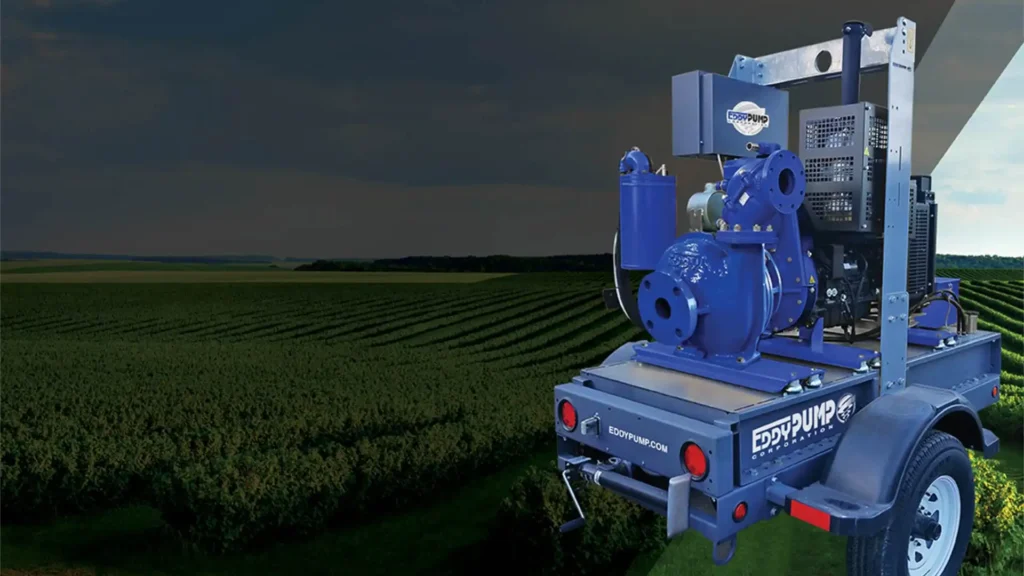
Selecting the right self-priming transfer pump for your specific application is essential to ensuring optimal performance and reliability. Several key factors to consider include the flow rate, head, and material compatibility.
Key Factors to Consider
Flow Rate:
The self-priming pump's flow rate is a critical factor in determining its capacity to handle a specific volume of fluid over a given time. It is essential to choose a pump with a flow rate that matches the requirements of your application. For example, a higher flow rate may be necessary for large-scale water transfer operations, while a lower flow rate may be sufficient for smaller dewatering tasks.
Head:
The head refers to the vertical distance the self-priming transfer pump can lift fluid. A higher head is required for applications where the water needs to be moved across significant elevations or long distances. When selecting a self-priming pump, it is important to consider the total dynamic head (TDH) required for your operation, which includes both the vertical lift and the friction losses in the piping system.
Material Compatibility:
The materials used in the construction of the self-priming pump must be compatible with the type of fluid being handled. For example, pumps used to transfer corrosive chemicals may require stainless steel or other corrosion-resistant alloys. Similarly, pumps used in agricultural or wastewater applications may need to be equipped with abrasion-resistant coatings to handle fluids containing solids.
Choosing the Right Pump for Different Fluids
Different fluids present different challenges when it comes to pumping. For example, clean water is relatively easy to handle, but wastewater containing solids or corrosive chemicals requires a pump with specific design features to prevent clogging, corrosion, or premature wear. Self-priming transfer pumps are available in various configurations to handle different types of fluids, so it is important to choose a pump that is specifically designed for the fluid you are working with.
For instance, if you are dealing with wastewater or slurries, a self-priming pump with a non-clogging impeller and abrasion-resistant materials may be necessary. On the other hand, for chemical transfer applications, a pump constructed from corrosion-resistant materials such as stainless steel may be required.
Common Challenges and Solutions in Self-Priming Pump Operations
While self-priming pumps are designed for reliable and efficient operation, they can still encounter some common challenges. Fortunately, these issues are usually easy to diagnose and resolve with proper maintenance and troubleshooting.
Air Leaks and Loss of Prime
One of the most common issues affecting a self-priming water pump is air leaks in the suction line or pump casing. Even a small air leak can cause the pump to lose its prime, leading to reduced performance or complete operational failure. To troubleshoot air leaks, it is important to check all connection points, including the suction pipe, mechanical seals, and fittings, for any signs of wear or damage. Tightening connections, replacing worn-out seals, or applying sealant can help resolve the issue and restore the prime.
Cavitation Risks
Cavitation occurs when vapor bubbles form in the self-priming pump due to insufficient suction head or high fluid temperatures. These bubbles can collapse inside the pump, causing damage to the impeller and reducing the pump’s efficiency. To prevent cavitation, it is important to ensure that the self-priming transfer pump has adequate Net Positive Suction Head (NPSH) for the specific application. In addition, avoiding excessive fluid temperatures and maintaining proper flow conditions can help reduce the risk of cavitation.
Why Choose EDDY Pump’s Self-Priming Pumps?
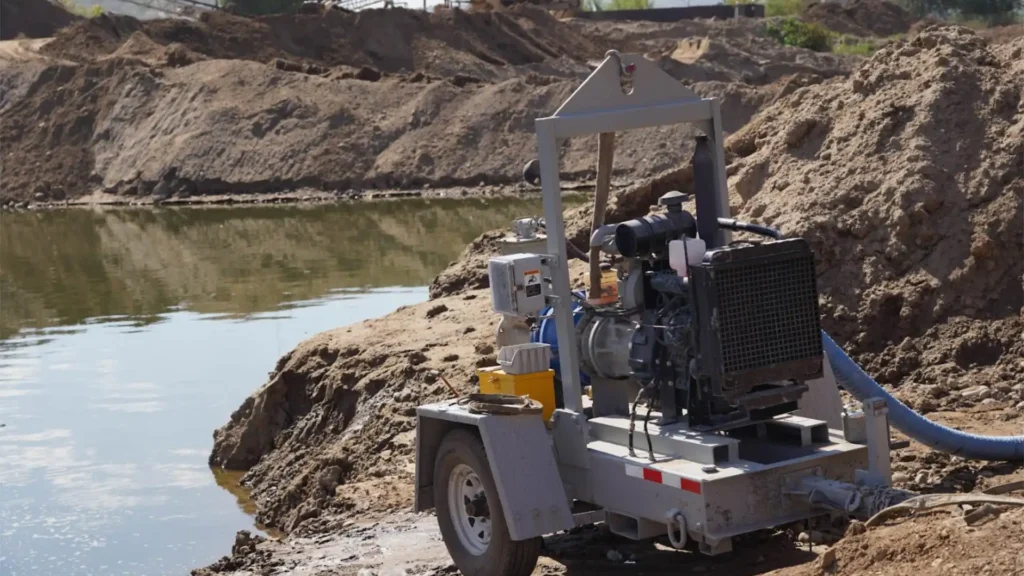
EDDY Pump’s self-priming transfer pumps offer advanced design features and exceptional performance in a wide range of water transfer and dewatering applications. These pumps are built with a unique vortex impeller design, which provides superior solids handling capabilities and reduces the risk of clogging. This makes EDDY Pump’s self-priming pumps ideal for challenging applications such as wastewater management, construction dewatering, and industrial fluid transfer.
Innovative Design Features
EDDY Pump’s self-priming transfer pumps are equipped with patented design features that enhance performance and durability. The pumps are constructed from high-quality materials that offer corrosion resistance and wear protection, ensuring long-term reliability in even the harshest environments. In addition, the unique impeller design allows for the efficient transfer of fluids containing solids, slurries, and debris without compromising the pump’s ability to re-prime.
Customer Testimonials and Real-world Case Studies
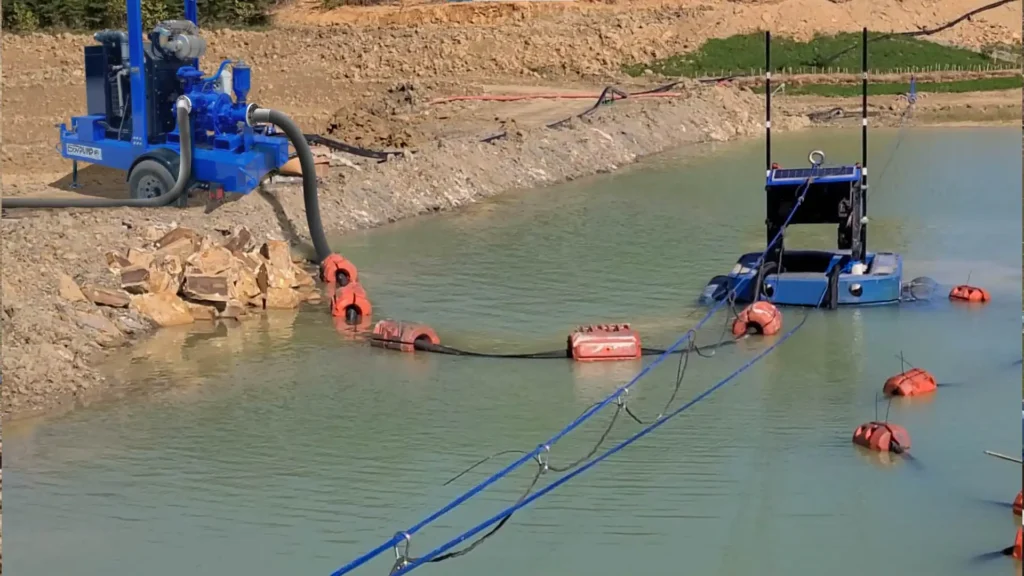
Customers across various industries have reported high levels of satisfaction with the performance of EDDY Pump’s self-priming pumps. From agricultural water transfer to industrial wastewater management, these pumps have proven their reliability and efficiency in real-world applications. For example, in a large municipal wastewater treatment plant, EDDY Pump’s self-priming transfer pumps were used to handle sewage containing large amounts of solids and debris. The pumps performed flawlessly, significantly reducing maintenance requirements and operational downtime.
Conclusion
Self-priming pumps are powerful solutions for water transfer and dewatering applications across a wide range of industries. Their ability to automatically evacuate the air, handle challenging fluids, and maintain prime without manual intervention makes them ideal for operations that require efficiency and reliability.
EDDY Pump’s self-priming water pumps stand out for their innovative design features and proven performance in the field. Whether you are dealing with clean water, wastewater, or slurries, EDDY Pump’s self-priming pumps can provide the efficiency and reliability you need to ensure the success of your operation.
If you’re looking for a reliable solution for your next water transfer project, explore EDDY Pump’s range of self-priming transfer pumps and experience the difference in performance, durability, and efficiency.