- Marine Bilge Pump: Essential for Safety
- Marine Water Pump: Efficient Fluid Management Systems
- Marine Tank Pump: Handling Cargo and More
- Innovations in Marine Pump Design
- Engine Room Systems
- Pump Materials and Construction
- Conclusion: Partnering with EDDY Marine Bilge Pumps for Maritime Success
- FAQs:
Marine pumps are vital to the operation of seaborne vessels. They manage the flow of fluids for various marine applications. Whether it’s bilge water flow, cooling water circulation, or handling fuel and waste, these pumps are key to safety, efficiency, and operational integrity at sea.
However, dealing with maritime fluids presents several challenges, including the need for corrosion-resistant equipment, the risk of clogging due to debris, and concerns about efficiency associated with continuous operation. Traditional aquatic pumps often struggle with high troubleshooting costs and frequent breakdowns, leading to increased downtime and operational inefficiencies.
EDDY Pump has revolutionized the industry of these pumps by addressing pain points through innovative pump designs and features that leverage non-clogging technology and advanced vortex principles. With superior efficiency, longer operational life, and reduced troubleshooting requirements, EDDY Pump has become a trusted solution for aquatic pumps and fluid managing challenges.
Types of Marine Pumps
These pumps come in various types, each designed to meet specific needs within maritime operations. Among the most widely used are centrifugal pumps, gear pumps, and diaphragm pumps, each offering unique advantages depending on the task at hand.
Centrifugal Pumps
These pumps are particularly favored in oceanic environments due to their high flow rates and robust potential to withstand corrosive fluids. These pumps are perfect for applications that require the rapid flow of large volumes of water, such as ballast water management and cooling systems. In addition, their design allows them to efficiently deal with the harsh conditions of aquatic operations, making them a staple on many vessels.
Gear Pumps
These are ideal for operations that require high pressure but low flow rates. They excel in tasks such as bilge pumping and oil transfer, where precision and reliability are paramount. Their capability to maintain consistent pressure makes them invaluable in maintaining a vessel’s operational integrity.
Diaphragm Pumps
These are designed for operations that require gentle processing of fluids, such as sewage flow and water treatment. These pumps can handle a variety of fluid types, including those with high solid content, without compromising reliability or operation. Their versatility and reliability make them an integral component in maintaining the hygiene and safety standards on board.
Selecting the right type of underwater pump is crucial for ensuring optimal functioning and efficiency. Factors such as the specific utilizations, fluid characteristics, and desired performance outcomes must be carefully considered to make the best choice.
Importance of these Pumps
A vessel at sea must operate with maximum reliability to ensure smooth sailing, and its pumps are one of the most critical components in this operation. The maritime pumps are responsible for fluid movement in various operations, including ballast control, engine cooling, fuel transfer, and waste management. If a pump fails at sea, it can have dire consequences, ranging from system inefficiencies to catastrophic engine failures or even hazardous conditions for the crew.

Marine Bilge Pump: Essential for Safety
Definition and Critical Functions of a Marine Bilge Pump
A marine bilge pump is an essential component of any vessel. For optimal performance, the bilge pump should be positioned directly above the bottom of the hull where the water it is designed to remove is located. It is designed to remove excess liquid that accumulates in the bottom area of the hull. This is pivotal in preventing flooding, maintaining the vessel’s buoyancy, and ensuring structural integrity. Without an efficient pump, excess liquid can cause serious damage to a vessel, leading to corrosion, instability, and even the risk of sinking.
Bilge water is not ordinary seawater; it often contains oil, fuel, and debris, making its removal more complex. A reliable pump must be capable of handling these mixed compositions without clogging or losing efficiency. This is why selecting a high-functioning bilge pump is critical for vessel safety and operational efficiency. Many international maritime regulations mandate the implementation of effective bilge pump systems to ensure compliance with safety standards.
How EDDY Marine Bilge Pump Prevents Flooding and Ensures Safety
The EDDY Marine Bilge Pump stands out due to its innovative non-clogging design, which guarantees seamless water flow, even when the water contains high concentrations of solids and viscous materials. Traditional bilge pumps often fail due to debris buildup, leading to frequent breakdowns and costly operational disruptions. However, EDDY Pump’s superior engineering minimizes these risks, ensuring reliable operation in even the harshest underwater conditions. Additionally, EDDY Pump’s reliability is very important for dockside operations, such as performing oil changes and ensuring safety when returning to the dock.
When a bilge pump fails, vessel operators face significant risks. The accumulated liquid at the bottom of the vessel increases its overall weight, affecting stability and maneuverability. Additionally, prolonged exposure to moisture accelerates the corrosion of vital internal components, which can compromise the vessel’s longevity. By integrating a high-functioning bilge pump system like those from EDDY Pump, operators can significantly reduce these risks.
EDDY Pump’s unique potential and features to deal with thick, debris-laden liquid ensure that vessels or boats remain safe from potential flooding hazards. Its reduced troubleshooting requirements make it an ideal and complete solution for long-term marine operations. This reliability translates to cost savings and increased operational efficiency, ensuring that vessels or boats remain compliant with maritime safety regulations.
Comparison with Traditional Marine Bilge Pumps
Traditional pumps often suffer from a high risk of clogging, leading to frequent troubleshooting needs. These pumps typically have low efficiency when managing solids, requiring more frequent servicing and replacements. Their lifespan tends to be shorter, increasing long-term operational costs. Additionally, conventional pumps offer only moderate energy efficiency, which leads to increased power consumption over time.
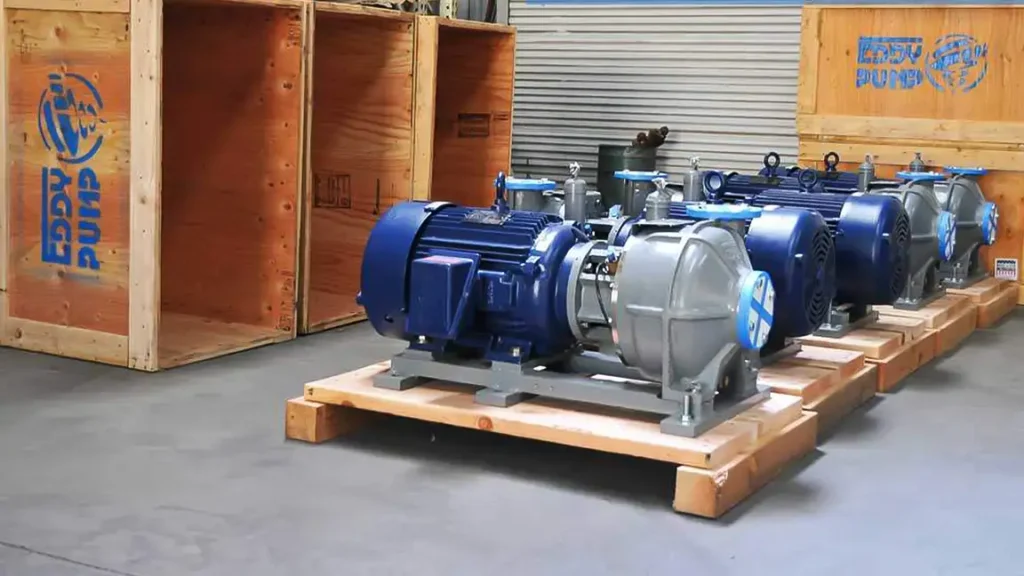
In contrast, an EDDY Bilge Pump in action is designed to minimize clogging risks, resulting in significantly lower operational costs. It is highly efficient in dealing with solids and viscous materials, ensuring superior delivery in demanding aquatic environments. With an extended lifespan, EDDY Pumps provide a more durable and cost-effective complete solution. Additionally, their advanced engineering results in superior energy efficiency, which reduces operational expenses and ensures more sustainable functioning.
Why Choose EDDY Marine Bilge Pumps?
EDDY Pump’s advanced design makes it a superior alternative to conventional bilge pumps. Unlike traditional models that struggle in action with clogging and frequent troubleshooting, EDDY Pump operates efficiently, even under the most demanding conditions. Its ability to deal with sludge, sand, oil, and other contaminants without clogging ensures uninterrupted operation and enhanced vessel or boat safety.
By choosing the EDDY Pump, vessel operators can significantly reduce servicing and repair costs, improve energy efficiency, and extend the lifespan of their pump system. Whether for commercial, military, or recreational vessels, the EDDY Marine Bilge Pump is the optimal choice for ensuring a safer and more efficient maritime experience. Investing in these pumps is directly proportional to high returns.
Marine Water Pump: Efficient Fluid Management Systems
Applications of Marine Water Pumps in Daily Operations
An underwater pump is a critical component in various vessel functions, ensuring seamless fluid management across multiple systems. These pumps are essential for cooling engines, managing ballast water levels and flow, supporting fire suppression systems, and distributing freshwater to the crew. Given the harsh conditions of marine environments, these pumps must be highly durable, resistant to corrosion, and capable of managing aggressive and abrasive fluids.
Effective fluid management is vital for a vessel’s operation. It prevents engine overheating, maintains optimal ballast levels for stability, and guarantees a clean and reliable water flow. Inadequate water pump performance can lead to engine failures, instability, and operational inefficiencies, making high-quality underwater pumps a necessity. As vessels or boats continue to grow in size and complexity, the demand for high-functioning oceanic pumps has increased, necessitating advancements in pump technology to meet these evolving needs.
EDDY Pump’s Approach to Handling Aggressive and Corrosive Fluids
EDDY Pump stands out in the underwater or oceanic water pump market due to its innovative engineering, which prioritizes longevity and efficiency. Unlike conventional pumps that degrade quickly due to exposure to saltwater and corrosive fluids, EDDY marine water pumps are made with advanced materials and protective coatings that resist corrosion, erosion, and wear. This ensures prolonged durability, reducing the need for frequent troubleshooting and replacements. These pumps are also designed to achieve high maximum head pressures, ensuring efficient fluid transfer even in challenging conditions.
Marine water pumps often encounter highly abrasive and chemically aggressive fluids, which can accelerate wear and decrease efficiency in traditional systems. EDDY Pump’s unique design allows it to deal with these challenging conditions effectively, making it the preferred choice for commercial shipping, offshore platforms, and military vessels. With its superior resistance to harsh aquatic environments, the EDDY Pump delivers consistent and reliable operation, ensuring vessels remain operational without unexpected downtime.
Energy Efficiency and Longevity of EDDY Marine Water Pump
One key advantage of the EDDY Pump is its energy-efficient operation. The innovative vortex design reduces friction and wear, minimizing mechanical strain and improving overall efficiency. This results in lower fuel consumption and significant cost savings for vessel operators. In an industry where operational costs are a major concern, investing in energy-efficient pumps, such as those from EDDY Pump, can lead to long-term financial benefits.
Reduced mechanical wear also extends the operational lifespan of EDDY marine water pumps. Due to rapid wear, traditional pumps require frequent troubleshooting and component replacements, but the EDDY Pump’s design ensures extended service intervals and lower overall troubleshooting costs. This reliability is particularly beneficial for long-haul maritime operations, where access to repair facilities is limited.
Why Choose EDDY Marine Water Pumps?
The EDDY Pump provides a superior alternative to conventional oceanic water pumps, offering unmatched durability, energy efficiency, and reliability. With the ability to deal with corrosive and abrasive fluids without clogging or efficiency degradation, these pumps are ideal for demanding marine operations. Whether utilized for commercial shipping, naval operations, or offshore industries, EDDY marine water pumps mounted on the vessels deliver long-term functioning and cost savings, ensuring vessels operate efficiently and safely in even the harshest conditions.
Marine Tank Pump: Handling Cargo and More
Unique Demands of Marine Tank Pump Applications
An oceanic or aquatic tank pump plays a critical role in addressing various essential vessel functions, including cargo transfer, fuel management, ballast water flow and regulation, and waste disposal. These pumps are often mounted on carrying boards or below deck to ensure optimal functionality and safety. These operations require marine tank pumps to be efficient in maintaining liquid flow without causing contamination, excessive wear, or operational delays. Given the harsh conditions of marine environments, these pumps must be highly durable and capable of handling aggressive, high-viscosity, and solid-laden fluids.
Effective tank pumps mounted on the vessel drive stability, efficient fuel distribution, and proper waste disposal – all of which are crucial for maintaining regulatory compliance and operational efficiency. Traditional marine tank pumps often struggle with clogging, high maintenance requirements, and inefficiencies when dealing with liquids contaminated by sludge or debris. This is where advanced pump technology, such as EDDY Pump, offers a significant advantage.
EDDY Marine Tank Pump for Liquid Transfer and Waste Management
EDDY marine tank pumps are designed to address the unique challenges of managing oceanic or underwater fluids with superior efficiency and durability. These pumps drive high-capacity operation while resisting clogging, making them perfect for transferring a wide range of fluids, including sludge, fuel, ballast water, and wastewater. Unlike conventional pumps that struggle with high viscosity and high solids content, EDDY aquatic tank pumps excel in these conditions, reducing the likelihood of pump failure and minimizing downtime. These pumps are essential for various operations on the ship, including sewage transfer, transferring aqueous fluids, and transferring fire or ballast.
EDDY marine tank pumps’ non-clogging design and high efficiency contribute to lower troubleshooting costs and increased reliability, making them a preferred choice for commercial and military vessels alike. With reduced wear and tear, these pumps extend the lifespan of onboard fluid transfer systems, ultimately improving the vessel’s overall functioning and reliability.
Success Stories: Real-World Examples of EDDY Marine Tank Pump in Action
Many maritime operators have successfully integrated EDDY marine tank pumps into their operations, experiencing measurable improvements in efficiency and cost savings. For instance, a commercial shipping company that replaced its conventional maritime tank pumps with EDDY maritime tank pumps reported a 50% reduction in downtime and a 30% increase in fuel efficiency.
Similarly, offshore drilling platforms have benefited from the reliability of EDDY marine tank pumps, which ensure the uninterrupted transfer of drilling mud and wastewater flow. By eliminating frequent pump failures and operational interruptions, operators have optimized productivity and reduced operational costs.
EDDY oceanic tank pumps continue to set a new standard for efficiency and reliability in the maritime industry. They can manage and sustain tough marine conditions and high-viscosity fluids.

Innovations in Marine Pump Design
The Impact of Non-Clogging Technology and Vortex Principles
EDDY Pump drives groundbreaking innovations that address the long-standing issue of clogging in traditional underwater pumps. Unlike conventional designs that frequently suffer from blockages due to solids and debris, EDDY underwater pumps leverage vortex principles to create a swirling flow, which minimizes direct contact between the pumped fluid and internal pump components. This unique design significantly reduces wear and tear, prolonging the pump’s lifespan and maximizing operational efficiency.
EDDY aquatic pumps eliminate the need for impellers that frequently clog, ensuring seamless fluid transfer across various underwater operations. Whether handling sludge, managing wastewater flow, or fuel, these pumps maintain consistent operation without the common interruptions caused by clogging, leading to more reliable maritime operations.
Benefits of Reduced Maintenance and Downtime with EDDY Marine Pumps
One of the most significant advantages of EDDY Pump’s aquatic pumps is their ability to reduce troubleshooting requirements and operational downtime. Traditional underwater pumps require frequent servicing due to mechanical wear, clogging, and breakdowns, which can be costly and disruptive to vessel operations. In contrast, EDDY aquatic pumps have fewer moving parts and operate with minimal friction, reducing the need for constant troubleshooting.
For maritime operators, this translates to substantial cost savings, as fewer operational disruptions mean lower labor costs, reduced replacement part expenses, and increased vessel uptime. By operating for extended periods without servicing, EDDY marine water pumps contribute to more predictable and cost-effective maritime operations, ensuring vessels remain operational with minimal disruption.
Customization Options for Diverse Marine Pump Applications
EDDY maritime pumps offer versatile and customizable solutions to meet the diverse needs of the maritime industry. Whether used for ballast water management, fuel transfer, dredging operations, or wastewater processing, these pumps can be tailored to specific operational requirements.
Customization options include varying pump sizes, material compositions for enhanced corrosion resistance, and specialized coatings to withstand aggressive oceanic environments. This adaptability ensures that each EDDY maritime pump is optimized for its specific implementation, enhancing efficiency and reliability for different vessel types and aquatic conditions.
By providing tailor-made and comprehensive solutions, EDDY Pump helps maritime operators achieve peak performance while ensuring longevity and durability in challenging underwater conditions. Their advanced design, coupled with superior efficiency, makes them the number one choice for modern vessels seeking improved fluid transfer capabilities.
Engine Room Systems
Engine room systems are the heart of any maritime vessel, and pumps play an important role in their operation. These systems rely on underwater pumps for various essential functions, including cooling, lubrication, and fuel transfer. The system operates in a harsh environment, characterized by high temperatures, vibrations, and exposure to corrosive fluids, which necessitates pumps that are both durable and reliable.
Centrifugal pumps are commonly used in these systems due to their high flow rates and ability to handle a wide range of fluids. These pumps are essential for maintaining the cooling systems that prevent engines from overheating, ensuring that the vessel operates smoothly and efficiently. Additionally, they are used in lubrication systems to keep the machine’s components running smoothly and in fuel transfer systems to drive a consistent fuel supply to the engines.
The installation and troubleshooting of aquatic pumps in these systems require careful planning and execution. Proper installation is critical to ensure that the pumps can withstand the harsh conditions of the setup. This includes features such as vibration isolation, noise reduction, and corrosion protection. Regular troubleshooting is also essential to ensure optimal operation and minimize downtime, as any failure in the systems can have serious consequences for the vessel’s operation.
Integration of Marine Pumps in Engine Room Operations
The integration of underwater pumps in these operations is a critical aspect of maritime vessel design and construction. Oceanic pumps must be carefully selected and installed to ensure optimal operation, reliability, and safety. The pump installation must be designed to withstand the harsh environment of the setup, with features such as vibration isolation, noise reduction, and corrosion protection.
The pump control system must be designed to respond to changing system conditions, such as temperature, pressure, and flow rate. This requires advanced control systems that can monitor and adjust the pump operation in real-time to ensure optimal functioning. Regular troubleshooting and inspection of maritime pumps are essential to drive optimal operation, prevent downtime, and extend the lifespan of both the pump and the system.
By integrating high-quality maritime pumps into these operations, vessel operators can ensure that their vessels run smoothly and efficiently, reducing the risk of breakdowns and improving overall vessel performance. This not only enhances the safety and reliability of the vessel but also contributes to cost savings through reduced troubleshooting and operational costs.
Pump Materials and Construction
The materials and construction of underwater pumps are critical factors that determine their performance, reliability, and lifespan. Oceanic pumps are typically constructed from materials such as bronze, stainless steel, and cast iron, which offer high strength, corrosion resistance, and durability.
Bronze is a widely used material for aquatic pumps due to its excellent strength and resistance to corrosion. It is particularly suitable for operations involving seawater, as it can withstand the harsh underwater environment without degrading. Stainless steel is another popular material, known for its high strength, corrosion resistance, and low troubleshooting requirements. It is perfect for scenarios where hygiene and cleanliness are important, such as in freshwater systems.
Cast iron is a cost-effective material that offers high strength and durability. However, it may require additional corrosion protection to drive long-term operation in underwater environments. The use of advanced materials and technologies, such as composite materials and 3D printing, is becoming increasingly popular in aquatic pump construction, offering new possibilities for enhancing operation and durability.
The selection of the right materials and construction methods depends on the specific utilization, fluid characteristics, and operational requirements. By selecting the right materials, underwater pumps can be designed to withstand the harsh marine environment conditions, ensuring reliable and efficient operation.
Material Selection for Durability and Performance
The selection of materials for aquatic pumps is a critical aspect of pump design and construction. Bronze is a widely used material for underwater pumps due to its high strength, corrosion resistance, and durability. It is particularly suitable for operations involving seawater, as it can withstand the harsh underwater environment without degrading.
Stainless steel is also a popular material for underwater pumps, offering high strength, corrosion resistance, and low troubleshooting requirements. It is ideal for operations where hygiene and cleanliness are important, such as in freshwater systems. Cast iron is a cost-effective material that offers high strength and durability, but it may require additional corrosion protection to ensure long-term operation in marine environments.
The selection of the right material depends on the specific implementation, fluid characteristics, and operational requirements, as well as factors such as cost, troubleshooting, and repairability. By carefully selecting the appropriate materials, underwater pumps can be designed to provide reliable and efficient working, ensuring the longevity and durability of the pump and the overall system.
Conclusion: Partnering with EDDY Marine Bilge Pumps for Maritime Success
By adding EDDY marine bilge pumps, maritime operators can achieve significant cost savings, reduce downtime, and ensure seamless fluid management on their vessels. EDDY Pumps’ advanced technology and innovative design provide unmatched efficiency, reliability, and longevity even in the harshest marine environments. Their non-clogging capabilities, minimal troubleshooting requirements, and energy-efficient operation make them a vital investment for any vessel seeking optimal performance.
Whether handling ballast water, fuel transfer, wastewater management, or dredging operations, EDDY Pump offers customized and complete solutions tailored to your vessel’s specific needs. With a commitment to quality and innovation, EDDY Pump helps maritime operators maintain compliance with industry regulations while improving overall efficiency and operational success.
Choosing EDDY Pump’s marine pumps is synonymous with investing in the latest technology to improve your vessel’s performance, reduce operating costs, and guarantee long-term reliability. Our team is dedicated to supporting you from product selection to installation and ongoing troubleshooting, ensuring you get the best and complete solution for your marine applications.
Are you ready to upgrade your marine pump system? Contact EDDY Pump today to learn more about our innovative solutions and schedule a consultation tailored to your needs.

FAQs:
- What makes a pump “marine-grade” compared to standard industrial pumps?
Marine-grade pumps are specifically designed to withstand harsh maritime conditions, including saltwater corrosion, constant vibration, and fluctuating temperatures. These pumps often feature materials such as bronze, stainless steel, or coated cast iron and include design elements that reduce the risk of salt crystallization and scaling within the pump body. Their electrical components are also typically sealed for protection against moisture and salt ingress.
- How do I choose the right size marine pump for my application?
Choosing the right size depends on multiple factors, including flow rate (GPM or LPM), total dynamic head (TDH), fluid viscosity, and system resistance. Oversized pumps can lead to energy waste and cavitation, while undersized ones may fail to meet operational demands. It’s best to consult performance curves and work with a pump expert to match the pump’s capabilities to your system requirements.
- What are the common causes of marine pump failure in offshore operations?
Common causes include:
- Corrosion from saltwater exposure due to improper material selection
- Pump cavitation caused by improper suction conditions
- Wear from sediment or debris in seawater
- Electrical failures due to poor waterproofing or insulation
Routine checks and timely replacement of worn components can significantly reduce failure risks.
- Are marine pumps suitable for continuous-duty operation?
Yes, many marine pumps—especially those designed for bilge pumping, ballast control, or slurry handling—are built for continuous-duty operation. However, it’s critical to ensure proper motor cooling, alignment, and maintenance. For high-viscosity or abrasive fluids, pumps like EDDY Pump’s non-clog design are especially effective under continuous load.
- Can marine pumps be powered by both AC and DC sources?
Yes, depending on the type of pump and its configuration. Smaller marine pumps, such as bilge pumps, often run on 12V or 24V DC for compatibility with boats. Larger or industrial marine pumps typically use 3-phase AC power, ranging from 380V to 480V. It’s important to select a pump with a motor that matches your vessel or facility’s electrical setup.