
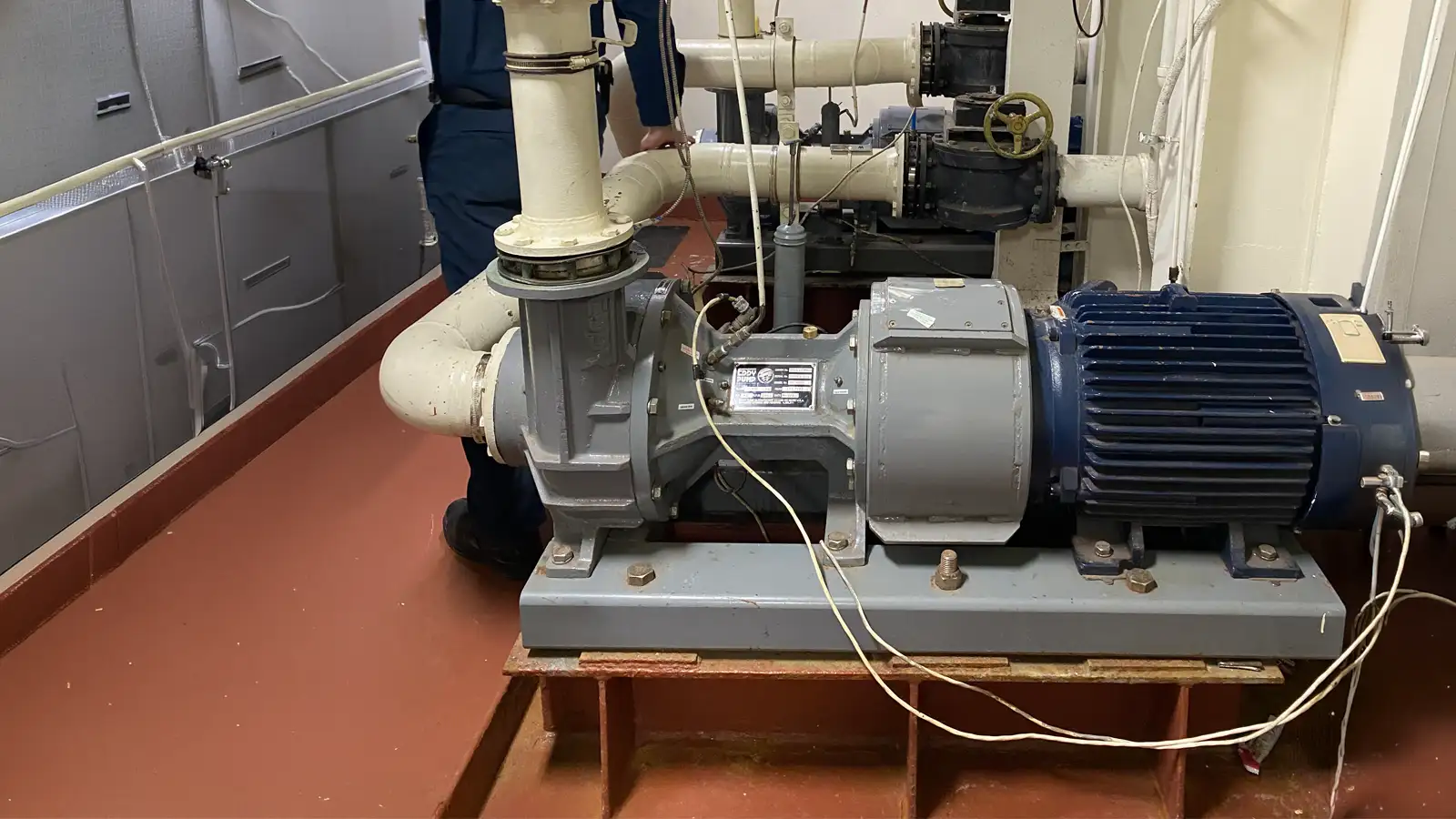
Inside the Pump


Slurry Pump Family Snapshot
Pump Sizes

1 in to 16 in
Flow Range

1 to 13,000 GPM
Head Range

Up to 350 ft TDH
Solids Handling

Up to 15 in
% Solids by Weight

Up to 70%

Available Configurations
Direct-Drive Electric, Submersible Electric, Electric Self-Priming. Diesel Self-Priming. Hydraulic/HPU

PUMP SIZES: 1 - 16 inches
1-Inch Slurry Pump | HD-1000
SLURRY PUMP
What is EDDY Pump Slurry Pump?
Our slurry pump moves liquid containing significant concentrations of solid material such as sand, sediment, sludge, grit, ash, and mine tailings. Unlike pumps designed primarily for clean water, slurry pumps must account for particle size, abrasiveness, slurry density, solids concentration, and wear.
Slurry pumps are used in mining, dredging, sand and gravel, wastewater, power generation, and oil and gas operations. Selection depends on the material, solids concentration, particle size, required flow, and total dynamic head. EDDY Pump slurry pumps are available in sizes from 1 to 16 inches and in submersible, flooded suction, and self-priming configurations.
EDDY Pump uses a patented recessed rotor and open internal flow path designed for difficult high-solids applications.
Built Around the Pump Platform, Not Just the Power Source
The EDDY Pump product line is organized around the pump platform first. The same core pump size can often be configured as a direct-drive electric pump, submersible electric pump, electric self-priming pump, diesel self-priming pump, hydraulic attachment, HPU-powered pump, or dredging system. Start by defining the slurry and duty point, then choose the right pump platform and power package for the job.

Define the Slurry
Identify the material being pumped, maximum and typical solids size, slurry density or specific gravity, percent solids by weight, abrasiveness, corrosiveness, temperature, and whether the material settles or compacts.

Define the Duty Point
Confirm required flow rate, total dynamic head, discharge distance, pipe size, elevation change, and production target in yd³/hr.

Choose the Pump Platform
Match the required flow, head, solids handling, and production target to the right EDDY Pump platform.

Choose the Power Package
Select the configuration that fits the installation: standard electric direct-drive, submersible electric, electric self-priming, diesel self-priming, hydraulic/HPU-powered, or a dredging/booster-supported system where applicable.
Why Choose EDDY Pump for High-Solids Slurry?

Purpose-Built Slurry Pump Design
The EDDY Pump design creates a strong eddy current that moves slurry through a large passage, helping keep material moving in difficult applications where it would otherwise settle.

Thicker Slurry, Less Water
Our pumps are built to handle high-solids slurry with less water, commonly moving up to 70% solids by weight, application dependent.

Large Solids Passage
Pump platforms are designed to pass oversized solids, rocks, grit, sludge, sediment, tailings, and abrasive material that can create problems for conventional pump designs.

One Platform, Multiple Configurations
The same pump platform can support electric, submersible, self-priming, diesel, hydraulic, excavator, and dredging system configurations.

Standard Plus Custom Path
Standard High Chrome configurations support faster selection and repeatable quoting, while custom metallurgy and package options remain available for difficult applications.

Clearer Product Selection
Compare pump size, suction, discharge, flow, head, solids handling, solids by weight, production rate, and max pump speed in one place.
Inside the EDDY Pump Difference

The inside of the pump is the core differentiator, EDDY Pump uses a patented recessed rotor and open internal flow path to help keep solids moving and reduce clogging in heavy slurry service.

Open internal flow path
Large open flow path keeps slurry moving with fewer restrictions.

Patented recessed rotor
Recessed rotor design creates a strong eddy current that
moves solids efficiently.

Built for abrasive solids
Heavy-duty construction and replaceable wear parts stand up
to abrasive, dense slurry.
Match Pump Materials to Your Slurry
Wet-end material selection depends on how your slurry wears and chemically attacks pump components. Review these conditions with your material and process data before specifying construction.
Abrasive Solids
Wear depends on particle hardness, size, and shape (sharp, angular particles typically wear surfaces faster than rounded ones), along with solids concentration and operating conditions such as speed and duty cycle. High Chrome is the standard wet-end construction listed for the EDDY Pump slurry platforms on this page. Share your solids data so the construction can be confirmed for your duty.
Corrosive Liquids
Corrosion resistance depends on the chemical composition and concentration of the carrier liquid, its pH, and its operating temperature. No single metal suits every corrosive slurry, so compatibility should be evaluated against the specific process fluid before a construction material is selected.
Combined Abrasion and Corrosion
When a slurry is both abrasive and corrosive, wear and chemical attack can act together. Review mechanical wear resistance and chemical compatibility for all relevant wetted components and seals, rather than selecting materials for only one condition.
Choose the Right EDDY Pump Configuration
Electric Direct Drive
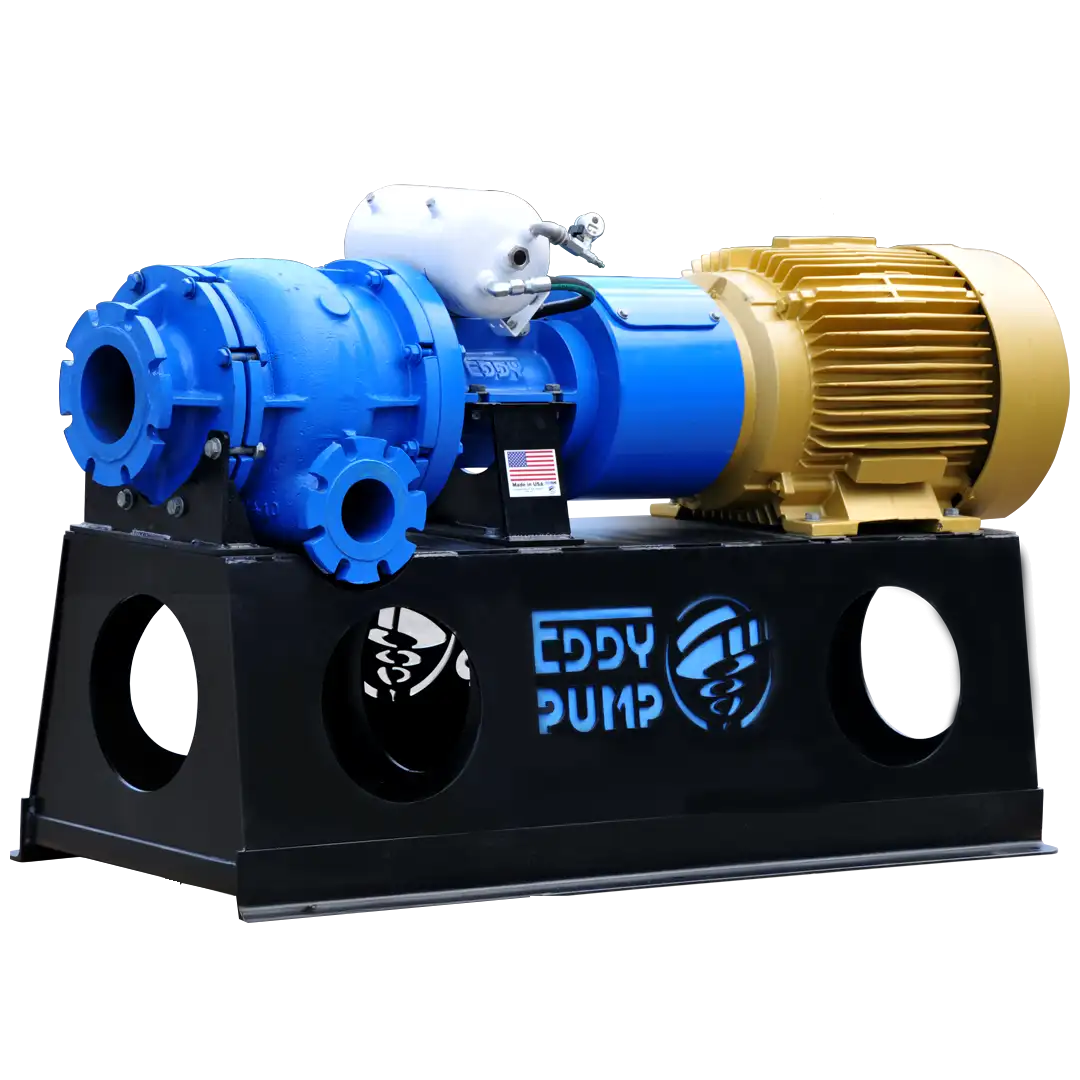
Best for permanent installations with reliable power.
Submersible Electric
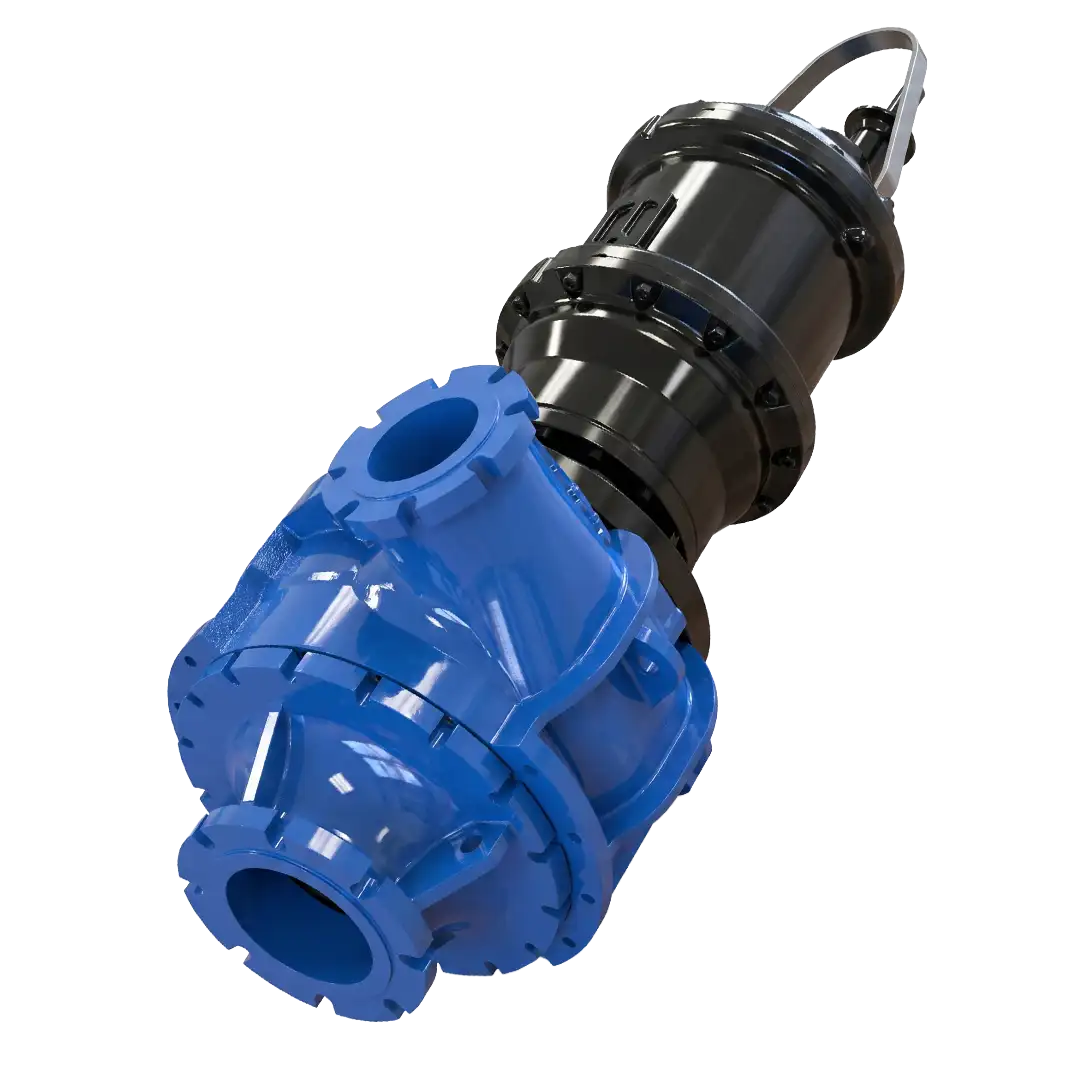
Best for dewatering pits, sumps, and
wet environments.
Electric Self-Priming
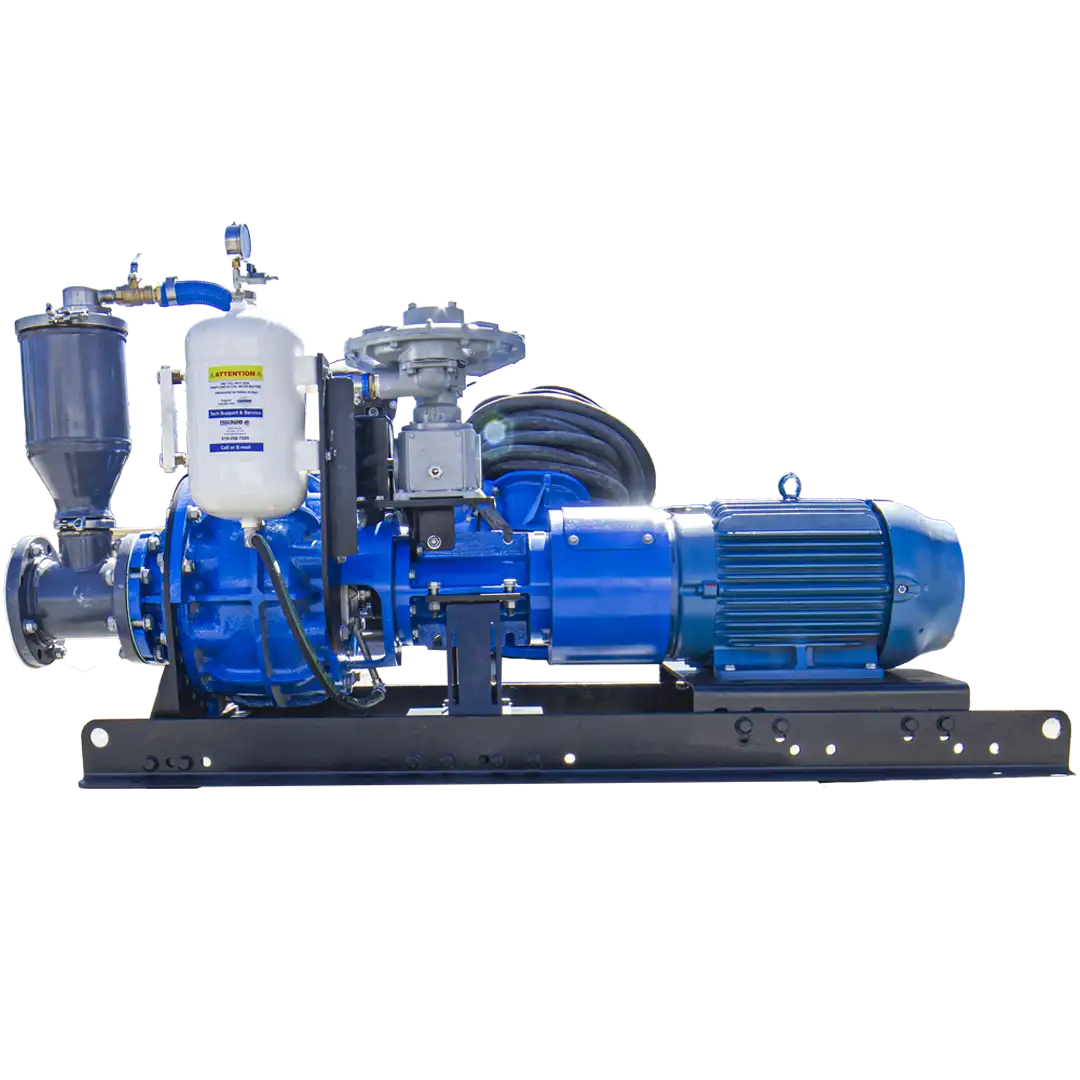
Best for suction lift applications and remote sites.
Diesel Self-Priming
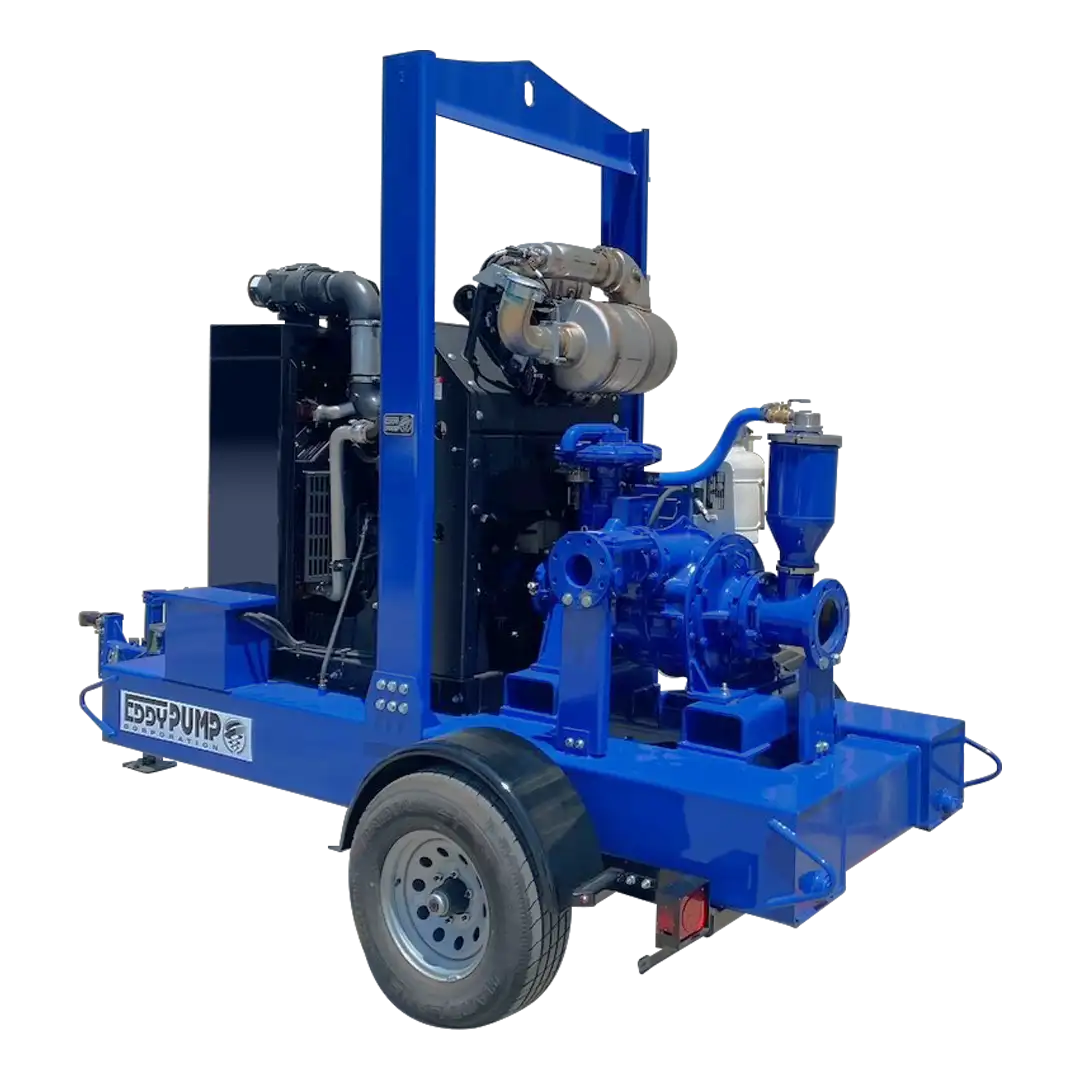
Best for remote locations and unreliable power.
Hydraulic/ HPU-Powered
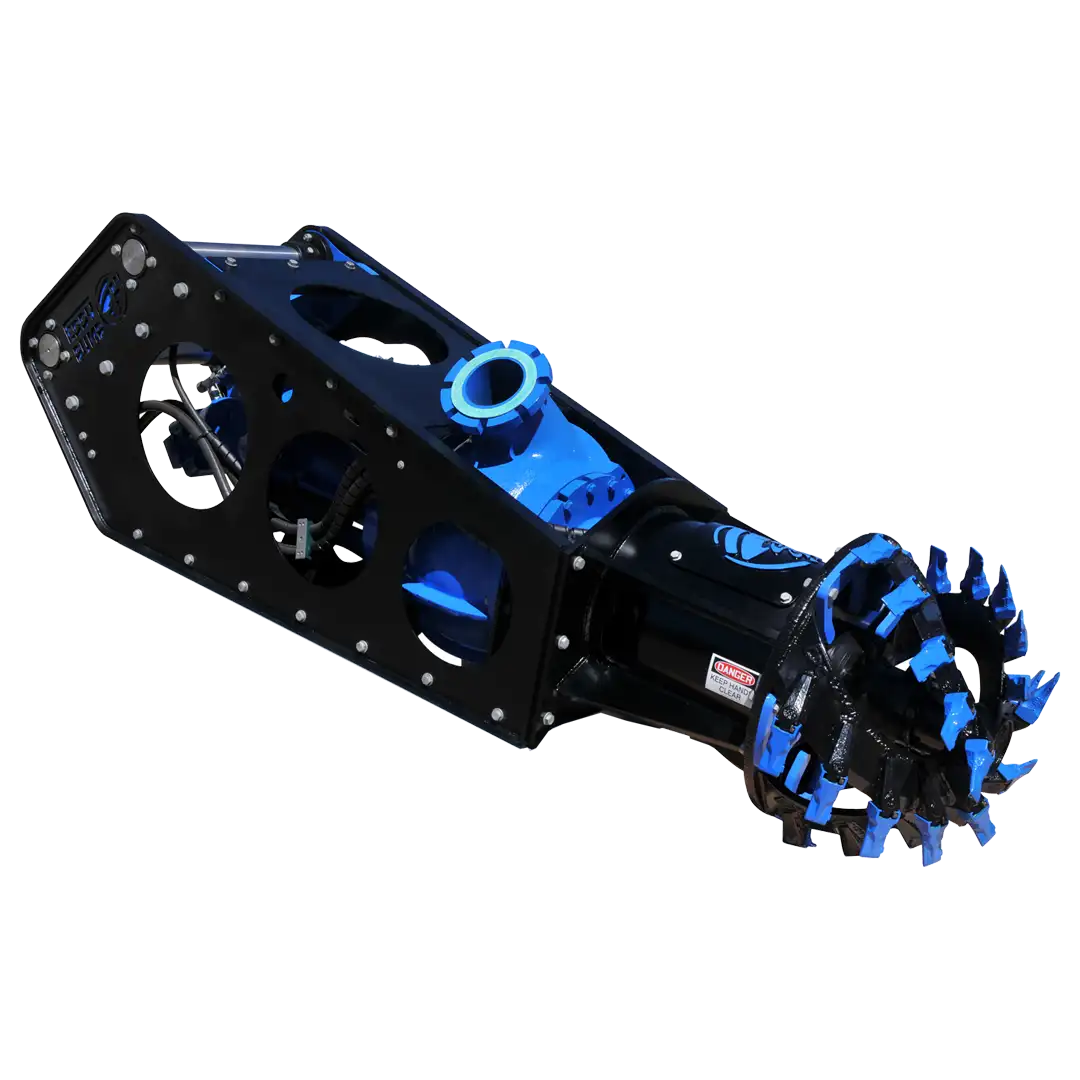
Best for excavator or skid steer attachments and mobile equipment.
Custom Engineered Packages
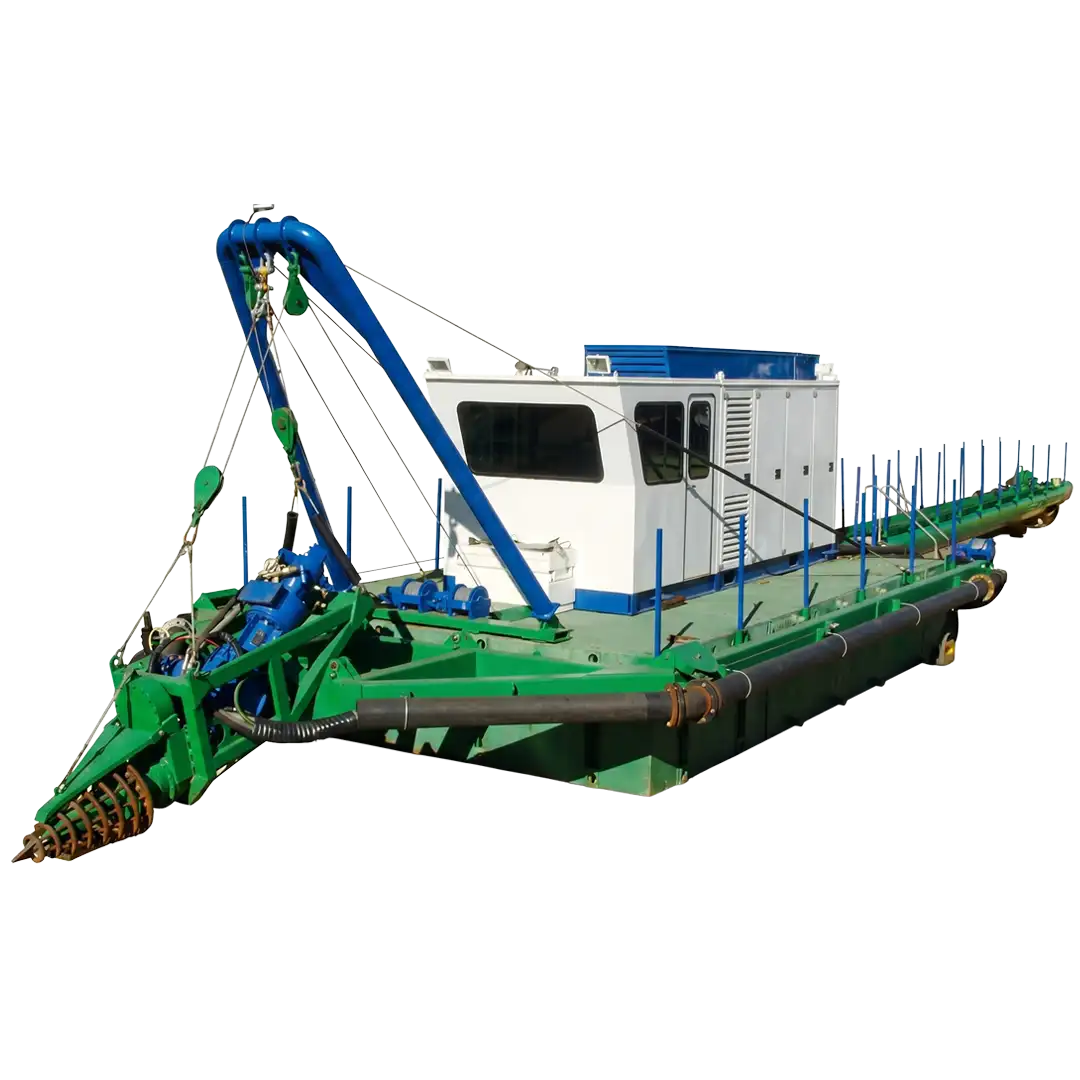
Best for complex duties, dredging, and turnkey systems.
Available Slurry Pump Models

1 in
HD-1000
1-200 GPM
Up to 0.75 in

2 in
HD-2000
50-390 GPM
Up to 1.75 in
2 in
HH-2000
High Head
100-600 GPM
Up to 1.75 in

3 in
HD-3000
100-780 GPM
Up to 2 in

4 in
HD-4000
250-1,200 GPM
Up to 3 in

5 in
HD-5000
400-1,800 GPM
Up to 4 in

6 in
HD-6000
450-2,500 GPM
Up to 5 in

8 in
HD-8000
1,400-3,600 GPM
Up to 7 in

10 in
HD-10000
1,600-5,000 GPM
Up to 9 in

12 in
HD-12000
2,000-7,300 GPM
Up to 11 in

16 in
EDDY Pump 16 In
10,000-13,000 GPM
Up to 15 in
Compare All Slurry Pump Models
| Pump Platform | Discharge Size | Suction Size | Flow Range (GPM) | Head Range (ft) | Solids Handling | % Solids by Weight | Production Rate (yd³/hr) | Max Pump Speed (RPM) | Spec Sheet |
|---|---|---|---|---|---|---|---|---|---|
| HD-1000 | 1 in | 1.5 in | 1–200 | Up to 170 | Up to 0.75 in | 40–70% | 0–15 | 1,800–3,600 | Download  |
| HD-2000 | 2 in | 3 in | 50–390 | Up to 90 | Up to 1.75 in | 40–70% | 15–45 | 1,800 | Download Download  |
| HH-2000 | 2 in | 3 in | 100–600 | Up to 350 | Up to 1.75 in | 40–70% | 25–60 | 2,250 | Download |
| HD-3000 | 3 in | 4 in | 100–780 | Up to 130 | Up to 2 in | 40–70% | 45–75 | 1,800 | Download Download |
| HD-4000 | 4 in | 6 in | 250–1,200 | Up to 160 | Up to 3 in | 40–70% | 75–150 | 1,800 | Download Download |
| HD-5000 5×5 | 5 in | 5 in | 400–1,800 | Up to 225 | Up to 4 in | 40–70% | 100–175 | 1,800 | Download |
| HD-5000 6×5 | 5 in | 6 in | 400–1,800 | Up to 225 | Up to 4 in | 40–70% | 100–175 | 1,800 | Download |
| HD-6000 | 6 in | 8 in | 450–2,500 | Up to 200 | Up to 5 in | 40–70% | 150–200 | 1,800 | Download Download |
| HD-8000 | 8 in | 10 in | 1,400–3,600 | Up to 230 | Up to 7 in | 40–70% | 250–300 | 1,200 | Download Download |
| HD-10000 | 10 in | 12 in | 1,600–5,000 | Up to 240 | Up to 9 in | 40–70% | 300–350 | 1,200 | Download Download |
| HD-12000 | 12 in | 14 in | 2,600–7,300 | Up to 180 | Up to 11 in | 40–70% | 500–600 | 900 | Download Download |
| HD-16000 | 16 in | 18 in | 10,000–13,000 | Up to 180 | Up to 15 in | 40–70% | 700–1,000 | 700 | Download |
How to Read Slurry Pump Performance Data
The comparison table above lists published ranges for each slurry pump platform. Use these points to interpret that data before shortlisting a pump for an abrasive or high-solids slurry duty.
Flow and Head Must Be Evaluated Together
Flow and head describe one operating point, not two independent ratings. The required flow at the required total dynamic head (TDH) must fall within the selected pump’s applicable performance curve. A model’s maximum flow and maximum head are not available at the same time, so do not combine them when shortlisting a pump.
Slurry Properties Affect Performance
Slurry density, solids concentration, particle characteristics, and viscosity can change the head a pump develops and the power it requires compared with clear water. Before applying a published curve, establish whether it represents water or a specified slurry.
Solids Passage Is One Selection Factor
Solids-handling size indicates the largest particle a pump is designed to pass. It does not, on its own, establish suitability for a material. Particle size distribution, shape, abrasiveness, concentration, and debris such as rock, wire, or rags also affect wear, settling, and clogging risk.
Production Rate Differs from Slurry Flow
GPM measures the flow of the whole solids-and-liquid mixture. Solids production also depends on concentration, which may be stated by weight or by volume. These are not interchangeable, because particle density affects the conversion. Do not equate GPM directly with cubic yards of recovered sediment; production estimates need a defined concentration and volume basis.
Published ranges help narrow the pump selection. Confirm the duty point, slurry properties, operating speed, and power requirements with applications engineering.
Standard Driver / Power Package Options
| Pump | Rotor(s) | Close-Coupled Electric | Submersible Electric | Flex-Coupled / Self-Prime Electric | Diesel Self-Prime |
|---|---|---|---|---|---|
| HD1K | 6 in | 10, 15 HP | 10, 15 HP | 10, 15 HP | Not offered |
| HD2K | 7 in; 10 in | 10, 20 HP | 10, 20 HP | 10, 20 HP | Not offered |
| HH2K | 7 in; 10 in | Not offered | Not offered | Configure to order | Configure to order |
| HD3K | 10 in | Not offered | 25, 30, 40 HP | 25, 30, 40 HP | 49 HP |
| HH3K | 17DD | Not offered | Not offered | 50, 75, 100 HP | 50, 75, 100 HP |
| HD4K | 10 in; 12 in | Not offered | 50, 75, 100 HP | 40, 50, 75, 100 HP | 80, 130 HP |
| HH5K | 14DD | Not offered | Not offered | 150 HP | 130 HP |
| HD6K | 14 in; 16 in | Not offered | 75, 100 HP | 75, 100 HP | 130, 180, 210 HP |
| HD8K | 21 in; 23 in | Not offered | 500 HP | 500 HP | 500 HP |
| HD10K | 21 in; 23 in | Not offered | 250, 300, 400, 500 HP | 250, 300, 400, 500 HP | 500 HP |
| HD12K | 26 in; 28 in; 30 in | Not offered | Not offered | 750, 1,000 HP | 800 HP |
| HD16K | 38 in; 42 in | Not offered | Not offered | Configure to order | Configure to order |
Driver / Power Package Options
| Package Type | Power Source | Typical HP Range | Best-Fit Use |
|---|---|---|---|
| Electric Direct-Drive | Electric Motor | 5–800 HP | Permanent installations with reliable power supply |
| Submersible Electric | Electric Motor (Submersible) | 5–300 HP | Dewatering, sump, and wet pit applications |
| Electric Self-Priming | Electric Motor | 10–500 HP | Suction lift, remote sites, and quick prime needs |
| Diesel Self-Priming | Diesel Engine | 15–600 HP | Remote locations and mobile dredge power |
| Hydraulic / HPU-Powered | Hydraulic (Excavator/HPU) | 30–600 HP | Mobile equipment and versatile jobsite use |
| Booster Support | Booster Pump System | Varies |
Best for long discharge runs or systems where pipeline friction, elevation change, slurry density, or total dynamic head require additional pumping support. |
Plan the Suction and Discharge System
A slurry pump performs as part of a complete system. Review both sides of the pump against your site layout before finalizing pump size and power package.
Suction-Side Conditions
- Pump location: Whether the pump will be submerged, installed below the liquid level, or set above it.
- Suction lift or flooded suction: The liquid level relative to the pump affects priming and which configuration fits: submersible, flooded suction, or self-priming.
- Suction line: Length, diameter, fittings, and restrictions add losses before slurry reaches the pump.
- Air entry and priming: Leaking joints, low liquid levels, and vortexing at the intake can draw in air and interrupt prime.
- Available suction conditions: Have applications engineering review the available suction conditions against the pump’s requirements for your slurry and site.
Discharge-Side Conditions
- Pipeline: Diameter, length, and material, such as steel, HDPE, or hose, affect friction losses and wear.
- Elevation and outlet: The elevation change to the discharge point and the outlet conditions, such as open discharge or a tank, add to the required head.
- Friction losses: Pipe, hose, bends, valves, and fittings all add losses, which increase with flow rate and can differ for slurry compared with water.
- Settling and transport: The pipeline must keep your specific solids moving without settling; the required conditions depend on particle size, density, concentration, and pipe diameter.
- Pumping stages: Long or high-lift routes may require additional pumping stages, which should be determined from a complete system evaluation.
Pumping distance alone does not determine the required head. Evaluate the complete piping route, slurry properties, and operating conditions.
Excavating Sediment as Well as Moving Slurry?
If your project also requires sediment excavation and deployment equipment, such as a cable-deployed, submersible, or autonomous dredge platform, review EDDY Pump’s complete dredging systems. Slurry-transfer applications that already have material delivered to the pump do not require a dredging system.
Best-Fit Applications

Sludge & Wastewater Solids

Sand/Grit/ Aggregate

Dredged Material & Sediment

Mining & Tailings

Fly Ash & Power Generation

Process Slurry & Industrial Solids
Industries Served

Mining

Sand & Aggregates

Oil & Gas

Chemical Processing

Pulp & Paper

Fly Ash & Coal
What Drives Slurry Pump Operating Cost?
Purchase price is only one part of evaluating a slurry pump for an ongoing duty. These factors shape what it takes to operate and maintain the pump over time.
Energy and Operating Duty
Power draw depends on the flow, head, and slurry properties at the duty point, and total energy use depends on operating hours. Matching the pump and drive to the actual duty helps avoid energy lost to oversizing or throttling.
Wear Components and Maintenance
Slurry abrasiveness, solids concentration, and construction materials influence how often wear parts need inspection or replacement. Plan inspection access and wear monitoring around your actual operating conditions.
Downtime and Service Access
Installation layout, lifting and isolation provisions, and spare parts availability affect how quickly a pump can be inspected, serviced, and returned to operation. For continuous processes, consider whether standby capacity is needed.
Water Handling and Downstream Processing
The water pumped with the solids affects downstream storage, treatment, and dewatering requirements. Evaluate slurry concentration together with the receiving process, such as ponds, geotubes, or mechanical dewatering, rather than assuming one concentration suits every site.
Information Needed to Size the Correct Pump
Application Data
- Solids size (maximum and typical)
- Solids concentration (by weight)
- Slurry density (SG)
- Slurry abrasiveness and corrosiveness
- Slurry temperature
- Material type and characteristics
- Production rate target
- Duty cycle and operating hours
Site & Installation Data
- Flow rate (GPM)
- Total Dynamic Head (TDH)
- Suction lift or flooded suction
- Discharge distance and pipe size
- Elevation change
- Site power availability
- Space, access, and setup constraints
Download Resources


See Our Pumps In Action
Documented Slurry Pump Project Results
These results are reported in EDDY Pump case studies for specific sites and operating conditions. They are not performance guarantees; each new application needs its own material and hydraulic assessment.

Bauxite Red Mud Tailings: Rio Tinto Alcan Field Trial
Application: Mining tailings remediation, Mt Rosser Pond, Jamaica
Equipment: 4-inch EDDY Pump with hydraulic drive and cutter head, mounted on an excavator boom
Challenge: Thixotropic red mud with surface shear strength under 3 kPa, too soft to support earthmoving equipment
Documented result: The field trial pumped the mud at 332–824 gpm (21–52 l/s), close to its in-situ solids content of about 42% (137% moisture content). The trial also identified requirements for full-scale work, including a larger pump and stronger agitation.

Abrasive Drill Cuttings: ConocoPhillips
Application: Drill-cuttings transfer, North Slope, Alaska
Equipment: Submersible, semi-submersible, and belt-driven 4-inch to 6-inch EDDY Pumps (75–100 HP, VFD-controlled), including the NoEx cuttings tank system
Challenge: Abrasive, high-solids cuttings previously moved with vacuum trucks and excavators
Documented result: The case study reports cuttings transferred about 1,000 ft to disposal at 40–70% solids (concentration basis not stated), replacing vacuum trucks and excavators. It reports the NoEx system handled cuttings about 5× faster.

Barge Sediment Offloading: Mare Island Dry Dock
Application: Hydraulic barge offloading, Vallejo, California
Equipment: Cable-deployed submersible EDDY Pump with water-jetting ring; 10-inch HDPE discharge
Challenge: New disposal-site permits required hydraulic rather than mechanical offloading of barge material
Documented result: About 100,000 cubic yards offloaded with a single pump over roughly two years, discharging about 650 ft to a disposal pond. The only reported downtime followed scrap metal entering the suction chamber.
Frequently Asked Questions
What is the difference between electric, hydraulic, and diesel EDDY Pump configurations?
Electric pumps are ideal for locations with reliable power availability and provide efficient, continuous operation. Hydraulic (HPU-driven) pumps are commonly used on excavators, skid steers, and other heavy equipment where hydraulic power is readily available. Diesel-powered pump systems are best suited for remote job sites where grid power is unavailable.
What does % solids by weight mean?
Solids by weight refers to the percentage of solid material contained within the total slurry weight (solids plus liquid). EDDY Pump systems are commonly specified to handle slurry concentrations of up to 70% solids by weight, depending on the application.
How do I choose between submersible and self-priming pumps?
Submersible pumps are best for dewatering, wet pit, and underwater applications where the pump operates directly within the fluid. Self-priming pumps are better suited for suction-lift applications where the pump is positioned above the fluid level and must draw material through a suction line.
Can EDDY Pump handle large rocks and debris?
Yes. EDDY Pump systems are designed with large internal passages and a patented recessed rotor that allows oversized solids, rocks, and debris to pass through the pump without clogging, unlike many conventional centrifugal pumps.
Is High Chrome the only material option?
No. While High Chrome is the standard material for highly abrasive slurry applications, EDDY Pump also offers a variety of material options, including cast iron, stainless steel, and specialized alloys for corrosive or extreme operating environments.
Do you offer custom-engineered packages?
Yes. EDDY Pump provides custom-engineered packages tailored to specific project requirements, including pump skids, dredging systems, excavator attachments, and complete turnkey pumping solutions.
How do I get pricing for a slurry pump?
Request a quote with your material, project location, required flow, and discharge conditions. Pricing depends on the pump model, materials of construction, drive, and package requirements. If you do not know the operating requirements, describe the application so our team can help with selection.
Ready to size the right slurry pump system?
Send EDDY Pump your material, maximum solids size, percent solids by weight, slurry density or specific gravity, required flow or production target, total dynamic head, discharge distance, pipe size, elevation change, available power, and installation layout. If you do not have every value yet, start with what you know and our application team can help define the duty point.