
Home / Products / Slurry Pumps /
Submersible Slurry Pumps
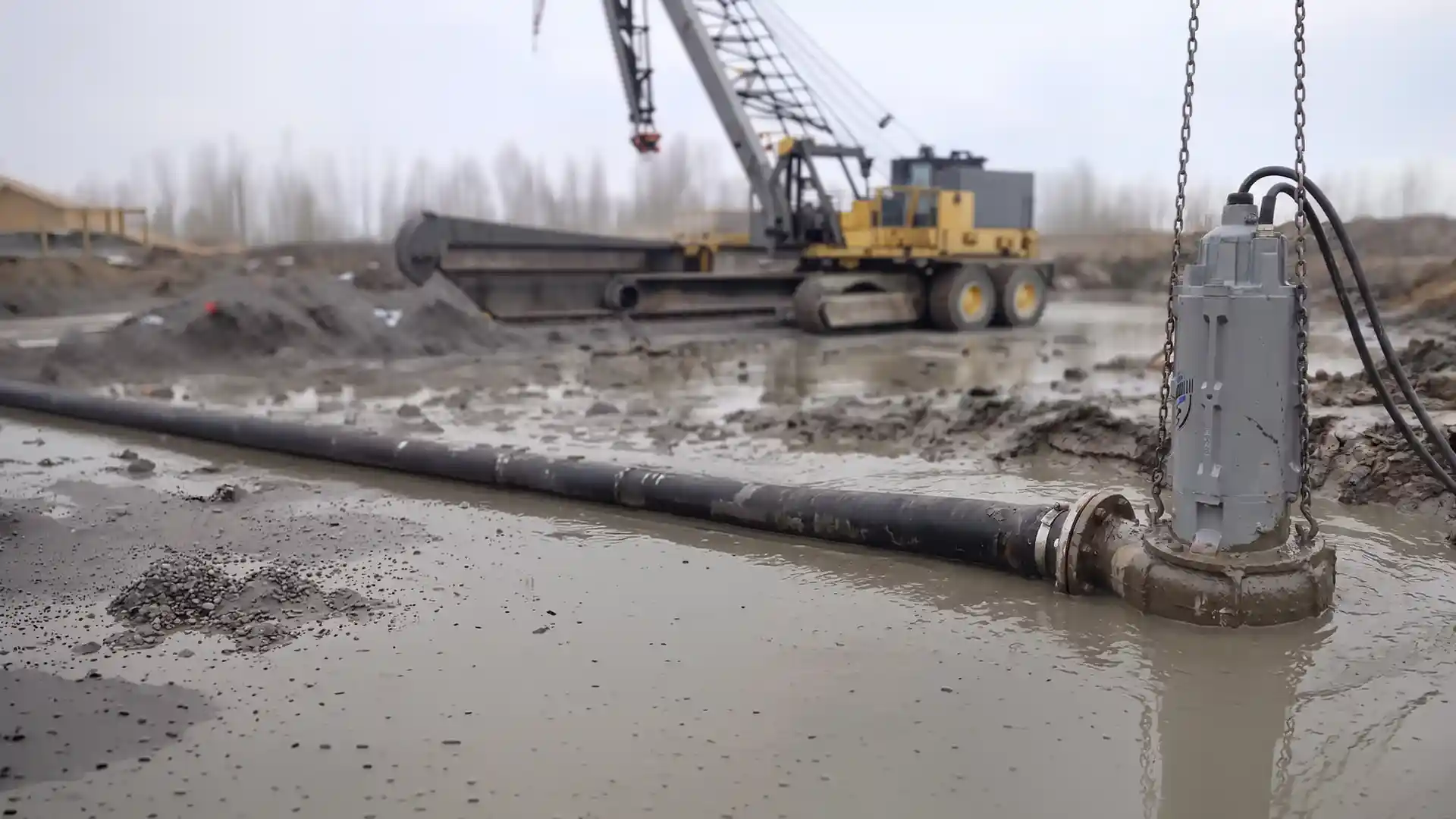
EDDY Pump submersible slurry pumps operate directly in the slurry source, making them a strong fit for pits, sumps, ponds, lagoons, tanks, wet wells, and submerged solids removal. Standard submersible platforms cover 1-inch through 12-inch pump sizes, with flow up to 7,300 GPM, head up to 350 ft, solids handling up to 11 inches, and 40–70% solids by weight, application dependent.
Best fit: Choose submersible when the pump can operate directly in the material and you want to avoid suction-lift limitations.
AT A GLANCE
Submersible Pump Snapshot
The key size, flow, head and solids numbers for submersible slurry pumps, plus the power available by platform.

Standard Pump Range
1 in to 12 in

Flow Range
1–7,300 GPM

Head Range
Up to 350 ft

Solids Handling
Up to 11 in

% Solids By Weight
40–70%, application dependent

Power
Submersible electric; 10-500 HP by confirmed platform/rotor combination
CHOOSE YOUR SETUP
Available Configurations
Pick the submersible drive that fits your site and power supply. Each option below links to its product page.
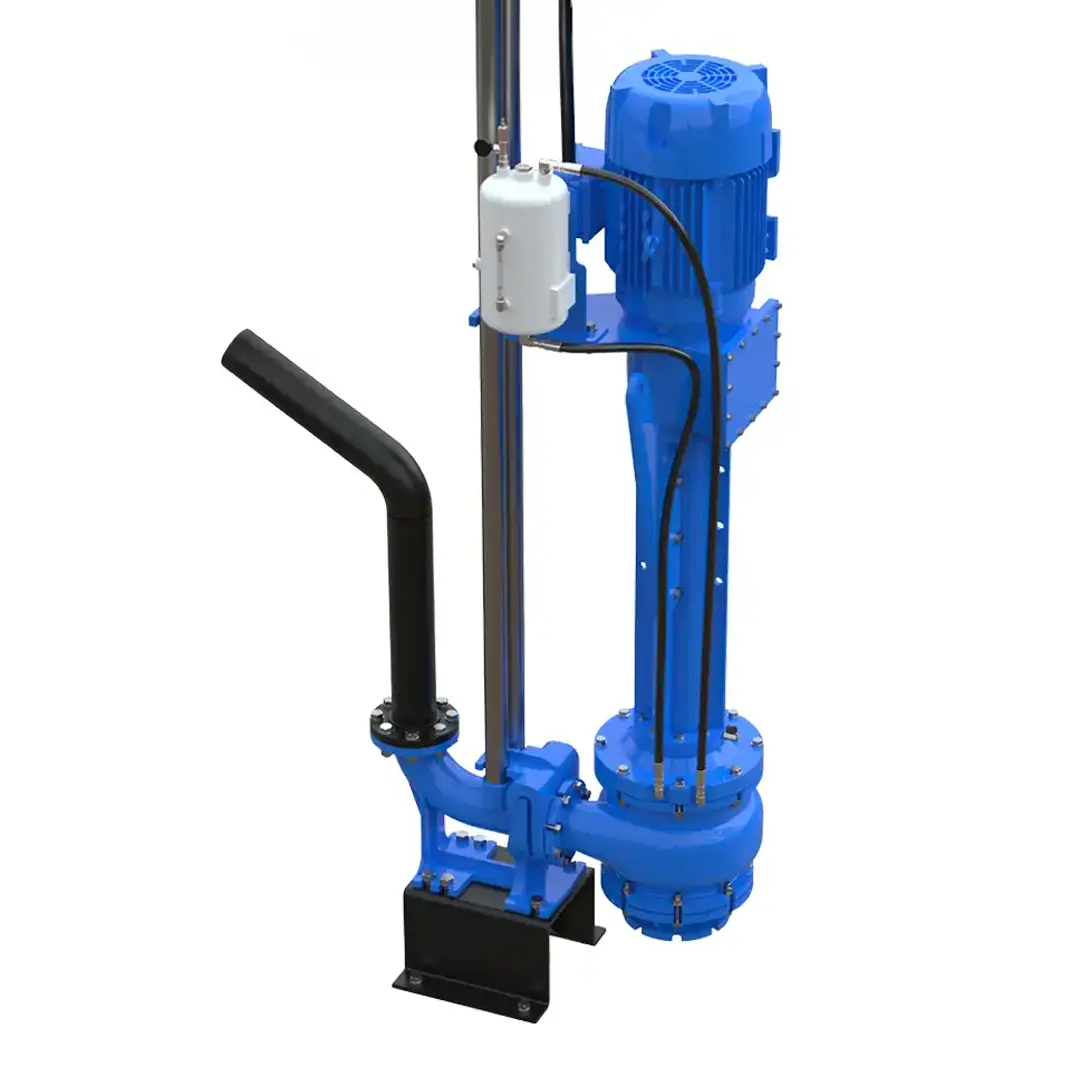
Submersible Electric
Best for fixed installations with power in dewatering pits, sumps, and wet pits.
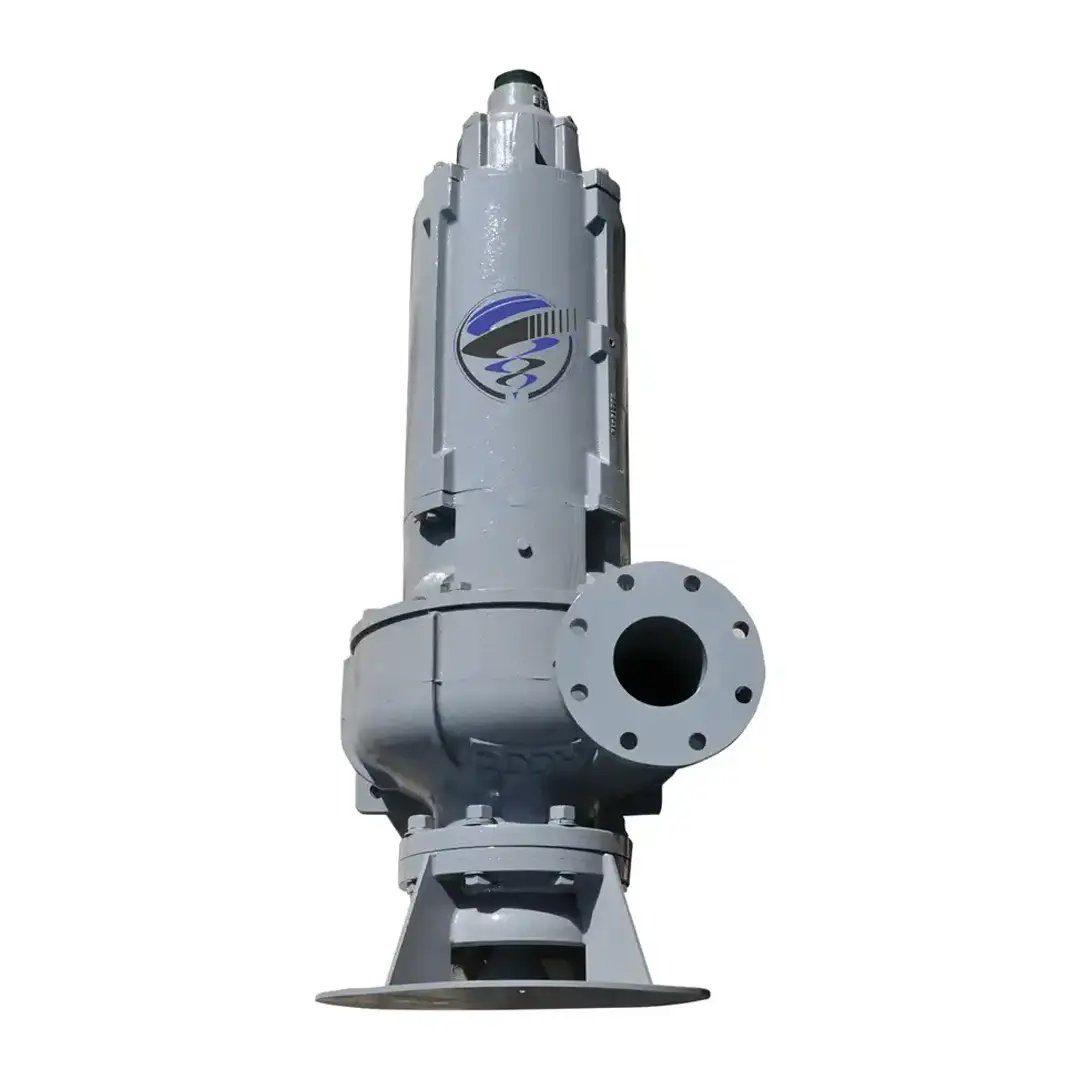
Hydraulic / HPU Submersible
Best for mobile, remote, or excavator-mounted dredging duty.
Heavy-Duty Submersible Slurry Pumps Advantages
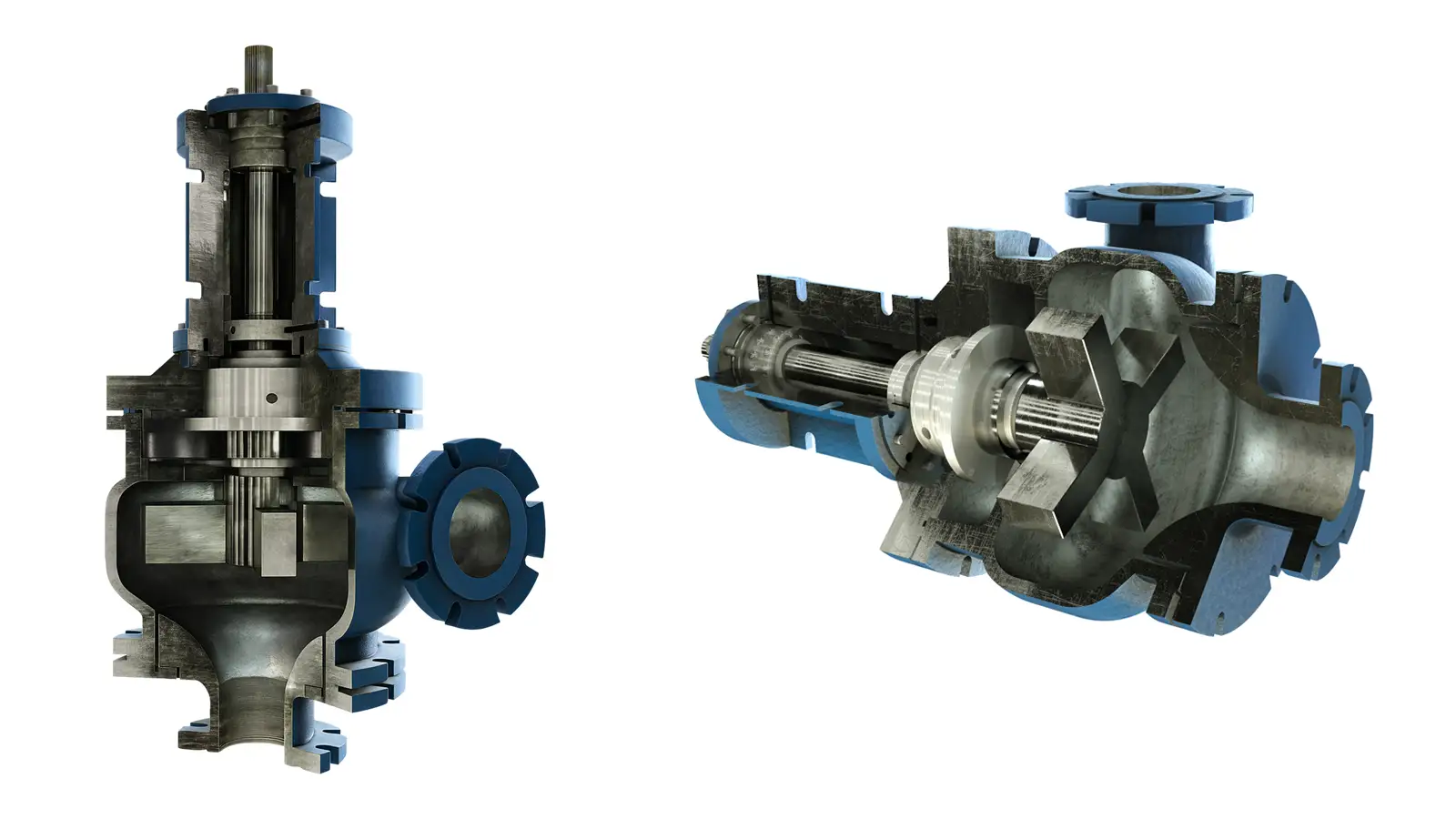
Handles high solids concentrations from 40–70% by weight without frequent clogging or loss of flow consistency.
Fully submersible configuration eliminates suction lift limitations common with surface-mounted pumping systems.
Non-clog pump design improves reliability when transferring abrasive slurry, sludge, sediment, tailings, and viscous material.
Large solids handling capability up to 11 inches allows efficient transfer of coarse and challenging material.
Available in multiple material configurations, including High Chrome, Stainless Steel, Duplex Stainless, and Ductile Iron for different wear and corrosion conditions.
Operates in vertical or horizontal deployment configurations to support varying dredging and industrial layouts.
Flow capacities ranging from 1 to 7300 GPM support both small-scale and high-production slurry operations.
Heavy-duty mechanical seal system with Tungsten Carbide or Silicon Carbide components improves seal life in abrasive conditions.
Reduced clogging and internal recirculation help lower maintenance frequency and operational downtime.
Supports high production transfer rates up to 600 yd³/hr for large-scale dredging and material handling operations.
Suitable for submerged pumping in confined areas, lagoons, pits, tanks, ponds, mines, and process environments.
Compatible with electric and hydraulic power configurations, depending on application and deployment requirements.
Submersible Slurry Pump Specifications - Performance, Dimensions & Material Options
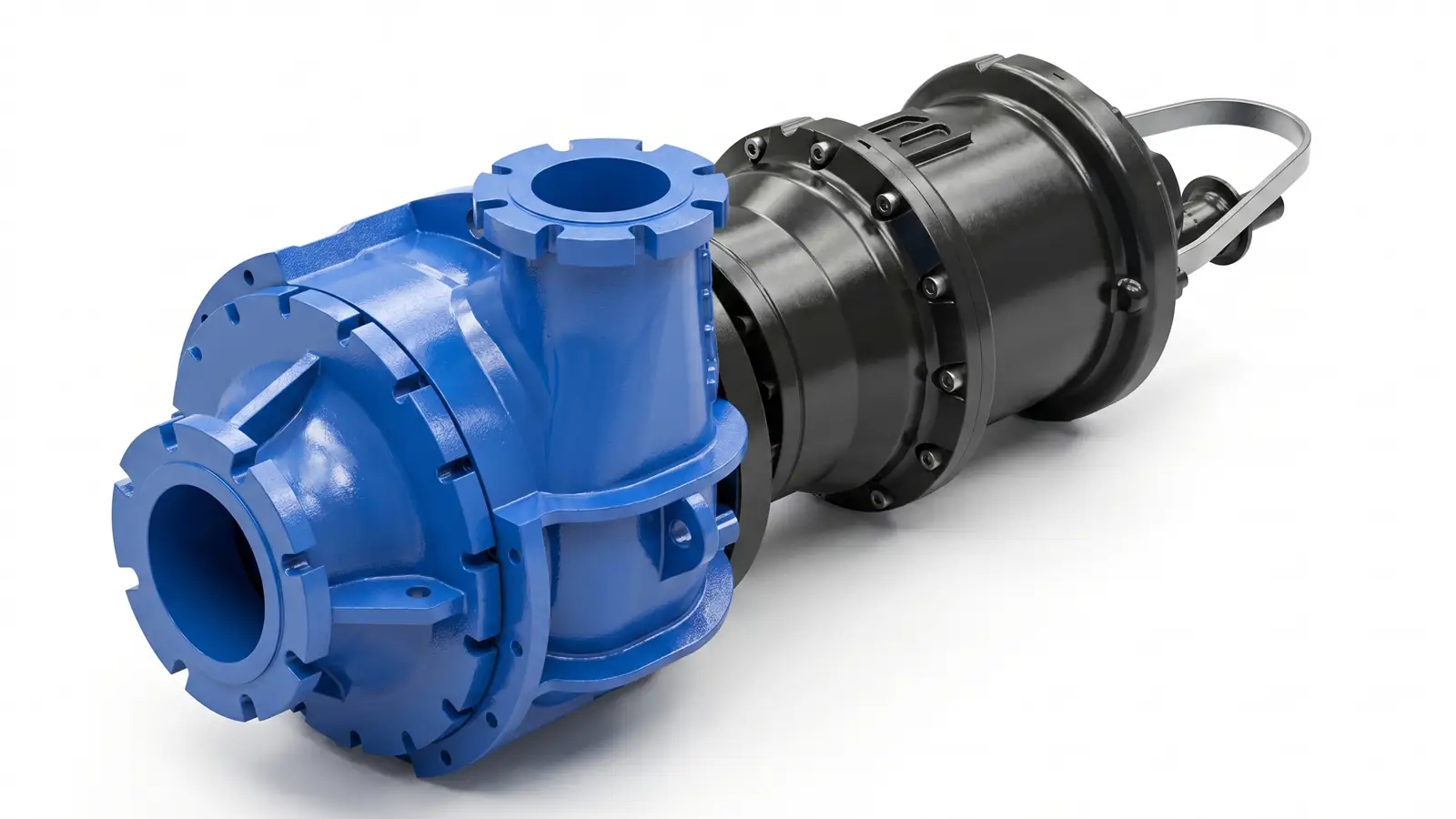
Performance Specifications
- Flow Range: 1 - 7300 GPM
- Head Range: Up to 240 ft
- Solids Handling: Up to 11 inches
- Percent Solids by Weight: 40–70%
- Production Rate: Up to 600 yd³/hr
Physical Specifications
- Discharge Size: 1-12 inches
- Suction Size: 1.5-14 inches
- Pump Orientation: Can be deployed horizontally or vertically
Material Construction
- Rotor: High Chrome 28%, Ductile Iron, Stainless Steel, Duplex Stainless
- Volute Casing: High Chrome 28%, Ductile Iron, Stainless Steel, Duplex Stainless
- Shaft: Chromoly or Stainless Steel
- Mechanical Seal: Dual Tungsten Carbide or Silicon Carbide with self-contained seal flushing system
- Bearing Housing: Ductile Iron or Stainless Steel
*All specifications mentioned will vary depending on the model
COMPARE THE MODELS
Submersible Slurry Pump Model Comparison
Compare discharge and suction sizes, flow, head and solids handling across the submersible platforms to find the model that fits your duty point.
| Pump Platform | Discharge Size | Suction Size | Flow Range (GPM) | Head Range (ft) | Solids Handling | % Solids by Weight | Production Rate (yd³/hr) | Max Pump Speed (RPM) | Spec Sheet |
|---|---|---|---|---|---|---|---|---|---|
| HD-1000 | 1 in | 1.5 in | 1–200 | Up to 170 | Up to 0.75 in | 40–70% | 0–15 | 1,800–3,600 | Download  |
| HD-2000 | 2 in | 3 in | 50–390 | Up to 90 | Up to 1.75 in | 40–70% | 15–45 | 1,800 | Download Download  |
| HH-2000 | 2 in | 3 in | 100–600 | Up to 350 | Up to 1.75 in | 40–70% | 25–60 | 2,250 | Download |
| HD-3000 | 3 in | 4 in | 100–780 | Up to 130 | Up to 2 in | 40–70% | 45–75 | 1,800 | Download Download |
| HD-4000 | 4 in | 6 in | 250–1,200 | Up to 160 | Up to 3 in | 40–70% | 75–150 | 1,800 | Download Download |
| HD-5000 5×5 | 5 in | 5 in | 400–1,800 | Up to 225 | Up to 4 in | 40–70% | 100–175 | 1,800 | Download |
| HD-5000 6×5 | 5 in | 6 in | 400–1,800 | Up to 225 | Up to 4 in | 40–70% | 100–175 | 1,800 | Download |
| HD-6000 | 6 in | 8 in | 450–2,500 | Up to 200 | Up to 5 in | 40–70% | 150–200 | 1,800 | Download Download |
| HD-8000 | 8 in | 10 in | 1,400–3,600 | Up to 230 | Up to 7 in | 40–70% | 250–300 | 1,200 | Download Download |
| HD-10000 | 10 in | 12 in | 1,600–5,000 | Up to 240 | Up to 9 in | 40–70% | 300–350 | 1,200 | Download Download |
| HD-12000 | 12 in | 14 in | 2,600–7,300 | Up to 180 | Up to 11 in | 40–70% | 500–600 | 900 | Download Download |
| HD-16000 | 16 in | 18 in | 10,000–13,000 | Up to 180 | Up to 15 in | 40–70% | 700–1,000 | 700 | Download |
SIDE BY SIDE
Submersible vs. Surface Slurry Pump: Choosing the Right Configuration
Selecting between a submersible and a surface-mounted (self-priming or flooded suction) slurry pump is primarily a decision about where the pump must operate relative to the material source, and how the site is set up for access and maintenance. Both configurations handle high-solids slurry effectively; the choice determines deployment flexibility, suction performance, and maintenance access.
| Factor | Submersible Slurry Pump (EDDY HD Series) | Surface Slurry Pump (EDDY Self-Prime / Flooded Suction) |
|---|---|---|
| Pump location | Submerged directly in the slurry or fluid | Installed above fluid level; suction hose or pipe runs to material |
| Priming | Not required — always submerged in fluid | Self-priming (vacuum-assisted) or flooded suction (gravity-fed) |
| Suction lift | None — pump positioned at or below material level | Self-prime: can lift material to the pump; flooded: below-source only |
| Mobility | Lower — must be retrieved from fluid to relocate | High — trailer, skid, or stationary; easy repositioning |
| Maintenance access | Requires lifting pump from fluid; more involved | Above-grade access; straightforward component inspection |
| Solids handling | Excellent — direct immersion maximizes solids capture | Excellent — vacuum-assisted (self-prime) or gravity-fed (flooded) |
| Deep pit / pond / lagoon | Ideal — operates at full depth without suction limitations | Limited by suction lift height (self-prime) or depth (flooded) |
| Motor cooling | Motor cooled by surrounding fluid — suited for continuous duty | Air-cooled motor; tolerant of intermittent or dry-run operation |
| Electric or hydraulic drive | Both available | Both available (DSP/HD series: diesel or electric) |
| Best for | Fixed pond/pit dewatering, deep lagoon pumping, underwater dredging, continuous mine tailings transfer | Portable job sites, surface dewatering, trailer-mounted operations, intermittent duty |
POWER OPTIONS
Standard Submersible Electric Motor HP Options
See the rotor and motor options for each pump platform, and how to confirm the final selection.
| Pump | Rotor(s) | Submersible Electric Motor | Best-Fit Use |
|---|---|---|---|
| HD1K | 6 in | 10, 15 HP | Use when the pump operates directly in the slurry source. |
| HD2K | 7 in; 10 in | 10, 20 HP | Use when the pump operates directly in the slurry source. |
| HD3K | 10 in | 25, 30, 40 HP | Use when the pump operates directly in the slurry source. |
| HD4K | 10 in; 12 in | 50, 75, 100 HP | Use when the pump operates directly in the slurry source. |
| HD6K | 14 in; 16 in | 75, 100 HP | Use when the pump operates directly in the slurry source. |
| HD8K | 21 in; 23 in | 500 HP | Use when the pump operates directly in the slurry source. |
| HD10K | 21 in; 23 in | 250, 300, 400, 500 HP | Use when the pump operates directly in the slurry source. |
Selection note: Final package selection should be confirmed against the pump curve, duty point, slurry density, total dynamic head, discharge distance, pipe size, solids size, percent solids by weight, viscosity, available power, and duty cycle.
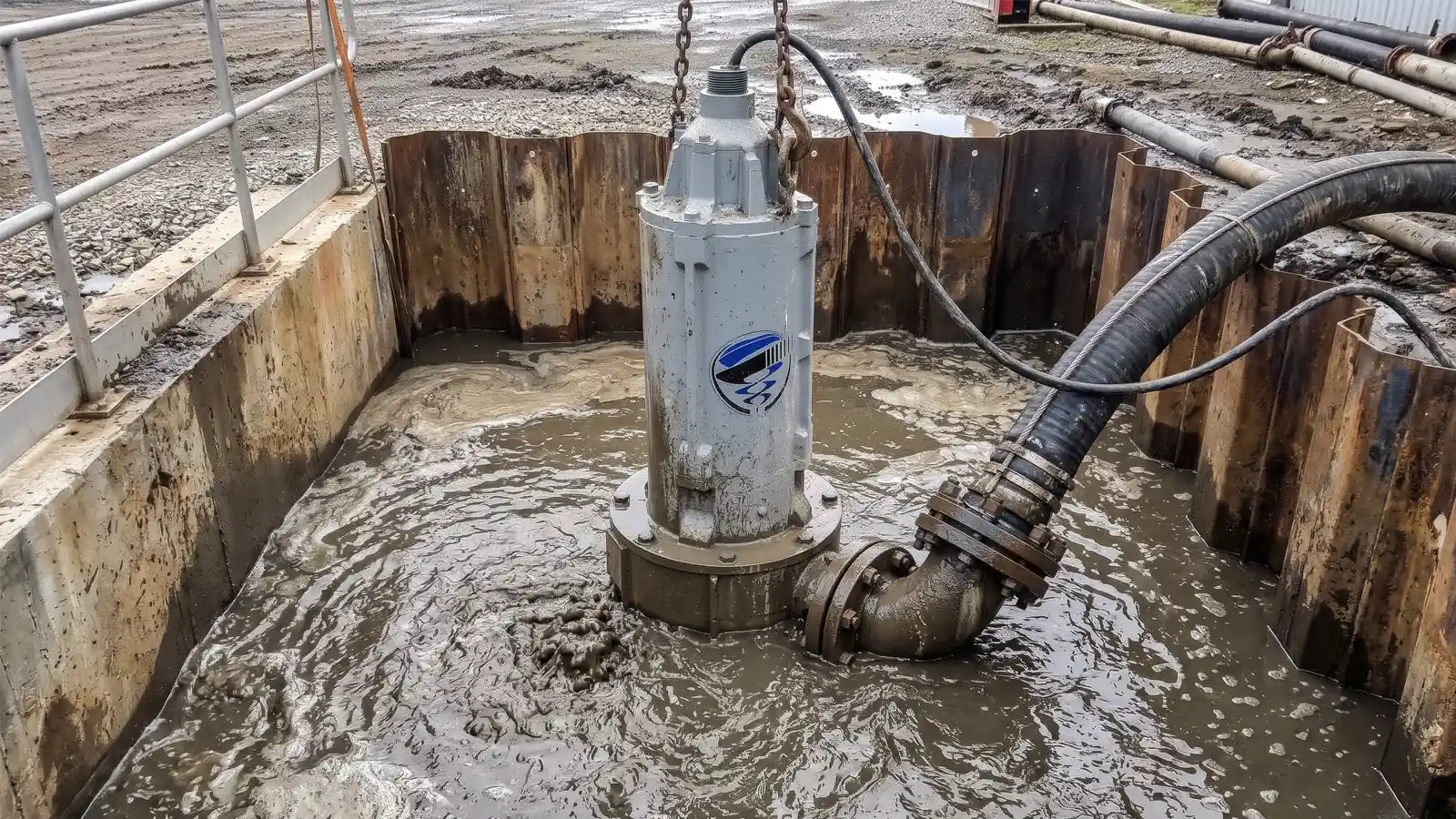
When to Choose Submersible
Choose a Submersible Slurry Pump When:
- the pump can be lowered directly into the pit, sump, pond, lagoon, tank, basin, or wet well;
- settled solids need to be captured close to the material source;
- the site layout makes a suction line or surface-mounted pump impractical;
- you want to eliminate suction lift and the priming requirements associated with an above-grade pump; or
- the project needs a compact above-water footprint.
Need the pump to remain above the material? Compare Self-Priming Slurry Pumps. Have a gravity-fed tank or hopper? Compare Flooded Suction Slurry Pumps.
WHERE THEY WORK
Industries Served
Submersible slurry pumps move abrasive solids in mining, dredging, wastewater, energy and marine work. Here is where they are used most.

Mining and Tailings Transfer
Submersible slurry pumps are widely used in mining operations for transferring tailings, thickened slurry, settling pond material, and abrasive solids generated during mineral processing. Their ability to handle high solids concentrations and coarse particles makes them suitable for continuous operation in harsh slurry environments where conventional pumps often experience rapid wear or clogging.

Dredging and Sediment Removal
These pumps support dredging operations involving sediment removal, lagoon cleanup, pond maintenance, canal dredging, and industrial slurry excavation. Fully submersible deployment allows operators to position the pump directly within the material, improving solids capture efficiency while reducing suction-related limitations during high-solids dredging operations.

Wastewater and Sludge Handling
Municipal and industrial wastewater facilities use submersible slurry pumps for transferring sludge, grit, biosolids, clarifier sediment, and high-solids waste streams. Their non-clog design helps maintain stable flow when handling viscous sludge and debris-laden material commonly found in wastewater treatment environments.

Oil, Gas, and Industrial Waste Transfer
Oil and gas facilities use submersible slurry pumps for drilling mud transfer, tank cleaning, sump cleanup, and industrial waste handling applications. The pumps are commonly deployed in confined or hazardous operating areas where submerged pumping improves operational flexibility and reduces equipment footprint requirements.

Power Generation and Ash Handling
Power plants use slurry pumps for handling fly ash, bottom ash, ash pond sediment, and abrasive byproducts generated during combustion and material handling processes. Heavy-duty wear components and high-solids handling capability help maintain reliability in abrasive ash transfer applications with demanding operating conditions.

Marine, Ports, and Waterway Maintenance
Ports, shipyards, and marine contractors use submersible slurry pumps for berth maintenance, sediment removal, dock cleanup, and underwater excavation projects. Their submerged operation allows efficient pumping in deep water, confined marine areas, and applications where floating or land-based pump systems may be difficult to deploy.
Pond Dredging, Lagoon Cleanout & Sediment Removal
Submersible slurry pumps are the preferred choice for pond dredging, lagoon cleanout, and retention basin sediment removal projects because their submerged position allows direct material capture at the pond floor — eliminating the suction head losses that reduce efficiency in surface-mounted configurations. The EDDY HD series handles pond sediment, organic sludge, and abrasive bottom material across flows from 1 GPM (HD-1000 for precision sampling) to 7,300 GPM (HD-12000 for high-production pond dredging and lagoon restoration).
Electric & Hydraulic Submersible Slurry Pumps for Mining and Remote Operations
EDDY submersible slurry pumps are available in both electric motor and hydraulic drive configurations. Electric submersible units are standard for fixed installations with available power infrastructure — including mine pit dewatering sumps, settling ponds, and wastewater treatment basins. Hydraulic configurations are selected for excavator-mounted, remote, or mobile dredging applications where hydraulic power from a carrier machine or HPU is more practical than electrical infrastructure.
TAILINGS TRANSFER
Remote Copper Mine Improves Tailings Transfer Reliability with EDDY Pump - Case Study
A remote copper mine was losing production to clogging and unplanned shutdowns on its tailings line. Here is how an EDDY Pump submersible changed that.
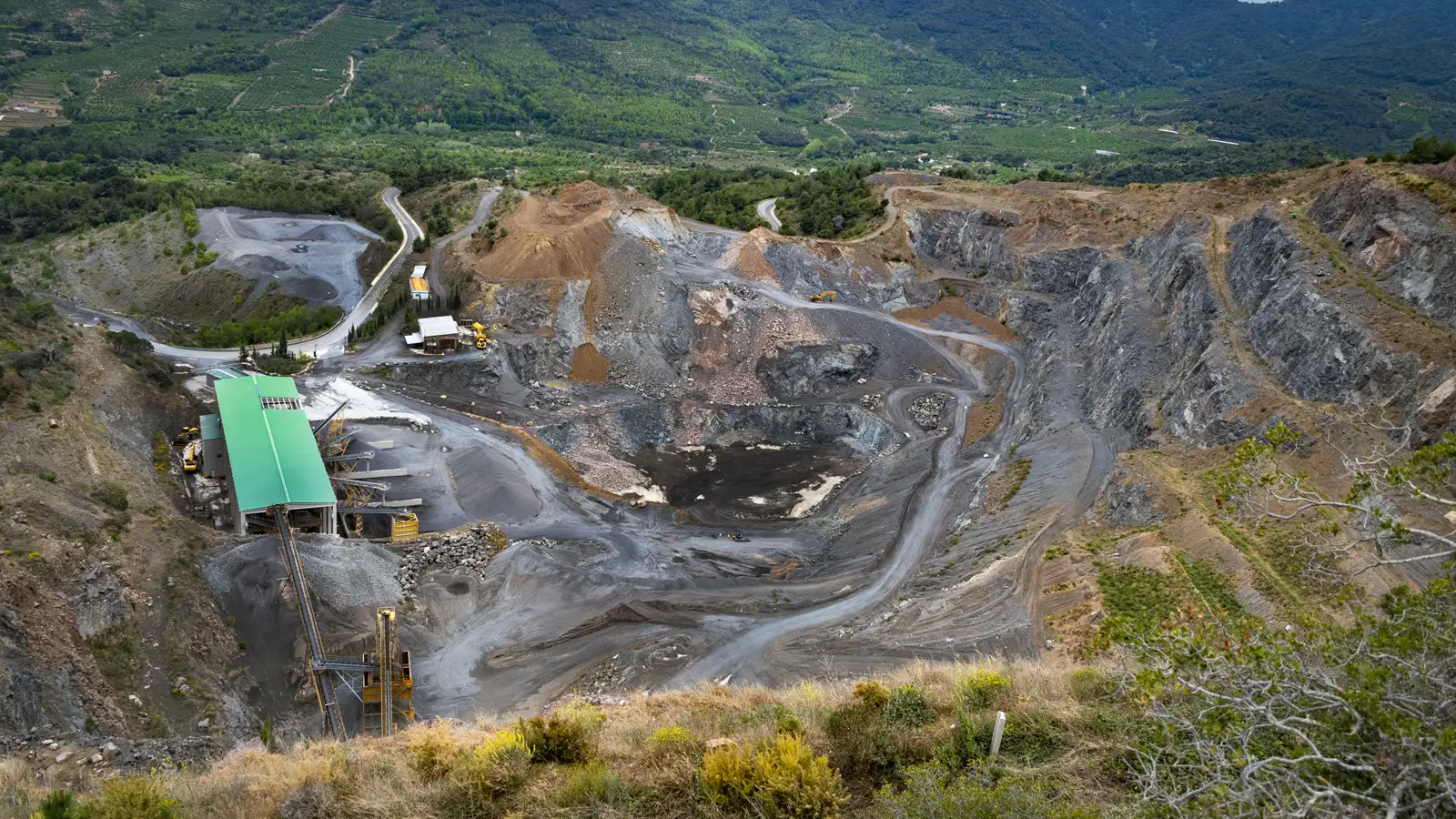
The Problem
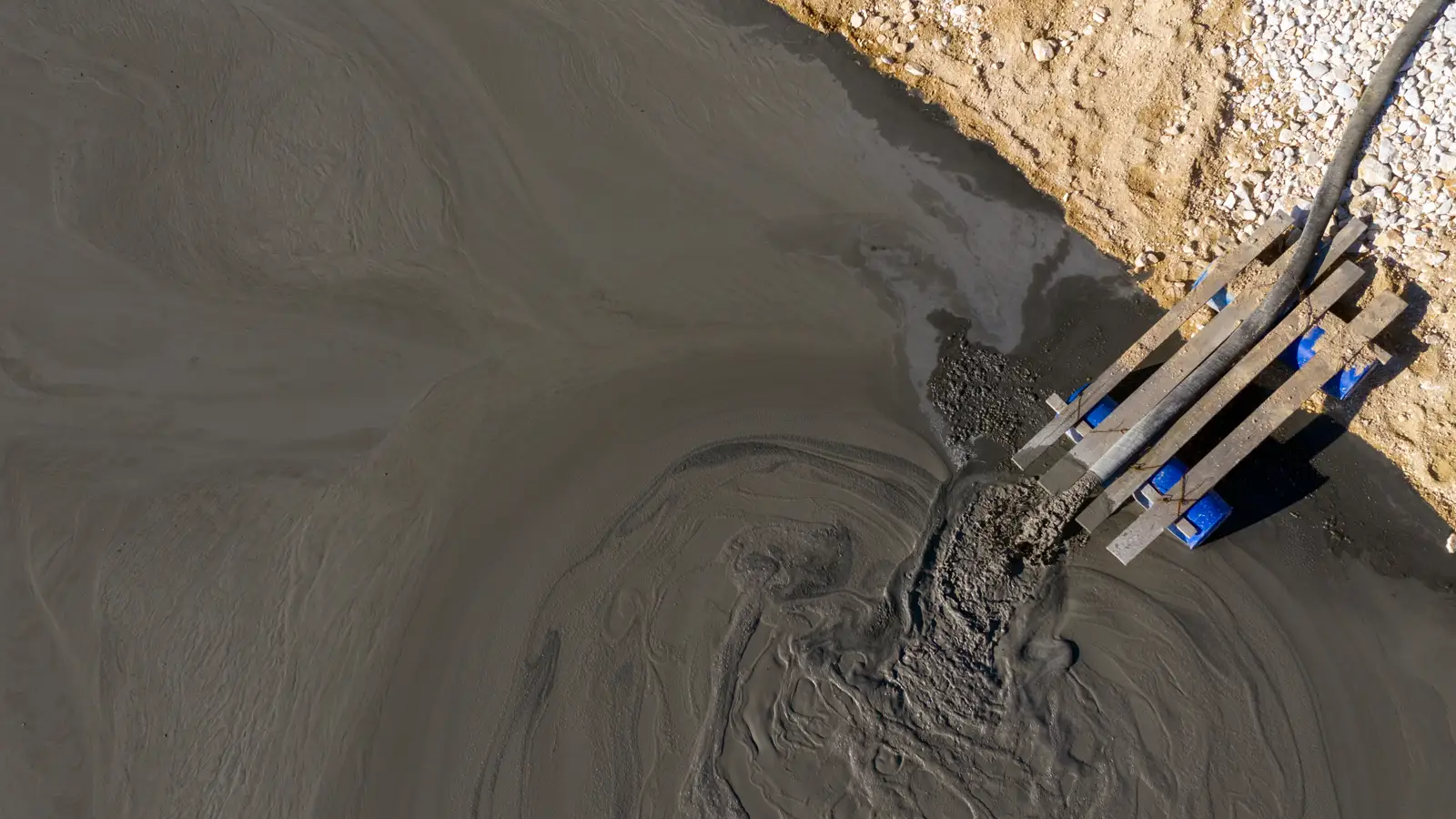
A copper mining operation in South America was transferring abrasive tailings slurry from a remote settling pond located nearly 1,800 feet from the processing area. The existing centrifugal pump system struggled with slurry concentrations exceeding 55% solids by weight, causing repeated clogging, severe impeller wear, and unplanned shutdowns every 10 to 14 days. The operation was losing an estimated 18 to 20 hours of production each month due to maintenance and pump replacement requirements.
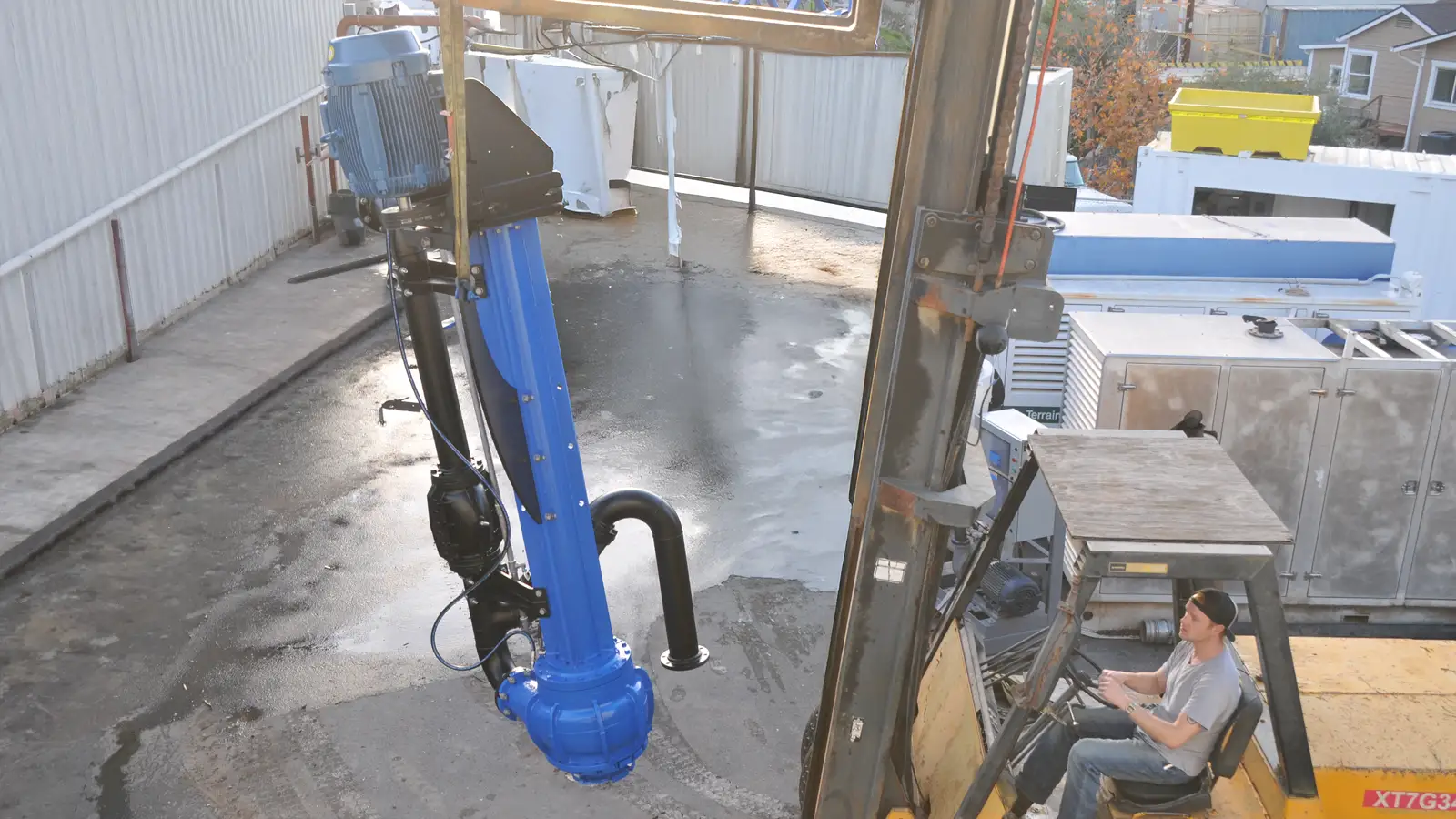
The Solution
The mine replaced the existing system with an EDDY Pump HD-8000 Submersible Slurry Pump configured with High Chrome wear components and a heavy-duty mechanical seal system for continuous abrasive slurry handling. The pump was deployed directly within the tailings pond to eliminate suction limitations and maintain stable solids transfer. Operating at flow rates exceeding 2,500 GPM, the system continuously transferred dense tailings containing coarse particles up to 5 inches in diameter.
The Result
After installation, the EDDY Pump system reduced unplanned maintenance shutdowns by more than 60% and extended wear component life from roughly two weeks to over three months of operation. The mine improved overall slurry transfer stability, increased tailings movement efficiency, and recovered approximately 200 additional operating hours annually that were previously lost to maintenance-related downtime.
STILL HAVE QUESTIONS? TALK TO US
Frequently Asked Questions
Straight answers on solids handling, materials, orientation and drive options for submersible pumps.
Can a Submersible Slurry Pump Handle High Solids, Abrasive, and Viscous Slurry?
EDDY Pump Submersible Slurry Pumps are designed to handle abrasive, high-solids, and viscous slurries, including mining tailings, dredged sediment, wastewater sludge, drilling mud, ash slurry, sand, gravel, and industrial waste. The pump design allows efficient movement of material with high solids concentrations that commonly cause clogging in conventional centrifugal pumps.
Are spec sheets or pump curves available for each model?
Yes. Detailed spec sheets and pump performance curves are available for individual submersible slurry pump models. These documents provide information such as flow range, head range, solids handling capability, dimensional data, power requirements, and material configurations to support proper pump selection and system design.
When Should I Choose a Submersible Slurry Pump Instead of a Self-Priming or Surface Pump?
A submersible slurry pump is typically preferred when the pump must operate directly inside the slurry, such as in ponds, pits, lagoons, tanks, or underwater dredging applications. Fully submerged operation eliminates suction lift limitations and improves solids capture efficiency in high-solids environments where self-priming pumps may struggle with long suction lines or difficult material conditions.
How large a solid can pass through the pump?
Solids handling capability varies by model size. Larger models in the product line can pass solids up to 11 inches in diameter, making them suitable for coarse material, debris-laden slurry, and abrasive sediment transfer applications.
What is the advantage of a fully submersible slurry pump?
A fully submersible configuration allows the pump to operate directly inside the slurry, eliminating suction lift limitations and improving solids capture efficiency. This setup is particularly beneficial in deep pits, ponds, lagoons, tanks, and underwater dredging applications.
Are these pumps available in different material constructions?
Yes. EDDY Pump Submersible Slurry Pumps are available in High Chrome, Stainless Steel, Duplex Stainless Steel, and Ductile Iron configurations, depending on abrasion resistance, corrosion resistance, and application requirements.
Can the pumps operate in both horizontal and vertical positions?
Yes. The pumps can be deployed in either horizontal or vertical orientations depending on the installation layout, dredging setup, or operational constraints at the job site.
What factors should be considered when selecting the right model?
Pump selection should be based on required flow rate, total dynamic head, slurry density, solids concentration, particle size, discharge distance, operating depth, and production requirements. Material abrasiveness and system layout should also be evaluated during sizing. Read More
Are electric and hydraulic configurations available?
Yes. EDDY Pump Submersible Slurry Pumps are available in both electric and hydraulic drive configurations. Electric pumps are commonly used in fixed installations with available power infrastructure, while hydraulic configurations are often selected for mobile, remote, excavator-mounted, or variable-duty dredging applications.
What maintenance advantages does the EDDY Pump design provide?
The non-clog pump design reduces internal recirculation and minimizes blockages commonly associated with conventional slurry pumps. This helps lower maintenance frequency, reduce downtime, and extend component life in abrasive slurry applications.
What Is a Submersible Sludge Pump and How Does It Differ from a Slurry Pump?
A submersible sludge pump is a submerged centrifugal pump designed for low-to-moderate-density waste streams - typically municipal biosolids, clarifier sludge, and light industrial waste at relatively low solids concentrations. A submersible slurry pump is built to a heavier specification to handle denser, more abrasive material at 40–70% solids by weight with large particle sizes. The EDDY Pump HD series is classified as a heavy-duty submersible slurry pump - its wear-resistant construction (High Chrome 28%, Duplex Stainless, or Rubber-lined options), open-tolerance rotor design, and heavy-duty mechanical seal system are specifically engineered for the harsher service conditions of slurry rather than sludge.
Are EDDY Pump Submersible Slurry Pumps Available from a US Manufacturer?
EDDY Pump Corporation is a U.S. submersible slurry pump manufacturer headquartered in El Cajon, California. All HD series slurry pumps are designed and engineered in the USA. EDDY Pump manufactures both pump wet-ends and full dredging system packages, and maintains parts and service capability for the full HD product line. For OEM and custom configurations, contact EDDY engineering directly at 619-404-1916
LET’S PUT YOUR PROJECT IN MOTION
Tough material?
Bring it to EDDY.
Tell us what you’re pumping, where it needs to go, and what your
operation needs to achieve.
Talk it through
with our team.
Equipment selection, project planning, or an existing pump—we’ll help you find the right next step.
CALL SALES & ENGINEERING
+1 619-404-1916
EMAIL YOUR PROJECT DETAILS
info@eddypump.com