




Industrial Submersible Chopper Pumps for Sewage and Wastewater
Engineered for sewage and wastewater systems with high solids and fibrous debris, EDDY chopper pumps combine a high-torque, open-impeller design with integrated chopping capability to process rags, wipes, and abrasive materials at the intake. The non-clog hydraulic profile maintains continuous flow while reducing downstream blockages, protecting pipelines and treatment equipment. Built with heat-treated wear components and large internal clearances, these pumps deliver reliable performance in lift stations, deep sumps, and high-solids sludge transfer applications.
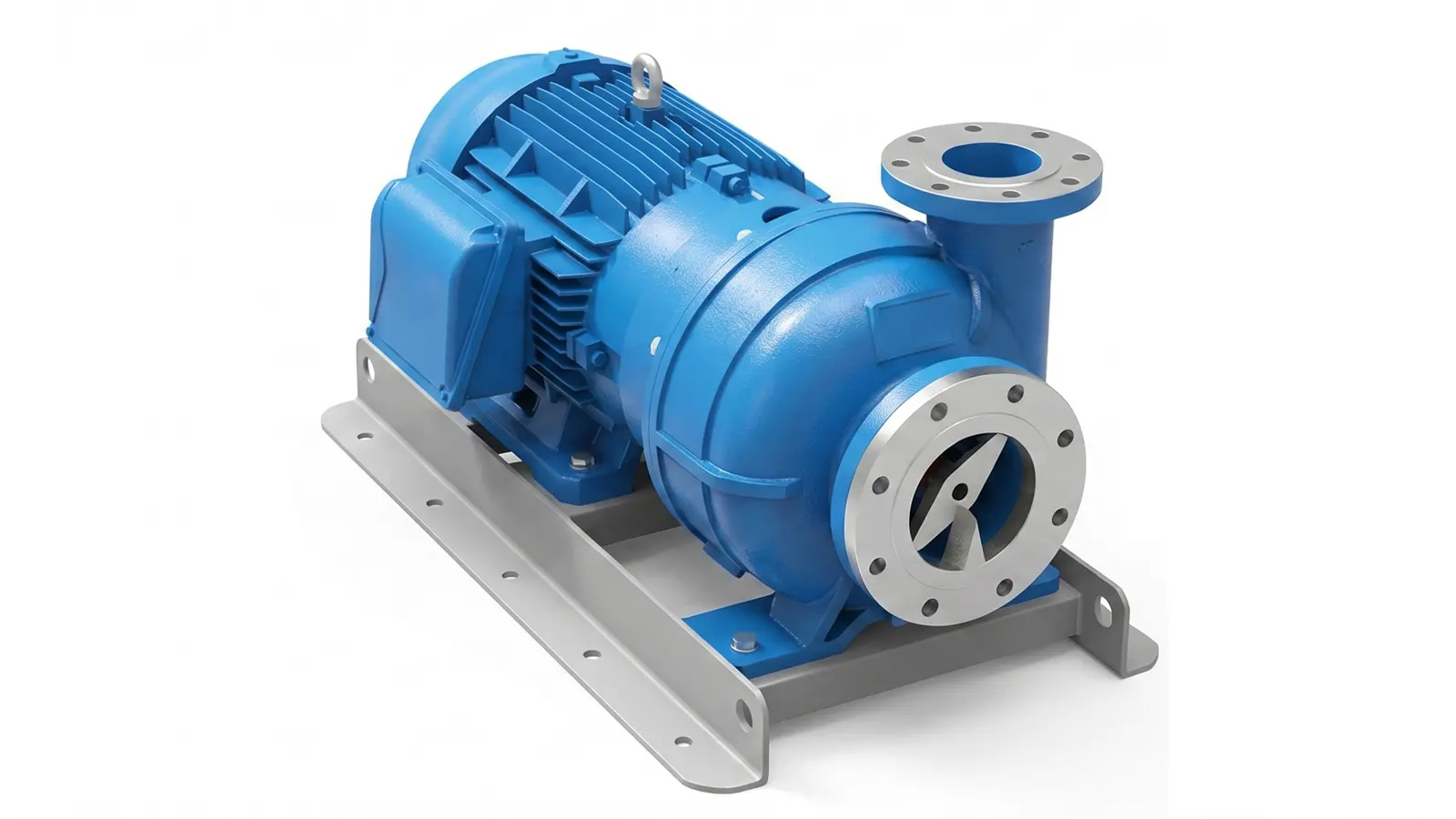
What Are The Main Advantages Of Using Chopper Pumps?
- Integrated chopping action reduces the size of incoming solids early in the process, helping prevent blockages in downstream piping, tanks, and treatment equipment.
- Non-clog pump design supports continuous operation in sewage and wastewater applications that contain wipes, rags, fibrous material, sticks, and other troublesome debris.
- Open-rotor construction allows large solids to pass with fewer clogging issues than tighter-tolerance pump designs.
- High-torque impeller vanes are designed to process rigid, fibrous, and abrasive material commonly found in wastewater streams.
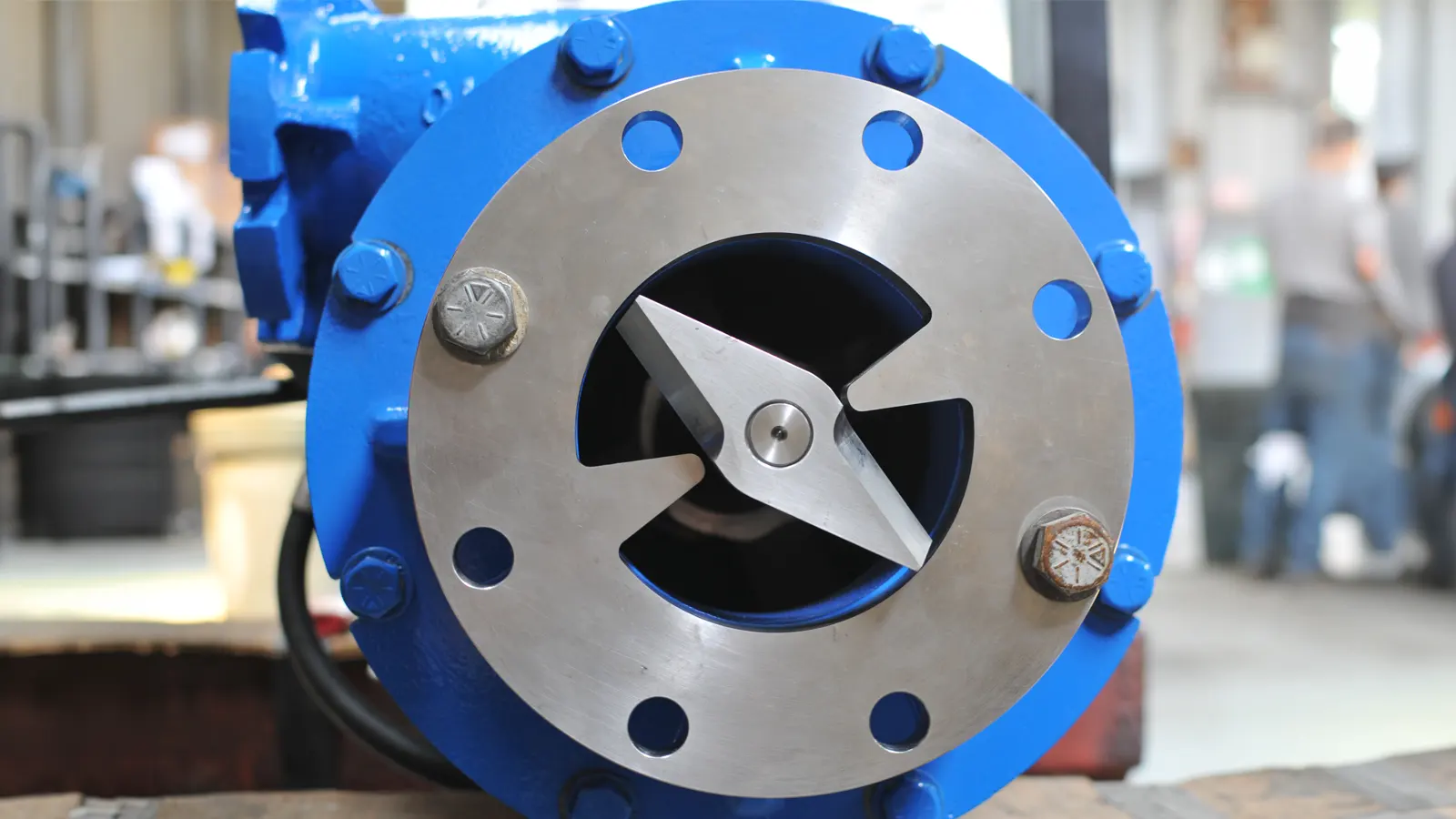
- High suction capability helps maintain smooth pumping performance in applications with heavy debris loading and difficult solids content.
- Heat-treated cast steel wear components improve wear resistance in abrasive sewage, sludge, and wastewater service.
- Reduced clogging lowers the need for constant cleanouts, frequent part replacement, and repeated maintenance intervention.
- Better upstream solids processing helps protect downstream equipment and supports smoother plant operation.
- Suitable for demanding installations such as sewage lift stations, wastewater treatment plants, deep sumps, dry suction lifts, and other high-solids pumping environments.
- Can be configured with different impeller vane types, cutter bars, and material options to better match application requirements.
- Supports industries beyond municipal wastewater, including food processing, pulp and paper, bioenergy, hotels, campgrounds, and amusement parks.
- Designed to improve pumping efficiency, reduce maintenance costs, and increase operating reliability in solids-heavy wastewater systems.
Gallery
Chopper Pumps in Action


Sewage Pumping Comparison: Submersible Pumps vs. EDDY Chopper Pump
| Criteria | Conventional Submersible Sewage Pump | EDDY Chopper Pump |
|---|---|---|
| Solids Handling | Limited by impeller design and passage size, typically handles moderate solids | Designed for high solids and fibrous material, including wipes, rags, and debris |
| Approach to Solids | Passes solids through the pump if the size allows | Chops solids at the intake before entering the pump, reducing size and preventing downstream issues |
| Impeller Design | Closed or semi-open impeller focused on hydraulic efficiency | Open-rotor, high-torque impeller with cutting capability for aggressive material processing |
| Clogging Risk | Higher risk in fibrous or debris-heavy sewage environments | Non-clog design enables continuous operation even with heavy debris loading |
| Maintenance Requirements | Frequent cleaning and manual intervention in clog-prone systems | Reduced maintenance due to upfront solids processing and fewer blockages |
| Downstream Impact | Larger solids can pass through and cause pipeline or equipment blockages | Protects downstream systems by reducing solids size early in the process |
| Application Fit | General sewage pumping, lift stations, and moderate solids conditions | Severe-duty wastewater, sludge, and high-debris environments where clogging is frequent |
| Design Priority | Efficiency and fluid transfer performance | Reliability, solids management, and system protection |

Practical Interpretation
Submersible sewage pumps are widely used because they are simple, compact, and effective in typical wastewater conditions. They are designed to move fluid efficiently and can handle some solids, but performance starts to drop as fibrous material and debris increase.
The EDDY chopper pump shifts the focus from simply moving sewage to actively managing solids at the source. By breaking down material before it enters the hydraulic section, it reduces clogging, minimizes maintenance, and improves overall system reliability. This makes it a better fit for wastewater systems where blockages, wipes, and heavy solids are a constant operational issue.
Chopper Pump Applications Across Key Industries

Municipal Wastewater and Sewage Systems
Chopper pumps are widely used in municipal lift stations and wastewater treatment plants where fibrous materials like wipes, rags, and organic debris are common. By reducing solids at the intake, they help maintain consistent flow, reduce clogging, and protect downstream infrastructure such as pipelines and clarifiers.

Industrial Wastewater Processing
In industrial facilities, wastewater often contains a mix of solids, sludge, and process byproducts. Chopper pumps help manage these variable streams by breaking down solids before pumping, improving system reliability, and reducing unplanned shutdowns caused by blockages.

Pulp and Paper Industry
Pulp and paper operations generate fibrous slurry that can quickly clog conventional pumps. Chopper pumps process long fibers and stringy material efficiently, allowing smoother transport of pulp waste and reducing maintenance in high-solids handling systems.

Food Processing and Organic Waste Handling
Food processing plants deal with organic waste, fats, and fibrous residues that can accumulate and cause flow restrictions. Chopper pumps break down these materials, making them easier to transport through pipelines and supporting more stable waste management processes.

Agriculture and Livestock Waste Management
In agricultural settings, manure and slurry often contain straw, bedding material, and fibrous waste. Chopper pumps help homogenize these materials, improving pumpability and enabling more efficient transfer to storage, treatment, or land application systems.

Biogas and Anaerobic Digestion Systems
Biogas facilities rely on a consistent feedstock flow for efficient digestion. Chopper pumps reduce particle size and improve slurry consistency, supporting better mixing, improved digestion efficiency, and reduced risk of clogging in feed and recirculation systems.

Commercial Facilities and Institutional Wastewater
Hotels, resorts, campgrounds, and large facilities often experience unpredictable wastewater loads with high debris content. Chopper pumps provide a more reliable solution by handling non-uniform solids and reducing maintenance needs in decentralized or high-traffic wastewater systems.
Food Processing Plant Waste Handling Optimization – Case Study

The Problem
A mid-sized food processing facility handling vegetable waste, fats, and packaging residue was experiencing frequent clogging in its wastewater transfer system. The existing submersible pumps required manual cleaning 3 to 4 times per week due to fibrous buildup and mixed debris. Pipeline blockages led to an average of 6 to 8 hours of downtime per week, impacting production schedules and increasing maintenance costs.

The Solution
The facility installed an EDDY chopper pump configured to handle high-solids wastewater with integrated chopping capability at the intake. The system was designed to process fibrous material and irregular debris before entering the pump hydraulics, maintaining a consistent slurry profile. The pump was sized to operate within a flow range aligned with the plant’s peak discharge requirements, and installed within the existing sump configuration to minimize system changes.

The Result
After implementation, clog-related maintenance events dropped by over 80%, reducing manual cleanouts to less than once per week. Pipeline blockages were nearly eliminated, cutting unplanned downtime from up to 8 hours per week to under 1 hour. The improved flow consistency also reduced energy consumption by approximately 15% due to fewer flow interruptions and smoother operation. Overall system reliability improved, allowing the facility to maintain continuous wastewater transfer during peak production periods.
Call for sales or support
If you need assistance with pump selection, sales or engineering support, call 619-404-1916.
Questions? Talk to an Engineer
Frequently Asked Questions
What is a chopper pump and how does it work in wastewater systems?
A chopper pump is designed to cut and process solids at the pump intake before they enter the hydraulic section. In wastewater systems, this reduces fibrous materials like wipes, rags, and organic debris into smaller particles, improving flow and reducing the risk of clogging in the pump and downstream pipelines.
How is an EDDY chopper pump different from a standard sewage pump?
Standard sewage pumps rely on passing solids through the impeller, which can lead to clogging with fibrous material. An EDDY chopper pump combines a high-torque, open-rotor design with cutting capability, allowing solids to be processed while maintaining a non-clog flow path and more stable operation in variable conditions.
What wastewater conditions indicate a chopper pump is needed?
A chopper pump is typically required when the wastewater stream contains high levels of wipes, rags, stringy fibers, or mixed debris that frequently cause clogging. Other indicators include repeated pump blockages, high maintenance frequency, and systems where solids are not pre-screened effectively.
Where are chopper pumps typically used?
Chopper pumps are commonly used in municipal lift stations, wastewater treatment plants, industrial waste systems, food processing facilities, pulp and paper operations, agricultural waste handling, and biogas systems where fibrous and high-solids materials are present.
How does a chopper pump reduce maintenance requirements?
By cutting solids at the intake, the pump prevents accumulation and blockage within the casing and discharge line. This reduces manual cleanouts, lowers the frequency of shutdowns, and helps maintain more consistent system operation over time.
Can chopper pumps handle high solids concentrations?
Yes, chopper pumps are designed for high-solids environments. Their open-rotor design and larger internal clearances allow them to handle variable solids loading, including slurry-like conditions with suspended debris.
Are chopper pumps suitable for abrasive wastewater?
Yes, chopper pumps are built with wear-resistant components to handle wastewater containing sand, grit, or other abrasive particles. Material selection and operating conditions still influence wear rates, but they are more tolerant than standard sewage pumps in mixed abrasive flows.
How do chopper pumps protect downstream equipment?
By reducing solids size before discharge, chopper pumps lower the risk of blockages in pipelines, valves, and treatment systems. This helps maintain flow continuity and reduces the likelihood of downstream equipment damage or process interruptions.
How do you choose between submersible and dry pit installation?
Submersible installations are typically used in lift stations or confined wet wells where space is limited and direct immersion is practical. Dry pit systems are preferred where maintenance access, ventilation, and equipment monitoring are priorities. The choice depends on site layout, safety requirements, and serviceability.
What information should I prepare before requesting a quote?
Key details include flow rate (GPM), total dynamic head, solids type and size, solids concentration, fluid characteristics, installation type, power availability, and duty cycle. Providing this information helps ensure accurate pump sizing and system compatibility. Read our pump selection guide
HD (Heavy Duty) Slurry Pumps / Dredge Equipment
Related Products
For assistance Call 619-404-1916 and let us help match your project
with the right pump.