
Dredging Equipment
for Sale and Rental
EDDY Pump is a U.S. manufacturer of dredging equipment for sale and rent, from a small dredge for a pond to a remote-operated suction dredge for underwater work. Every dredge machine pairs a high-solids slurry pump with the deployment system your site needs. They move sediment, sludge, sand, silt, tailings, grit and other abrasive material. Choose by water access, depth, bottom conditions, material, discharge distance, available power and the level of operator control you need.
Best fit: Start here to compare dredging methods before you pick a product.
OUR PRODUCTS
All Dredging Equipment Products and Specs
Every EDDY Pump dredging product is listed here with its deployment method and key specs. Open a product page for full model tables, spec sheets and pump curves, or request a quote from any product.
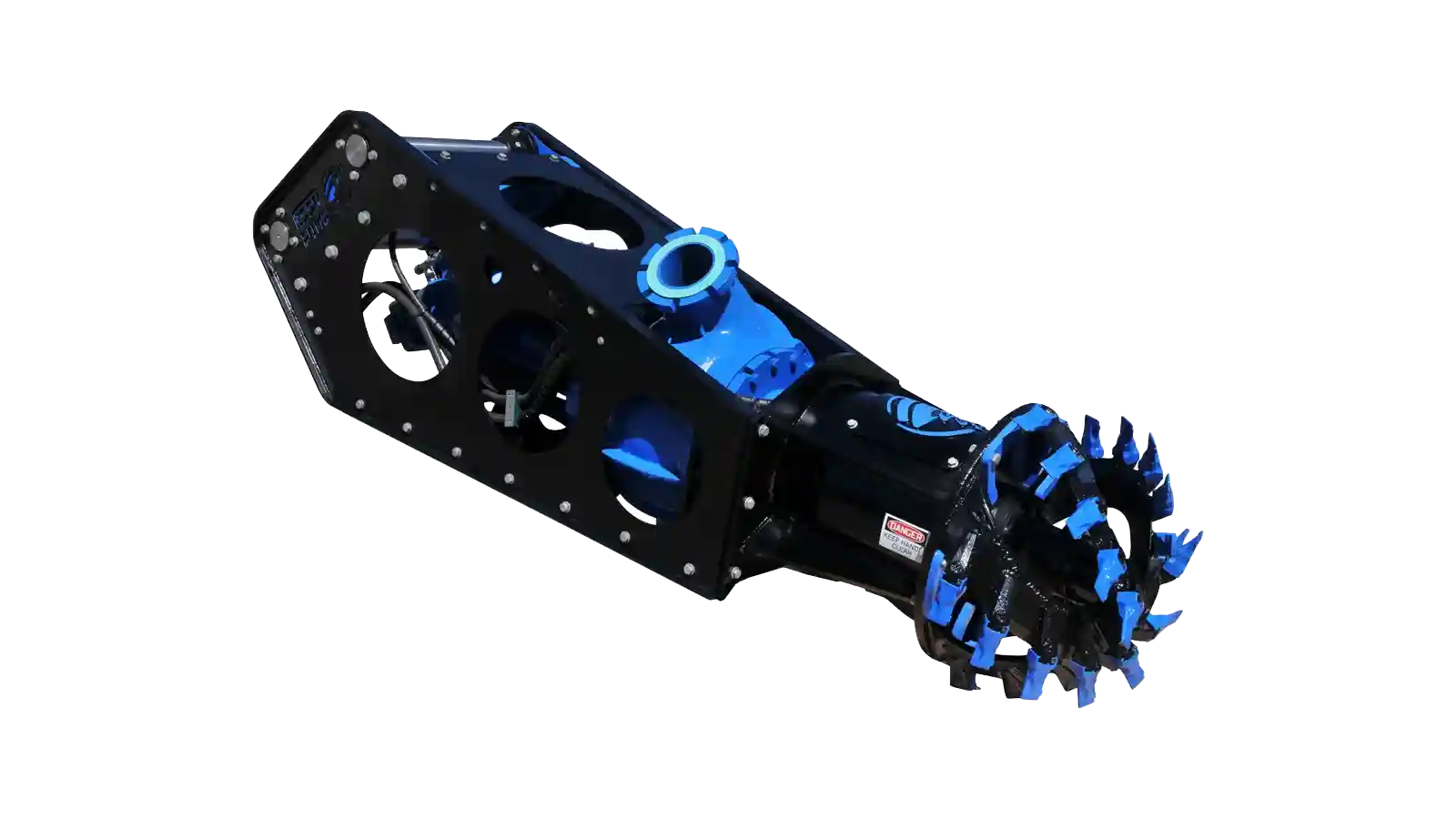
Excavator Dredge Pump Attachment

Key specs: 4 in to 12 in pumps; 250 to 7,300 GPM; 40% to 70% solids by weight

Deployment: Pins into the excavator bucket linkage

Best for Bank dredging where an excavator can reach the material
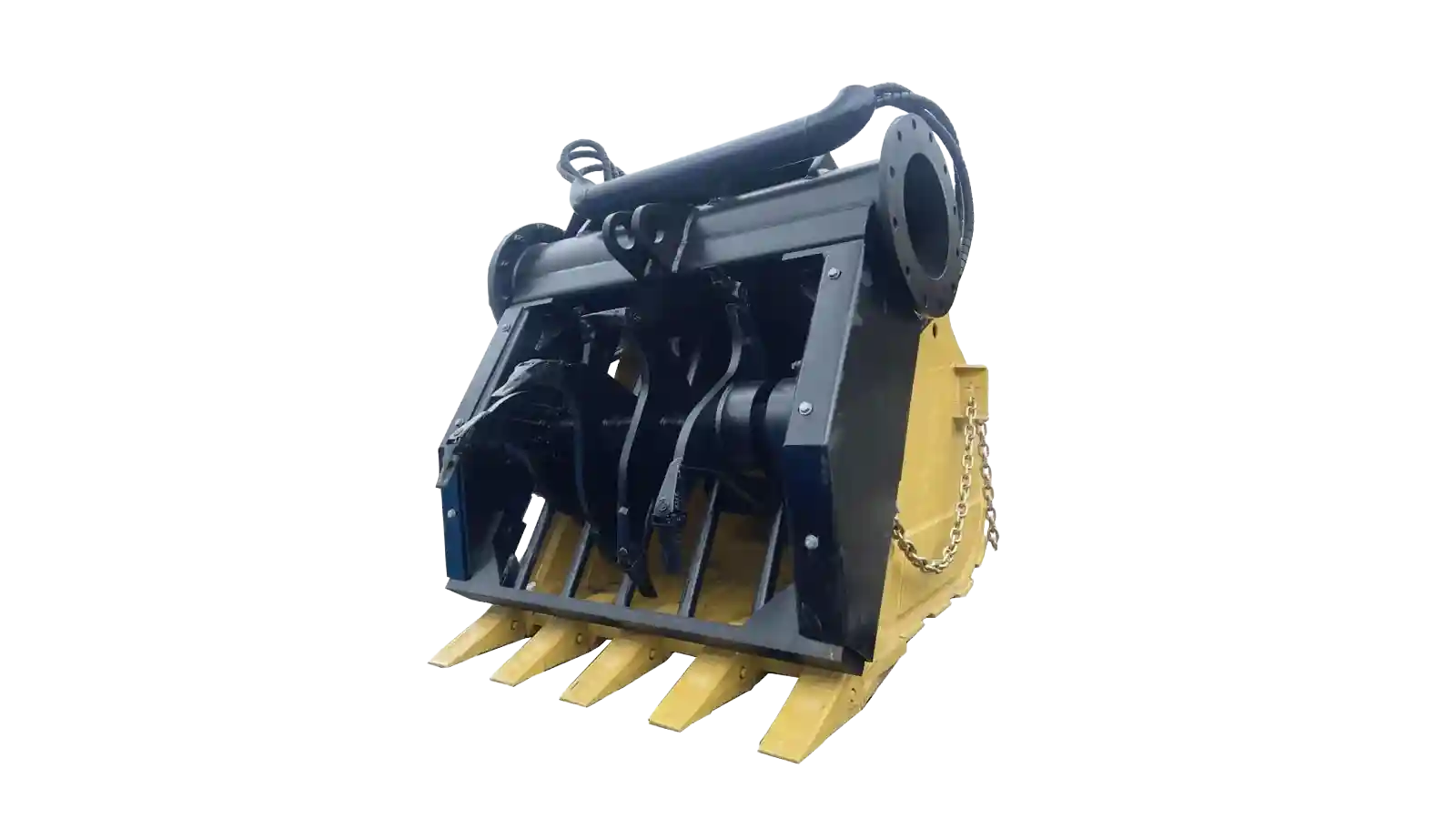
Self-Priming Pump & Bucket
Key specs: 4 in to 16 in pumps; 40% to 70% solids by weight; 75 to 1,000 yd³/hr
Deployment: Excavator-mounted
Best for Hard-digging material that needs a bucket and a pump on one attachment
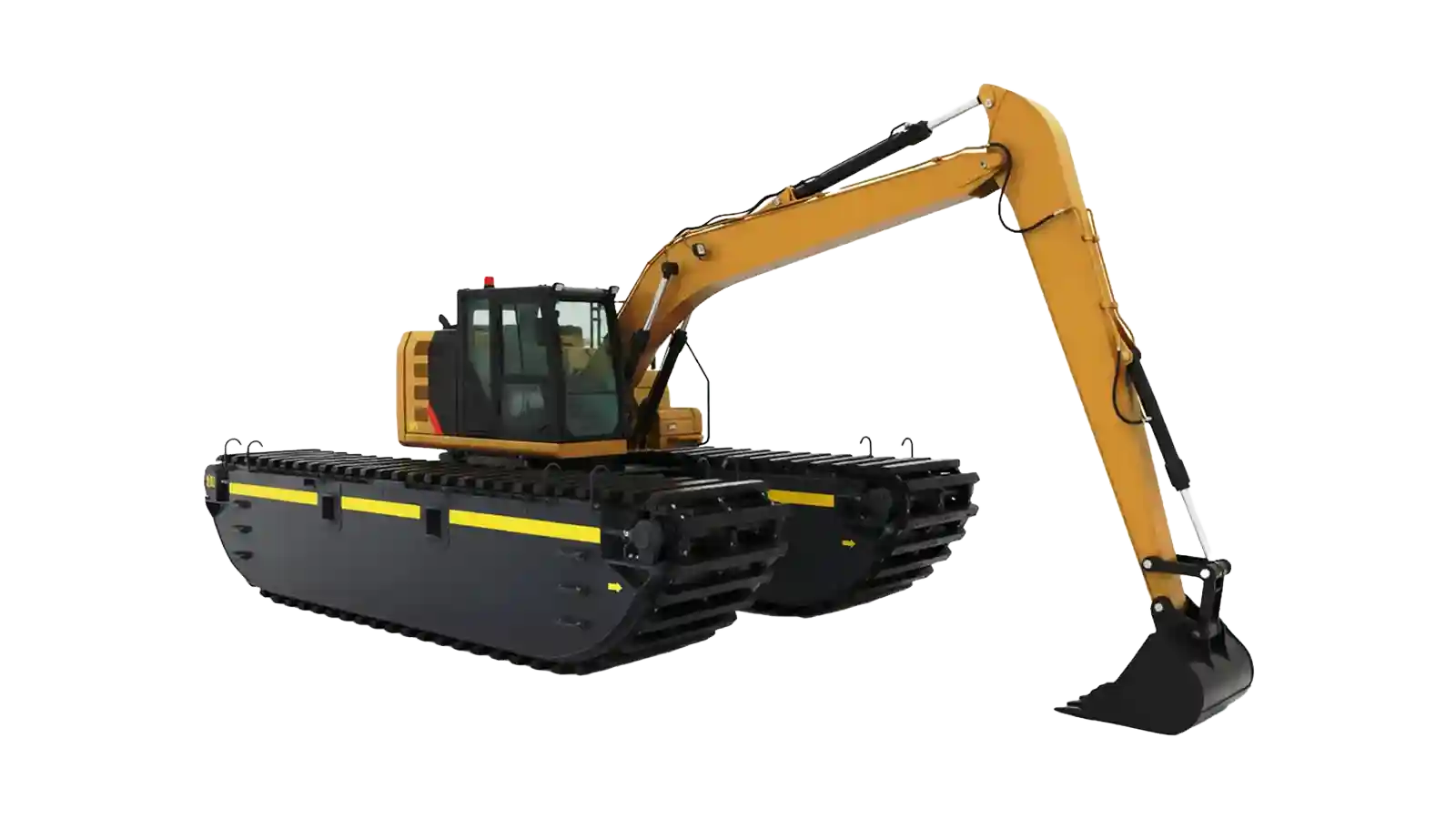
Amphibious Undercarriages for Excavators
Key specs: Pairs with an excavator-mounted dredge pump attachment
Deployment: Floating pontoon undercarriage under an excavator
Best for Marshes, swamps and shallow water
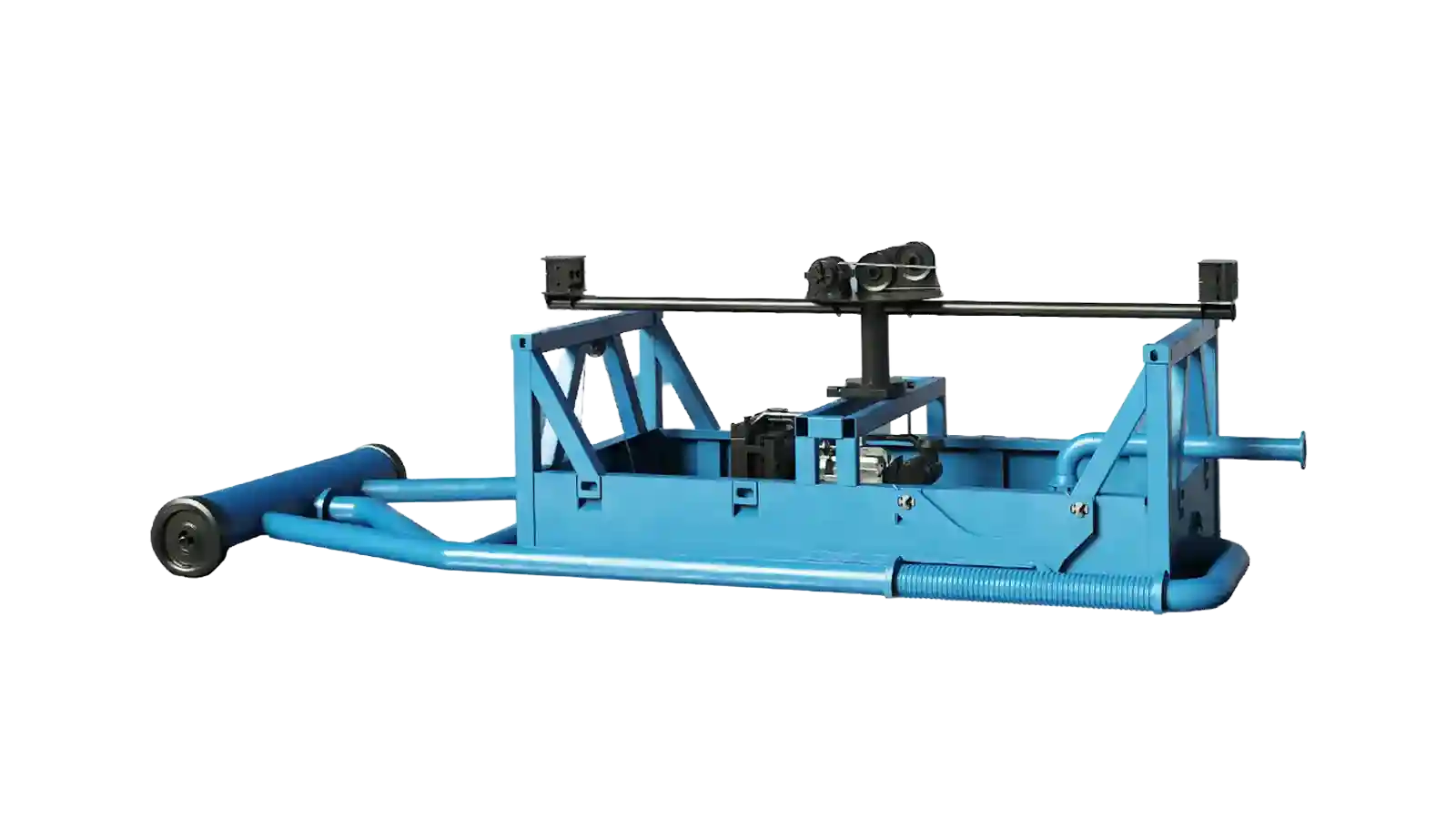
Mini Auger ModDredge
Key specs: 4 in to 16 in; controlled-contact auger head
Deployment: Floating, remote-controlled
Best for Lined ponds, lagoons, canals and tailings ponds
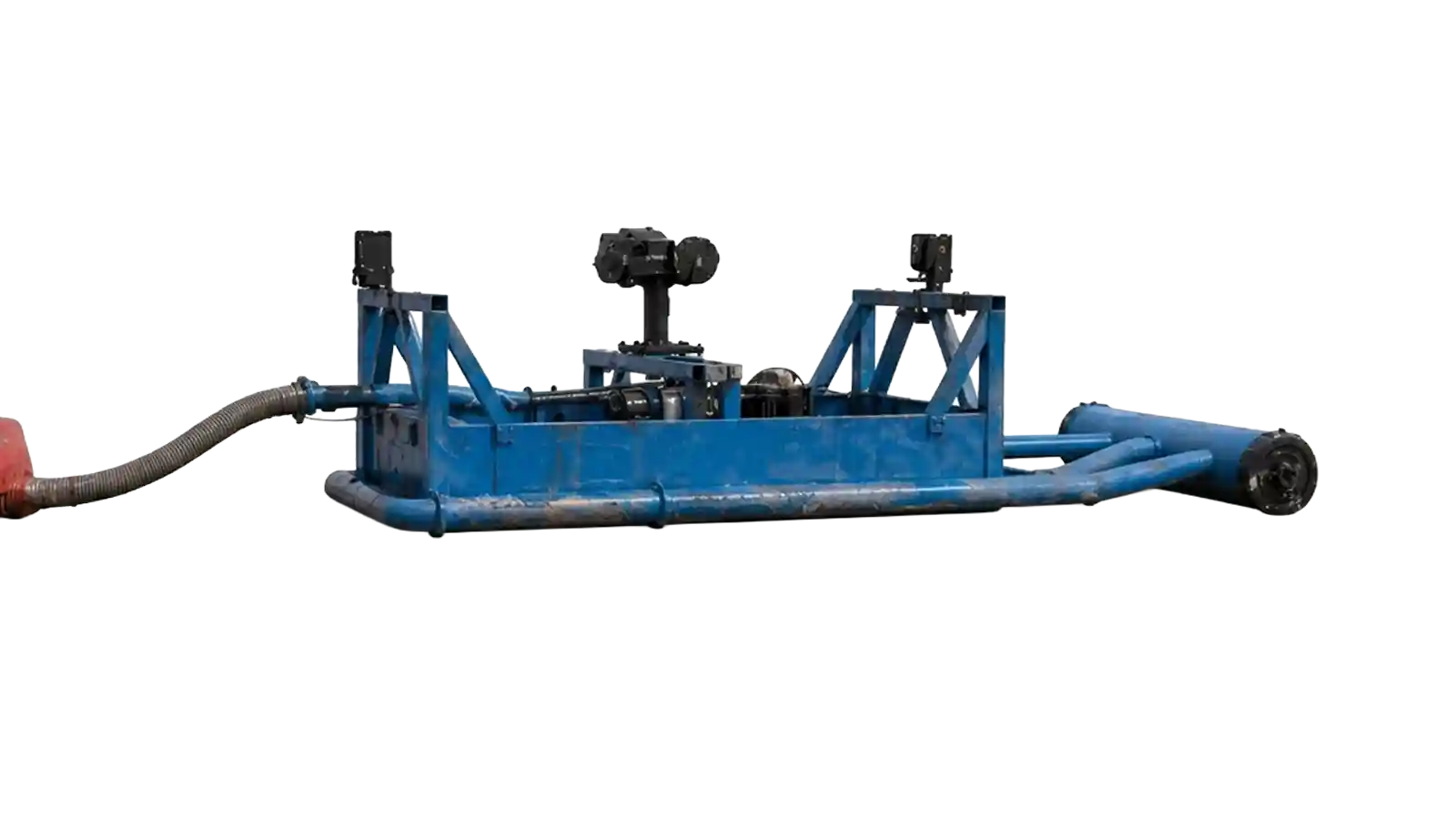
ModDredge
Key specs: 4 in to 16 in; diesel or electric power
Deployment: Floating, assembled on the water; remote operation standard
Best for Production dredging with a modular cutterhead dredge
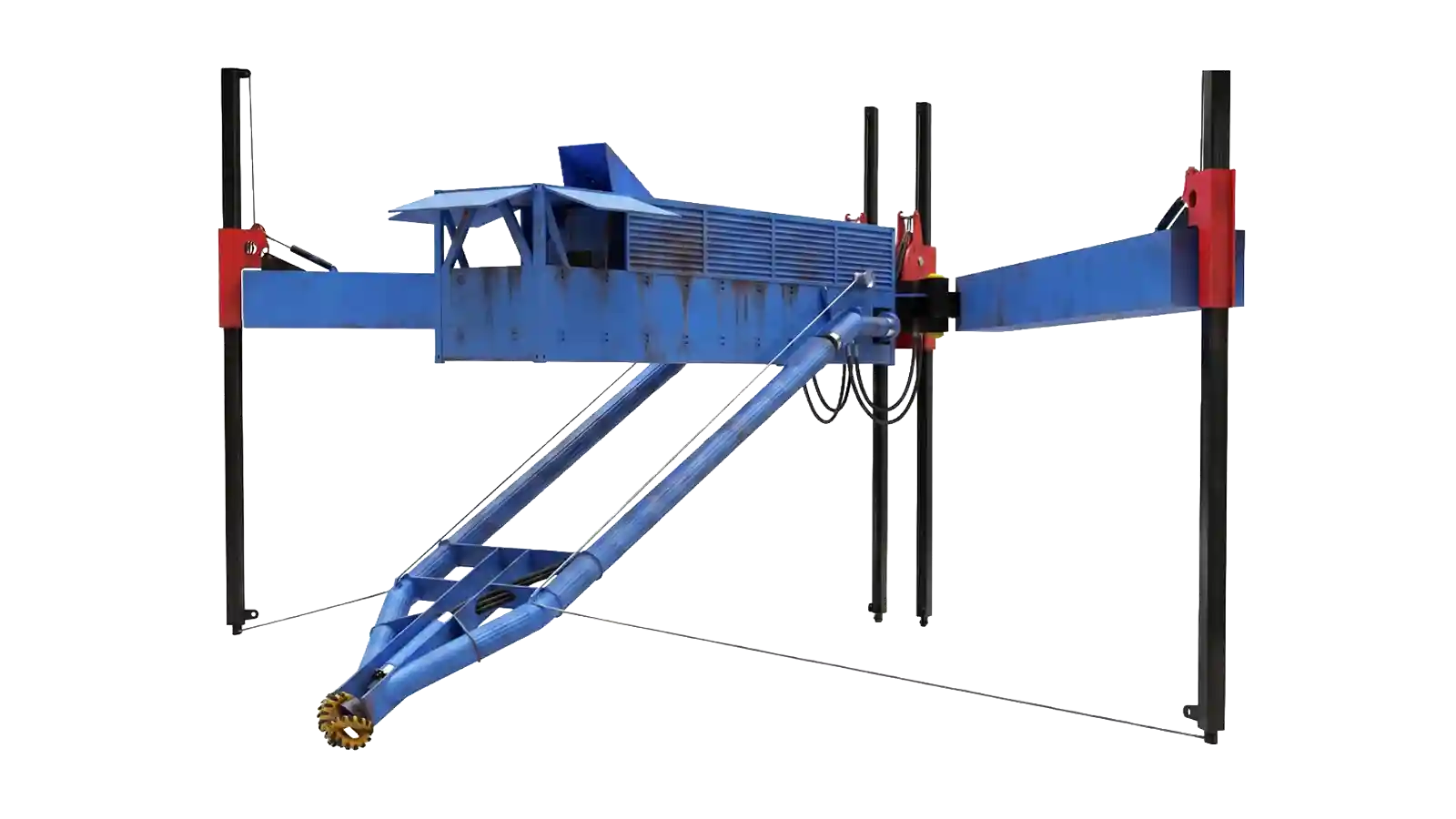
Autonomous ModDredge
Key specs: 600 to 12,000 GPM; 20 to 60 ft depth; over 5,000 ft discharge
Deployment: Floating, spud or winch positioned, remote-operated
Best for Large areas with a small crew
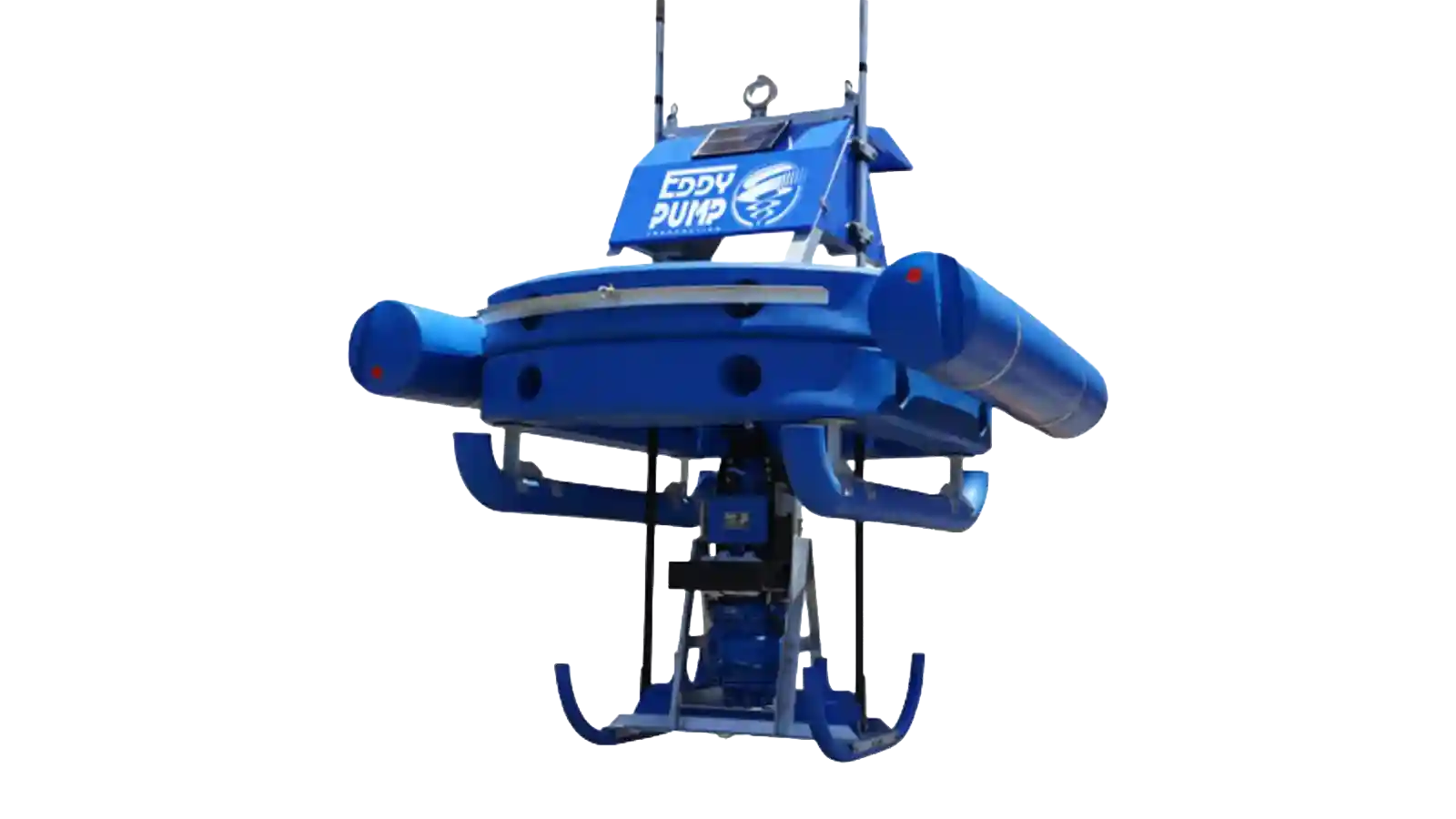
Dredge Sled
Key specs: 4 in and 6 in; electric or hydraulic; 75 to 200 yd³/hr
Deployment: Floating sled pulled by shore-based cables
Best for Shallow ponds and lagoons
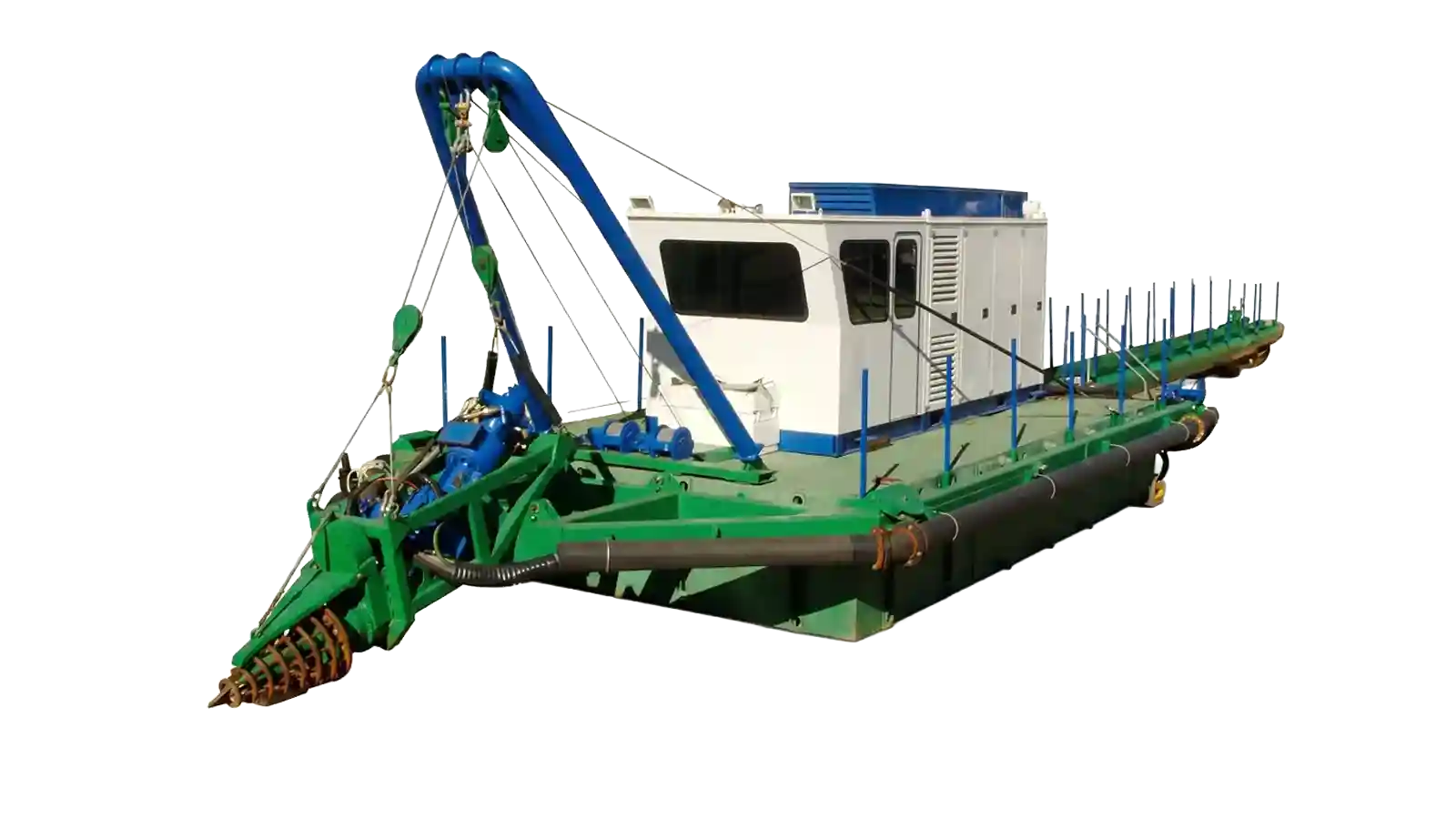
Environmental Dredge
Key specs: 6 in pump rated at 400 HP; 300 to 400 yd³/hr
Deployment: Spud ladder dredge
Best for Contaminated sediment removal with low turbidity
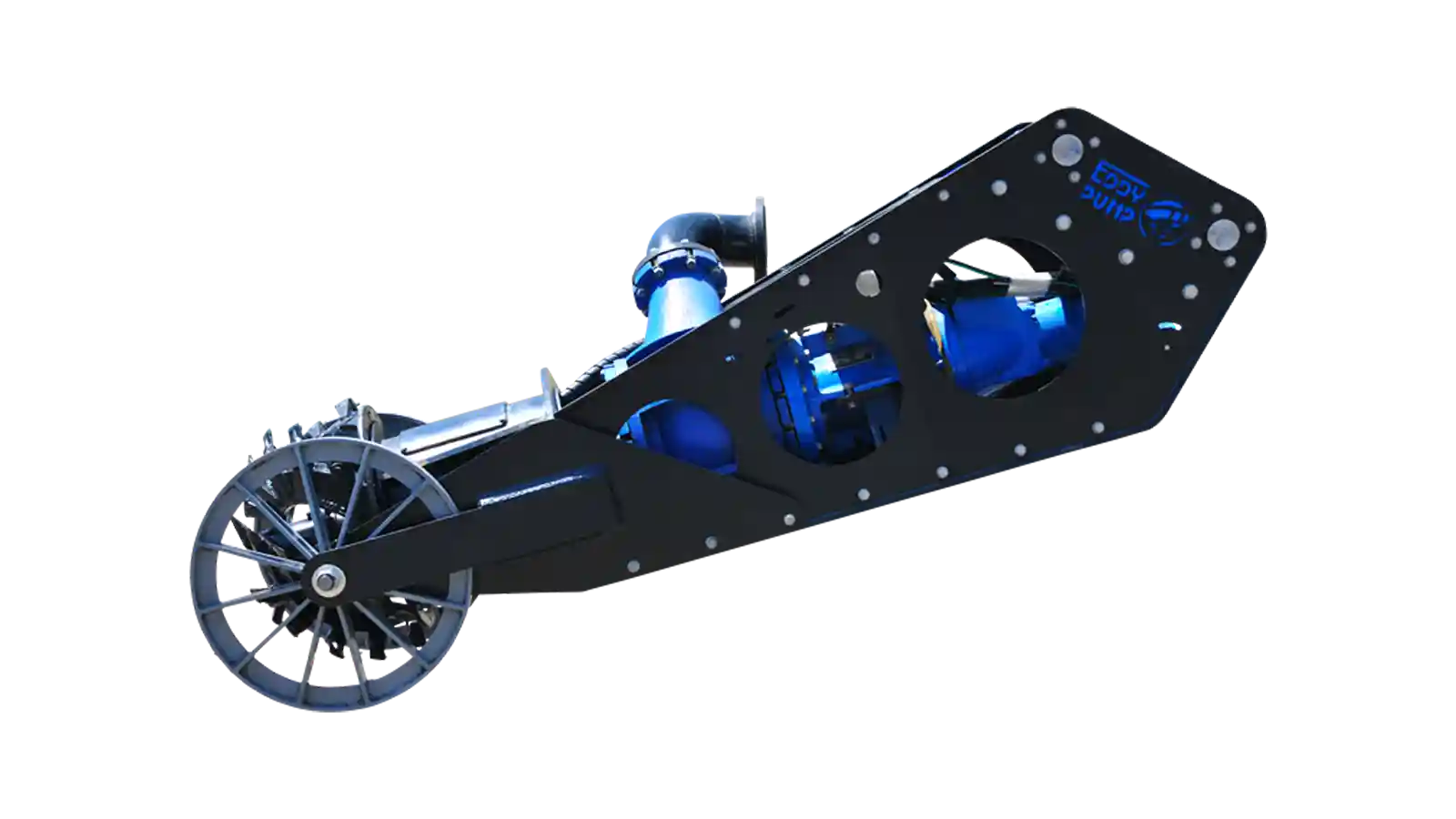
Liner-Safe Dredge Options
Key specs: Five deployment options matched to the liner
Deployment: Sled, Subdredge, excavator attachment, cable-deployed pump or barge dredge
Best for Clay, poly and concrete-lined ponds
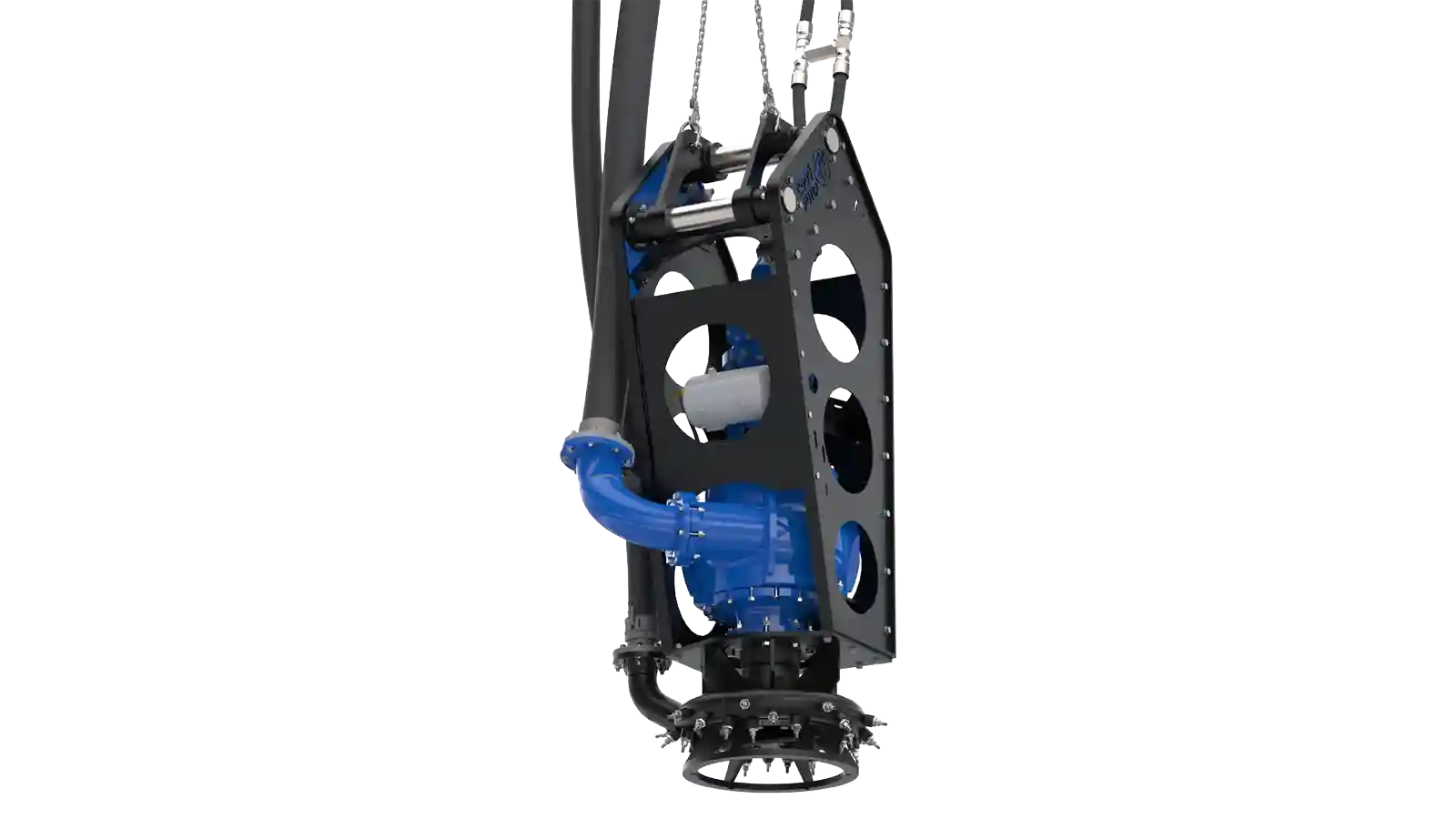
Cable-Deployed Dredge Pump
Key specs: 4 in to 12 in; up to 7,000 GPM; depth to about 100 ft
Deployment: Hangs from a crane, excavator or barge A-frame
Best for Deep or fixed-point dredging
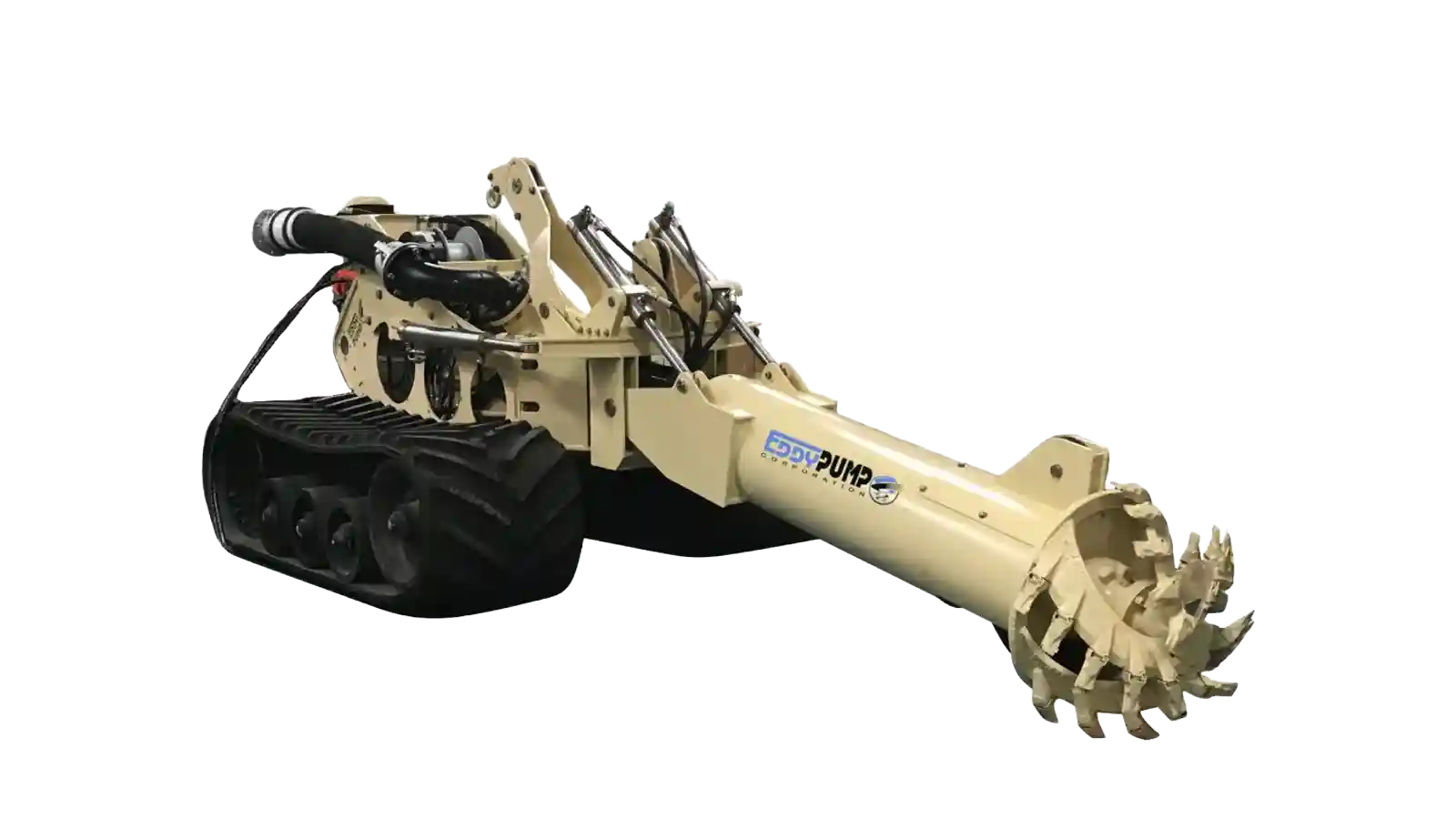
Subdredge ROV
Key specs: 4 in to 12 in; up to 600 yd³/hr
Deployment: Remote-operated submersible on an umbilical
Best for Underwater removal where diver access is limited or unsafe
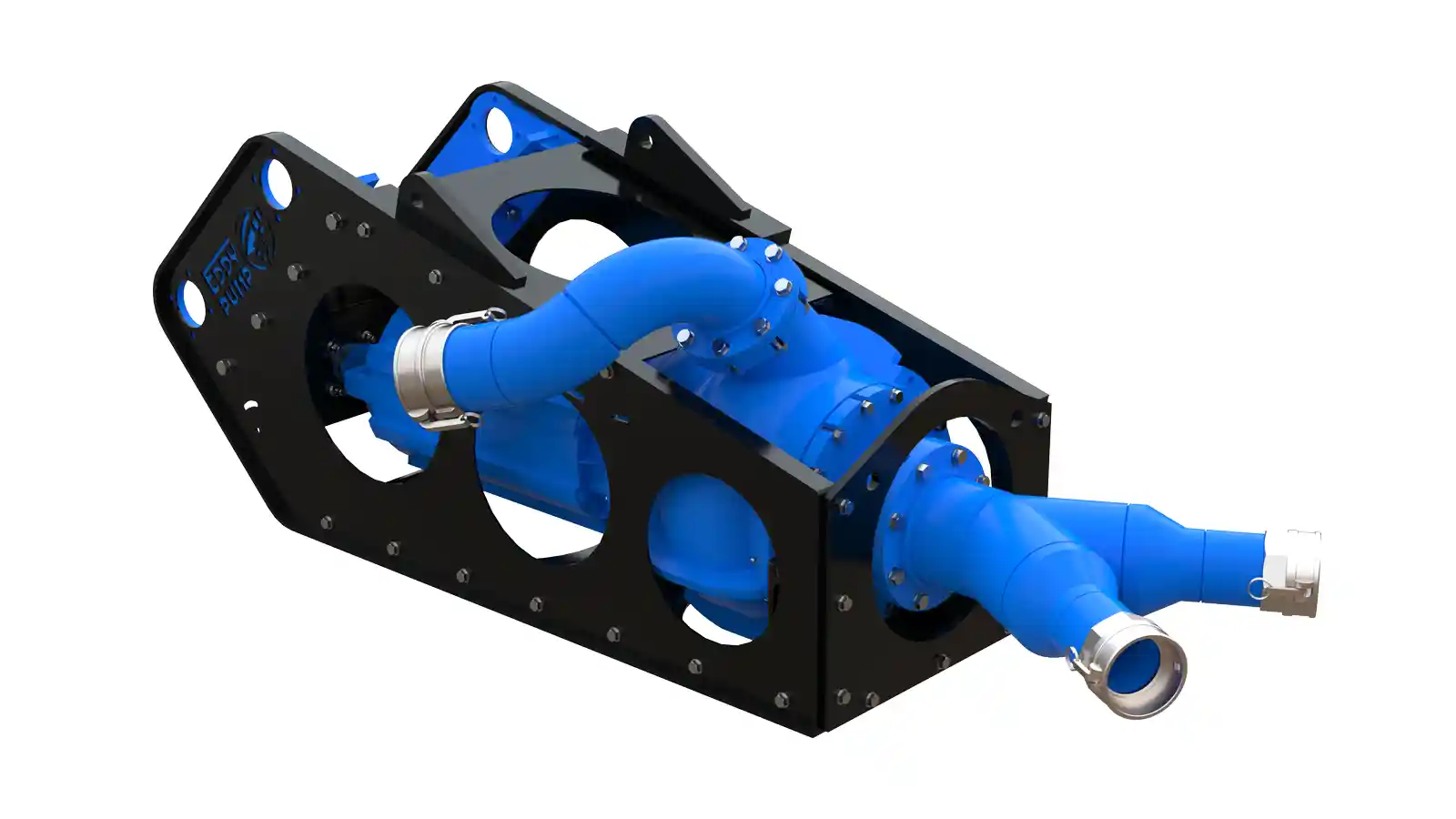
Diver-Operated Dredge
Key specs: 4 in and 6 in; 250 to 2,500 GPM; 75 to 200 yd³/hr
Deployment: A diver controls the intake hose
Best for Tanks, basins, lagoons, docks and pipelines
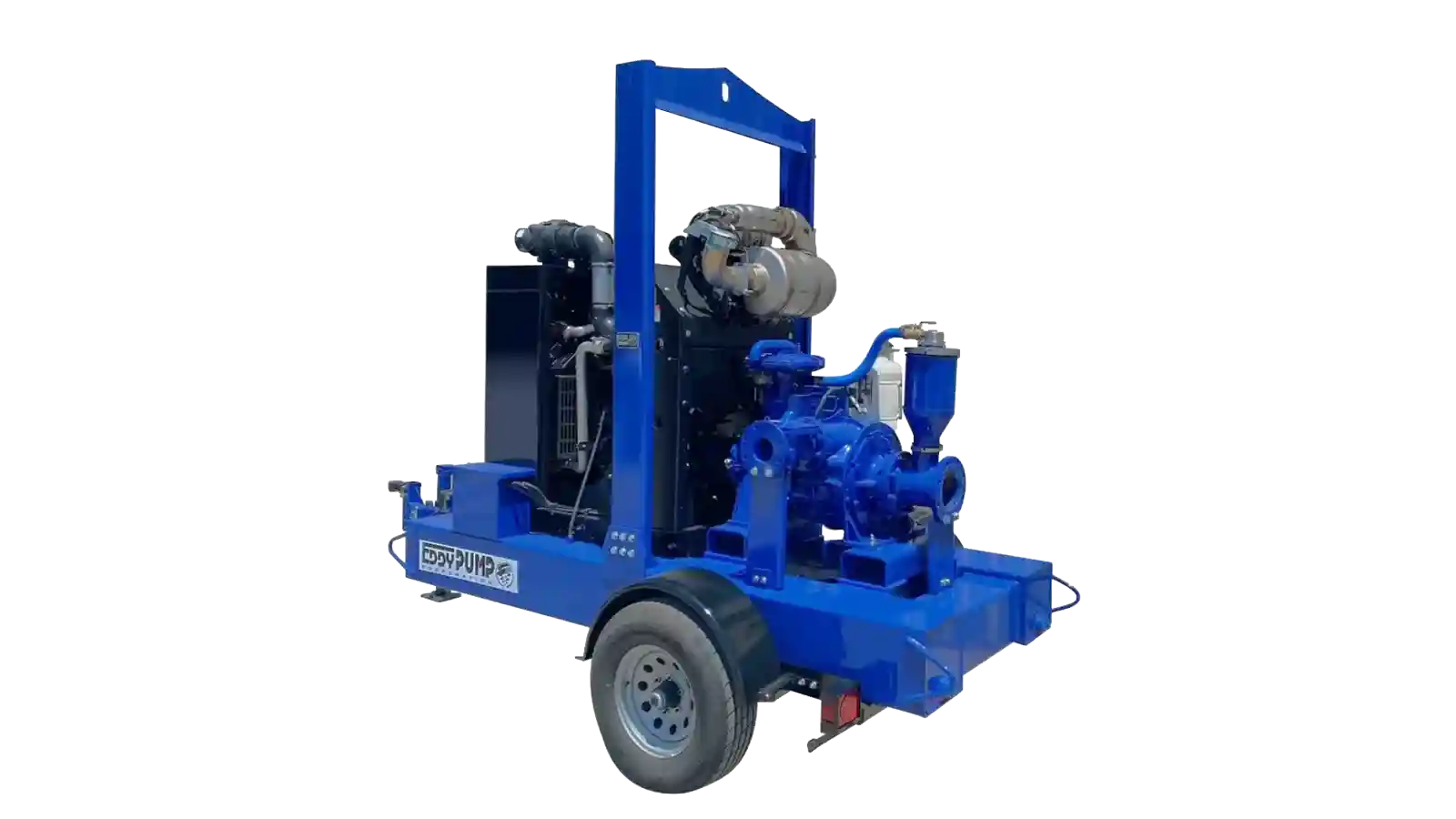
Self-Priming Pumps
Key specs: Discharge sizes from 3 in to 12 in; electric or diesel
Deployment: Trailer or skid mounted
Best for Pump kept above the water or slurry, with frequent relocation
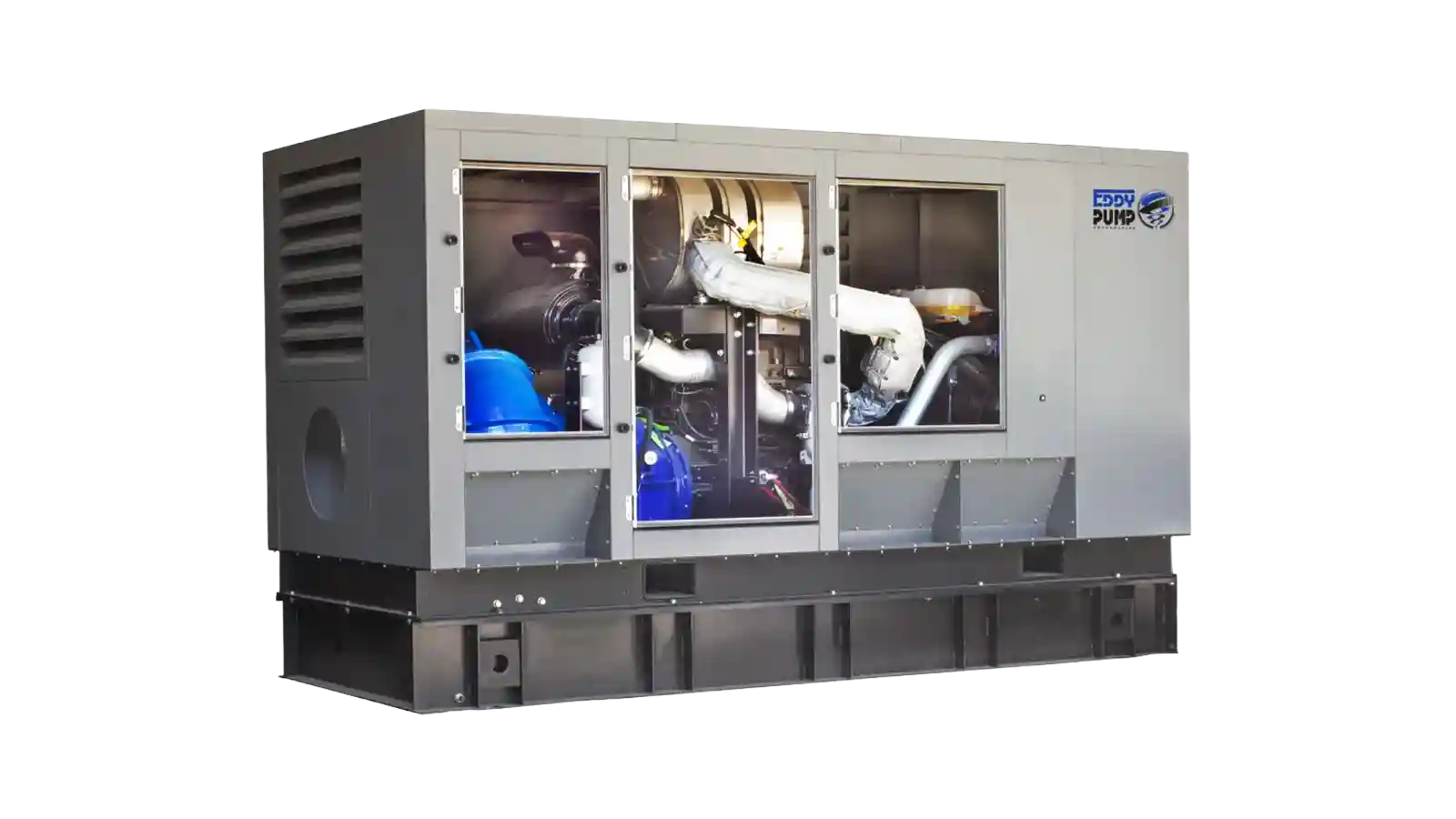
Skid-Mounted Booster Pumps
Key specs: 4 in to 12 in; 150 to 700 HP; 250 to 7,300 GPM
Deployment: Skid-mounted diesel
Best for Long pipeline runs and added head
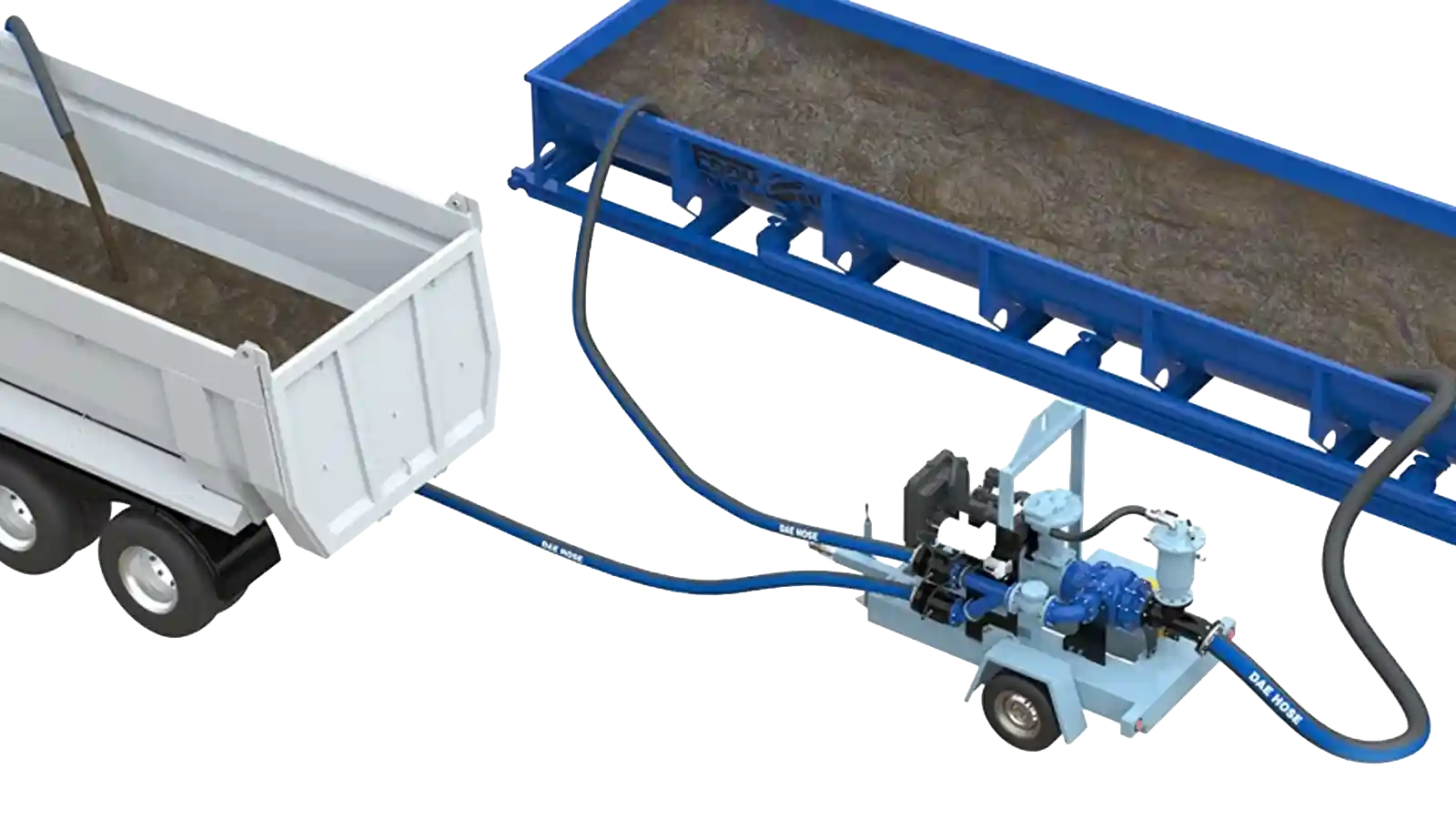
Slurry Tank Mixing and Transfer Pump
Key specs: Vacuum-assisted priming; recirculation hose
Deployment: Self-priming pump with a slurry container
Best for Keeping solids suspended in a tank and loading trucks
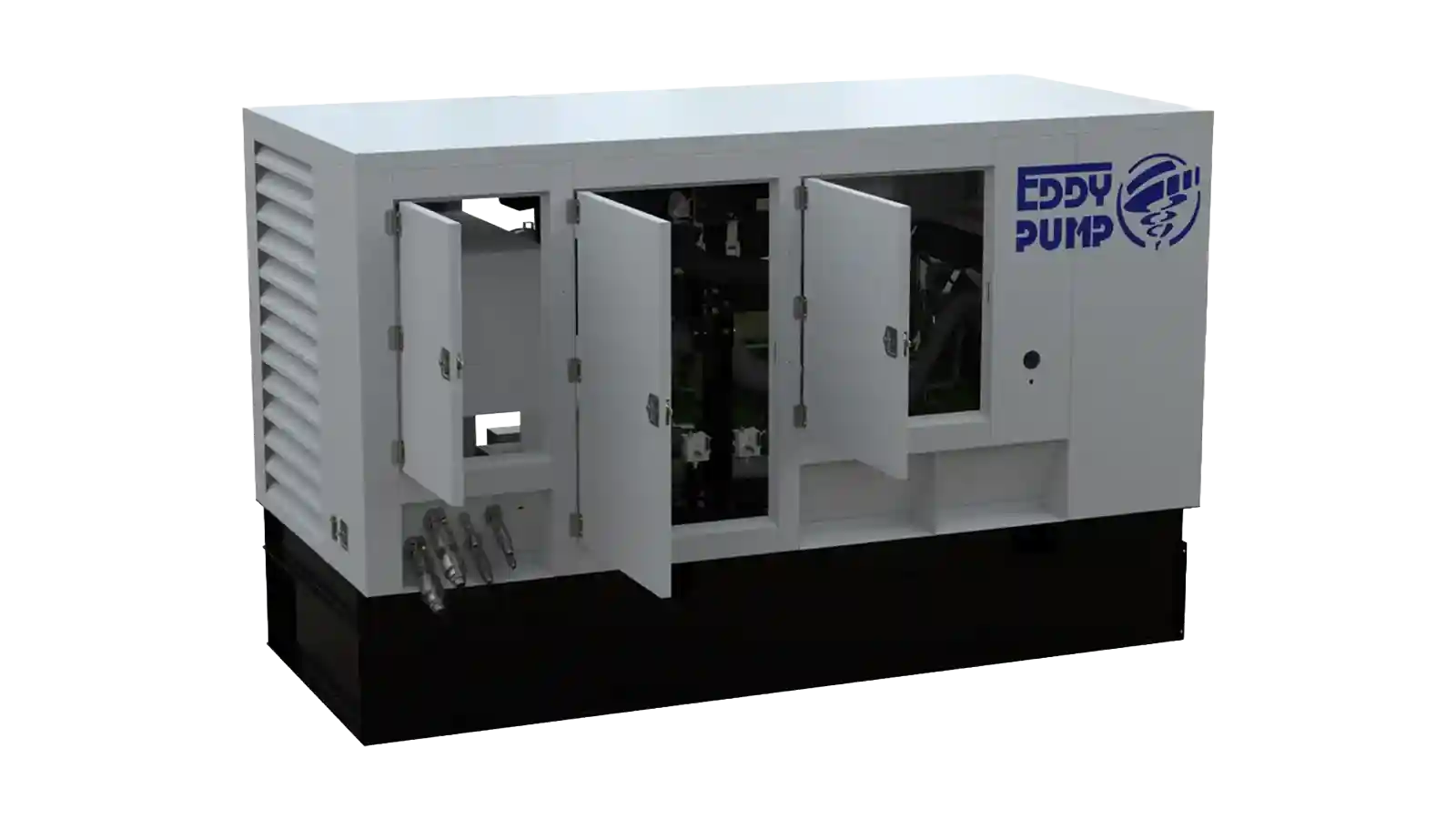
Hydraulic Power Units
Key specs: 125 HP to 700 HP
Deployment: Tier 4 diesel hydraulic power unit
Best for Powering cutterhead dredges, excavator attachments and diver-operated systems
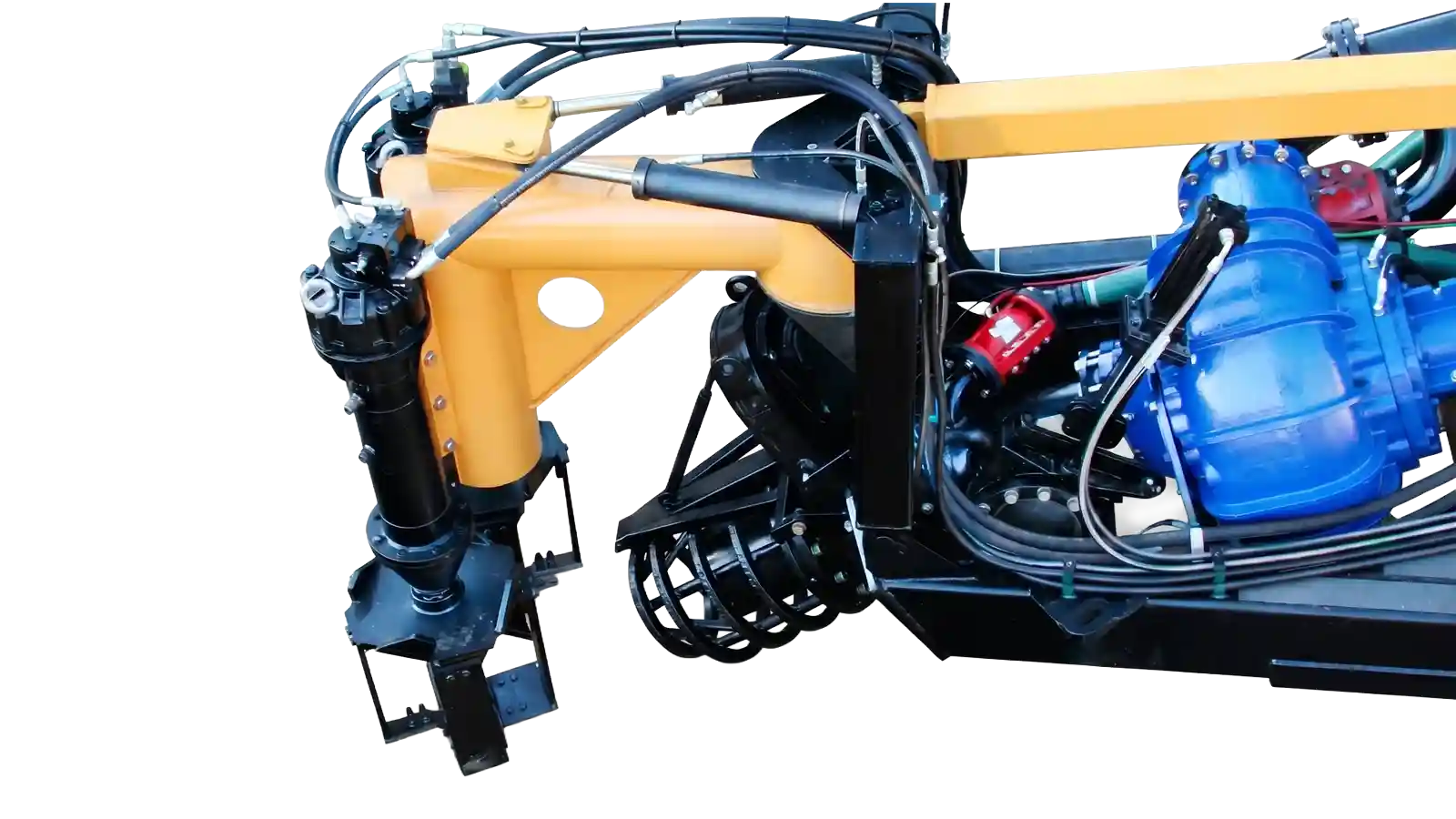
Custom Dredges
Key specs: Built around flow, head, solids and particle size
Deployment: Engineered to the site
Best for Material or sites that standard systems do not cover
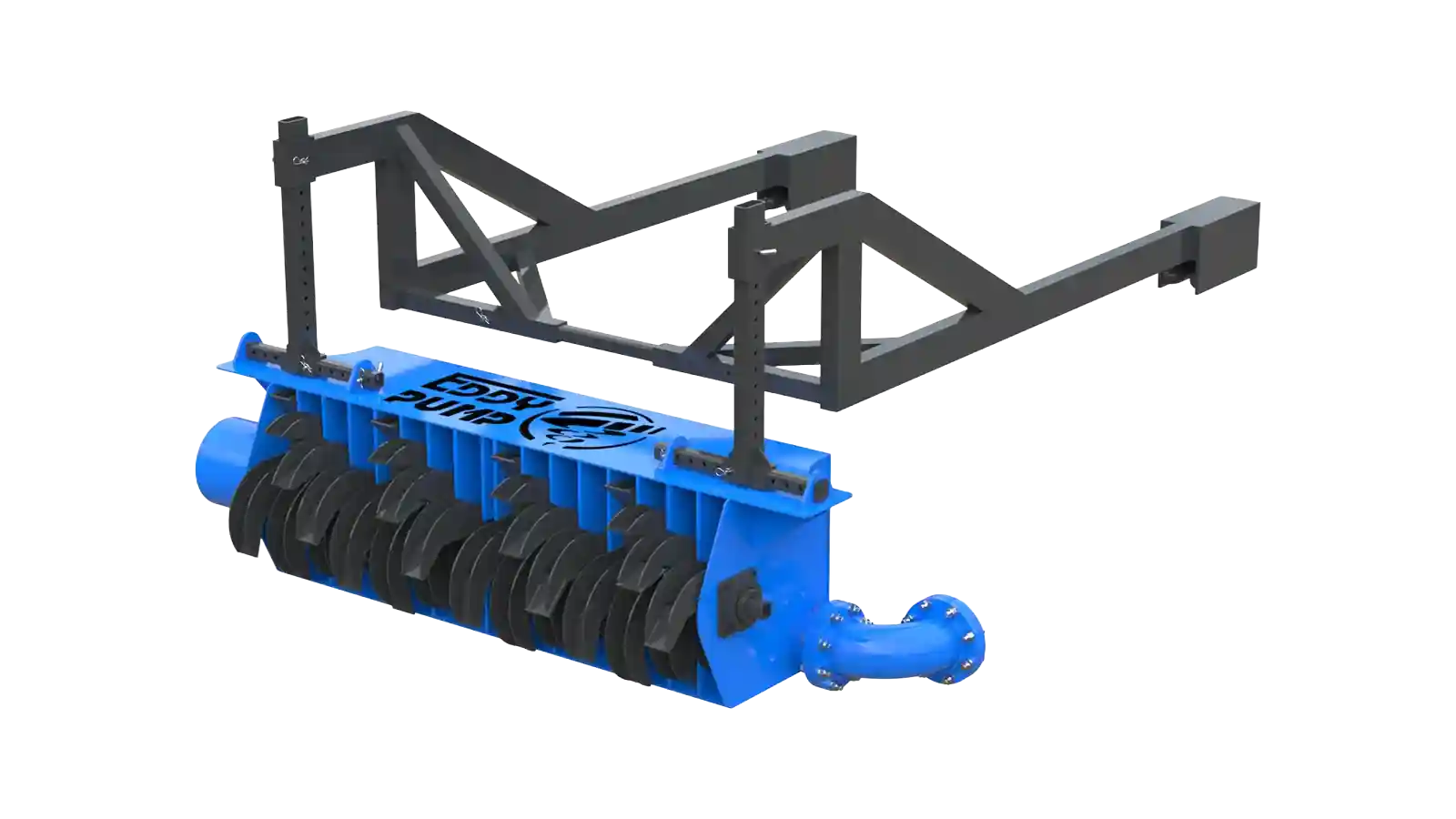
Hydraulic Sargassum Removal Attachment
Key specs: Patented, pump-driven attachment
Deployment: Attaches to small workboats or excavators
Best for Sargassum removal along coastlines
EXCAVATOR-MOUNTED
Excavator-Mounted Dredging Equipment
Use these when you already have an excavator, or want one carrier to dig and pump. They work from the bank or from soft, shallow ground, with no separate dredge vessel.
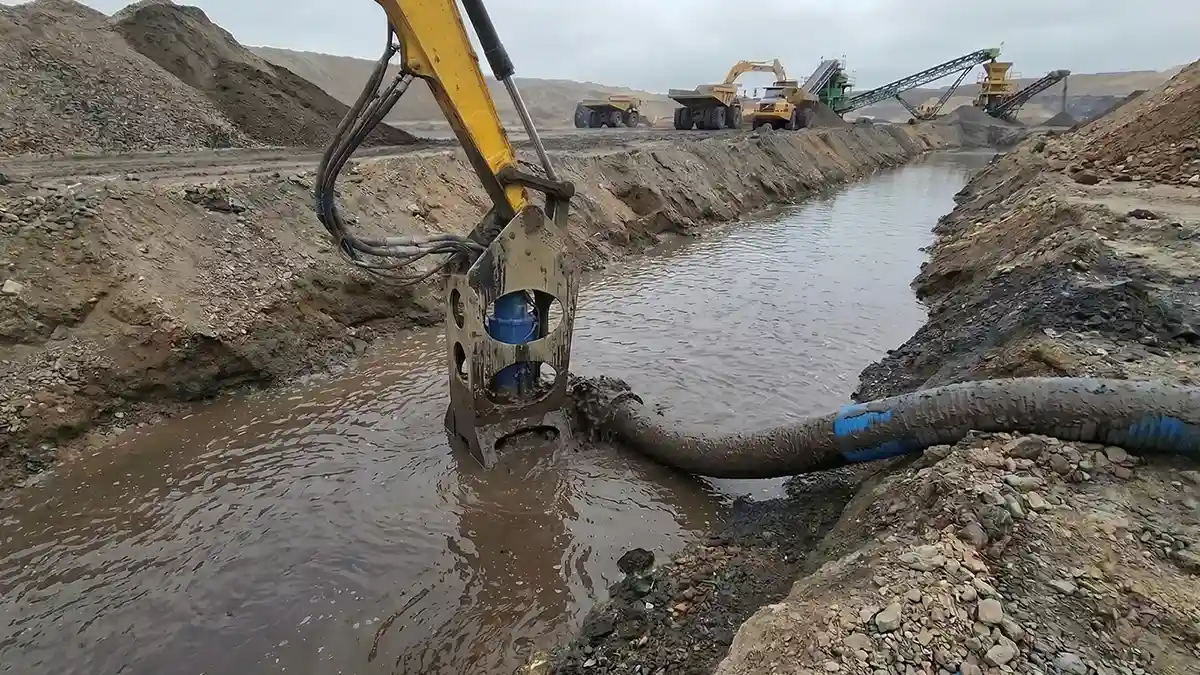
Excavator Dredge Pump Attachment
Turns a hydraulic excavator into a dredging excavator. The pump pins into your existing bucket linkage and runs from the excavator's auxiliary hydraulics or a hydraulic power unit. Cutterhead, water-jetting and auger options help with compacted material. Models run from 4 in to 12 in.

Flow: 250 to 7,300 GPM

Solids: 40% to 70% by weight, with solids up to 11 in on the 12 in model

Production: 75 to 600 yd³/hr
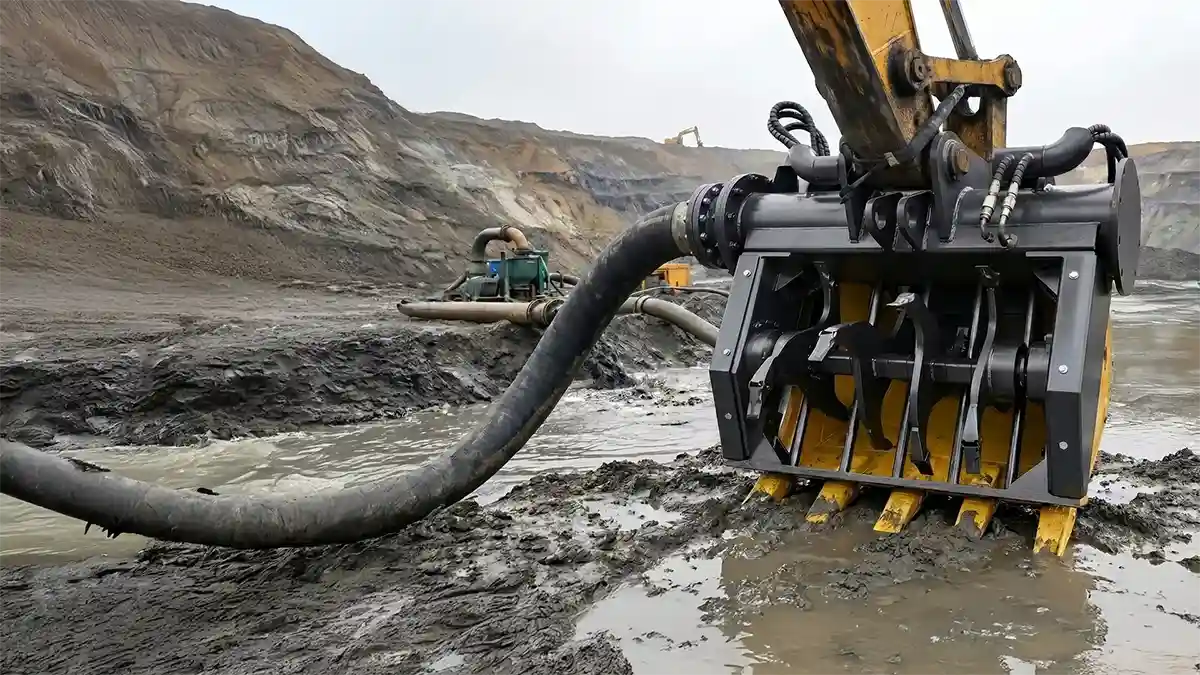
Self-Priming Pump & Bucket
Combines an excavator digging bucket, a cutterhead and a high-solids slurry pump in one attachment. The bucket teeth break through hard material while the pump moves the slurry, so you can dredge from land or the shoreline without a barge or a separate flooded-suction pump setup. Pump sizes run from 4 in to 12 in.
Solids: 40% to 70% by weight, with solids up to 3 in on the 4 in model and up to 11 in on the 16 in model
Production: 75 to 600 yd³/hr
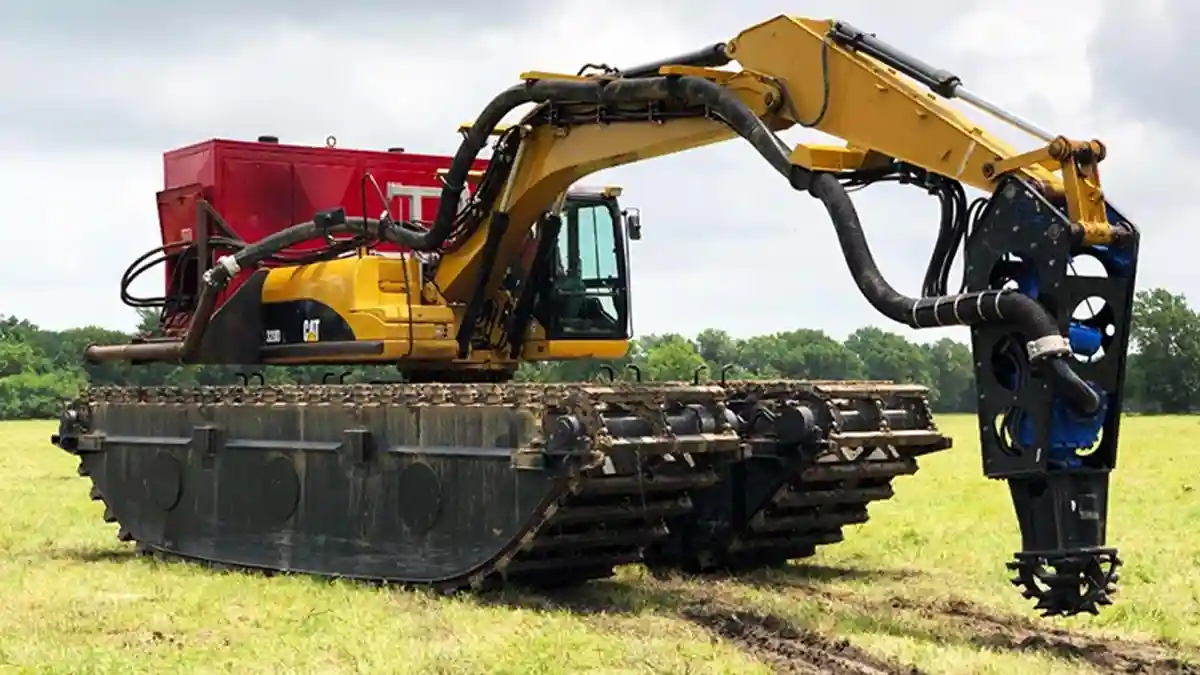
Amphibious Undercarriages for Excavators
Replace the standard undercarriage with a floating pontoon undercarriage to work in marshes, swamps, shallow water and harbors that a standard excavator cannot reach. Paired with an excavator-mounted dredge pump attachment, it becomes a floating excavator dredger. Low ground pressure also suits sensitive wetlands.

Used with: Excavator Dredge Pump Attachment
Typical sites: Wetlands, marshes, swamps and shallow harbors
FLOATING DREDGES
Floating and Remote-Operated Dredges
These dredges float on the water and move across the work area. They suit ponds, lagoons, canals, reservoirs and tailings ponds.
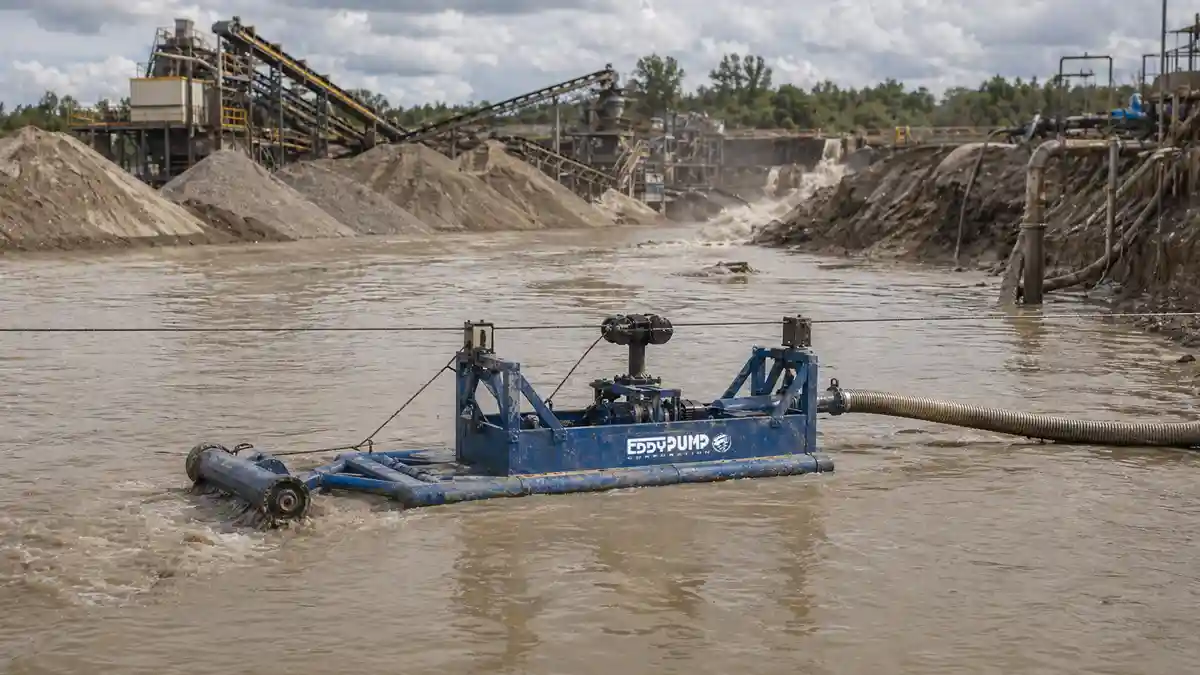
Mini Auger ModDredge
A compact, modular dredge for lined ponds, lagoons, canals and tailings ponds. A controlled-contact auger head removes sediment without an aggressive cutterhead, and remote control keeps the operator on shore. Available in 4 in and 6 in configurations.

Pump power: 125 HP diesel (4 in); 225 HP diesel (6 in). Electric: about 93 kW (4 in), 168 kW (6 in)
Control: Remote-controlled
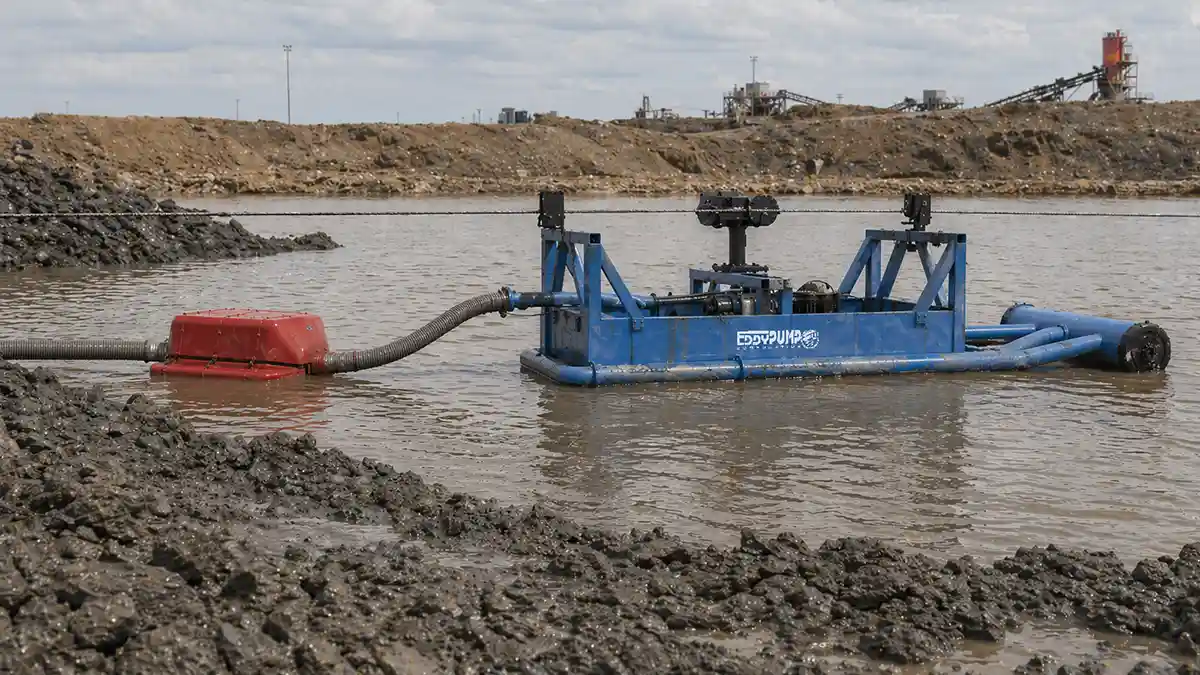
ModDredge
A modular cutterhead dredge for production dredging. Sections are designed for standard road transport and assemble on the water, which keeps mobilization simple. Remote operation is standard, and optional RTK/GPS adds positioning and depth control. Sizes run from 4 in to 16 in.
Pump power: 125 HP to 2,000 HP
Power options: Diesel or electric
Solids: 30% to 70% by weight, depending on the application and material
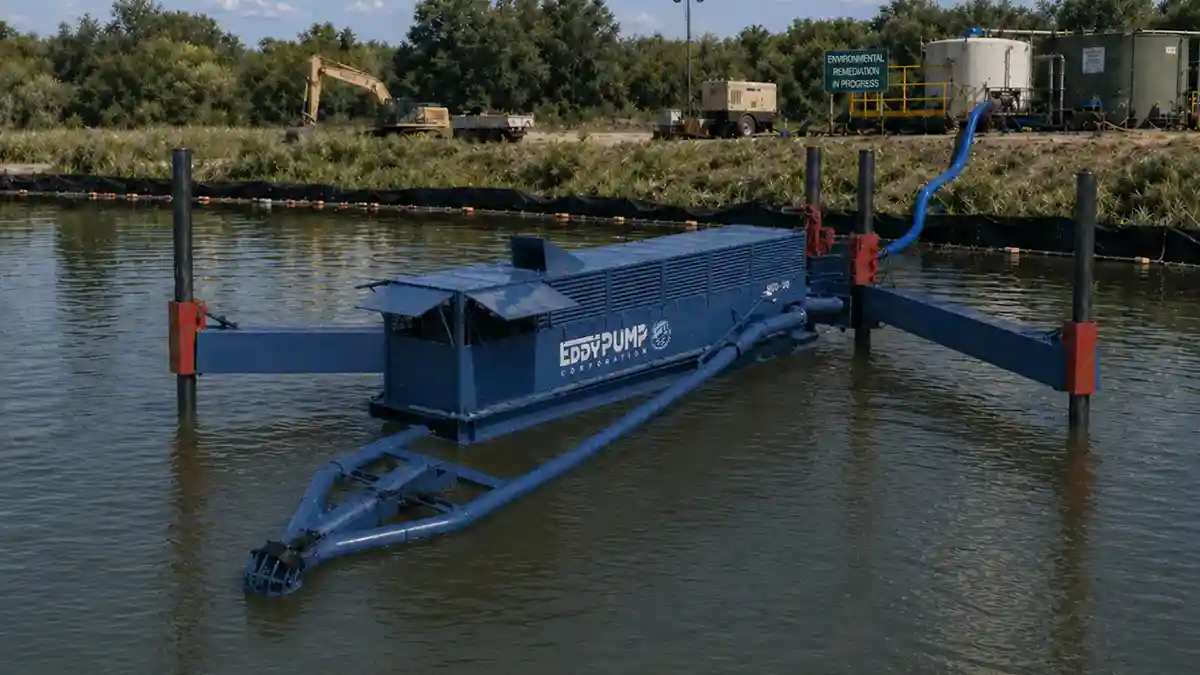
Autonomous ModDredge
A remote-operated, automation-ready dredge on a modular barge platform. Powered spuds, a walking spud or winch-based positioning moves it across the work area, with shore-based control by one to three operators. Cutterhead, roller-supported cutterhead, water jetting ring and no-cutter configurations are available, and liner-sensitive configurations are available after an engineering review.
Flow: 600 to 12,000 GPM
Production: 50 to 2,000 yd³/hr

Depth: 20 to 60 ft, depending on configuration

Discharge distance: Over 5,000 ft, and longer with booster pumps
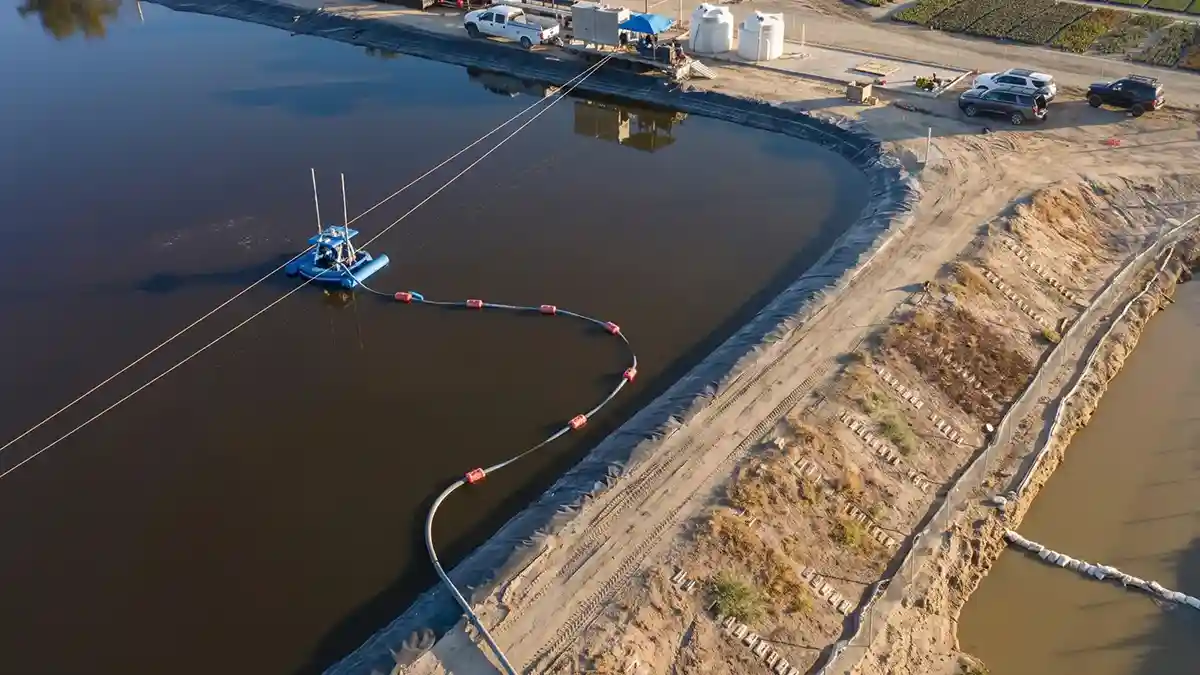
Dredge Sled
A patented sled that glides along the bottom while a dredge pump removes sludge, muck, paste and other high-solids material. Shore-based anchor cables pull it across the pond, and it works in 1.6 to 16 ft of water. It is a liner-safe choice for ponds, lagoons, canals, tailings ponds and settling tanks.

Sizes: 4 in and 6 in, electric or hydraulic
Production: 75 to 200 yd³/hr
Option: High-pressure jetting ring for compacted material
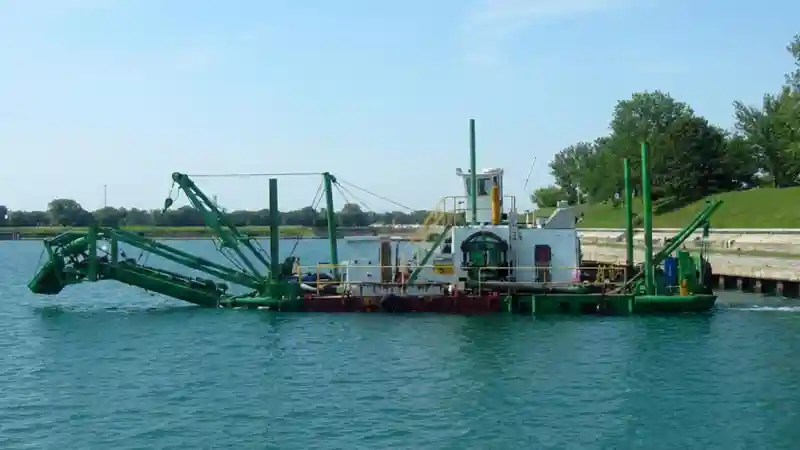
Environmental Dredge
A hydraulic spud ladder dredge for precise sediment removal with low turbidity. It targets only the intended material, which limits disturbance to the surrounding area and reduces the volume of material that needs treatment. It is built for contaminated sediment removal, habitat restoration and shoreline rehabilitation.
Pump: 6 in high-chrome EDDY Pump rated at 400 HP
Production: 300 to 400 yd³/hr
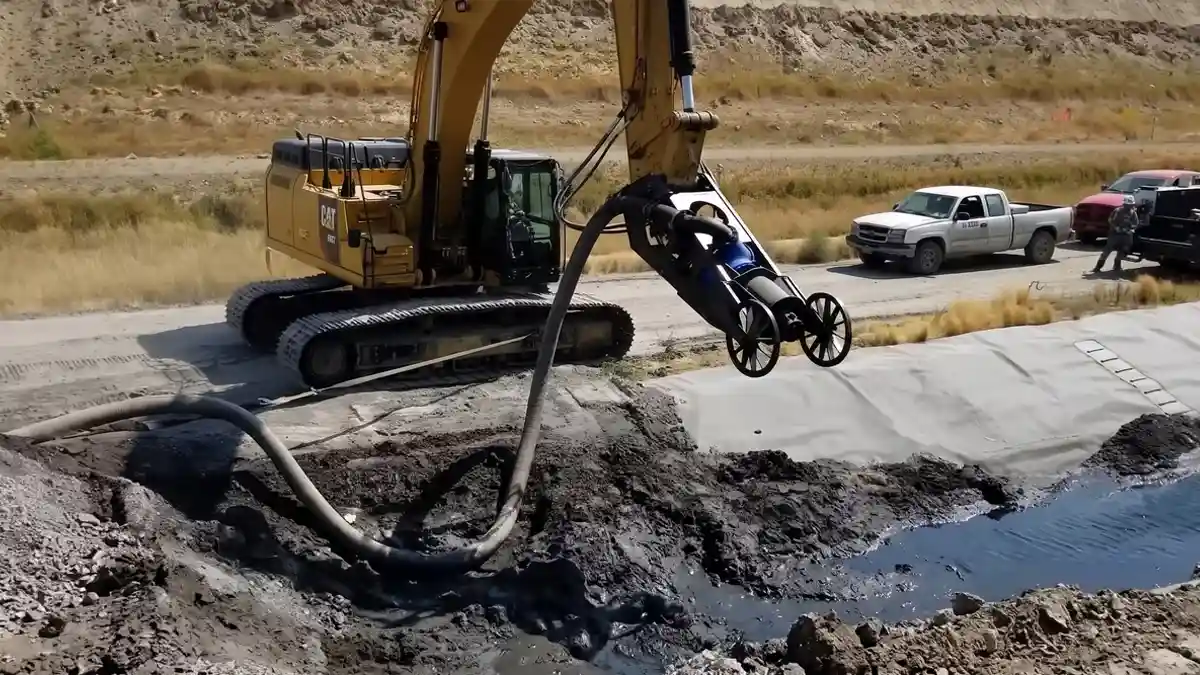
Liner-Safe Dredge Options
Remove sediment from clay, poly and concrete-lined ponds without damaging the liner. Choose from sleds, Subdredges, excavator attachments, cable-deployed pumps or full-scale barge dredges, matched to the pond and the liner.

Liners covered: Clay, poly and concrete
Deployment: Sled, Subdredge, excavator, cable-deployed or barge
UNDERWATER AND DEEP-POINT DREDGING
Submersible, Cable-Deployed and Diver-Operated Dredges
Use these when the work is below the surface, the material is out of excavator reach or a diver needs to place the intake.
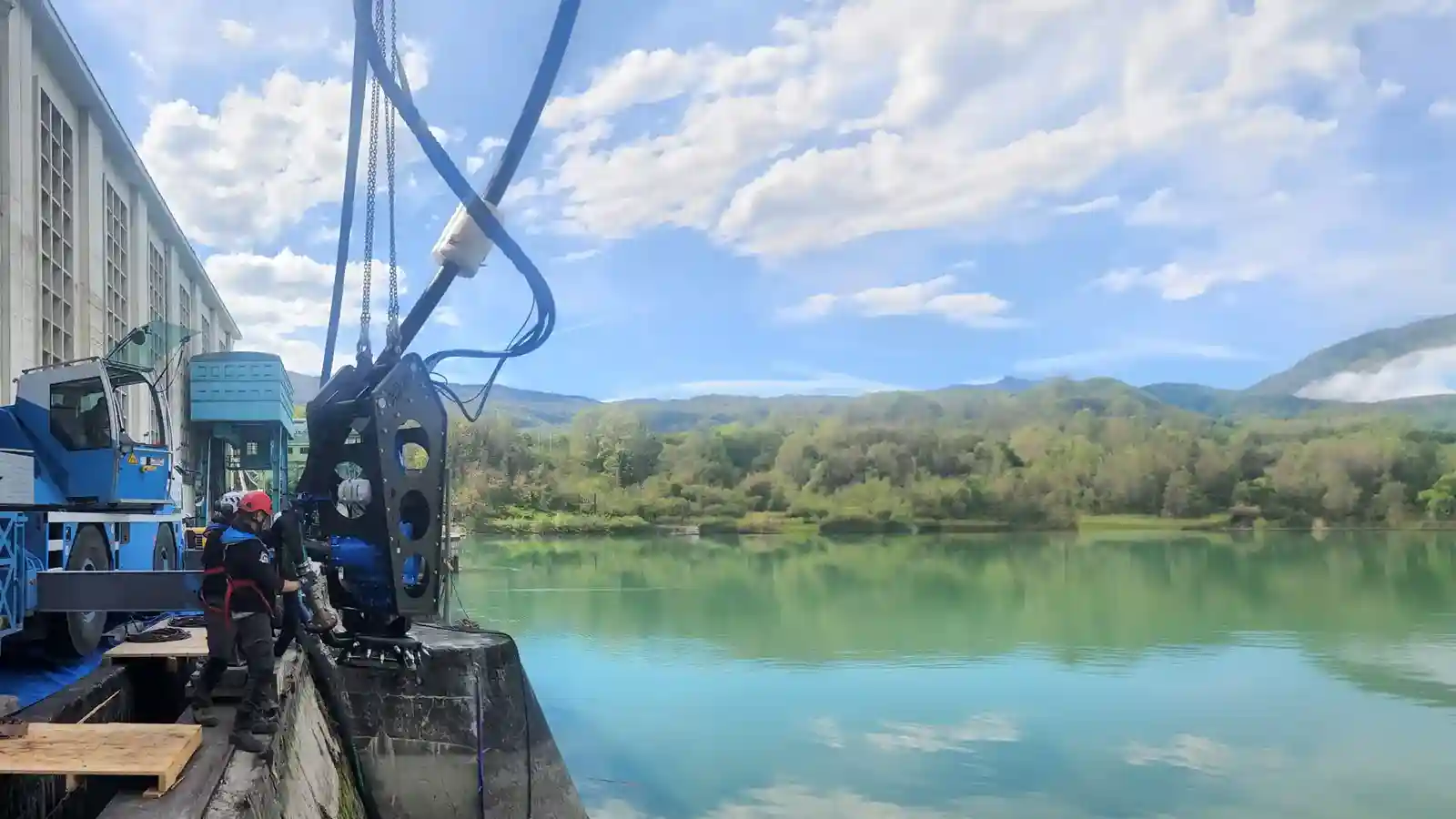
Cable-Deployed Dredge Pump
A submersible pump that hangs from a crane, excavator or barge-mounted A-frame over a fixed point. A water jetting ring option breaks up consolidated material. Hydraulic and electric models run from 4 in to 12 in.
Flow: Up to 7,300 GPM
Production: Up to 600 yd³/hr
Solids: Up to 11 in
Depth: Up to about 100 ft
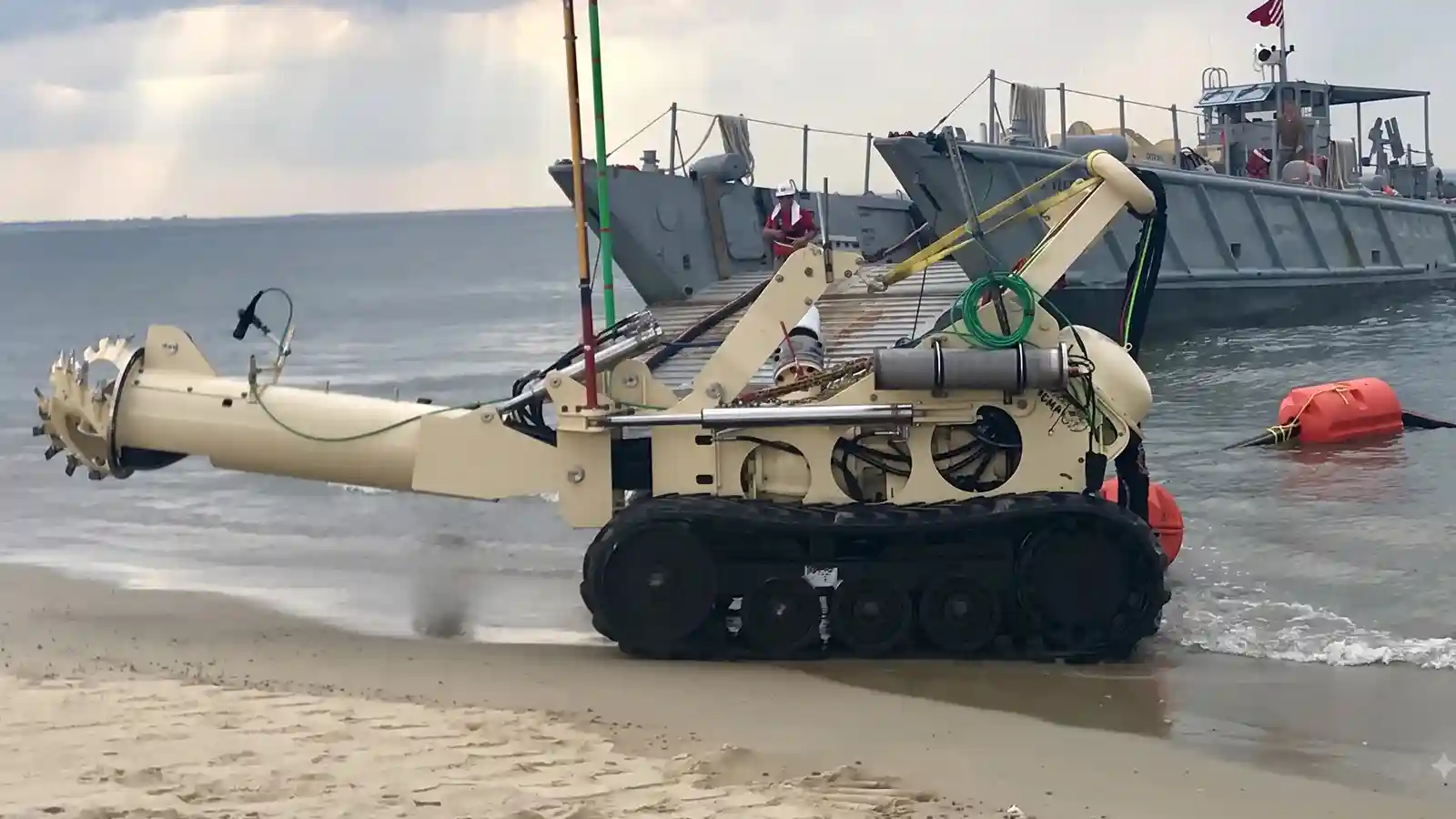
Subdredge ROV
A remote-operated submersible dredge for underwater excavation, sludge removal and slurry transfer where diver access is limited or unsafe. Live cameras and sensors support controlled work at the face, and an optional cutterhead handles compacted deposits. Models run from 4 in to 12 in.
Production: Up to 600 yd³/hr
Solids: Up to 70% by weight
Control distance: Umbilical runs up to 1,000 ft
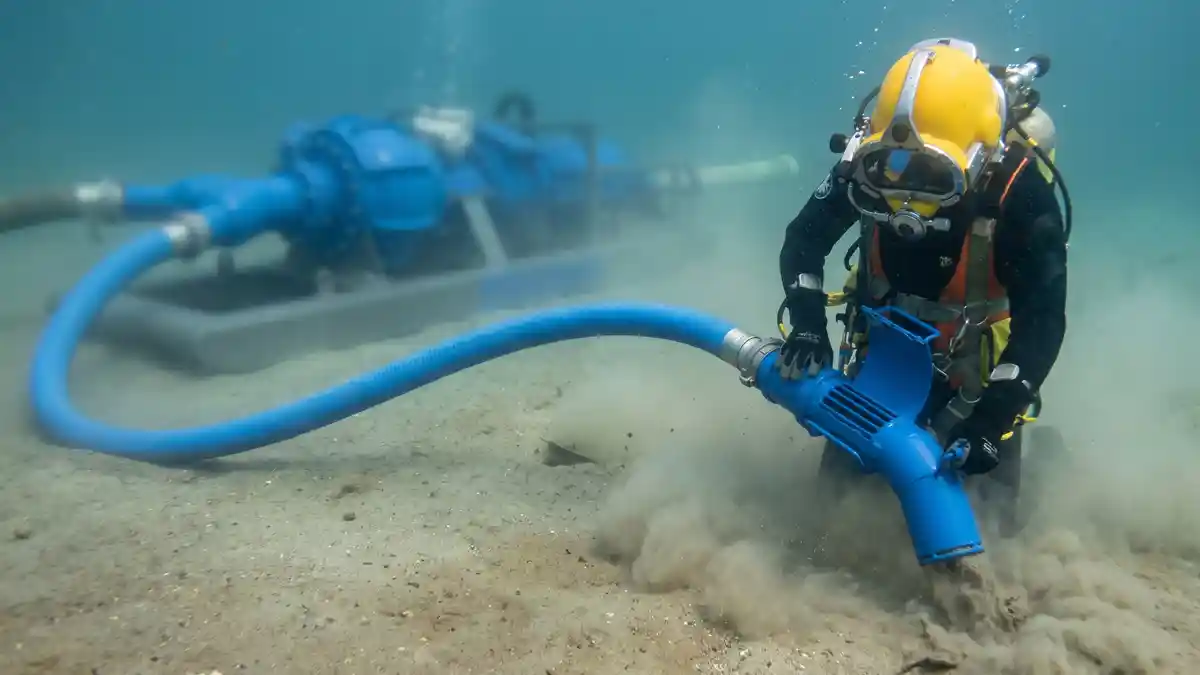
Diver-Operated Dredge
A diver controls the pump's intake hose for precise removal in confined or submerged spaces such as tanks, basins, lagoons, docks and pipelines. Electric and hydraulic systems come in 4 in and 6 in sizes and support one to three dive operators.
Flow: 250 to 2,500 GPM, with head up to 200 ft
Solids: Up to 5 in on the 6 in model
Production: 75 to 200 yd³/hr
SUPPORT EQUIPMENT
Booster Pumps, Self-Priming Pumps and Hydraulic Power Units
These products move slurry farther, keep the pump out of the slurry or supply the hydraulic power a dredge needs.
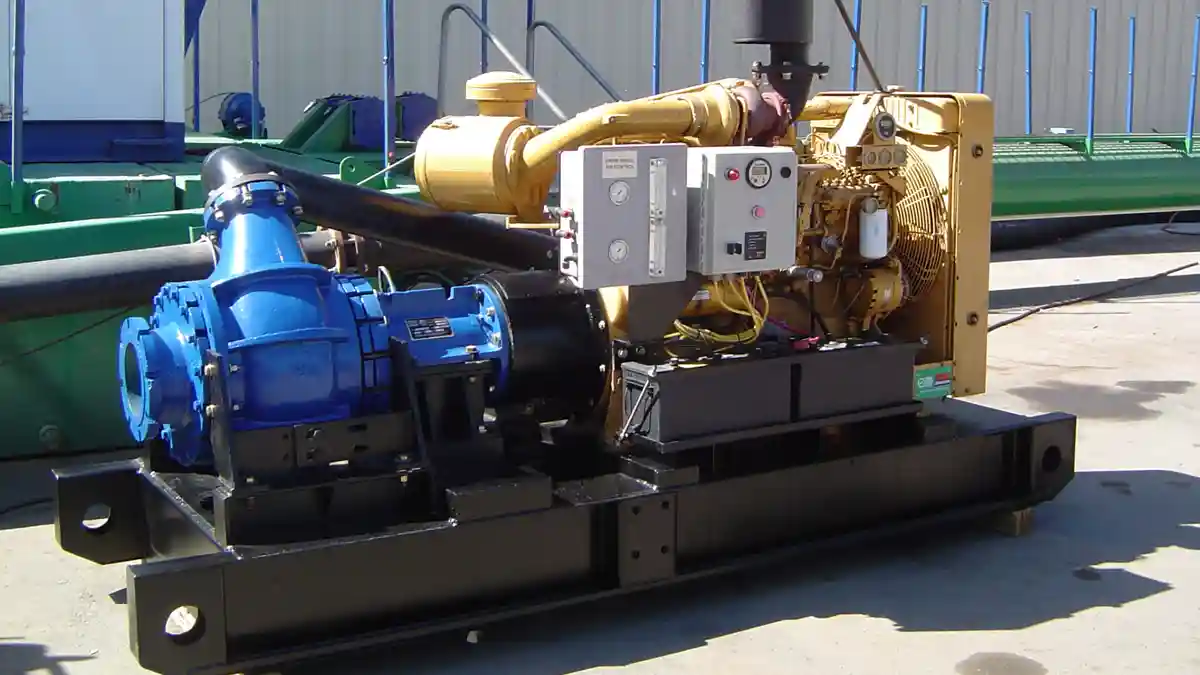
Skid-Mounted Booster Pumps
Extend pipeline reach and hold slurry velocity over long runs. Add a booster when distance or elevation pushes the required head past what the dredge pump can deliver. Models run from 4 in to 12 in with diesel power from 150 to 700 HP.
Flow: 250 to 7,300 GPM
Head: Up to 240 ft
Solids: Up to 11 in
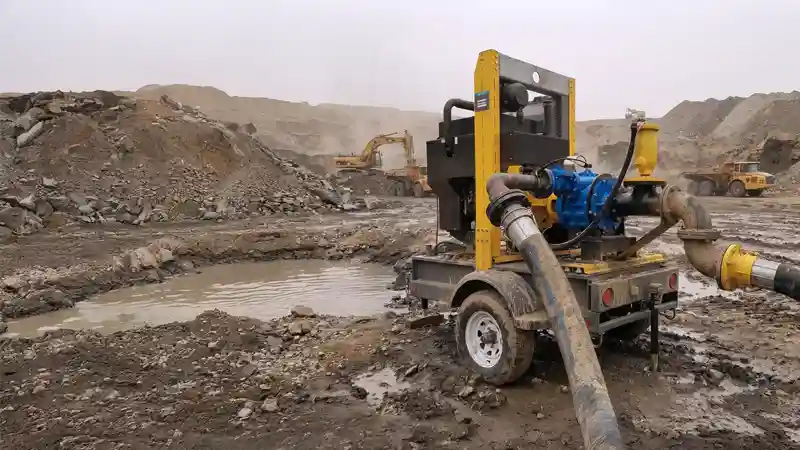
Self-Priming Pumps
The pump and power unit stay above the water or slurry while a suction hose reaches into the material. A vacuum-assisted priming chamber primes the pump with no external priming, and trailer or skid mounting makes it easy to move between sites. Electric and diesel packages are available.
Sizes: Discharge sizes from 3 in to 12 in
Mounting: Trailer or skid
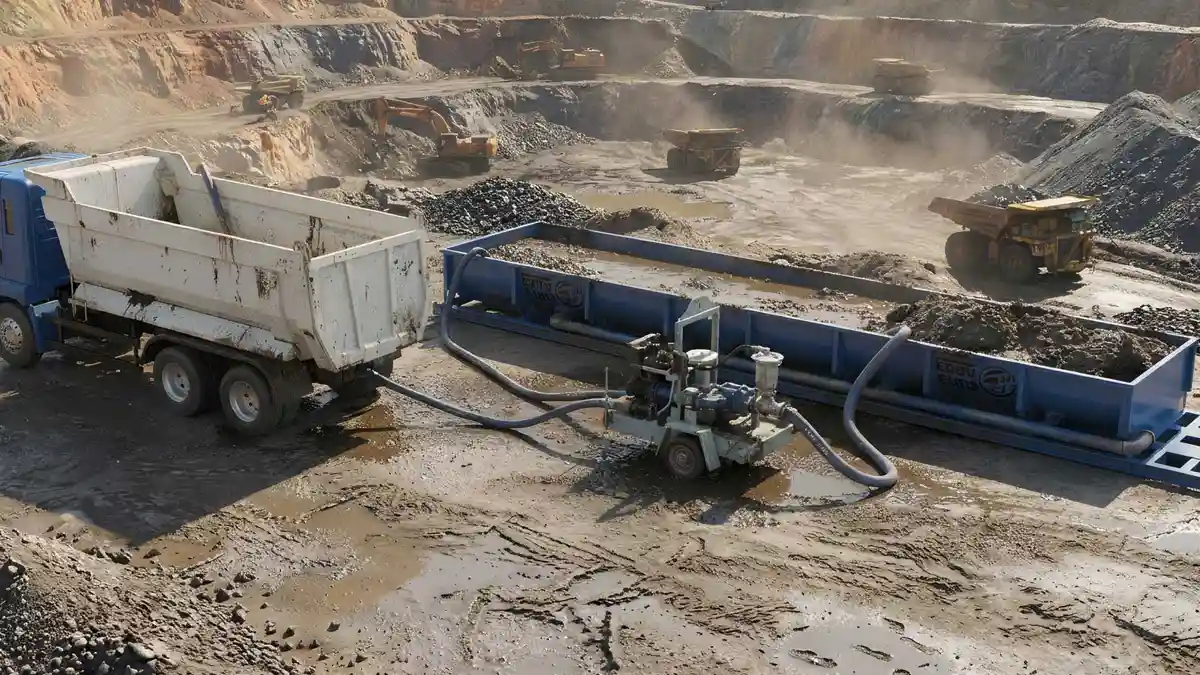
Slurry Tank Mixing and Transfer Pump
A self-priming system with a vacuum-assisted slurry pump, a dedicated slurry container, suction and discharge hoses and a recirculation hose. It keeps the slurry mixed in the container so solids stay suspended, then transfers it to trucks or other disposal systems. It suits mining, dredging and waste management.

Mixing: Continuous recirculation inside the container
Transfer: To trucks or other disposal systems
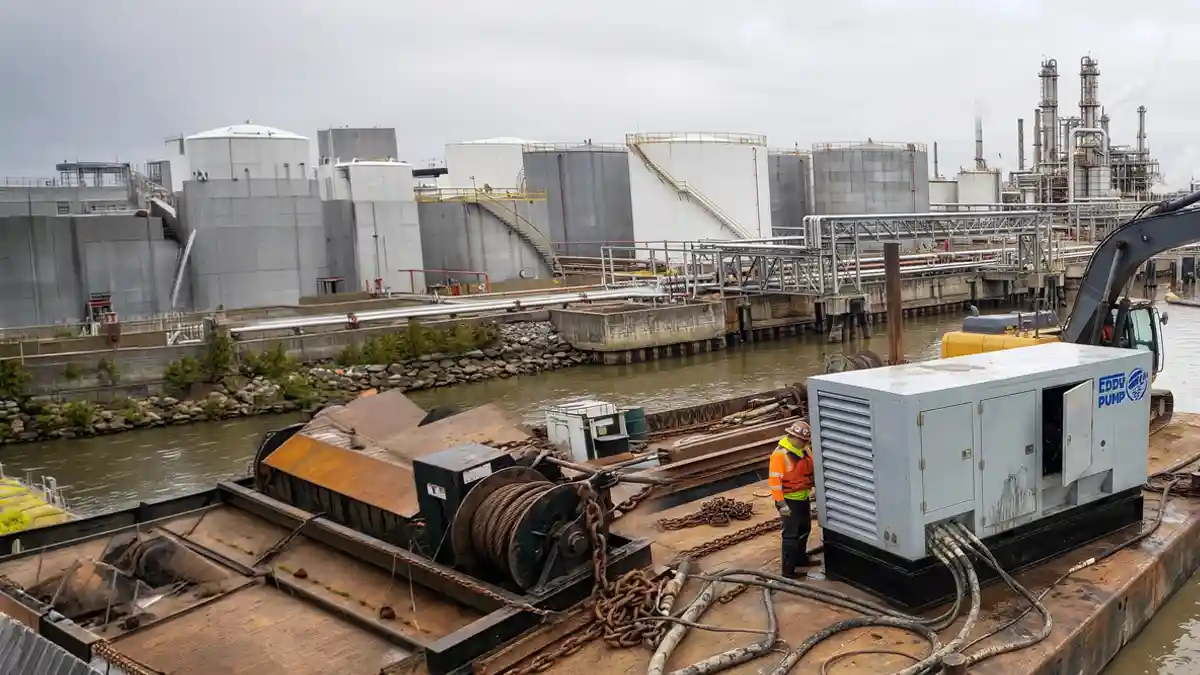
Hydraulic Power Units
Supply the hydraulic power for cutterhead dredges, excavator dredge attachments and diver-operated systems. Each unit has a Tier 4 engine, an open-loop hydraulic system, high-pressure filtration and integrated flow and pressure safety sensors. Units run from 125 HP to 700 HP.
Pump pairing: 125 HP and 200 HP for 4 in pumps, 400 HP for 6 in, 550 HP for 8 in and 700 HP for 12 in
CUSTOM AND SPECIALTY
Custom Dredges and Specialty Attachments
When a standard system does not fit the material or the site, EDDY Pump designs and builds the equipment around it.
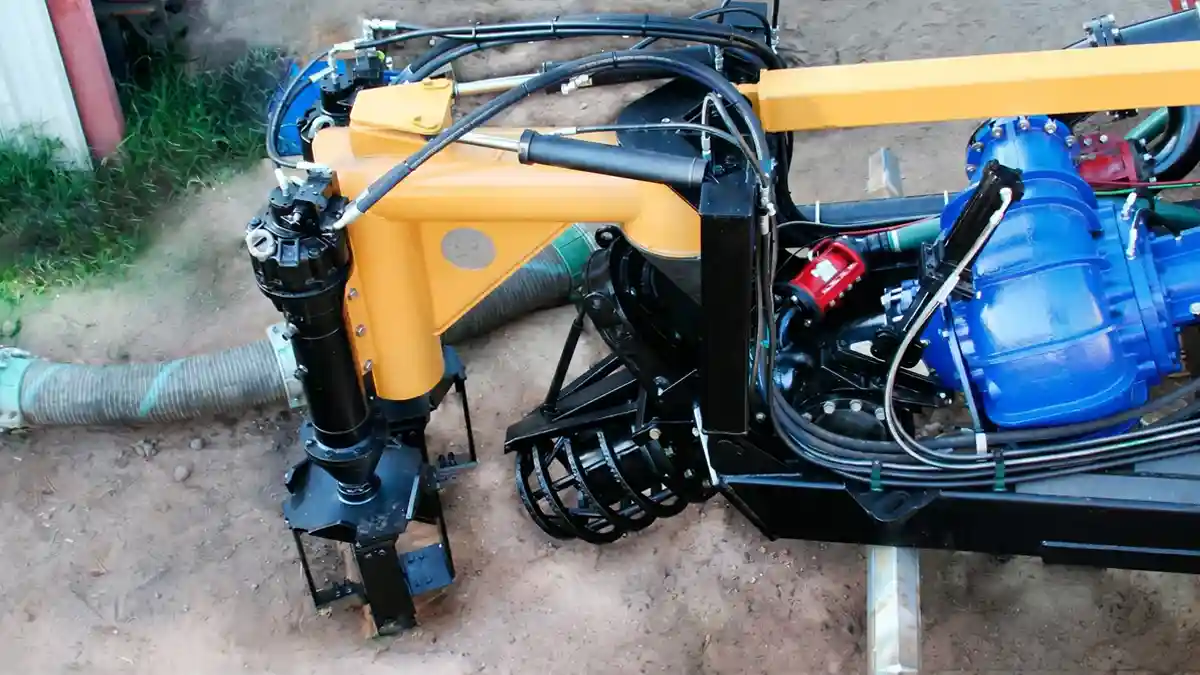
Custom Dredges
EDDY Pump designs and builds dredges around your flow rate, total dynamic head, solids concentration, particle size and site conditions. Each one pairs the EDDY Pump non-clog slurry pump with purpose-built agitation, automation and structure for material that standard dredges struggle with, such as compacted mud and high specific gravity mixtures.
Designed around: Flow, head, solids concentration, particle size and site
Built for: Compacted mud, thixotropic slurry and dense mixtures
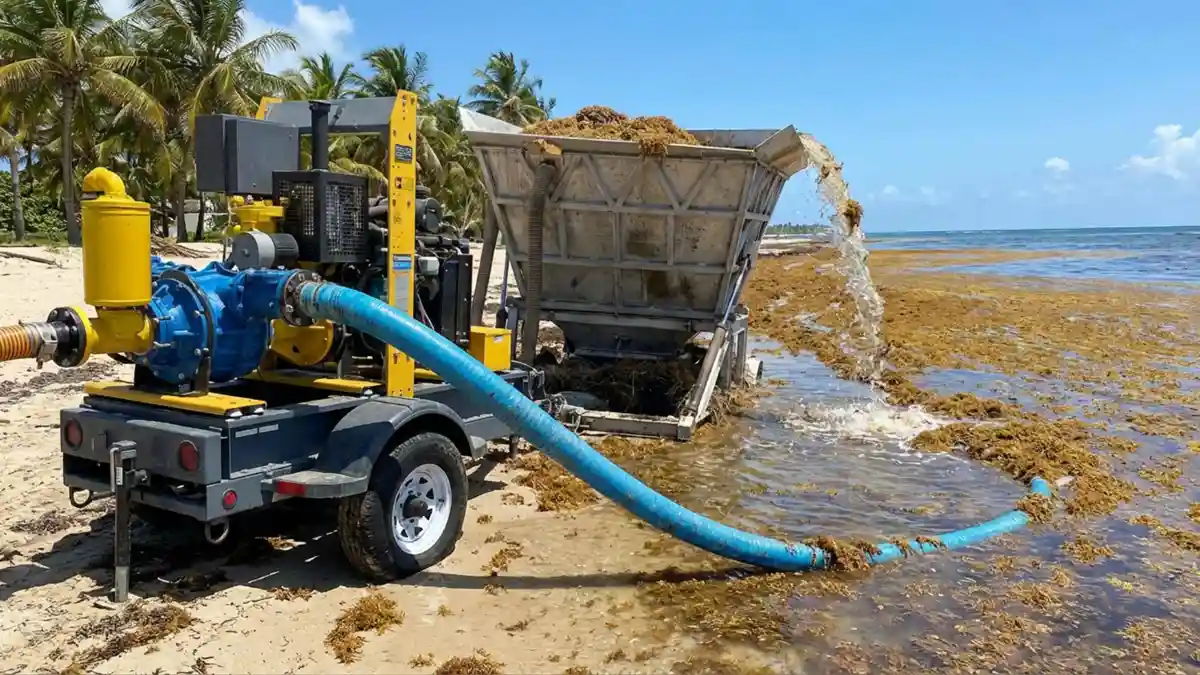
Hydraulic Sargassum Removal Attachment
A patented, pump-driven attachment for removing sargassum seaweed from coastal areas. It mounts on small workboats or excavators and moves large volumes of sargassum for beach and coastal cleanup.
Mounting: Small workboats or excavators
Use: Beach and coastal sargassum removal
AT A GLANCE
Dredging Equipment Lineup at a Glance
The deployment, power, configuration and performance basics across the EDDY Pump dredging equipment family, before you select a specific system.

Pump Sizes
4 in to 16 in across the family

Solids Handling
30% to 70% solids by weight, with solids up to 11 in on larger models

Flow
250 to 12,000 GPM, depending on the system

Models or Options
Excavator, auger, remote-operated, cable-deployed, diver-operated and barge-mounted options

Material Handling
Electric, hydraulic and diesel-supported configurations

Configuration
Solutions for lined ponds, sensitive sediment and thin-layer placement
Turn Your Excavator Into a Dredger
The attachment pins into your excavator's bucket linkage and runs on its auxiliary hydraulics or a hydraulic power unit. See how it handles the job.
FIND YOUR STARTING POINT
Which Dredging Equipment Do I Need?
Match your project condition to the dredging equipment that usually fits it best, then review that product to confirm the details.
01
Excavator can reach the material
Choose: Excavator Dredge Pump Attachment
Precise positioning from a carrier
02
Shallow basin needs a controlled cut
Choose: Mini Auger or Dredge Sled
Compact bottom-working approach
03
Underwater travel is required
Choose: Subdredge ROV
Remote mobility at the work face
04
Deep point access is available from cables
Choose: Cable-Deployed Dredge Pump
Direct vertical deployment
05
Long pipeline adds excessive head
Choose: Booster Pumps
Calculated downstream pressure support
EQUIPMENT OPTIONS
Compare Dredges for Sale: Seven Types Side by Side
Compare each dredge machine side by side, from a small dredge for ponds to a suction dredge that works underwater, and see which one fits your site before you request a quote to buy or rent.
Excavator Dredge Pump Attachment
Fit when an excavator can reach the material; check carrier reach and hydraulic supply.
Mini Auger ModDredge
Use for shallow ponds and lined basins needing a controlled auger cut; check depth and liner limits.
ModDredge
Best for configurable cutterhead dredging with a pipeline-based production plan; check material, discharge distance, and power.
Autonomous ModDredge
Deploy when repeatable paths and reduced onboard labor matter; check positioning and controls.
Cable-Deployed Dredge Pump
Suitable when a pump can hang from a crane, excavator, or barge A-frame at a fixed point; check depth (down to about 100 ft), suspension point and discharge route.
Subdredge ROV
Used for underwater removal with a compact surface footprint; check depth, slope and recovery plan.
Dredge Sled
Fit when the bottom supports a pulled low-profile frame; check bottom condition and liner clearance.
CONFIGURATION OPTIONS
Electric, Hydraulic and Diesel Power Options
Standard and engineered configurations depend on the selected pump duty, material, deployment method, and site power.
01
Pump and rotor
Choose from material, solids size, target flow, TDH, and approved model data.
02
Driver or HPU
Match required shaft or hydraulic duty, duty cycle, site power, and controls.
03
Material conditioning
Select cutterhead, auger, jetting, or intake protection from consolidation and debris.
04
Controls
Define local, remote, monitored, or automated functions without treating the terms as interchangeable.
05
Pipeline support
Calculate diameter, velocity, friction, elevation, pressure rating, and booster need.
EQUIPMENT TYPES
Types of Dredging Equipment
Dredging equipment either digs material out mechanically or moves it with suction and water. EDDY Pump builds hydraulic dredging equipment, and every system uses an EDDY Pump slurry pump to move the material.
01
Mechanical dredgers
Buckets or clamshells dig and lift material from the bottom.
EDDY Pump products
Self-Priming Pump & Bucket adds a digging bucket to a slurry pump
02
Hydraulic dredgers
Suction and water move the material through a pipeline as slurry.
EDDY Pump products
ModDredge, Autonomous ModDredge, Mini Auger ModDredge and Environmental Dredge
03
Cutterhead dredges
A rotating cutterhead loosens consolidated material before it reaches the pump.
EDDY Pump products
ModDredge and Autonomous ModDredge, with an optional cutterhead on the Subdredge ROV
04
Submersible dredge pumps
The pump goes to the material and pushes slurry to the surface.
EDDY Pump products
Dredge Sled, Cable-Deployed Dredge Pump, Subdredge ROV and Diver-Operated Dredge
05
Excavator dredges
An excavator carries the pump and positions the intake.
EDDY Pump products
Excavator Dredge Pump Attachment, Self-Priming Pump & Bucket and Amphibious Undercarriages
Not sure which type fits your site? Talk to a Dredging Engineer.
RESOURCES
Resources and Tools
Pull the specs, run the numbers and see how projects like yours went.
Brochures and Specs
Spec sheets, brochures and published pump curves by model
Calculators and Tools
Total dynamic head, pipe velocity and friction-loss calculators, plus cost and lifecycle analyses
Pump-Flo Pump Selection Tool
Online pump selection
Dredging Case Studies
Project results from the field
WHERE IT FITS
Dredging Equipment Applications
Each application puts different demands on access, material and discharge. Review the site conditions below before you select a dredging system.
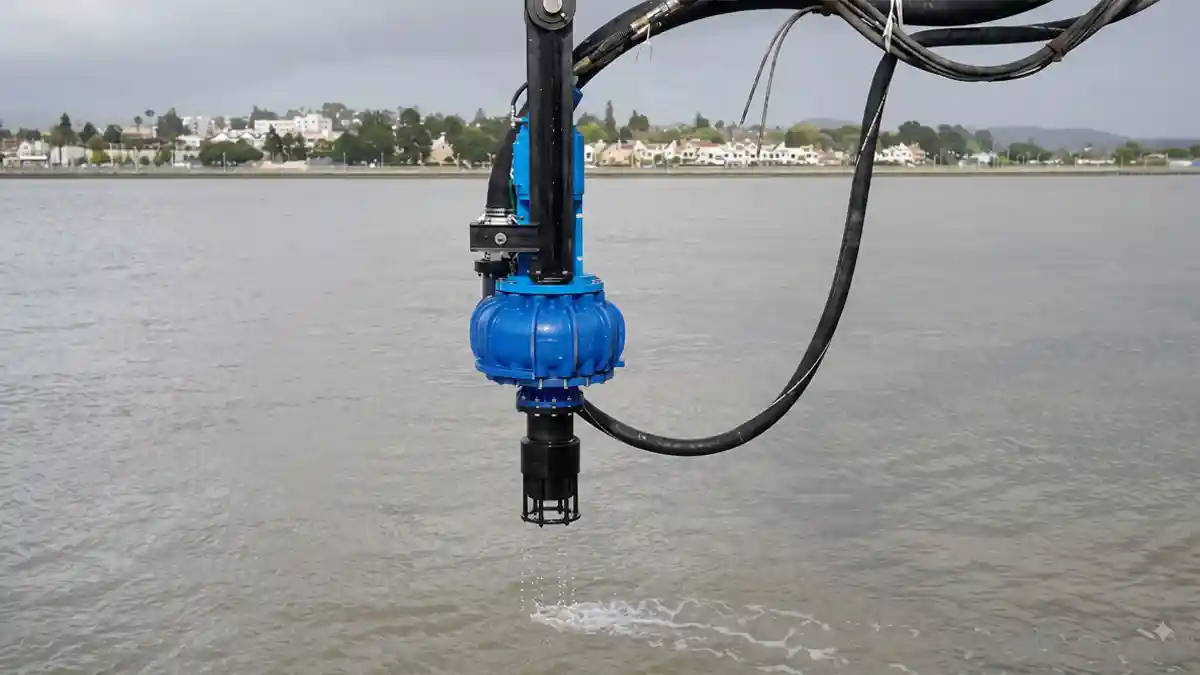
Pond and Lagoon Dredging Equipment
For most ponds and lagoons, start with the Dredge Sled or the Mini Auger ModDredge. Both are compact floating systems, and both can be set up for lined basins after EDDY Pump reviews the liner.
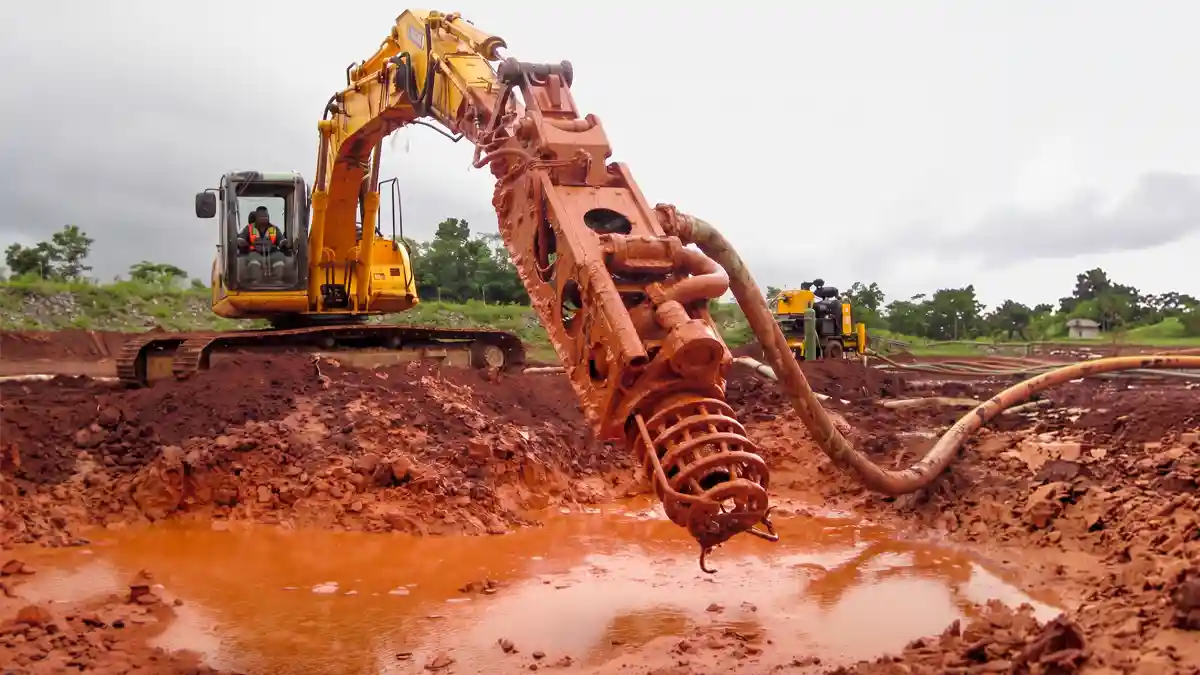
Mining and Tailings
ModDredge systems are designed to move 30% to 70% solids by weight, so you pump less water with abrasive tailings. Use the Subdredge when the work is underwater and diver access is limited or unsafe.
Ports, Rivers and Canals
The Excavator Dredge Pump Attachment can dredge from the bank without a vessel in the water. Where the water is deeper, a cable-deployed pump can hang from a crane, excavator or barge-mounted A-frame.
Industrial Basins and Wastewater
The Dredge Sled and the Mini Auger ModDredge are operated from the bank or another safe location, and the Diver-Operated Dredge cleans tanks, basins and lagoons, often without a full shutdown.
Environmental Remediation
The Subdredge uses integrated positioning and monitoring to keep excavation controlled and limit disturbance, and the Diver-Operated Dredge handles localized removal where precise placement matters.
Sand Dredging Equipment
ModDredge systems are designed for 30% to 70% solids by weight, so you pump less water with the sand. The Subdredge adds an optional cutterhead for compacted deposits.
MINING AND TAILINGS
Pumping Red Mud on a Jamaican Tailings Dam
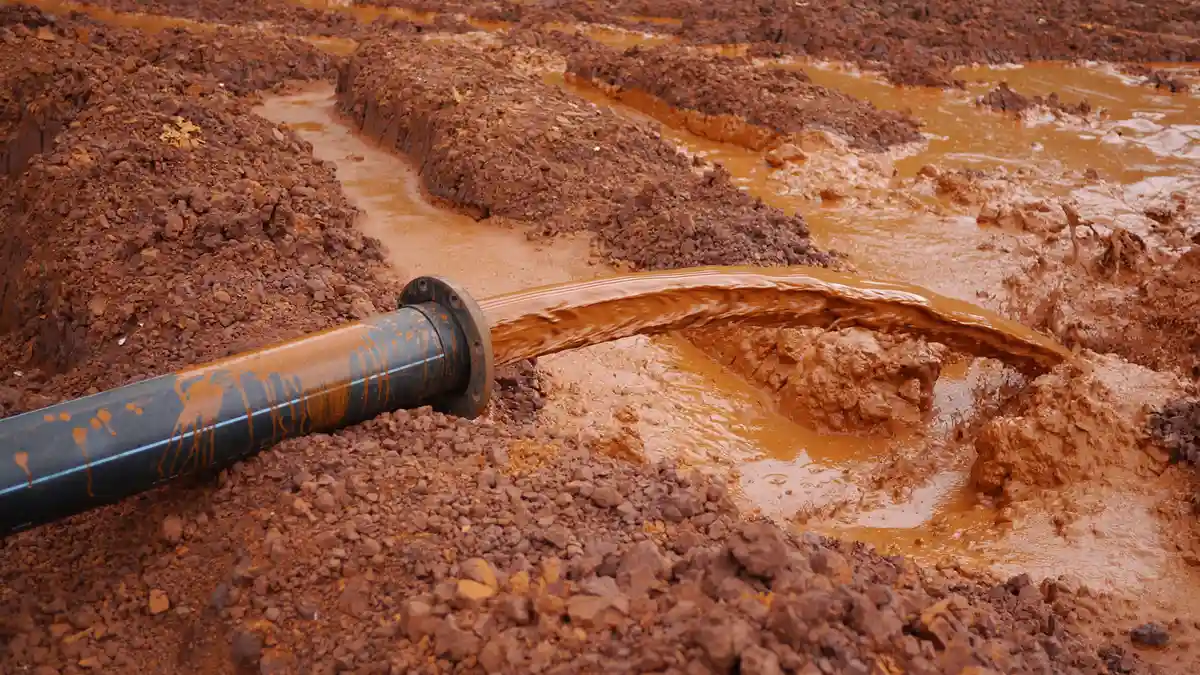
Rio Tinto Alcan wanted to know whether soft bauxite red mud at Mt Rosser Pond in Jamaica could be pumped close to its natural solids content instead of being excavated. This field trial used a 4-inch EDDY Pump with a cutter head on an excavator boom.
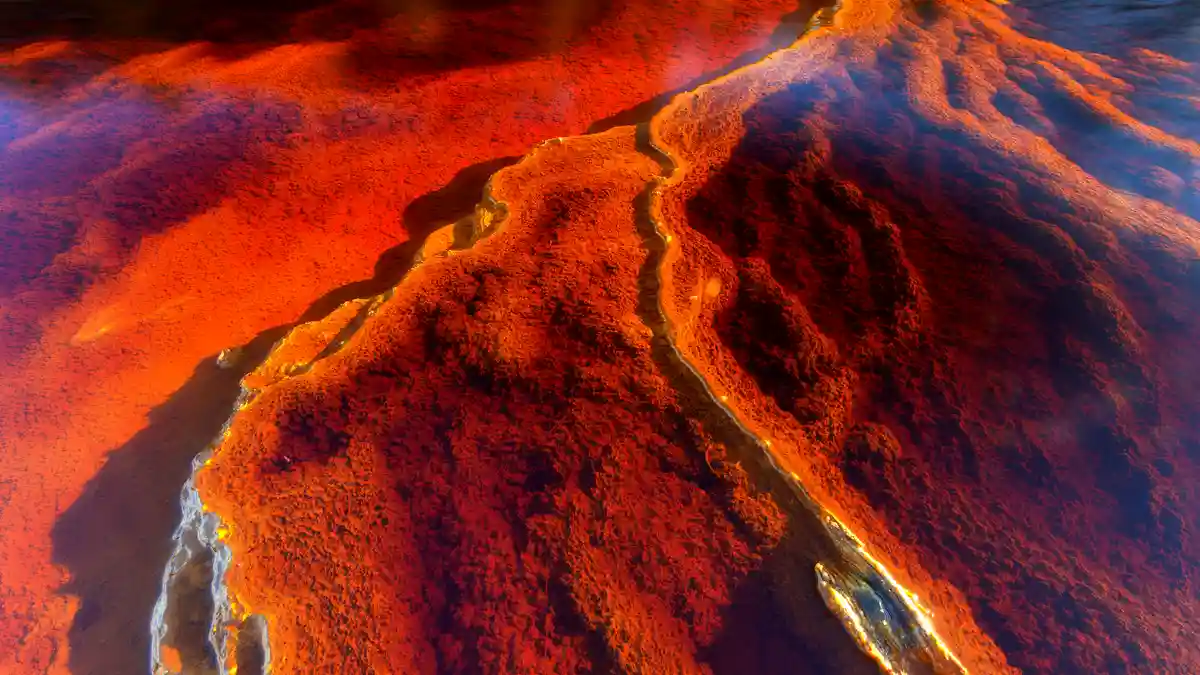
The Challenge
Mt Rosser Pond is a 40-hectare bauxite residue dam that was in service from 1959 to 1991. About 500,000 m³ of mud had to be moved up to 1 km to regrade the surface. The mud is soft and thixotropic, with a shear strength of 1 to 6 kPa, and conventional earthmoving would have needed floating haul roads. Red mud is usually pumped at 30% solids or less and then left for years to reconsolidate. This trial aimed to pump it at its in-situ solids content of about 42%.
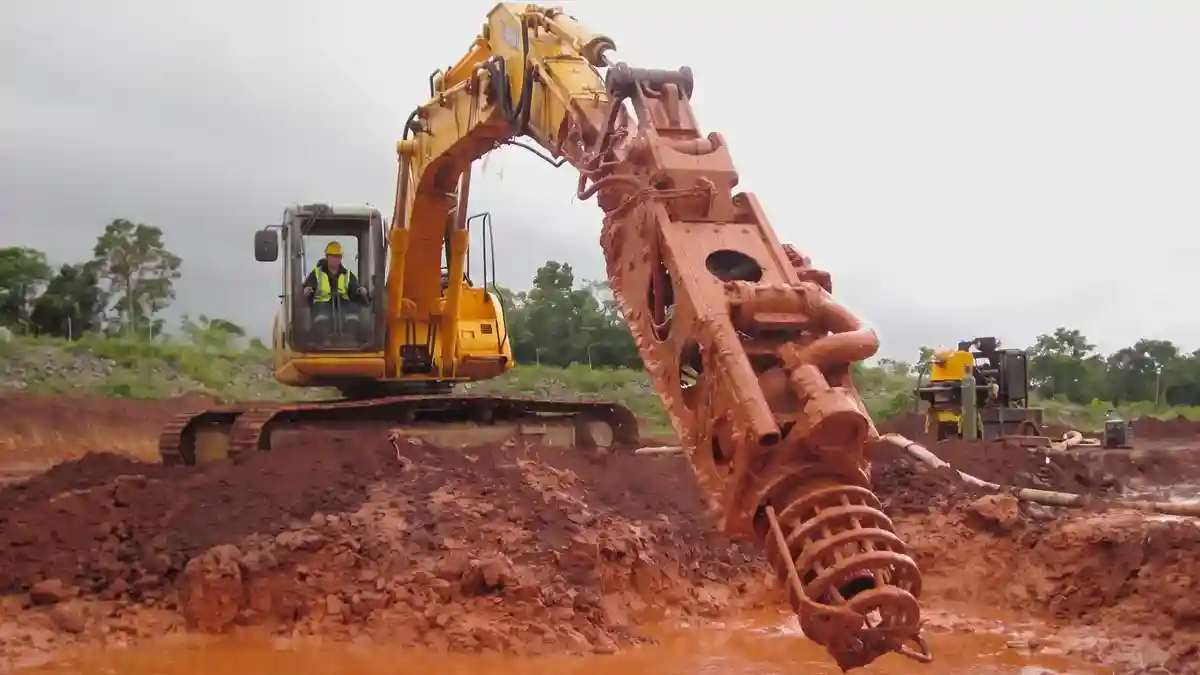
The Approach
A 4-inch EDDY Pump with hydraulic drive and a cutter head was mounted on the boom of a JCB 220 excavator, with a standalone power unit driving the cutter head. A long-reach CAT 325 loosened mud and pushed it toward the cutter head, and a 3-inch diesel pump added pond water. Welded stirrers and a comb were added on site to stop the cutter head blinding with mud. Discharge ran through 30 m of flexible hose and 60 m of 4-inch HDPE pipe.
The Result
The pump moved mud at 332 to 824 GPM, close to the in-situ solids content of about 42%. Three geotubes filled with the pumped mud lost about 30% of their volume in six weeks, reaching an estimated 53% solids. The trial also set out what a full-scale system needs: a larger pontoon-mounted, remotely controlled pump, stronger agitation at 200 to 400 rpm, and a 6-inch discharge line, which would cut friction loss roughly tenfold.
WHY EDDY PUMP
Why Choose EDDY Pump Dredging Equipment
Dredging projects fail when equipment is selected by pump size alone. Access, depth, bottom strength, debris, slurry density, discharge head, power, and the disposal plan determine whether the system can reach the material and sustain the required duty. Dredging projects fail when equipment is selected by pump size alone. Here is how EDDY Pump selects the whole system for your site.

System-Level Selection
Access, depth, bottom strength, debris, slurry density, discharge head, power and the disposal plan determine whether the system can reach the material and sustain the required duty.

Matched Deployment and Duty
The pump is combined with the deployment, conditioning, power, controls and pipeline needed for the site's operating envelope.

Purpose-Built Pump Platform
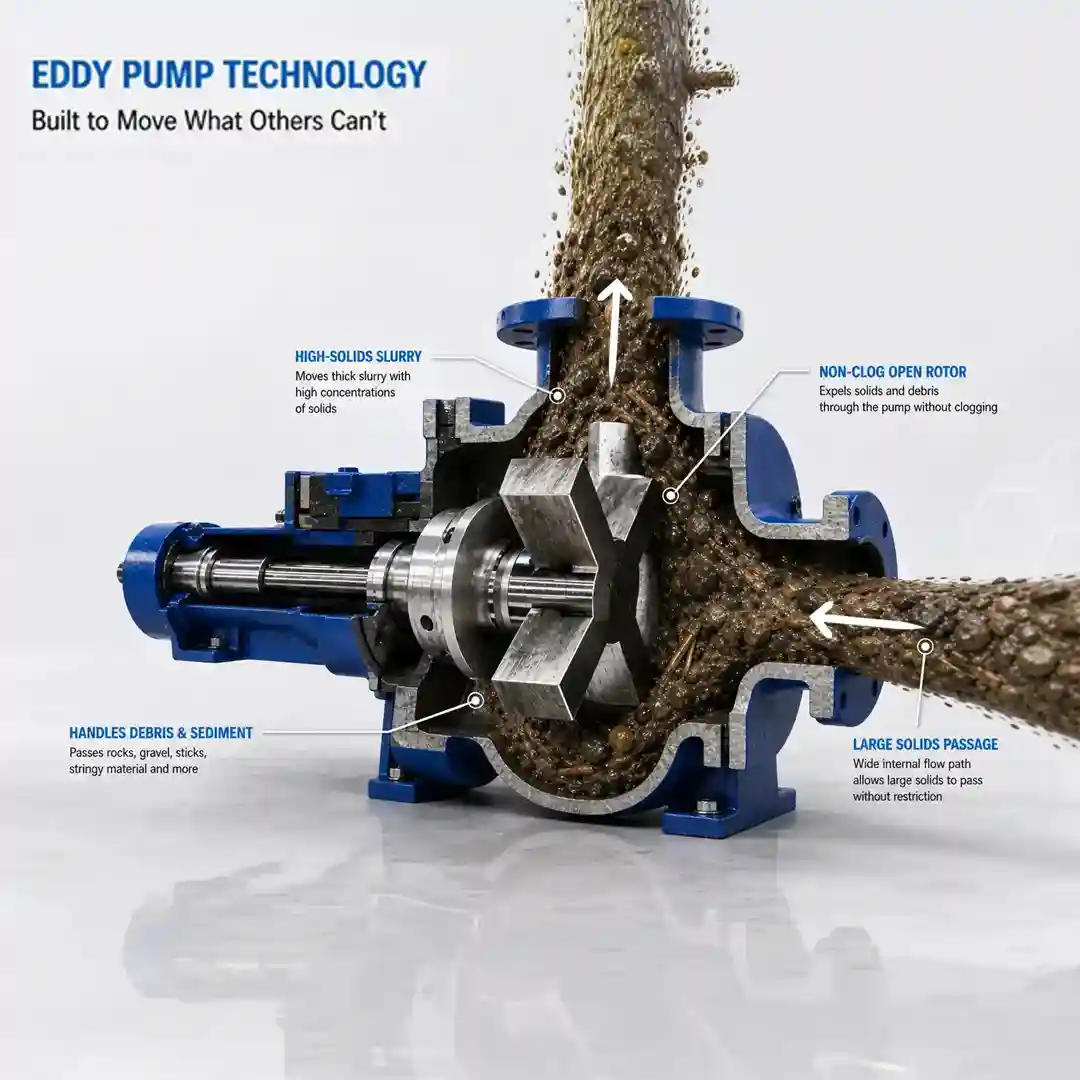
The recessed rotor and open internal flow path are intended to reduce direct interaction between large solids and the rotating element while providing solids passage appropriate to the selected pump.

High Chrome for Abrasive Service
High Chrome wet-end options may be specified for abrasive service.

Buy, Rent or Engineer a Dredge
Buy, rental and application-engineered system paths are available.
PURPOSE-BUILT PUMP TECHNOLOGY
THE EDDY DIFFERENCE
How the EDDY Pump Open-Rotor Design Works
The system first brings the intake and material-conditioning method to the work area, then moves the conditioned slurry through the selected EDDY Pump and discharge pipeline. Final performance depends on the verified pump curve and complete system duty.

Open Internal Flow Path
Solids pass through the pump instead of jamming it. Passage size depends on the pump you select, up to 11 in on larger models.

Recessed Rotor
The recessed rotor is intended to reduce direct interaction between large solids and the rotating element.
STEP-BY-STEP SELECTION
How to Choose and Configure Dredging Equipment
Work through these five steps to match the pump, deployment method, power and support equipment to your material and site.
01
Define the Material
Define the material and maximum solids size.
02
Confirm Site Conditions
Confirm water depth, access, bottom conditions and liner restrictions.
03
Set the Duty Point
Set the production target, total dynamic head and discharge route.
04
Choose Deployment and Power
Choose the deployment method and available power source.
05
Confirm the Complete System
Confirm pump, agitation, controls, pipeline and support equipment as one system.
GET A FASTER QUOTE
Dredge Sizing: What We Need From You
Having these details ready helps our team size the right dredging system for your site. Send what you know and we will help with the rest.
Material and Application Data
Material description and representative photos or samples
Typical and maximum solids size, debris and abrasiveness
Slurry density or specific gravity and percent solids by weight
Required flow or production target and operating hours
Dewatering, containment or disposal destination
Site and System Data
Water depth, sediment depth, bottom condition, slope and obstructions
Discharge distance, pipe or hose size, fittings and elevation change
Available electric, hydraulic or diesel power
Site access, lifting, launch, anchoring and recovery constraints
Required controls, monitoring, automation and safety interfaces
BUYING AND RENTING
Dredging Equipment Cost and What Drives It
There is no single list price for dredging equipment. The price follows the system you need, so the quickest way to get an accurate number is to send your material and site details.
01
Pump size and flow
Larger pumps and higher flow targets call for larger equipment and more power.
02
Deployment method
An excavator attachment, a floating dredge, a cable-deployed pump and a Subdredge ROV each carry different structure and controls.
03
Power
Electric, hydraulic and diesel configurations need different drives, a hydraulic power unit or site power.
04
Material handling
Cutterheads, augers, jetting rings and intake protection are matched to how consolidated and abrasive the material is.
05
Controls
Remote operation, RTK/GPS positioning and automation are specified for each system.
06
Pipeline and boosters
Discharge distance, pipe size and elevation change decide whether a booster pump is needed.
Buy for recurring or long-duration work. Rent for urgent, temporary or project-specific needs. Rentals typically run 2 to 12 months with a rent-to-own program, subject to availability.
STILL HAVE QUESTIONS? TALK TO US
Dredging Equipment FAQs
Straight answers on choosing, sizing and sourcing dredging equipment for your site.
What Dredging Equipment Is Best for a Pond or Lagoon?
Choose by access, water depth, bottom condition, liner type, material and discharge distance. A Dredge Sled or Mini Auger ModDredge usually suits shallow basins, and an excavator attachment works when the machine can reach the material. A Subdredge, cable-deployed pump or ModDredge may fit deeper or larger areas.
Can EDDY Pump Equipment Handle Abrasive Slurry and Large Solids?
Yes, when the pump and intake are matched to the material. The open-rotor pump design passes solids up to 11 in on larger models, and High Chrome wet-end options are available for abrasive service. Tell us the typical and maximum solids size, density, abrasiveness and debris so we can confirm the match.
Should I Buy or Rent Dredging Equipment?
Buy for recurring or long-duration work. Rent for urgent, temporary or project-specific needs. EDDY Pump rentals typically run 2 to 12 months, with a rent-to-own program, and current rental stock includes the excavator pump attachment, diver-operated dredge system, dredge sled and self-priming diesel slurry pump, subject to availability. Dredging equipment for sale is available on request.
How much more material does a high-solids dredge move?
Traditional cutter suction and centrifugal dredges typically run at around 10% to 20% solids by weight. ModDredge systems are designed for 30% to 70%, depending on the application and material. That means less water to pump, haul and dispose of.
Which options are liner-safe?
The Mini Auger ModDredge uses a controlled-contact auger head instead of an aggressive cutterhead. The Excavator Dredge Pump Attachment offers liner-safe wheels. The Autonomous ModDredge can be configured for liner-sensitive sites after an engineering review.
Can I operate the dredge remotely?
On several systems, yes. Remote operation is standard on the ModDredge and Mini Auger ModDredge, and the Autonomous ModDredge is remote-operated and automation-ready. The Subdredge ROV runs through an umbilical at distances up to 1,000 ft. Optional RTK/GPS adds positioning and depth control on the ModDredge line.
How far can I pump, and when do I need a booster?
Distance depends on pump size, slurry density, elevation change and pipeline layout. The Autonomous ModDredge can pump over 5,000 ft. Add a skid-mounted booster pump when the pipeline run or elevation pushes the required head past what the dredge pump can deliver. Boosters come in 4 in to 12 in sizes with 150 to 700 HP diesel power.
Do I need a boat or barge to dredge?
Not always. The Excavator Dredge Pump Attachment can dredge from the bank without putting a vessel in the water, and cable-deployed pumps hang from a crane, excavator or barge-mounted A-frame. ModDredge and Autonomous ModDredge are on-water platforms that ship in sections and assemble at the site.
When should I choose a Subdredge ROV over a diver-operated dredge?
Choose the Subdredge ROV when diver access is limited or unsafe, such as deep, low-visibility or hazardous water. It covers 4 in to 12 in sizes and up to 600 yd³/hr, with live cameras and sensors. Choose the Diver-Operated Dredge for confined or submerged spaces such as tanks, lagoons, docks and pipelines, where a 4 in or 6 in system at up to 200 yd³/hr is enough.
When Should I Use a Cable-Deployed Dredge Instead of an Excavator Attachment?
Use an excavator attachment when an excavator can reach the material from the bank. It needs no vessel in the water, so check carrier reach and hydraulic supply. Use a cable-deployed dredge pump when the material is out of the excavator's reach or deep, and the pump can hang from a crane, excavator or barge-mounted A-frame over a fixed point. Cable-deployed pumps come in 4-inch to 12-inch models, electric or hydraulic, for work down to about 100 ft. Tell us the depth, the suspension point and the discharge route, and we will recommend the better fit.
What Is the Best Small Dredge for a Pond?
For most ponds, the best small dredge is the Dredge Sled or the Mini Auger ModDredge. Both are compact and work in shallow water. The Dredge Sled is pulled across the pond by shore-based cables and works in 1.6 to 16 ft of water, so it suits ponds with anchor points on each side of the work area. The Mini Auger ModDredge uses a controlled-contact auger head and remote control, so it suits shallow ponds and lined basins that need a defined cutting path. For deeper or larger water, look at the Autonomous ModDredge or the Subdredge. Send us your pond's depth, size and bottom condition and we will help you choose.
When Should I Use a Cutterhead Instead of Water Jetting?
Match the method to how consolidated the material is. Loose sludge and free-flowing sediment often need no extra agitation. For compacted or consolidated deposits, a rotating cutterhead cuts the material free, and the Subdredge offers one as an option. Where a cutterhead is not wanted, such as in a lined pond, the Mini Auger ModDredge uses a controlled-contact auger head, and the Dredge Sled, which has no cutterhead, offers an optional high-pressure jetting ring for compacted material. Tell us the material, how hard it is packed and whether the basin has a liner, and our engineers will recommend the method.
How Do I Estimate Dredging Production in Cubic Yards per Hour?
Production depends on the flow your pump delivers at your system's duty point, the percent solids by weight and the material, not on pump size alone. Start with the flow at your total dynamic head, then apply the slurry density of your material. For reference, published production is 75 to 200 yd³/hr for the Dredge Sled and the Diver-Operated Dredge, and 75 to 600 yd³/hr for the Subdredge. Use our total dynamic head, pipe velocity and friction-loss calculators, or Pump-Flo, to check your duty point. Then send us your material and discharge details and we will build a custom pump curve.
LET’S PUT YOUR PROJECT IN MOTION
Tough material?
Bring it to EDDY.
Tell us what you’re pumping, where it needs to go, and what your
operation needs to achieve.
Talk it through
with our team.
Equipment selection, project planning, or an existing pump—we’ll help you find the right next step.
CALL SALES & ENGINEERING
+1 619-404-1916
EMAIL YOUR PROJECT DETAILS
info@eddypump.com