
Subdredge ROV - Remote Operated Submersible Dredge
Subdredge systems are remote-operated submersible dredges designed for high-solids underwater excavation, sludge removal, and slurry transfer in environments where diver access is limited or unsafe. Available in 4-inch through 12-inch configurations, these dredges handle production rates up to 600 cubic yards per hour while processing solids concentrations up to 70% by weight. Integrated sensors, live camera systems, wireless controls, and optional acoustic positioning technology allow operators to maintain precise dredging control in low-visibility and deep-water conditions across mining, environmental, industrial, and marine applications.
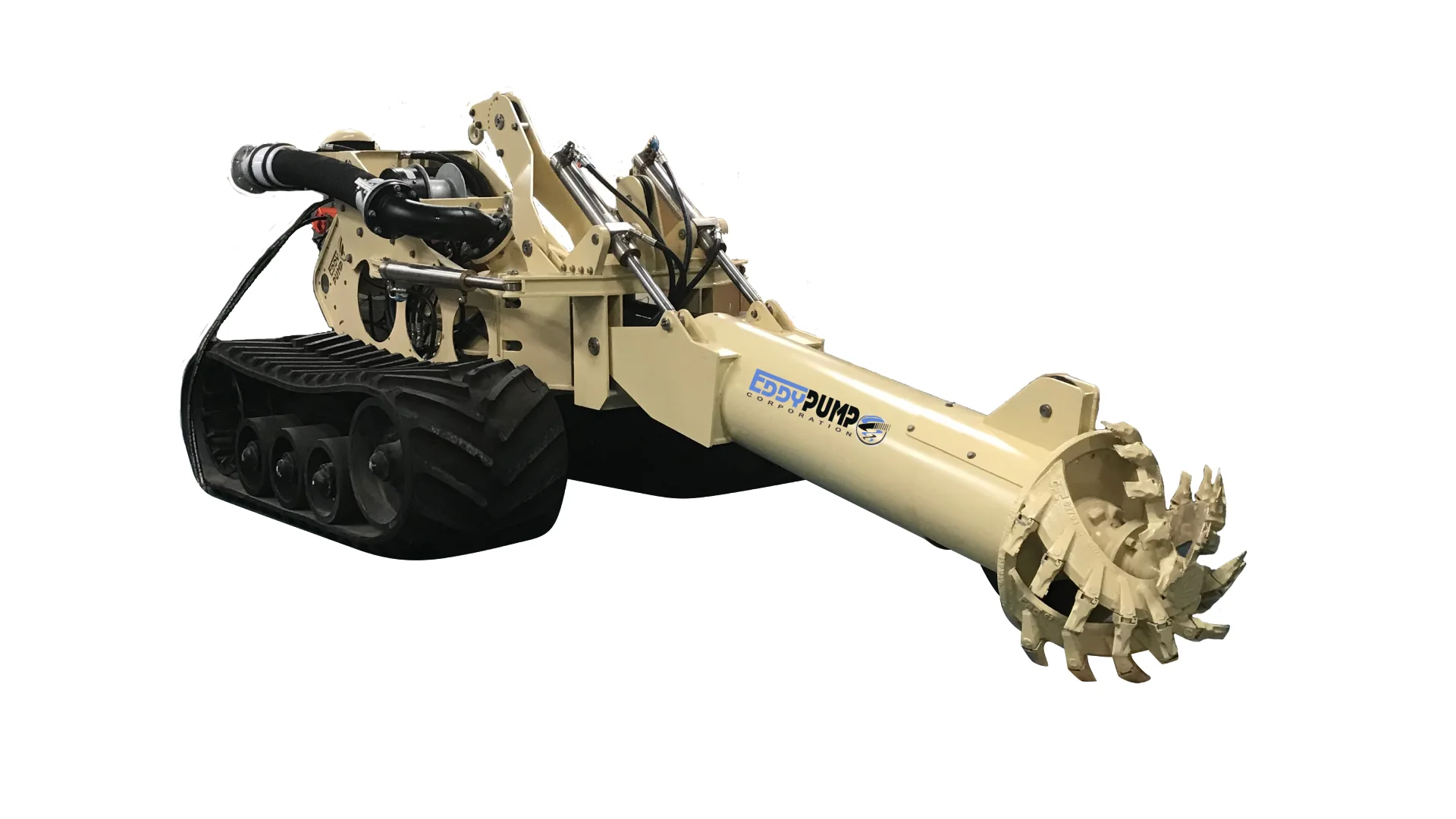
Operational Advantages
- A remote-operated dredging system designed to eliminate the need for direct diver interaction in hazardous underwater environments.
- Handles high-solids slurry concentrations up to 70% by weight while maintaining continuous material flow.
- Available in multiple dredge sizes from 4-inch to 12-inch configurations to match varying production requirements.
- Production capacities range from 75 to 600 cubic yards per hour for both small-scale and large-scale dredging operations.
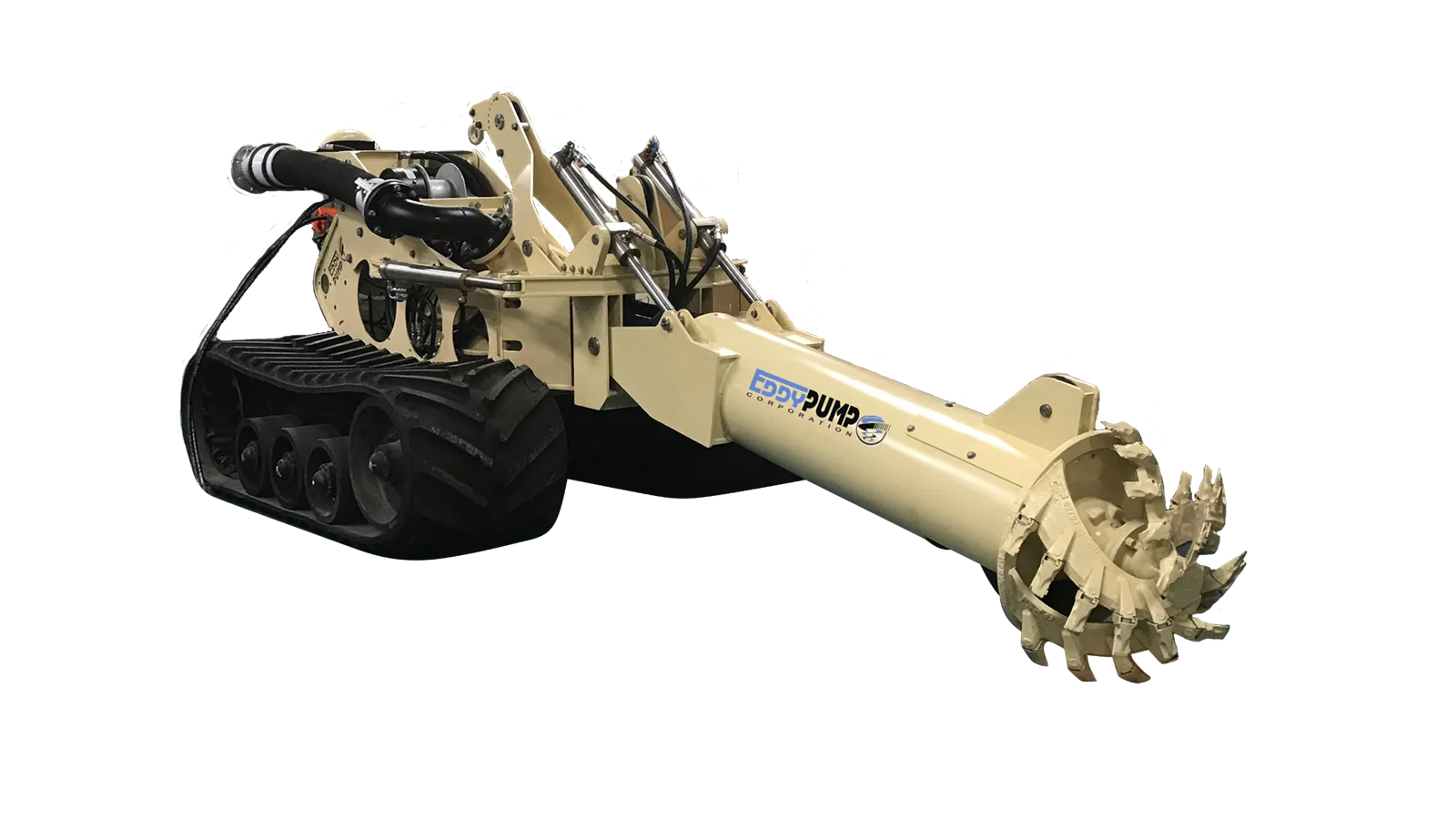
- Integrated low-light camera systems with LED lighting for improved visibility in submerged and low-clarity conditions.
- Wireless handheld control system with redundant live controls for safer and more responsive operation.
- Equipped with an umbilical that allows remote operation at distances of up to 1000 ft from the operator.
- GPS buoy positioning system supports controlled dredging depths up to 40 feet.
- Built-in vessel orientation, pressure, swing angle, and depth sensors provide real-time operational monitoring.
- Designed to process sludge, slurry, mine tailings, sand mixtures, and other abrasive high-solids materials.
- Emergency pneumatic lift bag system allows rapid retrieval during unexpected operational conditions.
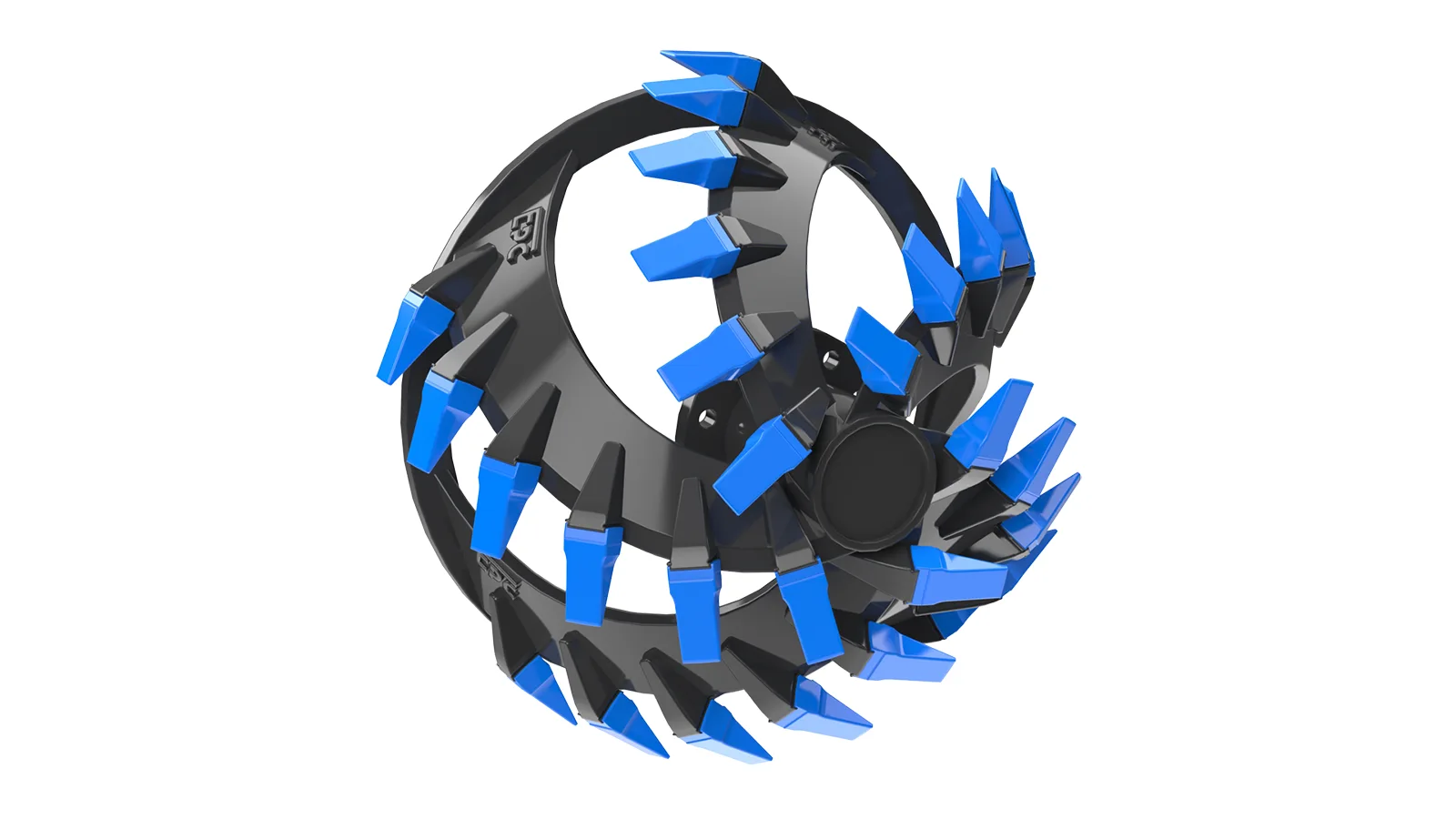
- Optional rotating cutterhead improves excavation performance in compacted or consolidated material conditions.
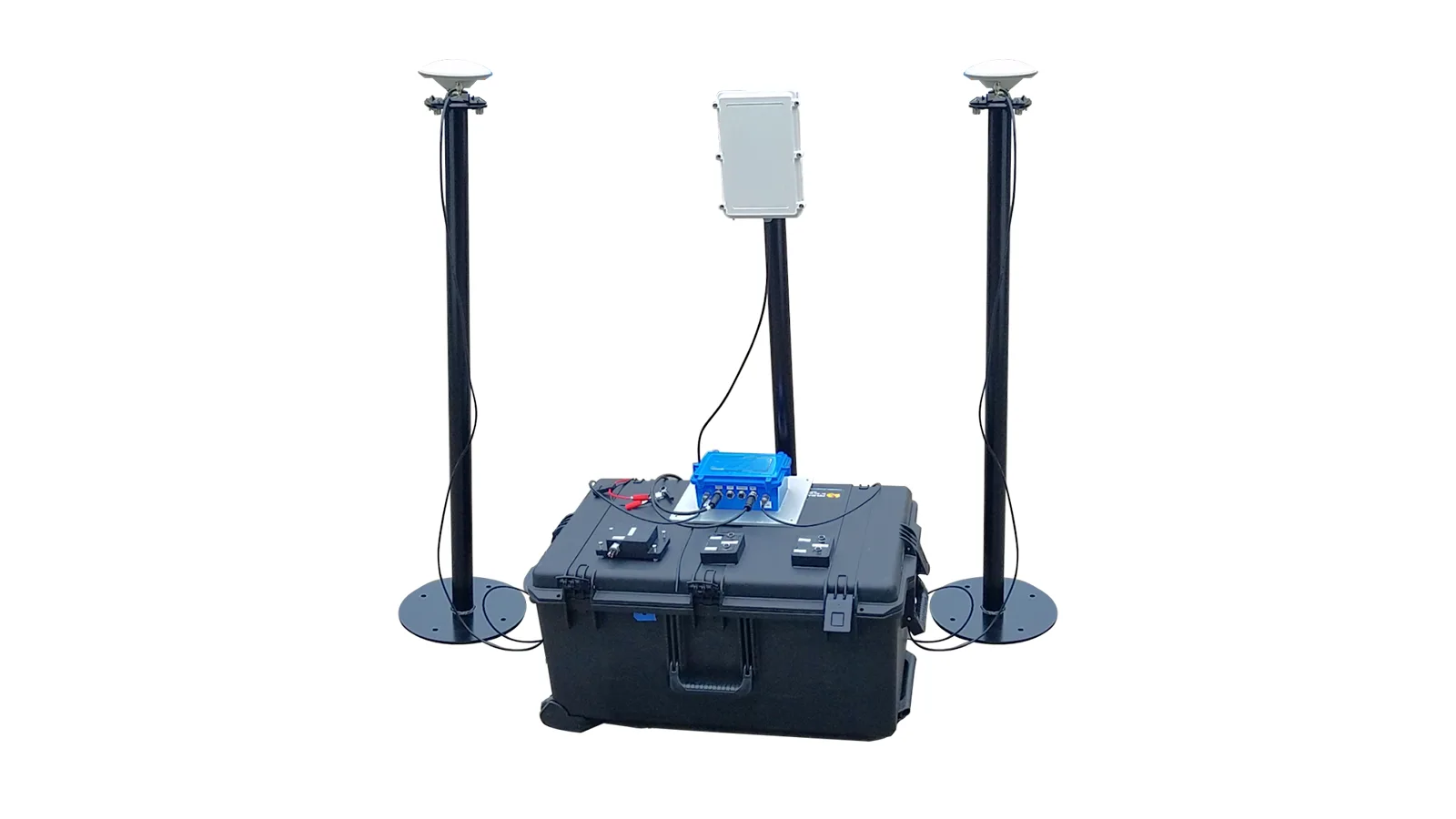
- Acoustic imaging and RTK GPS positioning options support precision dredging in high turbidity environments.
- Hydraulic power compatibility allows operation from excavator auxiliary hydraulics or standalone hydraulic power units.
- Large solids handling capability up to 11 inches reduces clogging and improves dredging efficiency.
- Ruggedized backup laptop control system provides secondary operational control and monitoring redundancy.
Gallery
Subdredge ROV in Underwater Dredging Applications


Technical Specifications

Performance Parameters
- Flow Capacity: 250 - 7000 GPM
- Head Range: Up to 200 ft
- Production Rate: 75 - 600 cubic yards per hour
- Solids by Weight: 40–70%
- Max Speed: 900 - 1800 RPM
- Remote Operating Distance: Up to 1000 ft

Pump & Material Handling
- Discharge Size: 4 - 12 in
- Suction Size: 6 - 14 in
- Maximum Solids Size: Up to 11 in
- Fluid Types: Sludge, slurry, mine tailings, sand mixtures

Sensors & Monitoring
- Hull Water Intrusion Sensor: With topside audible and visual alarm
- Depth Sensor & Hydraulic Pressure Sensors
- Swing Angle Sensor
- Vessel Orientation Sensor: Pitch, roll, heading, temperature
- Cameras & Lighting: Two low-light cameras with dual LED lights
- GPS Buoy Positioning: Constant-tension buoy allows dredging up to 40 ft depth

Control System
- Wireless Controller: Handheld remote with redundant live control
- Backup System: Ruggedized laptop with application-specific software
- Safety Feature: Pneumatic lift bags for emergency retrieval

Power & Circuit Requirements
- Pump Circuit Requirements: 32 - 200 GPM at 4000 - 5000 PSI from excavator auxiliary power or hydraulic power unit
- Cutterhead Circuit Requirements: 12–20 GPM at 5,000 PSI
Optional Equipment
- Acoustic imaging display for high turbidity water
- Additional lighting or cameras
- Magnetometer-type flow meter for production monitoring
- RTK GPS with USBL acoustic positioning for real-time accuracy
- Rotating cutterhead for hard compacted materials
*All specifications mentioned will vary depending on the model
Technical Drawings & Resources


Subdredge Model Comparison
| Specification | |||||
|---|---|---|---|---|---|
| Min Flow (GPM) | 250 | 450 | 800 | 1200 | 1800 |
| Max Flow (GPM) | 1200 | 2000 | 4000 | 5000 | 7000 |
| Max Head (ft) | 160 | 200 | 200 | 200 | 200 |
| Discharge Size | 4 in | 6 in | 8 in | 10 in | 12 in |
| Suction Size | 6 in | 8 in | 10 in | 12 in | 14 in |
| Max Solids Handling | 3 in | 5 in | 7 in | 9 in | 11 in |
| Max Speed (RPM) | 1800 | 1800 | 1800 | 1800 | 900 |
| Solids by Weight | 40–70% | 40–70% | 40–70% | 40–70% | 40–70% |
| Production Rate (yd³/hr) | 75–150 | 150–200 | 250–300 | 300–350 | 500–600 |
| Max Horsepower (HP) | 125 | 250 | 500 | 500 | 1000 |
| Pump Circuit Requirements | 32–35 GPM @ 5000 PSI (80cc) | 75 GPM @ 4000 PSI (180cc) | 130–150 GPM @ 5000 PSI (500cc) | 120–160 GPM @ 5000 PSI (500cc) | 160–200 GPM @ 5000 PSI (750cc) |
| Cutterhead Circuit Requirements | 12–15 GPM @ 5000 PSI | 12–20 GPM @ 5000 PSI | 12–20 GPM @ 5000 PSI | 12–20 GPM @ 5000 PSI | 12–20 GPM @ 5000 PSI |

Industries & Industrial Dredging Applications

Mining Tailings Pond Dredging
Subdredge systems are used to remove settled tailings, abrasive slurry, and accumulated solids from mining ponds and containment areas. The remote-operated design allows operators to work in hazardous or unstable conditions while maintaining continuous high-solids material transfer and controlled excavation performance.

Industrial Sludge Removal
Industrial facilities use Subdredge systems to remove dense sludge, waste slurry, and process sediments from settling basins, lagoons, and containment structures. The system supports continuous dredging in confined or low-visibility environments where traditional excavation equipment may be difficult to deploy.

Environmental Remediation Projects
Subdredge units are commonly deployed for sediment removal in environmental cleanup operations involving contaminated waterways, ponds, and industrial runoff areas. Integrated positioning and monitoring systems help maintain controlled dredging accuracy while minimizing disturbance to surrounding areas.

Harbor and Marina Sediment Removal
Ports, marinas, and navigation channels use Subdredge systems to remove accumulated sand, silt, and organic sediment that restricts vessel movement or reduces operating depth. The compact underwater design allows dredging operations in areas with limited surface access or heavy marine traffic.

Wastewater Lagoon Maintenance
Municipal and industrial wastewater facilities use Subdredge systems to remove settled solids and accumulated sludge from treatment lagoons and holding ponds. High-solids pumping capability helps reduce downtime while maintaining efficient sludge transfer over long discharge distances.

Sand and Aggregate Recovery
Subdredge systems support underwater sand recovery and aggregate excavation operations where consistent material production and large solids handling are required. Optional cutterhead configurations improve performance when working with compacted or consolidated deposits.

Hydroelectric and Reservoir Sediment Removal
Reservoirs and hydroelectric facilities use Subdredge equipment to remove sediment buildup that affects water storage capacity, intake efficiency, and flow management. Remote operation improves safety during dredging in deeper or restricted underwater environments.
Marine Construction Support
Marine contractors use Subdredge systems during underwater excavation, trench cleanup, and site preparation projects. The system can operate in low-visibility conditions while maintaining controlled material removal around subsea infrastructure and construction zones.
Hydroelectric Intake Restoration in Deep Reservoir Conditions - Case Study

The Problem
A hydroelectric power facility began experiencing reduced intake efficiency caused by years of sediment accumulation around submerged intake structures inside the reservoir. The buildup restricted water flow, increased turbine strain, and reduced generating performance during peak operating periods. Previous dredging attempts struggled to maintain excavation accuracy near critical underwater infrastructure, especially in deeper sections with low visibility and changing bottom conditions.

The Solution
The facility deployed a 12-inch Subdredge system from EDDY Pump configured with GPS buoy positioning, vessel orientation sensors, low-light camera systems, and acoustic imaging technology for precise underwater excavation. The remotely operated dredge removed compacted sediment while operators monitored dredging depth, pump performance, and excavation positioning in real time. The high-solids pumping system transferred sediment through a long discharge pipeline without interrupting normal hydroelectric operations.

The Result
The project removed approximately 40,000 cubic yards of accumulated sediment from around the intake structures while restoring critical water flow capacity to the facility. The Subdredge system maintained controlled excavation accuracy near submerged infrastructure and allowed dredging operations to continue safely in low-visibility deep-water conditions. The hydroelectric plant improved intake efficiency, reduced operational strain on turbine systems, and avoided a costly reservoir shutdown during maintenance activities.
Call for sales or support
If you need assistance with pump selection, sales or engineering support, call 619-404-1916.
Questions? Talk to an Engineer
Frequently Asked Questions About Subdredge Systems
What is a Subdredge system used for?
A Subdredge system is used for underwater dredging, sediment removal, sludge excavation, and high-solids slurry transfer in environments where conventional dredging equipment or diver-operated systems may not be practical. Common applications include mining ponds, reservoirs, wastewater lagoons, marine construction, environmental remediation, and industrial sediment removal.
Can the Subdredge be rented?
Yes. Subdredge systems are available for rental depending on project requirements, dredge size, deployment duration, and equipment availability. Rental configurations may include the dredge, hydraulic power unit, controls, support equipment, and optional monitoring systems based on the application. Read More
What materials can the Subdredge handle?
Subdredge systems are designed to process sludge, slurry, sand, mine tailings, sediment, organic waste, and abrasive high-solids materials. Depending on the model, the system can handle solids up to 11 inches and slurry concentrations ranging from 40% to 70% solids by weight.
What information is needed to size a Subdredge?
Proper sizing typically requires information such as material type, solids concentration, particle size, required production rate, dredging depth, discharge distance, pipeline layout, and available power source. Site conditions and operational goals also influence dredge selection and configuration.
How far can the Subdredge pump material?
Pumping distance depends on factors such as pump size, slurry density, discharge pipeline diameter, elevation changes, and required production rates. System configuration can be adjusted to support both short-distance sediment transfer and long-distance slurry transport applications.
Can the Subdredge operate in low-visibility water conditions?
Yes. The system can be equipped with low-light underwater cameras, LED lighting, acoustic imaging technology, and positioning systems that allow operators to maintain dredging control even in muddy, high-turbidity, or deep-water environments where visibility is limited.
Can the Subdredge operate without a cutterhead?
Yes. The Subdredge can operate with or without a cutterhead depending on the material conditions. Cutterheads are typically used for compacted, consolidated, or dense material, while free-flowing sludge, slurry, or loose sediment may not require additional agitation.
How is dredging accuracy maintained underwater?
The SubDredge uses integrated monitoring systems including depth sensors, swing angle sensors, orientation sensors, GPS buoy positioning, and optional RTK GPS or acoustic positioning technology. These systems help operators monitor excavation depth and maintain accurate dredging control in real time.
Is the Subdredge suitable for lined ponds?
Yes. The Subdredge can be configured for applications involving lined ponds where controlled sediment removal is required. Proper setup, operator control, and dredging configuration help reduce the risk of damaging geomembrane liners during operation.
Can the Subdredge be customized for different dredging conditions?
Yes. The system can be configured with optional cutterheads, acoustic imaging systems, additional cameras and lighting, advanced positioning technology, and production monitoring equipment based on site conditions, material characteristics, and operational requirements.
HD (Heavy Duty) Slurry Pumps / Dredge Equipment