
Home / Products / Slurry Pumps /

Self-Priming Slurry Pumps
Best fit: Choose self-priming when the pump must stay above or away from the slurry source and the suction conditions are within the system’s operating limits.
AT A GLANCE
Self-Priming Pump Snapshot
The key sizes, flow, head and solids numbers for self priming pumps, plus the power and mounting choices available.

Standard Platform Range
1 in to 12 in for confirmed electric self-prime packages; 3 in to 12 in for confirmed diesel packages

Flow Range
50-7,300 GPM across available self-priming platforms

Head Range
Up to 350 ft

Solids Handling
Up to 11 in

% Solids By Weight
40–70%, application dependent

Power
Electric self-priming motor or diesel self-priming engine

Mounting
Trailer-mounted, skid-mounted, or stationary/base-mounted where applicable
CHOOSE YOUR SETUP
Available Configurations
Choose a drive type and a mounting style to fit your site. Each option shows what it is best suited for.
Drive Options
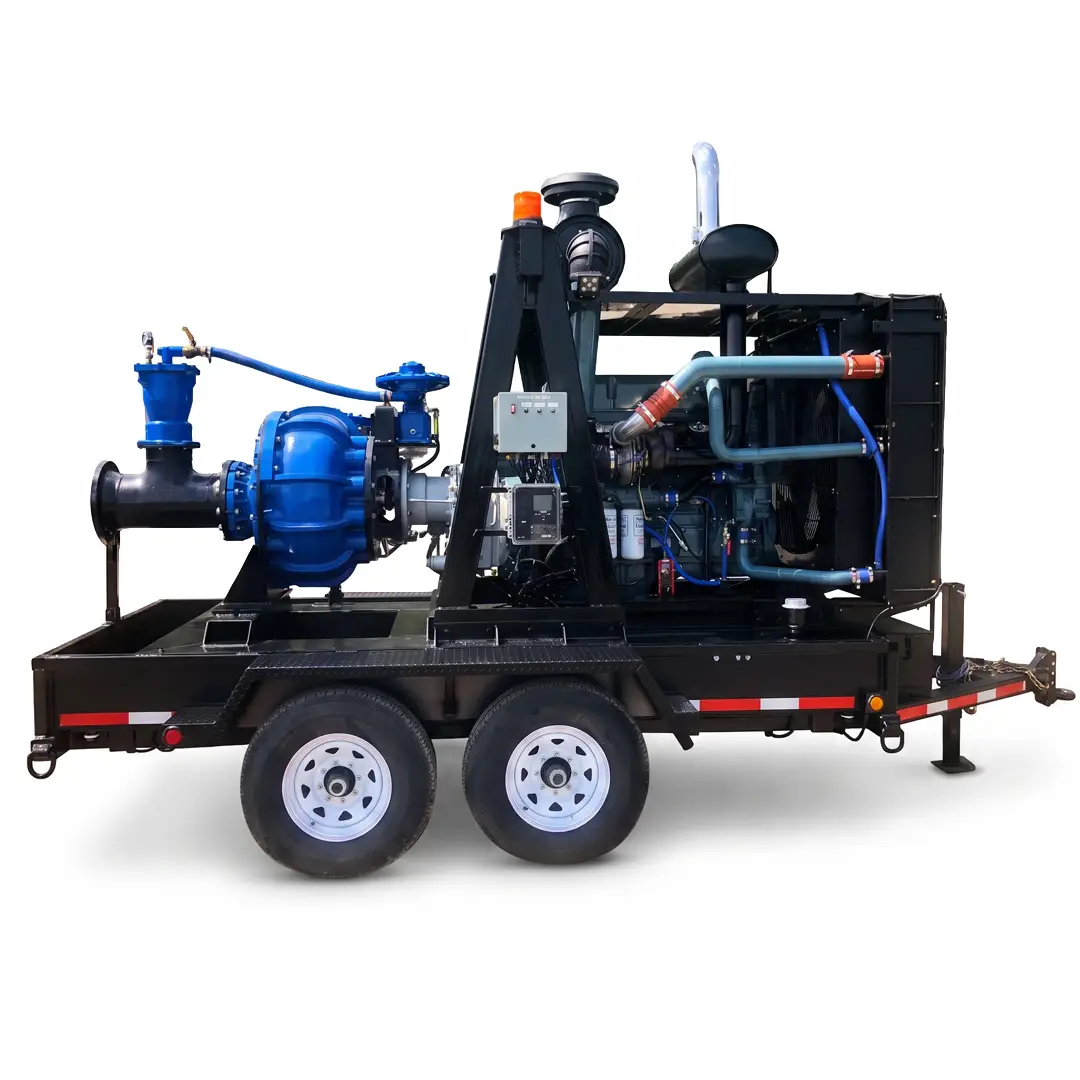
Diesel Self-Priming
Best for remote field sites, temporary pumping, rentals, dewatering, dredging support, and locations without dependable electrical power.
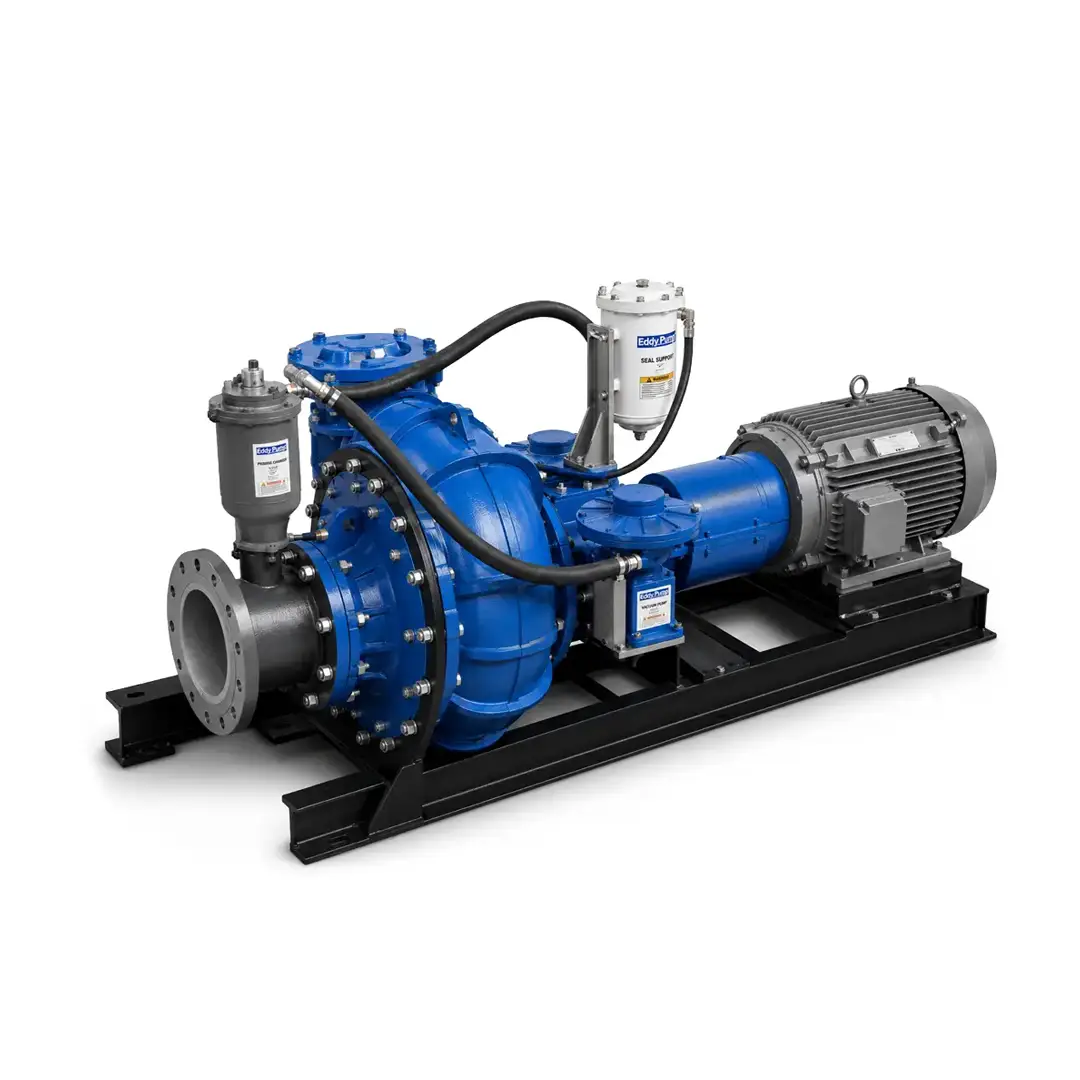
Electric Self-Priming
Best for surface-mounted installations with reliable electrical power where the pump needs vacuum-assisted priming and suction lift from a pit, tank, sump, pond, or process source.
Mounting Options
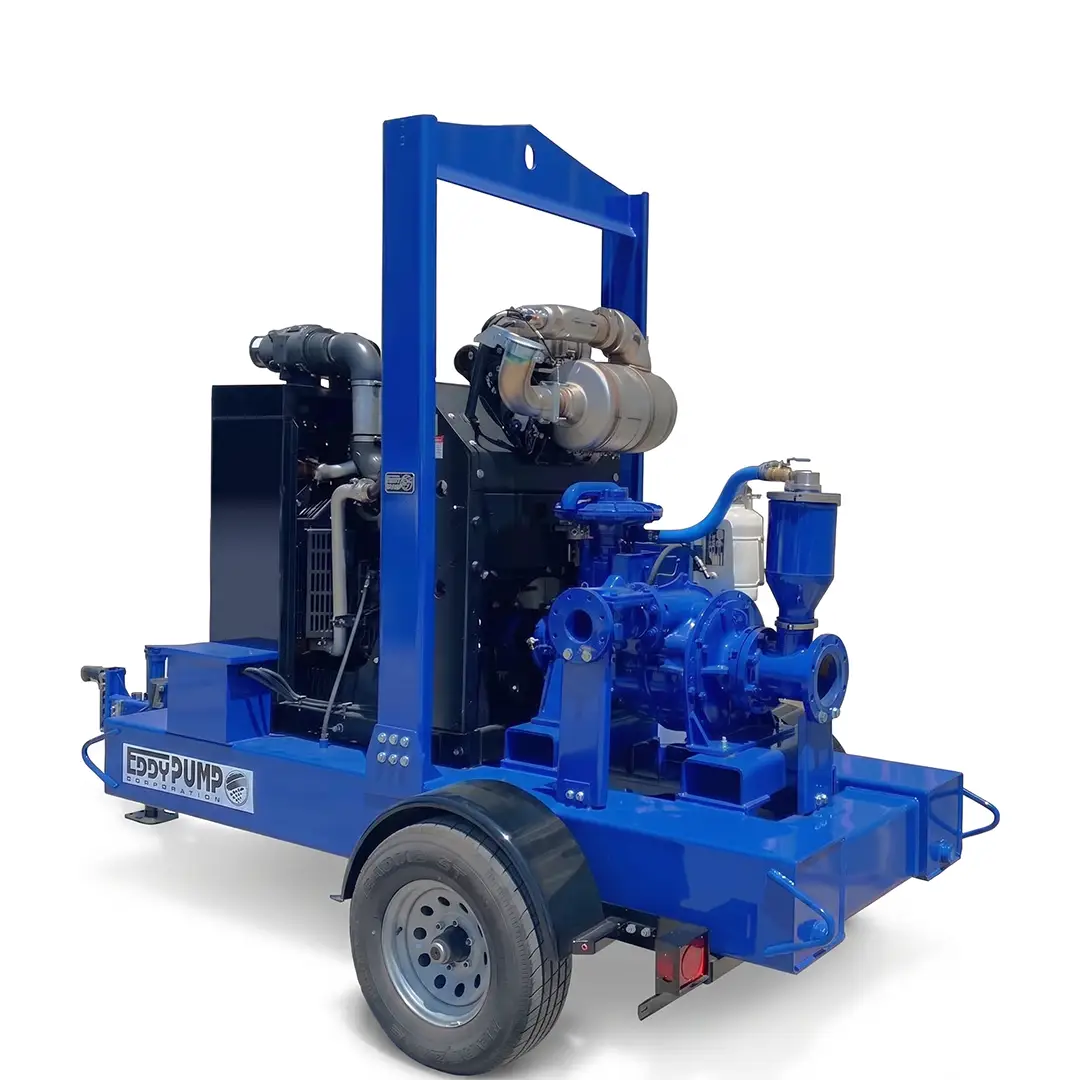
Trailer-Mounted
Best for mobile diesel packages that need to move between work areas or jobsites. Customers specifically looking for a diesel trailer pump should be routed to the Diesel Trailer-Mounted Slurry Pumps page.
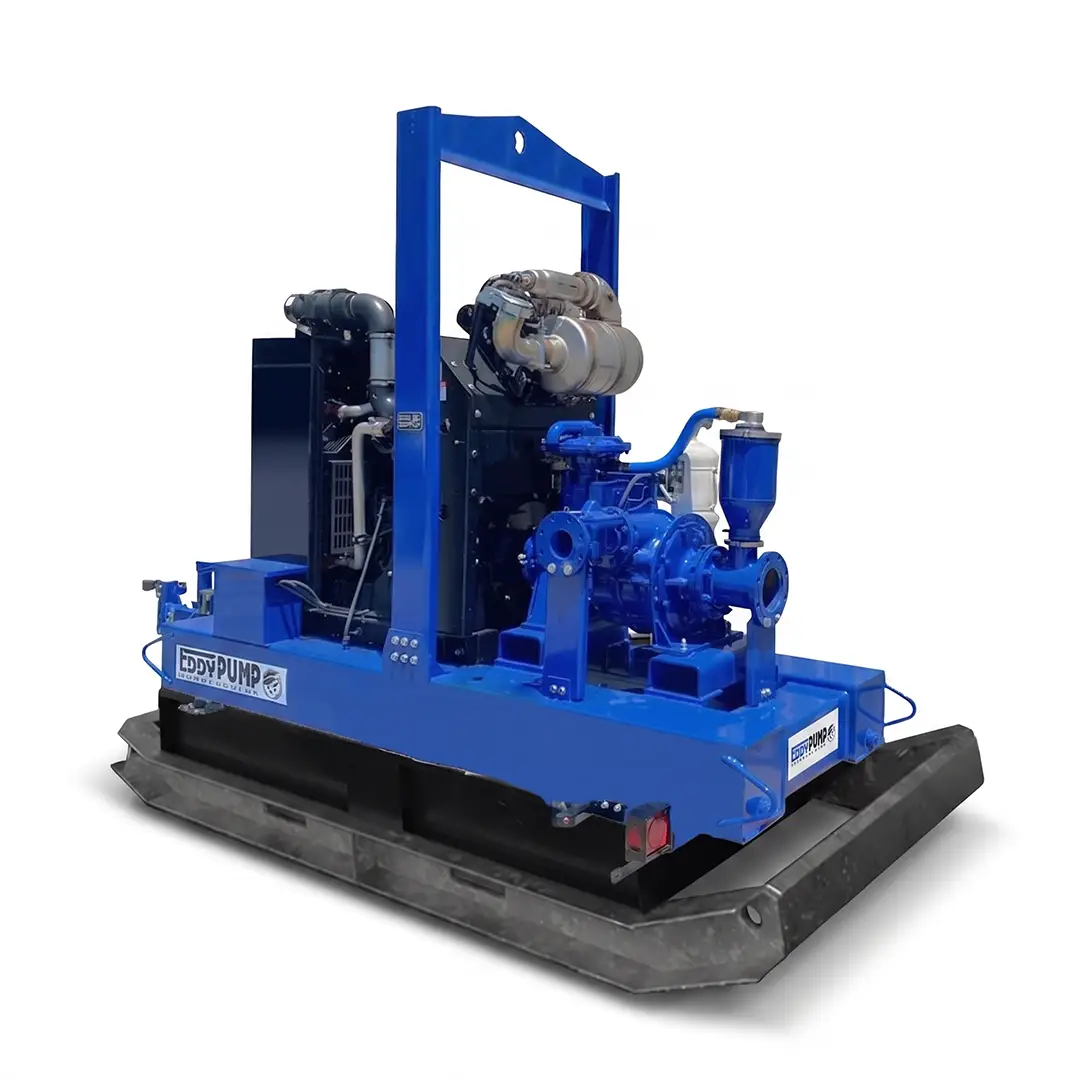
Skid-Mounted
Best for portable or semi-permanent systems that will be lifted or staged in place but do not require a road trailer.
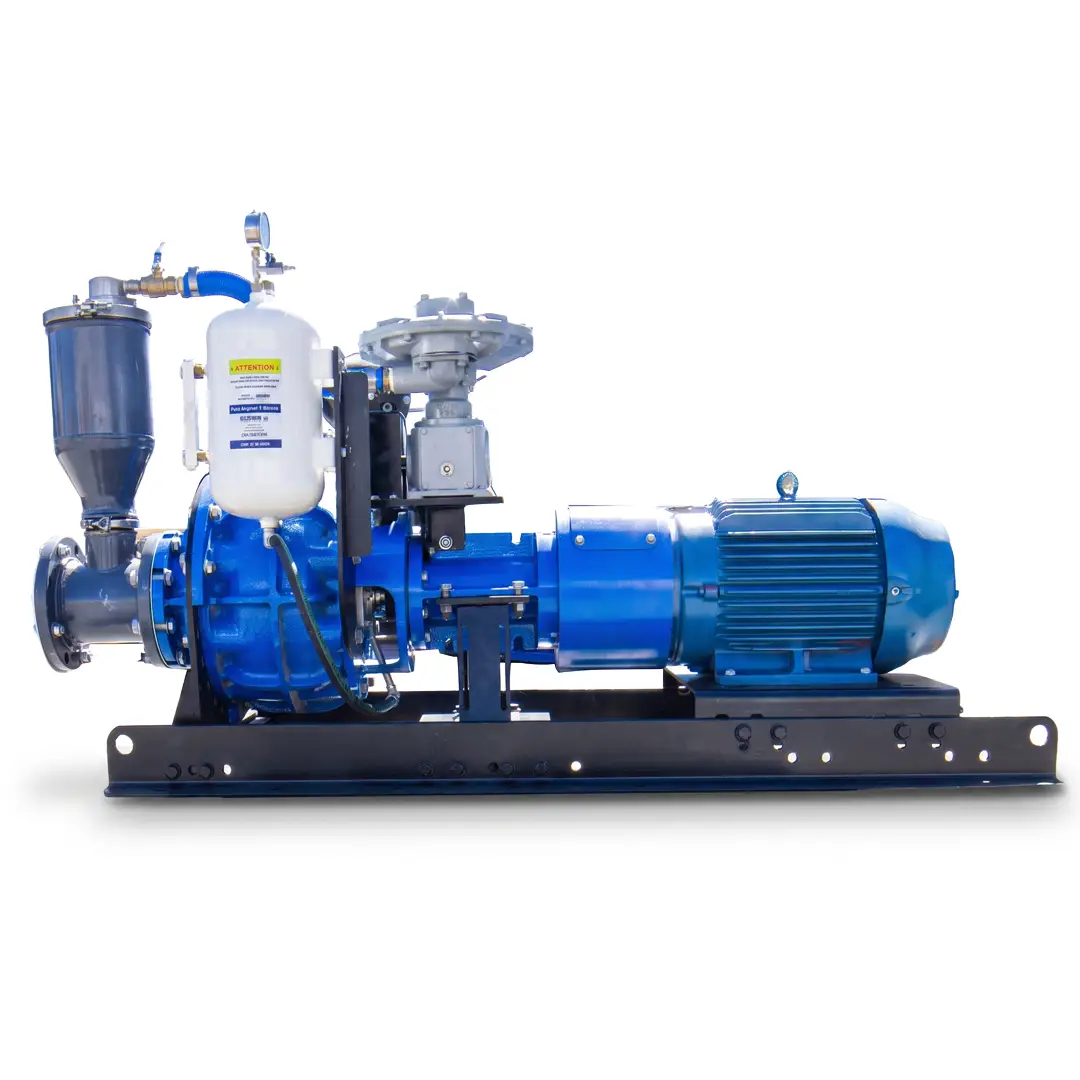
Stationary / Base-Mounted
Best for permanent surface installations with a defined suction layout and fixed piping.
Compare specifications
Self-Priming Slurry Pump Specifications - Models DSP/HD 3000 to DSP/HD 12000
Compare discharge and suction sizes, flow, head and solids handling across the self priming models. Use the table to find the model that fits your duty point.
| Model | Discharge Size | Suction Size | Power | Flow Range (GPM) | Head Range (ft) | Solids Handling | % Solids by Weight | Max Speed (RPM) | |
|---|---|---|---|---|---|---|---|---|---|
| DSP/HD 3000 | 3" | 4" | 43 HP | 100 - 780 | Up to 130 | Up to 2" | 40-70% | 1800 | Download  |
| DSP/HD 4000 | 4" | 6" | 43 HP | 250 - 1200 | Up to 200 | Up to 3" | 40-70% | 1800 | Download |
| DSP/HD 4000 | 4" | 6" | 115 HP | 250 - 1200 | Up to 200 | Up to 3" | 40-70% | 1800 | Download |
| DSP/HD 6000 | 6" | 8" | 115 HP | 450 - 2000 | Up to 200 | Up to 5" | 40-70% | 1800 | Download |
| DSP/HD 6000 | 6" | 8" | 173 HP | 450 - 2000 | Up to 200 | Up to 5" | 40-70% | 1800 | Download |
| DSP/HD 8000 | 8" | 10" | 550 HP | 1600 - 5000 | Up to 240 | Up to 7" | 40-70% | 1200 | Download |
| DSP/HD 10000 | 10" | 12" | 550 HP | 1600 - 5000 | Up to 240 | Up to 9" | 40-70% | 1200 | Download |
| DSP/HD 12000 | 12" | 14" | 700 HP | 2600 - 7300 | Up to 180 | Up to 11" | 40-70% | 900 | Download |
SIDE BY SIDE
Self-Priming vs. Submersible Pump: Which Is Right for Your Application?
Both self-priming and submersible configurations are engineered for demanding slurry and solids-handling applications - but they serve different site layouts, material densities, and operational requirements. The right choice depends on where the pump must be positioned relative to the fluid source and how the site is set up for access and maintenance.
| Factor | Self-Priming Pump (EDDY DSP/HD) | Submersible Pump (EDDY Submersible) |
|---|---|---|
| Installation | Installed above fluid level; suction hose runs to material | Pump fully submerged in the fluid or slurry |
| Priming | Self-primes via vacuum-assisted priming chamber — no external priming needed | No priming required — always submerged |
| Mobility | Excellent — trailer, skid, or stationary; easy to relocate | Lower — must be retrieved from fluid to move or service |
| Maintenance access | Above-grade access; straightforward component inspection | Requires lifting pump from fluid — more involved |
| Dry-run tolerance | Tolerant with vacuum/seal support system; designed for intermittent and dry-prime operation | Limited — submerged operation required to keep motor cool |
| High-solids slurry | Excellent — handles 40–70% solids via vacuum-assisted self-prime | Excellent — direct immersion in slurry |
| Suction lift required | Yes — can pull material from pits, sumps, and below-grade sources up to the pump | No — pump must be positioned at or below material level |
| Best for | Portable dewatering, dredging, trailer-mounted slurry transfer, remote/temporary job sites | Fixed pit pumping, continuous mine dewatering, deep sump applications |
POWER OPTIONS
Driver / Power Package Options
See which power and driver packages are available for each pump platform, and how to confirm the final selection.
| Pump | Rotor(s) | Flex-Coupled / Self-Prime Electric | Diesel Self-Prime |
|---|---|---|---|
| HD1K | 6 in | 10 HP, 15 HP | Not offered |
| HD2K | 7 in; 10 in | 10 HP, 20 HP | Not offered |
| HD3K | 10 in | 25 HP, 30 HP, 40 HP | 49 HP |
| HH3K | 17DD | 50 HP, 75 HP, 100 HP | 50 HP, 75 HP, 100 HP |
| HD4K | 10 in; 12 in | 40 HP, 50 HP, 75 HP, 100 HP | 80 HP, 130 HP |
| HH5K | 14DD | 150 HP | 130 HP |
| HD6K | 14 in; 16 in | 75 HP, 100 HP | 130 HP, 180 HP, 210 HP |
| HD8K | 21 in; 23 in | 500 HP | 500 HP |
| HD10K | 21 in; 23 in | 250 HP, 300 HP, 400 HP, 500 HP | 500 HP |
| HD12K | 26 in; 28 in; 30 in | 750 HP, 1,000 HP | 800 HP |
Selection note: Final package selection should be confirmed against the pump curve, duty point, slurry density, total dynamic head, discharge distance, pipe size, solids size, percent solids by weight, viscosity, available power, and duty cycle.
CHOOSING A CONFIGURATION
Self-Priming vs. Other Configurations
Start with your site condition to see which pump configuration usually makes the best starting point.
| Site Condition | Best Starting Point | Why |
|---|---|---|
| Pump must stay above the liquid/slurry | Self-Priming | Vacuum-assisted priming supports suction lift from the source. |
| Pump can operate directly in the slurry | Submersible | No suction lift or priming cycle is required. |
| Tank/hopper gravity feeds the pump inlet | Flooded Suction | Positive inlet head keeps the pump supplied and accessible outside the source. |
| Customer asks for a mobile diesel trailer pump | Diesel Trailer-Mounted | Matches the buying language and mobile package requirement. |
WHERE THEY FIT
Best-Fit Applications
Self priming pumps stay above the material, which makes them a strong fit for pits, ponds, tanks and jobsites that change often.

Mine Dewatering
Surface-mounted pumping from pits and sumps where crews need easy access and diesel or electric power options.

Dredging Support & Sediment Transfer
Transfer of abrasive sediment, sand, slurry, or dredged material from a remote suction point.

Wastewater & Sludge Transfer
Sludge, grit, process waste, and high-solids transfer where the pump should remain outside the wet well or tank.

Industrial Process Transfer
Surface-mounted transfer of abrasive or solids-laden material between tanks, basins, process areas, or containment systems.

Temporary & Mobile Pumping
Trailer or skid packages for projects that move between locations or require temporary pumping capacity.
SIZING CHECKLIST
What EDDY Pump Needs to Size a Self-Priming System
Gather these details before you request a quote so our team can size the right pump, drive and mounting for your job.
01
Material being pumped
Sand, silt, clay, sludge or mixed solids
02
Maximum and typical solids size
Sets the pump model and passage size
03
% solids by weight
Drives slurry density and the flow rate
04
Slurry density / specific gravity
Determines the power needed to move the mix
05
Required flow or production target
Your hourly volume or output goal
06
Total dynamic head
Combined lift, friction and discharge pressure
07
Suction lift
Vertical distance from liquid level to pump
08
Suction hose size, length and number of bends
Longer runs and extra bends add friction loss
09
Discharge distance, pipe size and elevation change
Sets the friction and head on the discharge line
10
Electric or diesel preference
Based on the power available at your site
11
Trailer, skid or stationary mounting
Matches the setup to how often you relocate
12
Duty cycle / operating hours
Continuous or intermittent use shapes the build
STILL HAVE QUESTIONS? TALK TO US
Slurry Pump FAQS
Straight answers on how EDDY Pump priming works, where it fits and how to size the right pump.
What Is a Self-Priming Slurry Pump?
A self-priming slurry pump handles mixtures of solids and liquids and starts pumping without a manual priming cycle, even during intermittent operation. EDDY Pump uses a vacuum-assisted priming package to clear air from the suction line, so the pump can stay above the pit, tank, pond, or sump.
How Does a Self-Priming Slurry Pump Work?
A vacuum-assisted priming package removes air from the suction hose and draws slurry up into the pump. Once the pump is filled, the EDDY Pump wet end begins moving the material through the discharge line. The pump and drive stay out of the material while the suction hose runs into the slurry.
What are the advantages of using a self-priming slurry pump?
Self-priming slurry pumps eliminate manual priming, which reduces downtime and labor costs. They handle slurries with a high solids content, and they work where suction lift is required, such as dredging or pumping from pits and sumps.
What types of applications are self-priming slurry pumps suitable for?
They suit dredging, where they remove sediment, sand, and debris from bodies of water or reservoirs; mining, where they transfer abrasive slurries containing minerals and ores; construction, where they pump slurry during tunneling, excavation, and foundation work; and industrial uses such as handling wastewater, sludge, and other challenging fluids.
Can self-priming slurry pumps handle abrasive materials?
Yes. They are built for abrasive materials such as sand, gravel, and rocks, using wear-resistant materials and heavy-duty components that withstand erosive slurries.
How to Size a Self-Priming Slurry Pump: Selecting the Right Model for Your Application
Sizing depends on the full duty: the material and solids size, percent solids by weight, flow target, total dynamic head, suction lift, suction and discharge piping, power source, mounting, and duty cycle. Send these details with a quote request and the EDDY Pump team will match the pump, drive, and mounting to your application.
What maintenance is required for self-priming slurry pumps?
Routine maintenance includes inspecting and replacing worn parts such as the rotor, liners, and seals, checking for leaks, and lubricating moving parts per the manufacturer's recommendations. Monitoring pump performance regularly helps extend service life.
What Is a Diesel-Driven Self-Priming Slurry Pump?
A diesel-driven self-priming slurry pump combines the EDDY Pump wet end with a diesel engine and a vacuum-assisted priming system on a trailer, skid, or stationary base. It suits remote sites without dependable electrical power. EDDY Pump diesel packages range from 49 HP (3-inch) to 800 HP (12-inch).
LET’S PUT YOUR PROJECT IN MOTION
Tough material?
Bring it to EDDY.
Tell us what you’re pumping, where it needs to go, and what your
operation needs to achieve.
Talk it through
with our team.
Equipment selection, project planning, or an existing pump—we’ll help you find the right next step.
CALL SALES & ENGINEERING
+1 619-404-1916
EMAIL YOUR PROJECT DETAILS
info@eddypump.com