


 / Products /
Naval Sector and Marine Pumps
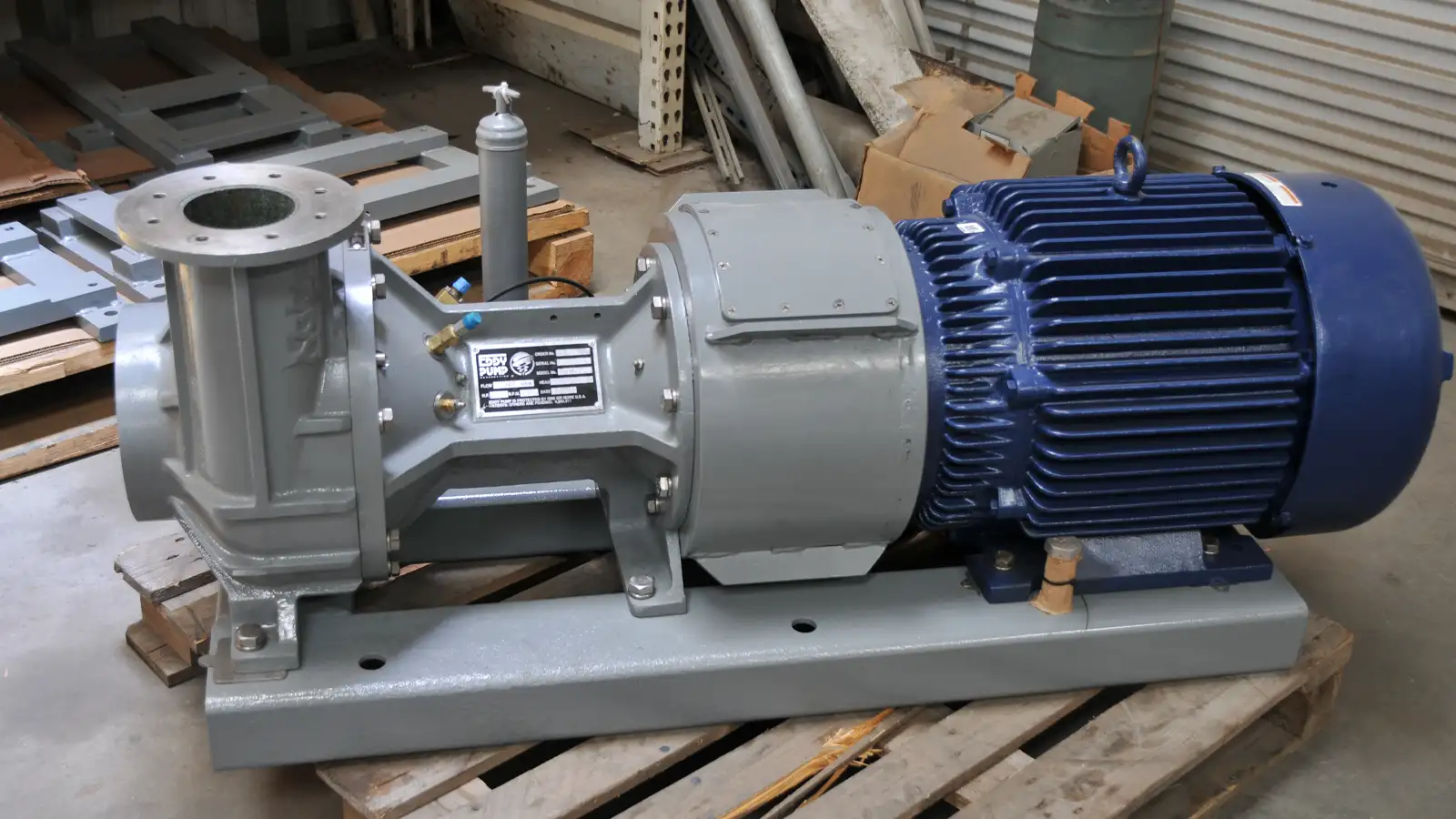
EDDY Pump marine systems have supported U.S. Navy and Military Sealift Command vessels for decades across CHT, brine, and graywater pumping applications. Originally introduced to replace aging centrifugal pumps on naval ships, these systems are built for long-term reliability, low maintenance, and consistent performance in demanding marine environments. With a patented zero-leak seal design and a strong foundation in shipboard applications, EDDY Pump continues to serve as the authorized source for overhaul and support, ensuring system integrity and dependable operation throughout the lifecycle of each pump.
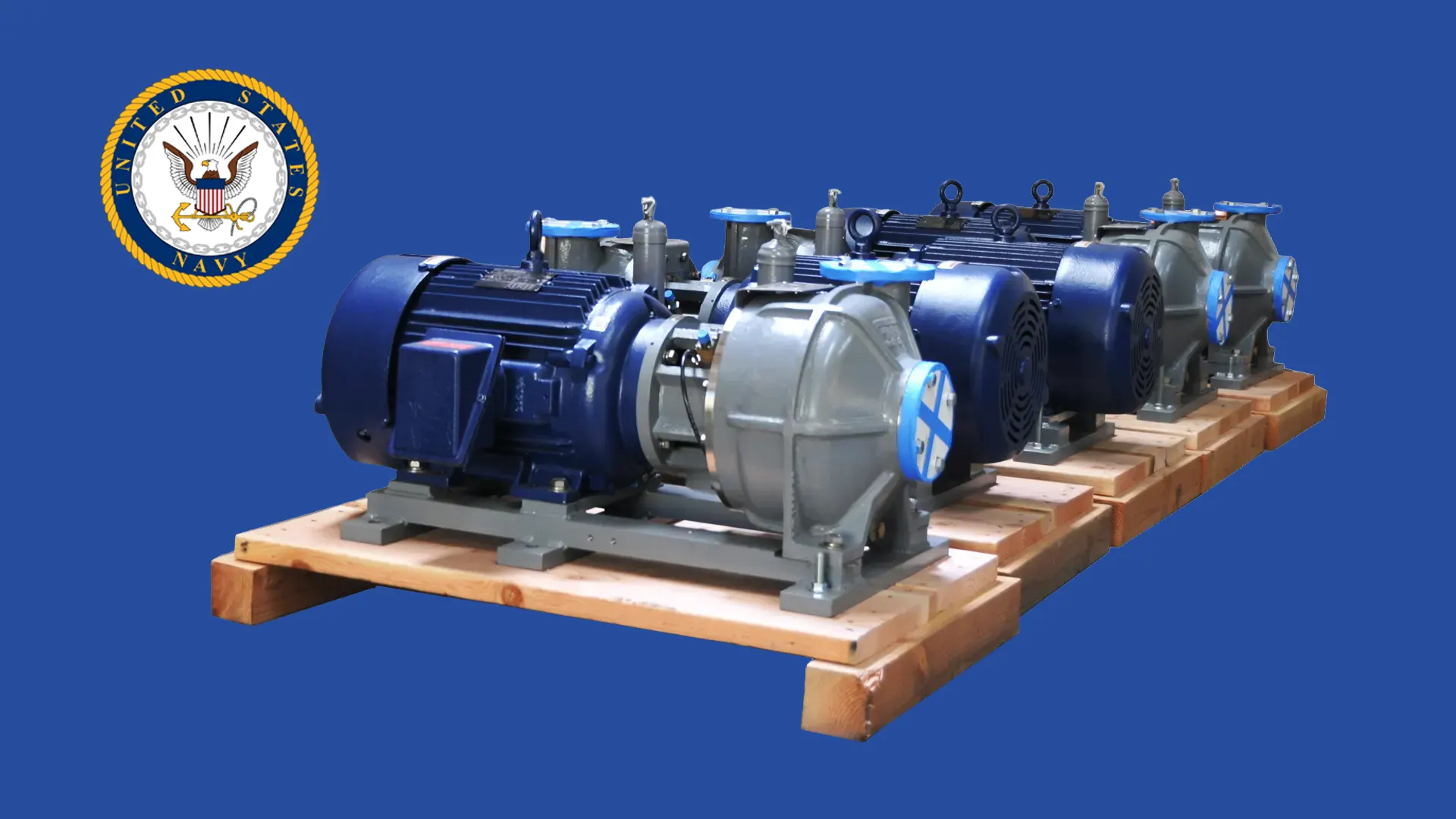
Navy and Marine Vessel Pump Systems
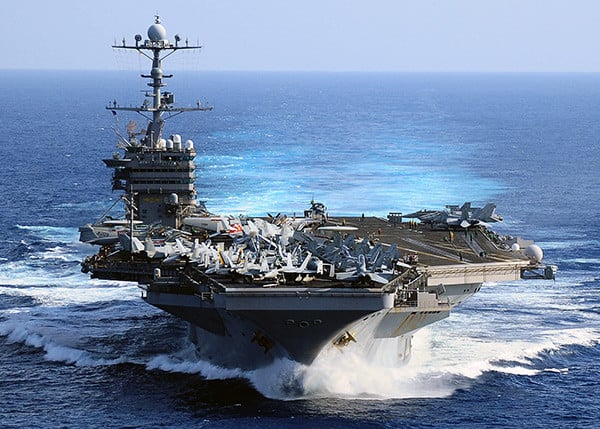
EDDY Pump marine systems have supported U.S. Navy and Military Sealift Command vessels for over 25 years across CHT, brine, and gray water pumping applications. First commissioned in 1994 to replace aging centrifugal pumps on carrier fleets, these systems have delivered multi-year, trouble-free operation with minimal maintenance and a patented zero-leak seal design. Early installations on CVNs continue to perform reliably after more than two decades, with lifecycle cost savings exceeding $3,000,000 per ship. As the official authorized source for EDDY Pump overhauls, all service and rebuilds are managed to maintain original performance standards and long-term reliability in demanding marine environments.
CHT and VCHT Transfer Systems
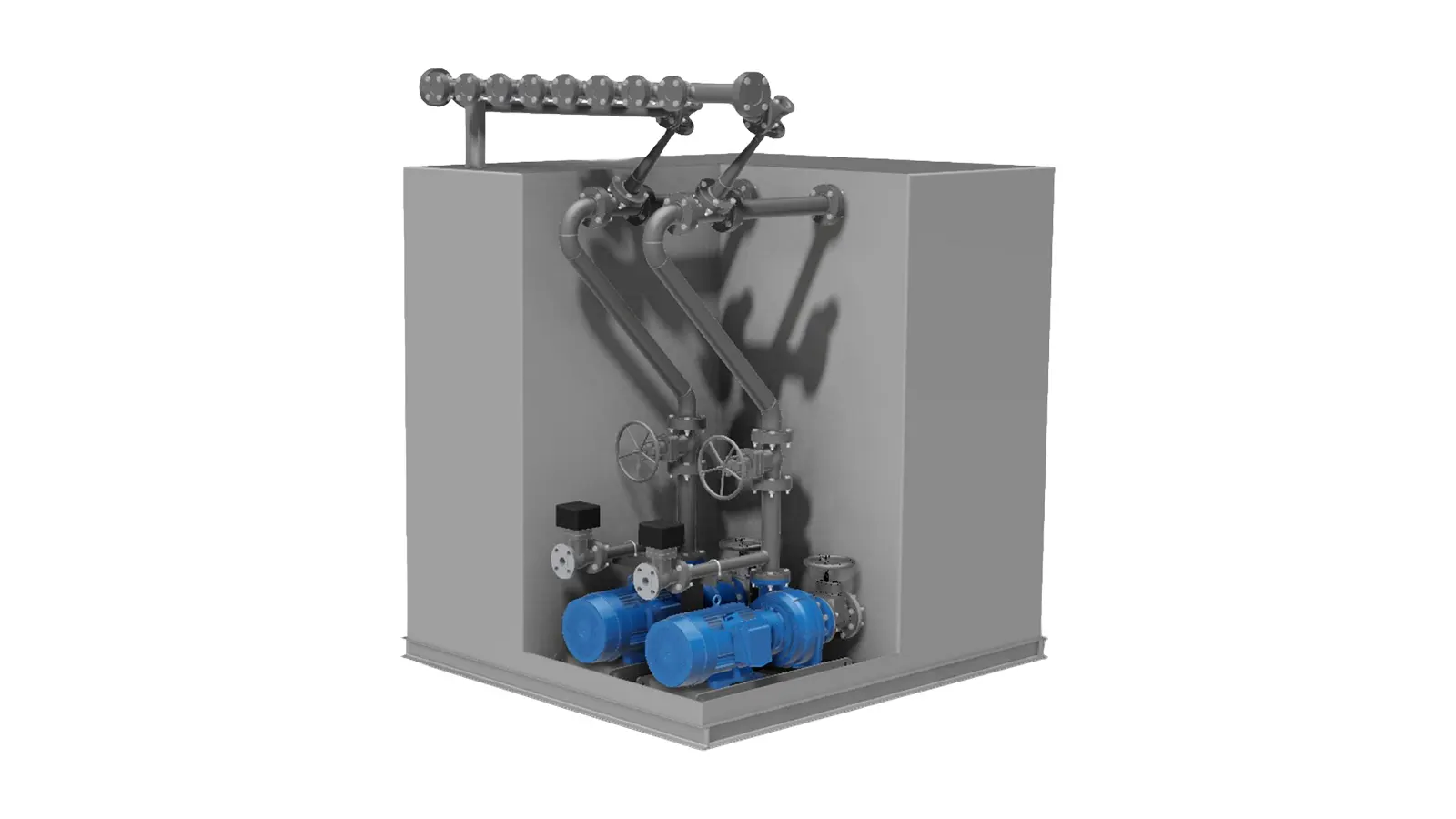
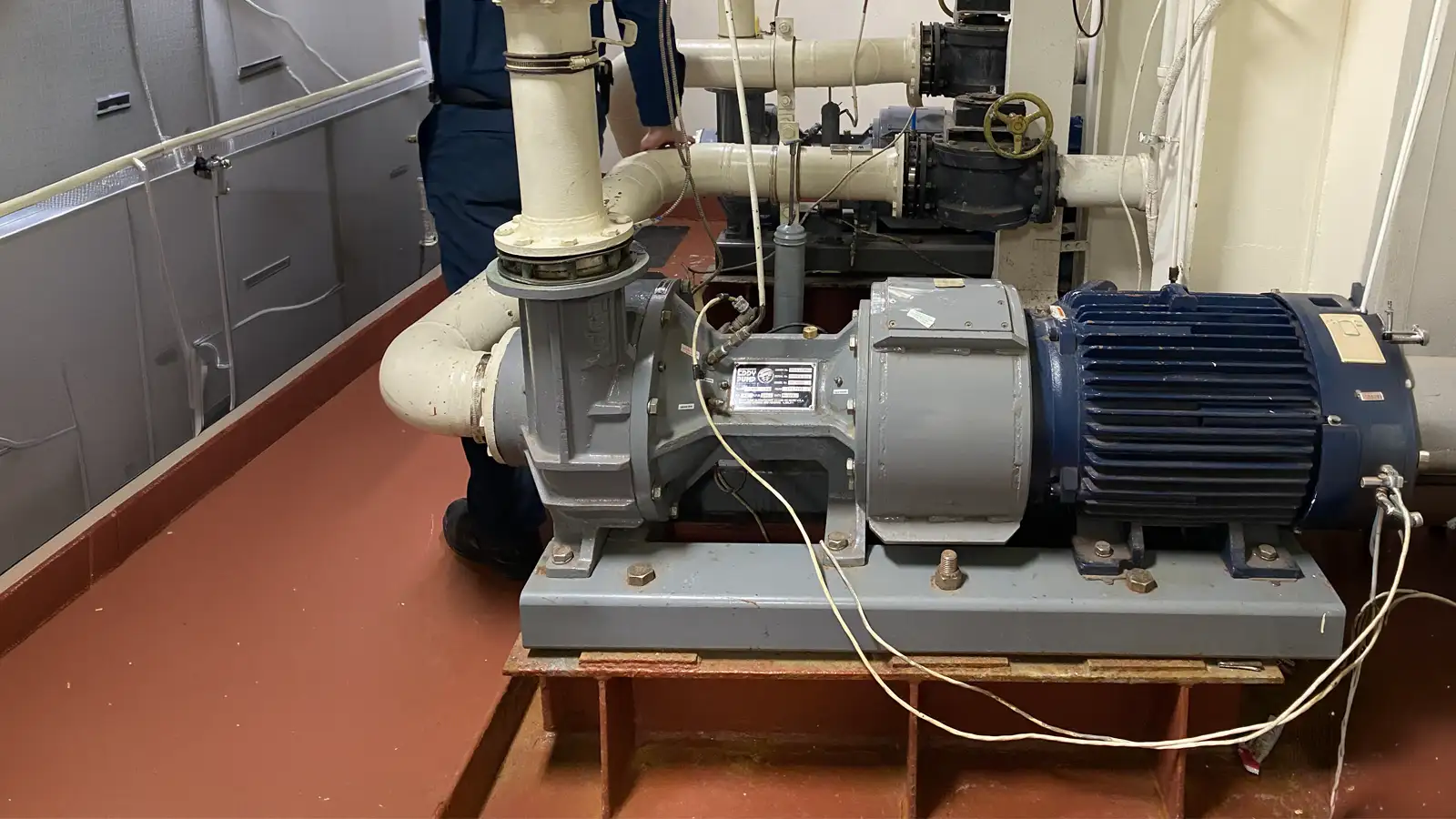
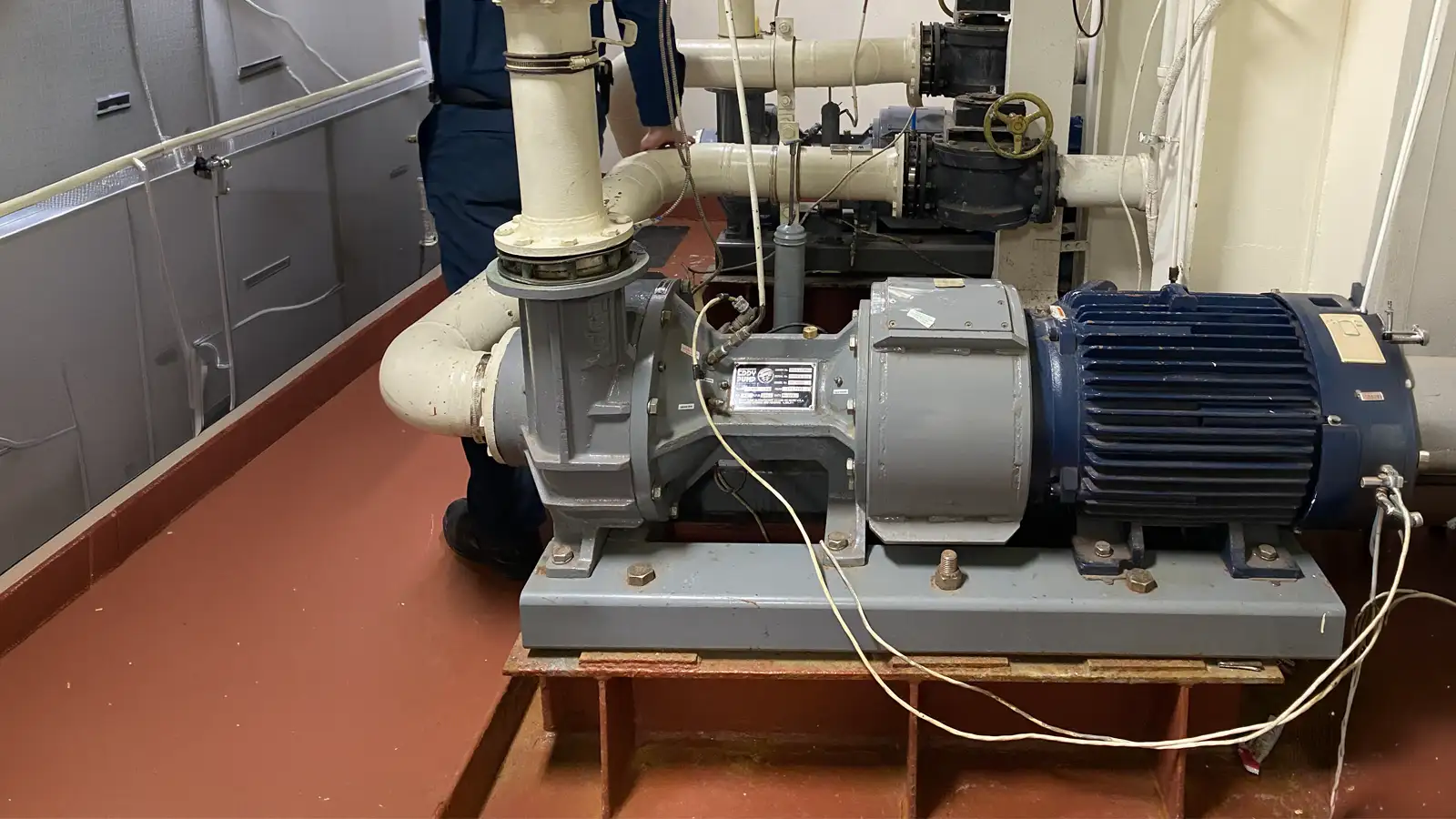
EDDY Pumps operate in the transfer portion of shipboard Collection, Holding, and Transfer (CHT) systems as well as Vacuum Collection Holding and Transfer (VCHT) systems used for wastewater management on naval vessels. These pumps handle waste transfer between collection tanks, processing systems, and discharge points while maintaining consistent flow in high-solids environments.
EDDY Pumps are installed on several U.S. Navy ship classes, including:
- Aircraft Carriers (CVN class)
- Guided Missile Cruisers (CG-47 class)
- Transport and amphibious vessels including LPD-17, LHD-1, LCC-19, and LSD-41 classes
- Future and in-development vessels such as FFG(X) and the LCU-1700 class
These pumps are also capable of replacing pumps on the VCHT side of the wastewater management system when upgrades or system retrofits are required.
Military Sealift Command (MSC) Vessel Applications
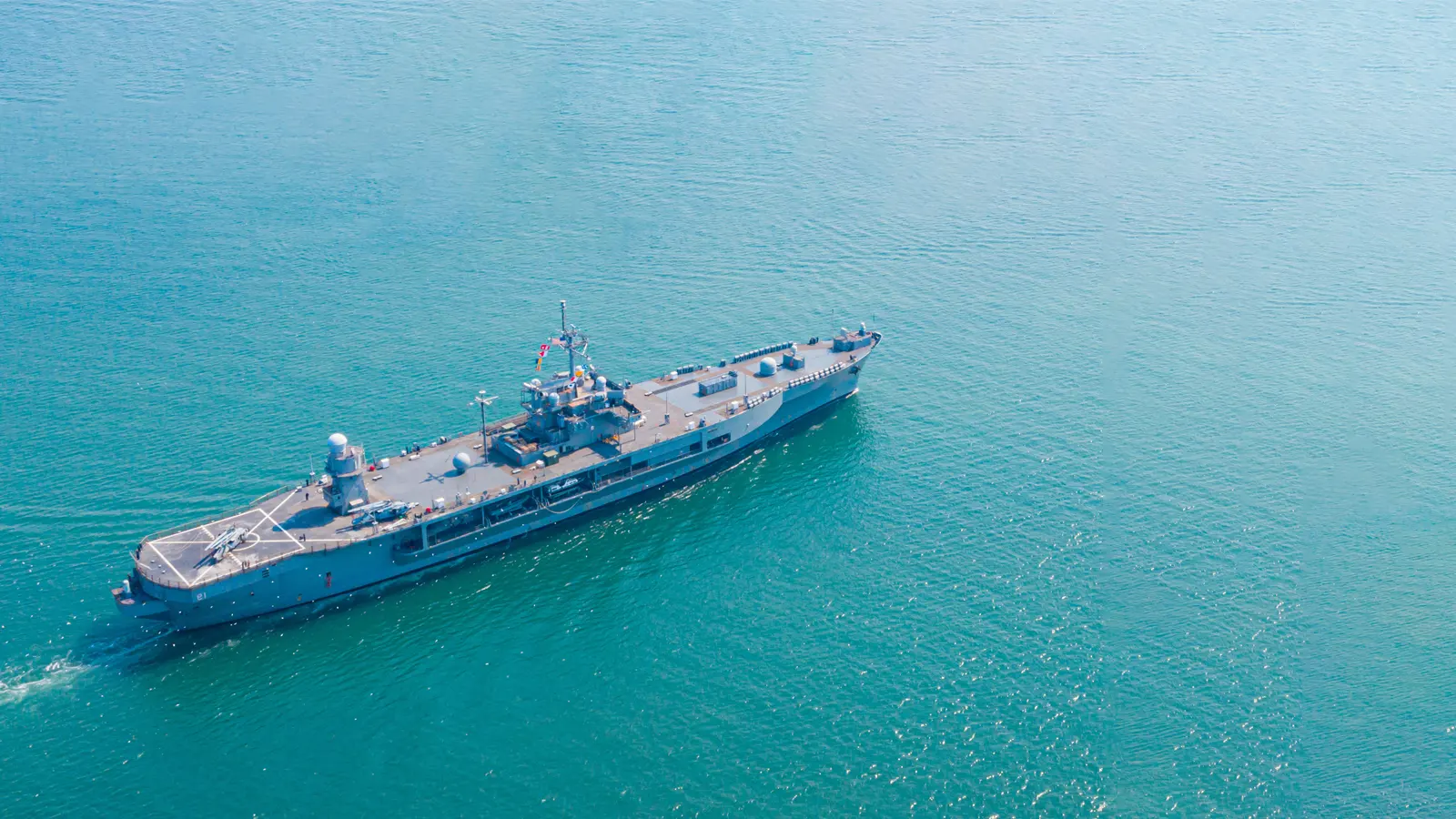
Military Sealift Command vessels, which are Navy-owned ships operated by civilian crews, also utilize EDDY Pump systems for onboard fluid transfer applications. Installations include:
- Submarine Tender vessels such as AS-39 and AS-40
- Dry Cargo and Ammunition Ships including the T-AKE class vessels (T-AKE 1 through 14)
In these environments, pumping systems must operate reliably during extended deployments while minimizing maintenance requirements and component wear.

Brine Pumping Systems for Shipboard Desalination
EDDY Pumps are also used within desalination systems onboard naval vessels. On aircraft carriers and LHD-3 class ships, these pumps serve as the discharge pumps for high-salinity brine produced during the desalination process.
Installed at stage seven of the distillation process, the pumps transfer concentrated brine from the distilling units. These systems are powered by 40 to 50 HP motors that meet military specifications and operate continuously around the clock.
Prior to installing EDDY Pumps, competing pump technologies experienced recurring seal leaks and accelerated wear caused by salt crystal abrasion. The EDDY Pump design eliminated these issues, providing reliable 24/7 brine discharge with significantly reduced maintenance.
Graywater and Food Waste Discharge Systems
On CVN-class aircraft carriers, EDDY Pumps support graywater management and galley waste discharge operations. Graywater systems collect non-sewer wastewater from shipboard kitchens and other service areas into holding tanks, where the pumps then transfer the fluid for processing or discharge.
Applications include:
- Discharge pumps for ground food waste disposal systems
- Graywater transfer from galley holding tanks
- Pump systems powered by 7.5 HP and 20 HP motors for graywater operations

These systems are integrated with modern control platforms that include programmable logic controllers (PLC) and human machine interface (HMI) touchscreens. The control systems communicate pump alarms and operational status directly to the ship’s Damage Control Central (DCC), enabling continuous monitoring and rapid response during vessel operations.
Gallery
Navy and Marine Pumps

Onboard Pump and Control System Service for USN and MSC Vessels
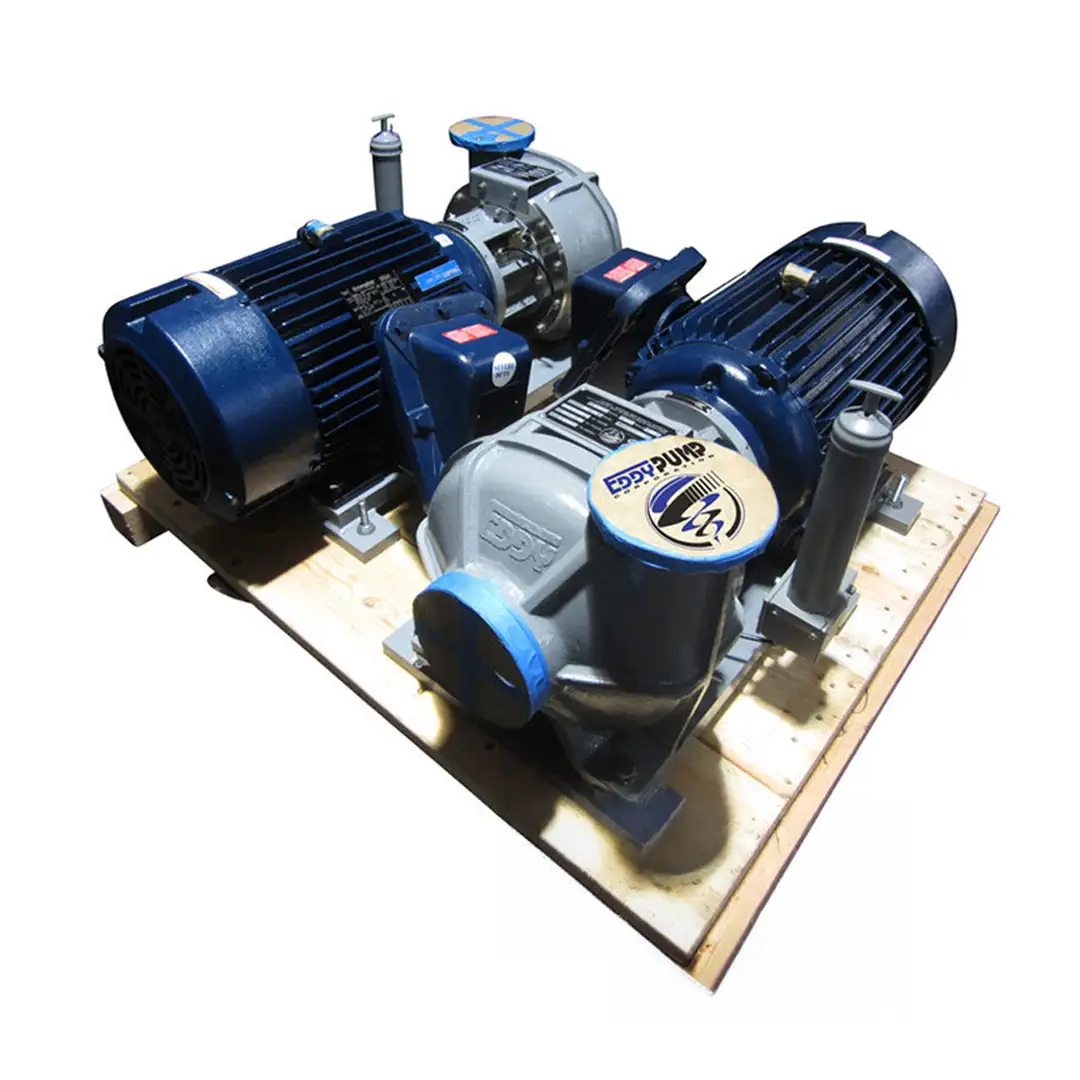
Maintaining pump reliability on active naval vessels requires service capabilities that can be deployed directly where the equipment operates. EDDY Pump provides onboard overhaul and repair services for U.S. Navy and Military Sealift Command vessels, allowing critical pump and control systems to be serviced without removing equipment from the ship. By performing diagnostics, rebuilds, and controller repairs onboard, these services help reduce operational downtime and keep vessels mission-ready during extended deployments. EDDY Pump is the official authorized source for EDDY Pump overhauls.
Onboard Service Capabilities

Pump diagnostics and rebuilds
Technicians perform full pump inspections, identify wear conditions, and restore systems through replacement of critical components and complete pump overhauls. This process returns pumps to optimal operating performance while extending equipment lifespan.

Controller repair and programming
Shipboard pump controllers can be diagnosed, repaired, and reprogrammed directly onboard. Services include troubleshooting control faults, replacing electronic components, and updating controller logic to ensure stable and reliable system operation.

Rapid-response technical teams
EDDY Pump deploys experienced technicians worldwide to support naval vessels and MSC ships. These rapid-response teams provide field service that minimizes disruption to vessel operations and shortens repair timelines.
Operational Advantages
- Proven reliability supporting U.S. Navy and Military Sealift Command pumping systems
- More than 30 years of experience supplying pumps and service to naval fleets
- Reduced repair turnaround through onboard service capabilities
- Expanded regional support with the upcoming Chesapeake, Virginia service facility providing faster parts access and technical assistance
These onboard service programs ensure that critical marine pumping systems remain operational, supporting wastewater handling, desalination, and other shipboard fluid management processes throughout the vessel’s deployment cycle.
US Navy Pump Saving Analysis
Watch how EDDY Pump technology performs in a real-world cost comparison with the United States Navy in a high-demand environment. It highlights how pump design impacts maintenance frequency, downtime, and overall system efficiency when handling abrasive, solids-laden material. The analysis focuses on lifecycle cost rather than upfront price, showing how consistent solids handling and reduced wear can significantly improve long-term operational outcomes.
“Both of the EDDY Brine Pumps have been operating great. Wish I could say the same about the other pumps (Chestertons’s) – 5 of 6 failed on me during my last deployment.”
LCDR Donnell
Chief Engineer, US Navy, USS Kearsarge

Applications for Navy and Marine Pump Systems

Bilge Water Transfer
Bilge systems remove accumulated water, oil mixtures, and debris from the lowest compartments of a vessel. Pumps used in this application must handle contaminated fluids that may contain sediment, rust particles, and other solids. Reliable bilge pumping ensures vessel safety, prevents flooding, and maintains compliance with maritime environmental regulations.

CHT and VCHT Wastewater Systems
Collection, Holding, and Transfer (CHT) and Vacuum Collection Holding and Transfer (VCHT) systems manage wastewater generated onboard naval vessels. Pumps move sewage and waste fluids between storage tanks, treatment systems, and discharge points. These systems require pumps capable of handling high solids concentrations without clogging or excessive wear.

Shipboard Desalination Brine Discharge
Naval vessels rely on desalination systems to convert seawater into potable water. During this process, high-salinity brine is produced as a byproduct. Pumps are used to discharge this concentrated brine from distillation units and other desalination equipment. These pumps must operate continuously while resisting corrosion and abrasion caused by salt crystals.

Graywater Management Systems
Graywater systems collect wastewater from galleys, sinks, and other non-sewer sources throughout the vessel. Pumps transfer this water from holding tanks to treatment systems or discharge lines. These systems often handle food particles, grease, and organic materials that can create clogging problems for conventional pumps.

Ballast Water Handling
Ballast systems regulate vessel stability by transferring seawater into and out of ballast tanks. Pumps used in ballast water handling must operate efficiently across varying flow rates while managing sediment or marine debris that may enter the system. Reliable ballast pumping ensures vessel stability during loading, unloading, and navigation.
Call for sales or support
If you need assistance with pump selection, sales or engineering support, call 619-404-1916.
Questions? Talk to an Engineer
Frequently Asked Questions
What types of vessels commonly use marine pump systems?
Marine pumping systems are used across a wide range of naval and commercial vessels including aircraft carriers, amphibious ships, cargo vessels, supply ships, and submarine tenders. These pumps support critical onboard systems such as bilge water removal, wastewater transfer, graywater management, and desalination brine discharge. Because these systems operate continuously, reliability and solids-handling capability are important factors.
Can marine pumps be retrofitted into existing shipboard systems?
Yes. Many marine pumps are installed as replacements for older centrifugal pumps during maintenance upgrades or system retrofits. These installations often occur in CHT, VCHT, graywater, and bilge pumping systems. In many cases, the new pump can integrate with existing piping and electrical infrastructure with minimal modifications.
Why are marine pumps designed differently from standard industrial pumps?
Marine pumps must operate in harsh environments where seawater corrosion, vibration, solids, and confined installation spaces are common. As a result, they are built with corrosion-resistant materials, durable sealing systems, and motors designed for continuous duty. These design features help ensure long-term reliability onboard vessels.
How frequently do shipboard pumps require maintenance?
Maintenance schedules depend on the specific application and operating conditions. Pumps used in wastewater or sludge transfer systems may require periodic inspection of wear components, seals, and motors. Routine maintenance during vessel service intervals helps prevent unexpected failures and ensures reliable operation.
Can pump repairs and overhauls be performed onboard naval vessels?
Yes. In many cases, technicians can perform pump diagnostics, rebuilds, and controller repairs directly onboard the vessel. This approach eliminates the need to remove equipment from the ship and significantly reduces repair time during port stops or scheduled maintenance periods.
How do marine pumps manage solids in wastewater systems?
Wastewater and graywater systems onboard ships often contain solids such as food waste, sediment, and organic debris. Pumps designed for marine waste applications allow these materials to pass through without clogging, which reduces maintenance requirements and helps maintain consistent system performance.
Are marine pumps designed for continuous operation?
Yes. Many shipboard pumping systems run continuously, especially those connected to desalination units, wastewater transfer systems, or bilge management. Pumps used in these applications are engineered for long operating cycles with durable components that resist wear. Read More
What types of fluids do marine pumps typically handle?
Marine pumps are used to move a wide range of fluids including bilge water, graywater, sewage, sludge, desalination brine, and seawater mixtures. These fluids often contain suspended solids or corrosive elements, which requires pumps designed for abrasive and challenging conditions.
How are marine pump systems monitored onboard ships?
Modern shipboard pumping systems often use programmable logic controllers and monitoring interfaces. Operators can view pump status, alarms, and system performance through control panels or HMI screens. These systems may also communicate with the vessel’s central monitoring systems for operational oversight.
What should procurement teams evaluate when selecting a marine pump?
Procurement teams typically consider fluid type, solids content, pumping distance, and required system pressure. Other important factors include material compatibility with seawater, maintenance accessibility, and compatibility with onboard electrical and control systems. Selecting the correct pump ensures long-term reliability and lower maintenance costs. Read More
HD (Heavy Duty) Slurry Pumps / Dredge Equipment
Related Products
For assistance Call 619-404-1916 and let us help match your project
with the right pump.