




Diver Operated Dredge Systems for Underwater Slurry Pumping
Diver operated dredges enable precise material removal in confined or submerged environments where larger systems cannot operate. They improve productivity, reduce downtime, and maintain control in complex dredging applications.
Available in electric and hydraulic configurations, these systems deliver 250 to 2500 GPM with head up to 200 ft. They handle solids up to 5 inches at 40–70% concentration by volume, with 4-inch and 6-inch models supporting 1 to 3 dive operators for different site conditions.
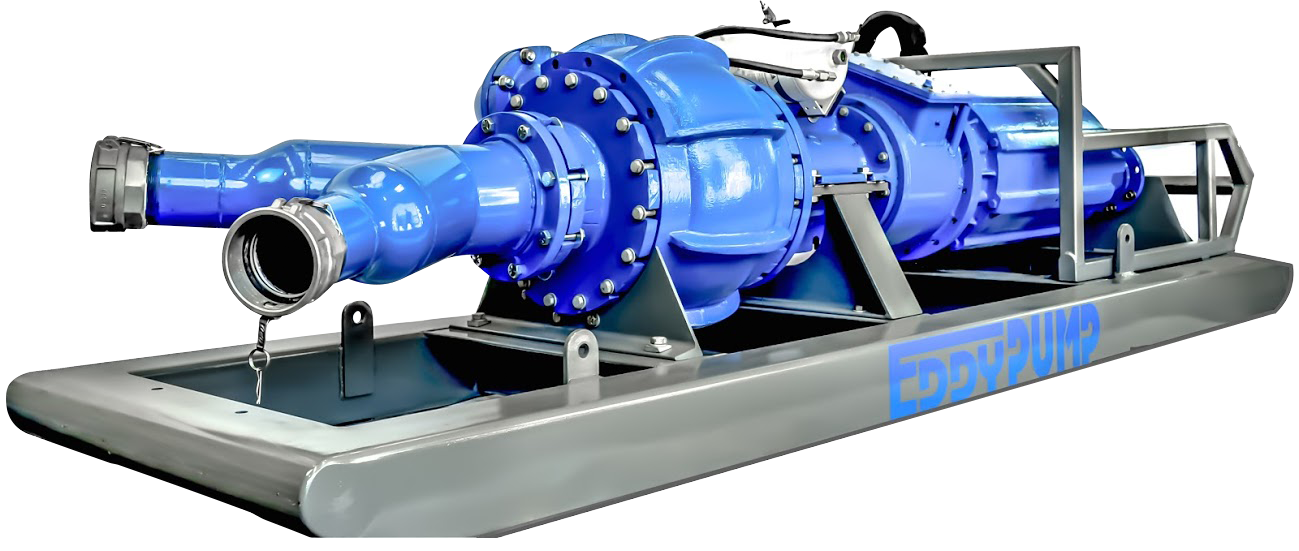
What Sets This System Apart
- Non-clog pump design supports continuous high-solids dredging with flow rates from 250 to 2500 GPM, head up to 200 ft, handling solids up to 5 inches and concentrations of 40–70% by volume, with production up to 200 yd³/hr
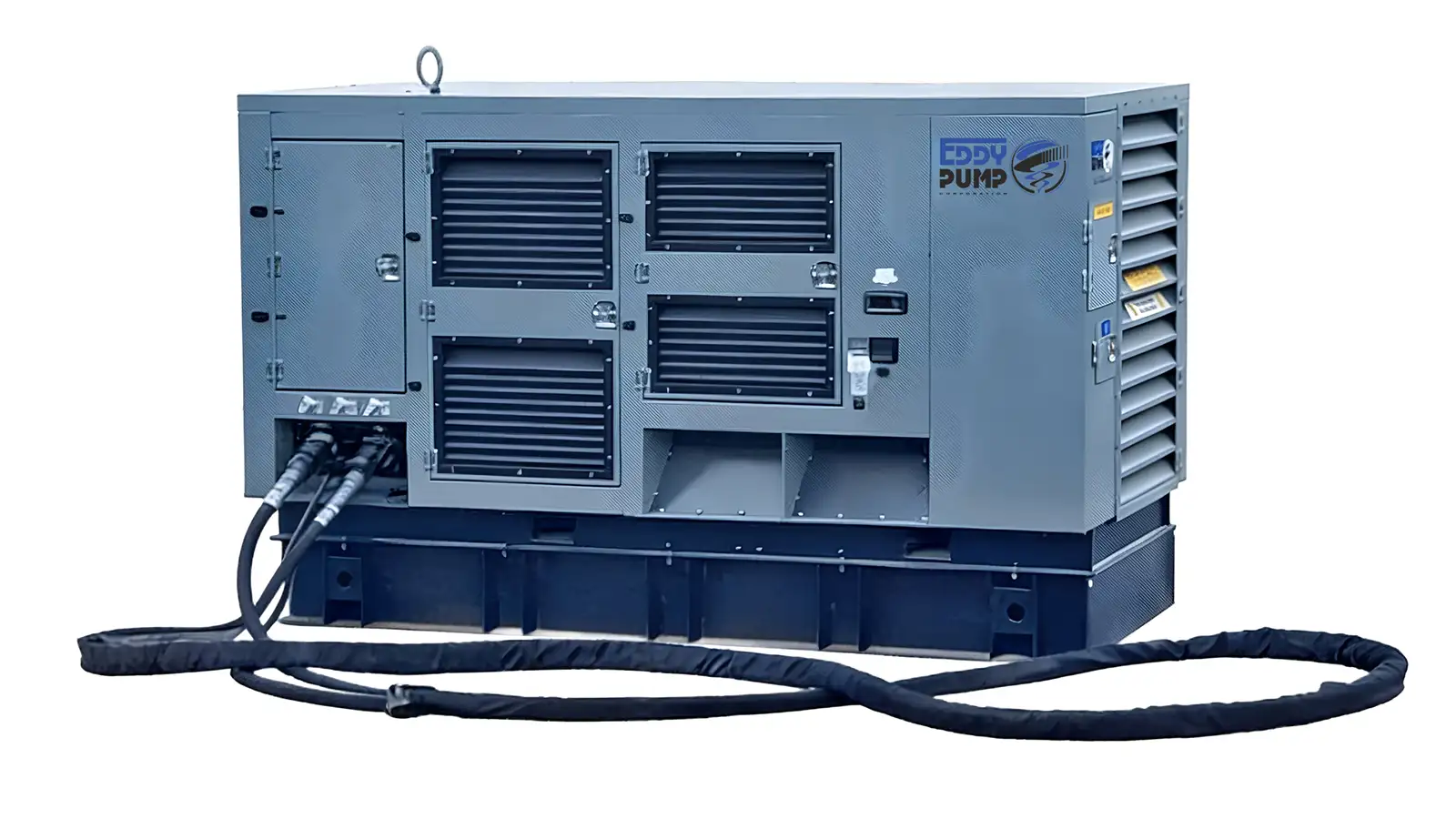
- Available in electric and hydraulic configurations with 4-inch and 6-inch system options, powered by generators (225 kW+) or HPU systems (35 GPM at 5000 PSI), and scalable for 1, 2, or 3 dive operators based on project needs
- Compact, diver-operated system designed for underwater and confined environments such as tanks, lagoons, docks, and pipelines where larger dredging equipment cannot operate effectively
- Compatible with Doppler slurry flow meters to provide real-time monitoring and maintain stable, plug-free pipeline flow during operation
- Engineered for reduced wear and consistent performance in abrasive, high-solids conditions compared to conventional centrifugal and displacement pumps, minimizing downtime and maintenance frequency
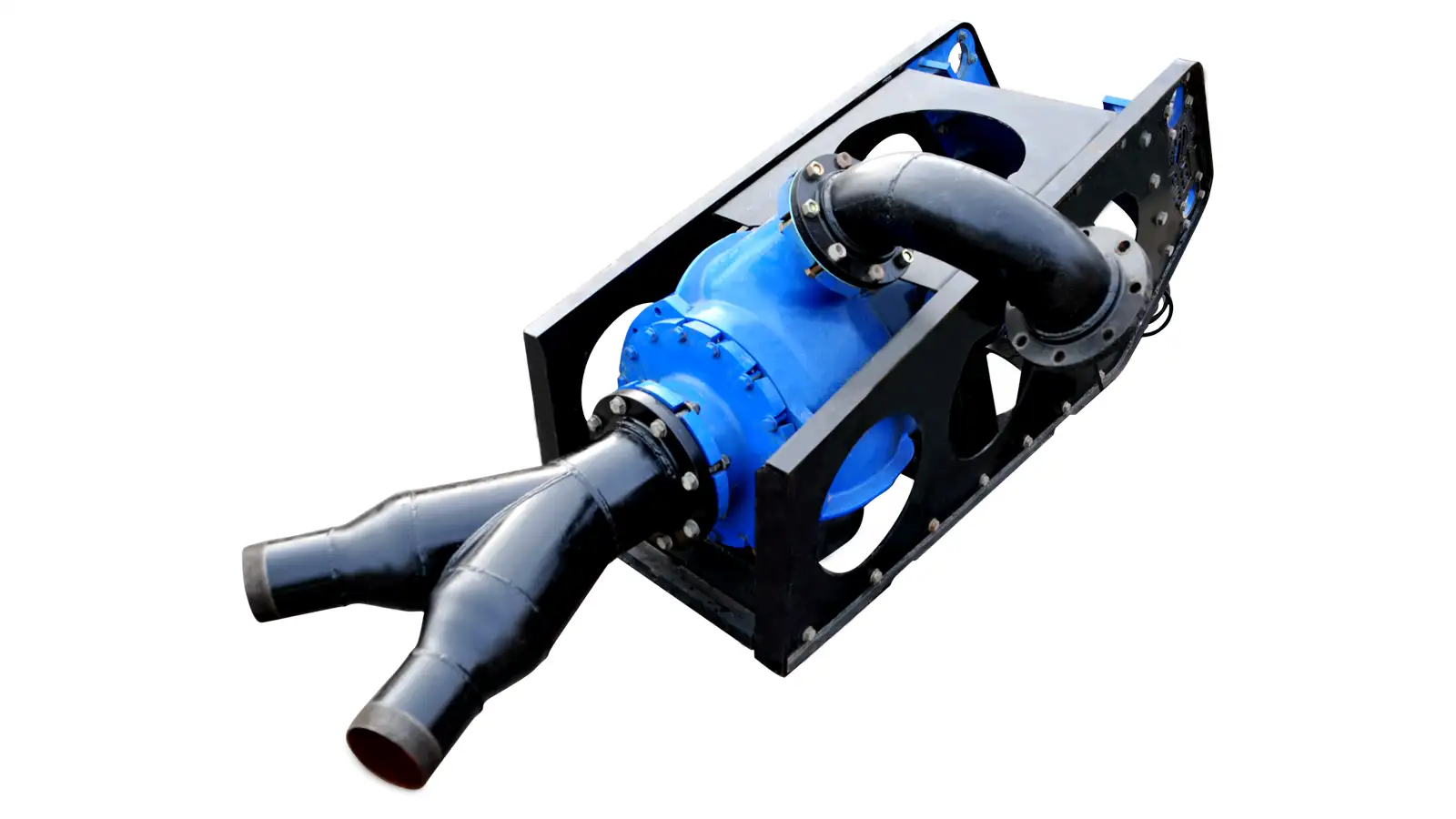
Gallery
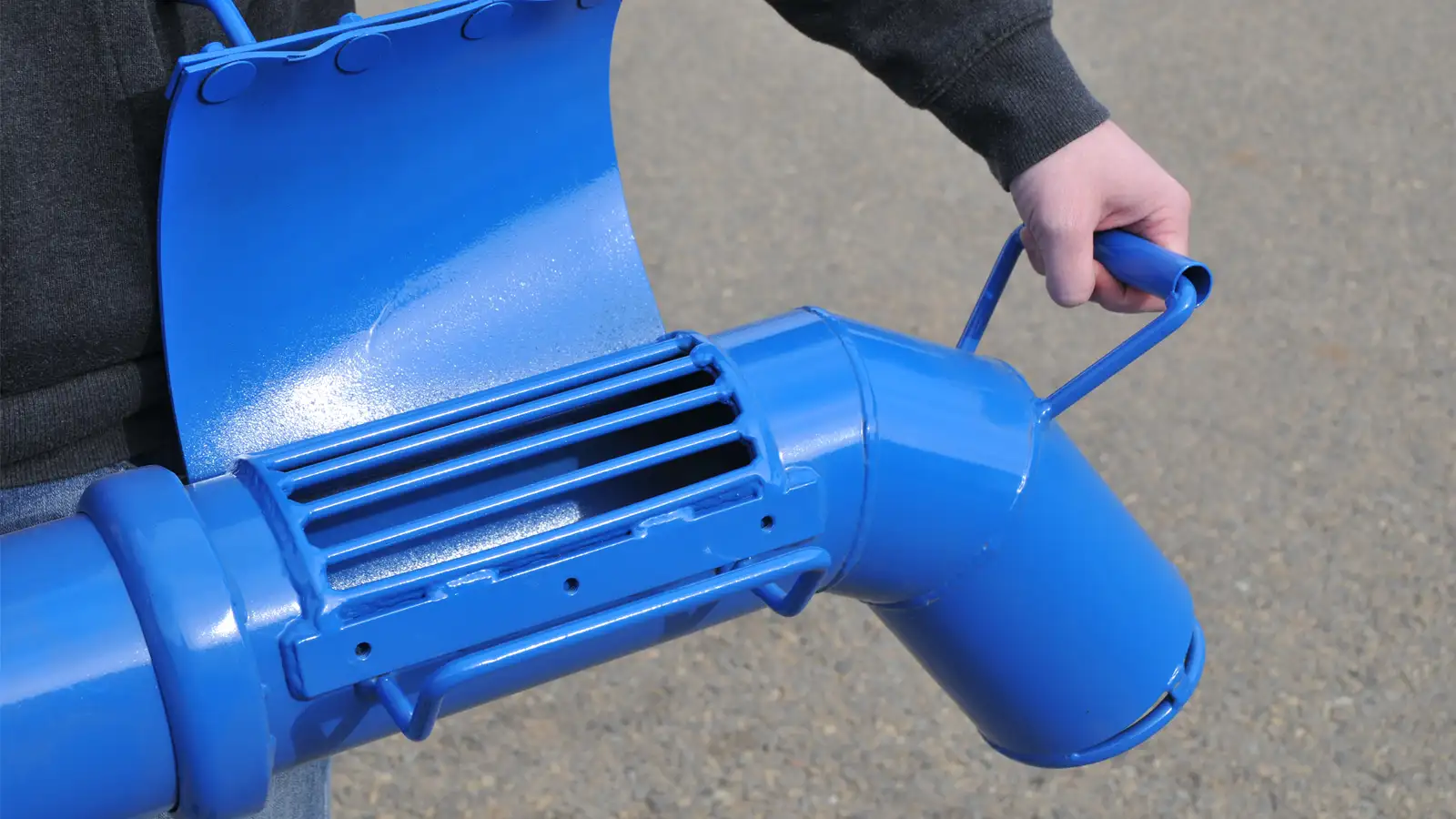
Industrial Diver Operated Dredging Equipment


Technical Specifications

Performance Specifications
- Flow Range: 250 – 2500 GPM
- Head Range: Up to 200 ft
- Solids Handling: Up to 5 inches
- Percent Solids by Volume: 40–70%
- Production Rate: 75 – 200 yd³/hr
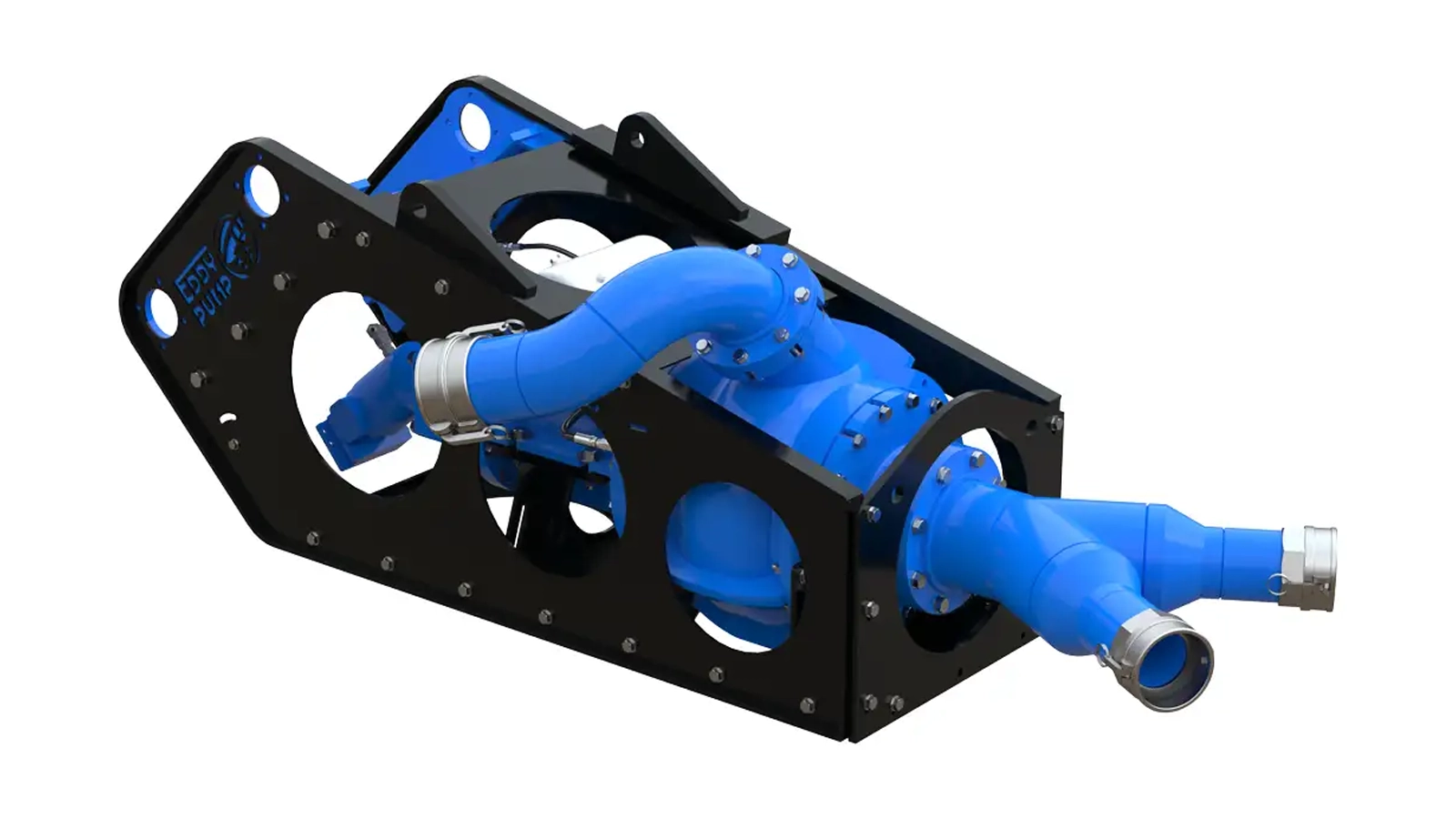
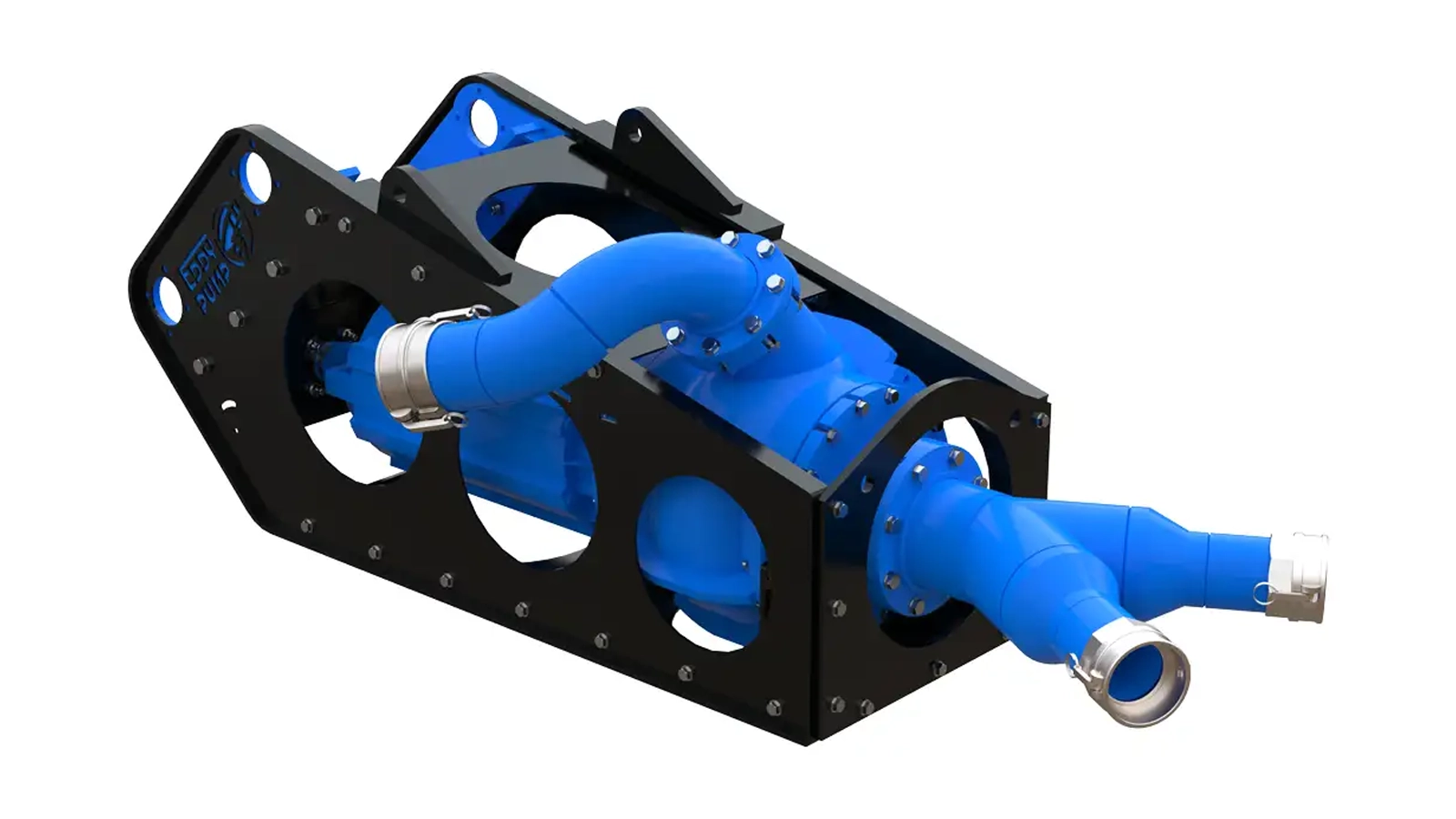
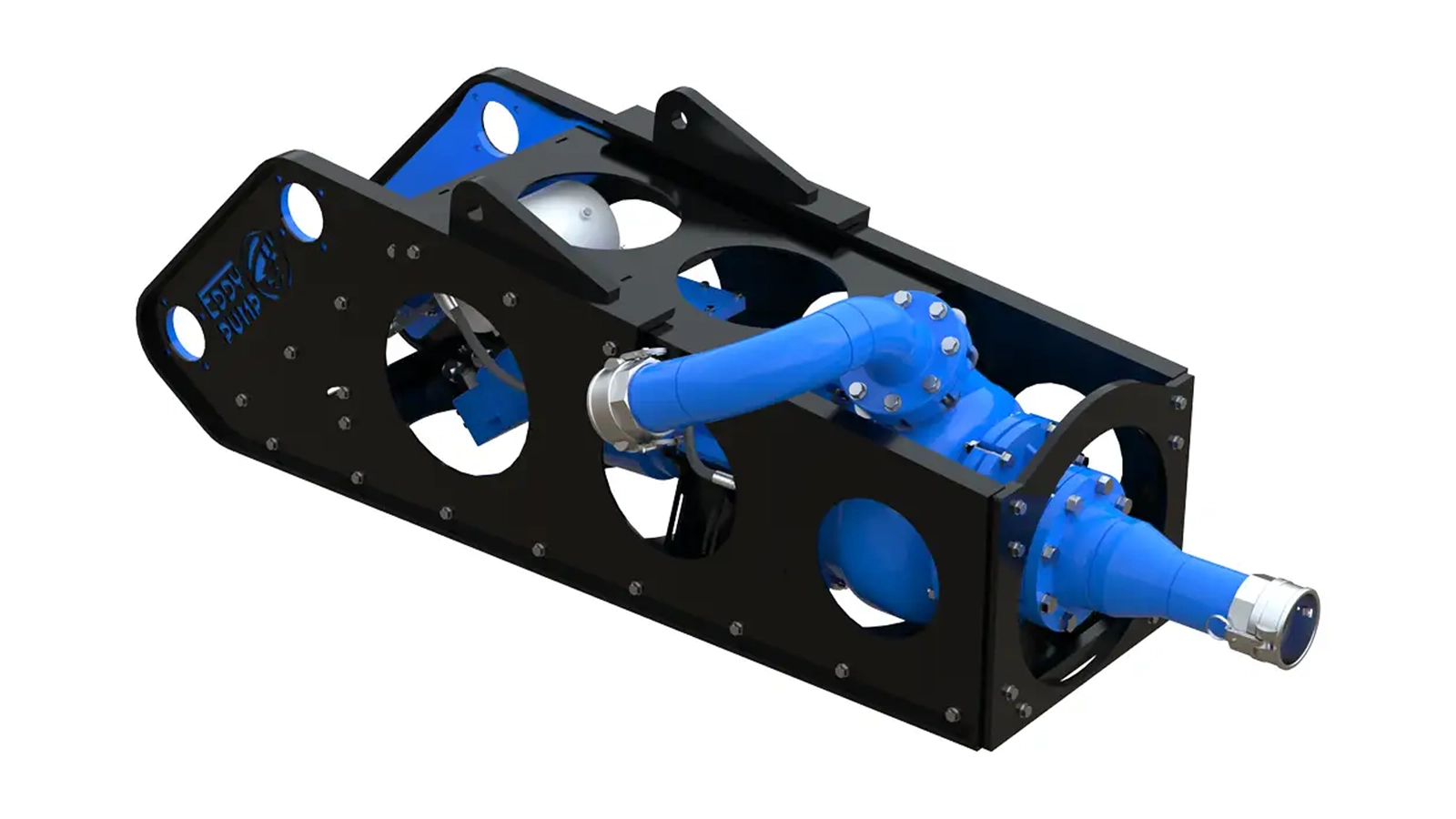
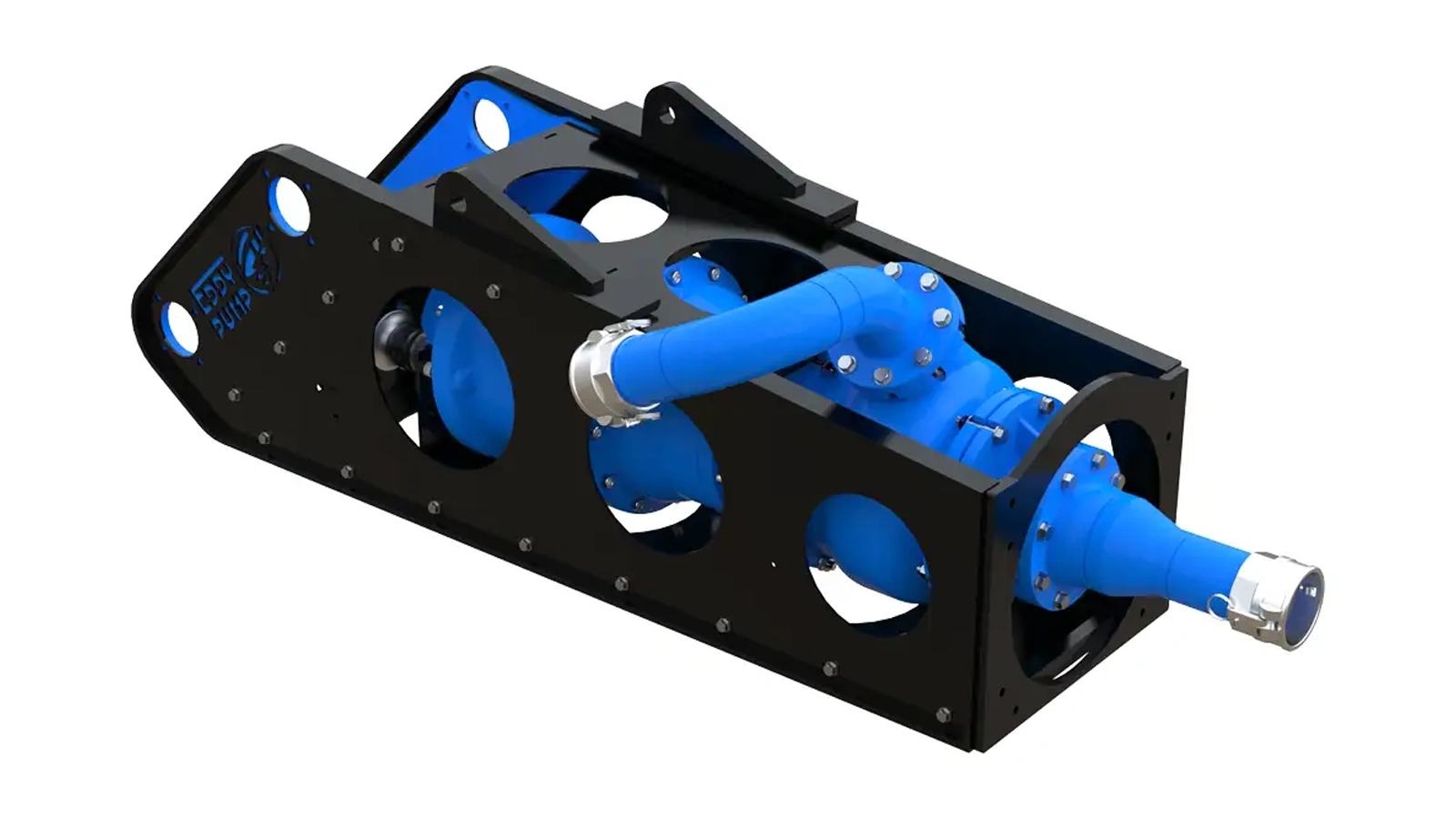
Physical Specifications
- Discharge Size: 4 – 6 inches
- Suction Size: 6 – 8 inches

Recommended Sensors
- Doppler Wireless Slurry Flow meter to maintain stable plug-free pipeline flow and maximize production
Required Equipments to Operate the Dredge System
- Electric Models: Generator with 225KW or greater needed
- Hydraulic Models: Crossover check valve, Hydraulic Hoses, and Hydraulic Power Unit capable of 35 GPM at 5000 PSI (80cc motor)
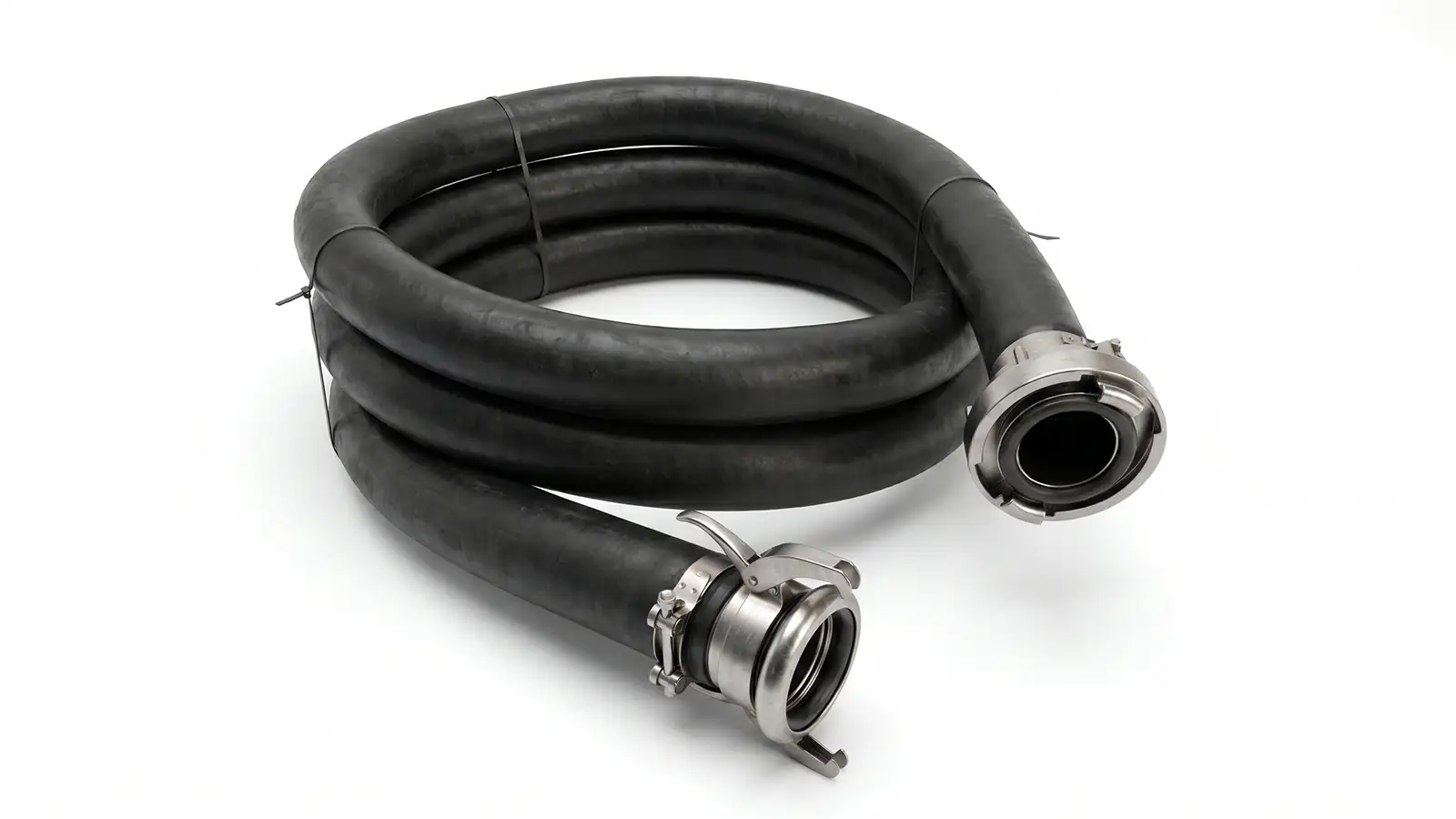
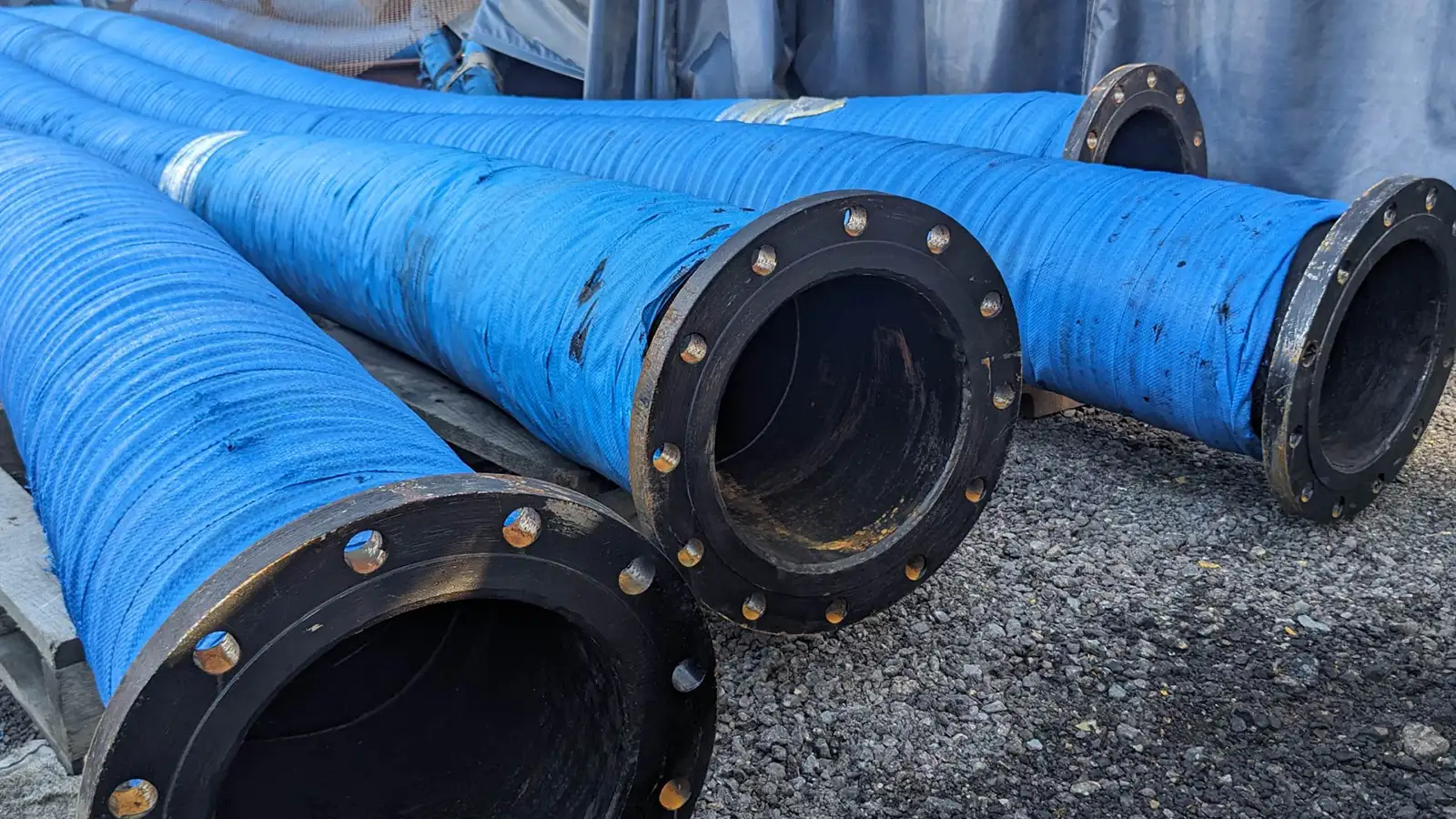
- Material Handling Discharge Hose: 4 – 6 inches
- Material Handling Suction Hose: 4 – 5 inches
*All specifications mentioned will vary depending on the model
ENGINEERING ASSETS
Technical Drawings & Resources


Diver Operated Dredge Pump System Comparison Table
| Parameter | 4" HD 4000 Electric | 6" HD 6000 Electric | 4" HD 4000 Hydraulic | 6" HD 6000 Hydraulic |
|---|---|---|---|---|
| Drive Type | Electric | Electric | Hydraulic | Hydraulic |
| Discharge Size | 4 inch | 6 inch | 4 inch | 6 inch |
| Suction Size | 6 inch | 8 inch | 6 inch | 8 inch |
| Min Flow | 250 GPM | 450 GPM | 250 GPM | 450 GPM |
| Max Flow | 1200 GPM | 2500 GPM | 1200 GPM | 2500 GPM |
| Head Range | Up to 160 ft | Up to 200 ft | Up to 160 ft | Up to 200 ft |
| Solids Handling | Up to 3 inches | Up to 5 inches | Up to 3 inches | Up to 5 inches |
| Percent Solids | 40–70% | 40–70% | 40–70% | 40–70% |
| Production Rate | 75–150 yd³/hr | 150–200 yd³/hr | 75–150 yd³/hr | 150–200 yd³/hr |
| Weight | 2,500 lbs | 3,800 lbs | 1,700 lbs | 3,000 lbs |
| Power Requirement | 225 kW+ Generator | 225 kW+ Generator | HPU: 35 GPM @ 5000 PSI | HPU: 35 GPM @ 5000 PSI |
| Hose Requirement | 4" discharge & suction | 6" discharge, dual 5" suction | 4" discharge & suction | 6" discharge, 5" suction |
Deployment Scenarios and Applications

Marinas and Docks
Diver operated dredges are used for maintenance dredging in marinas, docks, and waterfront facilities where space is limited and precision is required. They remove silt, sand, and debris buildup around pilings, slips, and vessels without disturbing surrounding structures. Their controlled operation allows targeted material removal in shallow and congested areas where larger dredging systems are not practical.

Confined Sediment Removal
These systems are designed for sediment removal in tight or restricted environments such as canals, narrow waterways, and enclosed basins. Their compact footprint and diver-controlled operation allow accurate excavation in areas with limited access, ensuring effective removal of compacted or debris-laden material without over-excavation or system disruption.

Tank and Lagoon Cleaning
In industrial and municipal environments, diver operated dredges are used to clean storage tanks, lagoons, and settling ponds. They remove sludge, solids, and accumulated waste without requiring full system shutdown. Their ability to handle high-density and viscous material ensures continuous operation while improving cleaning efficiency and reducing manual intervention.

Subsea Trench Cleanup
For marine construction and pipeline projects, these dredges are used to clean subsea trenches by removing residual sediment, debris, and backfill material. Diver control allows precise positioning along the trench, ensuring accurate cleanup around pipelines and subsea infrastructure while maintaining consistent slurry transport in high solids conditions.

Ash Ponds and Tailings
In mining and power generation applications, diver operated dredges handle the removal of tailings, fly ash, bottom ash, and settled solids from ponds and containment areas. Their non-clog design supports continuous operation in abrasive and high solids environments, reducing downtime and maintaining efficient material transfer from storage zones.

Remediation in Restricted-Access Zones
For environmental remediation projects, these dredges are deployed in areas with limited access or sensitive surroundings, including contaminated ponds, industrial basins, and confined water bodies. Controlled dredging minimizes disturbance while enabling the safe removal of hazardous sediment, supporting compliance with environmental cleanup requirements.
Subsea Pipeline Trench Cleanup for Marine Construction – Case Study

The Problem
During a subsea pipeline installation project, sections of the trench experienced sediment collapse due to shifting seabed conditions and tidal movement. The trench, located at depths of 25 to 30 feet, became filled with a dense mix of sand, silt, and scattered debris, preventing proper pipeline placement and alignment. Conventional methods such as airlifting and manual diver excavation, proved inefficient and inconsistent, particularly in maintaining trench profile accuracy. The presence of already installed pipeline segments further restricted access and increased the risk of damage, making precision dredging critical to avoid costly rework and delays in the installation schedule.

The Solution
To address the issue, an EDDY Pump 4-inch HD 4000 electric diver operated dredge was deployed, powered by a 225 kW generator. The system was configured for controlled, low-disturbance dredging, allowing a single dive operator to work along the trench alignment with high accuracy. The pump’s non-clog design enabled continuous handling of mixed material without interruptions, while the controlled flow range of approximately 300 to 800 GPM allowed operators to maintain precision around sensitive pipeline sections. A short discharge pipeline was used to efficiently transport removed material away from the trench without reintroducing sediment into the work zone.

The Result
The deployment enabled consistent and controlled removal of sediment, restoring the trench to required specifications without impacting the integrity of the installed pipeline. Approximately 2,200 cubic yards of material were removed over the course of the operation, with the dredging process completed roughly 40 percent faster than earlier manual and airlift methods. The stable pumping performance eliminated downtime associated with clogging or flow inconsistency, and the precision of the system reduced the need for rework. As a result, the project stayed on schedule, avoided additional equipment mobilization, and maintained compliance with installation tolerances.
Call for sales or support
If you need assistance with pump selection, sales or engineering support, call 619-404-1916.
Questions? Talk to an Engineer
Frequently Asked Questions
What is a diver operated dredge, and where is it used?
A diver operated dredge is a submersible, manually controlled pumping system used to remove sediment, sludge, and high-solids slurry from underwater or confined environments. It is commonly used in dredging, wastewater treatment, marine construction, mining, industrial lagoons, and tank cleaning, where precise material removal is required, and access is limited.
What models are available, and how do I choose between them?
The systems are available in 4-inch and 6-inch configurations, with both electric and hydraulic drive options. Selection depends on the required flow rate, discharge distance, solids size, and production targets. The 4-inch models are typically used for precision work and tighter spaces, while the 6-inch models are suited for higher volume dredging and larger solids handling.
What flow rates and performance range can these dredges achieve?
Depending on the model, these systems operate from approximately 250 GPM up to 2500 GPM, with head capabilities up to 200 feet. Production rates can reach up to 200 cubic yards per hour, depending on material characteristics, pipeline configuration, and operating conditions.
What type of material can these dredges handle?
Diver operated dredges are designed for high-solids applications, handling slurry with 40 to 70 percent solids by volume. They can process abrasive materials such as sand, sludge, tailings, ash, and debris, with solids sizes up to 3 inches for 4-inch models and up to 5 inches for 6-inch models.
How many divers can operate the system at once?
These systems can be configured to support one, two, or three simultaneous dive operators. This allows increased production rates and more efficient material removal, particularly on larger or time-sensitive projects.
What is the difference between electric and hydraulic models?
Electric models are powered by a generator, typically requiring 225 kW or greater, and are often used where electrical infrastructure is available or preferred. Hydraulic models operate using a hydraulic power unit and are commonly selected for remote sites or environments where hydraulic systems offer better control and flexibility.
What equipment is required to operate a diver operated dredge?
In addition to the dredge unit, operation typically requires a power source such as a generator or hydraulic power unit, material handling hoses for suction and discharge, and optional instrumentation such as a Doppler slurry flow meter to monitor and maintain stable pipeline flow.
Can these dredges be used in confined or hard-to-access areas?
Yes, one of the primary advantages of diver operated dredges is their ability to function in tight, submerged, or restricted environments. They are commonly used in tanks, lagoons, docks, pipelines, and other locations where larger dredging equipment cannot be deployed.
Are rental options available for short-term projects?
Yes, these systems are often available for rental, making them suitable for temporary projects, emergency cleanup, or situations where purchasing equipment is not practical. Rental configurations can be tailored based on project requirements, including pump size, power type, and support equipment.
How do I select the right system for my project or request a quote?
Selecting the correct system requires understanding key parameters such as material type, solids concentration, particle size, required flow rate, discharge distance, and site constraints. Providing these details allows the system to be matched accurately to your application. You can request a quote or consultation to ensure proper sizing and configuration for your project.
HD (Heavy Duty) Slurry Pumps / Dredge Equipment
Related Products
For assistance Call 619-404-1916 and let us help match your project
with the right pump.