
Doppler Ultrasonic Flow Meter
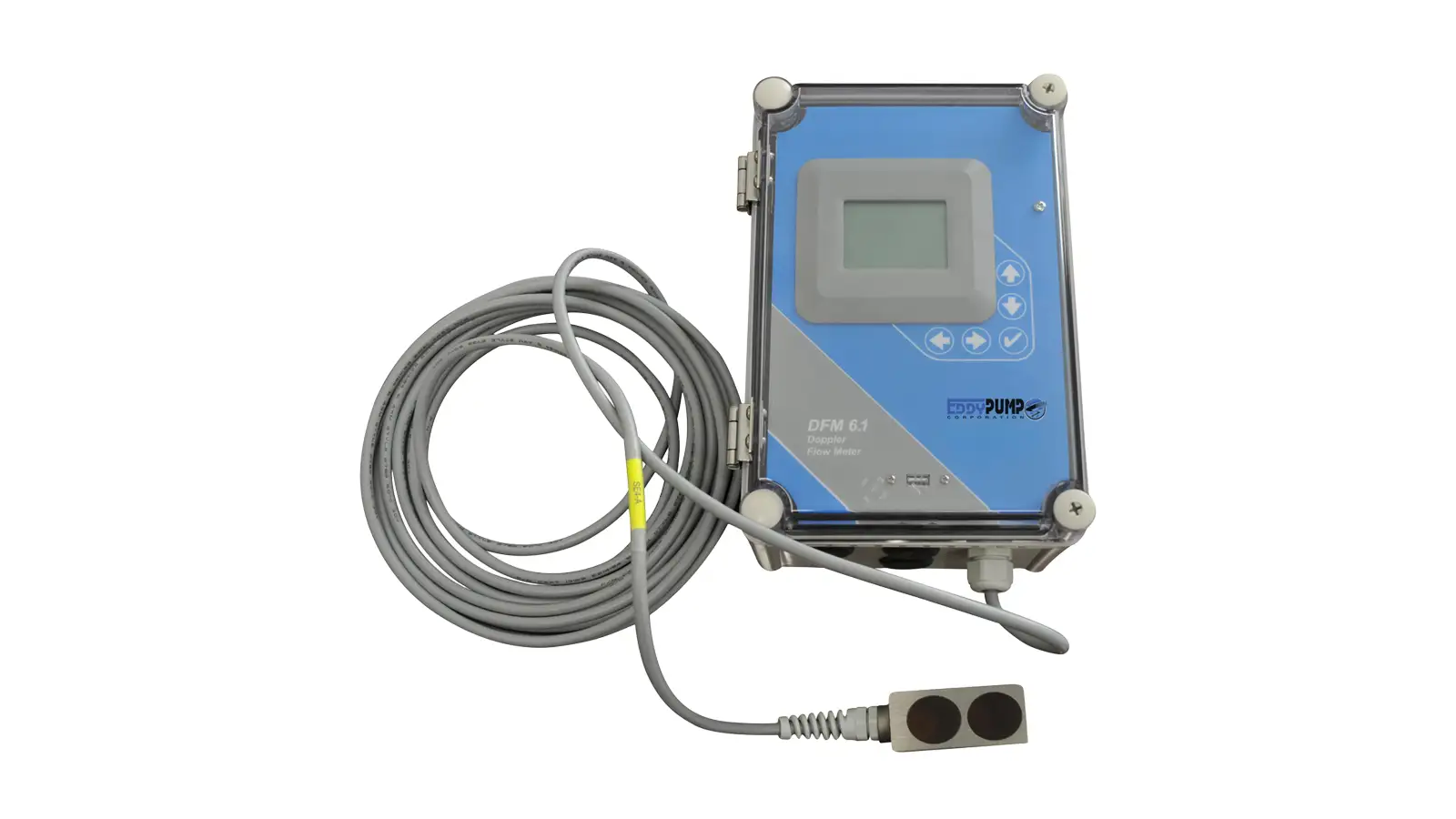
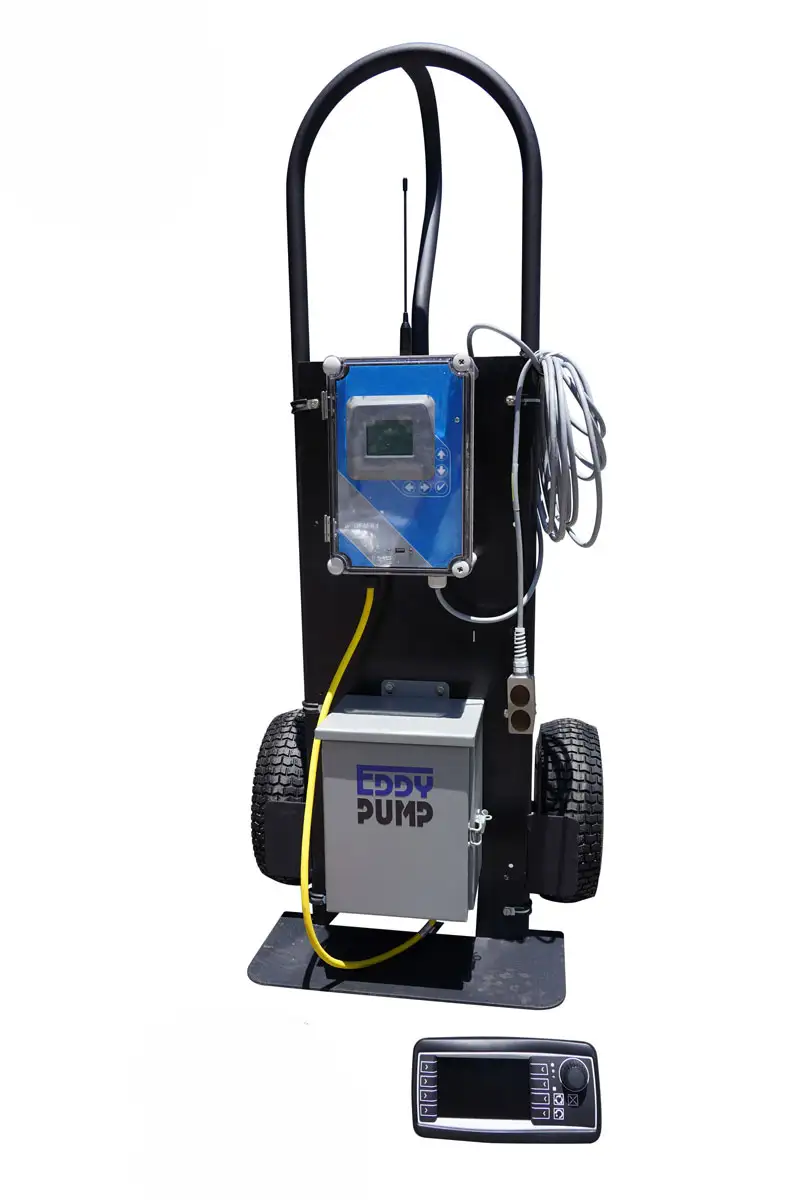
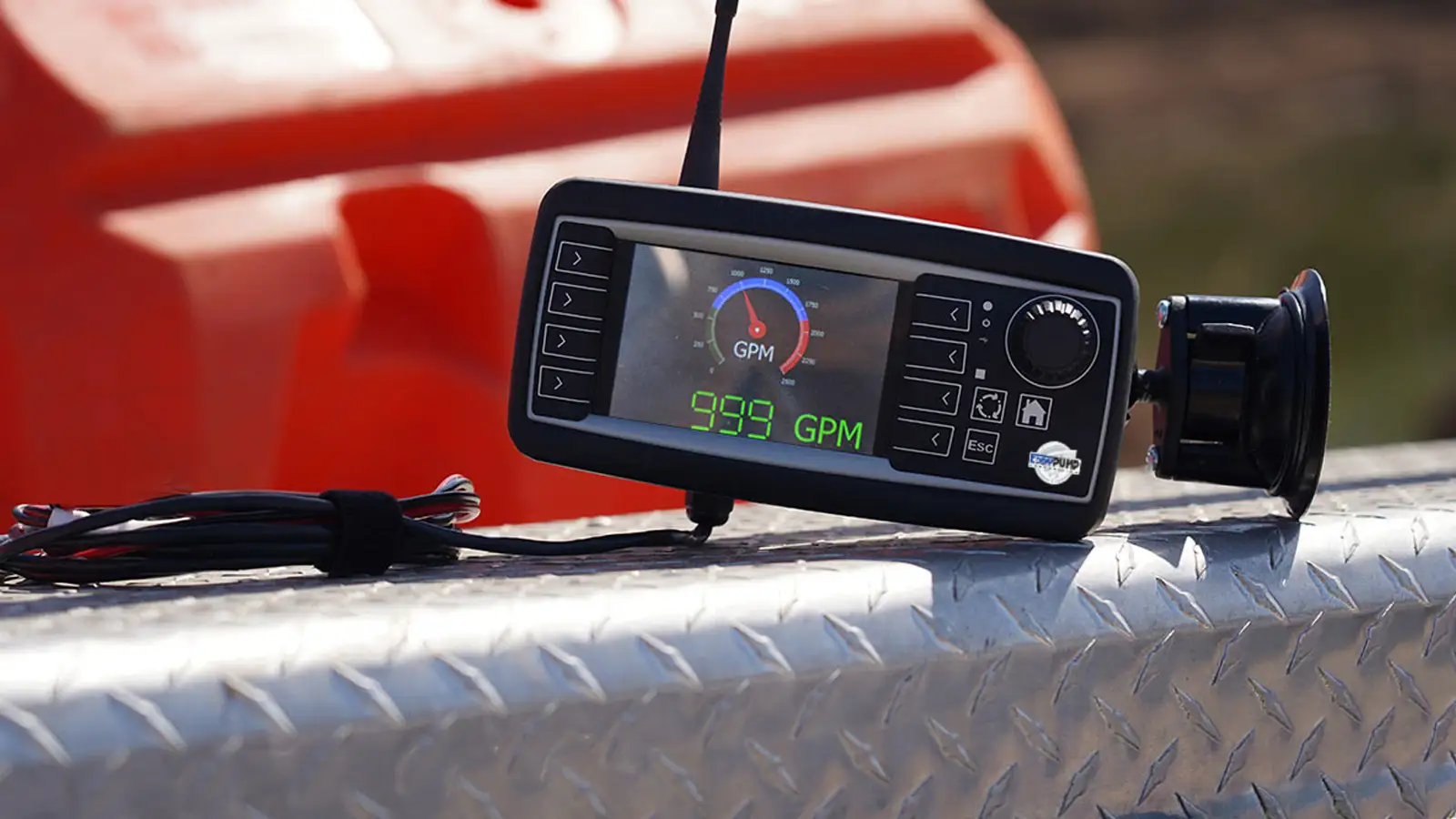
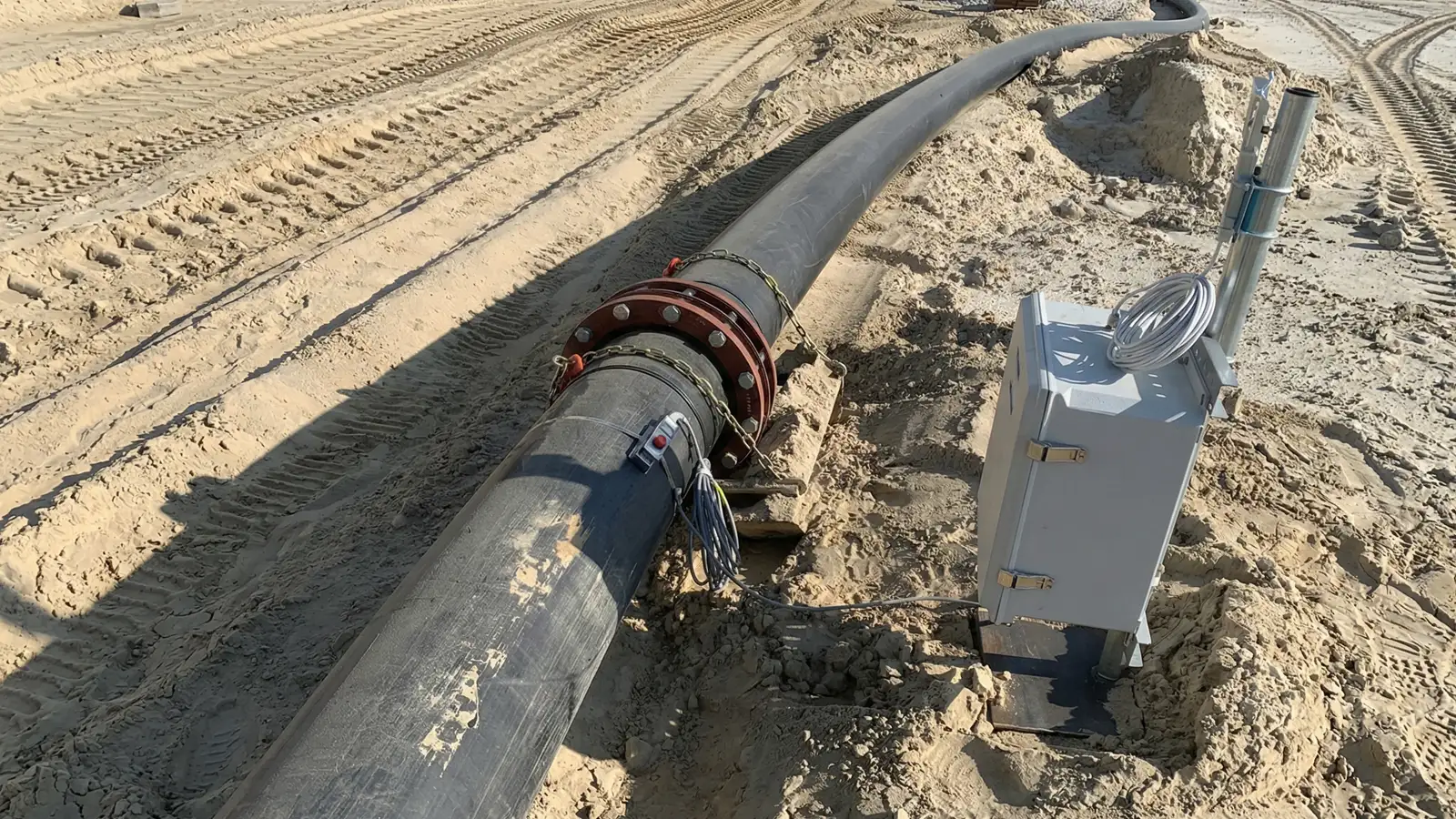
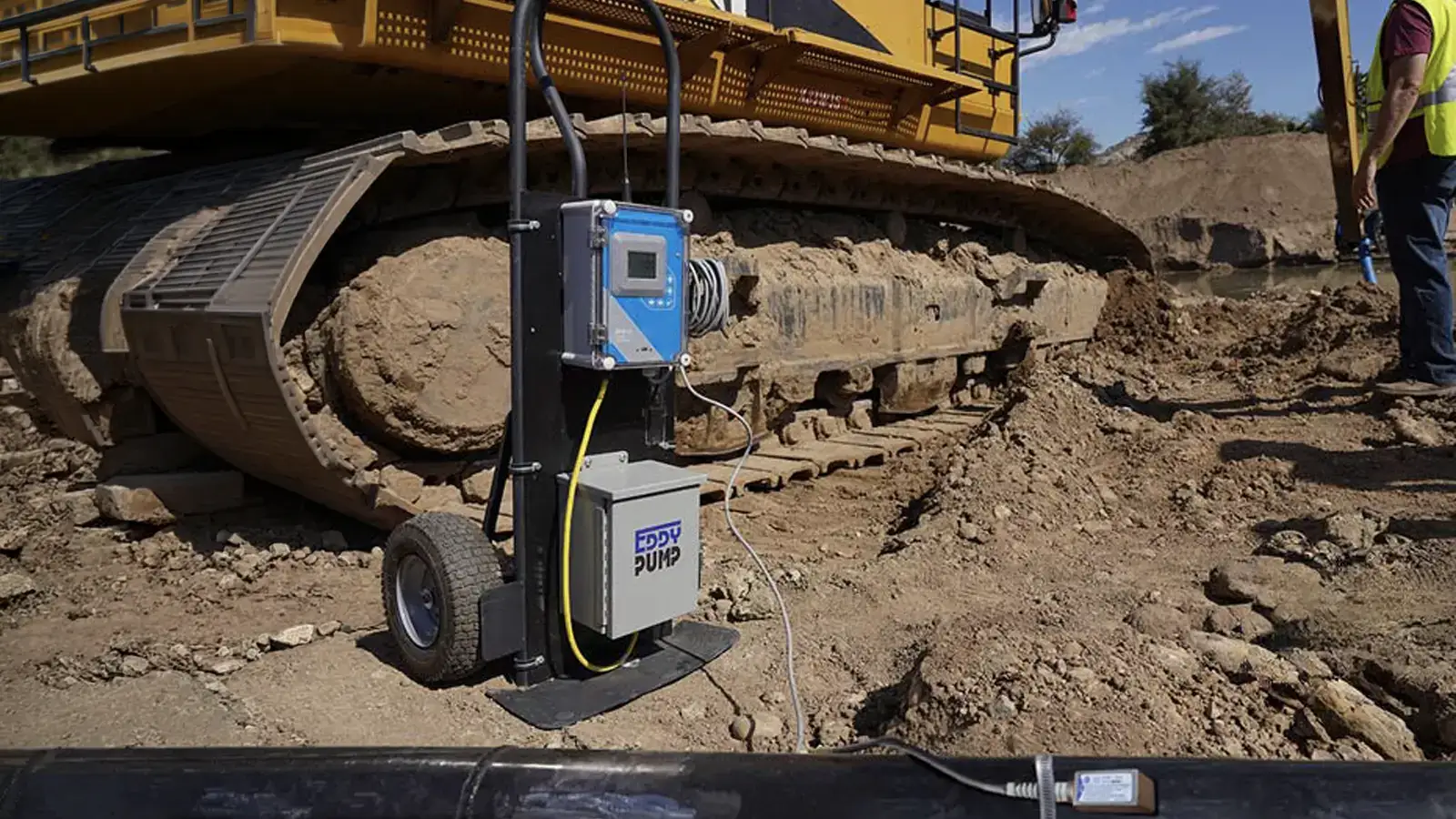
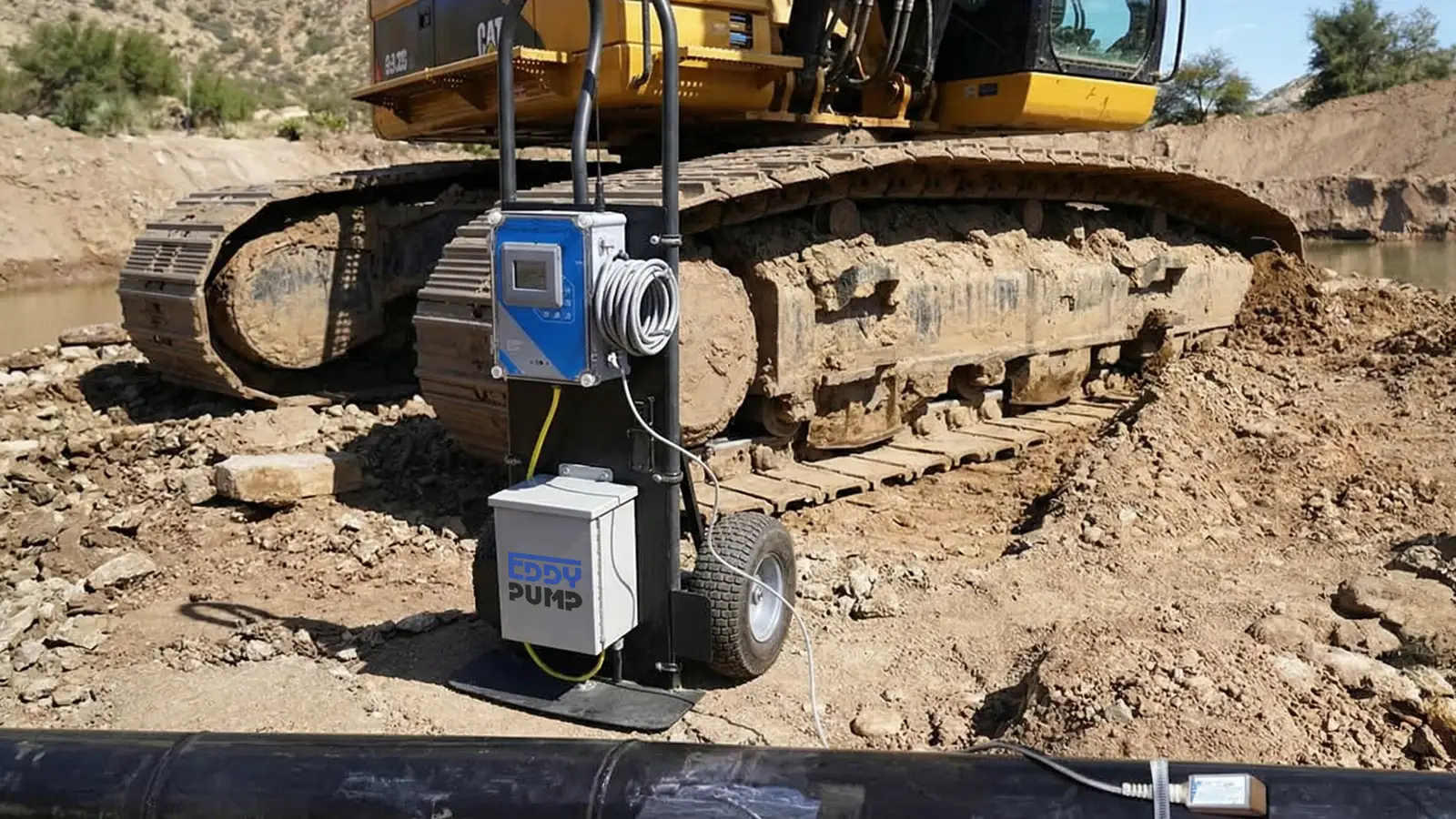
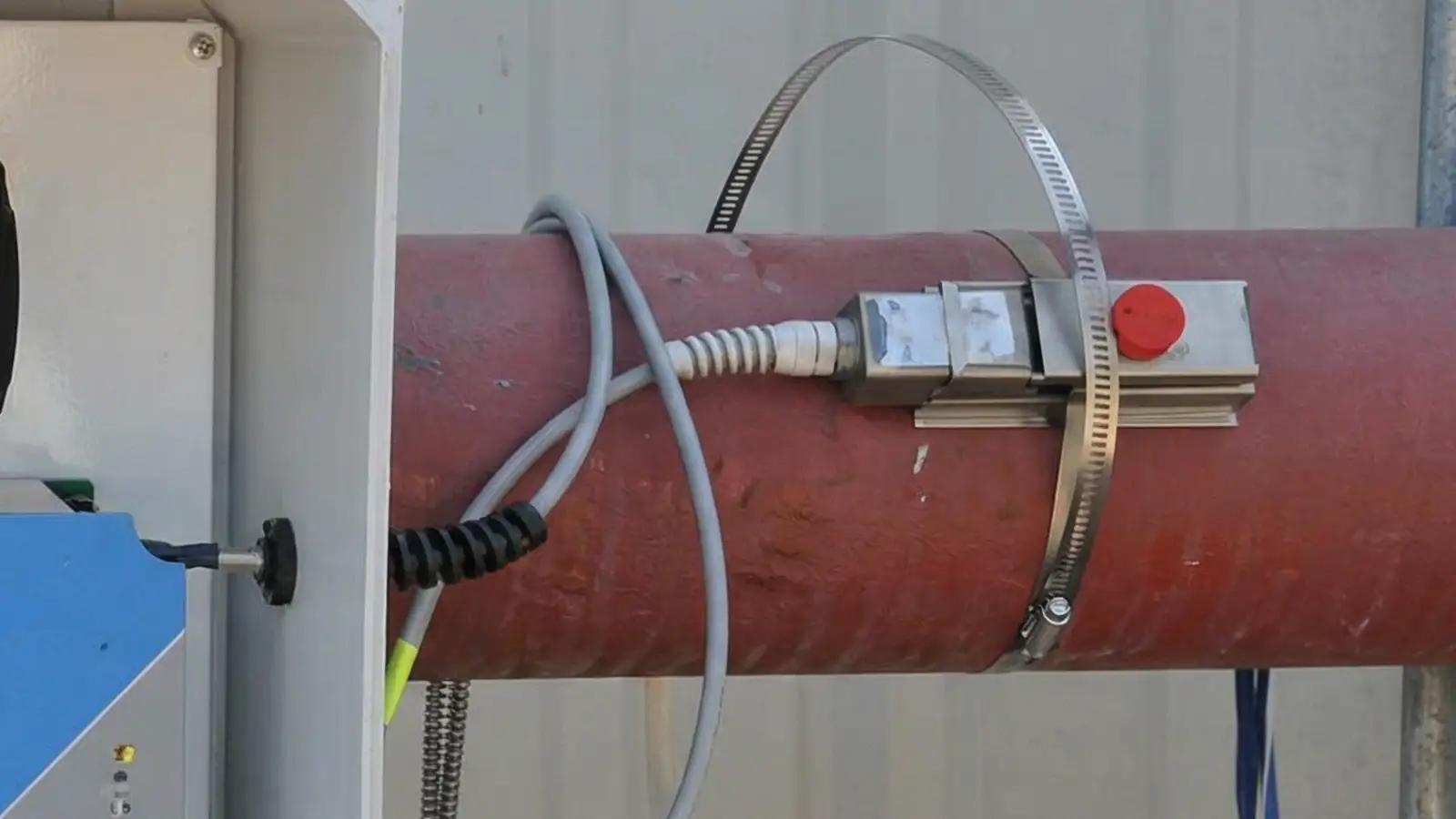
The EDDY Pump Doppler Ultrasonic Flow Meter delivers non-invasive, clamp-on flow measurement for dredging, slurry pumping, wastewater, and other challenging liquid applications involving solids or gas bubbles. Using Doppler ultrasound, it emits high-frequency sound waves through the pipe wall. It detects the frequency shift of reflections from suspended particles to calculate real-time flow velocity and rate with industrial-grade accuracy. Designed for rugged field use, the system mounts on full pipes without disrupting flow, and includes a portable enclosure with a backlit display, wireless cab monitor, and battery-powered operation. Operators gain instant insight into pipeline performance, helping prevent clogs, optimize production rates, and adjust pump speed on the fly, making it ideal for dredging and slurry transport environments.
Features and Benefits
- Designed specifically for slurry, dredging, and solids-laden flow applications where traditional flow meters fail
- Doppler ultrasonic technology accurately measures flow in liquids containing suspended solids or entrained air.
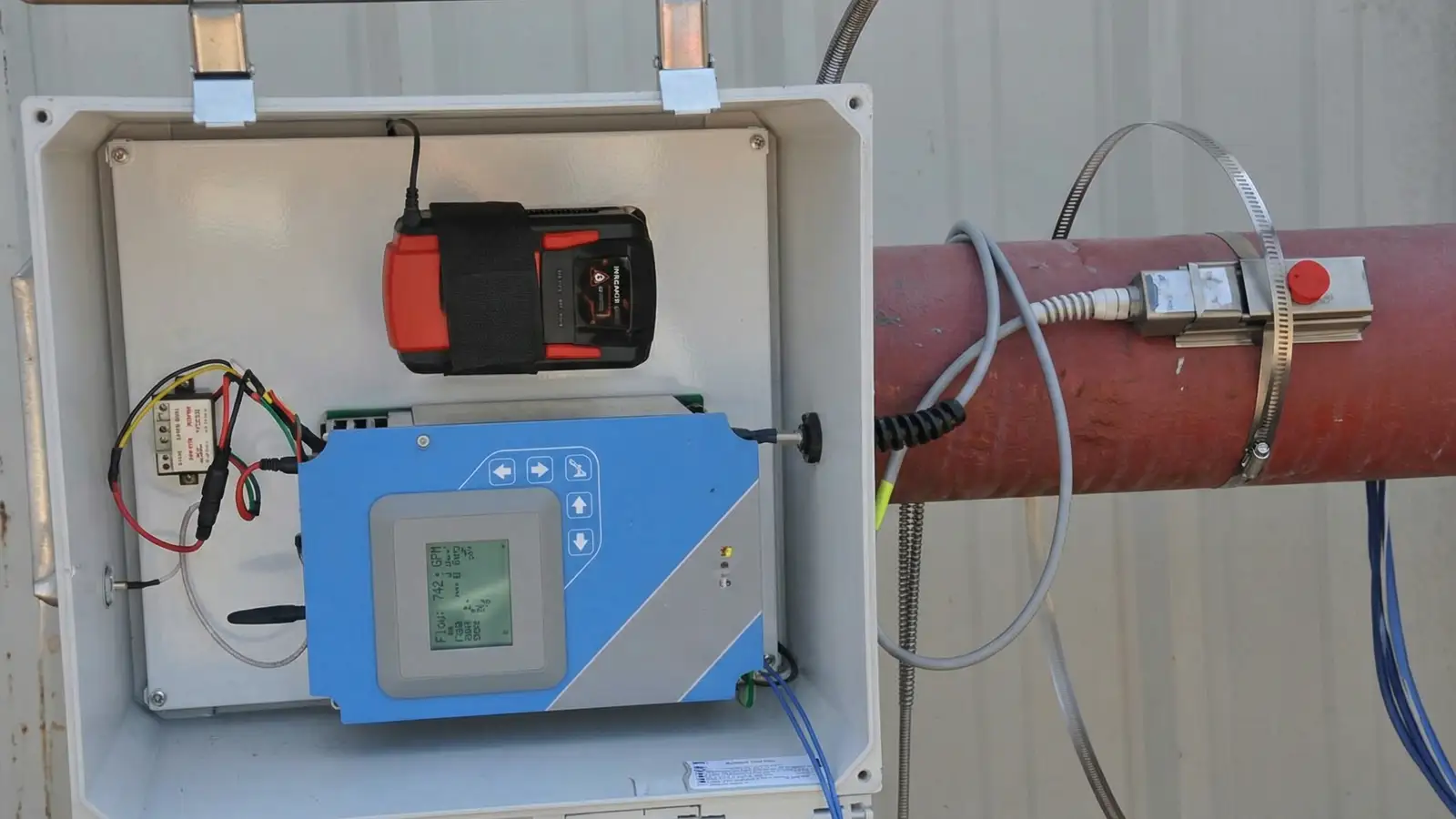
- Non-invasive clamp-on installation with no pipe cutting, welding, or system shutdown required.
- Wide pipe diameter compatibility ranging from 0.5 in to 15 ft in internal diameter, with flow velocities up to 40 ft/s, supporting everything from small transfer pipelines to large dredge and discharge lines.
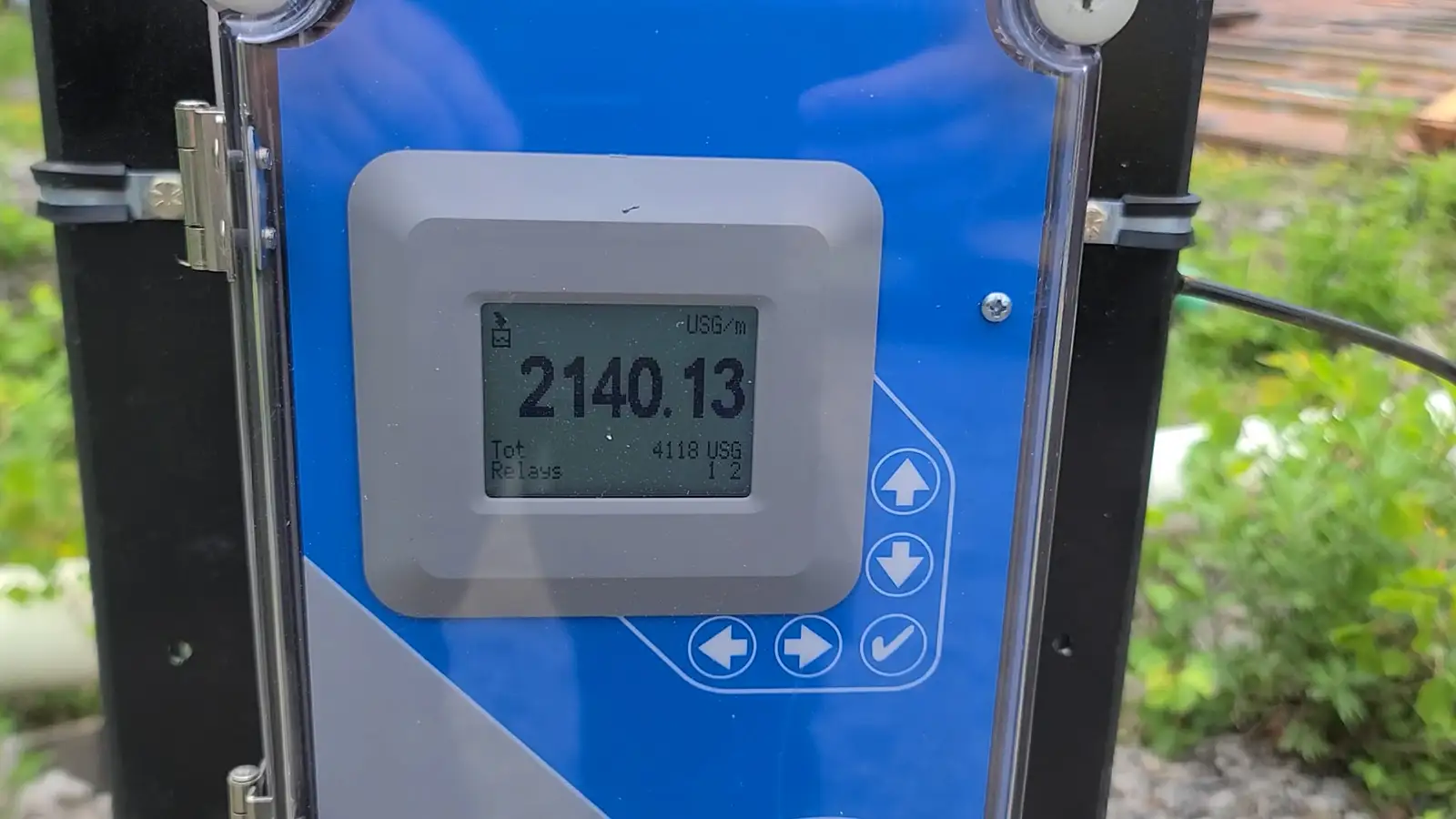
- The flow-rate display helps operators monitor production and adjust pump performance in real time.
- Rugged NEMA 4X IP66 enclosure built for harsh dredging, mining, and wastewater environments.
- High accuracy and repeatability when solids or bubbles are present in the flow stream.
- Multiple output options, including 4 to 20 mA, control relays, and onboard data logging for reporting and compliance.
- Portable system design allows easy relocation between projects or pipelines.
- Works with steel, ductile iron, concrete-lined, PVC, and HDPE pipes.
See The Doppler Wireless Flow Meter In Action
Technical Specifications

Performance Specifications
- Flow Velocity Range: ±0.1 to 40 ft/s
- Equivalent Flow Range: Application dependent, based on pipe diameter
- Accuracy: ±2 percent of reading or ±30 mm/s, whichever is greater
- Repeatability: ±0.1 percent
- Linearity: ±0.5 percent
- Measurement Method: Doppler ultrasonic, requires suspended solids or entrained air
- Minimum Solid or Bubble Size: 100 microns
- Minimum Concentration: 75 ppm

Operating Specifications
- Pipe Diameter Range: 0.5 in to 15 ft internal diameter
- Compatible Fluids: Wastewater, slurry, sewage, abrasives, viscous and aerated liquids
- Pipe Material Compatibility: Steel, stainless steel, cast iron, ductile iron, concrete-lined ductile iron, PVC, HDPE, bonded liners
- Pipe Condition Requirement: Full pipes with sound conducting wall

Electrical and Output Specifications
- Power Supply: 100–240 VAC, 50–60 Hz
- Optional Power: 9–32 VDC
- Analog Output: Isolated 4–20 mA or 0–5 V selectable
- Control Relays: Two SPDT relays, programmable for alarms or pulse output
- Data Logging: Built-in 26 million point data logger with USB export

Physical Specifications
- Flow Meter Enclosure: NEMA 4X IP66-rated polyester enclosure
- Display: Backlit matrix display with flow rate, totalizer, relay status, diagnostics
- User Interface: Five-button keypad with multi-language support
- Approximate Shipping Weight: 80 lb

Transducer Specifications
- Transducer Type: Single-head stainless steel ultrasonic Doppler transducer
- Cable Length: 25 ft shielded cable
- Mounting: Adjustable stainless steel mounting kit
- Submersion Rating: Designed to withstand accidental submersion up to 10 psi

Environmental Ratings
- Electronics Operating Temperature: -10 °F to 140 °F
- Transducer Operating Temperature: -40 °F to 300 °F
- Hazardous Area Capability: Intrinsic safety barriers available for Class I, II, III Div 1 and 2
Applications in Industrial Pumping
Dredging and Slurry Transport

Wastewater and Sewage Systems

Mining and Tailings Transfer

Industrial Process Slurries
Flood Control and Dewatering
Why a Slurry Flow Meter Is Critical for Dredging and Solids Pumping
Accurate flow measurement is essential for dredging and solids-pumping operations. Without real time data, operators rely on indirect indicators that fail to account for changing solids concentration, pipeline losses, and entrained air.

Production Control and Verification
- Confirms true slurry production rates rather than estimated output
- Supports daily production tracking and shift-level performance review
- Provides defensible flow data for reporting, project documentation, and verification

Operational Stability and System Protection
- Detects flow instability caused by blockages, air entrainment, or sediment changes
- Helps maintain minimum transport velocity to prevent settling and pipeline plugging
- Identifies underperforming pumps or restricted pipeline sections early

Efficiency and Decision Making
- Enables pump speed and operating adjustments based on actual flow conditions
- Reduces energy waste by matching pump output to system demand
- Minimizes downtime, rework, and unplanned maintenance events
Case Study - Production Verification on a Hydraulic Dredging Project

The Problem
A dredging contractor operating an EDDY Pump hydraulic dredging system was tasked with maintaining a specified production rate during a harbor maintenance project. Production reporting relied on indirect estimates such as pump speed, run hours, and assumed solids concentration. Variations in sediment type, pipeline friction, and entrained air made these estimates unreliable, leading to uncertainty in reported volumes and limited visibility into actual system performance.

The Solution
An EDDY Pump Doppler ultrasonic flow meter was installed on the slurry discharge pipeline to provide continuous, real-time flow measurement. Using Doppler technology, the flow meter accurately measured slurry velocity in solids-laden flow without cutting into the pipe or interrupting operations. Operators used live flow data to adjust pump speed and operating parameters, while logged data captured production trends throughout each shift.

The Result
With accurate flow data, the contractor verified true slurry production rates and correlated them with operating conditions. This improved day-to-day decision-making, reduced discrepancies in production reporting, and provided defensible documentation for client review. The project achieved more consistent output, improved operational efficiency, and greater confidence in reported dredging volumes.
Call for sales or support
If you need assistance with pump selection, sales or engineering support, call 619-404-1916.
Frequently Asked Questions
What is a slurry Doppler flow meter, and how does it work?
A slurry Doppler flow meter uses ultrasonic sound waves transmitted through the pipe wall to measure flow velocity. It calculates flow by detecting the frequency shift of sound reflected off suspended solids or entrained air bubbles. Because it relies on particles or bubbles in the liquid, it is a strong fit for dredging and solids pumping, where clean-fluid meters struggle.
Why is Doppler technology preferred for dredging and slurry applications?
Dredge and slurry lines often include variable solids concentration, abrasives, and entrained air. Doppler technology performs well in these conditions because solids or bubbles generate the signal needed for measurement, making it more reliable than technologies that require clean, bubble-free flow. Read More
Can the flow meter be installed without cutting into the pipe?
Yes. The transducer clamps onto the outside of the pipe, so there is no need to cut, weld, or stop flow. This simplifies installation on active dredge discharge lines and temporary bypass pipelines.
What fluids can this flow meter measure?
It is intended for liquids that contain suspended solids or bubbles, such as slurry, wastewater, sewage, tailings, abrasives, and viscous industrial fluids. For accurate measurement, there must be a minimum particle or bubble size and concentration present in the flow.
What pipe sizes can it handle?
It supports a wide range of internal pipe diameters, from 0.5 in to 15 ft. This allows use on both small industrial process lines and large dredge-discharge pipelines.
What pipe materials are compatible with clamp-on measurement?
It works on common pipe materials that conduct sound, including steel, stainless steel, cast iron, ductile iron, concrete-lined ductile iron, PVC, and HDPE. Bonded liners are generally acceptable, while loose liners or pipe walls that trap air can reduce signal quality.
How accurate is the UFM1000 in real field conditions?
Accuracy is specified as ±2 percent of reading or ±30 mm/s, whichever is greater, when the minimum solids or bubble requirements are met. Repeatability is high, which is valuable for tracking trends and comparing performance across shifts, even when slurry conditions change.
Does it work if there is air in the line?
Yes. Entrained air is common in dredging and slurry pumping, and Doppler flow meters typically handle aerated fluids better than many other flow measurement technologies. As long as the signal requirements are met, the meter will continue to provide stable readings.
Can it log data for reporting and documentation?
Yes. The system includes a built-in data logger and supports data export, making it practical for production tracking, client reporting, and validating pumped volumes over a defined time window.
Can the system be moved between different pipelines or job sites?
Yes. The clamp-on setup and portable system design make it suitable for contractors who need to redeploy equipment across multiple projects. This is especially useful for dredging campaigns, temporary bypass operations, and short-duration pumping work.
HD (Heavy Duty) Slurry Pumps / Dredge Equipment