- Why Slurry Pumps Wear Out Faster Than Standard Industrial Pumps
- How EDDY Pump Design Helps Reduce Wear
- What Determines How Long a Slurry Pump Lasts?
- Average Slurry Pump Lifespan: Industry Reality vs. EDDY Pump Performance
- The Real Cost of Slurry Pump Downtime
- Best Maintenance Practices to Extend Eddy Pump Life
- So, How Long Do Eddy Pumps Last?
- Conclusion
- Frequently Asked Questions About EDDY Pump Durability
That is why the better question is not simply, “How long does a slurry pump last?” The better question is, “What causes slurry pumps to wear out, and how does pump design change that outcome?”
That is where EDDY Pumps stand apart. In demanding slurry applications, service life is shaped by how solids behave inside the pump, how much internal recirculation occurs, how much friction the system creates, and how well the pump handles high solids without forcing abrasive material through tight internal clearances. When those variables are managed well, pump wear slows down, downtime drops, and return on investment improves.
Why Slurry Pumps Wear Out Faster Than Standard Industrial Pumps
Abrasive and Viscous Materials Change Everything
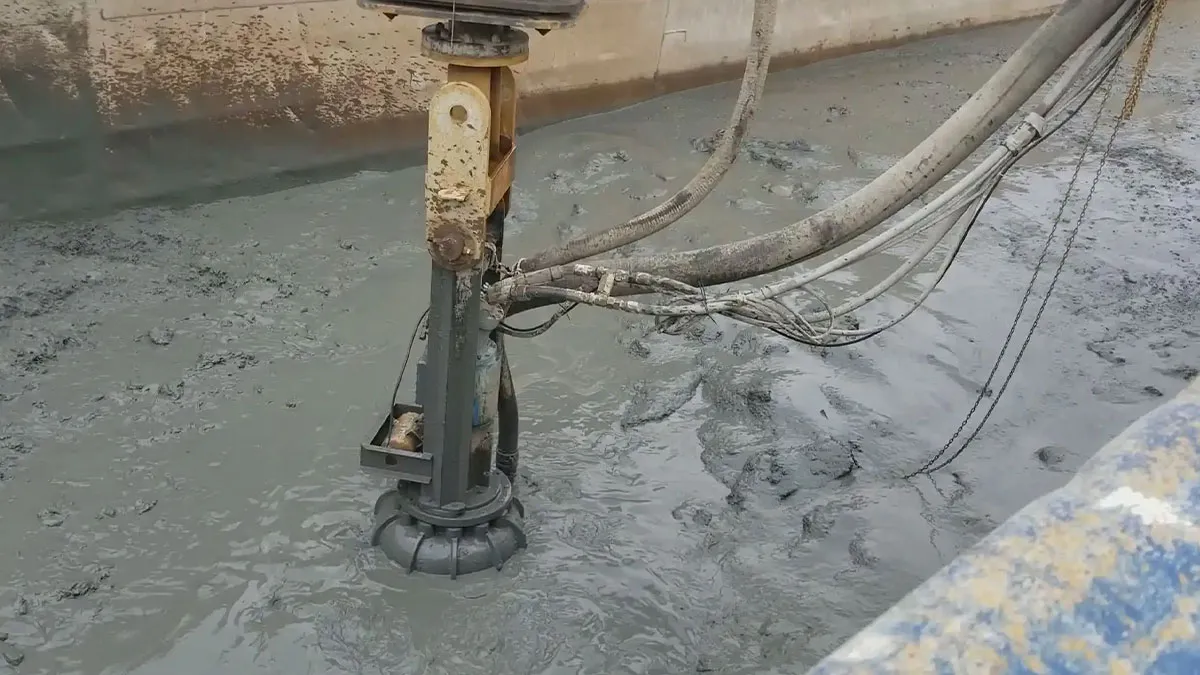
A standard industrial pump moving relatively clean liquid lives an easier life than a slurry pump. Clean fluids create less internal impact, less friction, and less turbulence. Slurry is different. It contains solids, grit, debris, sand, sludge, scale, or other abrasive material that repeatedly contacts internal surfaces as it moves through the system.
That constant contact is what shortens slurry pump lifespan. In high solids pumping applications, particles do not simply pass through the pump one time and politely leave. They collide with internal parts, scrape against wear surfaces, and create continuous erosion. Over time, material loss builds, clearances change, efficiency drops, and maintenance requirements increase.
Viscous material adds another layer of difficulty. Thicker flow resists movement, changes how solids travel through the pump, and can increase internal drag in designs that are not built for it. The result is a system that runs hotter, wears faster, and becomes less predictable under load.
Abrasion resistance matters in these environments, but corrosion resistance matters too. If the slurry contains chemicals, salt, acids, or reactive compounds, corrosion can weaken components even while abrasion is already wearing them down. That is why long slurry pump life depends on managing both physical wear and chemical wear at the same time.
Mechanical Stress Builds Over Time
Slurry pump wear is not caused by material alone. It is also caused by the way the system runs.
Many slurry pumps operate continuously in mining, dredging, wastewater treatment, oil and gas, industrial processing, or heavy construction. Long duty cycles increase stress on the pump body, seals, bearings, and wear components. Improper pump sizing adds even more strain. A pump that is too small may run harder than it should. A pump that is too large may create unstable flow conditions. Either way, poor operating fit creates heat, vibration, uneven wear, and higher maintenance demands.
This is why slurry pump lifespan is usually shorter than the lifespan of a standard clear-liquid pump. The environment is harsher, the solids are more destructive, and the system has less room for error.
How EDDY Pump Design Helps Reduce Wear
Why Conventional Slurry Pump Designs Wear Faster
In many conventional pump designs, wear accelerates because solids are forced through tighter internal paths and recirculate before exiting. That repeated internal contact creates more collision points, more friction, and more surface damage. In abrasive applications, that wear pattern can become expensive in a hurry.
Common wear drivers in traditional designs include:
- solids recirculating and striking internal components multiple times
- tighter clearances that increase friction and surface damage
- greater dependence on hard materials alone to slow wear
- flow paths that are less forgiving with viscous slurry and larger solids
A pump can be built from tough materials and still wear too quickly if the internal flow pattern keeps forcing solids into damaging contact.
How EDDY Pump Design Changes the Wear Pattern
EDDY Pump design takes a different approach. Instead of relying only on harder materials to survive abrasive flow, it is designed to let solids and viscous material move more freely through the pump. That change matters because it reduces how often particles strike internal surfaces and how much grinding happens inside the pump.
In practical terms, that means:
- less restriction for solids-heavy flow
- less repeated internal contact
- lower friction with viscous materials
- fewer internal impact points over time
That difference in flow behavior is one of the biggest reasons EDDY Pump service life can be stronger in abrasive slurry applications. The goal is not just to survive wear better. The goal is to create less wear in the first place.
Built for Continuous Industrial Stress
Flow design matters, but structural durability matters too.
In real industrial applications, slurry pumps do not live in perfect laboratory conditions. They run for long hours, under fluctuating loads, in environments that may include chemical exposure, unstable slurry composition, abrasive particles, or changing solids concentration. A pump that cannot maintain alignment and stability under those conditions will wear faster no matter how clever the internal design may be.
That is why heavy-duty construction still matters. A rigid pump structure helps components stay aligned during continuous operation. Better stability reduces vibration, protects wear surfaces, and lowers the kind of uneven loading that increases maintenance requirements.
Material selection also plays a role. Abrasion resistance protects against physical wear. Corrosion resistance protects against chemical degradation. In slurry systems, both matter. A pump that handles only one side of the problem is like bringing an umbrella to a hurricane and calling it a plan.
What Determines How Long a Slurry Pump Lasts?
A slurry pump’s lifespan depends on more than brand name or product category. It depends on how well the pump matches the actual job.
1. Slurry Characteristics
Start with the slurry itself. This is often the biggest driver of pump wear.
Key variables include:
- Particle size: Large, sharp particles increase impact damage on internal surfaces.
- Particle concentration: Higher solids concentration increases contact frequency and wear.
- Specific gravity: Heavier mixtures demand more energy and put more stress on the system.
- Viscosity: Thicker material resists flow and can change internal movement patterns.
- Chemical composition: Salts, acids, and reactive elements increase corrosion risk.
A pump may perform well in one slurry application and wear much faster in another simply because the material characteristics are different.
2. Operating Conditions
Operating conditions shape how aggressively wear develops over time.
Important factors include:
- continuous duty cycles
- high solids pumping demands
- unstable flow conditions
- improper sizing
- off-design operation
- pressure fluctuations
- temperature swings
When these conditions stack on top of abrasive material, service life shortens quickly.
3. System Setup and Installation
A pump can be well-designed and still perform badly if the system setup is poor.
Common setup issues that reduce slurry pump lifespan include:
- misalignment that causes vibration and uneven wear
- poor sealing that allows leaks or disrupts flow
- incorrect installation that adds stress to key components
- operation outside recommended conditions
Early setup mistakes have a nasty habit of becoming expensive “mystery” failures later.
4. Maintenance Discipline
Maintenance is one of the few factors you control directly.
Routine inspection, wear monitoring, alignment checks, and condition-based adjustments help prevent small problems from turning into large ones. Good maintenance does not make abrasive slurry magically gentle, but it does help the pump stay in a healthy operating window for longer.
Average Slurry Pump Lifespan: Industry Reality vs. EDDY Pump Performance
Slurry pump lifespan is usually measured less by calendar age and more by how quickly internal wear accumulates under actual conditions. In high-wear environments, many slurry pumps require major service, part replacement, or internal rebuilds far sooner than operators would like. That is especially true in mining, dredging, wastewater treatment, and other high solids applications where abrasive material remains in constant contact with internal components.
What drives shorter service intervals in standard slurry pumps?
- continuous internal contact between solids and wear surfaces
- repeated recirculation of abrasive particles
- rising maintenance requirements as clearances change
- more downtime from repairs, rebuilds, and part replacement
That is where EDDY Pump performance can look different. Because the design reduces repeated internal contact and allows solids to pass more freely, wear can develop more slowly under comparable abrasive conditions. In practical terms, that can mean:
- longer service intervals
- fewer internal wear points
- lower maintenance frequency
- more predictable uptime
- better long-term operating stability
The real point is simple: pump longevity depends heavily on application fit. A pump that matches the workload, slurry composition, and operating conditions will usually outlast one that does not. Eddy Pump Corporation’s advantage is that the design is aimed at real slurry conditions, not idealized water-pump conditions dressed up with tougher parts.
The Real Cost of Slurry Pump Downtime
Slurry pump failure is not just a repair event. It is an operations event.
When a pump goes down, direct costs show up quickly:
- lost production
- repair labor
- emergency maintenance
- replacement parts
- system restart time
But the indirect costs often bite harder:
- process delays
- reduced throughput
- disrupted schedules
- extra wear on connected equipment
- more reactive maintenance across the system
In industries like mining, dredging, and wastewater treatment, downtime does not politely stay in one corner. It tends to spread. One failed pump can affect timelines, resource allocation, maintenance planning, and output across the broader operation.
That is why durability matters more than purchase price alone. A cheaper pump that demands constant attention often becomes the more expensive pump over its lifecycle.
Best Maintenance Practices to Extend Eddy Pump Life
Even a strong slurry pump design performs better with disciplined maintenance. The goal is not to wait for visible failure. The goal is to catch changes in wear behavior before they become breakdowns.
Preventive Maintenance That Actually Helps
Focus on consistent checks, not heroic last-minute repairs.
Good preventive maintenance includes:
- scheduled inspections for wear, leaks, and alignment issues
- wear part monitoring before parts hit critical limits
- performance checks for pressure, flow, and stability changes
- adjustments based on actual slurry conditions
- routine review of seals, clearances, and operating trends
This helps turn maintenance from reactive firefighting into controlled system management.
Practical Steps That Improve Pump Lifespan
A few decisions can meaningfully improve slurry pump durability over time:
- use the right materials for the slurry’s abrasive and chemical profile
- monitor flow rate and pressure to avoid overload conditions
- keep operation within recommended limits
- investigate sudden changes in performance quickly
- train operators to spot early warning signs before damage spreads
In the long run, these habits reduce downtime, stabilize performance, and improve return on investment.
So, How Long Do Eddy Pumps Last?
There is no honest one-size-fits-all answer, because slurry pump lifespan depends on the application.
An EDDY Pump running a well-matched system with proper setup and proactive maintenance can deliver longer service intervals than conventional slurry pump designs in abrasive, high solids, and viscous material applications. But no pump is immortal. Service life still depends on solids concentration, particle size, chemistry, operating conditions, and how well the pump is maintained.
The more useful answer is this: EDDY Pumps are designed to last longer where wear is normally accelerated, because the design reduces internal contact and handles solids differently than conventional pumps. That does not remove the laws of physics. It just stops picking unnecessary fights with them.
Conclusion
Slurry pump lifespan is shaped by more than toughness alone. Abrasive materials, viscous flow, corrosion risk, operating stress, system setup, and maintenance discipline all influence how long a pump performs reliably. In harsh industrial environments, conventional designs often wear faster because solids repeatedly contact internal components and create ongoing friction and erosion.
EDDY Pump design changes that wear pattern. By allowing solids to move more freely and reducing repeated internal impact, it helps slow the development of wear in demanding slurry applications. That can mean longer service intervals, lower maintenance requirements, less downtime, and a more predictable return on investment.
That is the real takeaway: Eddy Pumps last longer when the system is designed correctly, the application is understood clearly, and the pump is maintained with discipline. Good design buys you time. Good operation makes the most of it.
Frequently Asked Questions About EDDY Pump Durability
What factors affect slurry pump lifespan the most?
The biggest factors are slurry composition, particle size, solids concentration, viscosity, chemical exposure, operating conditions, system setup, and maintenance quality. In high solids pumping applications, wear usually accelerates when abrasive material repeatedly contacts internal surfaces.
How long should a slurry pump last in abrasive service?
There is no universal lifespan because service life depends on the application. In harsh abrasive environments, many slurry pumps need major service much sooner than operators expect. Pumps designed to reduce internal wear and matched properly to the job typically last longer and maintain more stable performance.
Why do EDDY Pumps last longer in many slurry applications?
EDDY Pumps are designed to reduce repeated internal contact between solids and critical components. That changes how wear develops inside the pump. Instead of relying only on harder materials, the design aims to create less internal friction and fewer impact points in the first place.
Does high solids pumping always shorten pump life?
High solids pumping almost always increases wear risk, but the degree depends on pump design, slurry characteristics, and operating conditions. A pump built specifically for high solids and abrasive material will usually handle that environment better than a standard pump design.
What maintenance practices reduce downtime the most?
Scheduled inspection, wear monitoring, alignment checks, seal review, and condition-based operating adjustments all help reduce downtime. The best maintenance programs catch wear trends early instead of waiting for failure to announce itself with a repair invoice.
Is abrasion the only cause of slurry pump failure?
No. Abrasion is a major cause, but corrosion, vibration, poor sizing, misalignment, unstable flow, and inconsistent operation also reduce pump lifespan. In slurry service, failure usually comes from a combination of stresses rather than a single villain.
How does pump design affect return on investment?
Pump design affects how efficiently solids move through the system and how quickly internal wear develops. A design that reduces friction, limits repeated internal impact, and handles viscous material more effectively can lower downtime, reduce maintenance cost, and extend useful service life. Over time, that improves total return on investment.