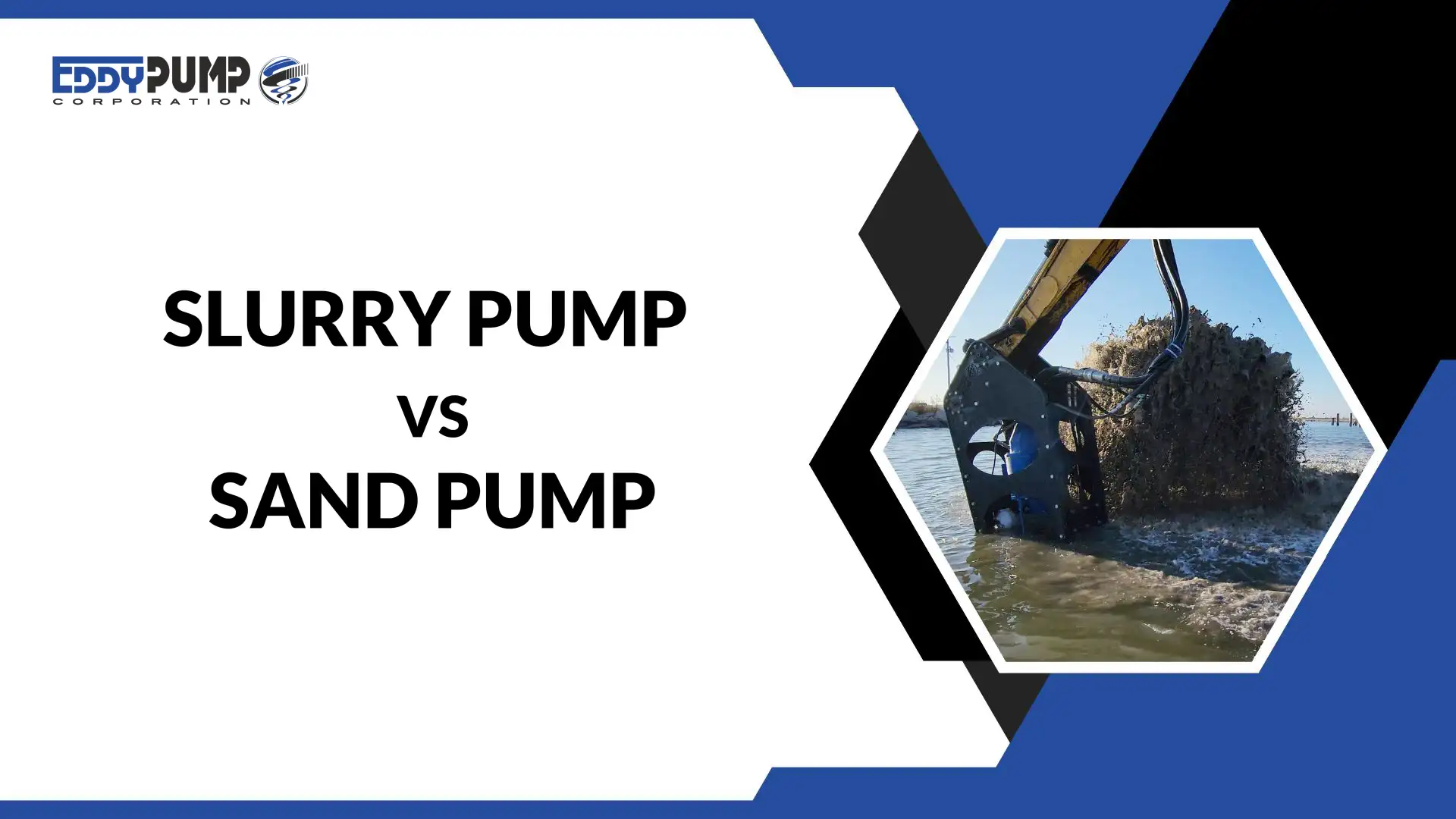
Dredging is a fundamental activity in many industries, including construction, mining, and environmental management. Despite advancements in technology, the basic excavation methods employed by dredges have remained consistent since the late 1800s, highlighting their historical significance and effectiveness in maintaining navigation channels. It involves the removal of sediment, debris, and other materials from the bottom of bodies of water such as rivers, lakes, and oceans. The equipment used for this process is known as a dredge. Understanding what is a dredge, what is a dredger, and what is a dredge boat is essential for appreciating its critical role in maintaining waterways, developing infrastructure, and managing environmental concerns.
What Is a Dredge?
A dredge is a specialized machine designed to remove sediment, sludge, and debris from the bottom of bodies of water. It consists of various components that work together to excavate material and transport it to another location. Dredging is the act of using this equipment to achieve those goals. The term “dredging” is derived from the Dutch word “dreggen,” which means to scoop or drag. This equipment is often mounted on a dredge boat, which helps position it over the targeted area. Knowing what is a dredge boat and how it operates can be vital in selecting the right dredging approach.
Dredges come in various types, with different designs to accommodate specific project requirements. The two main categories are mechanical dredges, which use buckets or scoops, and hydraulic dredges, which utilize pumps to suck up sediments. A cutter suction dredge (CSD) is a highly efficient and cost-effective dredging solution that utilizes a mechanical cutterhead to excavate material from the seabed for transportation through a pipeline to a designated placement area. The cutter suction dredger is a versatile and effective type of dredge specifically designed for various dredging applications, capable of loosening hard materials using a rotating cutterhead and maintaining water quality by removing sediments, pollutants, and debris from different water bodies. Each type has distinct advantages, depending on the nature of the dredging task. Understanding what a dredger is and the different types available can help in selecting the right equipment for specific projects.

The Purpose of Dredging
Dredging serves multiple purposes across various industries, and it is essential for several key activities:
-
Maintenance of Waterways and Navigational Channels: Regular dredging ensures that shipping lanes and canals are deep enough for safe passage. This routine process, known as maintenance dredging, removes naturally accumulated sediments to ensure safe navigation in ports and channels. It prevents sediment buildup that could restrict vessel movement, leading to potential accidents or grounding. Knowing what a dredge is used for in this context highlights its importance in maritime safety.
-
Harbor and Port Development: Dredging is used to create or expand ports and harbors, making them accessible to larger ships. This process often involves the removal of sediment and rock to deepen channels and accommodate increased cargo loads.
-
Environmental Cleanup and Remediation: Dredging is crucial for ecological restoration, especially in areas affected by pollution. It helps remove contaminated sediments from water bodies, improving water quality and restoring habitats for aquatic life. Understanding what a dredger is used for in environmental applications is key to its role in sustainable practices.
-
Sand Mining and Land Reclamation: In some regions, dredging is used to extract valuable materials like sand and gravel from the seabed. It also plays a vital role in reclaiming land from the sea by depositing dredged material in designated areas.
Key Components of a Dredge
The structure of a dredge may vary based on its type, but most dredges share several fundamental components:
-
Cutter Head or Bucket: These are used to loosen the sediment at the bottom. Mechanical dredges typically use buckets or scoops, while hydraulic dredges often feature a rotating cutter head to break up compacted material. The cutter head is a vital part of what is a dredge boat’s operation.
-
Pump and Suction System: In hydraulic dredges, pumps create suction to draw sediment and water through the intake. The mixture, called slurry, is then transported through pipelines for disposal.
-
Pipeline or Discharge System: Once the slurry is collected, it is transported through a pipeline to a designated disposal area, which could be on land, at sea, or in a containment facility. A hopper dredge is particularly efficient in this process, as it can quickly transport dredged material to disposal sites without assistance, enhancing productivity in deep water and expansive environments.
-
Additional Components: Depending on the dredge type, additional parts may include spuds for anchoring, floating platforms, or stabilizing structures to ensure the dredge remains in position.

Types of Dredges, Including Cutter Suction Dredge, and Their Specific Uses
There are various types of dredges, each suited to specific tasks:
-
Mechanical Dredges: These dredges use buckets or scoops to collect material. Common types include backhoe dredges and clamshell dredges, typically used for projects where precision is needed, such as harbor excavation.
-
Hydraulic Dredges: These use pumps to suction sediment. Cutter suction dredges and trailing suction hopper dredges are the most common types. They are ideal for large-scale dredging projects like deepening shipping channels or sand mining.
-
Specialty Dredges: These are designed for specific tasks, such as water injection dredges, which fluidized sediment to help it naturally flow away, and auger dredges, used for dredging narrow canals or lakes. Knowing what a dredger is used for in each context helps to understand its versatility.
Selecting the right type of dredge is crucial for the success of various dredging projects, ensuring efficient workflows and effective material handling. The characteristics of the dredging site, including water depth and sediment type, significantly influence the choice of equipment and the overall dredging process.
The Dredging Process: How Does It Work?
Dredging involves several steps, starting with mobilizing the dredge to the worksite. The dredge loosens the sediment using its cutter head or bucket, depending on the type. A mechanical dredge, which uses buckets or scoops to collect material, is particularly effective in confined spaces and for projects in harbors and protected channels. Hydraulic dredges pump the slurry through a pipeline, while mechanical dredges scoop material directly. The collected material is then transported to a designated disposal site.
Factors like sediment type, water depth, and project scale influence the choice of dredging techniques and equipment. Dredging can be a continuous or intermittent process, depending on the project’s requirements. Knowing what a dredge boat does during this process provides insight into how complex and versatile these machines can be.
Environmental Applications of Dredging
Dredging plays a crucial role in environmental conservation and restoration, particularly for habitat restoration. By removing excess sediment and debris, dredging helps restore habitats and ecosystems damaged by human activities or natural disasters. This sediment removal process is vital for maintaining the health of aquatic ecosystems, ensuring that native species can thrive.
One of the key environmental applications of dredging is the management of aquatic ecosystems. By removing invasive species and restoring native habitats, dredging helps maintain the ecological balance. Additionally, dredging improves water quality by removing pollutants and contaminants from waterways. This not only benefits aquatic life but also ensures that the water is safe for human use.
Dredging is also used for environmental cleanup jobs to reduce exposure of humans, fish, and other wildlife to contaminated sediments. By addressing these contaminated sediments, dredging operations contribute to the overall health and sustainability of the environment.
Industrial Applications of Dredging
Dredging is essential for various industrial applications, making it an indispensable process in many sectors. In construction, dredging is crucial for excavating underwater foundations for bridges, docks, and piers. This basic excavation method ensures that structures are built on solid ground, providing stability and safety.
Dredging also facilitates the creation of new waterways, which are vital for large-scale construction projects. In the mining industry, dredging is used to extract valuable minerals and resources from underwater deposits. This sediment removal process is efficient and cost-effective, making it a preferred method for mining operations.
Energy production relies heavily on dredging, particularly for constructing and maintaining underwater infrastructure for offshore wind farms and oil rigs. Dredging ensures that these structures are securely anchored and can withstand harsh marine conditions. Additionally, dredging is vital for maintaining navigation channels and waterways, ensuring the safe passage of cargo vessels and passenger liners.
Dredged Material Management
Dredged material refers to sediments removed from the waterway during the dredging process. The management of dredged material is crucial to ensure environmental sustainability and minimize potential impacts on aquatic ecosystems. Proper handling and disposal of dredged material are essential to prevent environmental degradation.
Dredged material can be reused for various purposes, such as beach nourishment, land reclamation, and construction projects. This not only reduces waste but also provides valuable resources for other applications. However, dredged material may also contain contaminants, such as heavy metals and pollutants, which require proper disposal and management.
The U.S. Army Corps of Engineers and other regulatory agencies have established guidelines for the management of dredged material, including disposal and reuse options. These guidelines ensure that dredging operations are conducted in an environmentally responsible manner. Proper dredged material management is essential to minimize environmental impacts and ensure the long-term sustainability of dredging operations.
Key Benefits of Using a Dredge
-
Improved Navigation and Safety: Regular dredging keeps navigational channels clear, allowing for the safe passage of vessels and preventing accidents. Understanding what is a dredge and its importance in this regard ensures that waterways remain open and secure.
-
Prevention of Flooding: By maintaining river depths and removing silt and debris, dredging reduces the risk of flooding in low-lying areas.
-
Environmental Benefits: Dredging helps remove pollutants from contaminated sediments, improving water quality and restoring ecosystems. Knowing what a dredger's role in ecological protection showcases its significance.
-
Economic Advantages: Dredging can support economic activities such as mining and land reclamation, creating new opportunities for development.
Challenges and Considerations in Handling Dredged Material During Dredging Operations
While dredging provides many benefits, it also poses challenges:
-
Environmental Impacts: Dredging can disturb aquatic habitats and impact water quality, potentially harming marine life.
-
Regulatory Requirements: Dredging projects often require permits to ensure compliance with environmental regulations, which can be time-consuming and costly.
-
Technical Difficulties: Dredging operations may face issues like equipment wear, debris management, or dealing with difficult sediment types. Understanding what a dredge is used for in various conditions helps in navigating these challenges.
Innovations and Future Trends in Dredging Technology
Dredging technology continues to evolve, with new advancements aimed at improving efficiency and reducing environmental impact:
-
Automation and Remote Operation: Dredges are increasingly equipped with automated systems and remote control capabilities for safer and more precise operations.
-
Environmental Dredging Techniques: New methods, such as silt curtains and turbidity monitoring, help minimize the impact on marine environments.
-
Real-Time Monitoring Systems: Technology enables real-time monitoring of dredging activities to ensure project goals are met while adhering to environmental guidelines.
How to Choose the Right Dredge for Your Project
Selecting the right dredge depends on several factors:
-
Project Size and Scope: Larger projects may require hydraulic dredges, while smaller, more precise tasks might use mechanical dredges. Understanding what is a dredge suitable for your project can lead to better outcomes.
-
Sediment Type: The nature of the material being dredged influences the choice of dredge equipment.
-
Depth and Location: Consider the water depth and site conditions when selecting a dredge. Consulting with experts can help determine the most suitable equipment.
Conclusion
Dredging plays a critical role in maintaining waterways, supporting infrastructure development, and managing environmental concerns. Understanding what is a dredge, what is a dredger, and what is a dredge boat can help ensure successful project outcomes. As dredging technology continues to evolve, it will become even more integral in addressing modern challenges.
For more information on dredging equipment and consultation services, contact a reliable dredge equipment supplier to discuss your project's needs.