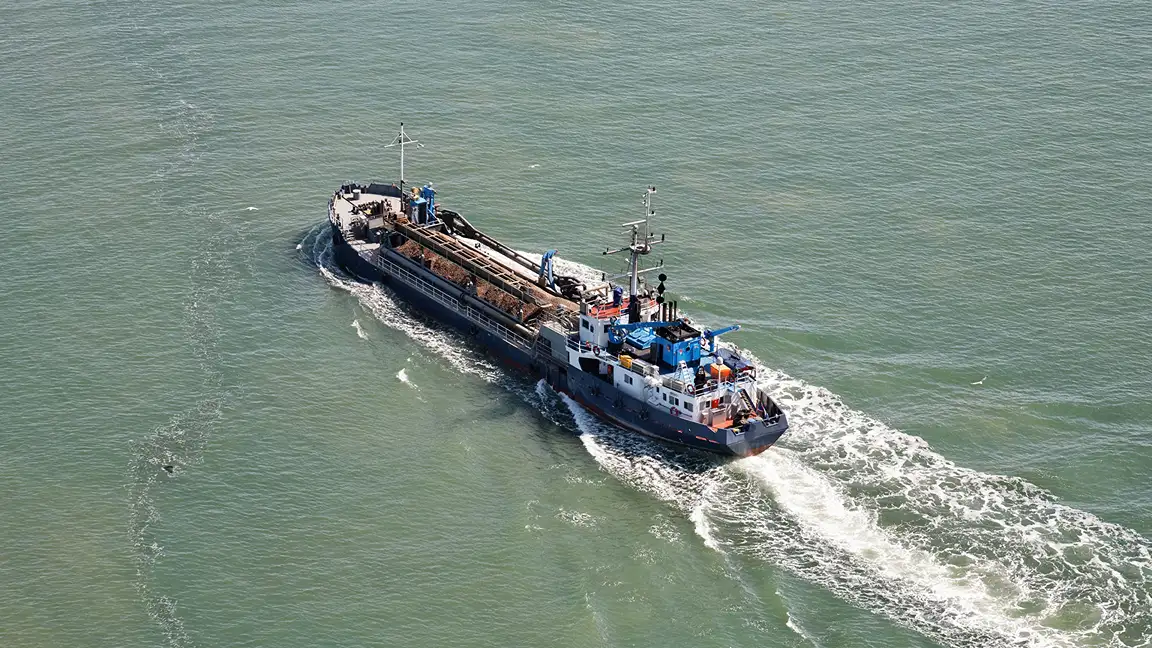
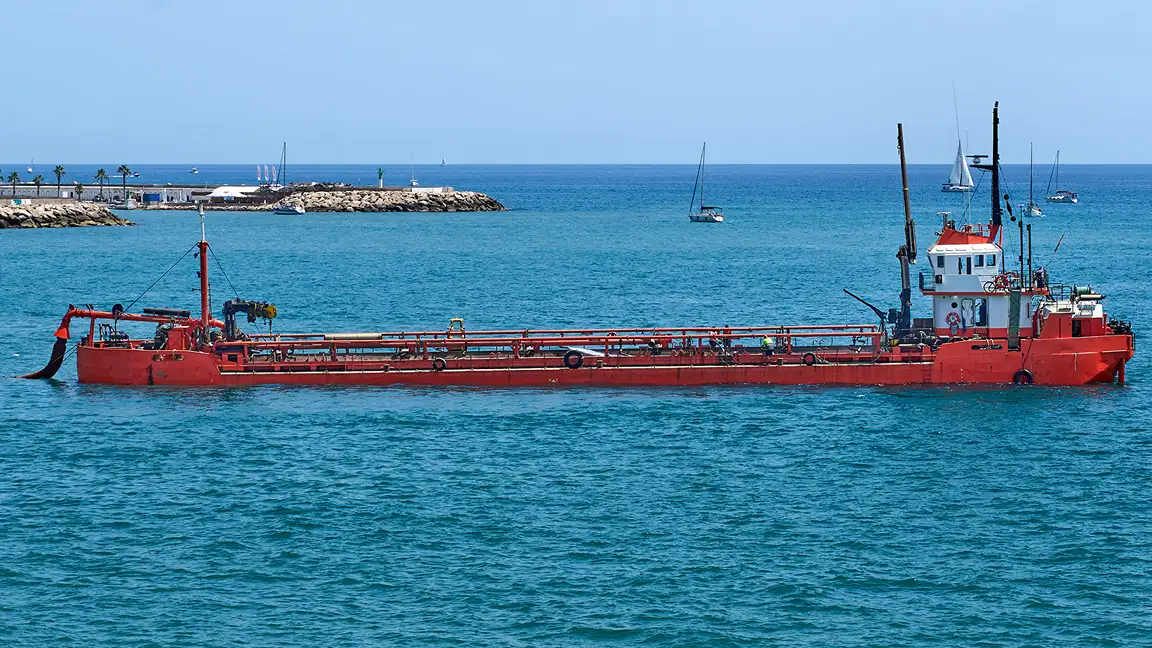
Suction dredges are the backbone of modern industry and environmental management, changing the way sediment is removed, relocated, and restored. This method is unmatched for sediment removal for all applications, from riverbed cleaning to large-scale mining. Its role in industrial and environmental projects is critical to the continuity of operations and ecological balance. What makes suction dredging so valuable is its versatility, and with advances in suction dredge pumps and cutter suction dredgers, it’s even more effective.
These advances have brought precision, reduced environmental impact and cost efficiency, making suction dredges an essential tool for industries that are focused on sustainability and productivity. This guide goes into detail about suction dredge systems. It looks at the technology, the benefits, and the applications across industries and how they are shaping modern industrial and environmental practices.
These innovations have enhanced precision, reduced environmental impact, and improved cost-efficiency, making suction dredges indispensable tools for industries focused on sustainability and productivity. This comprehensive guide delves into the detailed workings of suction dredge systems. It highlights their technological advancements, operational benefits, and broad applications across sectors, showcasing their pivotal role in shaping modern industrial and environmental practices.
Understanding Suction Dredging
What is Suction Dredging?
Suction dredging is a widely used technique for removing underwater materials such as sediment, silt, debris, and minerals. The process relies on a powerful vacuum mechanism generated by a suction dredge pump to extract material mixed with water. This slurry, which includes dredged material, is then transported through pipe channels to a designated discharge point, where the material can be processed or deposited.
Unlike other dredging methods, suction dredging is particularly effective for loose and fine-grained materials, making it a go-to solution for applications like riverbed cleaning, harbor maintenance, and mining. Its precision allows operators to target specific areas without disturbing the surrounding environment, a crucial factor in both industrial and ecological projects.
Types of Dredgers
Dredgers are the backbone of the dredging industry, each type tailored to specific tasks and environments, ensuring optimal performance for various applications such as land reclamation projects, mining operations, and environmental remediation. Understanding the different types of dredgers can help in selecting the right equipment for a particular dredging project.

Comparison with Other Dredging Techniques
Suction dredging sets itself apart through efficiency, adaptability, and reduced environmental impact. Here's how it compares to other dredging methods:
Mechanical Dredging
Traditional mechanical methods use heavy machinery, such as clamshell buckets or draglines, to physically scoop up material. While effective for hard-packed debris and silt in large quantities, large volumes of slurries, or large objects, mechanical dredging often causes significant disturbance to the surrounding environment and is less efficient for finer sediments.
Hydraulic Dredging
Suction dredging is a subset of hydraulic dredging, but it stands out due to its streamlined operation. The discharge pipeline plays a crucial role in transporting dredged materials from the dredging equipment to designated disposal sites, enhancing the efficiency of the process. It consumes less energy and is more cost-effective for shallow to medium-depth projects, as it avoids the need for additional water jets or cutters in many cases.
Cutter Suction Dredging
Cutter suction dredgers are a variation of suction dredging that incorporates a rotating cutter head to break up compacted material. This method is ideal for dredge mining and large-scale sediment relocation but can be overkill for softer sediments.
Advantages of Suction Dredging
The growing preference for suction dredging can be attributed to its unique advantages:
- Precision: Suction dredging offers unmatched accuracy, allowing operators to target specific sediments or debris without disturbing nearby areas.
- Scalability: From small-scale operations like pond maintenance to large infrastructure projects in the port construction industry, suction dredging systems can be scaled to fit the task.
- Cost-Effectiveness: Lower fuel consumption, minimal maintenance needs, and streamlined operations make suction dredging a cost-efficient choice.
- Environmental Benefits: By producing lower turbidity levels and minimizing physical disruption, suction dredging helps protect aquatic ecosystems and reduces greenhouse gas emissions.

Components of a Suction Dredge System
-
- Sensors: These devices measure critical parameters such as flow rates, sediment density, and pump performance. They ensure the system operates at peak efficiency while alerting operators to potential issues.
- Control Panels: Remote or onboard control panels enable operators to adjust key parameters, including suction pressure and pump flow rates, ensuring flexibility and precision in real time.
- Data Analytics: Integrated analytics systems process operational data, offering actionable insights to improve dredging performance, reduce downtime, and optimize energy usage.
A suction dredging system comprises several integral components, each playing a crucial role in ensuring efficient and effective operations.
Suction Dredge Pump
The dredge pump is the powerhouse of the system, responsible for creating the vacuum necessary to extract various materials. Modern pumps are designed to handle abrasive materials like sand, gravel, and silt while maintaining high efficiency and durability. Its features include:
- Robust Construction: Pumps are built from wear-resistant materials such as high-chrome alloys, ensuring long-term operation even in challenging conditions.
- High Suction Power: This enables the pump to extract large volumes of dense or heavy materials, such as mineral-laden sediments or other materials, from considerable depths.
- Energy Efficiency: Engineered to reduce energy loss, these powerful pumps optimize fuel usage, lowering operational costs while maintaining performance.
Pipeline Systems
The pipeline system serves as the transport medium for dredged materials, connecting the dredge pump to the discharge point. Effective pipeline design is critical for maintaining efficiency and minimizing wear. Key considerations include:
- Material: High-density polyethylene (HDPE) and steel are the most commonly used materials due to their strength and resistance to abrasion and corrosion.
- Configuration: Pipelines can be configured as floating, submerged, or land-based systems, depending on the project’s specific requirements. Floating pipe systems are ideal for deep-water operations, while submerged pipes suit shorter distances.
Precise sediment removal is essential in maintaining the efficiency of pipeline systems and minimizing environmental impact, especially in underwater construction projects and scientific research operations.
Monitoring and Control Systems
Technological advancements have transformed suction dredging into a highly automated and efficient process. Modern systems incorporate real-time monitoring and control tools that optimize performance while minimizing operational risks. Key elements include:
- Sensors: These devices measure critical parameters such as flow rates, sediment density, and pump performance. They ensure the system operates at peak efficiency while alerting operators to potential issues.
- Control Panels: Remote or onboard control panels enable operators to adjust key parameters, including suction pressure and pump flow rates, ensuring flexibility and precision in real time.
- Data Analytics: Integrated analytics systems process operational data, offering actionable insights to improve dredging performance, reduce downtime, and optimize energy usage.

Applications of Suction Dredging
Suction dredging has become an essential method across a wide range of industries due to its versatility, efficiency, and precision. Its ability to handle complex underwater tasks with minimal environmental disruption makes it a preferred solution for critical operations worldwide.
Riverbed and Harbor Cleaning
Navigable waterways are vital for commerce and transportation, and suction dredging plays a key role in maintaining these navigation channels. Over time, sediment buildup and debris accumulation can reduce water depth, posing hazards to vessels and increasing the risk of flooding. Suction dredging effectively removes these obstructions, ensuring safe passage for ships and maintaining the functionality of ports and harbors. Additionally, by preventing sedimentation, this method helps to preserve the longevity of navigational infrastructure and minimize costly repairs.
Dredge Mining Operations
The dredge mining industry extensively relies on suction dredging to extract valuable resources such as gold, coal, and rare earth minerals. Suction dredge pumps efficiently handle high-density slurries, transporting extracted material to processing facilities with minimal energy loss. In underwater mining environments, cutter dredgers are particularly advantageous as they break up compacted material, making it easier to extract deposits in hard-to-reach areas. This approach is not only cost-effective but also reduces environmental impact compared to traditional dredge mining methods.
Land Reclamation and Beach Nourishment
Coastal protection and urban expansion projects greatly benefit from suction dredging. By relocating sediment from underwater locations, land reclamation projects create new land for urban development or industrial use. Similarly, suction dredging replenishes eroded beaches, safeguarding coastal areas from storm surges and rising sea levels. These efforts not only enhance infrastructure but also support tourism and local economies.
Environmental Remediation
Environmental cleanup is another critical application of suction dredging. This technique is ideal for removing polluted sediment from water bodies, such as lakes and rivers, ensuring contaminants are safely extracted and relocated. Key uses include:
- Pollutant Removal: Suction dredging eliminates harmful materials like heavy metals and industrial waste.
- Habitat Restoration: By redistributing sediment, this method aids in restoring aquatic ecosystems to their natural state, fostering biodiversity, and improving water quality.
Through these diverse applications, suction dredging continues to provide effective, sustainable solutions for industrial, urban, and environmental challenges.
Innovations in Suction Dredging Technology
Technological advancements in suction dredging have transformed the industry, making operations more efficient, precise, and environmentally sustainable. From state-of-the-art cutter dredgers to automated systems powered by artificial intelligence, these innovations continue to expand the potential of dredging applications across industries.
Advanced Cutter Suction Dredgers
Cutter suction dredgers (CSDs) represent a significant leap forward in dredging technology. These machines are equipped with rotating cutters that loosen compacted sediments, enabling the suction pump to extract the material more efficiently. Key innovations in modern CSDs include:
- Hydraulic Drive Systems: These provide greater control over cutter rotation speed, improving the handling of challenging materials like clay or rock.
- Eco-Friendly Designs: Hybrid energy systems reduce fuel consumption and carbon emissions, supporting sustainability goals.
- Dynamic Positioning Systems: GPS-based positioning enhances precision, ensuring targeted sediment removal and reducing environmental disruption.
CSDs are now capable of tackling more complex projects, such as mining projects in remote underwater locations or large-scale terrain reclamation efforts.
Enhanced Suction Dredge Pumps
The suction dredge pump remains the centerpiece of any dredging system, and recent advancements have focused on increasing its durability, efficiency, and capacity to handle abrasive materials. Notable improvements include:
- Wear-Resistant Materials: High-chrome alloys and ceramic coatings on critical components significantly extend pump life by reducing wear and tear from abrasive slurries.
- Energy-Efficient Impellers: Redesigned impellers minimize energy loss, lowering operational costs while maintaining high flow rates.
- Dual-Stage Pumps: These systems enable deeper dredging operations by maintaining performance even under high suction lift conditions.
These advancements not only improve the pump's performance but also reduce maintenance downtime, enhancing overall project efficiency.
Automation and AI Integration
Automation and artificial intelligence (AI) are revolutionizing the dredging sector, making operations more efficient and less reliant on manual labor. Key features of automated suction dredging systems include:
Autonomous Operation
Modern dredgers are equipped with sensors and onboard computers that allow them to operate autonomously, reducing the need for human intervention and increasing safety in hazardous environments.
Predictive Maintenance
AI algorithms analyze real-time data from sensors to detect early signs of dredging equipment wear or failure. This proactive approach minimizes unplanned downtime and extends the lifespan of dredging equipment.
Smart Navigation
GPS-guided navigation systems enable dredgers to follow precise dredging paths, ensuring targeted sediment or sludge removal while avoiding unnecessary disturbances to surrounding areas.
Future Trends in Suction Dredging Technology
Looking ahead, emerging technologies such as machine learning, advanced robotics, and green energy solutions are set to enhance suction dredging operations further. Examples include:
- AI-Driven Dredging Plans: Systems that use historical and real-time data to optimize dredging strategies.
- Solar-Powered Dredgers: Environmentally friendly designs that use renewable energy sources to power operations.
- Real-Time Environmental Monitoring: Sensors that provide continuous feedback on turbidity, water quality, and ecosystem impact, ensuring compliance with environmental regulations.
Through these innovations, suction dredging technology continues to evolve, offering greater efficiency, reduced costs, and a more sustainable approach to sediment management. These advancements position the industry to tackle increasingly complex challenges while minimizing its ecological footprint.
Environmental Considerations
Environmental responsibility is a critical aspect of suction dredging operations, ensuring that projects are not only effective but also sustainable. When executed with careful planning and advanced techniques, suction dredging can significantly reduce ecological risks while achieving the desired outcomes.
Minimizing Ecological Impacts
Suction dredging, when responsibly managed, offers a controlled and precise approach to sediment removal, which minimizes harm to surrounding ecosystems. Several techniques and tools have been developed to achieve this balance:
- Sediment Curtains: These floating barriers contain the spread of suspended particles, or turbidity, in water bodies. By preventing sediment clouds from drifting into sensitive areas, sediment curtains protect aquatic habitats and maintain water quality.
- Selective Dredging: This method involves targeting specific areas for sediment removal, such as zones with contaminated material. By isolating harmful sediments while preserving cleaner areas, selective dredging minimizes the extent of disruption to marine ecosystems.
Additionally, modern suction dredging technologies are designed to reduce noise and mechanical disturbances, further supporting ecological conservation during dredging operations.
Compliance with Environmental Regulations
Suction dredging projects must adhere to stringent local and international environmental guidelines. For example:
- The Clean Water Act in the United States sets regulations to protect water quality during dredging activities.
- The Marine Strategy Framework Directive in the European Union mandates sustainable practices to preserve marine ecosystems.
Compliance with these frameworks ensures that projects align with sustainability goals while meeting legal obligations. Environmental monitoring before, during, and after dredging is also crucial to verify compliance and assess ecological impacts.
Case Studies: Sustainable Suction Dredging Projects
- Port Restoration in Europe: A large-scale project utilized suction dredging to remove industrial sediments while rehabilitating marine habitats, demonstrating the compatibility of dredging with ecological restoration.
- River Rehabilitation in Asia: Suction dredging was employed to extract pollutants from a heavily contaminated river, restoring aquatic ecosystems with minimal disruption to local wildlife.
By integrating advanced methods and regulatory compliance, suction dredging can balance industrial goals with ecological preservation.
Why Choose EDDY Pump for Suction Dredging?
Unique EDDY Pump Technology
EDDY Pump's patented technology stands out as a game-changer in the dredging industry. Unlike conventional centrifugal pumps, the EDDY Pump leverages a vortex design that creates a powerful, non-clogging flow. This innovative approach ensures superior performance in handling high-solids content, such as sand, gravel, and other abrasive materials. The vortex action not only minimizes wear on critical components but also enhances operational efficiency by reducing energy consumption. This makes EDDY Pump an ideal solution for projects requiring high performance under demanding conditions.
Versatility and Reliability
EDDY Pump systems are designed to excel in a wide range of applications, from riverbed dredging to environmental cleanup efforts. Their robust construction and advanced engineering enable them to handle challenging environments, including corrosive or abrasive materials, with exceptional reliability. This versatility ensures that EDDY Pump systems can be tailored to meet the specific demands of diverse industrial and environmental projects, delivering consistent results even in the most complex scenarios.
Real-World Applications
EDDY Pump's technology has proven its effectiveness in various industries:
- Mining Operations: Achieve higher recovery rates while significantly reducing energy costs.
- Beach Nourishment: Provide efficient sand placement to restore eroded coastlines and protect against storm surges.
With its innovative design and proven track record, EDDY Pump offers unmatched efficiency, reliability, and versatility for all suction dredging needs.
Conclusion
Suction dredging remains an essential technique for industries requiring efficient and sustainable sediment management. It provides unmatched accuracy in removing and transferring materials such as sediment, debris, and minerals, making it invaluable for applications ranging from mining to environmental restoration. The recent progress in suction dredge pumps, cutter suction drawers, and automation technologies has expanded their versatility, causing industries to face rapidly complex challenges by rapidly reducing environmental impact. These innovations ensure that suction dredging remains a cost-effective and environmentally friendly solution for projects of all scales.
Among the leading providers of advanced dredging solutions, EDDY Pump stands out for its patented technique, reliability, and ability to handle the demand status. With a proven track record in industries such as mining, land reclamation, and coastal restoration, EDDY Pump provides an analog system to meet diverse project requirements.
FAQs:
Q: What permits are required for suction dredging?
Permitting requirements vary by location. For instance, in California, miners must obtain approval from the State Water Resources Control Board or a Regional Water Quality Control Board before acquiring a permit from the Department of Fish and Wildlife.
Q: What are the potential environmental impacts of suction dredging?
Suction dredging can increase turbidity, disturb aquatic habitats, and mobilize contaminants like mercury, leading to bioaccumulation in the food chain.
Q: How does suction dredging affect fish populations?
The process can disrupt fish habitats, potentially leading to decreased fish populations. It's essential to assess and mitigate these impacts before undertaking dredging activities.
Q: Are there size limitations for suction dredges in certain areas?
Yes, some regions impose size restrictions. For example, in Nome, Alaska, the West Beach allows dredges with up to a 6-inch intake and a 23-horsepower motor, while the East Beach permits up to an 8-inch intake and a 46-horsepower motor.
Q: What should be done with the material dredged from water bodies?
Dredged material can be repurposed for land reclamation, used as fill, or processed for valuable minerals. It's crucial to handle and dispose of this material responsibly to minimize environmental impact.