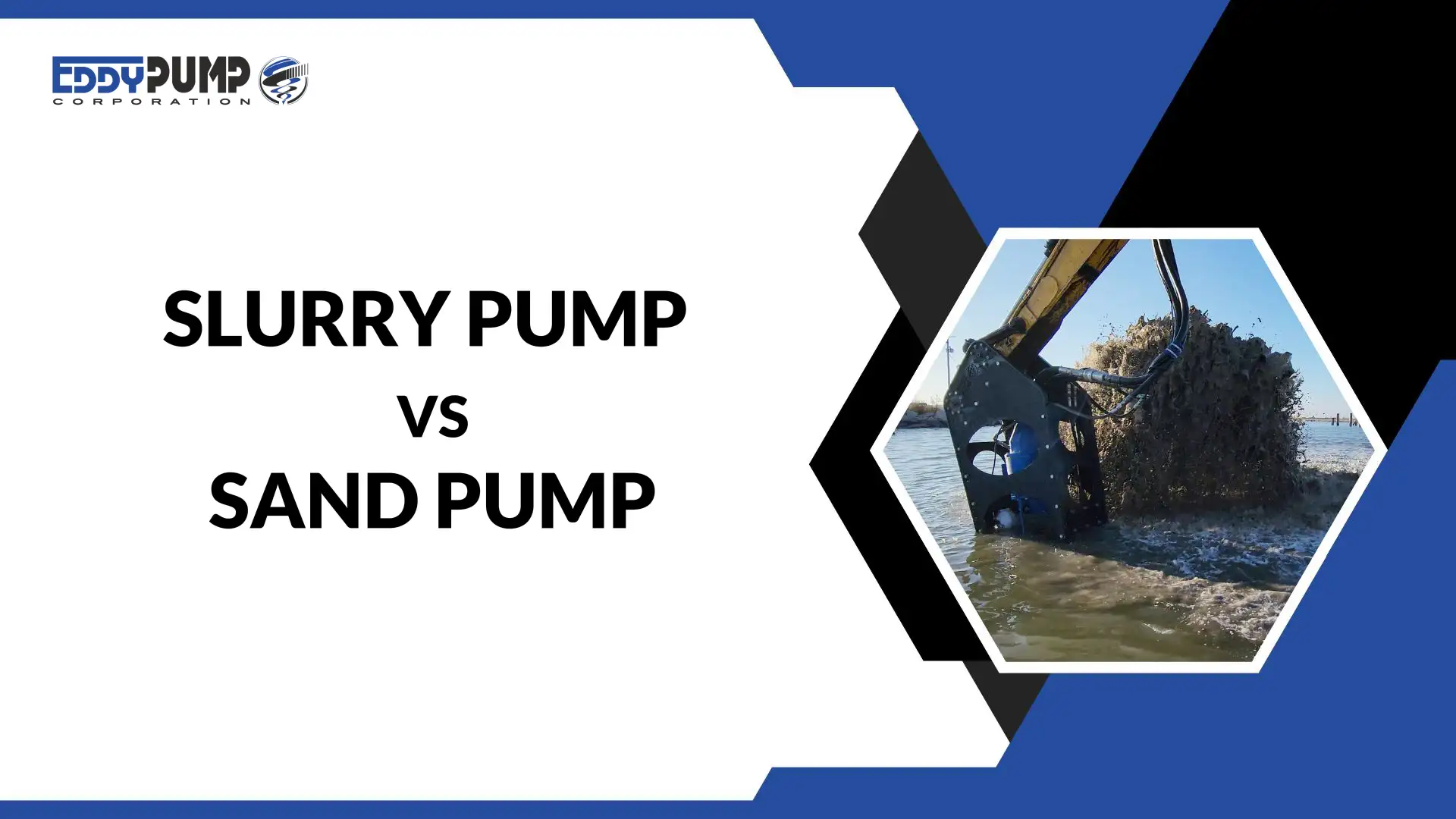
A slurry pump moves mixtures of liquid and solids through a system. A dredge pump does more than transport material. It is built to handle larger, heavier solids and is often part of the excavation process itself. That is the core difference in slurry pump vs dredge pump.
Both pumps are used in industries that handle solids-heavy fluids, including mining, dredging, wastewater, marine construction, and aggregate processing. The challenge is that these materials do not behave like clean water. They are abrasive, dense, and often unpredictable. That means the pump has to match not just the fluid, but the particle size, solids concentration, and operating conditions.
This is where confusion starts. At a glance, slurry pumps and dredge pumps seem similar. Both move mixtures of water and solids. Both work in harsh environments. Because of that, people often treat them as interchangeable. They are not. The real differences show up in how they are built, what they are designed to handle, and where each one performs best.
If you choose the wrong pump, the problems show up quickly. Efficiency drops. Wear increases. Downtime becomes more frequent. In more severe cases, the result is repeated clogging, unstable performance, or full system failure.
This article explains the difference between a slurry pump and a dredge pump clearly. You will see how their design differs, how they handle solids, and where each one fits best. By the end, you will have a practical understanding of which pump makes sense for your application and why.
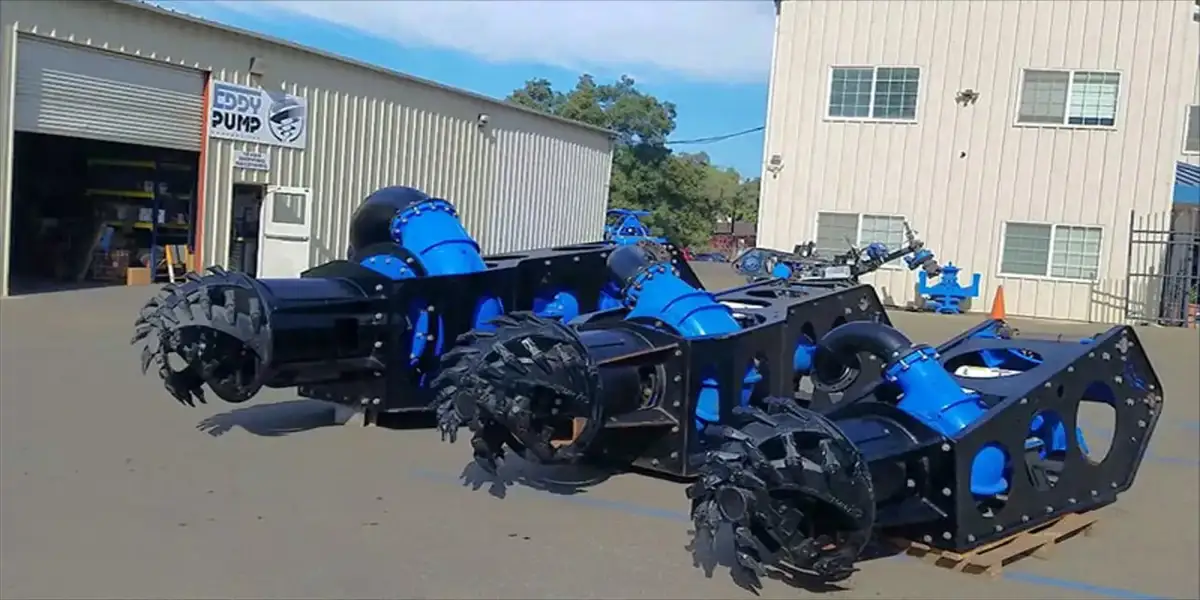
What Is a Dredge Pump and How Does It Differ from a Slurry Pump?
To understand slurry pump vs dredge pump, you have to look at what each pump is designed to do under real operating conditions. Both handle mixtures of liquids and solids, but they are built for different levels of material severity.
What Is a Slurry Pump?
A slurry pump is designed to move liquid mixed with suspended solids through a system in a controlled and efficient way. You will typically find slurry pumps in:
- mining operations
- wastewater treatment plants
- industrial processing systems
These pumps are built for consistency. They are commonly used with:
- fine to medium-sized particles
- moderate solids concentration
- stable, predictable flow conditions
The goal is straightforward: transport material from one point to another while managing wear, maintaining efficiency, and reducing unnecessary energy use.
What Is a Dredge Pump?
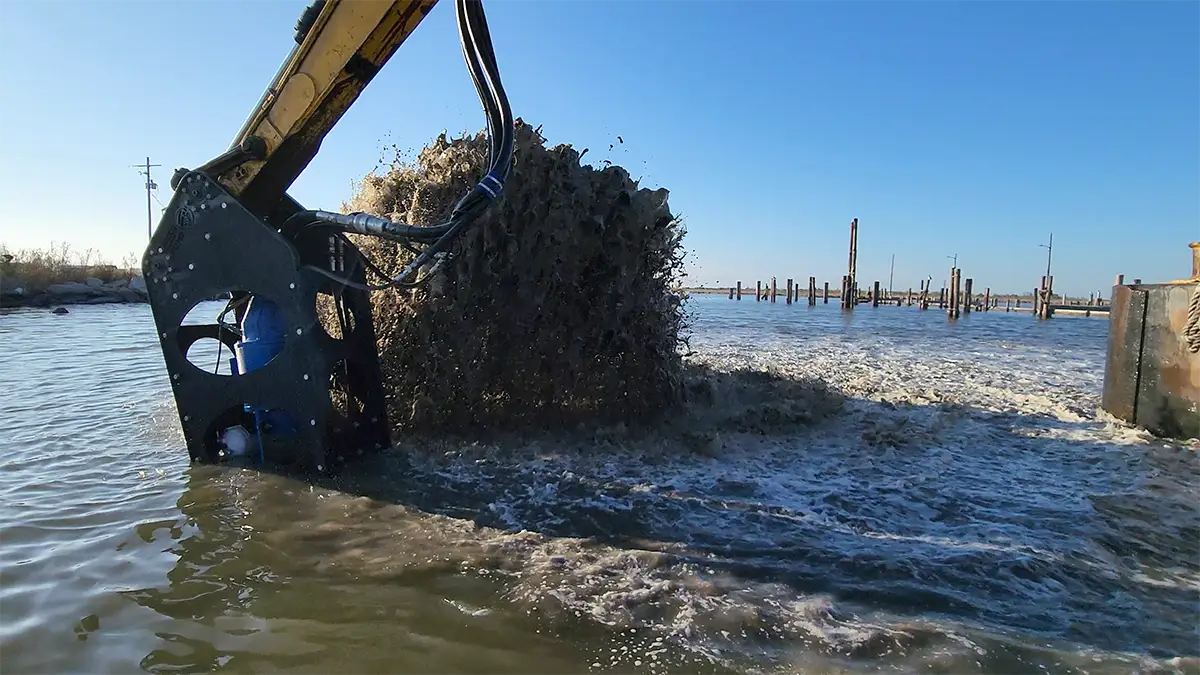
A dredge pump is built for harsher conditions where the material is heavier, more abrasive, and often unprocessed. It handles both removal and movement of solids, often directly from the source.
You will typically find dredge pumps in:
- river and harbor dredging
- sand and gravel extraction
- sediment removal projects
- marine and mining applications with heavy solids
These pumps are designed to manage:
- large abrasive solids such as sand, gravel, and rocks
- high solids concentration
- irregular and heavy material loads
Instead of controlled transport, dredge pumps are built for raw, aggressive, and unpredictable material.
Core Functional Difference
The key difference between a slurry pump and a dredge pump comes down to function:
- Slurry pump: transports processed or controlled material through a system
- Dredge pump: removes and transports raw, heavy material from the source
In practical terms, a slurry pump performs best when the material is already manageable. A dredge pump is designed for rougher, denser, and less predictable conditions. That basic difference affects everything else, including pump design, wear resistance, solids handling, and long-term performance.
Key Design Differences: Impeller, Casing, and Materials
The design gap between a slurry pump and a dredge pump becomes much clearer once you look at the major components. Each design choice reflects the type of material the pump is expected to handle.
Impeller Design
The impeller controls how solids move through the pump, so its design changes significantly depending on the application.
Slurry pumps often use closed or semi-open impellers to maintain efficiency and support smoother flow with smaller, more uniform particles. These designs help reduce energy loss under controlled operating conditions.
Dredge pumps typically use open, heavy-duty impellers that allow larger solids to pass through with less restriction. In this case, the priority shifts away from efficiency and toward strength, clearance, and solids-handling capacity.
Casing Structure
The casing protects the pump and helps direct flow, but the casing design reflects very different operating environments.
| Feature | Slurry Pump | Dredge Pump |
| Wall thickness | Thinner | Thicker |
| Design focus | Flow efficiency | Impact resistance |
| Operating condition | Controlled environments | Harsh, abrasive conditions |
A slurry pump casing is designed to support efficient transport in more stable systems. A dredge pump casing is built to absorb the impact of large, abrasive solids and survive harsher wear conditions.
Material Selection
Material choice determines how well the pump resists wear over time.
Slurry pumps often use rubber linings or standard alloys, which work well for moderate abrasion and help balance cost, wear resistance, and serviceability.
Dredge pumps commonly use high-chrome alloys or hardened steel, which are better suited for continuous exposure to coarse, abrasive solids and heavy impact loads.
Wear Resistance vs. Efficiency
This is where the design philosophy clearly separates.
Slurry pumps focus on efficiency. They are built for predictable flow, so performance and energy use matter most.
Dredge pumps focus on durability. They are expected to handle harsh, abrasive, and inconsistent material, so the design sacrifices some hydraulic efficiency in exchange for survival under extreme conditions.
That is one of the most practical ways to understand the difference between slurry pump and dredge pump: one is optimized for controlled transport, and the other is optimized for aggressive solids handling.
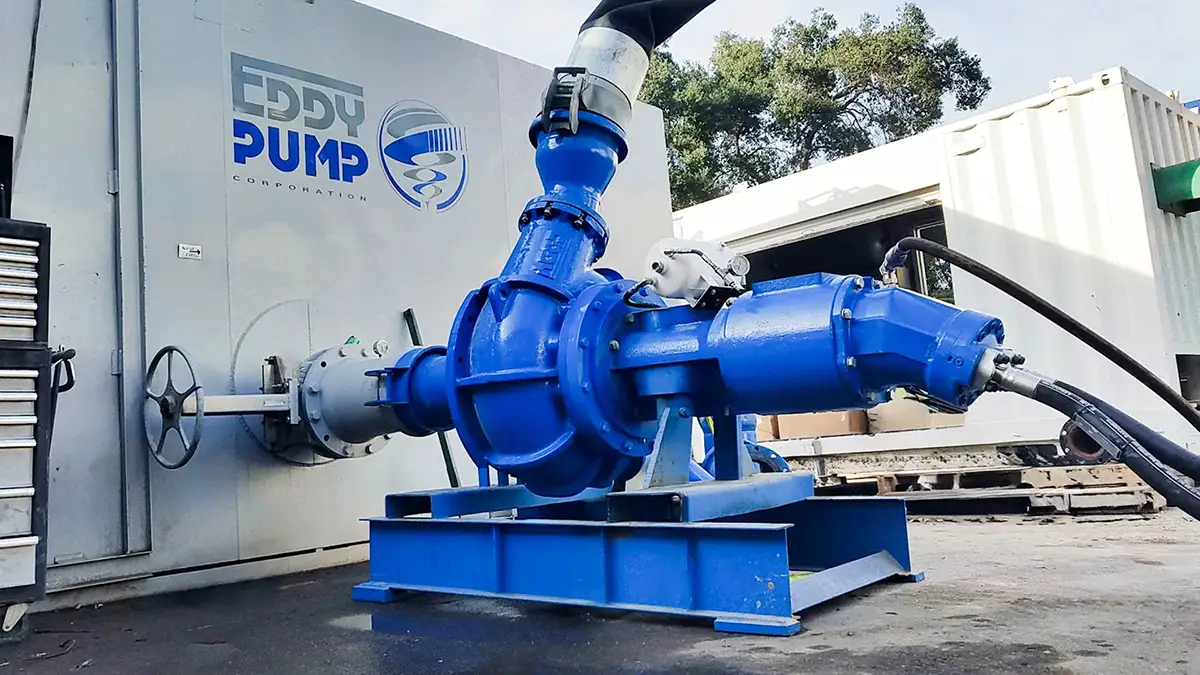
How Solids Handling and Particle Size Requirements Differ
When comparing slurry pump vs dredge pump, the biggest difference often shows up in solids handling. Particle size, density, and flow behavior do not just affect performance. They determine whether the pump is even the right fit for the job.
Particle Size Handling
A slurry pump works best with solids that remain relatively manageable. These are usually fine to medium particles that stay suspended in the liquid and do not require large internal clearances.
A dredge pump handles a different class of material. It is designed for sand, gravel, coarse sediment, and even rocks. These materials do not move evenly, and they do not break down easily. The pump must pass them through without constant blockage, which requires larger passages and heavier-duty internal construction.
Solids Concentration
Solids concentration changes the equation quickly.
In slurry pump applications, the liquid still dominates the mixture. That makes flow more stable and predictable.
In dredge pump applications, the mixture becomes denser and more solids-heavy. At that point, the pump is not simply transporting slurry. It is forcing raw material through the system under much harsher loading.
Flow Behavior and Clogging Risk
Slurry pumps depend more on consistency. When flow stays stable, performance remains reliable. But if the mixture becomes uneven or solids begin to settle, the risk of clogging and performance loss rises.
Dredge pumps are built for irregular flow, shifting loads, and inconsistent material. Instead of trying to avoid those conditions, they are designed to absorb them and keep operating.
Performance Under Heavy Conditions
As operating conditions get more aggressive, the performance gap becomes obvious.
In slurry systems, larger solids and higher density usually reduce efficiency and increase wear quickly. The pump begins to struggle because it was not designed for that level of stress.
Dredge pumps are built to tolerate the same conditions with less immediate performance loss because their design anticipates constant abrasion, larger solids, and more variation in the material stream.
That is the practical difference: it is not just about what the pump moves, but how much variation and severity it can tolerate before performance begins to break down.
Slurry Pump vs Dredge Pump Comparison Table
At this stage, the differences become easier to see side by side.
| Factor | Slurry Pump | Dredge Pump |
| Application type | Transport of processed slurry | Excavation and transport of raw material |
| Particle size range | Fine to medium particles | Large solids, including sand, gravel, and rocks |
| Solids concentration | Moderate | High-density mixtures |
| Typical industries | Mining, wastewater, industrial processing | Dredging, marine, sand, and aggregate extraction |
| Pump durability | Designed for controlled wear conditions | Built for heavy abrasion and impact |
| Design priority | Efficiency under stable flow | Performance under extreme conditions |
Key Takeaway from the Comparison
The use case defines the pump, not just the fact that both move slurry.
Two systems may both handle a solids-laden mixture, but the conditions behind that mixture can be completely different. Once particle size increases, solids concentration rises, or flow becomes unstable, the choice can shift quickly from a slurry pump to a dredge pump.
When to Choose a Slurry Pump for Your Project
A slurry pump is usually the right choice when the material is controlled and the flow conditions stay relatively stable. If your project is focused on efficient transport rather than raw material excavation, a slurry pump typically makes more sense.
Suitable Use Cases
You would commonly choose a slurry pump in environments such as:
- mining systems that move slurry between process stages
- wastewater treatment systems handling suspended solids
- industrial operations that depend on consistent fluid movement
In these cases, the material stays within a more predictable range, which allows the pump to operate efficiently without excessive wear.
Best Operating Conditions
A slurry pump performs best when:
- particle size stays small to medium
- abrasion remains manageable over time
- flow runs continuously without major fluctuations
Once those conditions begin to change, performance starts to drop. That is why slurry pumps work best in systems designed for consistency rather than variability.
Main Benefits
When used in the right conditions, a slurry pump offers several advantages:
- higher hydraulic efficiency
- lower energy consumption
- easier maintenance
- more gradual wear patterns
In simple terms, if your system prioritizes smooth transport and controlled operation, a slurry pump handles the job without unnecessary overbuilding.
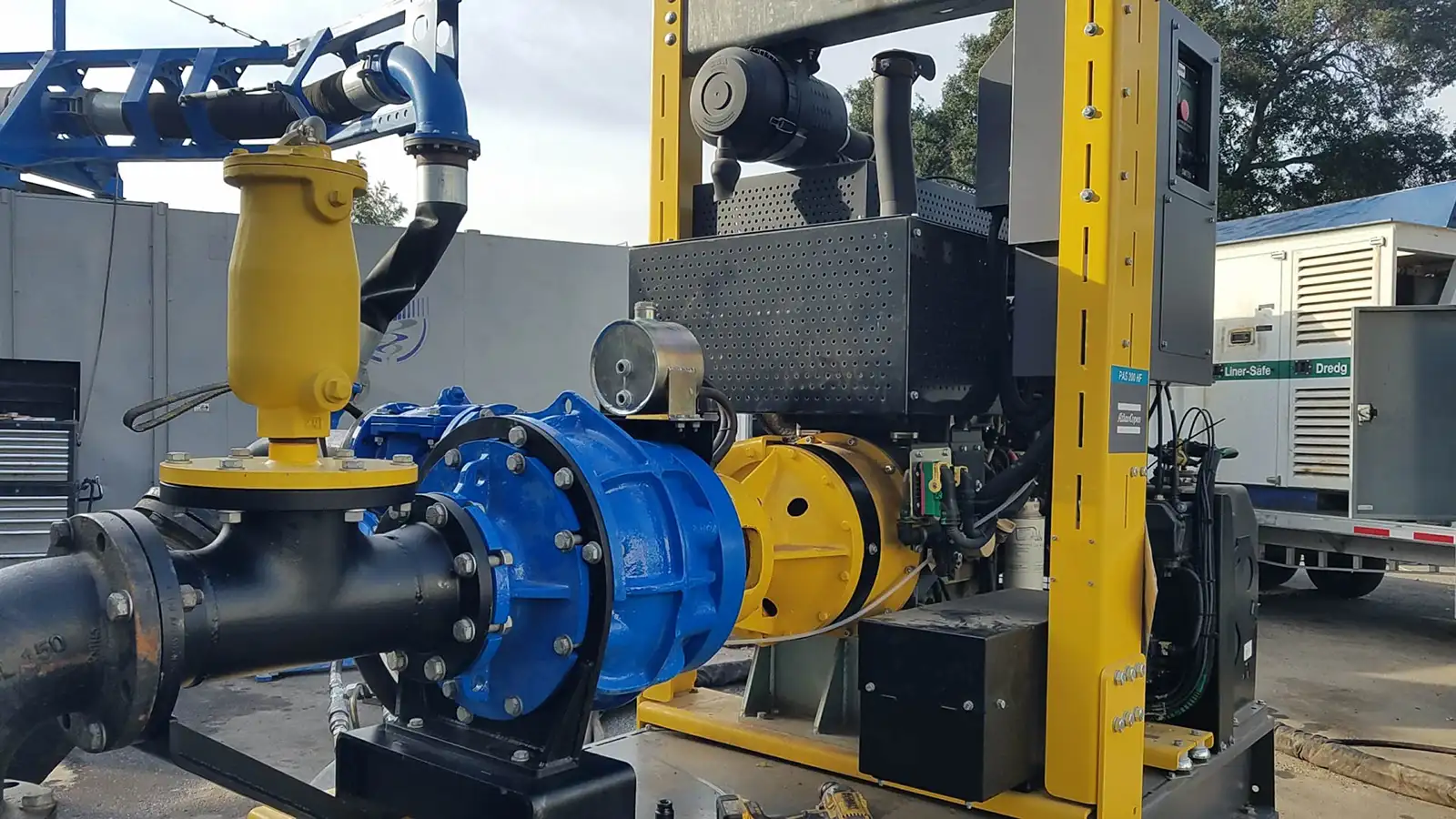
When to Choose a Dredge Pump for Your Project
A dredge pump becomes the better choice when your operation moves beyond controlled transport and into heavy material handling. If the project involves large solids, high density, and unpredictable flow, a standard slurry pump usually will not hold up for long.
Suitable Use Cases
Dredge pumps are commonly used in:
- river and port dredging
- sand and gravel extraction
- heavy sediment removal
- marine and mining applications with raw solids
These are not controlled systems. Material varies constantly, and the pump has to keep operating through that variation.
Best Operating Conditions
A dredge pump is the right fit when:
- large solids and debris move through the system
- high-abrasion conditions wear down standard components quickly
- flow and material load change without warning
In these environments, consistency is not guaranteed. The pump must handle stress, impact, and changing solids conditions without constant failure.
Main Benefits
A dredge pump offers clear advantages in harsh service:
- better durability under extreme abrasion
- stronger resistance to impact from coarse solids
- reduced clogging risk with larger internal passages
- more reliable performance in aggressive material conditions
If your project involves raw, dense, or highly variable material, a dredge pump gives you the durability and solids-handling capacity that a slurry pump is less likely to maintain.
Conclusion
The difference between a slurry pump and a dredge pump comes down to function. A slurry pump is designed to transport material that is already controlled and manageable. A dredge pump is designed to remove and transport heavier, more abrasive, and less predictable material in tougher operating conditions.
That difference matters because particle size, solids concentration, and flow behavior directly affect how each pump performs over time. Choosing the right pump improves efficiency, reduces wear, lowers long-term operating costs, and helps prevent unnecessary downtime.
If your system deals with stable flow and moderate solids, a slurry pump is usually the better fit. If your project involves large solids, high density, raw material excavation, or unpredictable operating conditions, a dredge pump is usually the stronger choice.
The real goal is not just moving slurry. It is matching the pump design to the actual job conditions so the system performs the way it should.
Frequently Asked Questions About Slurry Pumps and Dredge Pumps
Are dredge pumps different from slurry pumps?
Yes. A slurry pump is designed to move controlled mixtures of liquid and solids through a system, while a dredge pump is designed to handle both excavation and transport of heavier, unprocessed material. The difference becomes more obvious as solids increase in size, density, and abrasiveness.
Can a slurry pump be used for dredging?
A slurry pump can handle light dredging in controlled conditions, but it is not usually the best choice for heavy-duty dredging. Once the system involves large solids, high abrasion, or inconsistent flow, wear increases quickly and performance drops. In those cases, a dredge pump is the better fit.
What particle size can a slurry pump handle?
A slurry pump generally works best with fine to medium-sized particles that remain suspended in the fluid. If particle size increases too far beyond that range, the risk of clogging, excessive wear, and internal damage rises.
Why are dredge pumps more durable?
Dredge pumps are built with thicker casings, stronger impellers, and more wear-resistant materials such as high-chrome alloys or hardened steel. These design choices allow them to handle continuous impact from large, abrasive solids in harsher operating environments.
Which pump is better for mining operations?
It depends on the stage of the process. Slurry pumps are commonly used for transporting processed material within a mining system. Dredge pumps are more appropriate when extracting or moving raw, heavy material. Each serves a different function.
How does solids concentration affect pump selection?
As solids concentration rises, the mixture becomes denser and harder to move. Slurry pumps perform best with moderate concentration and stable flow. When solids concentration becomes very high and the material load becomes more aggressive or unpredictable, a dredge pump usually handles the conditions better.