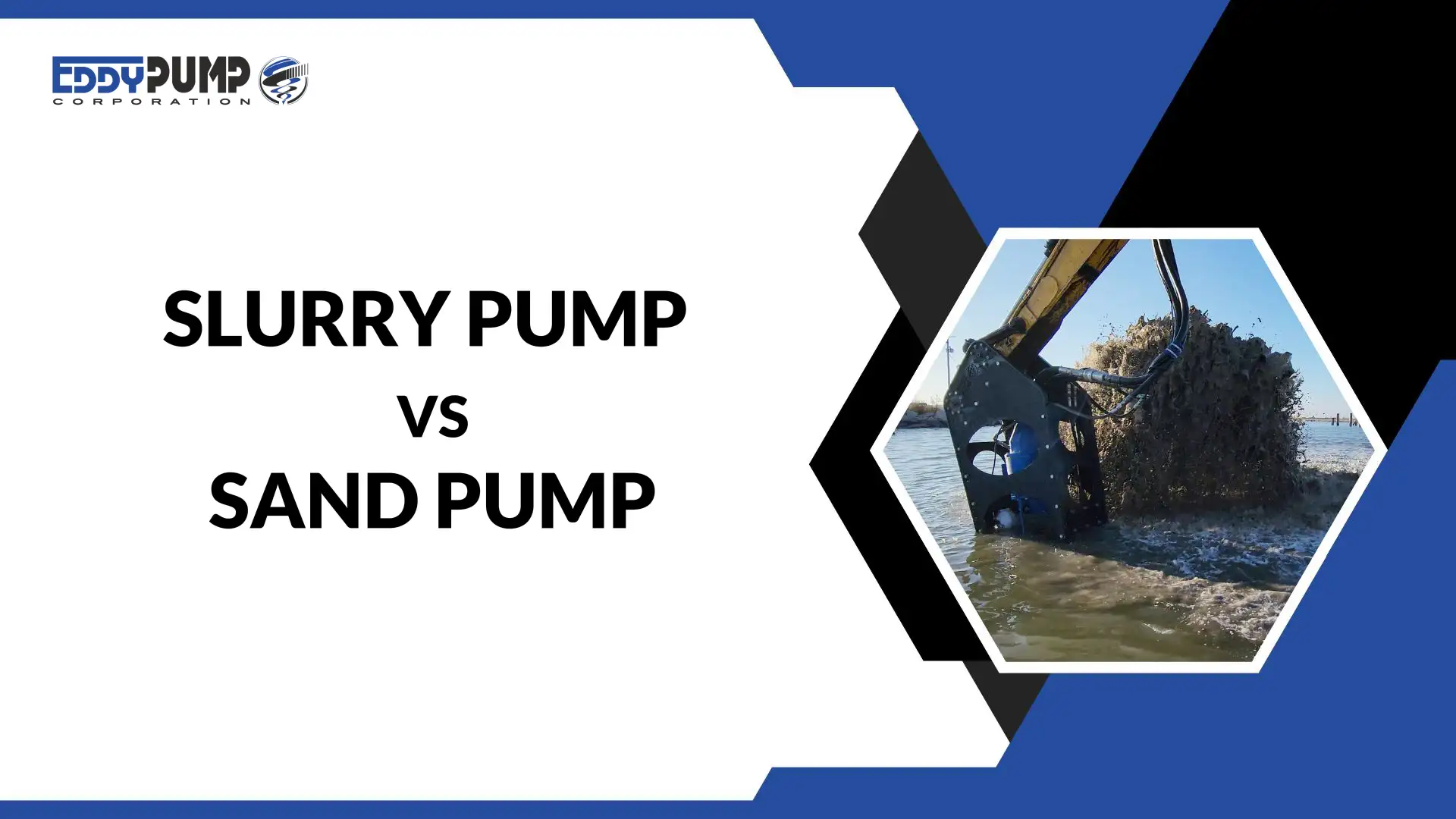
The Short Answer: Sand Pump vs Slurry Pump The difference between a sand pump and a slurry pump comes down to the type of solids they are expected to handle and how stable the operating conditions are. . A sand pump is typically used for relatively uniform sand or...
What Is a Slurry Process Pump and Where It Fits in Industrial Systems A slurry process pump is a type of industrial slurry pump designed to operate as part of a continuous processing system rather than for standalone material transfer. In industrial environments, it...
A self-priming excavator pump is a pump system that can clear air from the suction side and restore flow without repeated manual priming after the initial fill. In practical terms, that means the pump can restart and recover more easily when air enters the line or...
A slurry pump moves mixtures of liquid and solids through a system. A dredge pump does more than transport material. It is built to handle larger, heavier solids and is often part of the excavation process itself. That is the core difference in slurry pump vs dredge...
Slurry pumps work in some of the harshest industrial environments. They move abrasive slurry, high solids mixtures, viscous material, and chemically aggressive fluids through systems that often run for long hours without interruption. Under those conditions, pump...
Slurry pumping distance refers to how far a slurry mixture of solids and liquid can be moved through a pipeline before the system can no longer maintain the required flow rate, pressure, or transport stability. In real-world slurry pipeline design, distance is not...
A dredging project has plenty of variables to manage early on: pump capacity, pipeline layout, discharge distance, and slurry conditions. Float count often gets treated like a simple accessory decision, but it has a direct effect on how the pipeline performs once it...
Pumping highly viscous fluids or thicker slurries has been the greatest challenge in the pumping industry. Compared to other liquids, highly viscous liquids offer more friction and great resistance to flow. Hence, to achieve high pressure (high head) with these...