- What Is a Slurry Process Pump and Where It Fits in Industrial Systems
- How Slurry Process Pumps Work Within a Processing Circuit
- Types of Slurry Process Pumps Used in Industrial Applications
- Key Design Parameters That Define Slurry Pump Performance
- Slurry Characteristics and Their Impact on Pump Selection
- Where Slurry Process Pumps Are Used Across Industries
- Common Failure Modes in Slurry Process Pumps
- Maintenance Considerations for Industrial Slurry Pumps
- Efficiency vs Durability in Slurry Pump Design
- Practical Selection Approach for a Slurry Process Pump
- Limitations of Slurry Process Pumps in Industrial Systems
- Conclusion: Understanding Slurry Pumps as Part of a System
- FAQ: Slurry Process Pumps in Industrial Use
What Is a Slurry Process Pump and Where It Fits in Industrial Systems
A slurry process pump is a type of industrial slurry pump designed to operate as part of a continuous processing system rather than for standalone material transfer. In industrial environments, it moves mixtures of liquid and suspended solids between stages such as grinding, classification, thickening, or dewatering, where maintaining consistent flow is critical to overall system performance. Unlike general slurry transport pumps that are often used for point-to-point transfer, a slurry process pump is integrated into a process loop and must respond to changing conditions such as varying solids concentration, density, and flow demand.
Its role extends beyond moving material. It helps maintain solids suspension, prevents settling in pipelines and tanks, and supports stable pressure and flow conditions across connected equipment. This stability is essential for upstream and downstream processes to function within design limits. Slurry process pumps are widely used in mining and mineral processing for ore handling and tailings movement, in power generation for ash and slurry transport, and in wastewater treatment for handling sludge and biosolids.
How Slurry Process Pumps Work Within a Processing Circuit
A slurry process pump operates as part of a larger system where its performance is directly tied to upstream supply conditions and downstream resistance. Instead of functioning in isolation, the pump must continuously adjust to variations in slurry density, solids content, and flow demand within the circuit. Its primary function is to maintain steady movement of a solid-liquid mixture while preventing settling and minimizing disruptions across interconnected equipment such as cyclones, thickeners, and pipelines. The interaction between the pump and the system defines actual performance, not just the pump’s rated specifications.
Process Flow Breakdown:
- Slurry intake from a tank, sump, or thickener where solids are suspended in liquid
- Impeller or rotor engages the slurry and imparts kinetic energy
- Energy transfer increases slurry velocity and creates pressure differential
- Slurry moves through the pipeline under pressure, overcoming friction and elevation changes
- Discharge to the next stage such as classification, dewatering, or storage
Hydraulic performance differs significantly between water and slurry. Water-based pump curves assume low viscosity and no solids, while slurry introduces higher density, particle interaction, and internal losses that reduce efficiency and flow. Solids concentration and particle size influence how the slurry behaves, affecting velocity requirements and wear rates. The operating point is determined by the intersection of the pump curve and the system curve, where pipeline resistance, elevation, and material characteristics define actual flow conditions.
Types of Slurry Process Pumps Used in Industrial Applications
Centrifugal Slurry Process Pumps
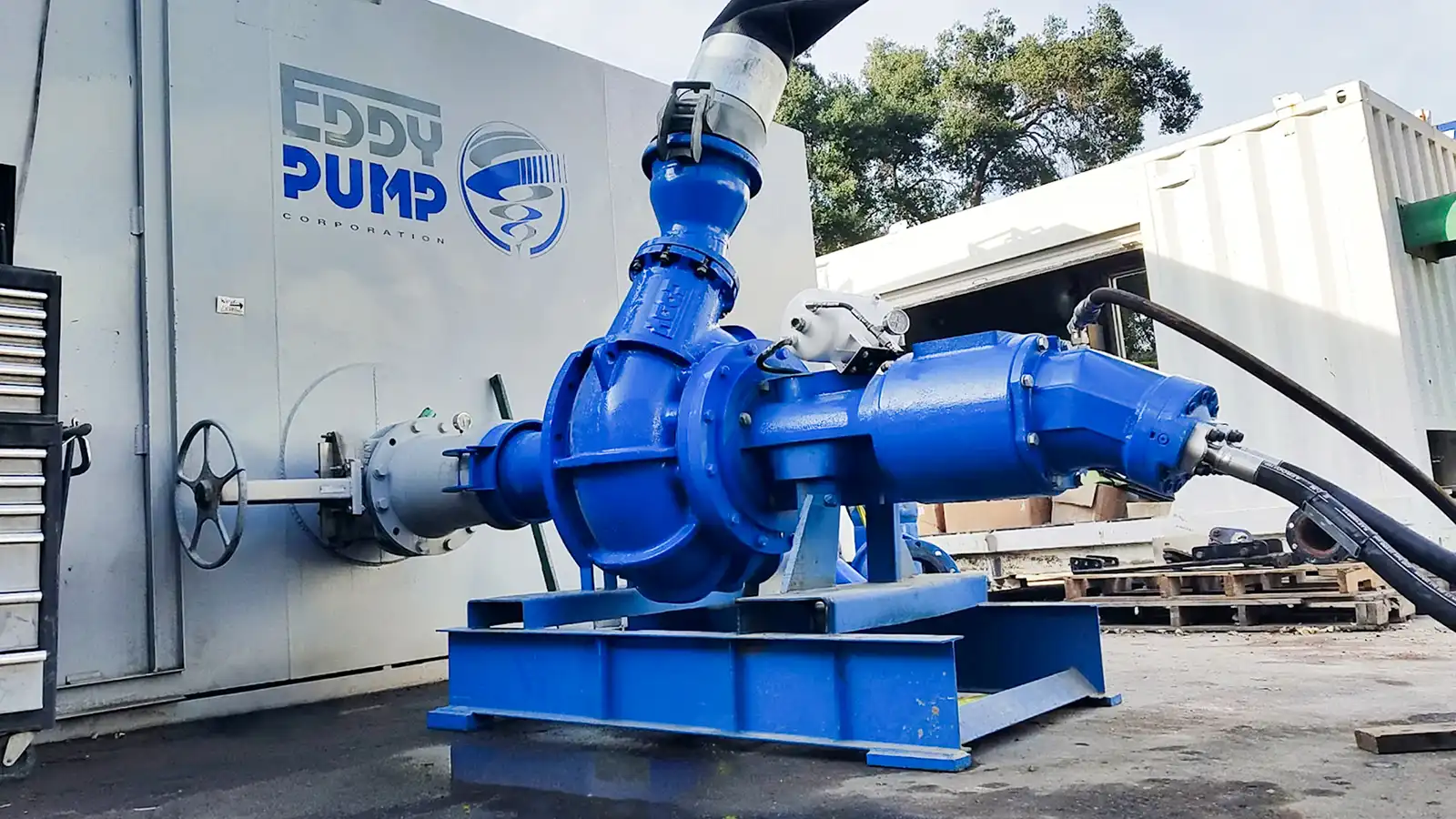
Centrifugal designs are the most widely used slurry process pump type, especially in mining slurry pump applications where large volumes of slurry must be moved continuously. These pumps generate flow by transferring rotational energy from the impeller to the slurry, making them suitable for high flow rates with moderate head requirements. They are commonly integrated into grinding and classification circuits. However, in abrasive environments, continuous contact between solids and internal components leads to wear, which can affect efficiency and maintenance intervals over time.
Positive Displacement Slurry Pumps
Positive displacement pumps are used in applications where maintaining a consistent flow rate is critical, regardless of pressure variations in the system. They are effective for handling high viscosity slurries and thick mixtures where centrifugal pumps may struggle to maintain stable output. These pumps move slurry by trapping and displacing fixed volumes, making them predictable in operation. Their limitations include sensitivity to large or hard solids and increased mechanical complexity, which can impact maintenance requirements.
Recessed Impeller and Vortex Pumps
Recessed impeller and vortex designs reduce direct interaction between solids and the impeller by creating a flow pattern that keeps most solids away from rotating components. This design approach lowers wear rates and reduces the risk of clogging, particularly when handling fibrous, stringy, or irregular solids. The trade-off is lower hydraulic efficiency compared to conventional centrifugal pumps, which can affect energy usage in continuous operations.
Horizontal vs Vertical Configurations
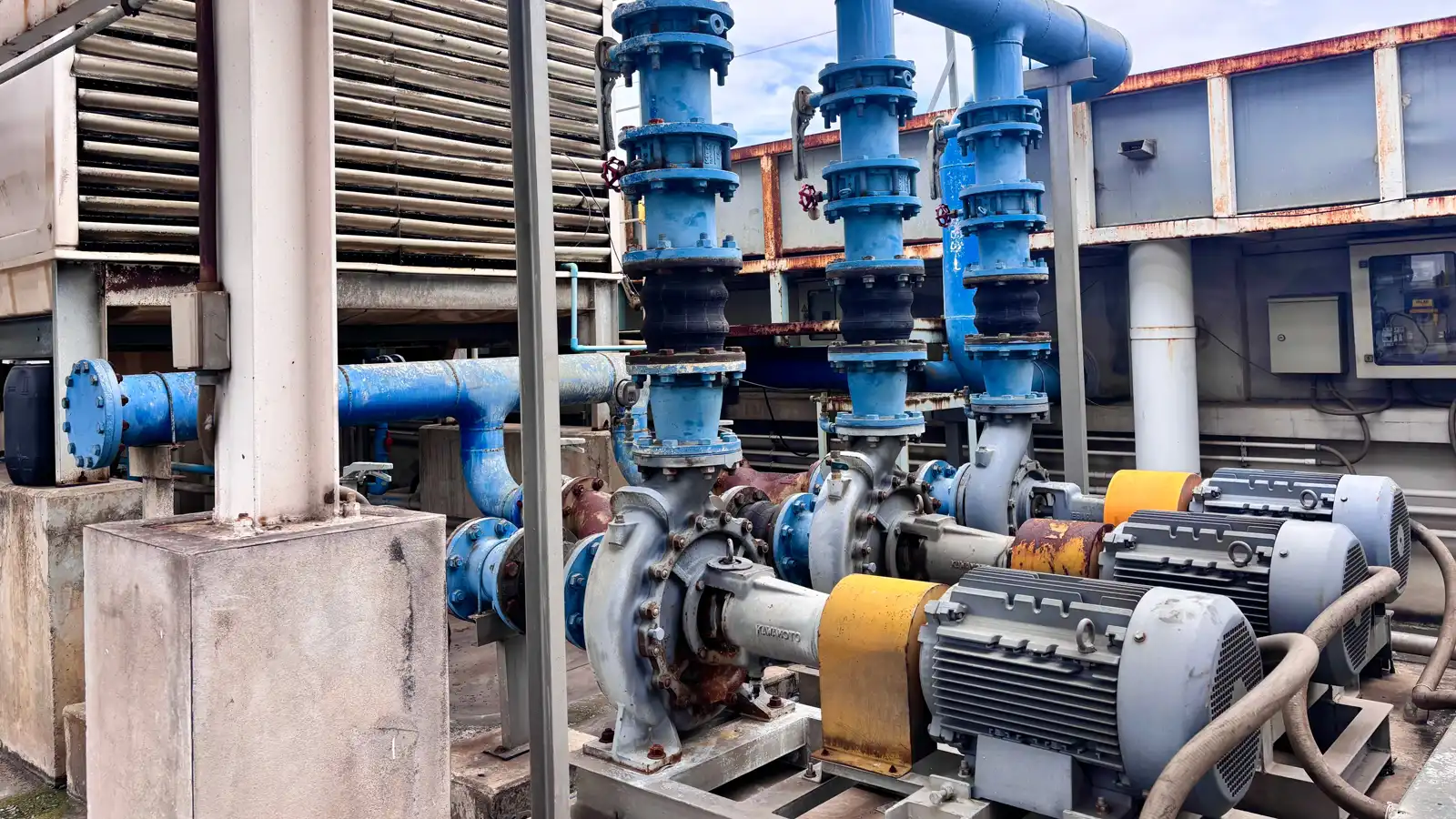
Horizontal slurry process pumps are typically used in fixed installations where accessibility and ease of maintenance are priorities. They are common in plant environments with stable operating conditions. Vertical configurations are designed for sump or pit applications where slurry levels may fluctuate. These pumps can operate partially submerged, making them suitable for handling varying intake conditions without requiring complex suction arrangements.
Key Design Parameters That Define Slurry Pump Performance
- Flow Rate (GPM or m³/hr): Determines how much slurry the pump must move within the process. It directly affects system throughput and must align with upstream production rates and downstream capacity.
- Total Dynamic Head (TDH): Represents the total resistance the pump must overcome, including elevation changes and pipeline friction losses. TDH defines the pressure requirement and influences pump sizing.
- Solids Concentration (% by weight): Higher solids content increases slurry density and internal resistance, placing additional load on the pump and reducing hydraulic efficiency.
- Particle Size and Shape: Larger or angular particles increase wear on internal components and raise the risk of clogging, especially in tighter clearance designs.
- Slurry Density: A function of both liquid and solids, density impacts the power required to move the slurry and affects the pump’s operating point within the system.
- Pump Speed (RPM): Higher speeds can increase flow and head but also accelerate wear rates. Lower speeds may improve durability but limit performance output.
- Material of Construction: Selection of high chrome alloys, rubber linings, or hardened materials determines resistance to abrasion and corrosion, directly influencing service life.
- Seal Type: Mechanical seals, packing, or seal-less configurations each respond differently to solids exposure, pressure, and maintenance conditions.
These parameters do not operate independently. For example, increasing solids concentration raises slurry density, which in turn increases power demand and shifts the pump’s operating point. Similarly, higher pump speeds may compensate for increased head requirements but can accelerate wear when handling large or abrasive particles. Effective slurry pump selection depends on understanding how these variables interact within the actual system rather than evaluating them in isolation.
Slurry Characteristics and Their Impact on Pump Selection
|
Slurry Property |
Impact on Pump Selection |
|
High solids content |
Requires non-clog design |
|
Large particle size |
Needs high clearance or open design |
|
Abrasiveness |
Demands wear-resistant materials |
|
Viscosity |
Affects flow and efficiency |
|
Settling tendency |
Requires continuous agitation or velocity |
Slurry behavior directly influences how a slurry process pump performs under real operating conditions. Incorrect assumptions about these properties often lead to mismatched pump selection, where the system may meet theoretical design criteria but fail in practice. For example, underestimating solids concentration can result in insufficient power capacity and reduced flow, while ignoring particle size distribution may lead to clogging or accelerated wear. Similarly, viscosity changes can alter flow characteristics, shifting the operating point away from the intended range. Settling tendencies are particularly critical in process systems, as inadequate velocity can cause solids to accumulate in pipelines, increasing resistance and disrupting flow continuity. These factors highlight that pump selection must be based on actual slurry characteristics rather than simplified or water-based assumptions.
Where Slurry Process Pumps Are Used Across Industries
Mining and Mineral Processing
In mining operations, a slurry process pump is integrated into multiple stages such as grinding circuits, flotation, and tailings handling. It ensures continuous movement of ore slurry between crushers, mills, and separation equipment while maintaining consistent flow conditions. In flotation circuits, stable slurry delivery is critical for effective particle separation, while in tailings systems, the pump must handle high solids concentrations over long distances without disrupting system balance.
Power Generation
In power plants, slurry process pumps are used in ash handling systems and flue gas desulfurization circuits. They transport fly ash and bottom ash as slurry from collection points to disposal or storage areas. In desulfurization processes, the pump circulates limestone slurry to remove sulfur compounds from exhaust gases. These applications require reliable operation under abrasive conditions while maintaining steady flow to support continuous plant output.
Wastewater and Sludge Processing
In wastewater treatment, slurry process pumps handle thickened sludge and biosolids across stages such as digestion, dewatering, and disposal. The pump must maintain solids suspension to prevent settling in tanks and pipelines, ensuring consistent transfer between treatment units. Variations in sludge composition require the pump to operate reliably despite changes in viscosity and solids content.
Chemical and Industrial Processing
Chemical and industrial systems use slurry process pumps to move mixtures that may include reactive solids, catalysts, or byproducts. These pumps must maintain controlled flow rates to support precise processing conditions, particularly where reaction timing and material consistency are important. Material compatibility and resistance to corrosion are key considerations in these environments.
Oil Sands and Heavy Industrial Operations
In oil sands and other heavy industrial operations, slurry process pumps manage the movement of dense, abrasive mixtures over extended distances. They play a central role in transporting extracted material from excavation sites to processing facilities. These systems require pumps that can operate under high loads while maintaining consistent throughput despite challenging material properties.
Common Failure Modes in Slurry Process Pumps
- Abrasive wear on impeller and casing: Continuous exposure to hard particles erodes internal surfaces, reducing hydraulic performance and increasing maintenance frequency.
- Seal failure due to solids ingress: Fine and coarse particles can penetrate sealing systems, leading to leakage, contamination, and eventual seal breakdown.
- Loss of efficiency from internal clearances increasing: Wear over time enlarges clearances between components, lowering pressure generation and reducing flow efficiency.
- Cavitation caused by improper suction conditions: Inadequate suction head or air entrainment can create vapor bubbles that collapse within the pump, damaging internal components.
- Blockages due to oversized or irregular solids: Particles that exceed design limits or have unpredictable shapes can obstruct flow paths, causing reduced output or complete stoppage.
These failure modes are often linked to mismatches between the pump design and actual operating conditions. Selecting a slurry process pump based on simplified assumptions, such as water-based performance or underestimated solids content, can lead to excessive wear, unstable flow, or mechanical failure. Operational factors such as running outside the intended flow range, inadequate suction conditions, or inconsistent slurry properties further increase the likelihood of failure.
Maintenance Considerations for Industrial Slurry Pumps
Routine Maintenance Checklist:
- Inspect wear components such as impellers and liners for erosion, cracking, or uneven wear patterns
- Monitor vibration and noise levels to identify imbalance, misalignment, or early-stage mechanical issues
- Check seal integrity and leakage to prevent solids ingress and avoid unplanned downtime
- Verify flow rate against expected performance to detect efficiency loss or internal wear
- Inspect suction conditions for air ingress, blockages, or unstable slurry intake
- Track power consumption trends to identify increases in load caused by higher density or internal resistance
A structured maintenance approach helps maintain consistent performance rather than reacting to failures after they occur. Predictive maintenance focuses on tracking measurable indicators such as vibration, power draw, and flow deviation to identify wear before it leads to breakdown. Reactive maintenance, on the other hand, addresses issues only after failure, often resulting in higher downtime and repair costs. In slurry systems where wear is continuous, relying only on reactive maintenance increases the risk of unexpected disruptions and reduced operational efficiency.
Efficiency vs Durability in Slurry Pump Design
Slurry pump design involves a balance between hydraulic efficiency and the ability to handle solids without failure. High-efficiency pumps are typically optimized for fluid flow with tighter internal clearances and smoother hydraulic passages, which works well for low solids or water-like conditions. However, in abrasive or high solids environments, these same design features increase the risk of wear, clogging, and performance loss over time. As a result, pumps designed purely for efficiency may not maintain stable operation when exposed to dense or irregular slurry.
Durable slurry pump designs take a different approach by allowing greater internal clearances and using materials that resist abrasion. This reduces direct interaction between solids and critical components, improving reliability and extending service life. The trade-off is lower hydraulic efficiency, as energy losses increase due to less controlled flow paths. In practical applications, this trade-off is often necessary to maintain consistent operation under demanding conditions. Selecting a slurry process pump should therefore be based on actual operating conditions such as solids concentration, particle size, and system variability, rather than relying on theoretical efficiency values derived from clean water performance.
Practical Selection Approach for a Slurry Process Pump
Step 1: Define slurry properties (solids %, size, density)
Start with measured data, not assumptions. Determine solids concentration by weight, particle size distribution, and slurry density. Include variability ranges, since process conditions often fluctuate. These inputs directly affect pump type, material selection, and required power.
Step 2: Calculate required flow rate and head
Establish the target flow rate based on process throughput. Then calculate total dynamic head by accounting for elevation changes, pipeline length, fittings, and friction losses. Avoid relying on nominal values. Use actual pipeline layouts and expected operating conditions.
Step 3: Evaluate system layout and pipeline losses
Review suction conditions, pipe diameter, and routing. Long horizontal runs, bends, and vertical lifts increase resistance and influence the system curve. Check for conditions that may promote settling, especially in low velocity sections.
Step 4: Match pump type to material behavior
Select the pump design based on how the slurry behaves. High solids or large particles may require open or recessed designs, while viscous or controlled-flow applications may favor positive displacement pumps. Material abrasiveness should guide construction choices.
Step 5: Validate against real operating conditions
Compare calculated performance with actual field conditions. Account for deviations from water-based pump curves due to slurry effects. Validate that the operating point falls within a stable range where wear, efficiency, and flow remain predictable.
Limitations of Slurry Process Pumps in Industrial Systems
Slurry process pumps are designed for demanding environments, but their performance is highly dependent on material characteristics and system conditions. Unlike clean water applications, slurry behavior introduces variables that reduce predictability and require closer control. As operating conditions shift, pump performance can deviate from design expectations, making it necessary to account for real-world factors rather than relying solely on standard performance data.
- Performance varies significantly from water-based curves, as slurry density and solids interaction reduce flow and efficiency
- Wear rates increase with higher solids concentration, especially in abrasive applications
- Not all pump types can handle mixed, fibrous, or unpredictable materials without risk of clogging or instability
- Requires consistent monitoring and adjustment to maintain stable operation and prevent performance loss
Slurry pumps operate effectively only when matched closely to material and system conditions
Conclusion: Understanding Slurry Pumps as Part of a System
A slurry process pump should be evaluated as part of a complete system rather than as an isolated piece of equipment. Its performance is shaped by how it interacts with pipelines, slurry properties, and the operating conditions of upstream and downstream processes. Factors such as solids concentration, particle size, and pipeline resistance directly influence how the pump performs in real conditions, often causing deviations from standard performance expectations.
Selecting the right pump is not only about achieving target flow rates but about maintaining stable and predictable operation across the entire process. A well-matched pump supports consistent material movement, reduces the risk of settling or blockages, and aligns with the system curve under varying conditions. Focusing on system-level behavior allows for more reliable performance, better wear management, and improved process efficiency compared to evaluating pump performance in isolation.
FAQ: Slurry Process Pumps in Industrial Use
What is a slurry process pump used for?
A slurry process pump is used to maintain the continuous movement of solid-liquid mixtures within industrial systems. It operates as part of a process loop, transferring slurry between stages such as grinding, classification, thickening, or dewatering while maintaining consistent flow and preventing solids from settling.
How is a slurry process pump different from a standard industrial slurry pump?
A standard industrial slurry pump is often used for point-to-point transport, such as moving material from one location to another. A slurry process pump, in contrast, is integrated into a continuous system and must operate under changing conditions, responding to variations in flow demand, solids concentration, and system resistance.
Can slurry pumps handle large solids?
Yes, but this depends on the pump design. Pumps with open or recessed designs and higher internal clearances can pass larger solids, while tighter clearance designs are more limited and may be prone to clogging when handling oversized particles.
What affects slurry pump efficiency the most?
Efficiency is primarily influenced by slurry properties such as density, solids concentration, and particle size, along with system resistance from pipelines and elevation changes. These factors shift the operating point away from water-based performance conditions.
How often do slurry pumps require maintenance?
Maintenance frequency depends on wear rate, which is driven by abrasiveness, solids content, and operating conditions. High solids and abrasive materials typically require more frequent inspection and replacement of wear components.
Are slurry pumps suitable for high-density materials?
Yes, slurry pumps can handle high-density materials if they are designed for high solids concentrations. This includes appropriate material construction, sufficient power capacity, and a design that minimizes clogging and excessive wear.