As urban populations grow and industries expand, the need for efficient wastewater management continues to rise. Without proper handling, wastewater can lead to environmental hazards, equipment failures, and costly repairs. Industrial and municipal facilities face numerous challenges in maintaining effective sewage systems due to the presence of solids, debris, and other contaminants that can clog conventional pumps. Sewage grinder pumps provide a robust solution, ensuring efficient wastewater flow by breaking down solids into fine particles before they reach the main sewage system.
By integrating advanced grinding technology, grinder pumps enhance system reliability and reduce the frequency of maintenance issues. This article explores the various challenges in wastewater processing, the advantages of sewage grinder pump systems, and how they provide energy-efficient and cost-effective solutions across different industries.
The Challenge of Wastewater Processing
Industrial and Municipal Sewage System Issues
Industrial and municipal sewage systems are responsible for managing vast amounts of wastewater, often containing a mix of domestic waste, organic matter, industrial byproducts, and non-biodegradable materials. These complex waste streams pose significant challenges, particularly when solids are not properly broken down before entering the system. Without adequate grinding and filtration, materials such as wipes, rags, plastics, and fibrous waste can accumulate, causing severe obstructions and reducing the efficiency of wastewater flow.
Due to the increasing presence of non-flushable waste, many municipalities and industrial plants face recurring issues with clogged pipelines and overloaded treatment facilities. Conventional sewage pumps often struggle to process these materials, leading to frequent breakdowns, costly maintenance, and operational downtime. In some cases, blockages can cause sewage backups, resulting in foul odors, environmental hazards, and even regulatory fines for failing to maintain proper wastewater management protocols.
The impact of inefficient wastewater processing extends beyond maintenance costs. When solids are not effectively broken down, treatment facilities experience increased strain, accelerating wear on pipes, valves, and filtration systems. This can lead to premature infrastructure failures and unplanned capital expenditures. Moreover, untreated waste accumulation increases the risk of contamination, threatening local water sources and ecosystems.
To combat these challenges, industrial and municipal facilities require advanced pumping solutions that efficiently grind solids, prevent clogs, and ensure smooth wastewater flow. By adopting high-performance grinder pump technology, these systems can enhance efficiency, reduce maintenance demands, and minimize environmental impact.
The Impact of Solid Waste on Pump Systems
Traditional sewage pumps are not designed to handle large solids. When objects such as plastics, fibrous materials, and non-biodegradable waste enter the system, they can cause significant problems, including:
- Reduced flow rates and system efficiency
- Increased wear and tear on pump components
- Frequent downtime due to blockages
- Higher energy consumption
- Unplanned maintenance and costly repairs
A sewage grinder pump addresses these issues by breaking down solids before they enter the main sewage system. This ensures smoother wastewater transport and prolongs the life of pumping equipment.
How Sewage Grinder Pumps Solve Wastewater Challenges
Grinding Technology for Efficient Wastewater Management
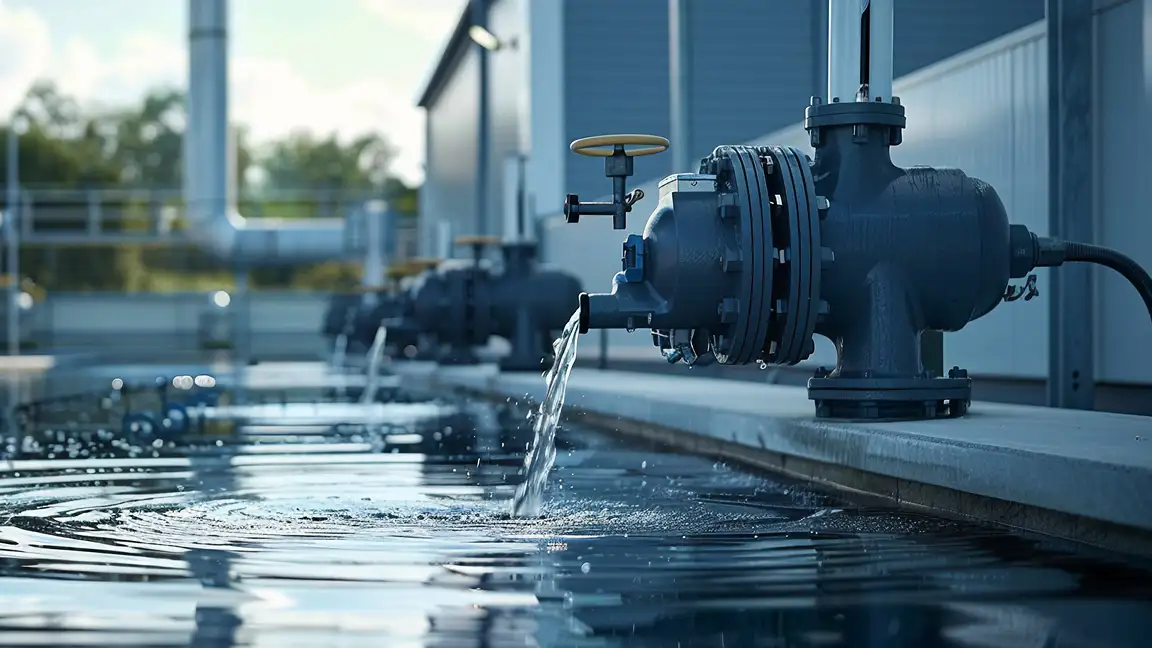
Sewage grinder pumps are an essential component in modern wastewater management, providing an effective solution for handling solid waste in sewage systems. Unlike conventional sewage pumps, which primarily move liquid waste, grinder pumps feature specialized cutting mechanisms that shred solids into fine particles. This innovative grinding technology ensures that even difficult materials, such as sanitary products, wipes, rags, and food scraps, are broken down into smaller, manageable pieces that can easily pass through pipes and treatment systems without causing obstructions.
Advanced grinder pump designs incorporate high-torque cutting blades, reinforced impellers, and self-cleaning mechanisms that actively reduce the risk of debris accumulation. The high-torque cutting mechanism ensures that even fibrous materials and non-biodegradable waste are effectively processed before reaching the main sewer line. Additionally, the reinforced impellers provide increased durability and performance, preventing wear and tear caused by prolonged exposure to harsh materials. Self-cleaning mechanisms further enhance the pump’s efficiency by reducing the buildup of solids, ensuring smooth operation with minimal maintenance requirements.
Because of their ability to efficiently process waste at the source, sewage grinder pumps are widely used in various applications, including residential, municipal, and industrial wastewater systems. They are particularly beneficial in areas where gravity-based sewage systems are impractical, such as low-lying or remote locations where waste must be pumped uphill. In these scenarios, grinder pumps prevent pipe blockages and ensure a reliable wastewater flow, reducing the risk of costly overflows and environmental contamination.
Preventing Costly Repairs and System Failures
Frequent clogs and blockages in wastewater systems can result in severe operational challenges, leading to expensive repairs, environmental hazards, and disruptions to residential and industrial operations. When pipes become obstructed, wastewater can back up, causing overflow incidents, pipe bursts, and damage to downstream treatment plants. These failures not only require costly emergency interventions but also increase the risk of regulatory fines and community health concerns.
Facilities can significantly reduce these risks by incorporating sewage grinder pumps into their wastewater systems. Grinder pumps actively break down solids before they enter the main sewer system, preventing accumulation and reducing the likelihood of blockages. This proactive waste management approach minimizes the need for emergency maintenance, extends the lifespan of sewage infrastructure, and enhances overall system efficiency.
Municipalities, commercial facilities, and industrial plants that invest in grinder pump technology benefit from reduced maintenance downtime, lower operational costs, and improved reliability. In the long run, grinder pumps serve as a cost-effective solution for maintaining clean and efficient wastewater systems while protecting infrastructure from premature failure.
Key Industrial and Municipal Applications for Grinder Pump Systems
-
Municipal Wastewater Treatment and Infrastructure
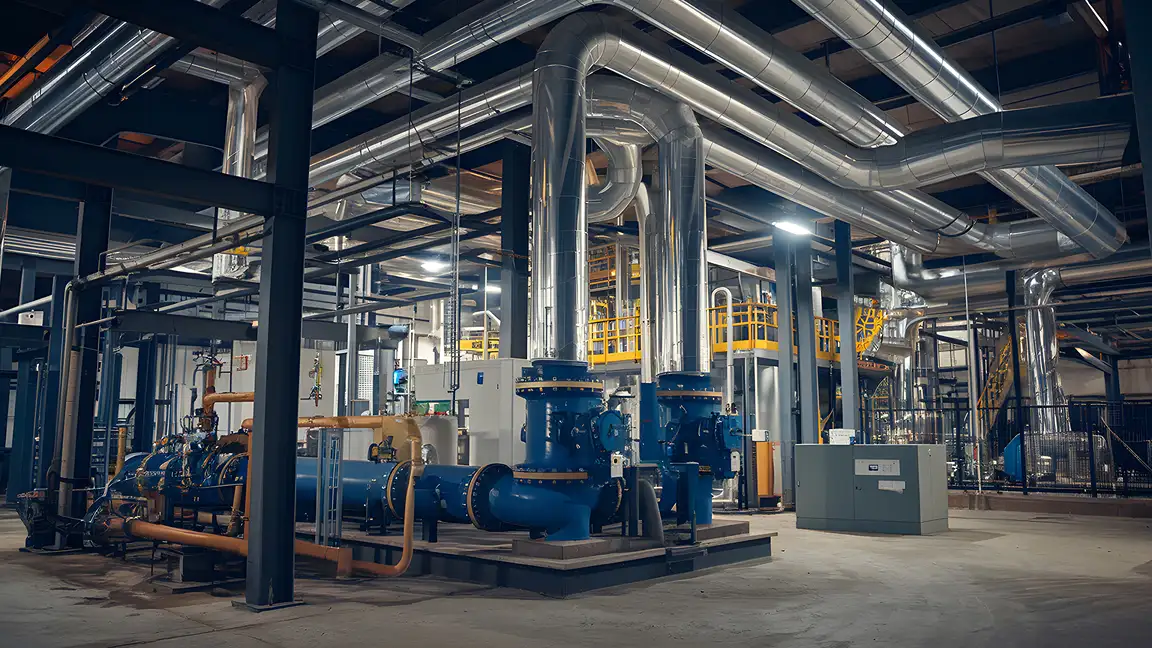
Municipalities rely on efficient wastewater transport to keep their sewage systems running smoothly. Without proper waste processing, sewage can accumulate, leading to backups, increased pressure on treatment facilities, and potential health risks. Sewage grinder pumps enhance municipal sewage systems by ensuring that solid waste is adequately ground before reaching treatment plants. This helps prevent pipeline clogs and reduces the strain on infrastructure.
-
Food Processing Plants and Organic Waste Management
Food processing facilities generate substantial amounts of organic waste, including food scraps, grease, and biodegradable materials. If not properly managed, these materials can cause serious blockages in sewage systems. Grinder pumps help food processing plants efficiently manage organic waste by breaking it down before disposal, ensuring smooth transport through sewage lines, and compliance with environmental regulations.
-
Industrial and Manufacturing Facilities
Manufacturing processes often produce wastewater containing metal shavings, plastic particles, and other solid materials that can damage standard sewage pumps. Sewage grinder pumps are designed to handle these challenging waste materials, ensuring that industrial wastewater is processed efficiently without causing equipment failure.
-
Hospitals, Hotels, and Commercial Buildings
Large commercial buildings, such as hospitals and hotels, produce high volumes of wastewater that often contain non-biodegradable materials such as wipes, hygiene products, and medical waste. Grinder pumps help prevent plumbing failures in these facilities by breaking down waste before it enters the main sewage lines, ensuring uninterrupted wastewater management.
Cost and Energy Savings with Grinder Pumps
Lower Operational Costs and Maintenance Requirements
One of the primary advantages of sewage grinder pumps is their ability to reduce operational expenses significantly. Traditional wastewater systems often experience frequent clogs and blockages caused by the accumulation of solid waste materials. These obstructions lead to costly repairs, downtime, and increased labor requirements for maintenance crews. Grinder pumps address this issue by shredding solids into fine particles, preventing buildup in pipelines and reducing stress on the overall infrastructure.
Facilities that incorporate grinder pump systems benefit from fewer emergency service calls, as the risk of system failures is greatly minimized. Grinder pumps also help extend the lifespan of piping, valves, and treatment equipment by preventing clog-related damage, reducing replacement costs over time. Additionally, since these pumps are designed for high efficiency, they require less frequent servicing, further decreasing long-term maintenance expenses.
Investing in grinder pumps can save municipalities, commercial properties, and industrial plants substantial labor and repair costs. The ability to proactively manage wastewater flow with fewer interruptions ensures smoother operation and better resource allocation, making grinder pumps a cost-effective solution for wastewater management.
Energy Efficiency and Sustainable Operation
Beyond cost savings, modern sewage grinder pumps also contribute to energy efficiency and environmental sustainability. Traditional sewage pumps often run at full capacity regardless of demand, leading to excessive energy consumption. However, many advanced grinder pump models incorporate variable speed motors, which adjust power usage based on real-time wastewater flow. This smart technology allows the pump to operate more efficiently, using only the necessary amount of energy, thereby reducing electricity costs.
Some grinder pump systems feature automation and remote monitoring capabilities in addition to energy-efficient motors. These smart technologies allow operators to track pump performance, detect potential issues, and optimize energy use without manual oversight. By preventing overuse and ensuring optimal efficiency, these features contribute to a more sustainable wastewater management process.
Sewage grinder pumps provide long-term economic and environmental benefits by reducing operational and energy costs. Their ability to enhance efficiency, minimize waste, and lower maintenance expenses makes them an essential investment for modern wastewater systems that aim to improve sustainability while cutting overall costs.
Comparing Different Types of Grinder Pumps
-
Single-Stage vs. Multi-Stage Grinder Pumps
A single-stage grinder pump is ideal for low- to moderate-pressure applications where wastewater needs to be transported over shorter distances. A multi-stage grinder pump, on the other hand, is designed for high-pressure applications and long-distance wastewater transport. Choosing the right type of pump depends on a facility’s specific needs.
-
Submersible vs. Dry-Pit Grinder Pumps
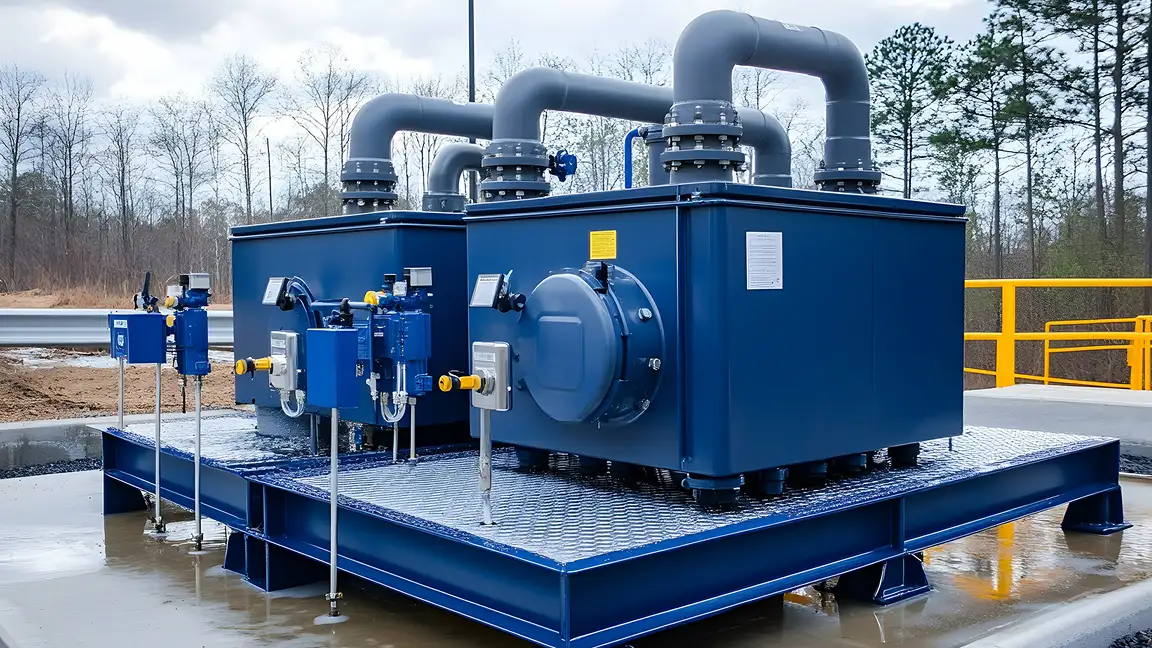
Submersible grinder pumps are installed directly in wet wells, making them space-efficient and reducing exposure to external contaminants. Dry-pit grinder pumps, in contrast, are placed outside the wet well, allowing easier maintenance access. Both types offer distinct advantages depending on the installation environment.
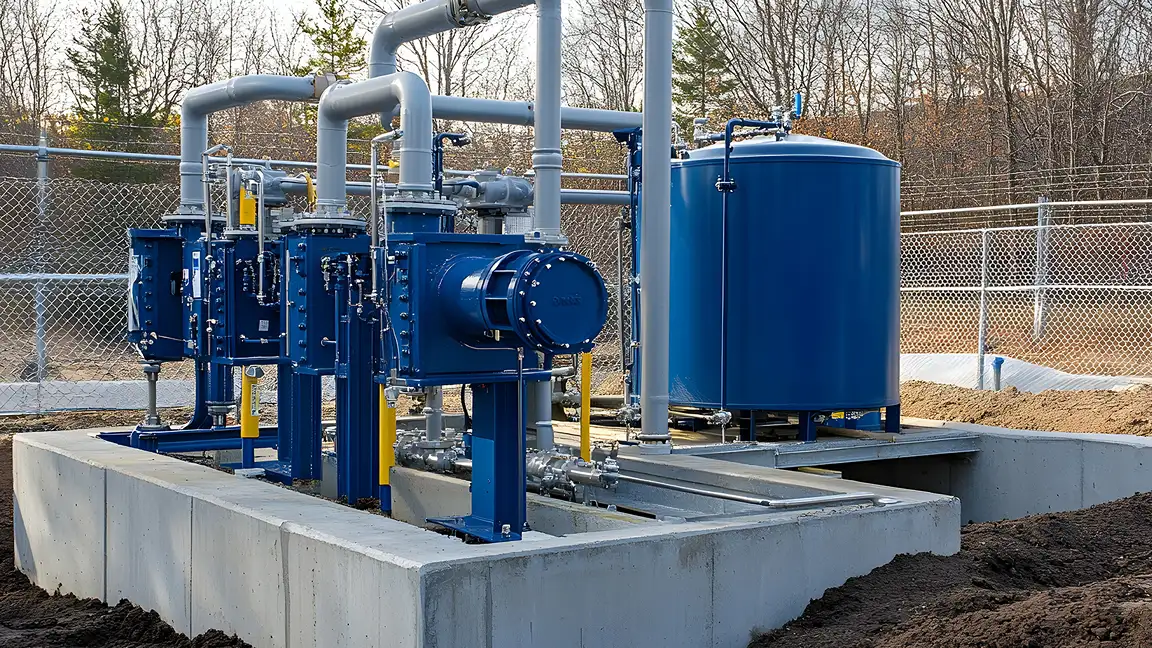
How to Optimize a Grinder Pump System for Maximum Performance
Proper Installation and System Design
Proper installation and a well-thought-out system design are essential for ensuring the optimal performance of a sewage grinder pump system. Selecting the right pump size is critical, as an undersized pump may struggle to handle waste loads, while an oversized pump can lead to inefficiencies and increased energy consumption. The pump should be matched to the expected flow rate and the type of solids it will encounter to prevent premature wear and system overload.
Proper pipe alignment is equally important. Misaligned or improperly sized piping can lead to blockages, excessive pressure buildup, and reduced pump efficiency. Using high-quality, corrosion-resistant materials for piping and fittings extends the system’s lifespan and reduces maintenance needs. Additionally, installing check valves in the system prevents backflow, ensuring that wastewater moves in the intended direction without straining the pump. A well-designed system also includes venting to prevent airlock issues, which can negatively impact pump performance.
Routine inspections during installation help identify potential problems before they escalate. Ensuring that the pump sits at the correct elevation and is securely positioned within the sump or wet well can prevent operational disruptions and premature wear.
Smart Monitoring and Automation
Advancements in smart monitoring technology have made it easier to maintain grinder pump systems efficiently. Many modern pumps come equipped with IoT-enabled sensors that provide real-time performance data, including flow rates, pressure levels, and motor efficiency. These sensors allow operators to detect irregularities early, reducing the risk of unexpected failures.
Automated control systems can also optimize pump operation by adjusting speed and power based on demand. Remote monitoring capabilities enable facility managers to track system performance, schedule preventive maintenance, and respond to alerts before minor issues become major failures. By integrating smart technology, grinder pump systems achieve maximum efficiency, reduce downtime, and extend equipment lifespan.
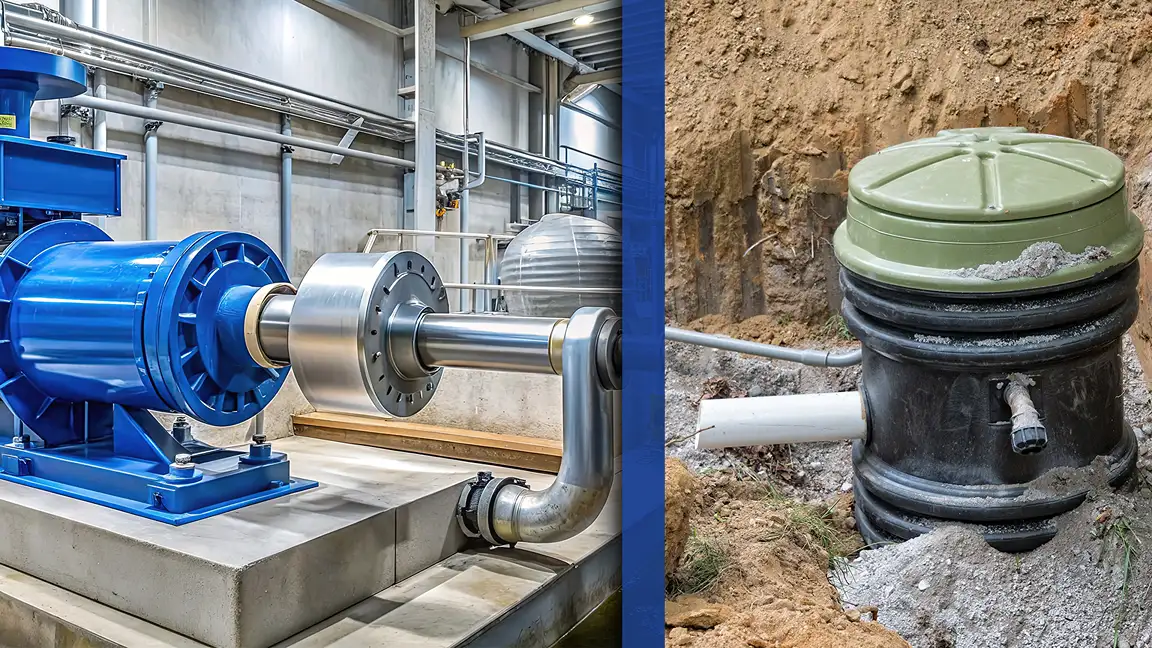
Why EDDY Pump’s Grinder Pump Technology Stands Out
Superior Engineering for High-Efficiency Pumping
EDDY Pump’s advanced sewage grinder pump technology is engineered to tackle the most demanding wastewater challenges with superior efficiency and durability. Unlike conventional pumps that rely on standard impellers, EDDY Pump’s unique design utilizes a patented non-clogging mechanism that efficiently processes solids, rags, wipes, and other debris commonly found in sewage and industrial wastewater systems.
This innovative technology not only reduces the risk of blockages but also enhances overall system performance by minimizing wear and tear. The result is a highly efficient, low-maintenance pump that can handle even the most challenging waste streams without frequent servicing or costly downtime.
Key Advantages of EDDY Pump’s Grinder Pump Technology:
- Non-Clogging Design – Effectively grinds solids and prevents clogging, reducing the need for frequent maintenance.
- High-Torque Cutting Mechanism – Capable of breaking down tough materials, ensuring smooth wastewater flow.
- Superior Durability – Built with corrosion-resistant, heavy-duty materials for long-term reliability in harsh environments.
- Energy Efficiency – Optimized for lower power consumption without sacrificing performance.
- Minimal Maintenance Requirements – Fewer breakdowns mean lower operational costs and increased system uptime.
Case Studies and Proven Performance
EDDY Pump’s grinder pump technology has been successfully deployed in a wide range of industries, including municipal sewage treatment facilities, food processing plants, and industrial wastewater management systems. Clients consistently report significant improvements in operational efficiency, cost savings, and system reliability.
For example, a major municipal wastewater facility experiencing frequent pump failures and blockages transitioned to EDDY Pump’s grinder pump system. As a result, they saw a 60% reduction in emergency service calls, lower energy consumption, and a significant increase in pump lifespan. Similarly, in an industrial setting where abrasive and fibrous waste materials caused recurring system failures, switching to EDDY Pump’s grinder technology eliminated clog-related disruptions, leading to improved processing efficiency and lower maintenance costs.
With a strong track record of success, EDDY Pump’s grinder pump solutions continue to outperform traditional pumps. They provide clients with a cost-effective, high-performance wastewater management system. Whether for municipalities, commercial applications, or heavy industrial use, EDDY Pump delivers unmatched reliability, efficiency, and long-term savings.
Conclusion
Sewage grinder pumps play a vital role in improving wastewater management across various industries. Their ability to grind solids, reduce maintenance costs, and enhance energy efficiency makes them a valuable investment for municipalities, food processing facilities, commercial buildings, and industrial plants. EDDY Pump continues to lead the way with cutting-edge grinder pump technology, offering solutions that outperform traditional wastewater systems. By investing in a high-quality sewage grinder pump system, businesses and municipalities can ensure reliable and efficient wastewater management for years to come.