Efficient water management is essential to the success of modern agriculture. As the global population rises and the demand for food increases, farmers face mounting pressure to produce more using limited resources. At the forefront of innovative solutions is the electric irrigation water pump, a transformative tool that ensures reliable and sustainable water distribution.
Unlike traditional diesel or manual systems, electric irrigation pumps deliver superior efficiency, consistent performance, and significant environmental benefits. Powered by electricity, these pumps reduce dependence on fossil fuels, cutting operational costs and minimizing greenhouse gas emissions. Their automated operation and precision control also allow farmers to optimize water use, ensuring crops receive the exact amount of hydration needed for optimal growth while reducing waste.
Transitioning to an electric water pump for irrigation is not only a smart financial move but also a vital step toward sustainable farming practices. With lower maintenance requirements and longer operational lifespans, these pumps offer an excellent return on investment. Additionally, they support eco-friendly agriculture, aligning with global initiatives to reduce farming’s environmental impact.
This blog explores the key features, advantages, and diverse applications of electric irrigation water pumps, from small-scale farming to large agricultural operations. Whether you’re seeking to enhance crop yields, cut costs, or adopt greener practices, the insights provided will guide you in making an informed decision tailored to your irrigation needs. Embrace the future of sustainable agriculture with electric irrigation pumps—a smart solution for modern challenges.
Understanding Electric Irrigation Pumps
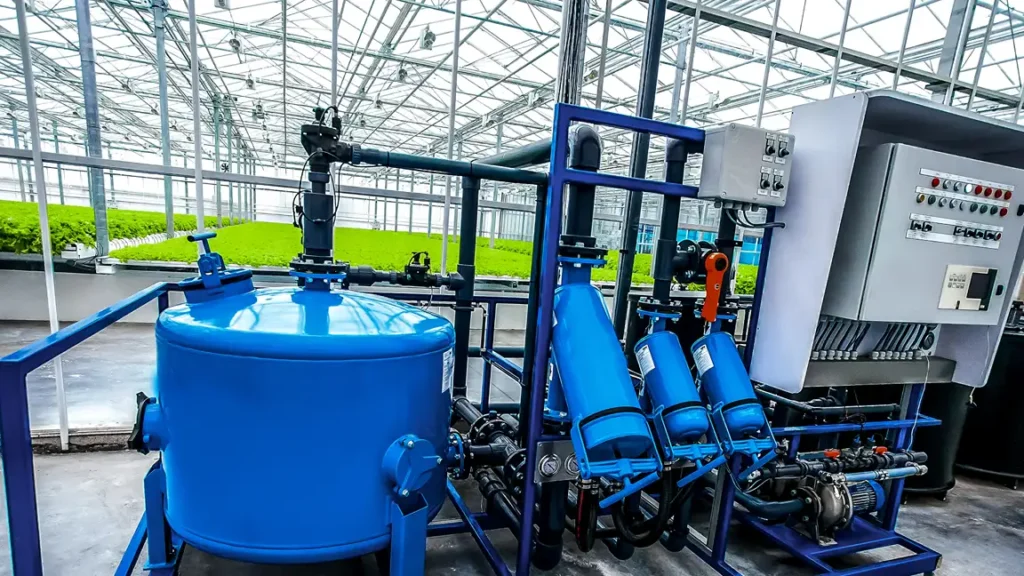
An electric irrigation water pump is a modern solution powered by an electric motor designed to move water efficiently. These pumps are engineered to address the growing demands of agricultural and landscaping operations, offering consistent and reliable water flow to optimize productivity and resource management.
Key Components of an Electric Irrigation Pump
- Electric Motor: The heart of the pump, this component provides steady and reliable energy to drive water movement with minimal interruptions.
- Pump Casing: A robust structure that houses and protects the internal components while ensuring smooth and efficient water flow.
- Impeller: A critical rotating component responsible for creating suction to draw water in and discharge it at the required pressure levels.
- Control System: This system has a user-friendly interface that allows operators to monitor and adjust flow rates and pressure settings, ensuring precision in irrigation.
Advantages Over Traditional Pumps
Electric irrigation pumps differ from traditional diesel or manual systems in several ways. Diesel pumps rely on fossil fuels, which leads to higher operational costs, increased maintenance, and significant greenhouse gas emissions. Conversely, manual pumps, while cost-effective, demand physical labor and are impractical for medium—to large-scale operations.
Electric irrigation water pumps eliminate these challenges by offering automation, reliability, and environmental benefits. They are powered by electricity, which reduces dependency on non-renewable fuels and significantly lowers running costs. Their quieter operation and reduced emissions contribute to a sustainable and eco-friendly irrigation approach.
Environmental and Operational Benefits
Transitioning to an electric water pump for irrigation ensures efficient water management with minimal environmental impact. These pumps are ideal for operations seeking to reduce their carbon footprint while maintaining high productivity. Automated controls provide precise water distribution, preventing overuse and conserving valuable water resources.
Whether for small farms, large agricultural fields, or landscaping projects, electric irrigation water pumps deliver a blend of efficiency, reliability, and sustainability. Their long lifespan and reduced maintenance needs make them a cost-effective investment for modern irrigation systems.
In conclusion, electric irrigation pumps are a superior alternative to traditional methods, providing unmatched performance, environmental benefits, and operational convenience. By adopting these pumps, you take a crucial step toward efficient and sustainable water management.
Advantages of Electric Irrigation Pumps
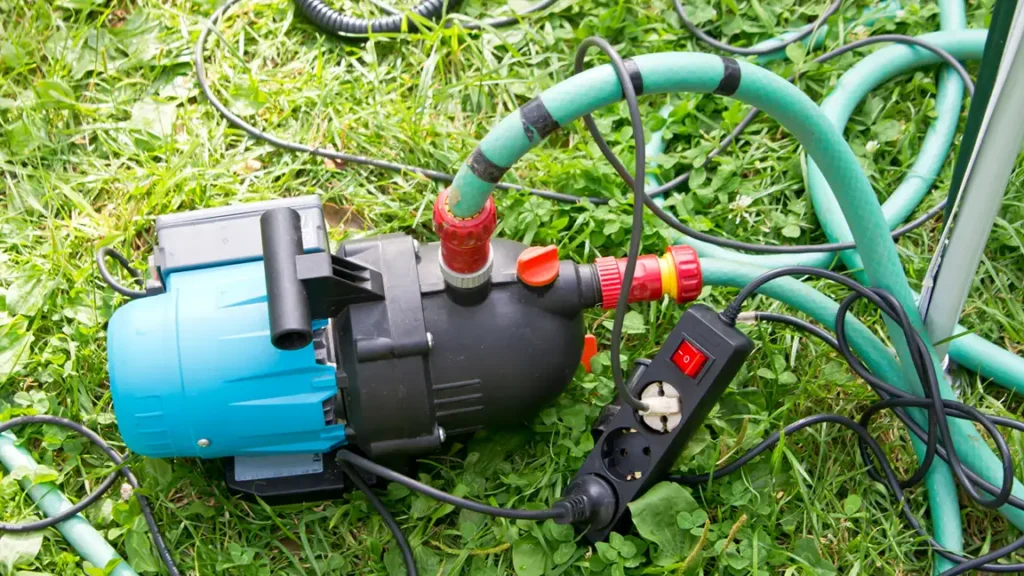
Electric irrigation water pumps are transforming water management practices with their superior efficiency, reliability, and sustainability. Their numerous advantages make them an essential tool for modern agriculture and landscaping operations. Below are the key benefits they offer:
Energy Efficiency and Cost Savings
Lower Operating Costs:
Electricity is often more cost-effective than diesel, particularly for farms with access to renewable energy sources such as solar panels or wind turbines. Once installed, electric water pumps for irrigation incur minimal ongoing expenses, leading to significant long-term savings.
Energy Optimization:
Advanced motors and variable frequency drives (VFDs) in modern electric water pumps for irrigation allow precise adjustments in speed and energy consumption based on demand. This ensures efficient energy use and significantly reduces unnecessary energy waste.
Environmental Benefits
Reduced Emissions:
Unlike diesel-powered alternatives, electric irrigation water pumps produce no direct emissions, making them a cleaner and more environmentally friendly option for irrigation.
Sustainable Operation:
Pairing electric water pumps for irrigation with renewable energy sources like solar panels or hydroelectric systems amplifies their sustainability. This combination helps agricultural operations align with global sustainability goals and reduces dependency on non-renewable energy sources.
Water Conservation:
Electric irrigation pumps with smart controls ensure water is used efficiently, reducing over-irrigation and preventing wastage of this precious resource.
Reliability and Consistency
Steady Performance:
Electric irrigation pumps offer consistent water flow, ensuring uniform irrigation across fields. This reliability is crucial for the health and productivity of crops, especially in areas prone to drought or inconsistent rainfall.
Durability and Low Maintenance:
Electric irrigation water pumps have fewer mechanical parts than diesel engines, making them less prone to wear and tear. This reduces downtime and repair costs, allowing farms to maintain uninterrupted operations during critical growing seasons.
Compatibility with Automation
Smart Irrigation Integration:
Modern electric water pumps can be integrated with advanced irrigation systems that automate water distribution based on real-time inputs like soil moisture levels, crop type, and weather forecasts. Automation improves water efficiency and saves labor and time.
Remote Monitoring and Control:
Many electric irrigation water pumps are equipped with remote access features, enabling farmers to monitor and adjust settings from anywhere using a smartphone or computer. This remote functionality reduces the need for on-site management and increases operational flexibility.
Versatility in Application
Adaptability:
Electric irrigation water pumps are highly versatile and can be tailored to meet the specific requirements of diverse agricultural landscapes. Whether for drip irrigation, sprinkler systems, or flood irrigation, these pumps deliver reliable performance.
Scalability:
Electric irrigation pumps can be scaled to suit operations of varying sizes, from small gardens to extensive agricultural fields. This scalability ensures their utility in a wide range of settings, making them a valuable investment for farmers.
Noise Reduction
Quieter Operation: Unlike diesel pumps, which can be loud and disruptive, electric irrigation pumps operate quietly. This makes them ideal for use near residential areas or noise-sensitive environments, enhancing their practicality and appeal.
Electric water pumps represent a technological leap in irrigation, offering unparalleled benefits in efficiency, sustainability, and operational ease. Their integration into agricultural systems supports productivity and environmental stewardship.

Applications of Electric Irrigation Pumps
Electric irrigation water pumps are incredibly versatile, serving a wide range of applications across agriculture, landscaping, commercial farming, and even industrial settings. Their adaptability and efficiency make them indispensable tools for managing water resources in diverse scenarios.
Agriculture
In agriculture, electric water pumps for irrigation play a critical role in ensuring optimal water distribution for various irrigation methods, including:
Drip Irrigation:
These pumps enable precise water delivery directly to the root zone of crops, minimizing water waste and enhancing efficiency. Drip systems are ideal for water-scarce areas or crops requiring controlled hydration.
Flood Irrigation:
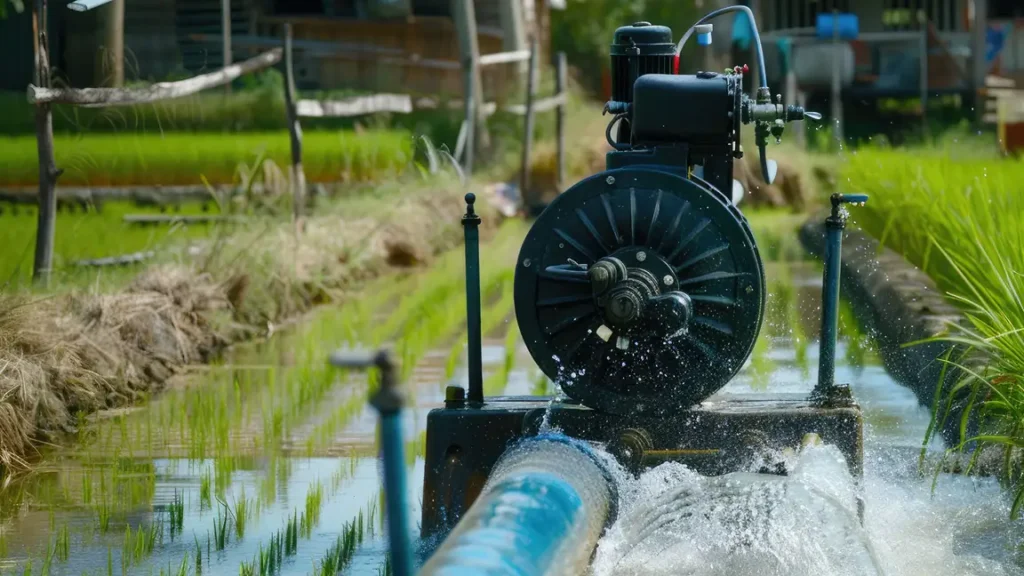
Electric irrigation water pumps provide the high water volumes needed for crops like rice and sugarcane, which thrive in waterlogged conditions. Their steady and reliable performance ensures even water coverage.
Sprinkler Systems:
Electric irrigation pumps support sprinkler systems that distribute water uniformly across fields, promoting consistent crop growth and reducing the risk of over- or under-watering.
Landscaping
Electric irrigation water pumps are equally effective in residential and commercial landscaping, offering solutions for:
Healthy Lawns and Gardens:
Automated systems powered by electric irrigation water pumps maintain lush, green lawns and vibrant gardens without the need for manual watering. This is particularly beneficial for large properties or communities.
Water Features:
Electric irrigation water pumps are commonly used to power fountains, ponds, and other decorative water features, enhancing the aesthetic appeal of outdoor spaces.
Commercial Farming
For large-scale agricultural operations, electric water pumps for irrigation provide scalability and efficiency:
Scalability:
Electric irrigation pumps can manage irrigation needs for extensive acreage, ensuring that even the largest fields are watered effectively and efficiently.
Crop Diversity:
These pumps can cater to the specific water requirements of various high-value crops, such as fruits, vegetables, and nuts, helping maximize yields and profits.
Industrial Applications
Electric irrigation water pumps extend their utility to industrial settings, where they support critical processes such as:
- Water Transfer: Moving water between locations efficiently for use in industrial systems.
- Cooling Systems: Supporting cooling towers and other industrial equipment by providing a steady water supply.
- Wastewater Management: Handling wastewater for treatment and disposal in compliance with environmental regulations.
- High-Pressure Systems: Operating in high-pressure scenarios needed for specialized industrial processes, showcasing their durability and power.
Electric irrigation water pumps are versatile tools that bridge the gap between efficient water management and sustainability, proving their worth in a broad spectrum of applications.
Factors to Consider When Choosing an Electric Irrigation Pump
Selecting the right electric water pump for irrigation is crucial for efficient water management. The choice depends on various factors, ensuring the pump aligns with your specific irrigation needs and operational conditions. Below are the key considerations to guide your decision:
Flow Rate and Pressure Requirements
Assess Your Needs:
Determine your water demand based on the size of the area to be irrigated, the type of crops, and the irrigation method (e.g., drip, sprinkler, or flood). This will help you calculate the required flow rate (volume of water per unit of time) and pressure.
Match the System:
Ensure the pump’s capacity meets the requirements of your irrigation system. A mismatch can lead to inefficiencies, such as inadequate water delivery or excessive energy consumption.
Pump Size and Power Needs
Right Sizing:
Select a pump that is appropriately sized for your application. Oversized pumps can lead to unnecessary energy costs and potential system damage, while undersized pumps may fail to deliver adequate water pressure or flow.
Energy Source:
Evaluate the availability and stability of your power source. For remote locations, solar-powered electric irrigation water pumps are a sustainable and cost-effective option, reducing reliance on grid electricity.
Maintenance and Operational Considerations
Ease of Maintenance:
Choose a pump with a user-friendly design, as this will simplify routine maintenance and reduce downtime. Pumps with accessible components and readily available replacement parts are ideal.
Service Support:
Verify the availability of professional support for installation, troubleshooting, and maintenance. A reliable service network can minimize disruptions and extend the pump’s lifespan.
Durability and Build Quality
Material Selection:
Opt for an electric water pump for irrigation constructed from corrosion-resistant materials such as stainless steel or high-quality thermoplastics. This ensures that the pump can withstand prolonged exposure to water and harsh environmental conditions.
Warranty and Certifications:
Check for warranties and industry-standard certifications. These assure the pump’s Quality, reliability, and compliance with safety and performance standards.
Additional Features
Automation Compatibility:
If you plan to implement a smart irrigation system, ensure the pump is compatible with automation tools such as timers, sensors, and remote monitoring systems.
Environmental Impact:
Look for energy-efficient models with low environmental impact, particularly if sustainability is a priority for your operations.
By carefully considering these factors, you can select an electric irrigation water pump that meets your immediate needs and offers long-term efficiency, reliability, and value.
Top Features of Modern Electric Irrigation Water Pumps
Modern electric irrigation water pumps are equipped with innovative features designed to enhance performance, efficiency, and ease of use. These advancements make them indispensable for sustainable and reliable water management in agriculture and beyond.
Advanced Motor Technology
Variable Frequency Drives (VFDs):
These allow the pump’s speed to adjust based on water demand, optimizing energy consumption and minimizing waste. VFDs also reduce wear and tear, extending the pump’s operational life.
Energy-Efficient Motors:
Modern motors are designed to deliver high performance while consuming less power, resulting in significant cost savings over time.
Smart Controls and Automation
Remote Monitoring:
Many pumps now support remote access via smartphones or computers, enabling users to monitor performance, adjust settings, and troubleshoot issues without being on-site.
Integrated Sensors:
Advanced sensors provide real-time data on key metrics such as water flow, pressure, and soil moisture. This ensures precise irrigation and helps prevent over- or under-watering.
Automated Scheduling:
Some models allow users to program watering schedules based on specific crop needs or environmental conditions, enhancing water efficiency.
Robust Construction
High-Quality Materials:
Pumps made with stainless steel or corrosion-resistant alloys are built to withstand harsh environmental conditions, including prolonged exposure to water and chemicals.
Sealed Components:
Sealing critical components protects them from water, debris, and dust, ensuring durability and consistent performance over time.
Safety Features
Overload Protection:
This feature prevents damage by shutting down the pump when it detects excessive power demand, preserving the motor and internal components.
Thermal Sensors:
These sensors automatically shut off the pump if it overheats, preventing motor burnout and extending its lifespan.
Leak Detection:
Some pumps include systems to detect and alert users to leaks, protecting the equipment and conserving water.
Enhanced Compatibility
Smart Irrigation Systems:
Many modern pumps are designed to integrate seamlessly with advanced irrigation setups, including automated systems and renewable energy sources.
By incorporating these features, modern electric irrigation water pumps provide unmatched reliability, energy efficiency, and convenience, making them a valuable asset for efficient water management.

Conclusion
Electric irrigation water pumps have transformed the way water is managed in agriculture and beyond. Their energy efficiency, environmental benefits, and reliable performance make them a vital tool for sustainable farming. By investing in an electric water pump for irrigation, you not only reduce operational costs but also contribute to global efforts to combat climate change. These pumps’ compatibility with advanced irrigation systems ensures that water is used efficiently, maximizing crop yields and conserving resources.
At EDDY Pump, we offer a wide range of electric irrigation water pumps designed to meet the diverse needs of farmers, landscapers, and industrial users. With features like advanced motor technology, smart controls, and durable construction, our pumps deliver unparalleled performance and value. Explore our selection today and take the first step toward efficient and sustainable water management. Together, we can create a future where every drop counts. An electric water pump for irrigation is not just a tool; it’s a commitment to smarter, greener farming.