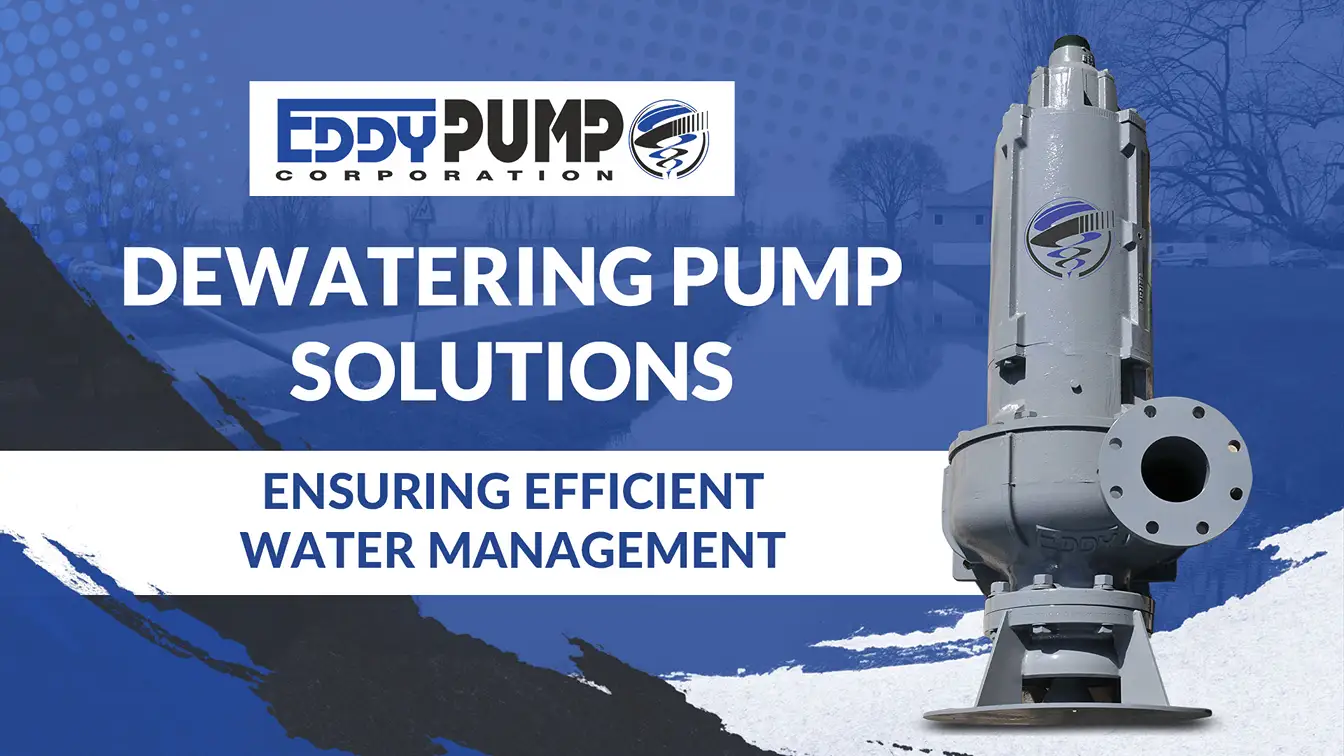
Water management is key across many industries, including construction, mining, wastewater treatment, oil & gas, and agriculture. Dewatering pumps are used to remove water and other liquids from construction sites, mines, agricultural fields, drainage systems, ponds, and flooded areas. These pumps are used for efficient drainage or to remove water from waterlogged areas to prevent damage and resume normal operations. EDDY Pump provides top-of-the-line dewatering solutions (including submersible pump solutions) so you can manage your water challenges effectively and efficiently.
Efficient water management is essential to maintaining productivity, safety, and environmental compliance in today’s industrial landscape. These pumps are indispensable tools in achieving these goals. This will explore the significance of submersible dewatering pumps, their available types, and why the EDDY Pump is preferred for dewatering solutions.
The Role of Dewatering Pumps in Water Management
Dewatering involves the removal of water from solids, heavy material, or soil through various methods, including wet classification, centrifugation, filtration, and similar solid-liquid separation processes. This process is critical for numerous industries to maintain dry conditions, ensure the stability of buildings, and enhance overall productivity.
Explanation of Dewatering and Its Importance
Dewatering is essential for creating stable work environments, reducing risks associated with water accumulation, and improving operational efficiency. It prevents the collapse of structures, ensures worker safety, and enhances the quality of construction and mining activities. Effective dewatering with a submersible pump can mitigate soil erosion, structural instability, and equipment failure.
Various Industries Relying on Dewatering Pumps
Construction:
Dewatering pumps are indispensable in construction projects, especially in areas with high groundwater levels. They help keep construction sites dry and are also essential for efficient drainage across flooded areas on construction sites to prevent delays and water damage, ensuring that foundations can be laid securely and work can proceed without interruption. With efficient dewatering, construction projects can avoid significant delays and increased costs.
Controlling groundwater is critical in mining operations. Dewatering pumps are also widely used in the oil & gas industry for managing water and other fluids during extraction and processing operations. Dewatering pumps remove gallons of water from mining pits, tunnels, and mines, allowing for safer and more efficient mineral extraction. The presence of water can hinder mining operations, reduce the effectiveness of machinery, and pose safety hazards, which is why a submersible pump is so critical in this area.
Agriculture:
In agricultural settings, submersible dewatering pumps help manage water levels in ponds and fields to prevent waterlogging, which can damage crops and reduce yields. Proper water management ensures crops receive the right amount of water, promoting healthy growth and maximizing productivity.
Wastewater Treatment:
Dewatering is a crucial step in wastewater treatment processes, where it is used to separate water from sludge. This process reduces sludge volume, making it easier to handle, transport, and dispose of. Efficient dewatering ensures that wastewater treatment plants operate smoothly and meet environmental regulations.
Submersible Dewatering Pumps: Efficiency and Versatility
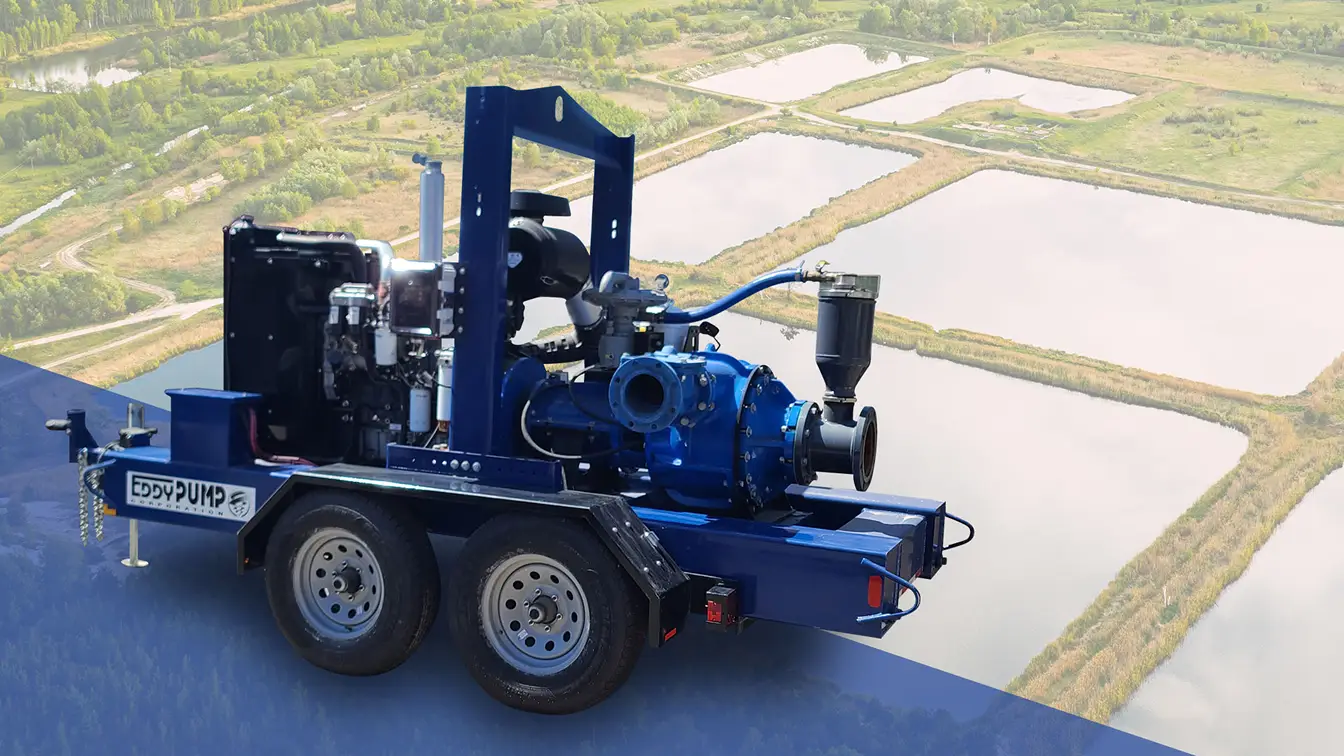
Submersible dewatering pumps are known for their efficiency and versatility. These pumps operate underwater, making them ideal for applications where other types of pumps might struggle to remove water.
Detailed Look at Submersible Dewatering Pumps
Submersible dewatering pumps are designed to operate while submerged in the liquid they are pumping. This unique design makes them highly effective when water needs to be removed from deep or confined spaces. Their ability to work underwater by connecting to pipes or hoses allows them to handle tasks that would be challenging for other types of pumps.
How They Work
Submersible dewatering pumps feature strong portability and are placed directly into the liquid to be pumped. They are hermetically sealed, preventing liquid from entering the motor housed inside the pump. This design allows them to push the liquid to the surface (usually via hose) rather than pulling it, which makes them more efficient and the best choice for handling higher volumes and heads.
Key Benefits and Applications
Submersible pumps offer high pumping capacity and energy-efficient operation. They can handle large volumes of water with minimal energy consumption, making them cost-effective solutions for dewatering needs.
Versatility: These pumps suit various environments, from clean water to slurry with high sediment content. Their robust construction allows them to handle multiple liquids, including those with abrasive particles.
Ease of Use: Submersible pumps are easy to install and operate, requiring minimal maintenance. Their compact design and built-in features make them convenient for temporary and permanent installations.
Comparison with Other Types of Dewatering Pumps
While centrifugal and diaphragm pumps are also used for dewatering, a submersible pump can often offer superior efficiency, noise reduction, and the ability to operate in deep and confined spaces. Centrifugal pumps, for example, move more gallons of liquid per hour compared to other types of pumps, making them ideal for surface dewatering but may be less effective in deep or confined areas. Diaphragm pumps are suitable for specific applications but may need to handle larger volumes more efficiently than submersible pumps.
EDDY Pump’s Range of Dewatering Pump Solutions
EDDY Pump offers a comprehensive range of dewatering pumps and accessories designed to meet the diverse needs of various industries.
Overview of EDDY Pump’s Dewatering Pump Products
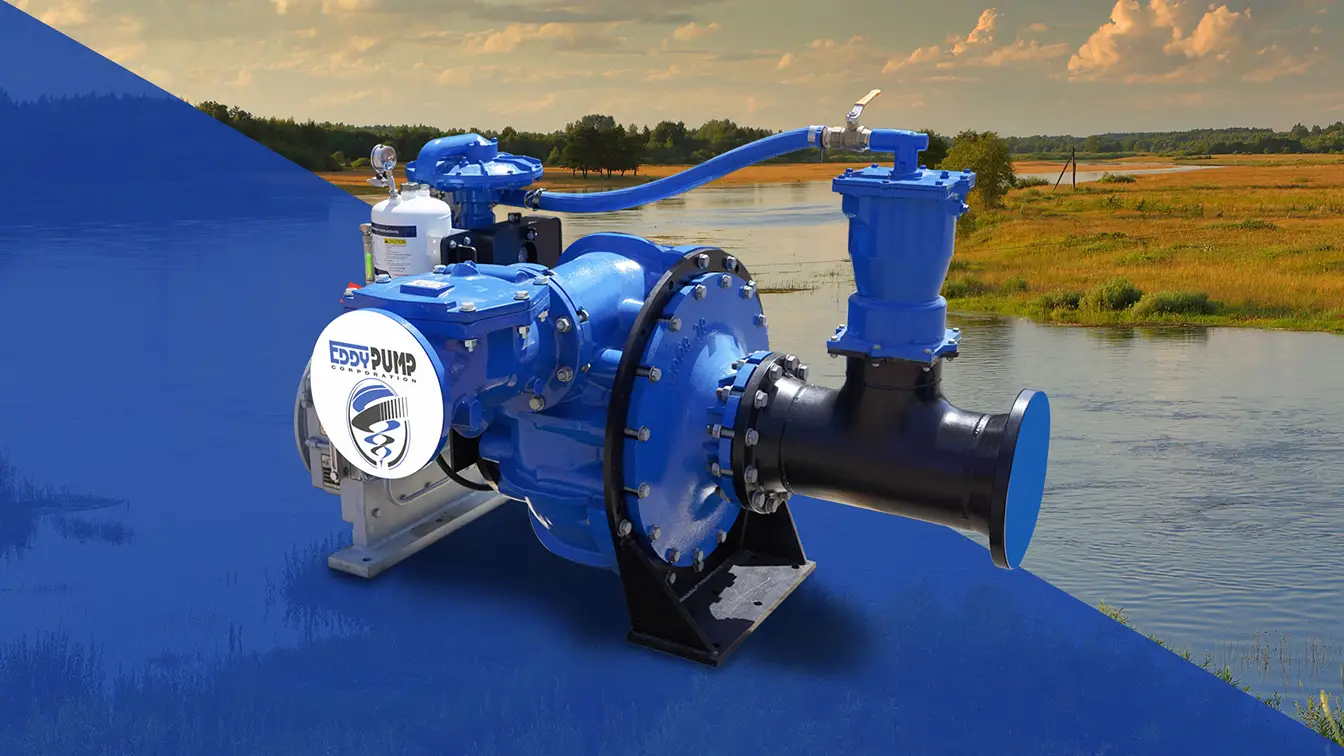
EDDY Pump’s product lineup includes a variety of submersible and non-submersible dewatering pumps, each engineered to deliver exceptional performance in demanding conditions. These pumps are built to handle various applications, including efficient water discharge from mining tunnels and construction sites, as well as agriculture and wastewater treatment.
Features and Specifications
High Efficiency:
EDDY Pump’s submersible dewatering pumps are designed with advanced engineering to ensure optimal performance. They can handle high volumes of water with minimal energy consumption, providing cost-effective solutions for dewatering needs.
Robust Construction:
These pumps are built from durable materials to withstand harsh environments and prolonged use. Their rugged construction ensures long-lasting operation, even in the most demanding conditions.
Innovative Technology:
EDDY Pump incorporates patented technology that minimizes clogging and wear. The unique rotor design creates a vortex that reduces contact between the pump components and the pumped material, enhancing the pump’s longevity and reliability.
Groundbreaking Design
EDDY Pump’s unique design features a rotor that creates a vortex. This reduces wear and tear on the pump components and allows for the easy pumping of viscous fluids and solids. This technology sets EDDY Pump apart from conventional pumps, providing reliable and efficient solutions for the toughest dewatering challenges.
Benefits of Renting Dewatering Pumps
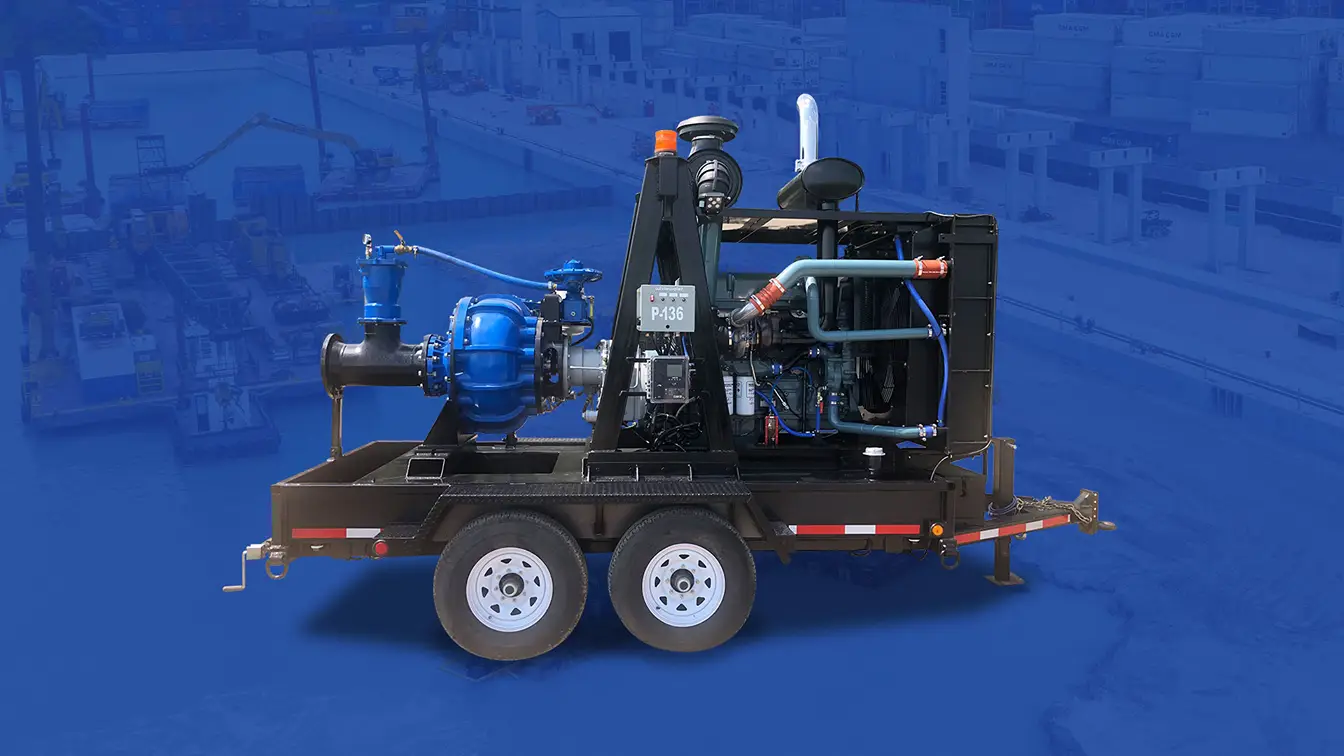
Renting submersible dewatering pumps can be a smart choice for many businesses, offering several key advantages.
Flexibility in Handling Different Project Requirements
Renting allows businesses to choose pumps tailored to specific project needs without the commitment of ownership. Factors such as project location and site conditions can influence the choice of dewatering pump, ensuring the selected equipment matches the unique requirements of each site. This flexibility is particularly beneficial for short-term projects or those with varying requirements. Companies can select the most suitable pump for each project, ensuring optimal performance and efficiency. EDDY Pump’s submersible dewatering pump rental services provide a wide range of options to meet diverse needs, making it easy for businesses to adapt to changing project demands.
Lower Upfront Costs
Renting dewatering pumps eliminates the need for significant upfront investment, freeing up capital for other critical business aspects. This cost-effective approach allows businesses to allocate resources more efficiently and avoid the financial burden of purchasing expensive equipment. EDDY Pump’s submersible dewatering pump rental services offer competitive pricing, ensuring businesses can access high-quality equipment without a significant initial expense.
Access to Well-Maintained and Updated Equipment
Rental services provide access to the latest pump technology and well-maintained equipment, ensuring optimal performance and reliability. Businesses can benefit from the most advanced and efficient pumps without ongoing maintenance and repairs. EDDY Pump’s submersible dewatering pump rental fleet is regularly serviced and updated to maintain peak performance, ensuring clients use top-tier equipment.
EDDY Pump’s Rental Process and Customer Support
EDDY Pump offers a streamlined rental process with comprehensive customer support. This ensures businesses can easily rent the right equipment and receive expert assistance throughout the rental period. The process is designed to be simple and efficient, with flexible terms and personalized service.
Detailed Rental Process
The rental process at EDDY Pump starts with a thorough assessment of the project requirements. EDDY Pump’s team of experts works closely with clients to understand their needs and ensure that the most suitable pump is selected for each project. Once the appropriate pump is identified, the rental agreement is tailored to the project duration and budget constraints.
EDDY Pump provides ongoing support during the rental period, including maintenance and troubleshooting services. This ensures the equipment operates at peak performance, minimizing downtime and maximizing efficiency. The equipment is returned at the end of the rental term, and the client can renew the rental agreement or explore other EDDY Pump solutions.
Dewatering Pumping in Challenging Environments
Dewatering in challenging environments requires specialized strategies and robust equipment. EDDY Pump’s dewatering solutions are designed to handle such conditions effectively.
Strategies for Effective Dewatering in Difficult Conditions
High Sediment and Debris: EDDY Pump’s technology minimizes clogging and can handle high sediment and debris, making it ideal for mining and construction sites. The vortex created by the pump’s rotor design allows for efficient handling of solids and abrasive materials. Discharge hoses are used to connect dewatering pumps to dewatering tanks, ensuring efficient water removal in challenging environments.
Variable Water Levels: Adjustable settings and high-efficiency operation ensure consistent performance even in fluctuating water levels. EDDY Pump’s dewatering solutions are designed to adapt to changing conditions, providing reliable performance in variable environments.
Success Stories and Case Studies from EDDY Pump Customers
EDDY Pump has a proven track record of success in challenging environments. Case studies from satisfied customers highlight the pump’s reliability and performance in demanding conditions. These success stories demonstrate how EDDY Pump’s dewatering solutions have helped businesses overcome water management challenges and achieve their project goals.
For instance, in a large-scale mining project in South America, EDDY Pump’s dewatering solutions were instrumental in maintaining dry conditions in a bottomless mining pit, allowing for uninterrupted extraction and significantly enhancing productivity. Similarly, in a construction project in Southeast Asia, EDDY Pump’s submersible pumps effectively managed high groundwater levels, ensuring the project’s timely completion without any water-related delays.
In another notable case, a wastewater treatment facility in North America faced significant challenges due to high sludge volumes and varying water levels. Advanced dewatering solutions from EDDY Pump provide a reliable and efficient method to manage these issues, improving operational efficiency and compliance with environmental regulations.
Maintenance and Longevity of Dewatering Pumps
Regular maintenance is crucial for submersible dewatering pumps’ optimal performance and longevity, as it helps protect the pump from damage and premature failure.
Importance of Regular Maintenance
Routine maintenance helps prevent breakdowns, extends the pump’s life, and ensures continuous, efficient operation. Regular inspections and upkeep are essential to maintaining the pump’s performance and avoiding costly repairs.
Tips for Extending the Life of Dewatering Pumps
Check for wear and tear and replace parts as needed. Early detection of potential issues can prevent more significant problems and ensure the pump’s reliability.
Proper Storage: Store pumps in a clean, dry place when not in use. Proper storage conditions help prevent damage and deterioration, prolonging the pump’s life span.
Regularly clean the pump to prevent clogging and buildup. Keeping the pump free from debris and sediment ensures optimal performance and reduces the risk of malfunctions.
Everyday Maintenance Tasks and Schedules
Daily: Inspect for visible damage and clean the pump exterior. Ensure that all components function correctly and that there are no signs of wear or damage.
Weekly: Check oil levels and inspect seals. Ensure that the pump’s internal components are adequately lubricated and that seals are intact to prevent leaks.
Monthly: Conduct a thorough inspection, including internal components. Perform a detailed check of the pump’s internal parts, looking for signs of wear and addressing any issues promptly.
Advanced Maintenance Techniques
Advanced maintenance techniques can be employed for long-term reliability. These include predictive maintenance strategies using sensor technology to monitor the pump’s performance in real-time. Analyzing data such as vibration, temperature, and pressure can identify and address potential issues before they lead to failures. Implementing such advanced maintenance practices can significantly enhance the lifespan and efficiency of dewatering pumps.
Training and Education
Proper training and education of personnel involved in operating and maintaining submersible dewatering pumps are crucial. EDDY Pump offers training programs to ensure operators are well-versed in the best practices for using and maintaining the equipment. This includes understanding the pump’s functionality, identifying potential issues, and performing routine maintenance tasks effectively.
Conclusion
Dewatering pumps are essential tools for effective water management across various industries. EDDY Pump’s commitment to innovation, quality, and customer support ensures businesses can access reliable and efficient dewatering solutions. By choosing EDDY Pump, companies can enhance their productivity, manage water-related challenges, and ensure the success of their projects.
Water management is not just about removing excess water; it’s about stability, safety, and success. EDDY Pump’s solutions deliver the performance, reliability, and innovation to tackle any dewatering job. With a range of products, flexible submersible dewatering pump rental options, and full support, EDDY Pump is your go-to partner for all your dewatering needs.
Contact EDDY Pump today to learn more or to rent a dewatering pump.
FAQs
What industries benefit from dewatering pumps?
Dewatering pumps are essential in construction, mining, oil & gas, and agriculture. They help remove excess water, ensuring safe operations in excavation sites, mines, and fields. These pumps also enable smoother workflow and prevent water-related damage to equipment and structures.
How do dewatering pumps contribute to environmental protection?
They prevent soil erosion, minimize water contamination, and help protect ecosystems by efficiently managing water and reducing flooding risks at construction and mining sites. Proper water management ensures that excess water does not overflow into sensitive areas, preserving local ecosystems.
What are the advantages of renting dewatering pumps over purchasing them?
Renting offers flexibility for short-term projects, eliminates high upfront costs, and provides access to the latest technology without maintenance responsibilities. It also allows you to choose the right equipment for specific project needs without being tied to long-term ownership, saving costs on storage and maintenance.
Can dewatering pumps handle both clean and dirty water?
Yes, dewatering pumps can handle both clean and muddy water. Specialized pumps are designed to manage water with solids, ensuring clog-free operation in various environments. This versatility makes them suitable for use in a wide range of industries, from construction to wastewater treatment.
What factors should be considered when selecting a dewatering pump?
Key factors include the water volume, type of water (clean or dirty), pumping distance, depth, and site conditions like space, power availability, and environmental regulations. Choosing the right pump ensures maximum efficiency and cost-effectiveness for the specific requirements of your project.
How do dewatering pumps improve safety on construction sites?
By keeping work areas dry, dewatering pumps reduce the risk of slips, falls, and equipment malfunctions, improving site safety and preventing costly disruptions. They also help maintain proper ground conditions, reducing the chances of accidents caused by unstable or flooded areas.
Are there dewatering pump solutions for remote or hard-to-access areas?
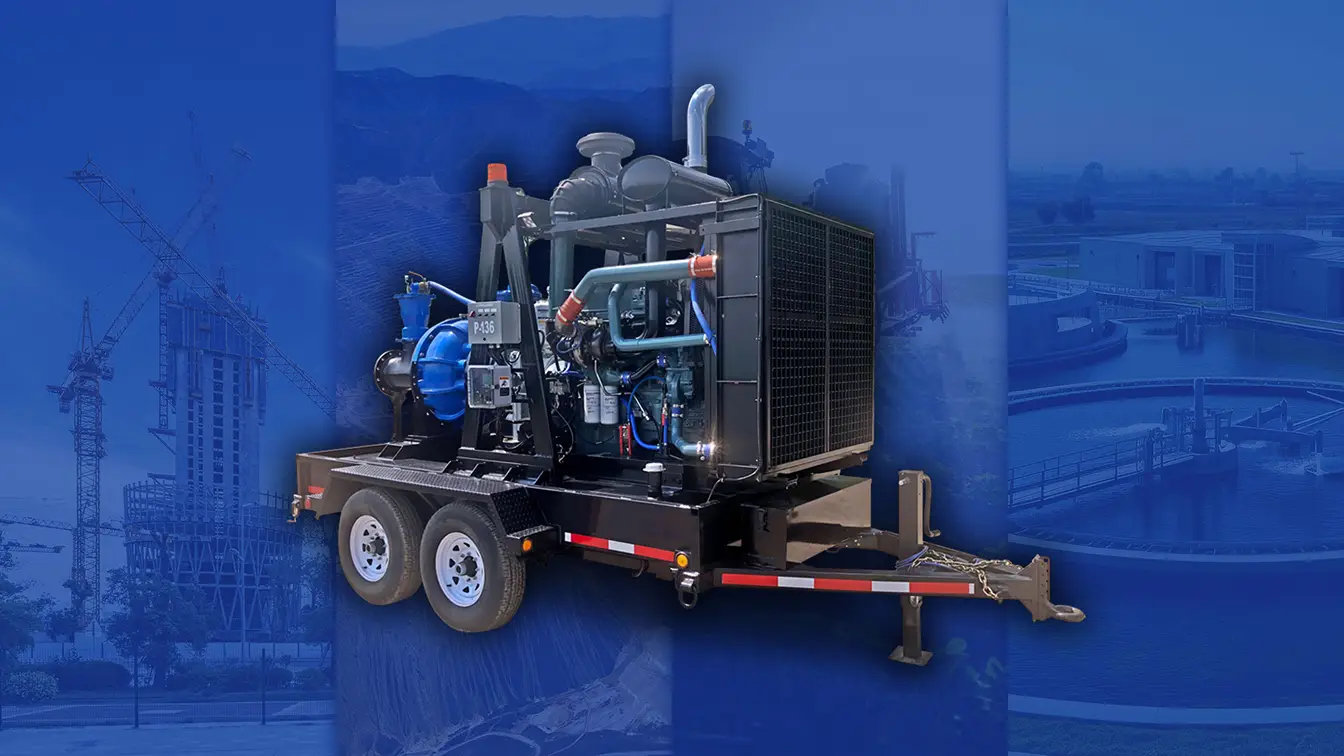
Yes, dewatering pumps are available in portable, rugged designs that can operate in remote locations, often powered by diesel engines for areas with limited power sources. These pumps are ideal for challenging environments, ensuring that water removal can continue efficiently even in the most difficult conditions.
What maintenance practices are recommended for dewatering pumps?
Regular maintenance includes checking components for wear, cleaning filters, inspecting hoses, and ensuring proper lubrication to prevent breakdowns and extend the pump’s lifespan. Keeping the pump in top condition helps avoid unexpected downtime and ensures continuous, reliable performance.
How do dewatering pumps impact project timelines?
Dewatering pumps prevent water buildup that can delay construction or mining projects, helping maintain a dry site and keeping operations on schedule. By efficiently removing water, they minimize the risk of weather-related delays and ensure that work can proceed without interruptions.
Can dewatering pumps be used in agricultural applications?
Yes, dewatering pumps are used in agriculture to manage water in fields, prevent waterlogging, and maintain optimal conditions for crop growth. They are especially useful in regions with heavy rainfall or poor drainage systems, helping maintain healthy soil conditions for better crop yield.