- What Is an Autonomous ModDredge?
- Why Remote and Unmanned Dredging Is Gaining Demand
- Where Autonomous ModDredge Systems Work Best
- Key Components of a Remote-Operated Dredging System
- Remote-Controlled vs Semi-Autonomous vs Fully Autonomous Dredging
- Why Modular Dredging Platforms Fit Remote Dredging Sites
- How Remote Dredging Changes Daily Field Operations
- When Conventional Crewed Dredging Still Makes Sense
- Buyer Checklist: Is Your Site a Good Fit for Autonomous Dredging?
- Final Takeaway
- FAQs
Remote and unmanned dredging is becoming more practical for sites where conventional dredging creates safety, access, or staffing challenges. Tailings ponds, industrial lagoons, wastewater basins, retention ponds, and restricted-access waterways often place operators near unstable shorelines, contaminated sediment, soft ground, or difficult launch areas. In these environments, the question is not just how much material needs to be removed. The real question is how to remove it safely and consistently without putting crews in the wrong place.
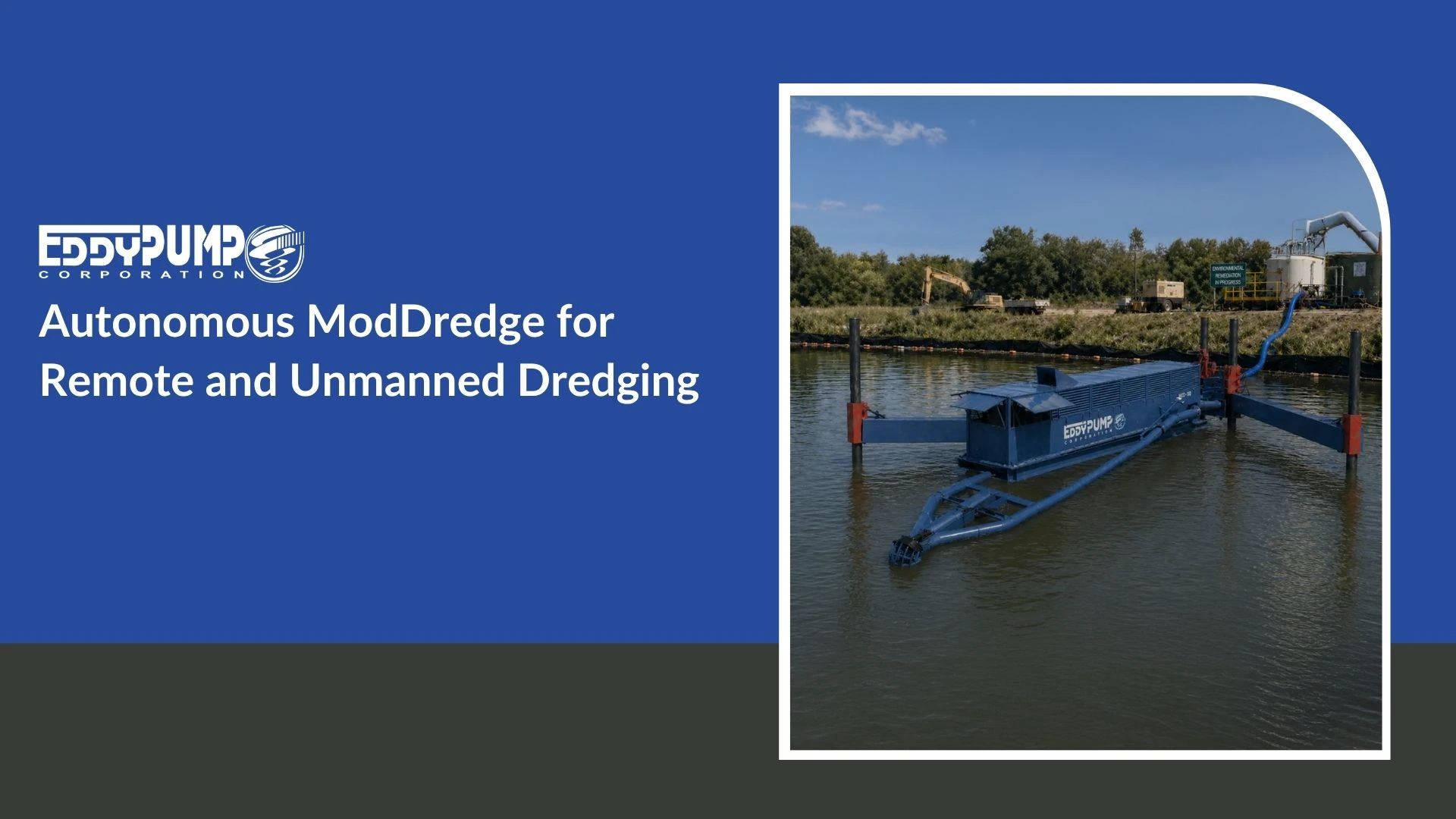
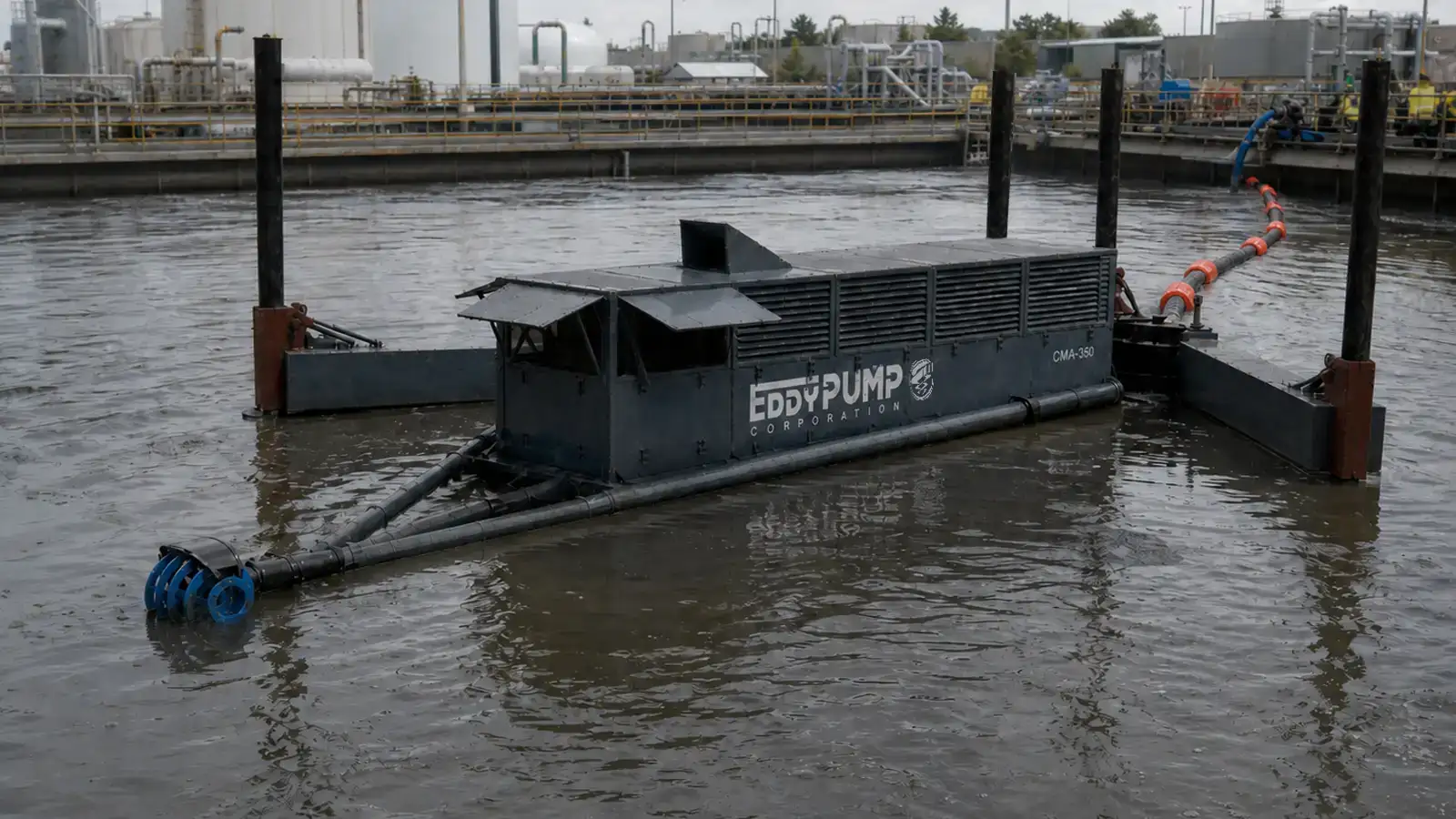
An Autonomous ModDredge is a modular dredging platform configured for remote-operated or semi-autonomous dredging. Depending on the project, it may use GPS positioning, wireless controls, shore-based monitoring, cameras, telemetry, pump monitoring, and planned dredging routes to reduce the need for onboard personnel during active dredging.
Autonomous dredging does not mean the system operates with no people, no maintenance, and no oversight. That is the brochure version of the story, and brochures are where common sense sometimes goes to nap. In real industrial dredging, operators still supervise the system, verify production, maintain the pump and pipeline, and respond when site conditions change. The value is not eliminating people. The value is reducing exposure, improving control, and making dredging possible in places where conventional methods are harder to manage.

What Is an Autonomous ModDredge?
An Autonomous ModDredge is a remote-operated or semi-autonomous dredging system built around a modular dredging platform. It is designed to support sediment removal in locations where access, safety, mobility, or long-term maintenance dredging make conventional crewed equipment less practical.
In most applications, the dredge is still supervised by trained operators. The difference is that many functions that normally require personnel on or near the dredging platform can be managed from shore or from a safer control location. Operators may monitor dredge position, pump performance, pipeline pressure, dredging depth, and system alarms without remaining directly onboard the equipment.
This makes the system useful for projects where the dredging area is difficult to access, the waterbody is confined, the sediment may be hazardous, or the shoreline cannot reliably support routine personnel and equipment movement.
Why Remote and Unmanned Dredging Is Gaining Demand
Many industrial dredging projects are moving toward remote operation because the work is becoming more difficult to support with traditional field methods. Mining companies, industrial plants, wastewater facilities, and environmental contractors often need to remove solids from areas that were never designed for easy dredge access.
The main drivers are safety, accessibility, labor availability, and production consistency. In tailings ponds or soft-ground basins, placing crews near the waterline can create avoidable exposure. In contaminated sediment projects, personnel may need to stay farther away from the material being removed. In remote mining or industrial sites, keeping experienced operators on location for long dredging campaigns can become expensive and difficult.
Remote-operated dredge systems help address these problems by moving more of the operator’s work to a control point. That does not remove the need for field support, but it can reduce how often personnel must work directly on floating equipment, unstable shoreline areas, or restricted-access zones.
Common Site Conditions That Create Exposure or Access Problems
- Tailings ponds with unstable shorelines or soft sediment
- Industrial wastewater lagoons with corrosive or hazardous material
- Remote retention ponds with limited road or maintenance access
- Contaminated sediment areas with environmental exposure concerns
- Soft-ground zones where heavy equipment movement is unreliable
- High-temperature process ponds or industrial slurry environments
- Restricted-access basins where large dredges are difficult to mobilize
- Lined containment ponds that require controlled dredge movement
Where Autonomous ModDredge Systems Work Best
Autonomous dredging is not a universal replacement for conventional dredging. It works best when the project benefits from controlled movement, remote monitoring, modular deployment, and reduced direct operator exposure. It is especially useful in repetitive or semi-controlled environments where dredging routes, sediment zones, and access limitations can be planned before operation begins.
Mining tailings ponds
Remote-operated dredges can help manage sediment accumulation while reducing crew exposure around unstable containment areas.
Industrial settling basins
Facilities that require recurring solids removal can benefit from planned dredging routes, shore-based monitoring, and modular deployment.
Wastewater lagoons
Remote operation can reduce direct exposure to sludge, biological material, corrosive conditions, or confined basin access.
Remote retention ponds
Modular systems are easier to move into sites where large equipment, cranes, or wide staging areas are not practical.
Environmental sediment removal
Controlled positioning and remote monitoring can support more careful excavation in contaminated or sensitive areas.
Lined containment ponds
Smaller dredging platforms with controlled movement can help reduce unnecessary contact with pond liners.
Long-term maintenance dredging
Facilities with recurring dredging needs can use repeatable routes and monitoring practices to improve consistency over time.

Key Components of a Remote-Operated Dredging System
A remote-operated dredge is more than a dredge with a wireless controller. The entire system must be planned around positioning, monitoring, communication, pump performance, slurry transport, and recovery access.
| System Component | Why It Matters |
| RTK GPS positioning | Tracks dredge location and helps maintain planned dredging paths. |
| Wireless controls | Allows operators to control movement and dredging functions from shore or a remote station. |
| Telemetry | Sends operating data to the control point for troubleshooting and production visibility. |
| Camera systems | Improves visual monitoring in isolated, restricted, or hazardous areas. |
| Depth monitoring | Helps operators maintain target dredging elevations and avoid over-dredging. |
| Pump monitoring | Tracks pressure, load, temperature, and other indicators that may point to clogging, wear, or unstable flow. |
| Emergency shutdown | Provides a way to stop the system quickly if operating conditions become unsafe. |
| Shore-based control station | Centralizes supervision, decision-making, alarms, and operator response. |
Remote-Controlled vs Semi-Autonomous vs Fully Autonomous Dredging
The word “autonomous” can mean different things in dredging. For buyer clarity, it is better to explain the levels directly.
| Approach | How It Works | Best Fit |
| Remote-controlled dredging | Operator controls the dredge from shore or a nearby control station. | Best when the goal is reducing onboard personnel while keeping direct human control. |
| Semi-autonomous dredging | System may follow planned routes, positioning guidance, or defined operating patterns while still being supervised. | Best for repetitive maintenance dredging, basins, lagoons, and controlled sites. |
| Fully autonomous dredging | System attempts to operate with minimal real-time human input. | Limited in many industrial sites because sediment, debris, weather, wear, and communication issues still require oversight. |
| Conventional crewed dredging | Operators remain onboard or directly near the equipment. | Still valuable for variable sites, heavy debris, complex excavation, and high-production open-water work. |
Why Modular Dredging Platforms Fit Remote Dredging Sites
Remote dredging projects often fail or become expensive because of access, not because of the dredge pump itself. A site may have limited staging area, poor road access, unstable ground, or no practical way to launch a large conventional dredge. This is where modular dredging platforms are useful.
A modular ModDredge-style platform can be transported, assembled, repositioned, and recovered with less site disruption than many large single-piece dredges. That matters in mining ponds, industrial basins, tailings storage areas, and confined waterways where access roads, lifting equipment, and maintenance support are limited.
Operational advantages of modular remote dredging platforms include:
- Easier transport into remote industrial or mining sites
- Reduced mobilization complexity compared with large conventional dredges
- Smaller deployment footprint in confined ponds and lagoons
- Better adaptability for irregular basin geometry
- Simpler retrieval for maintenance, shutdowns, or repositioning
- Lower dependence on large staging areas or heavy site infrastructure
- More practical use in restricted-access sediment removal projects
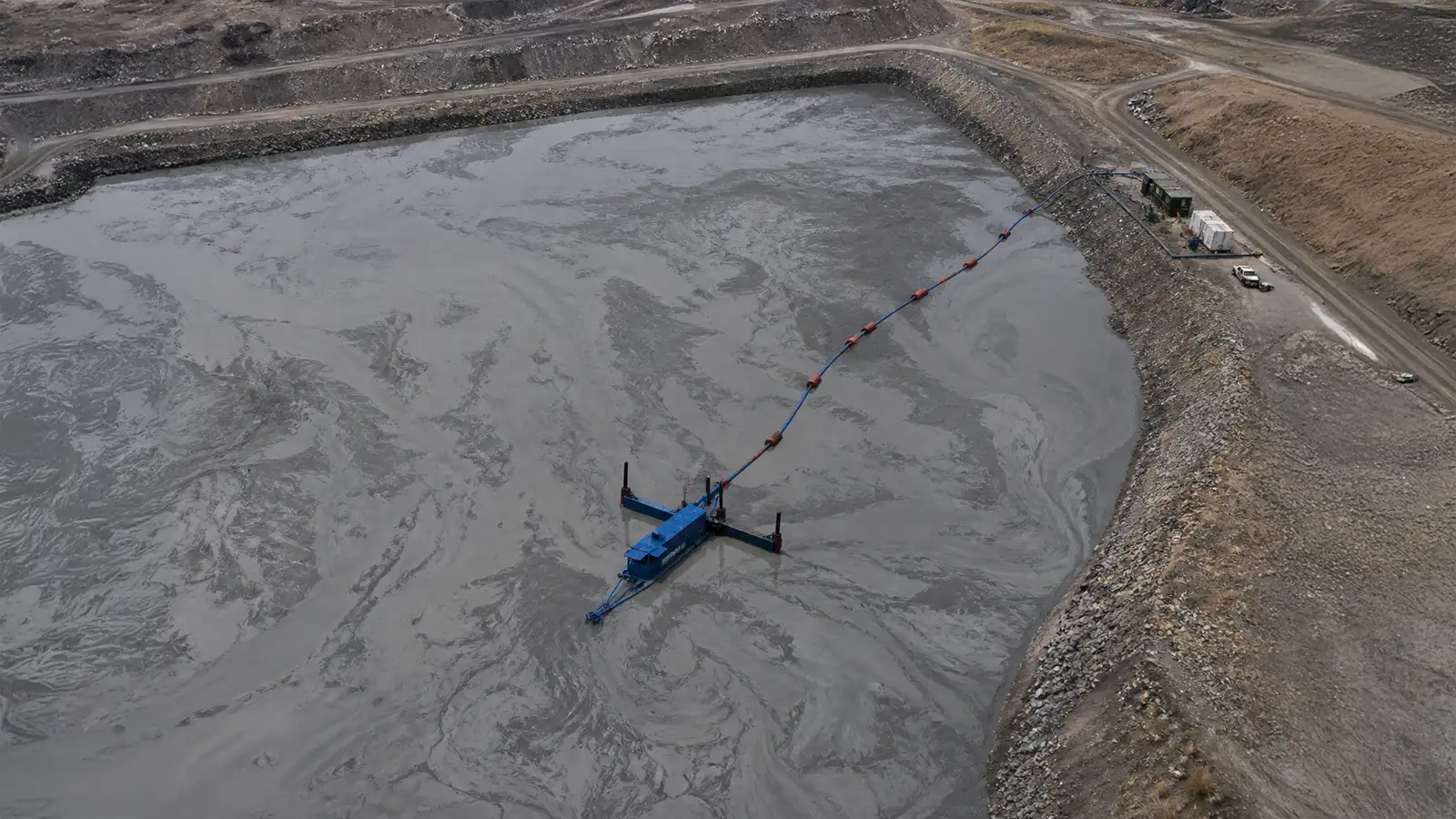
How Remote Dredging Changes Daily Field Operations
Remote and unmanned dredging changes the daily workflow. Instead of relying only on onboard personnel to manage dredge movement, pump operation, and sediment removal, the project shifts toward planning, monitoring, calibration, and scheduled maintenance.
A typical remote dredging workflow includes:
- Site mapping and dredge plan development
- Review of basin geometry, sediment type, access limitations, slurry transport distance, and discharge location
- GPS positioning and operating boundary setup
- Control system, telemetry, camera, and sensor testing
- Dredging route planning or excavation zone programming
- Real-time monitoring of dredge movement, pump behavior, pipeline pressure, and production stability
- Routine inspection, wear checks, pipeline review, and maintenance scheduling
The new dependencies should be evaluated before purchase. Wireless communication must be stable. GPS coverage must be reliable enough for the site. Sensors and cameras must be maintained and calibrated. Pipeline monitoring remains critical because a blocked or worn discharge line can stop production no matter how advanced the dredge controls are.
What Still Requires Human Involvement
- Deployment and retrieval
- Maintenance and repairs
- Pump and pipeline inspection
- Wear part replacement
- Dredging route adjustments
- Sediment verification
- Emergency response and recovery planning
- Production review and troubleshooting
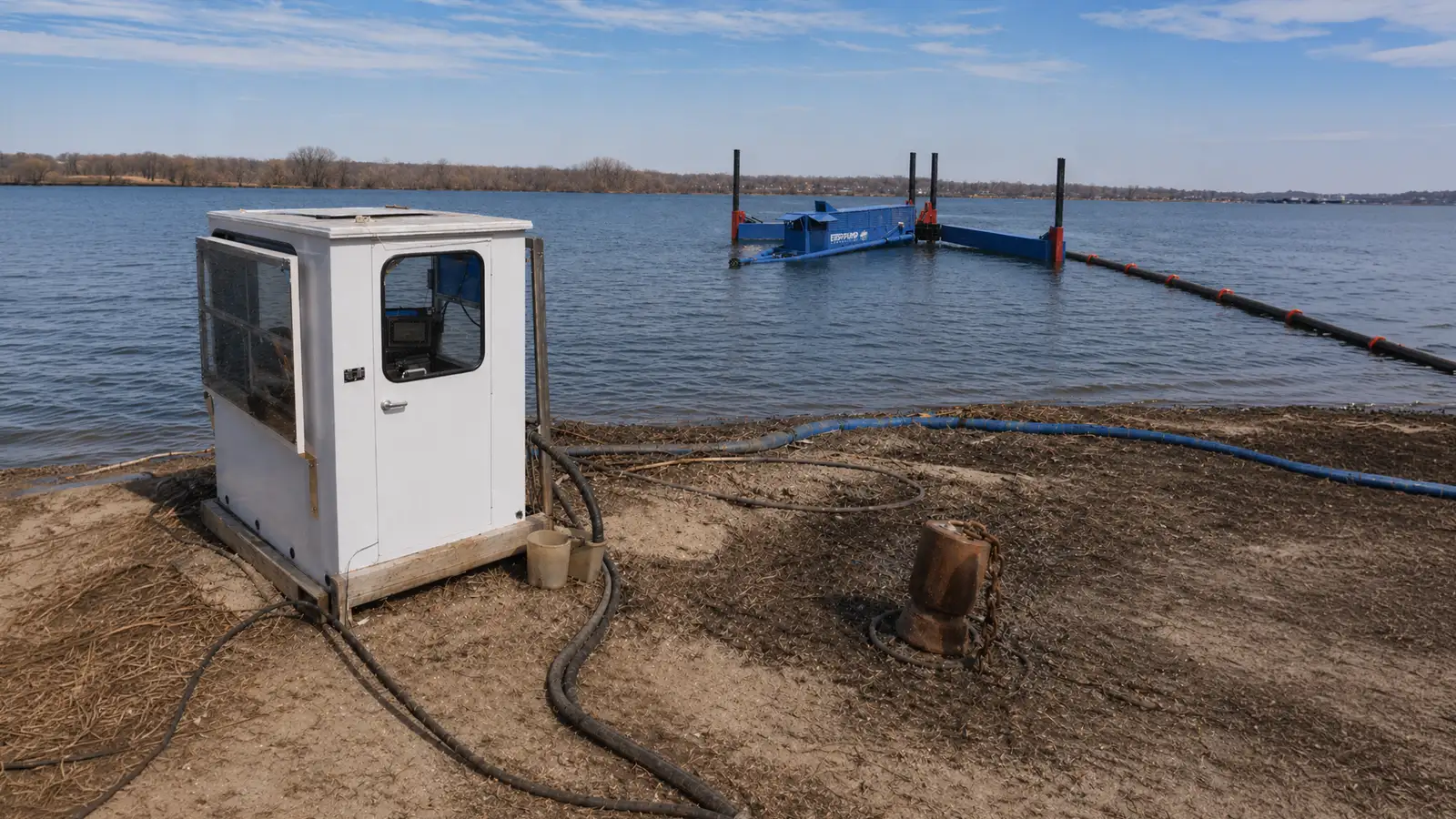
When Conventional Crewed Dredging Still Makes Sense
Autonomous dredging is useful, but it is not magic. Some projects still need conventional crewed dredging because field conditions change too quickly or require constant judgment from experienced operators.
Traditional crewed dredging may be the better fit when the project involves:
- Heavy debris such as timber, trash, cables, or unpredictable obstructions
- Highly variable sediment conditions across the dredging area
- Large open-water projects focused mainly on maximum production volume
- Strong currents, wave exposure, or difficult weather conditions
- Submerged utilities, structures, or complex underwater hazards
- Unreliable communication infrastructure
- Frequent repositioning or changing excavation strategy
In these situations, the flexibility of an experienced operator may matter more than the benefits of remote control. The right question is not “Is autonomy better?” The right question is “Does this site benefit from remote operation enough to justify the system design?”
Buyer Checklist: Is Your Site a Good Fit for Autonomous Dredging?
Before investing in autonomous dredging equipment, buyers should evaluate the complete site and slurry system.
Site conditions
- Is shoreline access limited, unstable, or unsafe?
- Is the basin geometry predictable enough for planned dredging paths?
- Is the water depth and dredging depth reasonably consistent?
- Is the site remote, restricted, contaminated, or difficult to stage?
- Can the equipment be launched, retrieved, and serviced safely?
Material and slurry conditions
- What type of sediment or slurry will be moved?
- What is the expected solids concentration?
- Are there large particles, debris, or liner protection concerns?
- What slurry transport distance and discharge elevation are required?
- Will booster pumps, agitation, or cutter assistance be needed?
Technical requirements
- Is reliable wireless communication available across the dredging area?
- Can GPS positioning perform accurately at the site?
- Is real-time camera or telemetry monitoring required?
- Is shore-based control practical for the facility?
- Are alarms and emergency shutdown functions required?
Lifecycle and maintenance planning
- How often will the pump, pipeline, and wear components need inspection?
- Can maintenance crews access the dredge safely when needed?
- Are spare parts and technical support available for the project duration?
- Is there a recovery plan if the dredge, pipeline, or control system fails?
- Will the system be used once, seasonally, or as part of a long-term maintenance program?
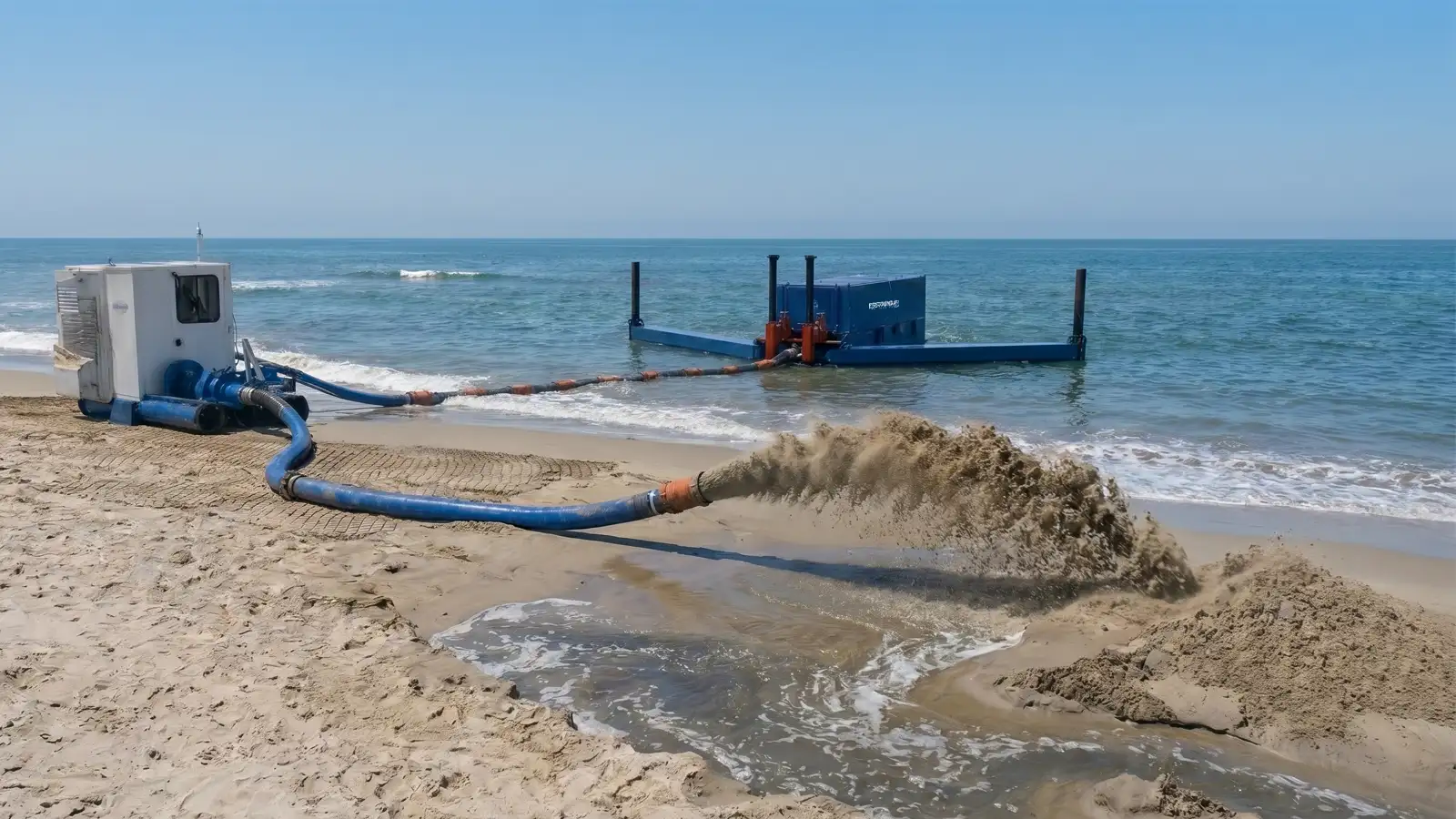
Final Takeaway
Autonomous dredging is best understood as a practical field strategy, not a promise that dredging can run with no people involved. Remote-operated and semi-autonomous dredge systems can reduce direct operator exposure, improve monitoring visibility, and make dredging more practical in remote, restricted, hazardous, or difficult-access environments.
For many mining, industrial, wastewater, and environmental projects, the strongest fit is not full autonomy. It is a supervised remote dredging system built around the right pump, platform, pipeline, controls, access plan, and maintenance strategy.
An Autonomous ModDredge can be a strong option when the site benefits from modular deployment, shore-based operation, controlled dredging routes, and reduced exposure around difficult sediment removal areas. Buyers should evaluate the full system before selecting equipment: material, solids, depth, access, pipeline distance, communication reliability, production goals, and long-term maintenance support all matter.
Need help evaluating whether a remote-operated or autonomous dredging system makes sense for your site? EDDY Pump can review your dredging application, material conditions, deployment limitations, and slurry transport requirements to help identify the right ModDredge configuration.

FAQs
Can an autonomous dredge operate completely without onsite personnel?
Usually, no. Most autonomous dredges used in industrial applications are remote-operated or semi-autonomous systems. They still require operators, maintenance personnel, inspection procedures, and emergency response planning.
What is the difference between a remote-operated dredge and an autonomous dredge?
A remote-operated dredge is controlled directly by an operator from shore or a nearby control station. A semi-autonomous dredge may use GPS guidance, planned routes, or automated positioning assistance, but it still requires human supervision.
What projects are best suited for an Autonomous ModDredge?
Good fits often include tailings ponds, industrial lagoons, wastewater basins, retention ponds, lined containment ponds, environmental sediment removal, and long-term maintenance dredging where access or personnel exposure is a concern.
Does autonomous dredging reduce maintenance requirements?
No. It can reduce direct onboard operation, but pumps, pipelines, wear parts, sensors, hydraulic systems, and controls still require routine inspection and maintenance.
What are the biggest limitations of unmanned dredging systems?
Common limitations include heavy debris, variable sediment conditions, unreliable communication, poor GPS coverage, difficult recovery access, pipeline blockages, and sites that require constant operator judgment.
How should buyers evaluate autonomous dredging equipment?
Buyers should review site access, basin geometry, sediment type, solids concentration, dredging depth, pipeline distance, communication reliability, maintenance access, production targets, and long-term support before selecting a system.