Submersible sewage pumps are vital tools for managing wastewater in various settings. Designed to operate underwater, these pumps efficiently handle solids, liquids, and slurries, ensuring smooth wastewater transfer and disposal. Whether you need a sewage submersible pump for residential, commercial, or industrial applications, selecting the right one is crucial to meeting specific needs and maintaining system reliability. A sewage submersible pump offers durability and efficiency, making it an essential component in wastewater management. By understanding the key features of a submersible sewage pump, you can ensure that your system operates effectively and meets its demands. This guide explores the essential factors to consider when choosing a sewage submersible pump, from understanding its components to evaluating its performance features.
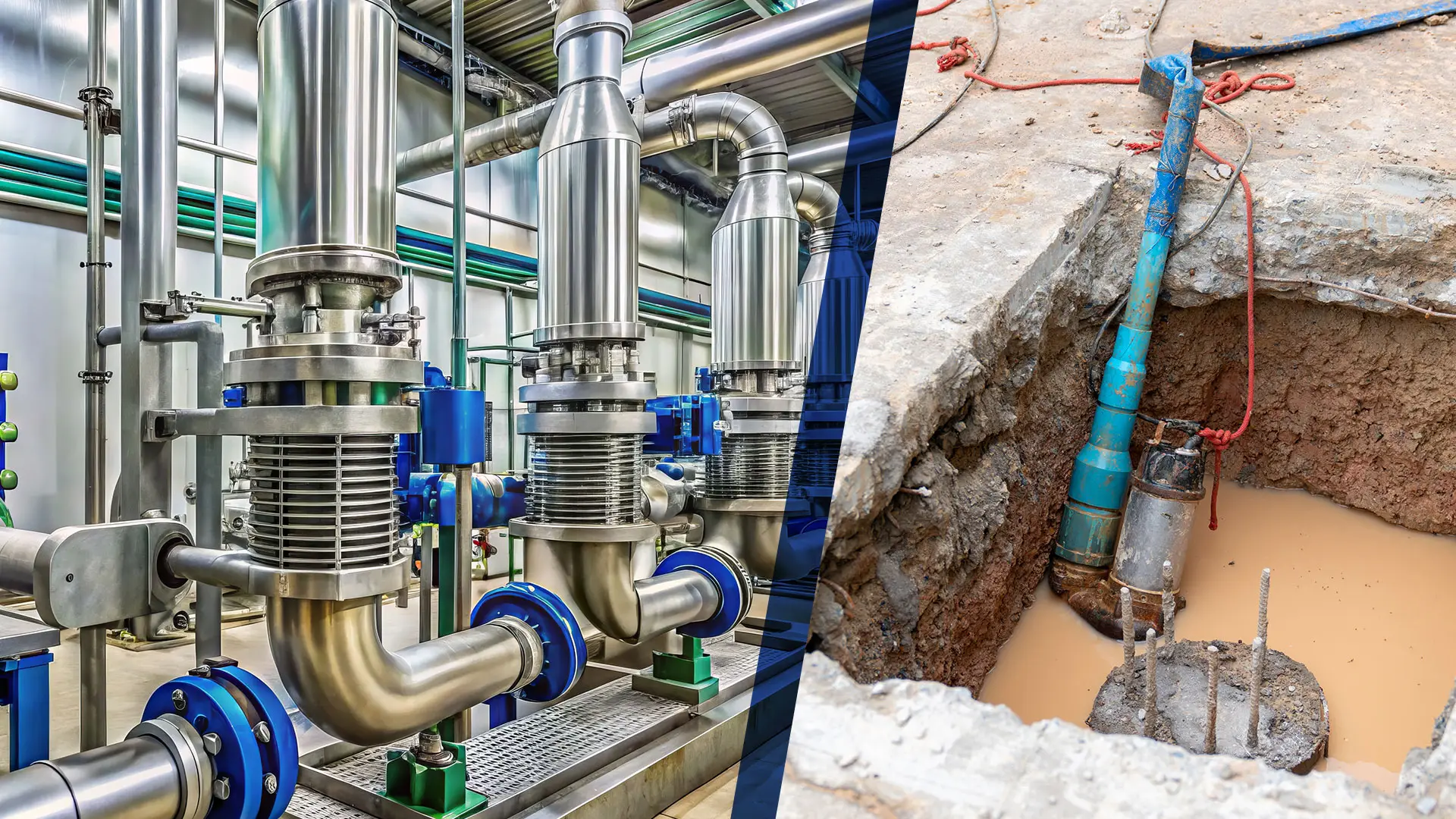

Understanding Submersible Sewage Pumps
A submersible sewage pump is a device that operates while fully submerged in the liquid it is designed to pump. This unique design minimizes noise, prevents overheating, and ensures maximum efficiency.
Key Components
- Impeller: Facilitates the movement of solids and liquids.
- Motor: Drives the pump and ensures steady operation.
- Casing: Protects internal components and directs fluid flow.
- Seal: Prevents water from reaching the motor, safeguarding it from damage.
Applications
- Residential: Ideal for septic systems and small wastewater management.
- Municipal: Used in sewage treatment plants and large-scale wastewater systems.
- Industrial: Handles heavy-duty tasks like processing abrasive slurries and high-volume wastewater.
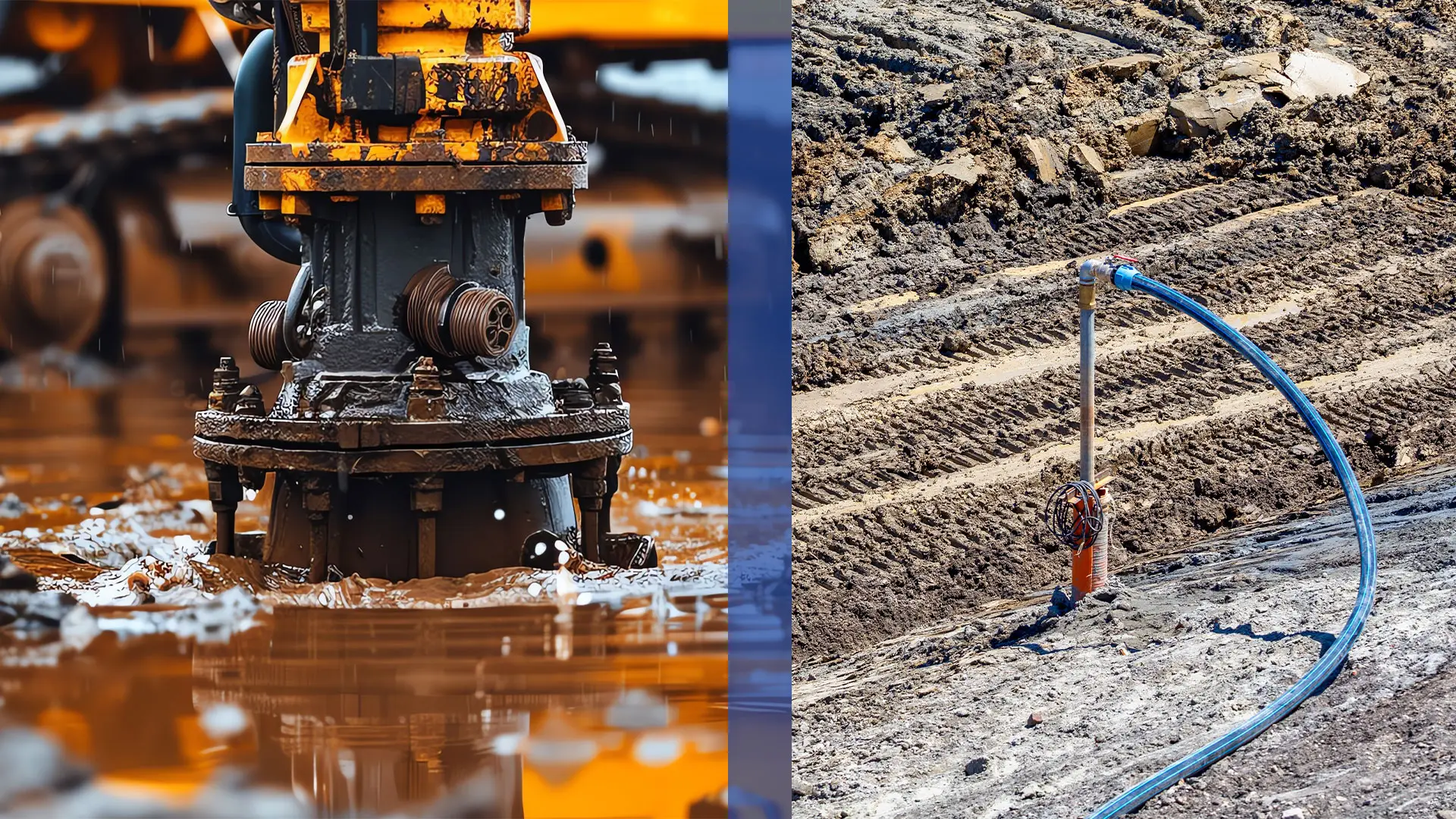
Assessing Your Specific Needs
Choosing the right submersible sewage pump begins with a thorough assessment of your requirements.
Type of Application
- Residential: Requires compact, energy-efficient pumps.
- Commercial: Demands higher capacity and durability for medium-scale operations.
- Industrial: Needs robust pumps capable of handling high volumes and abrasive materials.
Nature of Wastewater
Understanding the type of wastewater (solids, liquids, or slurry) is critical. Pumps designed for high-solid content differ from those for clear or lightly contaminated liquids.
Flow Rate and Head Requirements
- Flow Rate: Measured in gallons per minute (GPM), it represents the volume of liquid the pump can move.
- Total Dynamic Head (TDH): Combines vertical lift and friction loss in the piping system. Accurate TDH calculations ensure the sewage pump meets your system’s needs.
Operating Environment
- Indoor or outdoor use will affect your choice of materials and corrosion resistance.
- For corrosive or abrasive environments, pumps made of stainless steel or high-grade cast iron are ideal.
Key Features to Look For
When selecting a submersible sewage pump, pay attention to its materials, motor specifications, impeller design, and sealing mechanism.
Pump Material
- Stainless Steel: Best for corrosive environments.
- Cast Iron: Durable and ideal for heavy-duty tasks.
- Thermoplastics: Lightweight and resistant to specific chemicals.
Motor Specifications
- Single-Phase Motors: Suitable for residential applications.
- Three-Phase Motors: Provide more power and efficiency for industrial use.
- Horsepower: Choose a motor with adequate horsepower to handle your system’s requirements.
Impeller Design
- Vortex Impellers: Great for handling solids without clogging.
- Channel Impellers: Provide higher efficiency for liquid pumping.
Sealing Mechanism
- Mechanical Seals: Offer superior leak prevention.
- Double Mechanical Seals: Recommended for systems with high-pressure requirements.

Energy Efficiency and Cost Considerations
Energy efficiency is a critical factor in reducing operational costs and environmental impact.
- Look for submersible sewage pumps with high-efficiency motors to save on energy bills.
- Compare upfront costs against long-term operating expenses.
- Consider pumps equipped with Variable Frequency Drives (VFDs) to optimize performance based on system demand.
Installation and Maintenance Factors
Ease of installation and maintenance can significantly impact your pump’s long-term performance.
- Plug-and-Play Models: Simplify the installation process for residential and light commercial use.
- Accessibility: Ensure maintenance points are easily reachable.
- Spare Parts Availability: Opt for models with readily available spare parts to reduce downtime.
Safety and Reliability
A reliable sewage submersible pump ensures uninterrupted performance and minimizes potential hazards.
- Overload Protection: Prevents motor damage during power surges.
- Alarm Systems: Alerts users to high water levels or system failures.
- Quality Certifications: Look for UL, CSA, or equivalent certifications that signify safety and durability.
Choosing the Right Manufacturer or Brand
Not all submersible sewage pumps are created equal. Choosing a reputable manufacturer ensures product quality and reliable support.
- Reputable Brands: Opt for well-known manufacturers with a track record of producing durable pumps.
- Customer Reviews: Read reviews and testimonials to gauge performance and customer satisfaction.
- Technical Support: Ensure the manufacturer offers after-sales support, including installation assistance and troubleshooting.
Common Mistakes to Avoid
Avoid these common pitfalls when selecting a submersible sewage pump:
- Wrong Size or Capacity: Oversized pumps waste energy, while undersized pumps may fail prematurely.
- Compatibility Issues: Ensure the pump integrates seamlessly with your existing system.
- Neglecting Maintenance Needs: Choose a pump with a manageable maintenance schedule to extend its lifespan.

Conclusion
Choosing the right submersible sewage pump requires a careful balance of performance, efficiency, and durability. By assessing your specific needs, understanding essential features, and considering installation and maintenance factors, you can make an informed decision that meets your wastewater management requirements. Whether you’re looking for a high-quality sewage submersible pump for residential or industrial use, understanding the differences between various submersible sewage pumps can guide you toward the most suitable option. Consulting a trusted supplier ensures access to a reliable sewage submersible pump that meets your specific needs.
Contact us now to find the perfect pump for your needs and ensure efficient wastewater handling!