Septic systems are an essential part of wastewater management for homes and businesses that are not connected to municipal sewer lines. They ensure the safe treatment and disposal of wastewater, protecting the environment and human health. However, for these systems to function effectively, selecting the right pumps for septic systems is crucial. Pumps play a key role in moving wastewater efficiently, preventing system failures, and maintaining optimal performance.
Without properly functioning pumps for septic systems, wastewater may not be transported effectively, leading to blockages, overflows, and expensive repairs. Homeowners and businesses must choose the right pump type based on their specific system needs. This guide explores the different types of pumps for septic systems, factors to consider when selecting a pump, installation and maintenance practices, common issues, and technological advancements in septic pump solutions.

Understanding the Need for Pumps in Septic Systems
How Septic Systems Work and When a Pump is Required
A septic system consists of key components, including a septic tank, a drain field, and, in some cases, additional treatment units. Wastewater from sinks, toilets, and other household or business drains enters the septic tank, where solid waste settles at the bottom as sludge. At the same time, oils and lighter particles float as scum. Between these layers, bacteria decompose organic matter, producing partially treated liquid effluent.
Once processed, the effluent moves from the septic tank to the drain field, where it undergoes further filtration through soil layers before being absorbed into the ground. Some septic systems rely solely on gravity to facilitate this movement. However, in many situations, gravity alone is insufficient to transport wastewater effectively. This is where pumps for septic systems become essential.
A pump is required in pumps for septic systems when the drain field or secondary treatment area is located at a higher elevation than the septic tank, making it impossible for gravity to move the wastewater. Additionally, pumps for septic systems are necessary when the system layout does not allow for natural gravity flow, such as in properties with flat or irregular terrain. By using pumps for septic systems, these systems ensure that wastewater reaches its intended destination efficiently, preventing backups and ensuring proper treatment.
Gravity-Fed vs. Pump-Assisted Septic Systems
Septic systems are broadly classified into two types: gravity-fed and pump-assisted systems. The choice between these two depends on site-specific conditions, including land slope, groundwater levels, and soil permeability.
Gravity-Fed Septic Systems
Gravity-fed systems are the most common type of pumps for septic systems due to their simplicity and low maintenance requirements. These systems rely on the natural downward flow of wastewater from the septic tank to the drain field. The primary advantage of gravity-fed systems is their efficiency and minimal reliance on mechanical components, reducing the need for maintenance and potential repairs. However, these systems require a suitable site with a natural slope to function effectively. If the land is too flat or the drain field is higher than the septic tank, gravity-fed pumps for septic systems may not be viable.
Pump-Assisted Septic Systems
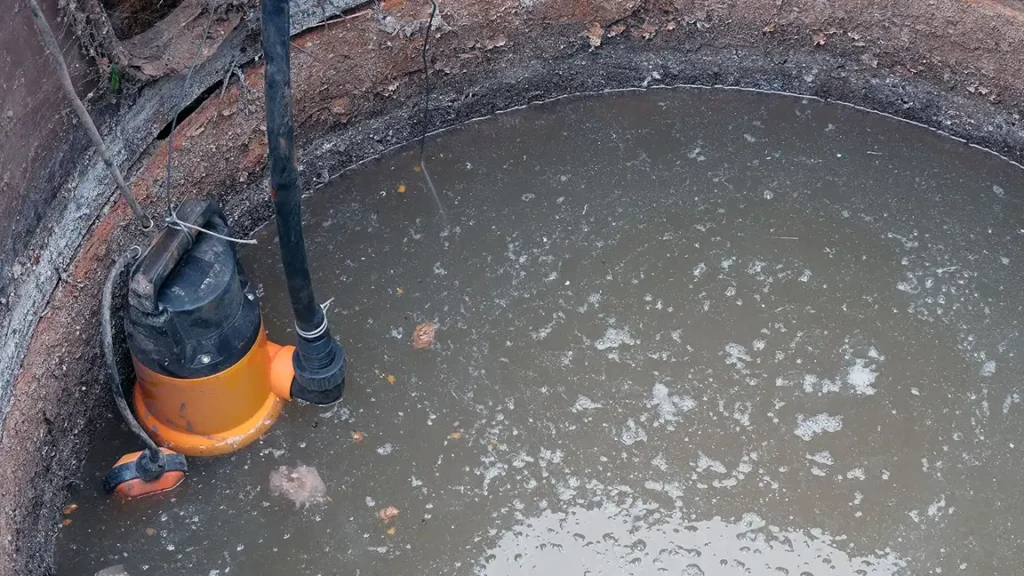
Pump-assisted pumps for septic systems use a pump to actively move wastewater from the septic tank to the drain field or an additional treatment unit. These systems are particularly beneficial for properties with challenging terrain, high water tables, or other factors that prevent gravity-based wastewater flow. While pumps for septic systems require additional components such as grinder pumps for septic systems, electrical connections, and a pump chamber, they offer greater flexibility in system design and placement. Proper maintenance of pumps for septic systems is crucial to ensure reliable operation and prevent costly system failures.
Benefits of Using a Pump for Septic Systems
Incorporating pumps for septic systems offers several advantages, making them a valuable solution for many properties. Key benefits include:
- Efficient Waste Transport: Pumps for septic systems ensure that wastewater moves smoothly through the system, reducing the risk of blockages and backups that could lead to system failures.
- Increased System Flexibility: Pump stations for septic systems allow the installation of pumps in locations where traditional gravity-fed setups are impractical. This flexibility is particularly useful for properties with uneven terrain or high groundwater levels.
- Enhanced Performance and Reliability: Pumps for septic systems help optimize the treatment process by maintaining a consistent effluent flow and prevent irregular wastewater accumulation, which can lead to overflows or malfunctions.
- Longer System Lifespan: Efficient wastewater movement reduces the strain on the septic tank and drain field, preventing excessive buildup and extending the overall lifespan of septic system pumps. Regular maintenance further ensures long-term performance and cost savings.
Types of Pumps for Septic Systems
Septic systems rely on different types of pumps to manage and transport wastewater efficiently. Each type of pump is designed for specific functions and environmental conditions, making it crucial to select the right one for your septic system. Understanding these options can help homeowners, contractors, and wastewater management professionals make informed decisions about installation and maintenance.
Grinder Pumps for Septic Systems
Grinder pumps for septic systems are essential components in many septic systems, especially those handling large amounts of solid waste. These pumps break down solid materials into fine particles before transporting them through the plumbing system. This process helps prevent clogging and ensures the smooth operation of the system, even in areas with high wastewater loads.
Advantages of Grinder Pumps for Septic Systems:
- Prevention of Clogs: Grinder pumps for septic systems can grind solid waste into small particles, minimizing the risk of blockages in pipes and drain fields.
- Ideal for High-Volume Wastewater: Homes and businesses with heavy wastewater output benefit significantly from grinder pumps.
- Cost-Efficient Piping: Grinder pumps for septic systems allow the use of smaller-diameter pipes, which helps reduce installation and material costs.
- Extended System Lifespan: Grinder pumps contribute to septic systems’ long-term functionality and durability by preventing clogs and reducing strain.
Aerator Pump for Septic System
An aerator pump is a specialized pump that introduces oxygen into the septic tank, promoting the growth of aerobic bacteria. Unlike anaerobic bacteria, which function in oxygen-deprived environments, aerobic bacteria break down organic waste more efficiently. This results in cleaner effluent, reduced odors, and enhanced overall system performance. The aerator pump plays a crucial role in maintaining system efficiency.
Benefits of an Aerator Pump for Septic System:
- Improved Waste Breakdown: Oxygen stimulates aerobic bacteria, which decompose organic matter faster and more completely. An aerator pump for septic system ensures this breakdown is efficient and continuous.
- Reduced Pumping Frequency: The more efficient breakdown process slows sludge accumulation, leading to less frequent tank pumping. A high-quality aerator pump for the septic system optimizes this process.
- Enhanced Effluent Quality: Aerobic treatment produces cleaner effluent, which is safer for groundwater and the surrounding environment. An aerator pump for a septic system significantly improves effluent quality.
- Odor Reduction: An aerator pump for a septic system helps control unpleasant septic odors by decreasing the presence of harmful anaerobic bacteria. Proper aeration ensures that the system remains odor-free.
Pump Station for Septic System
A pump station, also known as a lift station, is crucial in septic systems where gravity alone is insufficient for wastewater transport. These stations collect and temporarily store wastewater before pumping it to the drain field, treatment plant, or municipal sewer system. Many systems work in conjunction with an aerator pump for septic systems to maximize efficiency.
Why Use a Pump Station for Septic System?
- Prevention of Wastewater Overflow: Pump stations regulate wastewater flow to help prevent backups and system failures. Integrating an aerator pump for a septic system enhances the overall septic process.
- Efficient Waste Transport: Pump stations enable the movement of wastewater over long distances and to higher elevations, making them crucial for properties on uneven terrain. A well-maintained aerator pump for the septic system supports this function.
- Support for Large-Scale Systems: Pump stations are critical for maintaining efficient wastewater management in commercial, industrial, and multi-residential properties. When combined with an aerator pump, a septic system operates more effectively.
- Automation and Monitoring: Many pump stations are equipped with automated controls and alarms that notify users of potential issues. This ensures timely maintenance and prevents costly repairs. Adding an aerator pump to a septic system can further enhance system reliability.
How to Choose the Right Pump for Your Septic System
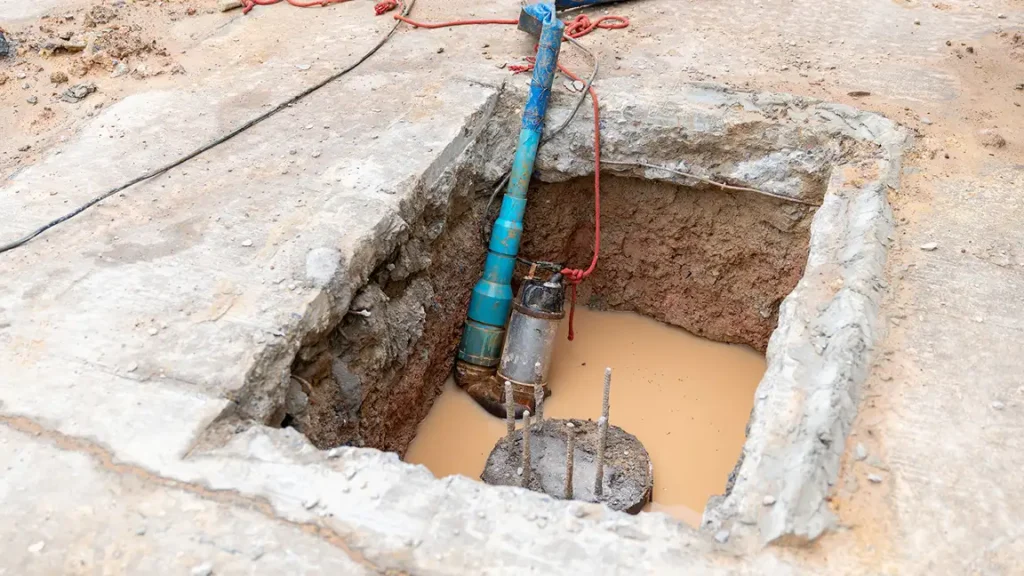
Selecting the appropriate pump for a septic system requires evaluating various factors to ensure efficiency and reliability. Different types of pumps serve specific needs, so understanding these aspects can help in making the right choice.
Factors to Consider
Choosing the right pump for a septic system involves several considerations:
- System Size: Larger septic systems require pumps with higher capacity to handle increased wastewater flow.
- Wastewater Volume: High usage, such as in multi-family homes or commercial properties, necessitates robust pumps to prevent overload and failure.
- Elevation and Terrain: Properties with significant elevation changes or challenging terrain require pumps designed to transport wastewater over distances or inclines efficiently.
Comparing Aerator Pumps vs. Grinder Pumps
Different septic systems benefit from different types of pumps based on their functionality and purpose:
Aerator Pump for Septic System:
This pump improves effluent treatment by promoting aerobic bacterial activity. It enhances the breakdown of organic waste, leading to cleaner effluent and reduced odors.
Grinder Pumps for Septic Systems:
These pumps are ideal for breaking down solids into fine particles, preventing pipe blockages, and allowing for smaller, more cost-effective piping systems. They are beneficial for systems dealing with high amounts of solid waste.

Installation and Maintenance of Septic System Pumps
Installation Guidelines
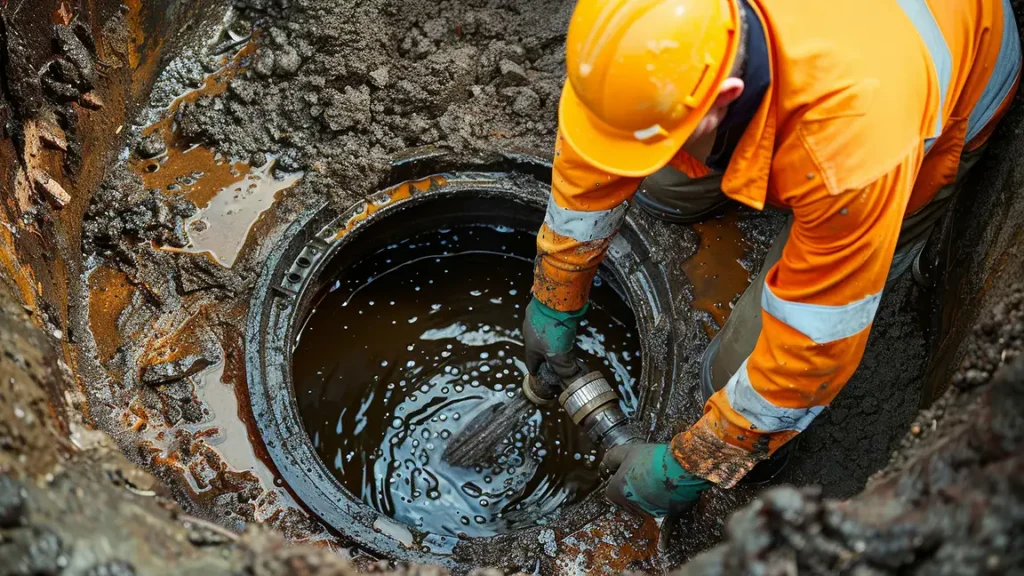
Installing pumps for septic systems requires a systematic approach to ensure efficiency and reliability. The first step is selecting the appropriate pump type based on system requirements, such as a grinder pump for septic systems for handling solid waste or an aerator pump for septic systems to enhance bacterial breakdown. Proper pump selection ensures optimal wastewater management and reduces the risk of system failures.
Once the right pump is chosen, installation should follow manufacturer guidelines precisely. This includes positioning the pump at the correct depth and angle to facilitate smooth wastewater flow. Secure electrical connections and waterproof sealing are crucial to prevent malfunctions or electrical hazards. Additionally, the piping system should be correctly configured to prevent clogging and backflow.
Before putting the pump into full operation, a comprehensive functionality test should be conducted. This includes checking for proper startup, verifying suction and discharge efficiency, and ensuring that the float switches, if applicable, operate correctly. Proper installation of a pump station for a septic system is particularly important in larger or more complex wastewater setups, as it helps regulate flow and prevents backups.
Maintenance Practices
Routine maintenance is vital for extending the lifespan and efficiency of septic system pumps. Regular inspections should include checking for debris accumulation, leaks, and signs of wear on key components like impellers, seals, and float switches. A grinder pump for septic systems, in particular, should be checked for clogging and buildup of solid waste materials.
Cleaning the pump regularly helps maintain efficiency, especially for an aerator pump for a septic system, which relies on unobstructed airflow for proper function. Monitoring energy consumption can also indicate potential issues—an unexpected increase in power usage may signal a malfunction.
In addition to scheduled maintenance, addressing minor problems immediately prevents costly repairs. Replacing worn-out parts, testing the pump’s performance, and ensuring all connections remain secure contribute to the long-term reliability of the system. Proper care not only extends the pump’s life but also ensures an uninterrupted and sanitary wastewater disposal process.
Common Issues with Septic System Pumps and How to Fix Them
Signs of a Failing Septic Pump
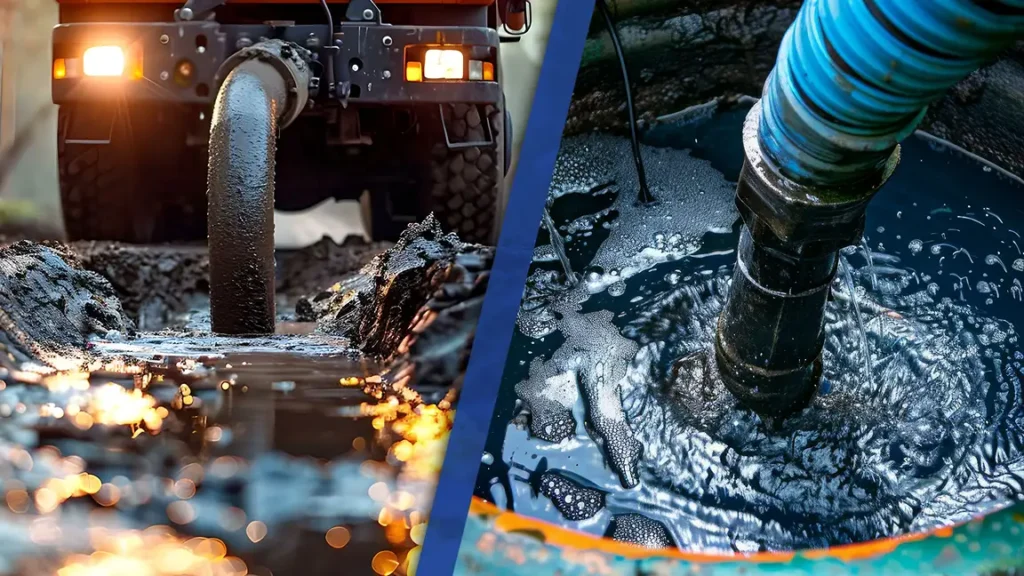
A failing septic pump can result in significant system disruptions, leading to costly repairs and potential environmental hazards. Recognizing early warning signs is crucial for timely intervention. Common indicators of pump failure include:
- Frequent wastewater backups or slow drainage – If water drains sluggishly or backs up in sinks, toilets, or drains, the pump may not be functioning properly.
- Unusual noises – Grinding, humming, or rattling sounds often indicate mechanical wear or obstructions in the pump.
- Increased energy consumption – A spike in electricity usage can signal that the pump is overworking due to inefficiency or a developing fault.
- Unpleasant odors—Persistent sewage smells near the septic tank or drain field can indicate pump failure, which can lead to improper waste processing and overflow.
Troubleshooting Solutions
Many issues with pumps for septic systems can be addressed through basic troubleshooting before requiring professional service.
- Aerator Pump for Septic System—If the aerator pump stops functioning, first check for clogs in the air intake or blockages that may restrict airflow. Suppose the air filter appears dirty; clean or replace it. Additionally, inspect the motor for signs of wear or overheating, as a damaged motor may require replacement.
- Grinder Pumps for Septic Systems—If the pump struggles to grind waste efficiently, remove obstructions from the impeller and check for clogs. Ensure electrical connections are secure and that power is reaching the pump. If the motor shows signs of failure, professional repair or replacement may be necessary.
Regular maintenance can help prevent these issues, ensuring the pump station for a septic system operates efficiently for years to come.

The Role of a Pump Station for Septic Systems
A pump station for a septic system plays a crucial role in wastewater management, particularly in properties where gravity alone cannot efficiently move wastewater. These systems are essential for homes and businesses located on uneven terrain, ensuring the proper transport of sewage from lower elevations to higher ground. Without a well-functioning pump station, wastewater can accumulate, leading to blockages, backups, and potential environmental hazards.
A typical pump station for a septic system consists of several key components, including a storage chamber, a control panel, and one or more pumps for septic systems that help regulate wastewater flow. Float switches monitor liquid levels, triggering the pumps as needed to maintain efficient drainage. Additionally, check valves to prevent backflow, ensuring that wastewater moves in the correct direction without risk of contamination or system overload.
Proper installation is essential to the pump station’s effectiveness. Positioning the station at the right elevation and securing all electrical and plumbing connections prevents operational failures. Regular maintenance, such as cleaning debris from the intake and checking for wear on mechanical parts, ensures the system’s longevity.
The type of pump used in the station depends on the septic system’s needs. Grinder pumps are ideal for breaking down solid waste before transport, reducing the risk of clogs and pipeline damage. Meanwhile, an aerator pump promotes oxygenation, enhancing bacterial activity for more efficient wastewater treatment.
Choosing a high-quality pump station with durable components can significantly improve system performance. Investing in reliable float switches, corrosion-resistant materials, and an efficient pumping mechanism helps prevent costly repairs and extends the septic system’s lifespan.
Selecting the right pumps for septic systems is essential for ensuring optimal wastewater management. Whether installing a grinder pump, an aerator pump, or a pump station, making informed choices enhances efficiency and system reliability. Proper installation, routine maintenance, and the adoption of new technologies will ensure the long-term performance of your septic system.