This Article Includes
- Increased Specific Gravity on Pump Performance
- Understanding Specific Gravity in Dredged Slurries
- Impact of Pipeline Diameter
- EDDY Pump Eliminates Clogging

Impact of Increased Specific Gravity on Pump Performance
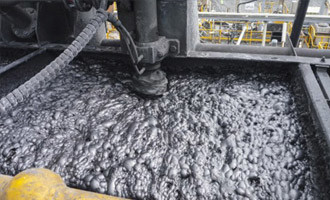
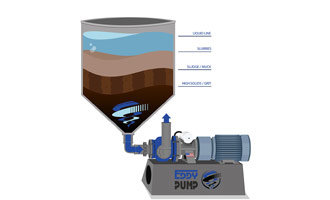
Solids added to water naturally increases the specific gravity over that of water. Therefore, when pumping a higher gravity material, engine horsepower and discharge pressure must increase as more slurry is added. Slurries will reduce head, wear down the pump, and decrease pump efficiency compared to that of water.
Understanding Specific Gravity in Dredged Slurries
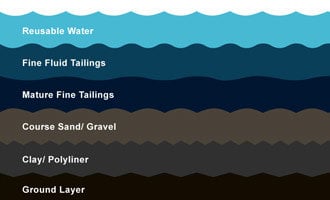
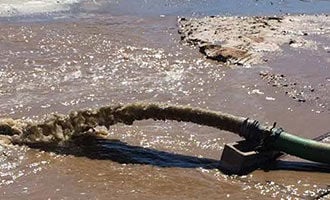
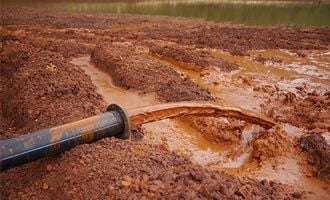
The specific gravity of typical dredged slurries will vary between 1.0, when pumping only water, to 1.33 (40% density by volume). As the specific gravity increases such as with coarse sand and gravel, more power will be required to pump it. Less dense materials such as fine sediments and organics require less horsepower (HP). It is important to know the specific gravity of the materials to be dredged to calculate and keep critical velocity so slurry pipelines do not become clogged, stopping operations to unclog the pipeline before continuing.
Call for sales or support
If you need assistance with pump selection, sales or engineering support, call 619-404-1916.
Impact of Pipeline Diameter on Slurry Flow Speed
The smaller the internal diameter of the slurry pipeline is, the faster the material must move through it to keep from settling. For example, if you are moving 1,200 GPM of water through an 8 IN (internal diameter) pipeline, the water travels at 7.6 ft/s. If you move that same 1,200 GPM through a 10 IN pipeline, the slurry travels 4.9 ft/s. The wider pipeline allows slurries to flow at a considerably slower speed.
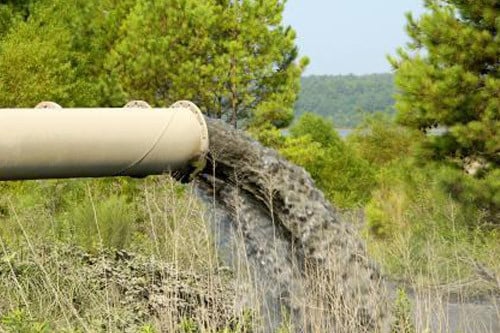
This means the pipeline size and pump selection are very important when doing initial calculations. Simply changing the pipe size in the field will impact the project and need to be compensated for.
If you are pumping dense solids, like rocks, it is important to get finer solids as well such as dirt because your finer materials will help lift up the heavier solids and assist in transporting rocks all of the way down the pipeline without clogging up, this is in conjunction with having enough turbulence in the flow of your slurry pipeline.
EDDY Pump Eliminates Clogging with Recessed Rotor Design
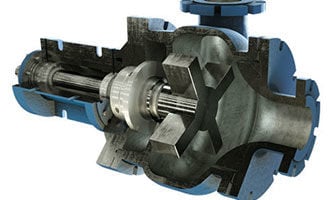
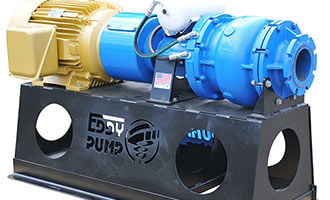
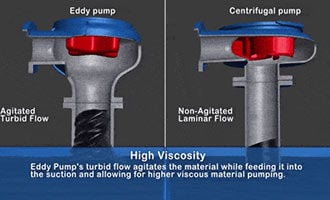
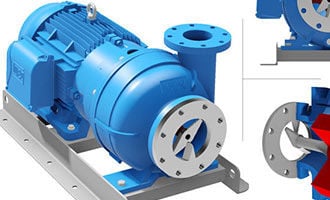
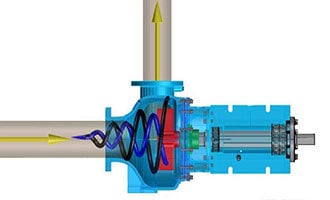
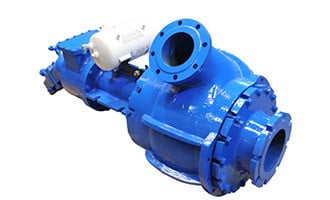
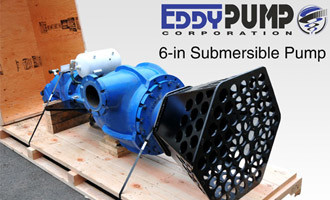
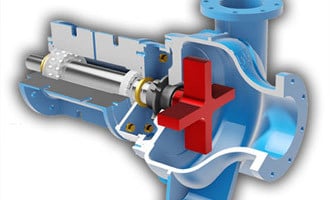
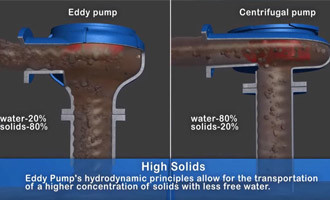
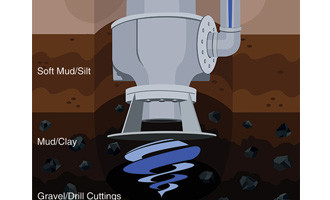
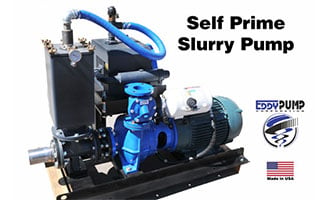
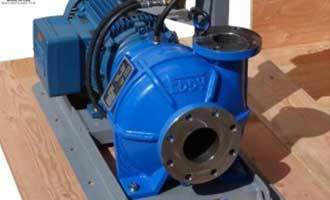
With the recessed rotor and high tolerance of the EDDY Pump, clogs will become a thing of the past since the pump can pass solids 1 inch less than the discharge pipe. This means that a 10” EDDY Pump can pass solids up to 9 inches in diameter!. The tough simplicity of the EDDY Pump along with its proven tornado pumping effect translates into extended run times, no clogging, and higher production compared to conventional pumping technologies.
Call for sales or support
If you need assistance with pump selection, sales or engineering support, call 619-404-1916.
We Pump Solids
Not Water
See The EDDY Pump Benefits When Compared to a Centrifugal Pump
HD (Heavy Duty) Slurry Pumps / Dredge Equipment
Other EDDY Pump Products
ARTICLES
Popular Slurry Pump & Dredging Articles