Key Takeaways
- High-viscosity fluids like oils, slurries, adhesives, and thick food products need specialized pumps because standard pumps struggle with flow resistance, clogging, wear, and efficiency loss.
- The most important selection factors are fluid viscosity, required flow rate, pressure demand, temperature sensitivity, and whether the fluid contains abrasives or solids.
- Positive displacement pumps are often the best fit for thick fluids, with rotary lobe, gear, peristaltic, progressive cavity, diaphragm, piston, and plunger pumps each suited to different applications.
- Helpful features for high-viscosity pumping include self-priming, variable speed control, durable wear-resistant materials, and the right seal choice to reduce leaks and extend pump life.
- Regular maintenance and choosing a manufacturer with strong technical support are essential for preventing clogging, reducing downtime, and keeping performance reliable over time.
Overview of Challenges in Pumping High-Viscosity Fluids
Pumping high-viscosity fluids presents unique challenges due to the thickness and resistance to flow of these materials. Unlike low-viscosity fluids such as water, thick fluids like oils, slurries, and adhesives require a specialized high-viscosity pump to ensure efficient transfer without clogging, excessive wear, or loss of pressure. High viscosity can lead to reduced pump performance, increased energy consumption, and even mechanical failure if the wrong pump for high viscosity is selected. Understanding these challenges is critical for industries that handle thick fluids regularly, as choosing the correct pump can significantly improve operational efficiency and reduce maintenance costs.
Check out EDDY Pump's High-Head-High-Viscosity (HHHV) Pump here.

Importance of Selecting the Right Pump for Effective Thick Fluid Handling
Selecting the right pump for high-viscosity fluids is crucial for ensuring smooth operations in various industries. The wrong pump may need help to move thick fluids efficiently and could experience rapid wear and tear, leading to costly repairs and downtime. A properly selected high-viscosity pump will account for the fluid’s viscosity, flow rate requirements, pressure needs, and abrasive content. This ensures the overall performance of the system is optimized. Whether in the oil and gas industry, food processing, or chemical manufacturing, making the right choice in high-viscosity pumps ensures that thick fluids are handled reliably, with minimal disruptions.

Understanding High Viscosity Fluids
Definition and Characteristics of High Viscosity Fluids
Viscosity refers to a fluid's resistance to flow. High-viscosity fluids are thick, slow-moving, and require more energy to pump than low-viscosity liquids like water. These fluids may contain solids, exhibit shear-thinning or shear-thickening behavior, and pose challenges for standard pumps.
Common Examples of High Viscosity Fluids
- Oils and lubricants: Used in automotive, industrial, and energy sectors.
- Slurries: A mixture of solids and liquids found in mining and construction.
- Adhesives and resins: Common in manufacturing and chemical processing.
- Food products: Chocolate, syrups, and creams are examples of high-viscosity fluids in the food industry.
Impact of Viscosity on Pumping Performance
As viscosity increases, the pump’s efficiency decreases due to higher frictional losses within the fluid and pump system. A pump designed for thin fluids will struggle with thick ones, leading to higher energy consumption, wear on internal components, and potential system failure. This makes choosing the appropriate high-viscosity pump crucial to avoid these issues.

Key Factors to Consider When Choosing a High Viscosity Pump
Fluid Viscosity
The thickness of the fluid determines the type of pump you need. A positive displacement pump, for example, is more suitable for high-viscosity fluids because it moves the fluid in a controlled, consistent manner regardless of viscosity. Using the right high-viscosity pump ensures that even the thickest fluids are transferred efficiently.
Flow Rate Requirements
Flow rate is critical, as thick fluids tend to move slower. The high-viscosity pump must balance the desired flow rate with the fluid’s resistance to movement, ensuring the system can deliver the required volume without causing excessive strain on the pump.
Pressure Demands
Thick fluids often require higher pressure to overcome resistance in the piping system. The pump must generate sufficient pressure without cavitation, which can cause wear and pump failure. High-viscosity pumps are specifically designed to handle these high-pressure demands.
Temperature Sensitivity
Viscosity is temperature-dependent; fluids may become thicker or thinner depending on the temperature. It’s essential to consider how the high-viscosity pump will handle variations in temperature and ensure that it maintains efficiency under different conditions.
Abrasiveness and Solid Content
If the fluid contains particles or abrasive materials, it can cause wear on the pump’s internal components. To ensure long-term performance, a pump for high-viscosity applications must have abrasion-resistant materials and designs that can handle solid content.
Types of Pumps for High Viscosity Fluids
Positive Displacement Pumps
Positive displacement pumps are ideal for handling high-viscosity fluids because they trap a fixed amount of fluid and move it through the system. These pumps are less affected by changes in viscosity, making them well-suited for thick fluids.
- Rotary Lobe Pumps: Excellent for handling slurries and viscous food products.
- Gear Pumps: Commonly used for oils and other lubricants.
- Peristaltic (Hose) Pumps: Useful for abrasive slurries, as the fluid does not contact any pump components.
- Progressive Cavity Pumps: Handle thick slurries and are often used in wastewater and oil industries.
Diaphragm Pumps
Diaphragm pumps use a flexible diaphragm to move fluids. They are effective high-viscosity pumps for handling thick, abrasive fluids and are used in applications like chemical processing and sludge handling.
Piston and Plunger Pumps
Piston and plunger pumps are ideal for handling extremely thick fluids at high pressures. These pumps are commonly found in industrial applications that require the transfer of heavy slurries or pastes.
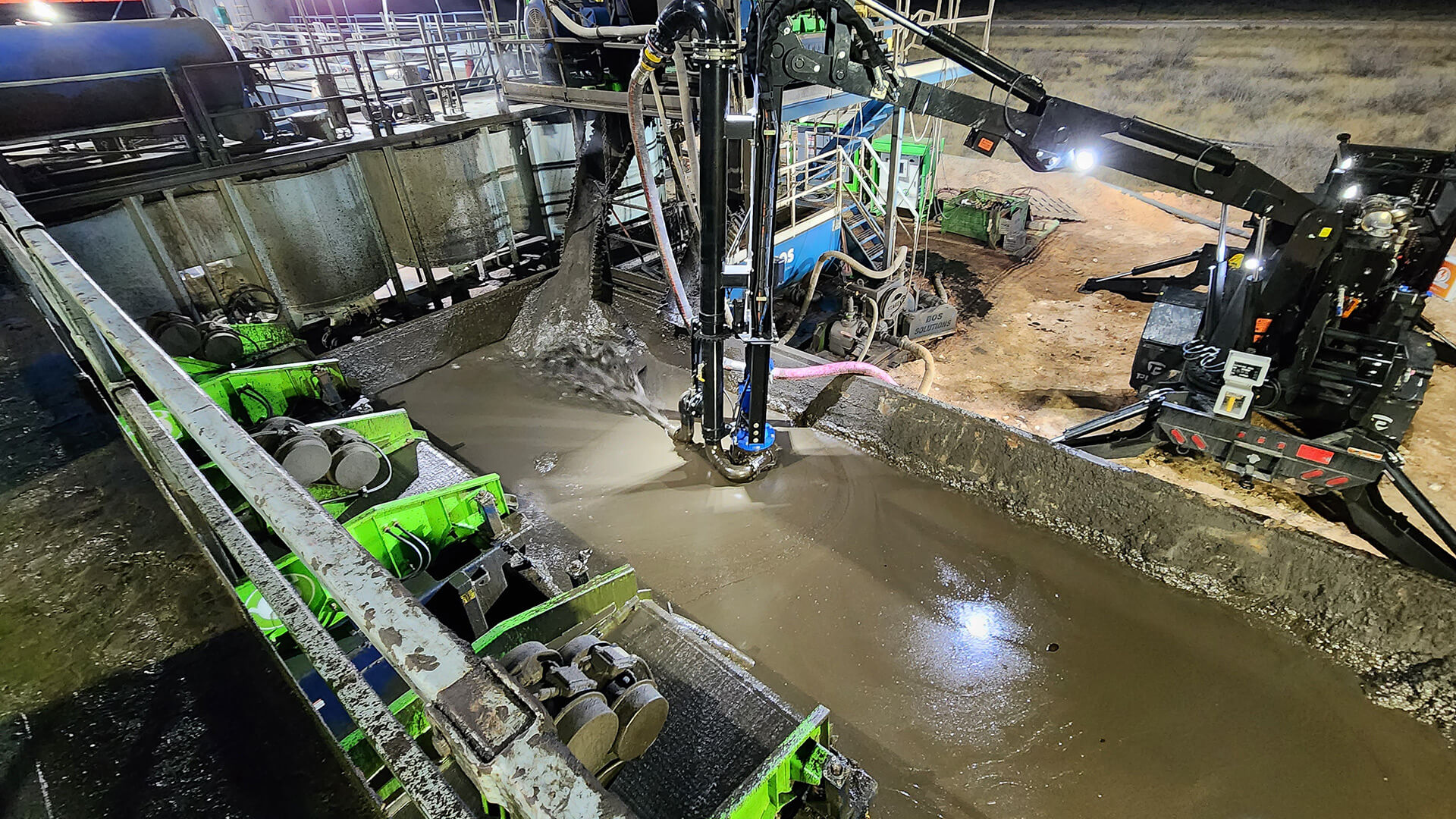
Best Pump Features for Handling Thick Fluids
Self-Priming Capability
Self-priming capability is essential for applications where the pump may need to start without being filled with fluid. This feature ensures that the high-viscosity pump can handle thick fluids without requiring external priming.
Variable Speed Drive (VSD)
A VSD allows you to control the pump’s speed, optimizing flow rates for thick fluids and improving energy efficiency. High-viscosity pumps with VSD are particularly effective in adapting to varying operational demands.
Material Selection
Pumps handling high-viscosity fluids need to be made from durable, wear-resistant materials, especially when handling abrasive slurries. High-quality materials extend the life of the pump, reducing maintenance costs.
Seal Selection
The choice between mechanical and dynamic seals is crucial for preventing leaks in high-viscosity fluid applications. Mechanical seals are more effective for handling thick fluids under high pressure and are commonly found in high-viscosity pumps.
Common Applications of High Viscosity Pumps
Oil and Gas Industry
In this sector, where thick fluids are prevalent, high-viscosity pumps are used to transfer heavy oils, bitumen, and crude oil.
Chemical Processing
High-viscosity pumps in chemical plants commonly handle resins, adhesives, and slurries.
Food and Beverage
Food processing operations pump thick liquids like chocolate, syrup, and cream using specialized high-viscosity pumps.
Pharmaceuticals
Ointments, gels, and other viscous products are transferred using high-viscosity pumps in the pharmaceutical industry.
Maintenance and Troubleshooting for High Viscosity Pumps
Regular Maintenance
Routine maintenance is critical to prevent pump wear and ensure optimal performance when handling thick fluids. Regular inspections can help identify issues before they cause significant damage.
Troubleshooting Tips
Common issues include clogging, excessive wear, and pressure loss. To mitigate these problems, high-viscosity pumps require regular inspections and proper specifications.
Preventive Measures
Using abrasion-resistant materials and ensuring proper flow rates can prevent damage and extend pump life. Preventive measures are essential for maintaining high-viscosity pumps in good working condition.
Selecting the Right Pump Manufacturer
When selecting a pump manufacturer, look for industry expertise, reliable customer support, and custom solutions tailored to your fluid handling needs. A reputable supplier will offer guidance on choosing the right high-viscosity pump and provide long-term support.
Conclusion
Choosing the best high-viscosity pump for handling thick fluids involves understanding the unique challenges posed by high viscosity and selecting a pump that can meet these demands. With the right pump, industries can ensure efficient operations, reduced downtime, and extended equipment life. Consult with experts to select the most suitable high-viscosity pump for your application, ensuring long-term success and reliability.