- How Sewage Septic Pumps Work
- Types of Sewage Septic Pumps
- Features to Look for in a Sewage Septic Pump
- Submersible Sewage Pumps vs. Traditional Sewage Pumps
- Septic Tank Sewage Pumps for Residential vs. Commercial Use
- Installation and Maintenance Tips
- Choosing the Right Pump for Your Septic Tank System
- Conclusion
A properly functioning sewage septic pump is essential for efficient wastewater management in homes and commercial facilities. These pumps ensure the smooth transfer of waste from the septic system to disposal or treatment facilities, reducing the risk of blockages and backups. Sewage septic pumps utilize a float switch that operates based on the water level. When the water level rises, the float activates the pump to manage sewage efficiently, and it deactivates when the fluid level lowers.
For any septic system, choosing the right septic tank sewage pump ensures reliability and longevity. Whether you need a basic sewage pump for septic tanks in a residential setting or a heavy-duty model for commercial use, selecting a high-quality pump is key to a well-maintained system.
This guide provides detailed insights into types of sewage septic pumps, their functionality, and factors to consider when choosing one. With a focus on submersible sewage pumps, it will equip you to make an informed decision for effective wastewater management.

How Sewage Septic Pumps Work
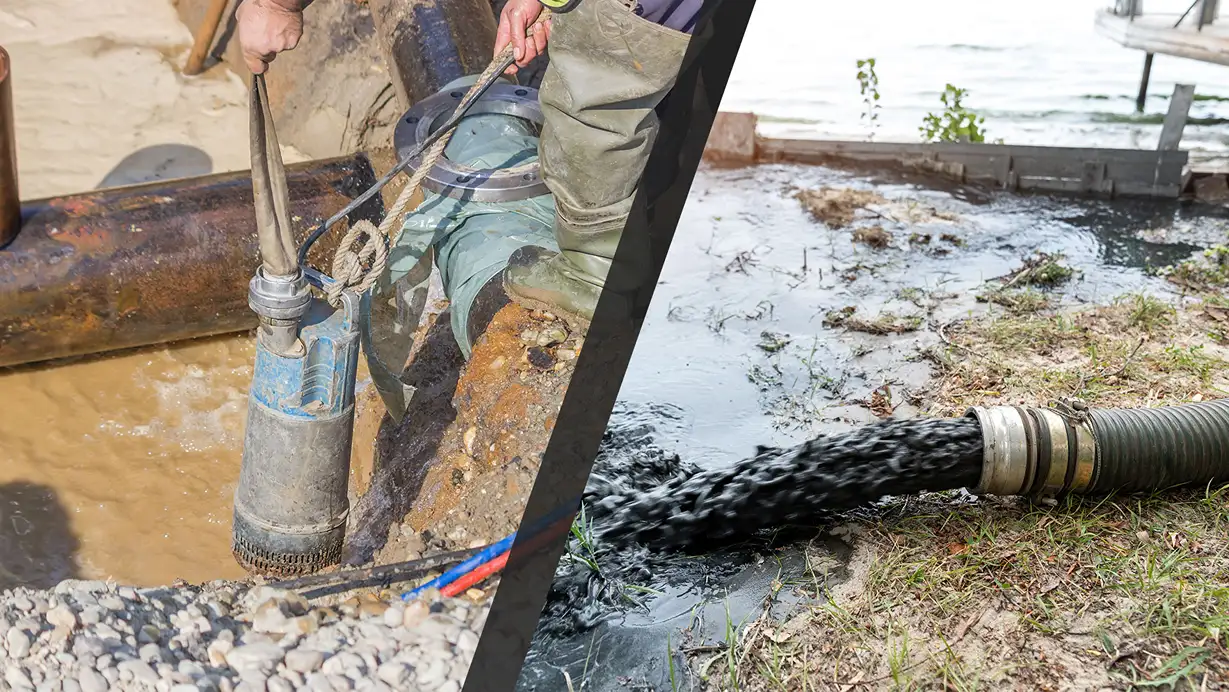
To truly understand the value of a sewage septic pump, it’s essential to explore its function within a septic system. These pumps are designed to efficiently manage the flow of wastewater efficiently, ensuring smooth operations and preventing issues that could disrupt the entire system.
The pump activates when the water level rises and deactivates when the fluid level lowers, emphasizing the importance of the water level in the operation of the pump.
The Process of Waste Movement
A septic system starts with wastewater flowing from household or commercial fixtures like toilets, sinks, and drains into the septic tank. Within the tank, a natural separation occurs: solids settle at the bottom, forming sludge, while oils and grease float to the surface as scum. The relatively clear liquid between these layers, known as effluent, is what needs to be transported out of the tank.
In some cases, gravity alone is sufficient to move this effluent to treatment facilities or drainage fields. However, many setups face challenges, such as higher elevations or distant disposal sites, where gravity systems fall short. This is where a septic tank sewage pump comes into play. Acting as the heart of the system, it propels wastewater through pipes with sufficient force, maintaining consistent flow. A submersible sewage pump, which operates underwater within the tank, uses a float switch that activates the pump based on the water level, ensuring efficient management of sewage.
Preventing Blockages and Backups
The failure to move wastewater effectively can result in blockages and backups, which are both unpleasant and expensive to resolve. An advanced sewage pump for septic tanks minimizes this risk by featuring anti-clog impellers and robust designs tailored to handle waste without interruptions. These features are essential for protecting system components and ensuring uninterrupted wastewater movement.
When the water level rises, the pump activates, ensuring efficient waste management and preventing blockages. By maintaining the proper flow of waste, a reliable sewage septic pump not only protects your septic system but also safeguards your property and the environment from potential hazards.
Types of Sewage Septic Pumps
When selecting a sewage pump for septic tanks, understanding the different types and their specific functionalities is crucial. Each type is tailored to meet distinct requirements based on the nature of the waste, the system’s capacity, and the operating environment.
Sump pumps are designed for applications like removing standing water from basements, transferring wastewater, and dewatering, highlighting their reliability and versatility in both residential and commercial settings.
Effluent Pumps
Effluent pumps are designed for moving liquid waste containing minimal solids, making them an excellent choice for residential septic systems. These septic tank sewage pumps are efficient, cost-effective, and require relatively low maintenance when used for handling lighter loads. Their primary role is transferring clear or lightly contaminated water from the tank to the drain field, ensuring smooth and consistent wastewater dispersal.
Effluent pumps are particularly advantageous for homes with standard septic systems, as they operate quietly and efficiently while offering reliable performance for everyday wastewater needs.
Grinder Pumps
Grinder pumps are the powerhouses of sewage septic pumps, engineered to shred solid waste into fine particles before transferring it through the system. This makes them indispensable for setups that frequently encounter solid waste or require waste to be pumped over long distances or to elevated areas.
These pumps are particularly suited for commercial environments or homes with complex plumbing systems, as they ensure that solid waste doesn’t cause blockages. A sewage pump for septic tanks with grinding capabilities is also ideal for properties connected to a sewer line with steep inclines.
Solids Handling Pumps
For applications with substantial solid waste, solids handling pumps are a practical choice. Unlike grinder pumps, they do not shred waste but instead move it through wide discharge openings, minimizing the risk of clogging. These sewage pumps for septic tanks are highly reliable for both residential and industrial environments where robust performance is required.
Comparing Suitability
Choosing the right sewage septic pump depends on your system’s specific needs:
- Effluent pumps are perfect for light-duty residential use.
- Grinder pumps excel in high-demand or commercial settings with solid waste challenges.
- Solids handling pumps offer versatility for handling significant waste volumes without clogging.
Features to Look for in a Sewage Septic Pump
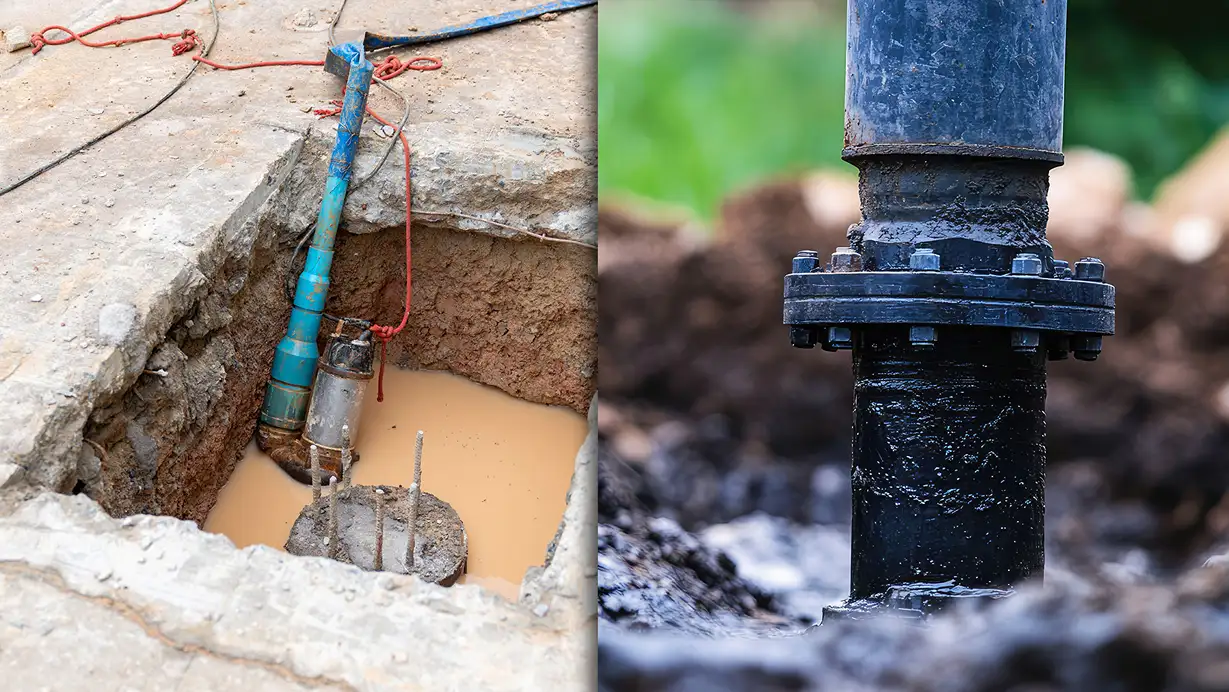
Choosing a durable and efficient sewage pump for septic tanks is essential for ensuring reliable wastewater management. To make the right selection, it’s important to assess the key features that determine the pump’s performance, durability, and suitability for your specific system.
Power and Flow Rate
The power and flow rate of a sewage septic pump are critical considerations. These factors determine the pump’s ability to lift wastewater and move it through the system efficiently. For residential systems, a pump with moderate power may suffice, as it is designed to handle lower volumes of waste over shorter distances. However, commercial setups often require pumps with higher horsepower and flow rates to manage larger wastewater loads and longer discharge distances effectively.
A properly matched pump ensures smooth operation without overworking the motor, reducing the risk of wear and tear. For any system, it’s important to choose a septic tank sewage pump that matches the expected waste volume and operational demands.
Material Durability
Durability is a fundamental feature of any sewage septic pump. High-quality pumps are often constructed with materials such as stainless steel or cast iron. These materials provide resistance to corrosion, wear, and harsh environmental conditions inside a septic tank. By investing in a pump with robust construction, you reduce the risk of frequent breakdowns and extend the lifespan of your septic tank sewage pump.
Anti-Clog Design
Blockages are one of the most common problems in septic systems, but a sewage pump for septic tanks with an anti-clog design can prevent this issue. Many pumps, including submersible sewage pumps, feature advanced impeller designs, such as vortex impellers, to handle waste efficiently. These designs minimize the risk of clogs caused by solid debris, ensuring uninterrupted operation.
Submersible Design
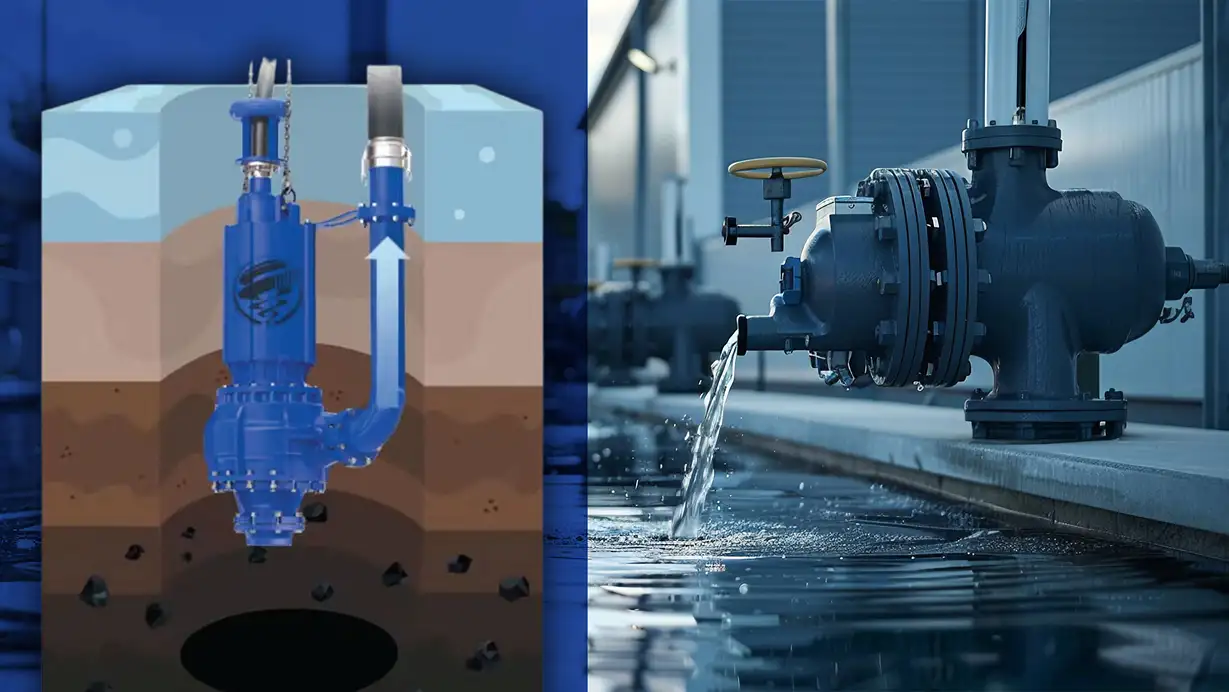
A submersible sewage pump offers superior reliability and efficiency. These pumps operate underwater within the septic tank, which provides several advantages. The sealed design protects components from external damage and reduces noise during operation. Additionally, submersible sewage pumps are less prone to overheating and require minimal maintenance compared to traditional pumps.
By prioritizing these key features—power, flow rate, material durability, anti-clog mechanisms, and submersible design—you can select a septic tank sewage pump that ensures long-lasting, efficient wastewater management. Investing in a high-quality pump now can save time, money, and hassle in the long run.

Submersible Sewage Pumps vs. Traditional Sewage Pumps
When choosing a sewage pump for septic tanks, it’s important to understand the differences between submersible and traditional models. Submersible sewage pumps offer distinct advantages in terms of performance, reliability, and ease of use, making them a preferred choice for many septic systems.
Advantages of Submersible Pumps
A submersible sewage pump operates directly within the septic tank, fully submerged in wastewater. This design provides several key benefits over traditional pumps:
Quiet Operation:
Because they are submerged, these pumps produce significantly less noise during operation. The surrounding water acts as a natural sound barrier, making them ideal for residential and commercial settings where noise reduction is important.
Increased Efficiency:
Submersible pumps are engineered for seamless operation in wet environments. Their direct contact with wastewater allows for efficient pumping without the need for complex external mechanisms, which can reduce energy consumption.
Reduced Risk of Overheating:
The surrounding wastewater helps keep the pump cool during operation, minimizing the risk of overheating. This feature makes submersible sewage pumps highly reliable, especially in systems with high demand.
Maintenance and Longevity
One of the primary advantages of a submersible sewage pump is its durability. These pumps are designed to withstand harsh conditions inside septic tanks, where exposure to corrosive substances and solid waste is constant.
- Sealed Design: Submersible pumps feature hermetically sealed motors, protecting internal components from damage caused by water infiltration. This robust design reduces the likelihood of mechanical failures.
- Fewer Maintenance Requirements: Traditional pumps, which often operate outside the tank, are more prone to wear and tear due to environmental exposure. In contrast, submersible sewage pumps require less frequent maintenance, saving time and effort.
- Extended Lifespan: With proper care, including regular checks on seals, impellers, and electrical connections, a submersible sewage pump can provide years of reliable service.
By comparison, traditional pumps may require more frequent servicing and are generally less efficient in handling the challenges of wastewater management. For those seeking a dependable solution, submersible sewage pumps offer superior performance and longevity.
Septic Tank Sewage Pumps for Residential vs. Commercial Use
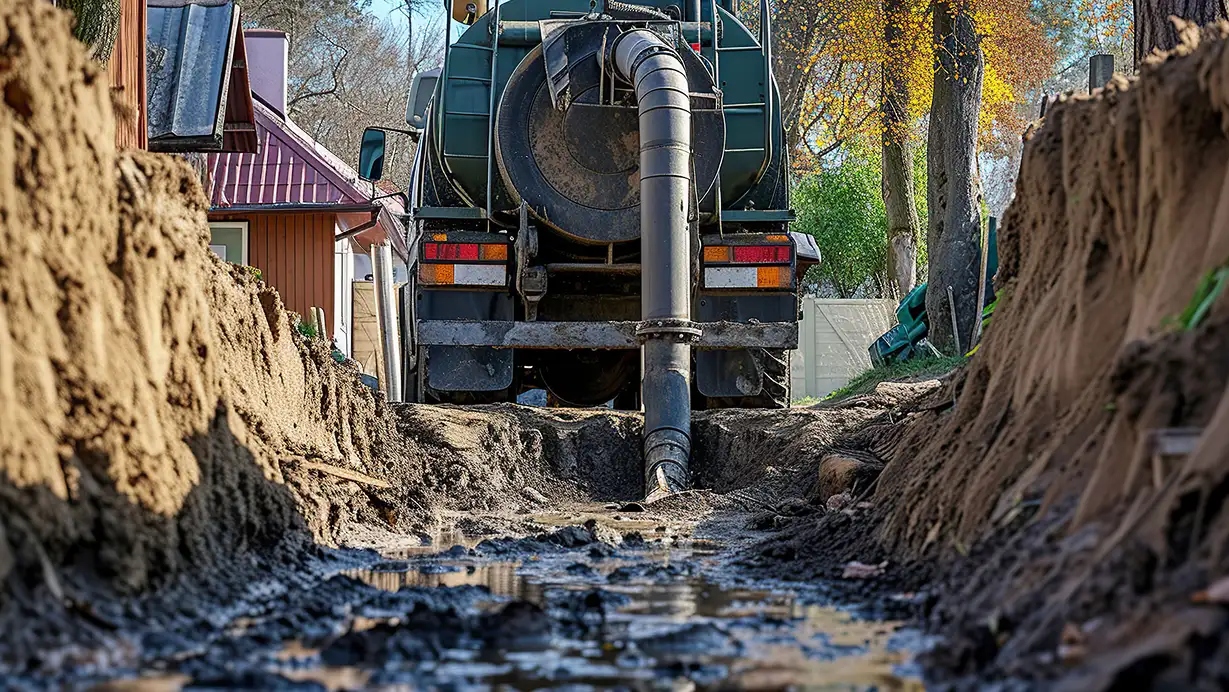
The requirements for sewage septic pumps vary significantly between residential and commercial applications. Each setting demands specific features to handle the unique demands of its wastewater management system effectively. Understanding these differences is key to selecting the most suitable septic tank sewage pump.
Residential Requirements
Residential septic systems typically produce lower wastewater volumes compared to commercial setups. Therefore, the focus for residential applications is on energy efficiency, reliability, and quiet operation.
Energy Efficiency:
Homeowners often prefer a sewage pump for septic tanks that minimizes power consumption without compromising performance.
Quiet Operation:
Noise levels are a significant consideration for homes, especially when the pump operates near living areas. A submersible sewage pump is an ideal choice due to its underwater operation, which naturally dampens sound.
Effluent Pumps:
Residential systems often use effluent pumps to move liquid waste with minimal solids. These pumps are cost-effective, require minimal maintenance, and work efficiently for homes with standard septic systems.
Commercial Requirements
Commercial applications require more robust and high-capacity septic tank sewage pumps to handle larger waste volumes and frequent usage. These systems must also meet higher standards for durability and efficiency to ensure uninterrupted operation.
Grinder Pumps:
Grinder pumps are essential for businesses that generate significant solid waste. They shred solid waste into fine particles, preventing clogs and facilitating smooth transport over long distances.
Heavy-Duty Pumps:
Facilities such as restaurants, hotels, and industrial sites benefit from heavy-duty sewage septic pumps designed to manage high demand without faltering.
Volume and Frequency Management:
Commercial septic systems require pumps capable of continuous operation to accommodate the higher flow of wastewater.
Key Considerations
Whether the application is residential or commercial, selecting the right sewage pump for septic tanks involves evaluating critical factors such as:
- Building Size: Larger buildings require pumps with greater power and capacity.
- Waste Volume: High wastewater output demands pumps with higher flow rates.
- Usage Frequency: For systems with frequent use, durability and robust construction are essential.
By tailoring the choice of septic tank sewage pump to the specific demands of the system, you can ensure efficient and reliable wastewater management for any application.
Installation and Maintenance Tips
Proper installation and upkeep of sewage septic pumps are essential for their longevity.
Installation Best Practices
- Follow Manufacturer Guidelines: Proper installation of your sewage pump for septic tanks ensures optimal performance.
- Correct Sizing: Choose a septic tank sewage pump suitable for your system’s capacity.
- Secure Wiring: Ensure waterproof connections for your submersible sewage pump to prevent electrical issues.
- Ventilation: Proper ventilation prevents system pressure build-up.
Routine Maintenance
- Inspect Regularly: Periodically check your sewage septic pump for signs of wear or damage.
- Remove Debris: Clear any debris to maintain efficiency.
- Test Functionality: Test your sewage pump for septic tanks to ensure proper operation.
- Replace Components: Address worn parts to avoid costly repairs.
Troubleshooting Common Issues
- Non-Functioning Pump: Check the power source and float switch of your submersible sewage pump.
- Slow Waste Flow: Inspect for clogs in your sewage septic pump or discharge lines.
- Unusual Noises: Noises may indicate impeller or motor issues in the septic tank sewage pump.
Choosing the Right Pump for Your Septic Tank System
Selecting the best sewage pump for septic tanks is crucial for maintaining efficient and reliable wastewater management. The right choice depends on several factors that align with your system’s specific needs, ensuring long-lasting performance and cost-effectiveness.
Key Factors to Consider
Budget:
The cost of a septic tank sewage pump can vary widely. While budget-friendly options are appealing, it’s important to prioritize quality and reliability. Opting for a pump with a balance of affordability and performance ensures you get value for your money without compromising efficiency.
Durability:
Durability is a key determinant of a pump’s lifespan. High-quality sewage septic pumps made from materials like stainless steel or cast iron are better equipped to withstand the corrosive and abrasive conditions inside a septic tank. Investing in a durable pump reduces the frequency of replacements and repairs.
Brand Reliability:
Choosing a pump from a reputable brand is often a safer bet. Established manufacturers are known for their quality assurance and innovative designs. For example, trusted brands offer submersible sewage pumps with advanced features to enhance performance and reduce maintenance.
Power Source:
Ensure the sewage pump for septic tanks you select is compatible with your available electrical system. Consider whether your setup requires a pump with backup power options or energy-saving features to handle high-demand situations.
Why EDDY Pump Stands Out
When it comes to reliable sewage septic pumps, EDDY Pump is a standout choice. Their range includes cutting-edge options designed for both residential and commercial applications. Key features include:
- Durability: EDDY Pumps are constructed with high-quality materials to withstand challenging environments.
- Anti-Clogging Design: Innovative engineering ensures smooth operation and minimizes blockages, reducing maintenance needs.
- Submersible Efficiency: Advanced submersible sewage pumps from EDDY Pump deliver quiet, efficient performance while protecting components from wear.
By combining innovation, durability, and versatility, EDDY Pump’s solutions are tailored to meet diverse wastewater management needs. Choosing the right pump ensures your septic system remains reliable and hassle-free for years to come.

Conclusion
Choosing the right sewage septic pump is essential for effective wastewater management. With a reliable pump, property owners can enjoy peace of mind knowing that their wastewater is handled efficiently, minimizing the risk of backflow, blockages, and costly repairs. Understanding the types of pumps available, key features to look for, and the importance of proper installation and maintenance can help make an informed decision.
EDDY Pump’s offerings provide reliable and durable solutions for a variety of septic systems, ensuring that waste is handled smoothly and sustainably. By investing in a quality sewage septic pump, you’re committing to the safety, health, and longevity of your property’s wastewater management system. Proper maintenance and timely upgrades will keep your system running smoothly for years to come.