With regulations tightening and project pressures increasing, leading companies are no longer waiting for problems to hit before acting. They’re staying ahead by upgrading their dewatering systems—cutting costs, reducing downtime, and keeping operations on track. Choosing the right equipment isn’t just a matter of compliance; it’s about taking control of project timelines, budgets, and overall efficiency.
The smartest move is to build a solid dewatering strategy early, long before the first pump is switched on. Whether it’s planning for site conditions or customizing equipment to match project needs, a proactive approach ensures smooth operations, regulatory peace of mind, and stronger bottom-line results. The right solution doesn’t just help you meet requirements—it helps you lead the job with confidence.
Need on-site mobility for remote locations? High-throughput processing for heavy loads? Or short-term flexibility without long-term commitments? Whether you need advanced sludge dewatering equipment for a municipal lagoon—engineered with a design tailored to your specific project needs—or want to rent dewatering equipment for a temporary mining or construction project, this guide breaks down the best technologies. It approaches to streamline your operations with simple, user-friendly solutions, avoiding the pitfalls of more complex systems, reducing risk, and maintaining a strong bottom line.
Challenges in Industrial Sludge and Water Management
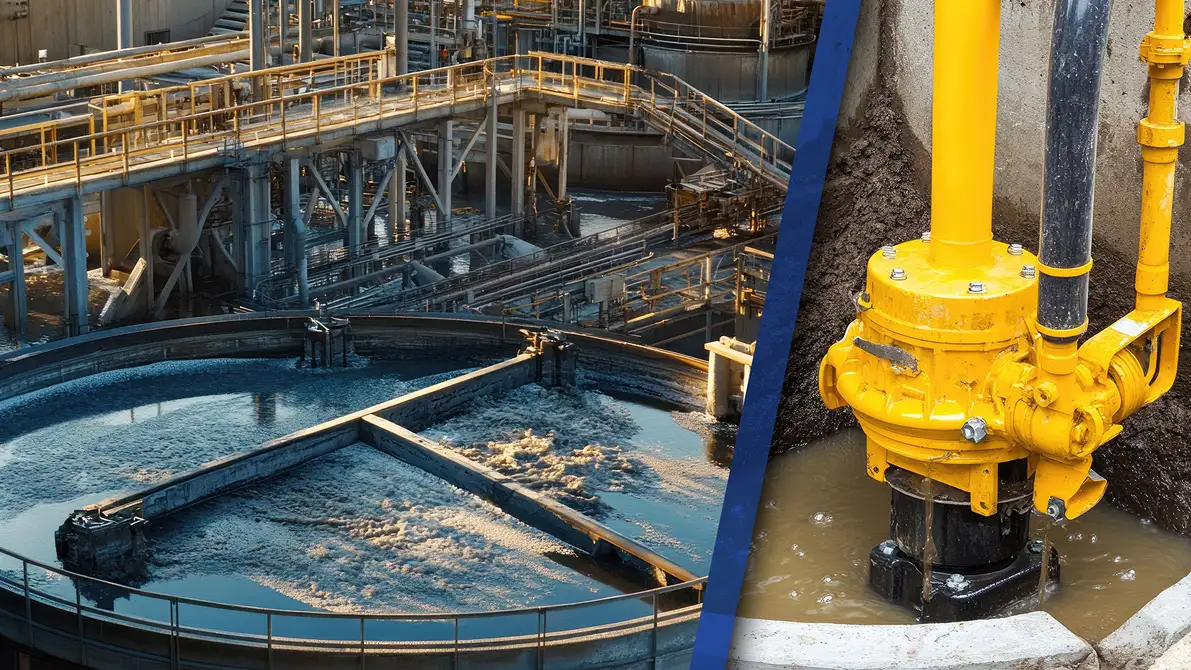
Understanding the technical and operational hurdles of sludge and water handling is the foundation for selecting the right dewatering equipment and strategy. In demanding industrial environments, it is crucial to select robust dewatering equipment that can withstand harsh conditions and deliver consistent, reliable performance. Sludge thickening is often a necessary pre-treatment step to increase solids concentration before dewatering, especially in industrial settings.
Volume, Viscosity, and Variable Solids Concentration
Industrial sludge presents a wide spectrum of physical characteristics. A dredging operation in a marina might produce low-solids, water-heavy sediment, while a chemical processing plant generates sludge with high viscosity and abrasive particulates. These variables require sludge dewatering equipment that can adapt in real-time, whether through automated polymer dosing, adjustable feed rates, or flexible filter medium. These systems are designed to operate efficiently across a range of sludge conditions, ensuring reliable performance with minimal manual intervention.
A high-performance dewatering solution should be able to handle feed sludge concentrations ranging from 0.5% to over 20% solids. Screw presses, for instance, excel at higher solids content, while belt filter presses offer higher throughput for medium-consistency sludge. A dewatering centrifuge is particularly effective for separating fine solids from liquid in high-throughput or variable-consistency sludge applications.
Regulatory Discharge Limits and Site Safety
Federal, state, and local environmental agencies enforce strict discharge permits related to suspended solids (TSS), turbidity, BOD, COD, and other contaminants. Non-compliance can result in fines, shutdowns, and damage to a company’s reputation.
Dewatering equipment ensures that only treated water—with solids separated—re-enters the environment. A clarifier can be used as a pre-treatment step to reduce suspended solids before final dewatering, helping to meet regulatory discharge limits. On construction sites, improperly managed trench water can overflow, leading to erosion or stormwater violations. Mobile dewatering equipment with in-line monitoring prevents such issues with real-time feedback. The reliability of these systems is crucial for maintaining regulatory compliance and ensuring site safety.
Environmental Constraints and Space Limitations
Urban, coastal, or mountainous worksites present logistical limitations. There may not be room for traditional dewatering basins or drying beds. In these scenarios, trailer-mounted sludge dewatering equipment becomes a vital solution, especially when configured to fit in tight footprints with modular components and energy-efficient operation. Geotextile tubes also provide a compact, passive dewatering option for sites with extremely limited space. Simple system configurations are particularly valuable for constrained worksites, making setup and ongoing maintenance straightforward and efficient.
Overview of Dewatering Equipment Technologies
Each dewatering method serves a specific role depending on application demands, regulatory pressures, and throughput requirements. Selecting the right equipment is about matching the method to the material, and many modern dewatering technologies are designed for ease of use, simplifying setup and operation for contractors.
Mechanical vs. Passive Dewatering
Passive systems—such as lagoons, drying beds, and geotextile dewatering tubes—can be effective in low-urgency, low-volume settings. However, they come with trade-offs, such as weather dependency, space requirements, and slower performance.
Mechanical dewatering equipment delivers more consistent and faster results. It includes:
- Centrifuges – Ideal for rapid separation of fine solids in tight spaces
- Belt Filter Presses – Highly effective for municipal biosolids, with low maintenance, simple operation, and a user-friendly design
- Screw Presses – Suitable for mid-size operations with energy-efficiency needs
- Plate & Frame Filter Presses – Produce cake with very high solid content and can operate efficiently with minimal manual oversight; best for mining, food, and chemical industries
Mobile dewatering equipment can include any of these systems, pre-mounted on trailers or skids for temporary or remote deployment. Their modularity allows users to scale operations quickly and respond to project needs without delay.
Sludge Dewatering Equipment Options
Sludge dewatering equipment should be selected based on the origin, composition, and intended method of disposal for the sludge. Considerations include:
- Abrasiveness and particle size
- Organic vs. inorganic content
- Odor control needs
- Polymer dosing requirements
- Distance to a disposal site
- Available power supply
In certain dewatering applications, vacuum systems—such as vacuum filtration—are used for efficient slurry handling and filter cake management.
An effective dewatering system can reduce sludge volume by 60–90%, resulting in drastically lower transportation and disposal costs. With proper configuration, you can recover process water for reuse, improving sustainability metrics.
Mobile Dewatering Equipment for Field Use
Remote locations, such as oilfields, hydropower stations, and pipeline sites, require mobility. Mobile dewatering equipment offers:
- Plug-and-play connections
- Generator-ready interfaces
- Enclosed operation to control odor and spillage
- Skid or trailer-mount designs for fast relocation
These features ensure ease of setup and operation, even in remote or difficult site conditions, making the dewatering process simpler and more efficient for contractors.
EDDY Pump provides mobile sludge dewatering equipment specifically designed for use in rugged terrain, temporary dewatering pits, flood zones, and emergency spill response situations. Each unit is engineered for minimal site preparation and maximum runtime.

Case Study Scenarios
-
Municipal Lagoon Cleanup
In a Midwestern U.S. city, outdated wastewater lagoons had become a growing problem. The sludge buildup reduced holding capacity and led to odor complaints from nearby neighborhoods. Facing pressure from environmental regulators and residents, the city opted to rent mobile dewatering equipment for a six-month remediation project. A trailer-mounted screw press system was deployed, equipped with onboard polymer dosing and sludge feed pumps. The compact footprint and quiet operation allowed crews to work in residential zones without disruption. Operators ran the system continuously during the day, efficiently separating solids from the slurry. Dewatering bags could also be used for small-scale or temporary sludge dewatering in similar projects. By the end of the project, hauling costs had decreased by 35%, primarily due to higher solids concentration and reduced truckloads. The city achieved full regulatory compliance, restored lagoon capacity, and gained strong public support for its proactive response.
- Tailings Management in Mining
A copper mining operation in South America faced mounting environmental scrutiny under newly enforced tailings storage regulations. Constructing a new tailings dam was financially and logistically unfeasible. Instead, the mine rented mobile dewatering equipment, including a skid-mounted belt press with generator power, an integrated polymer feed system, and stacking conveyors. The equipment processed high-density tailings, converting them into stackable filter cakes with a solids content of up to 60%. This reduced water usage, improved site safety, and extended the lifespan of the existing tailings pond by at least five years. The approach allowed continued operations without regulatory delay while avoiding costly civil construction.
- Construction Dewatering in Dense Urban Zones
In downtown New York City, a major tunneling project encountered unexpected water inflow from storm events and daily rainfall. Traditional sump pumps failed to meet discharge quality standards. EDDY Pump provided a plug-and-play dewatering system housed in a 20-foot shipping container. The system included a recessed chamber filter press, an automated polymer make-down unit, and a programmable control panel. This compact, all-in-one solution enabled continuous 24/7 water treatment and solids separation, ensuring clean discharge and full compliance with stringent city regulations, without occupying valuable urban workspace.
Benefits of Renting Dewatering Equipment
For many industrial, municipal, and construction projects, renting instead of buying is not just convenient—it’s a smart financial and operational decision. Particularly for short-term jobs, emergencies, or trial applications, renting dewatering equipment offers both immediate cost savings and long-term flexibility.
Dewatering rental is a service that provides access to specialized equipment without requiring ownership.
Short-Term Cost Savings
Purchasing high-capacity sludge dewatering systems can cost well into the six-figure range. This makes outright ownership impractical for many small-scale or infrequent projects. When you rent dewatering equipment, you eliminate upfront capital expenditure and free up the budget for other operational needs. Many rental contracts also include scheduled maintenance and on-call service, which helps reduce unplanned downtime and costly repairs.
EDDY Pump offers rental packages that enable you to complete the job quickly without assuming the long-term burden of ownership. Whether you’re addressing an overflow issue at a wastewater facility or mitigating groundwater at a construction site, renting allows you to manage the task affordably and efficiently. Dewatering hire is another flexible option for projects requiring temporary equipment.
Access to Advanced Technology
When you rent dewatering equipment from EDDY Pump, you gain access to some of the most advanced systems in the industry, without the cost of purchasing them. Renting a dewatering plant provides access to a fully integrated system for large-scale or complex projects. Our mobile dewatering units are equipped with the latest technology, including touchscreen programmable logic controllers (PLCs), integrated flow monitoring, real-time telemetry, and high-efficiency screw press designs. These modern systems offer greater control, improved throughput, and more precise solids handling—features that typically require a major investment when buying new equipment.
Flexibility for Variable Workloads
Sludge management, stormwater control, and tailings processing rarely follow a predictable schedule. Some sites only require equipment during rainy seasons, while others may need it for short-term use during peak construction periods. Choosing to rent dewatering equipment allows you to scale up or down without being locked into a fixed asset. It’s an ideal solution for fluctuating workloads or projects with uncertain timelines. Working with a dewatering contractor can provide both equipment and operational expertise for variable workloads.
How to Rent Dewatering Equipment Through EDDY Pump
EDDY Pump makes the rental process seamless. Our team manages everything, from equipment selection and on-site setup to operator training and post-project analysis. EDDY Pump's dewatering service provides comprehensive support, from initial consultation through to project completion. We offer flexible rental agreements ranging from two weeks to a full year, with lease-to-own options available. Clients can rent dewatering equipment as standalone units or as part of a comprehensive system, which includes pumps, generators, polymer dosing skids, and hoses, all customized to meet their project-specific needs.
By choosing to rent dewatering equipment through EDDY Pump, you gain the adaptability, technology, and support needed to succeed, without the financial burden of ownership.

How to Improve Efficiency with Mobile Dewatering Equipment
Efficiency is critical when managing sludge, stormwater, or tailings, especially in dynamic or high-cost environments. Mobile dewatering equipment from EDDY Pump is designed to streamline operations, minimize waste, and optimize productivity.
Fast Setup and Teardown
Time is money—especially on short-term or emergency-response projects. Our trailer-mounted dewatering systems arrive fully assembled with integrated plumbing, electrical controls, and dosing systems. Units can be offloaded, leveled, and operational in under four hours, eliminating the extended setup timelines associated with fixed infrastructure. When the job is done, teardown is just as fast, helping crews relocate or demobilize with minimal disruption.
Remote and Off-Grid Compatibility
Many job sites lack access to grid power. That's why EDDY Pump offers mobile dewatering equipment configured with diesel engines, solar-ready inputs, and auxiliary battery banks. These off-grid solutions enable equipment to function reliably in remote environments, such as oilfields, wetland remediation zones, or offshore construction sites. Solar-assisted systems also support low-energy components, such as sensors, telemetry, and polymer feed controls, thereby reducing both fuel costs and emissions.
Real-Time Monitoring and Control
Modern mobile dewatering equipment includes intelligent sensor networks that track inlet volume, filter cake dryness, filtrate clarity, and internal pressure. This real-time data is transmitted to a secure online dashboard for monitoring and control. Operators can remotely adjust flow rates, optimize polymer dosing, and perform predictive maintenance—all of which enhance operational uptime and process efficiency.
With EDDY Pumps' mobile solutions, job sites gain a competitive edge by maintaining performance, even under variable or difficult conditions.
Tips for Proper Operation and Maintenance
Routine Maintenance Tasks
- Daily: Clean screens and belts, inspect wear plates and grease bearings.
- Weekly: Flush polymer lines, test electrical components, and check seals.
- Monthly: Review operating logs, recalibrate sensors, and inspect safety valves.
Proper care ensures that dewatering equipment lasts for years without requiring a major overhaul.
Troubleshooting Common Issues
- Low dry cake output? Check the polymer mix ratio and belt tension.
- Pump cavitation? Inspect for air leaks or clogged suction.
- Reduced throughput? Clean filter cloths and remove sludge buildup.
EDDY Pump offers a full maintenance manual and on-call support for both purchased and rented systems.
Safety Protocols
Always train operators on the following:
- Lockout/Tagout
- Confined space protocols (for tanks and hoppers)
- Chemical handling
- Emergency bypass activation
Proper training reduces injuries and extends the life of equipment.
Partnering with EDDY Pump for End-to-End Dewatering Solutions
Whether you’re planning a dewatering project six months out or you have an emergency today, EDDY Pump has your back. Our team of specialists provides expert assistance and tailored solutions for all your dewatering projects.
Expert Consultation
Our engineers collaborate with clients from the planning stage, assessing sludge characteristics, site logistics, and regulatory requirements to ensure a seamless process. We recommend the most efficient sludge dewatering equipment based on data, not guesswork.
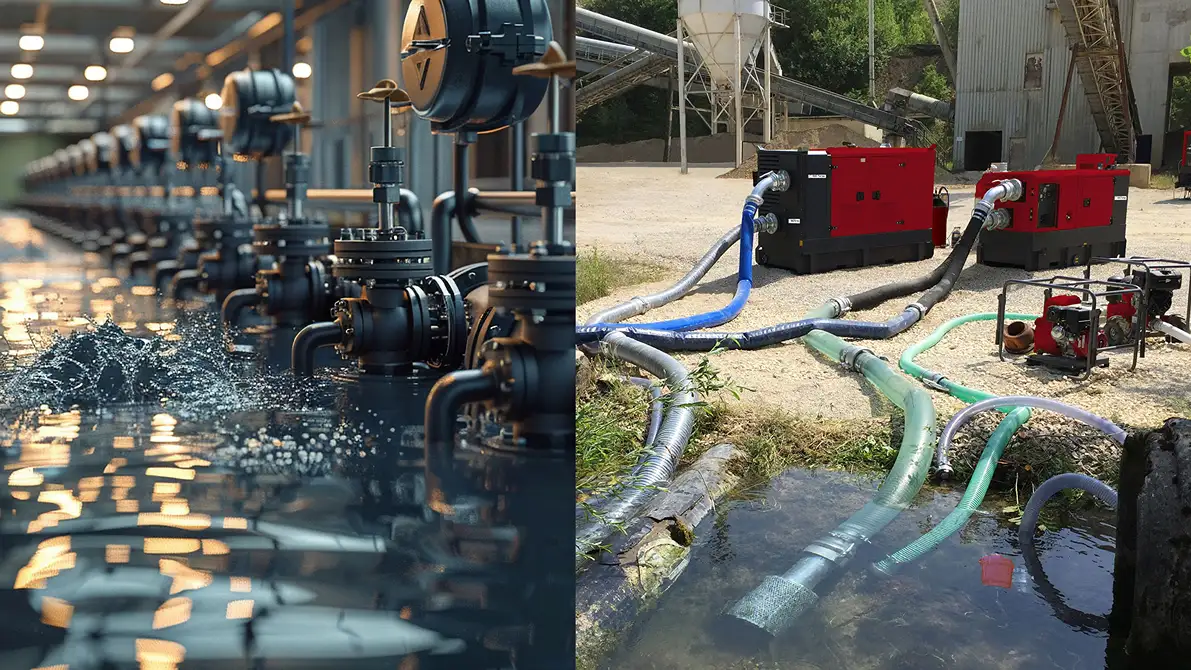
Equipment Options for Any Need
Choose from our catalog of:
- Mobile dewatering equipment
- Trailer-mounted sludge presses
- Polymer feed systems
- Solids-handling pumps
- Accessories (hoses, fittings, manifolds)
All units are designed for industrial performance in oil & gas, mining, municipal, and construction sectors.
End-to-End Support
Beyond equipment, we provide:
- On-site startup assistance
- Operator training
- Remote monitoring dashboards
- Scheduled maintenance plans
Our commitment doesn't end at delivery—we're here until your job is done right.
Conclusion
Sludge removal and water management aren't auxiliary services—they are essential components of safe, efficient, and environmentally compliant operations. Without proper dewatering systems in place, projects risk delays, regulatory violations, and escalating costs. The right equipment not only protects your workforce and infrastructure but also improves overall productivity and resource efficiency.
Do you need a permanent setup or just rent dewatering equipment for a short-term application? EDDY Pump has solutions for you. Our sludge dewatering equipment is designed for high solids handling, mobility, and low maintenance – ideal for both scheduled and emergency use.
From construction sites and municipal lagoons to mining operations and industrial plants, our clients rely on EDDY Pump for proven field systems. Are you unsure whether to buy or rent dewatering equipment? Our team can help you evaluate your needs. When it’s time to rent dewatering equipment, trust EDDY Pump for fast deployment and expert support.
Need help choosing the right solution? Request a Quote Today
FAQs
How long does it take to get a mobile dewatering unit up and running once delivered?
Many of EDDY Pump’s trailer- or skid-mounted systems are delivered “plug-and-play,” arriving with plumbing, electrical controls, and dosing systems already installed. On-site setup (including unloading, leveling, and connection) can often be completed in under four hours.
For what kinds of applications is renting dewatering equipment especially advantageous compared to buying?
Renting tends to make sense in cases of:
- Short-term or seasonal projects (e.g., stormwater control, construction phases) where owning equipment would result in underutilization.
- Emergencies (such as overflows and regulatory incidents) where rapid deployment is crucial.
- Projects with variable workload where demand fluctuates, and owning large, fixed equipment could be wasteful.
What kind of maintenance or care does rented dewatering equipment typically require?
Proper maintenance is important even for rented units. Some typical tasks include:
- Daily: cleaning screens/filters, grease bearings, and inspecting wear points.
- Weekly: flushing polymer lines, checking electrical components, and checking seals.
- Monthly: reviewing operating logs, recalibrating sensors, inspecting safety valves.
Also, in a rental contract, EDDY Pump often provides scheduled maintenance and on-call support, which helps reduce downtime.
What kinds of environmental or site constraints should I consider when selecting dewatering equipment?
Some important site-specific factors:
- Space limitations: In dense urban areas, mountainous terrain, or coastal zones, you may not have sufficient room for large drying beds or basins. Mobile or modular units help here.
- Power availability: Many remote sites lack grid power, so equipment with generator compatibility, as well as battery/solar inputs, may be necessary.
- Regulatory discharge limits: what your treated water must meet in terms of suspended solids, turbidity, etc. This influences the choice of equipment.
Can renting from EDDY Pump include operator training or support?
Yes. EDDY Pump provides comprehensive support as part of its service to rented systems, which includes on-site startup assistance, operator training, and remote monitoring dashboards. So you get more than just the equipment — help ensure it’s used correctly and efficiently.