
Application of EDDY Pump in Sewage Treatment
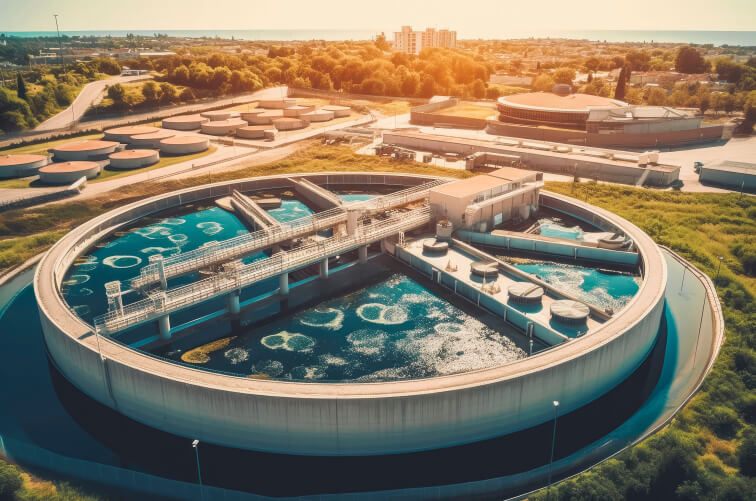
Application of Our Slurry Pumps in Sewage Treatment
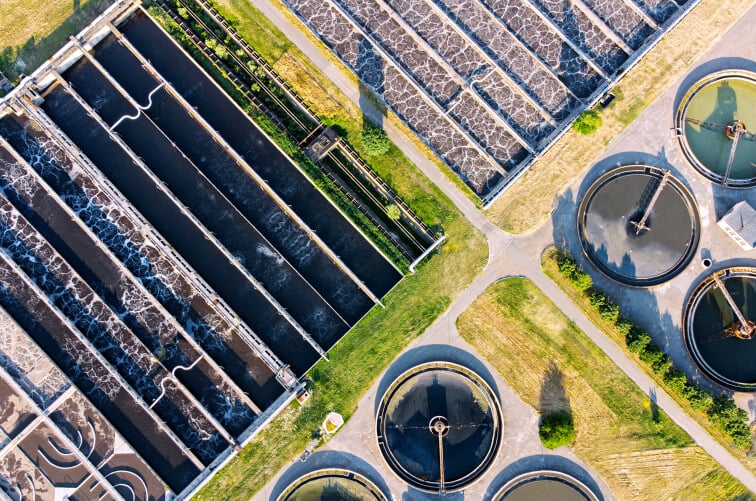
- Primary Sludge Pumping: A slurry transport pump transports primary sludge, the thick and heavy material in the primary sedimentation tanks. The submersible slurry pump helps move the sludge to further treatment processes or storage tanks.
- Secondary Sludge Pumping: Secondary sludge is generated during biological treatment processes like activated sludge. A slurry transport pump transfers this sludge from secondary clarifiers or aeration tanks to digestion or dewatering facilities.
- Waste Activated Sludge Pumping: Waste-activated sludge (WAS) is the excess biological sludge produced during the activated sludge process. The submersible slurry pump handles the WAS and directs it to dewatering units for moisture reduction.
- Dewatering: The industrial slurry pump plays a crucial role in dewatering processes, transporting sludge from dewatering equipment (such as centrifuges, belt filter presses, or screw presses) to further treatment or disposal.
- Digester Feed: In anaerobic digestion processes, a heavy-duty slurry pump transfers sludge into digester tanks, which undergo biological decomposition to produce biogas and reduce its volume.
- Lagoon Management: In some sewage treatment systems, slurry pumps help manage and recirculate sludge in stabilization or lagoon systems, aiding in the natural decomposition and treatment of organic matter.
- Chemical Addition: The heavy-duty slurry pump can mix and transport chemicals used for various treatment processes, such as pH adjustment, flocculation, and disinfection.
- Abrasive and Heavy Solids Handling: Slurry pumps, like submersible grit pumps, can handle heavy and abrasive materials found in sewage, such as grit, sand, and larger solid particles.
- Industrial Wastewater: Some sewage treatment plants also receive industrial wastewater with higher concentrations of solids and contaminants. A submersible slurry pump can handle the transfer of this wastewater and the associated sludge.
- Emergency Bypass: During maintenance or peak flow periods, the slurry transport pump can serve as an emergency bypass pump, redirecting sewage flow around specific treatment units.
Call for sales or support
If you need assistance with pump selection, sales or engineering support, call 619-404-1916.


Dredge Project Consulting
- Easier to install and maintain, the horizontal slurry pump, a type of dredge pump, allows for quick access to pump components, making repair jobs straightforward. During repair jobs, pumps are completely disassembled for thorough inspection. All components are carefully inspected, and any parts not meeting standards are replaced. After reassembly, the pump is tested to ensure reliable performance. These steps help extend the service life of the hydraulic pump and maintain equipment reliability. EDDY Pump can also provide dredging project managers to oversee sediment projects and remediation projects, ensuring that all aspects of the dredging project are managed efficiently and in compliance with environmental regulations.
- Requires more room, due to its larger footprint compared to vertical
- Implementing best management practices and evaluating management alternatives are essential for effective material management in any dredging project.

Vertical Slurry Pump
-
Less smaller footprint, allowing the dredge pump to be implemented in hard to reach jobs
-
More versatile, can be cable hung straight down and inserted directly into medium to pump target material. The vertical slurry pump can also be used in mechanical dredging operations where minimal water addition is required.
-
The vertical slurry pump is typically situated within the excavator or dredging system so that it is optimally positioned for efficient material handling and performance.
-
More difficult to repair and tougher maintenance
Application of EDDY Pump’s Hydraulic Dredging in Sewage Treatment

- Sludge Removal: A slurry pump dredge can remove accumulated sludge and sediment from treatment lagoons, settling ponds, and other holding basins. This helps maintain the designed capacity of these units and prevents reduced treatment efficiency.
- Lagoon and Pond Maintenance: Sewage treatment plants often have lagoons or ponds for various treatment stages. Lagoon dredging equipment can help maintain the desired depth and prevent excessive sediment buildup, ensuring proper treatment and controlling odors.
- Dredging Inlet and Outlet Channels: Inlet and outlet channels for treatment units can become clogged with sediment and debris, reducing flow rates and overall treatment effectiveness. Dredge pump systems can clear these channels to maintain optimal flow.
- Dredging Primary Clarifiers: Primary clarifiers are used to settle out larger particles in wastewater. Over time, sludge and solids accumulate at the bottom, reducing the clarifiers' efficiency. A slurry pump dredge can remove this buildup, allowing the clarifiers to function effectively.
- Removing Bulking Material: Some sewage treatment systems experience bulking, where certain filamentous bacteria cause sludge to become dense and challenging to settle. A Hydraulic dredger can help remove excess bulking material from treatment units.
- Sewer Line and Manhole Maintenance: In municipal sewage systems, a slurry pump dredge can remove sediment and debris from sewer lines and maintenance holes, preventing blockages and backups.
- Emergency Response: Dredge pump systems can be employed as an emergency response measure after heavy rainfall or flooding events that result in sediment deposition and clogging in treatment units or sewer lines.
- Biological Treatment Optimization: Hydraulic dredging equipment can assist in optimizing biological treatment processes by removing excessive biomass (biofilm) from treatment tanks or bioreactors, ensuring efficient nutrient removal and treatment.
- Dredging for Infrastructure Maintenance: Sewage treatment plants may have pump stations, retention basins, and other infrastructure that require periodic dredging to maintain functionality.
- Beneficial Reuse of Dredged Material: In some cases, the dredged material can be processed for beneficial reuse, such as composting or land application, after dewatering and treatment.
Best Non-Clog Pumps


Call for sales or support
If you need assistance with pump selection, sales or engineering support, call 619-404-1916.
HD (Heavy Duty) Slurry Pumps / Dredge Equipment