

Handling chemicals safely and efficiently is a cornerstone of industrial operations. Whether transferring corrosive acids, viscous fertilizers, or volatile solvents, businesses must manage these substances without compromising safety, efficiency, or equipment longevity. For industries like agriculture, manufacturing, and pharmaceuticals, this challenge is amplified by the need for precision and reliability.
This is where chemical transfer pumps come into play. Designed specifically for transferring hazardous or corrosive substances, these pumps provide the reliability, durability, and efficiency needed to meet the stringent demands of chemical handling. From ensuring chemical compatibility to delivering high flow rates, chemical pumps are an essential part of any operation involving chemicals.
In this blog, we will explore the different types of chemical transfer pumps, their key features, and how they enhance operations across various industries. We’ll also highlight the role of AG chemical transfer pumps in agriculture and discuss how EDDY Pump’s innovative solutions can address your chemical transfer needs.
Understanding Chemical Pumps
What Are Chemical Pumps?
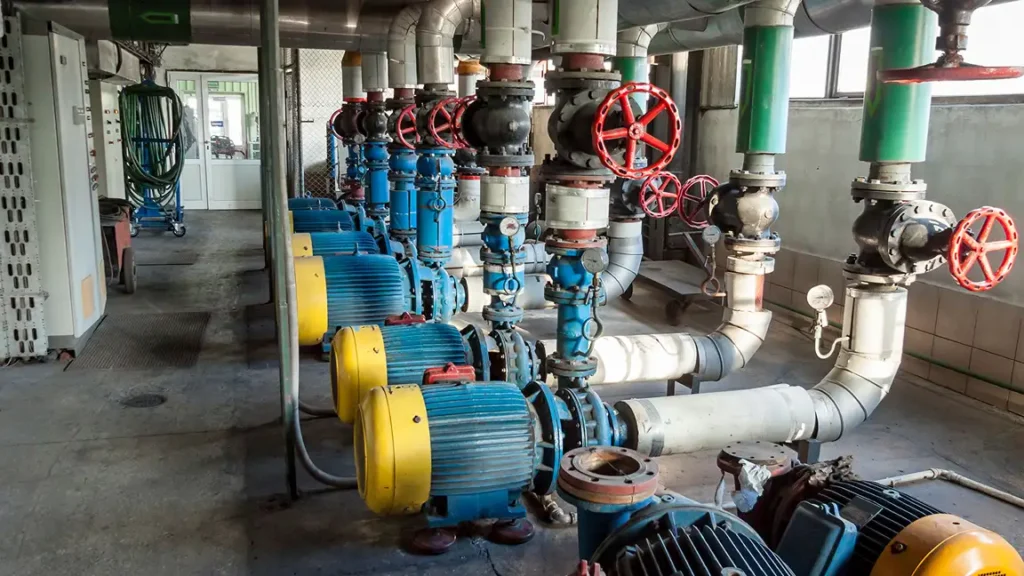
Chemical pumps are specially engineered devices used to transfer hazardous, corrosive, or viscous liquids in industrial and commercial applications. Unlike standard industrial pumps, chemical pumps are designed with materials and construction techniques that resist chemical corrosion and degradation. These pumps are vital for industries dealing with sensitive or hazardous chemicals, such as acids, alkalis, and solvents.
Chemical pumps are specifically designed to meet the challenges posed by handling aggressive or hazardous chemicals. They often use high-performance materials like stainless steel, PTFE (polytetrafluoroethylene), or other chemical-resistant composites to ensure durability and long-term functionality. These materials allow chemical pumps to perform reliably in environments where exposure to extreme pH levels, high pressures, or abrasive particles is common. This capability makes them indispensable across industries like petrochemicals, pharmaceuticals, food processing, and wastewater treatment.
Key Differences from Standard Pumps
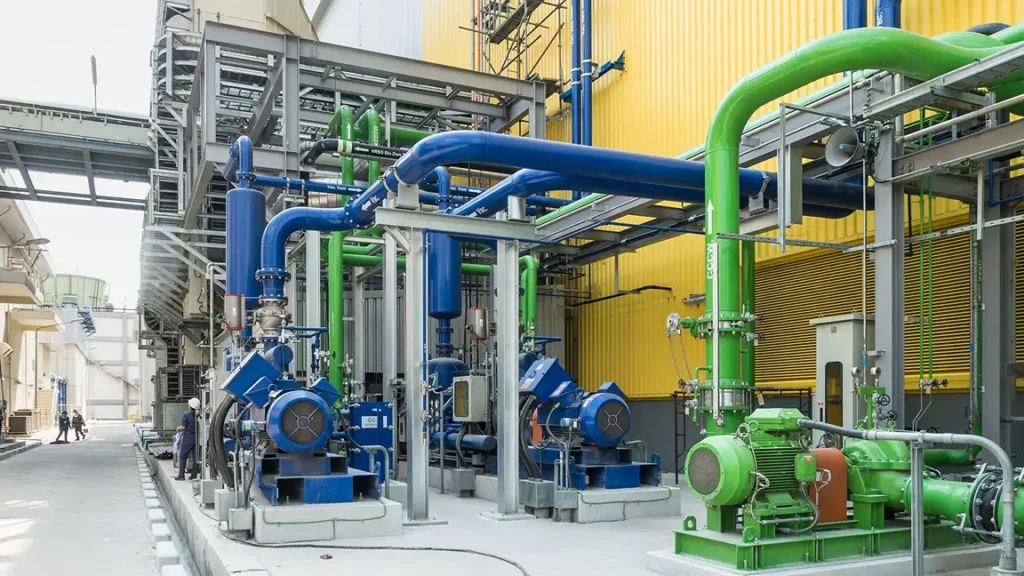
While standard pumps are built for general fluid transfer, chemical pumps are tailored to handle aggressive substances. Standard pumps, typically made of materials like cast iron or aluminum, are susceptible to corrosion and wear when exposed to corrosive chemicals. Chemical pumps, on the other hand, are equipped with chemically resistant seals, linings, and impellers that ensure durability and safety during operation.
Another key distinction is their advanced sealing mechanisms. Chemical pumps often feature magnetic drive systems or double-sealed designs to prevent leaks, reducing the risk of hazardous chemical exposure. Additionally, these pumps can handle varying viscosities and temperatures without compromising performance. Their internal components are designed to minimize dead zones where chemical residue might accumulate, ensuring efficiency and preventing contamination.
These unique requirements require chemical transfer pumps. Standard pumps lack the specialized features required to handle hazardous or highly reactive chemicals, making chemical pumps an essential choice for industries that prioritize safety and precision.

Importance of Transfer Pumps for Chemicals
Using the correct transfer pumps for chemicals ensures operational safety, minimizes the risk of leaks or spills, and enhances efficiency. These pumps play a critical role in maintaining workplace safety by preventing chemical exposure and environmental contamination. For industries dealing with hazardous substances, this can significantly reduce the risks associated with handling and transporting volatile or reactive materials.
Chemical pumps also contribute to regulatory compliance. Industries must adhere to stringent environmental and safety standards, such as OSHA and EPA guidelines, to avoid fines and operational interruptions. High-quality transfer pumps for chemicals ensure that businesses meet these regulations while maintaining optimal efficiency. Furthermore, the precision offered by chemical pumps minimizes material waste, leading to cost savings and reduced environmental impact.
The Role of AG Chemical Transfer Pumps in Agriculture
What Are AG Chemical Transfer Pumps?
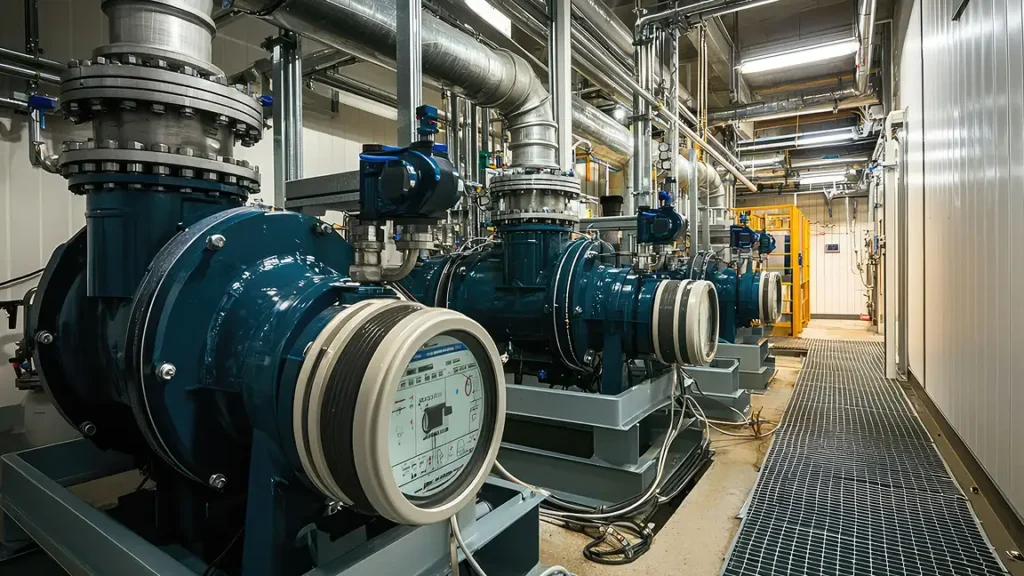
AG chemical transfer pumps are designed specifically for agricultural applications, where the transfer of pesticides, fertilizers, and other agricultural chemicals is a routine task. These pumps are built to withstand harsh agricultural environments while ensuring precise and efficient chemical handling.
Agricultural settings often involve exposure to dirt, debris, and fluctuating weather conditions, which can impact the performance of standard pumps. AG chemical transfer pumps are engineered with robust materials like polypropylene, stainless steel, or reinforced plastics to withstand these challenging environments. Additionally, they are equipped with advanced sealing mechanisms to prevent leaks, ensuring that potentially hazardous chemicals are safely handled.
Applications in Agriculture
In farming, the accurate transfer of chemicals is crucial for optimizing crop yields and maintaining soil health. AG chemical transfer pumps are commonly used for:
Transferring liquid fertilizers to storage tanks or application equipment:
Liquid fertilizers often need to be moved in large quantities, and AG chemical transfer pumps enable quick, efficient transfers without spillage. These pumps also ensure the uniformity of fertilizer mixtures, which is essential for consistent crop growth.
Dispensing pesticides for crop protection:
Pesticides are vital for preventing crop damage caused by pests and diseases. AG chemical transfer pumps allow for precise measurement and distribution, ensuring effective pest control while minimizing the risk of over-application that could harm crops.
Handling other agricultural chemicals used in irrigation or soil treatment:
Chemicals like herbicides and soil conditioners are critical for maintaining healthy soil. AG chemical transfer pumps facilitate their accurate delivery to irrigation systems or directly to the soil, improving overall farming efficiency.
Benefits of AG Chemical Transfer Pumps
AG chemical transfer pumps offer several advantages for agricultural operations:
- Durability: These pumps are built to withstand exposure to corrosive chemicals and outdoor conditions. They are resistant to wear and tear, ensuring long-term reliability even in harsh environments. Corrosion-resistant coatings and heavy-duty seals further enhance their durability.
- Efficiency: High flow rates ensure quick and accurate chemical transfer, saving time and reducing labor costs. Many modern AG pumps come equipped with energy-efficient motors, helping farmers lower operational expenses while maintaining high performance.
- Precision: Prevents over-application or under-application of chemicals, reducing waste and maximizing efficiency. Precision delivery is essential for sustainable farming practices, as it minimizes chemical runoff and protects surrounding ecosystems. Many pumps now feature advanced flow control options, enabling farmers to adjust the chemical dosage based on specific crop needs.
- Ease of Maintenance: Many AG chemical transfer pumps are designed with user-friendly features, such as easily replaceable parts and accessible cleaning ports, making maintenance quick and hassle-free. This reduces downtime during critical farming periods.
For farmers and agricultural professionals, AG chemical transfer pumps are indispensable tools that streamline chemical handling processes while ensuring safety and compliance. By investing in high-quality pumps, farmers can improve productivity, reduce waste, and contribute to more sustainable agricultural practices. Furthermore, advanced technologies like automated flow control and built-in safety features enhance the overall reliability and performance of these pumps, ensuring they remain a vital part of modern farming operations.
Key Considerations for Transfer Pumps for Chemicals
Choosing the right transfer pumps for chemicals involves evaluating several factors to ensure compatibility, efficiency, and reliability. Selecting an inappropriate pump can result in operational inefficiencies, equipment damage, and safety hazards. Below are some key considerations:
Chemical Compatibility
One of the most important aspects of selecting a chemical transfer pump is ensuring that the pump materials are compatible with the chemicals being handled. For example, pumps used for transferring strong acids or alkalis must be constructed with corrosion-resistant materials like stainless steel, PTFE (polytetrafluoroethylene), or specialized plastics. Pumps made from incompatible materials may corrode, degrade, or fail when exposed to aggressive chemicals, leading to leaks, operational downtime, and potentially hazardous situations.
It is essential to consider not only the primary chemical being transferred but also any byproducts or secondary compounds present in the process. For instance, some chemicals may react with the pump material or seals over time, causing gradual wear. Using chemical compatibility charts provided by pump manufacturers can help ensure the correct selection of materials for long-term durability and safety.
Non-Clogging Designs
Many chemical processes involve transferring viscous or particulate-laden liquids. Non-clogging designs are essential to prevent downtime and ensure smooth operation. Pumps with open impellers, recessed impellers, or vortex designs, such as those offered by EDDY Pump, are ideal for handling challenging applications. These designs allow solids to pass freely, preventing blockages and reducing the need for frequent maintenance.
Non-clogging pumps are particularly beneficial when handling slurry-like mixtures, abrasive chemicals, or high-viscosity fluids. Industrial and agricultural settings that transfer mixtures containing fibers, sediments, or other particulates can greatly benefit from these advanced designs. The ability to transfer such materials without interruptions directly translates to higher productivity and reduced operational costs.
Minimal Maintenance Requirements
Chemical transfer pumps should require minimal maintenance to reduce downtime and operational costs. Features like self-priming capabilities, wear-resistant materials, and easy-to-clean designs contribute to simplified upkeep. Pumps designed with modular components allow for quick replacement of worn parts, reducing the need to dismantle the entire system. This user-friendly approach enhances productivity, particularly in operations where chemical transfer is a continuous or high-frequency task.
Pumps with advanced diagnostic systems, such as pressure sensors and flow monitors, further simplify maintenance by providing real-time data on performance. These systems can alert operators to potential issues, enabling timely intervention and preventing catastrophic failures.
EDDY Pump’s Role
EDDY Pump’s innovative technology effectively addresses these challenges. Using a patented non-clogging design and durable construction materials, EDDY Pump’s chemical pumps excel in handling the toughest chemical transfer tasks with minimal maintenance. Their unique design ensures that large particulates and viscous materials can pass through the pump without clogging, significantly reducing downtime.
Additionally, EDDY Pump integrates advanced monitoring systems into its products. These systems provide continuous feedback on parameters such as flow rate, pressure, and wear levels. Operators can leverage this data to schedule proactive maintenance, optimize pump performance, and extend the equipment’s lifespan.
EDDY Pump’s customizable solutions ensure that clients can select or design pumps tailored to their specific applications. Whether transferring hazardous chemicals in industrial manufacturing or handling fertilizer mixtures in agriculture, EDDY Pump delivers reliability, efficiency, and safety. This commitment to innovation and quality makes EDDY Pump a trusted partner for businesses handling complex chemical transfer processes.
Features of High-Performance Chemical Transfer Pumps
Essential Features to Look For
When selecting a chemical transfer pump, it’s essential to consider the following features:
Flow Rate: This ensures the pump can efficiently handle the required volume of chemicals. High flow rates are particularly crucial for large-scale operations where time is a critical factor.
Energy Efficiency: Reduces operational costs while maintaining performance. Energy-efficient designs can significantly lower the long-term cost of ownership, especially in operations involving continuous use.
Construction Materials: Must resist corrosion and wear caused by aggressive chemicals. For instance, pumps made from PTFE or PVDF are ideal for highly corrosive substances, while stainless steel is better for less aggressive chemicals.
Temperature Resistance: Some chemicals require heating or cooling during transfer. Pumps designed to handle temperature fluctuations without compromising performance are essential for such applications.
EDDY Pump’s Solutions
EDDY Pump offers chemical pumps that excel in performance and reliability. Key features of these chemical transfer pumps include:
- High flow rates for efficient chemical transfer.
- Energy-efficient designs that reduce power consumption.
- Rugged construction materials to handle corrosive and abrasive substances.
- Integrated safety mechanisms to prevent overpressure or leakage during operation.
Real-World Success Story
A manufacturing facility faced recurring downtime due to pump failures when transferring highly corrosive chemicals. After switching to EDDY Pump’s chemical transfer pumps, the company achieved the following:
- Increased Operational Uptime: The new pumps reduced unplanned downtime by 85% compared to the previous system.
- Cost Savings: Maintenance costs were reduced by 40% annually due to the pumps’ durable and low-maintenance design.
- Enhanced Safety: Operator feedback highlighted a significant improvement in safety, with fewer chemical leaks and reduced exposure risks.
- Improved Efficiency: The pumps provided a 30% increase in flow rate, enabling faster completion of chemical transfer tasks.
The company’s maintenance manager noted, “EDDY Pump’s technology has transformed our operations. The reliability and efficiency of these pumps have exceeded our expectations, and our team feels much more confident handling hazardous chemicals.” This success highlights the importance of selecting high-quality transfer pumps for chemicals tailored to specific operational needs.
Optimizing Your Chemical Transfer System
Tips for Maintenance
To ensure the long-term reliability and performance of chemical transfer pumps, follow these maintenance tips:
- Seals and linings should be regularly inspected for signs of wear or corrosion. Timely replacement of worn-out components can prevent leaks and ensure safety.
- To prevent chemical damage, use only compatible materials and lubricants. Non-compatible lubricants can degrade seals or gaskets, leading to failures.
- Perform routine cleaning to avoid clogging and buildup. Pumps with easy-to-access cleaning ports simplify this process, especially for viscous or particulate-laden chemicals.
- Monitor performance metrics like flow rate, pressure, and energy consumption. Advanced monitoring systems can alert operators to deviations, enabling early intervention.
Matching the Pump to Operational Needs
Selecting the right pump for your application involves understanding your operational requirements, such as:
- Type of chemical being transferred: Highly viscous or volatile chemicals may require specific pump designs.
- Desired flow rate and pressure: Matching these parameters ensures optimal performance without overloading the pump.
- Specific environmental conditions: Pumps operating in outdoor or extreme conditions should have weather-resistant designs.
EDDY Pump’s Customizable Solutions
EDDY Pump provides customizable solutions tailored to meet the unique demands of complex chemical transfer applications. Whether you need AG chemical transfer pumps for agriculture or high-capacity chemical pumps for industrial use, EDDY Pump has you covered. Their engineering team works closely with clients to design and implement pumps that match specific operational requirements, ensuring maximum efficiency and reliability.
Conclusion
Choosing the right chemical transfer pump is essential for ensuring operational safety, efficiency, and reliability. From agriculture to manufacturing, these pumps play a critical role in handling hazardous and corrosive substances. By investing in high-performance transfer pumps for chemicals, businesses can streamline their processes, reduce downtime, and enhance safety.
EDDY Pump offers a comprehensive range of chemical pumps, including AG chemical transfer pumps, designed to meet the toughest challenges. With innovative technology and customizable solutions, EDDY Pump is your trusted partner for all your chemical transfer needs.
Contact EDDY Pump today to learn more about our chemical transfer pumps and how we can help optimize your operations.