Bombas de sump industrial
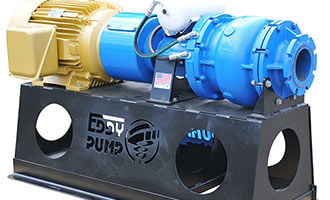
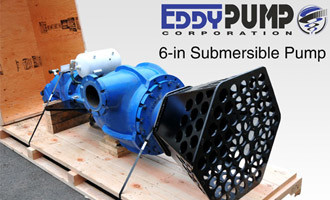
A EDDY Pump oferece bombas de sump industriais e pesadas ideais para limpeza e manutenção em águas residuais, fabricação, limpeza de tanques de lama, lama, pasta e outras aplicações de bombas de sólidos altos.
EDDY Pump industrial sumbersible sump pumps are non-clog pumps designed for high solids, industrial pumping applications. Our patented pump technology utilizes the power of eddy currents in fluid dynamics to outperform all centrifugal, vortex and positive displacement pumps in the most difficult and demanding pumping applications.
Learn Why Our Sump Pumps Have Higher Production and More Uptime
EDDY Pumps vs Centrifugal Pump
More dredge pump and dredging Videos HERE
Youtube not loading? Alternate video player
Principais Aplicações: Limpeza e Manutenção sump em águas residuais, fabricação, limpeza de tanques de assentamento de lodo, lama, pasta e outras aplicações de bomba de sólidos altos.

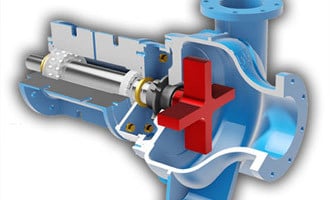
O tamanho ajustável, rotor ultra recessado pode passar o maior material da indústria.
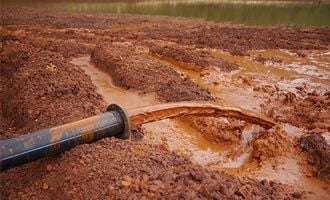
Em condições adversas com areia, lodo, rochas, lama, as bombas normais de dragagem entopem, desgastam e falham com mais frequência. Isso leva ao tempo de inatividade para manutenção, prejudicando seus resultados. Não é o caso das Bombas EDDY, já que temos a tolerância para bombear objetos de até 12 polegadas a 7000 GPM! Leia mais sobre nossa tecnologia de bomba.
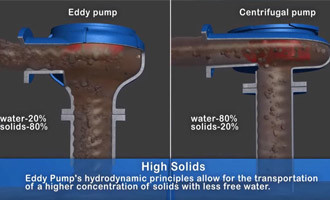
Bombeamos Sólidos
Não Água
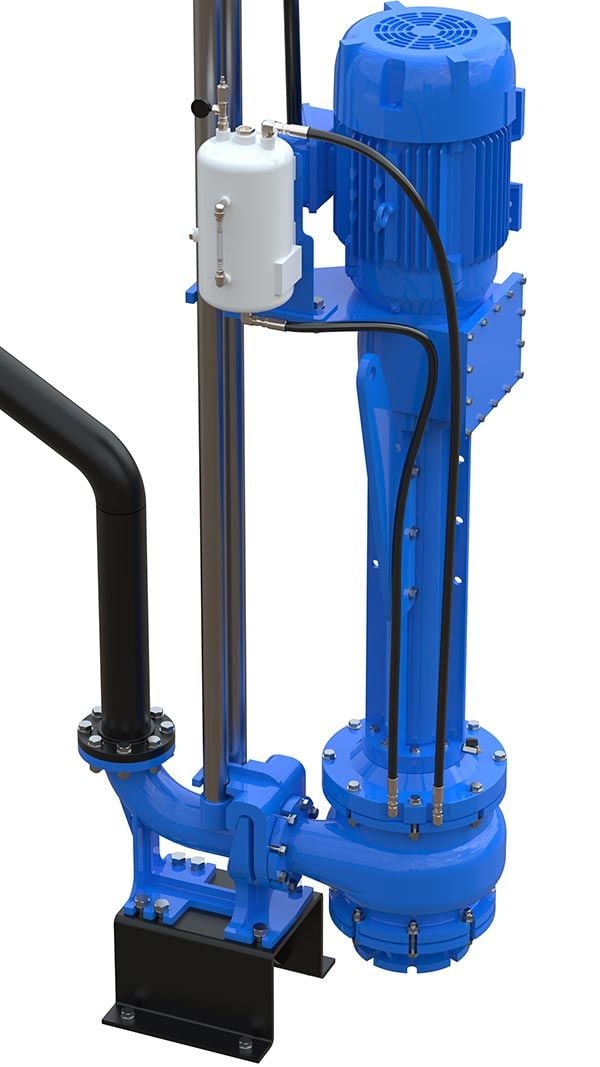
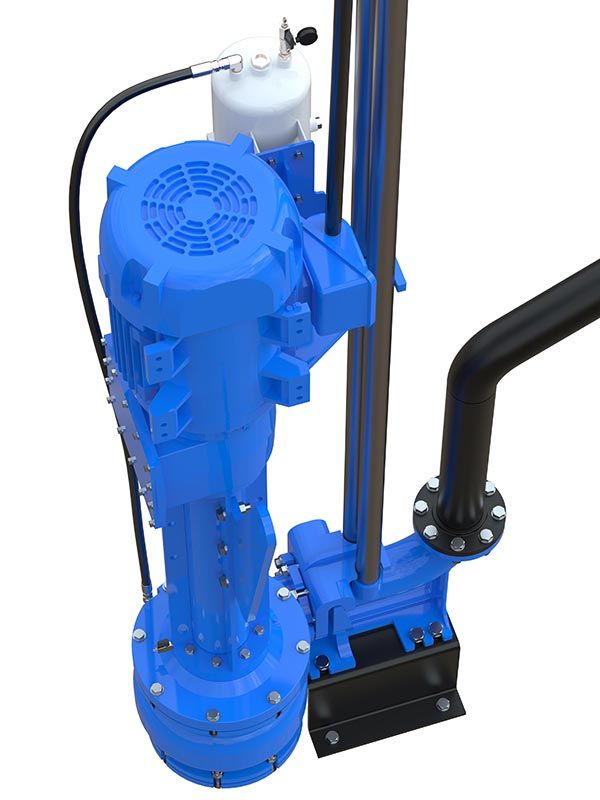
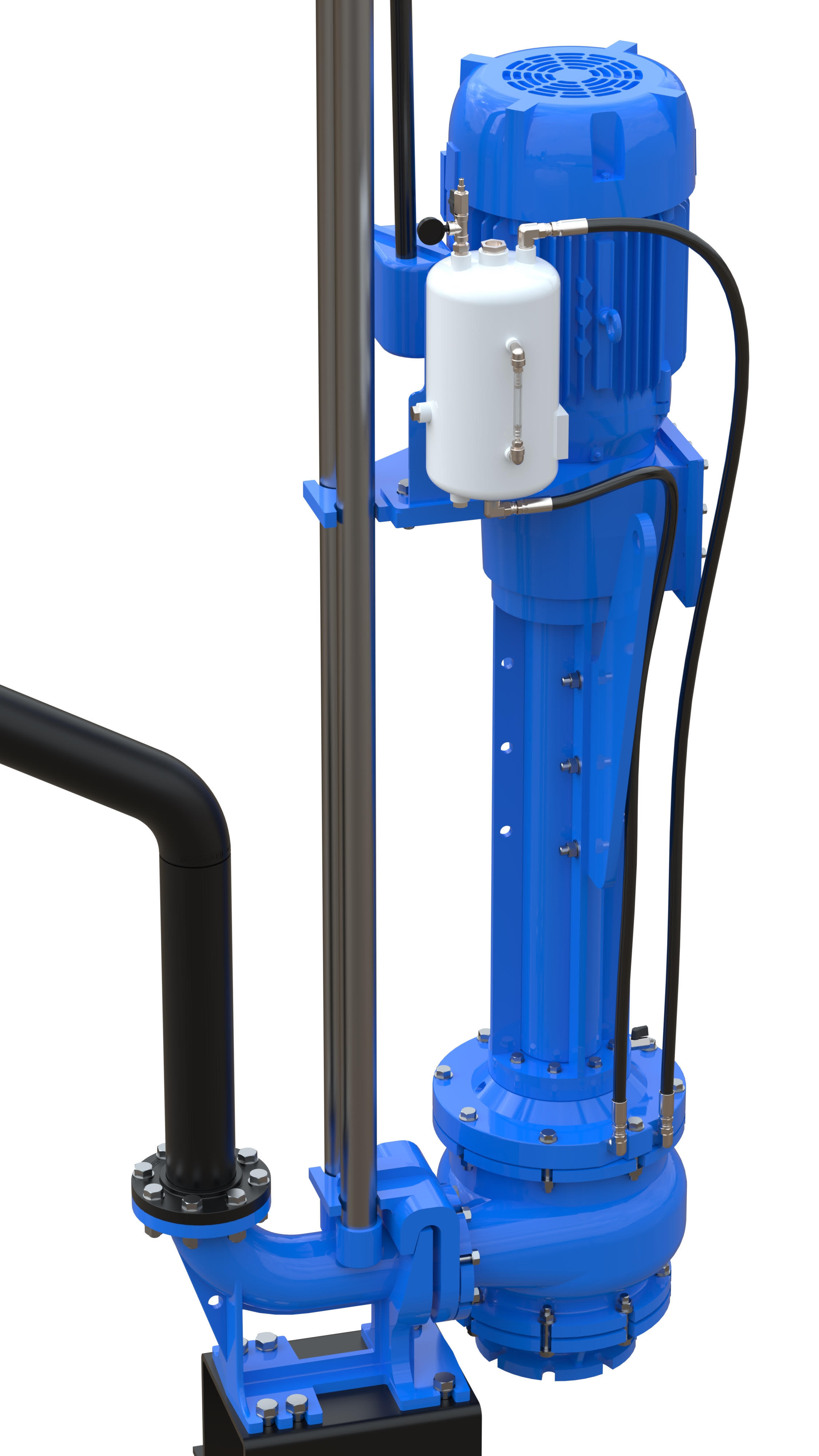
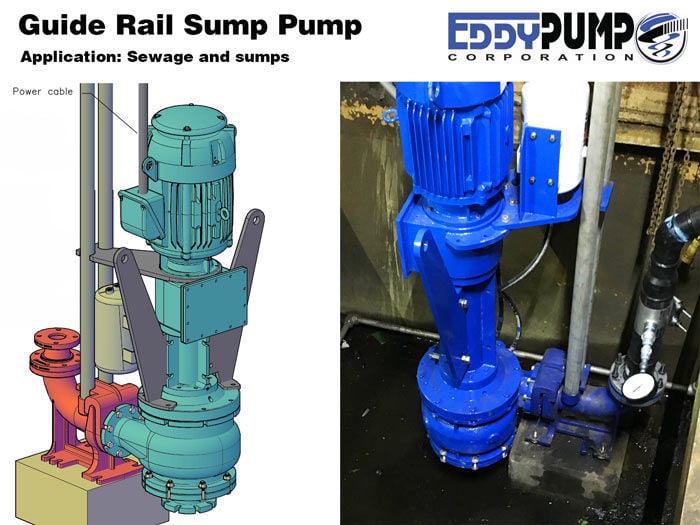
Passe sólidos de 1-12 polegadas (pedras, trapos, detritos). O design de rotor aberto da bomba EDDY com altas tolerâncias permite que qualquer coisa que entre na entrada passe pela descarga sem problemas.
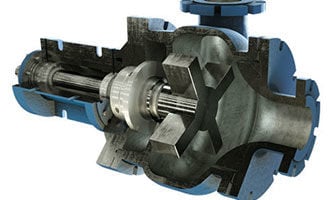
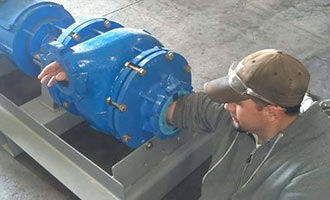
A tolerância entre o rotor e a voluta na Bomba EDDY de 4″ permite facilmente a passagem do braço de um homem (*veja a imagem abaixo). Comparada com a tolerância em uma bomba centrífuga, a bomba EDDY vence facilmente. Ao longo do comprimento da nossa linha de bomba EDDY de 1 polegada a 12 polegadas, a tolerância varia de 1 a 12 polegadas.
Isso se traduz em uma quantidade significativa de sólidos e detritos que passam, sem entupir a bomba. Para saber mais sobre a tecnologia por trás de nossas bombas, continue lendo aqui .
Por que as bombas de manuseio de sólidos EDDY são melhores
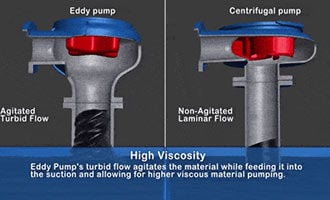
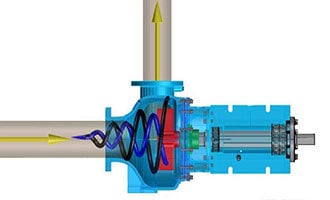
A bomba de alto teor de sólidos EDDY faz com que a lama e a lama se movam como água.
Youtube não carrega? Reprodutor de vídeo alternativo
Características e benefícios
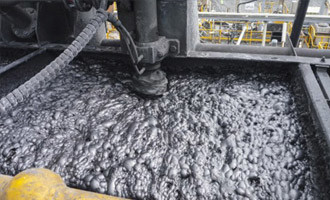
A bomba de processo ideal para lama, lodo, areia, cinzas volantes, pasta e espuma.

Vantagens da bomba EDDY
- Não entupimento, alta viscosidade, alta gravidade específica, alto abrasivo, projeto de bombeamento de baixo pH
- Bombeamento de 30-70% de Sólidos por Volume
- Capacidade de bombear objetos de até 12 polegadas de diâmetro
- 100% americano construído
- Instalações de pesquisa e desenvolvimento de última geração no local
- Processe facilmente trapos, barbantes, pedras e objetos estranhos
Opções
- Montagem Vertical ou Horizontal
- Submersível / Imersível
- Aplicações de Bombas de Processo
- Acionamento Elétrico ou Hidráulico
- Vários metais disponíveis
- Controle de velocidade variável
- Autoescorvante
- Reboque / Montado em Skid
- Mancal / Acoplado
- Controles automatizados
Características da bomba
- Design sem entupimento
- Manuseio de Altos Sólidos
- Manuseio de alta viscosidade e gravidade específica
- Manuseio de Altos Abrasivos
- Sem tolerâncias críticas
- Baixa manutenção
- Tempo de inatividade mínimo
- Baixos custos de propriedade


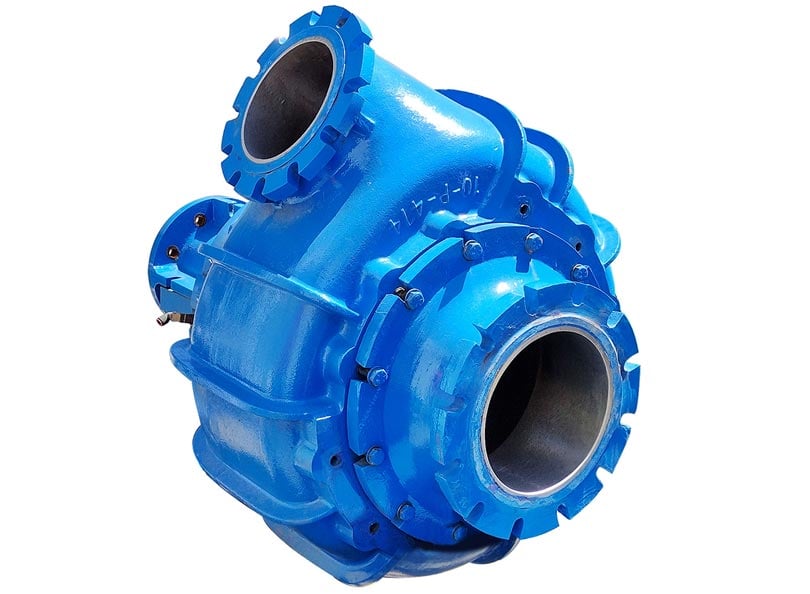
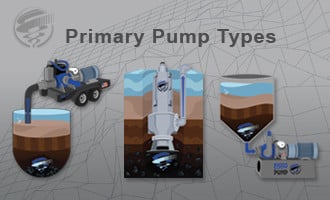
Opções de implantação da bomba EDDY
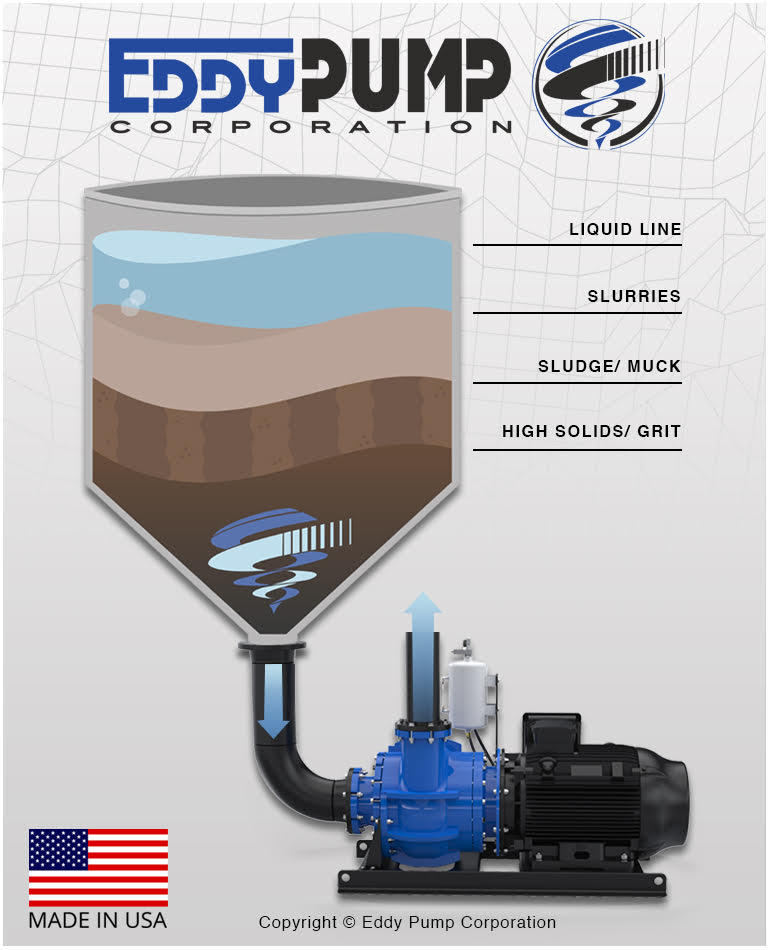
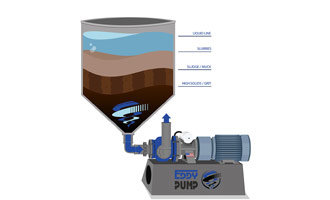
Bombas de Sucção Inundadas
Nas bombas de sucção inundadas, o fluido a ser bombeado é posicionado acima da bomba. Com a bomba posicionada abaixo, a gravidade pode alimentar o fluido na sucção da bomba e manter a bomba escorvada.
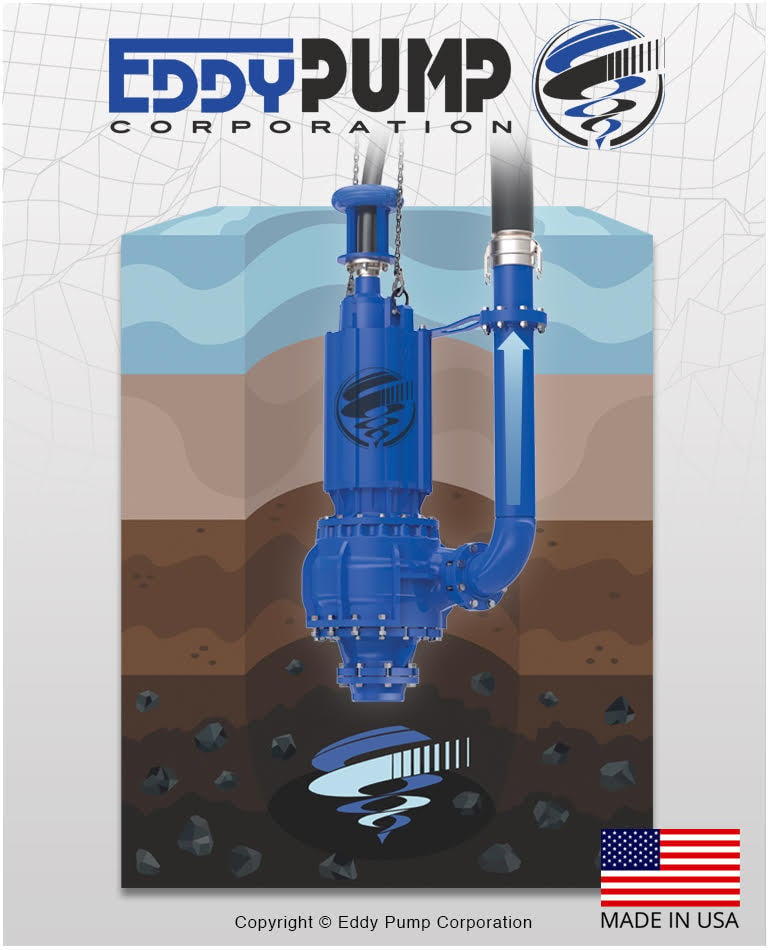
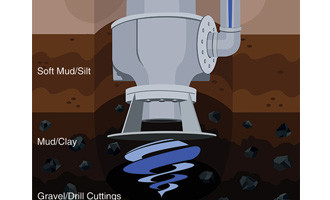
Bombas submersíveis
As bombas que estão completamente submersas no líquido são chamadas de bombas submersíveis. Ao ficar submerso no fluido a ser bombeado, não há necessidade de escorraçar a bomba.
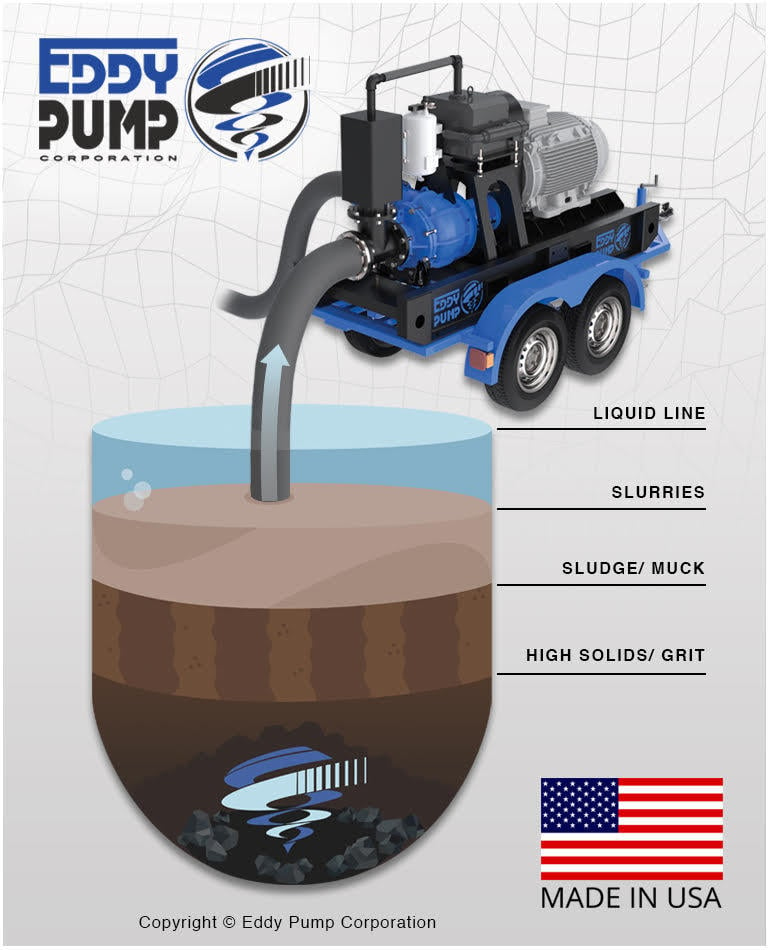
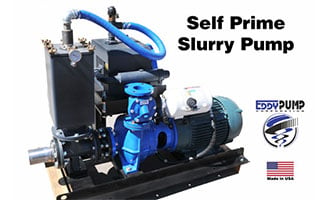
Bombas autoescorvantes
Com uma unidade autoescorvante, a bomba e a unidade de energia não ficam submersas. A mangueira de sucção entra na pasta e a unidade atua como um aspirador seco e úmido superdimensionado. Pode ser montado em reboque para maior mobilidade.
Somos uma das poucas empresas que fabrica nossas bombas e equipamentos de dragagem para garantir o suporte ideal. Todos os equipamentos Alimentados por Bomba EDDY.

The Best Non-Clog and High Solids Slurry Pump on the Market. Since 1984.
Best Applications: If you are pumping slurry, high solids, extremely viscous material, paste, high abrasives (sand & gravel) and material filled with solids, then you have found the ideal pump for your job. Call Us.
Industries Most Served: Mining, Fly Ash, Coal Ash Pumping, Oil and Fracking, Waste Water, Paper/Pulp, Chemical, Energy, Water Districts, Irrigation Districts and Dredging Companies.
Seleção de Bomba de Processo ou Polpa 101
Série de Educação de Bombas EDDY
Veja o Guia de Seleção da Bomba de Polpa
Entre em contato com vendas ou engenharia

A bomba de dragagem totalmente montada permite que um braço passe facilmente. Trapos, pedras de 1-9 polegadas e detritos podem passar facilmente por uma bomba EDDY.
Slurry Pumps – Commercial or Heavy Duty
For assistance Call 619-404-1916 and let us help match your project with the right pump. Choose from the Commercial Pump Line or the HD Pump Line.
Bombas Comerciais
*Bombas comerciais, versões HD disponíveis.
Bombas HD (Serviço Pesado)


* Standard performance curve using water. Our pump is specialized for solids, slurry, grit and viscous material. Our water GPM and stats are only listed because there is no industrial standard to measure the material EDDY Pump moves. Contact us to discuss your project and specific material transport requirements.
* A majority, 98 percent of our clients use our pumps for non-water applications.
Ajuda de vendas e seleção
Deixe nosso suporte de vendas ou engenharia ajudar na seleção de sua bomba. Ligue para (619) 258-7020
INDUSTRIAL SUMP PUMPS FAQs
What is a sump pump for high solids?
An industrial sump pump for high solids is a specialized pump designed to handle fluids containing a high concentration of solids, such as slurry, sediment, or debris. These pumps are commonly used in industrial applications, mining operations, and wastewater treatment plants, and are robustly built with bronze, stainless steel and high chrome components. They can include submersible sump pumps, which offer high performance when dealing with
What are the critical features of sump pumps for high solids?
Critical features of sump pumps for high solids include:
-
Robust construction and heavy-duty materials to withstand abrasive and corrosive environments
-
Large inlet and outlet diameters to accommodate high solids content
-
Efficient solids handling capabilities to prevent clogging and blockages
-
High flow rates and pressure capabilities for effective fluid transfer
-
Variety of configurations available to suit different jobsite requirements.
What are the benefits of using sump pumps for high solids?
Benefits of using high performance industrial sump pumps for high solids include:
-
Improved efficiency and reliability in handling fluids with high solids content
-
Reduced risk of pump clogging and downtime
-
Enhanced performance in challenging environments
-
Minimized maintenance requirements and operating costs.
What are the applications of sump pumps for high solids?
Industrial sump pumps for high solids are used in various applications, including:
- Mining and mineral processing
- Industrial wastewater treatment
- Dredging and slurry pumping
- Construction dewatering
- Environmental remediation.
How do you select the correct sump pump for handling high solids?
Selecting the correct sump pump for handling high solids involves considering factors such as the type and concentration of liquids and solids, flow rate requirements, operating conditions, and installation constraints. In most situations, the minimum sump pit cannot be less than 24 inches deep, and this increases markedly when using submersible sump pumps. Also, choosing submersible sump pumps with a stock stainless steel shaft is a good idea, as sand and other solids within the liquid can cause wear and corrosion during the process that can destroy weaker materials. Having detailed information about the pump models is crucial for making informed purchasing decisions.
Submersible sump pumps do offer solid additional benefits and options, such as increased durability with stainless steel shaft and cast iron construction, combined with an automatic switch and robust motors. Choosing either self priming or submersible pumps with the appropriate size, diameter, power, capacity, durability and performance characteristics for the specific operation is essential.
What are the different types of sump pumps for high solids?
Common types of industrial sump pumps for high solids include:
- Submersible sump pumps and slurry pumps
- Vertical sump pumps
- Horizontal centrifugal pumps
- Diaphragm pumps
- Progressive cavity pumps
How do you maintain industrial sump pump for high solids?
Maintenance of industrial sump pumps for high solids typically involves:
- Regular inspection of stock pump components, automatic switch mechanism, seals, and bearings
- Cleaning and flushing of pump internals, to remove accumulated solids and debris
- Lubrication of moving parts
- Replacement of worn or damaged parts as needed.
What are the safety considerations when using sump pumps for high solids?
Safety considerations when using sump pumps for high solids include:
- Proper industry training and reference documents for personnel to learn how to operate the pumps
- Adherence to safety protocols and regulations
- Use of personal protective equipment (PPE) such as gloves, goggles, and respiratory protection
- Implementation of emergency response plans for potential pump failures or accidents.
Can a sump pump be too powerful?
Yes, some sump pump models can be too powerful for the intended applications. If the pump is oversized, it may cycle on and off frequently, leading to premature wear and reduced lifespan that causes the unit to fail prematurely, no matter how heavy duty it may be. Additionally, excessive pumping capacity can cause unnecessary energy consumption and higher operating costs.
Are higher HP sump pumps better?
Not necessarily. While a higher horsepower (HP) sump pump may offer increased pumping capacity, it’s essential to match the pump size to the application’s specific requirements. Using oversized pump models can lead to inefficiencies, increased energy consumption, and unnecessary wear on the pump.
What is the maximum depth of a sump pump (or for submersible sump pumps)?
The maximum pumping depth of a sump pump depends on factors such as the pump design, diaphragm size, motor power, and discharge head. Most stock sump pump motors can effectively handle depths ranging from a minimum sump pit of a few feet to several dozen feet, but it’s crucial to consult the manufacturer’s specifications for specific depth capabilities, and consider the liquids to be pumped.
How strong a sump pump do I need?
The strength of the sump pump depends on factors such as the size of the area to be drained, the volume of water ingress, and the vertical distance or head height the pump must overcome to discharge water effectively. It’s recommended to consult with a pump expert or follow manufacturer guidelines to determine the appropriate pump strength for your application.
How far can a 1hp sump pump push water?
The distance a one-horsepower (HP) sump pump can push water depends on the piping system’s design, discharge head, pipe diameter, and friction losses. Generally, a 1 HP sump pump can effectively move water horizontally for several hundred feet and vertically to heights ranging from 10 to 30 feet, depending on the specific pump model.
How do I choose a sump pump size?
To choose the right sump pump size, consider factors such as the size and depth of the sump pit, the volume of water ingress, the vertical lift or discharge head required, and any additional features needed for the application. It’s recommended to consult with a pump expert or follow manufacturer guidelines to find the appropriate pump size options for your specific needs.
What is the best sump size?
The best sump size depends on the required applications, the flow rate and the amount of water ingress expected. An enormous sump pit can accommodate more water and provide longer pump run times between cycles when compared to a minimum sump pit, reducing the risk of pump overload and premature wear. However, the optimal sump size will vary depending on the specific requirements of the drainage system.
How long do sump pumps last?
The lifespan of a sump pump depends on factors such as its quality, frequency of use, maintenance practices (on the motors and screen especially), and operating conditions. On average, well-maintained sump pump models can last 7 to 10 years, but this can vary significantly based on individual circumstances and applications.
How much power does a sump pump use?
The power consumption of a sump pump depends on factors such as the pump size, motor efficiency, and operating conditions (is the pump submerged, has its motors and screen been maintained, condition of the stainless steel shaft). Typically, sump pumps range in power consumption from 300 watts to 1,500 watts, with higher-powered pumps consuming more energy during operation.
What is the disadvantage of sump pumping?
One disadvantage of sump pumping is the potential for pump failure or malfunction, leading to flooding and water damage if not detected and addressed promptly. Additionally, sump pumping may not effectively control groundwater infiltration during heavy rainfall or flooding, requiring additional drainage measures.
How much water is OK in a sump pump?
The amount of water considered acceptable in a sump pump depends on factors such as the size of the sump pit, the pump’s capacity, and the rate of water ingress. Generally, a cast iron sump pump should be able to handle all liquid entering the sump pit and maintain a dry basement or crawl space. If the pump struggles to keep up with water ingress, it may indicate the need for a larger or more powerful pump options.
Which submersible pump is best for home?
The best submersible pump for home use depends on factors such as the depth of the water table, the volume of water ingress, and the application’s specific requirements. Some popular residential sump pump application options include pedestal sump pumps, submersible sump pumps, and combination sump pump systems. Choosing a pump that meets the capacity and performance needs of your home’s drainage system is essential.
Produtos Relacionados
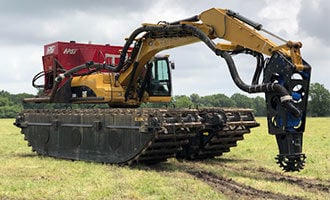
Equipamento de dragagem
Why EDDY Pumps Are Better – Highlights
This video shows how EDDY Pump transports high slurry and abrasive materials. Featured dredge pump equipment includes the Remote Operated Subdredge, Diver Operated Pump and a Excavator Attachment Dredge Pump.