
Heavy Duty Industrial Sump Pump
Engineered for demanding sump environments, EDDY Pump high-solids sump pumps are built to move abrasive, high-density material where conventional pumps fail. Utilizing patented eddy current technology and a non-clog, open rotor design, these pumps handle heavy solids loading and pass large debris without internal wear or blockage. Designed for continuous operation in sump cleaning, sludge collection pits, wastewater basins, tank-bottom removal, and abrasive sump transfer, they deliver higher production rates, reduced maintenance, and extended uptime by eliminating clogging, minimizing component wear, and maintaining stable performance under extreme conditions.
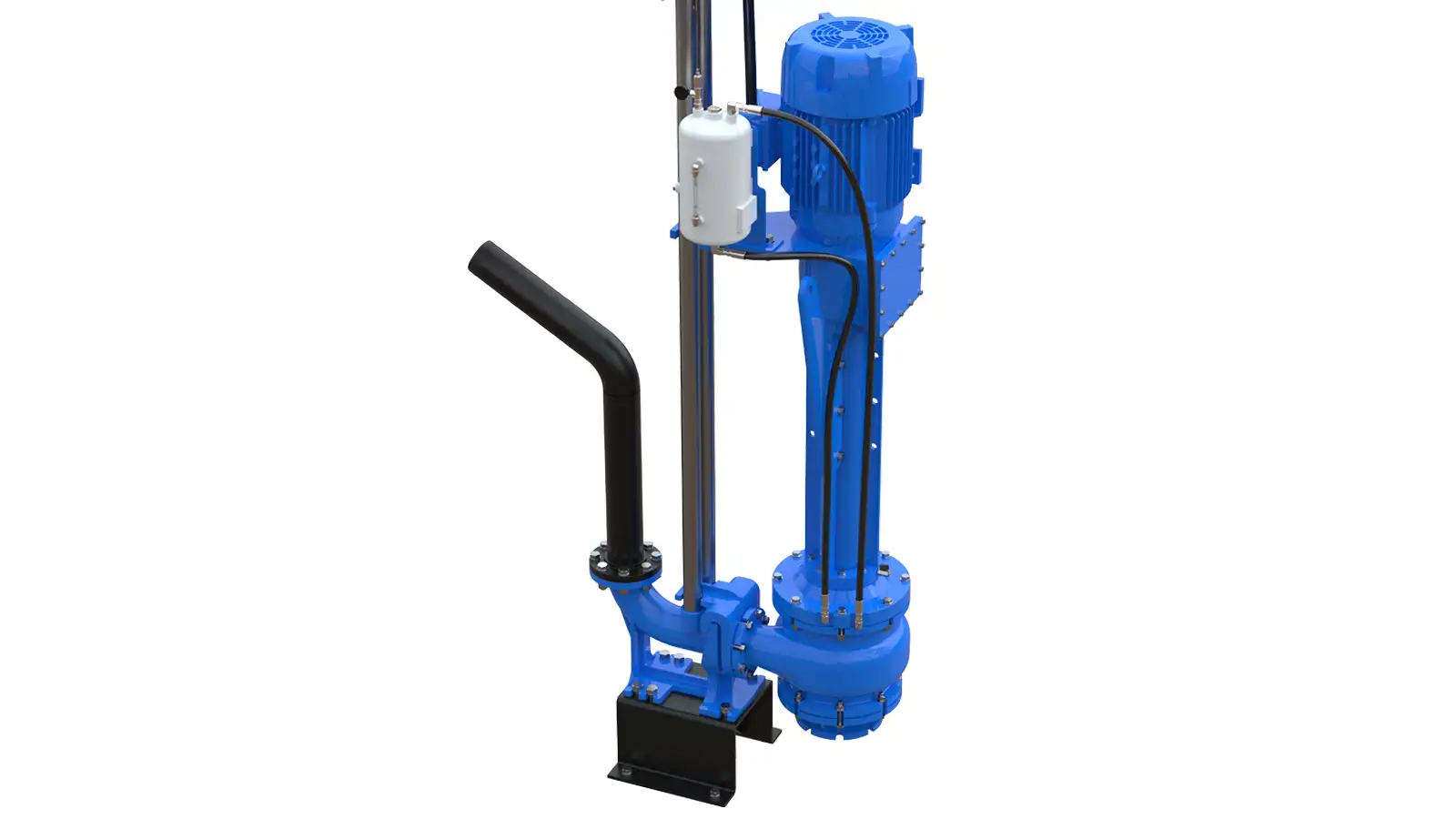
Why Choose EDDY Pump Sump Pumps
- Moves high solids concentrations up to 40–70% by volume without clogging and passes large debris commonly found in sump cleaning and sludge pits while maintaining stable flow under changing material conditions.
- Recessed, non-clog rotor design minimizes contact with abrasive material, reducing internal wear and enabling reliable handling of viscous and abrasive media.
- Clog-resistant design reduces unplanned downtime and lowers maintenance requirements, supporting continuous-duty operation in sludge-heavy and wastewater sump environments.
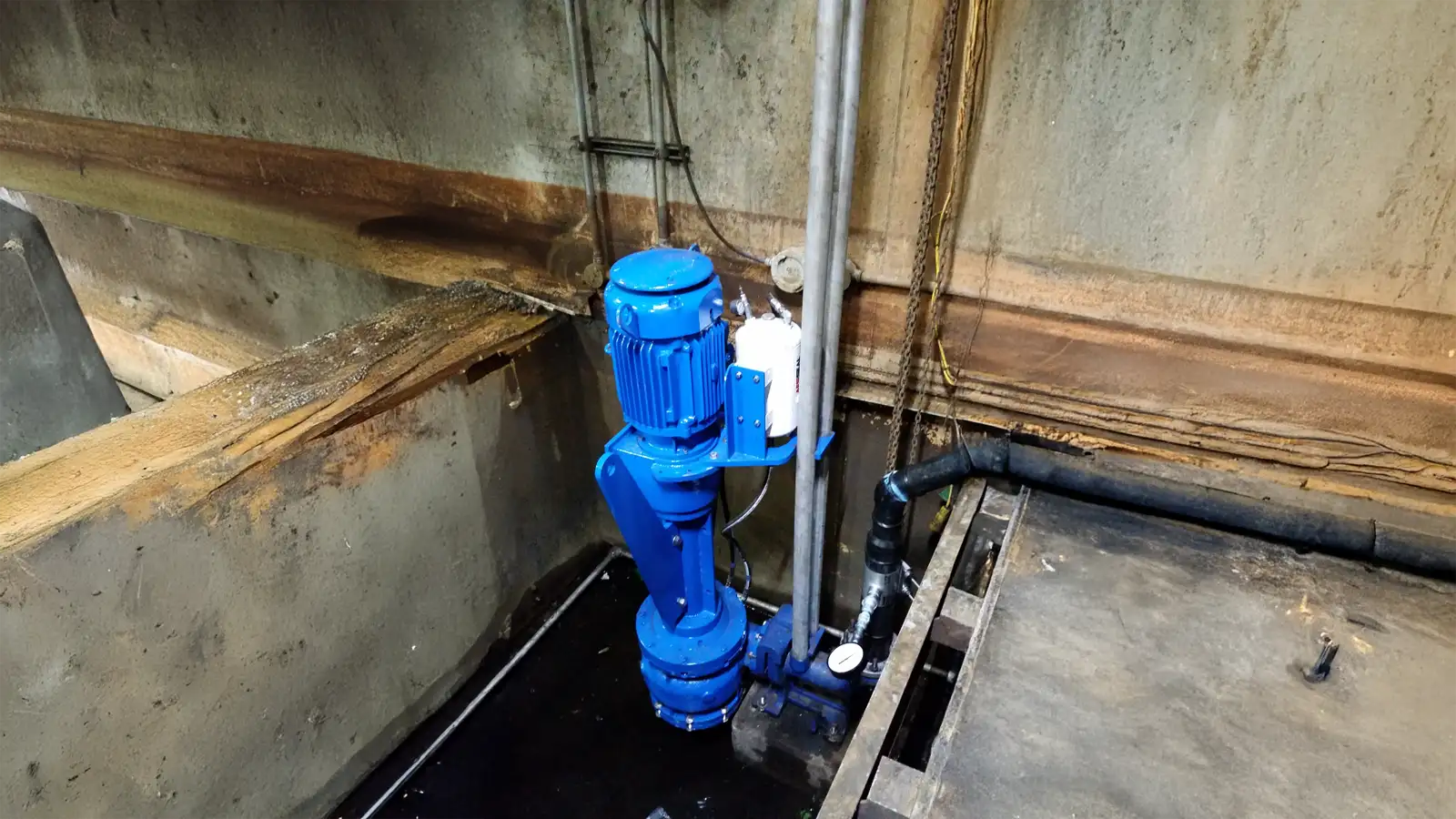
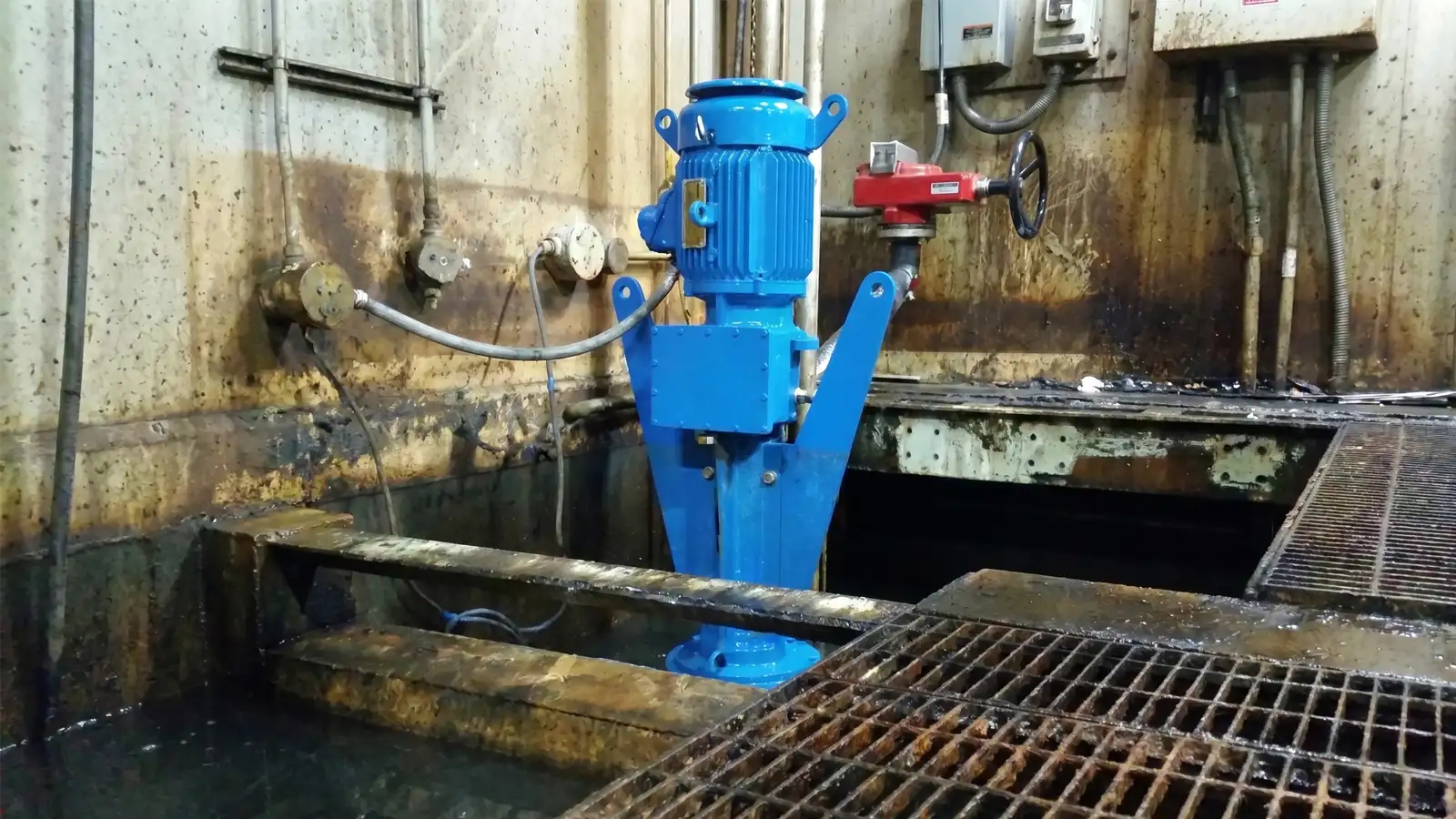
- Available in vertical and horizontal configurations, allowing integration into different sump layouts, depths, and installation constraints.
- Compatible with hydraulic, electric, and diesel drive systems, with configuration flexibility to match site power availability and operating conditions.
- No close tolerances, reducing the risk of blockage from solids packing or buildup in confined sump spaces.
- Simplified internal design allows easier inspection and faster maintenance access, reducing service time in high-wear sump applications.
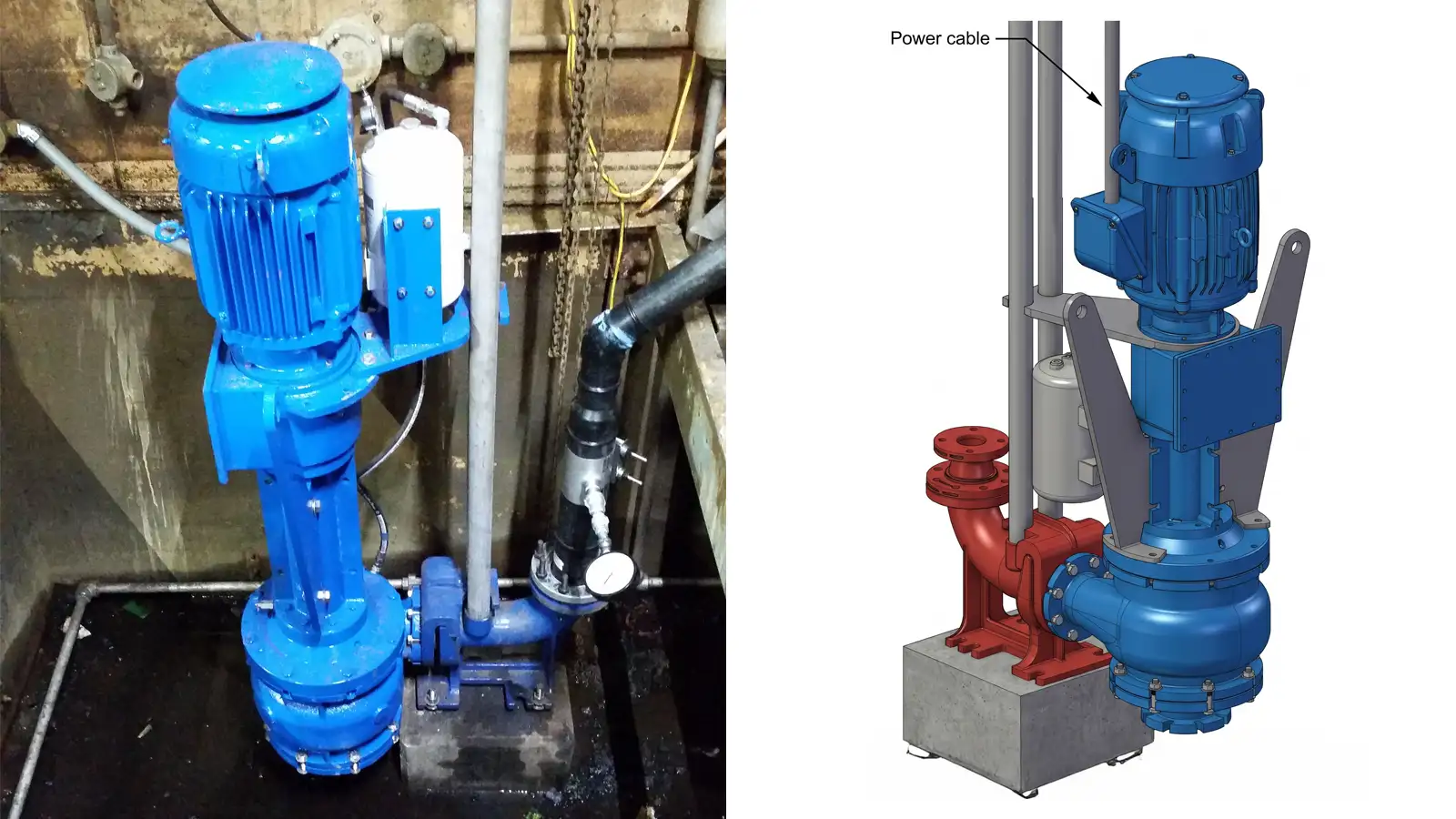
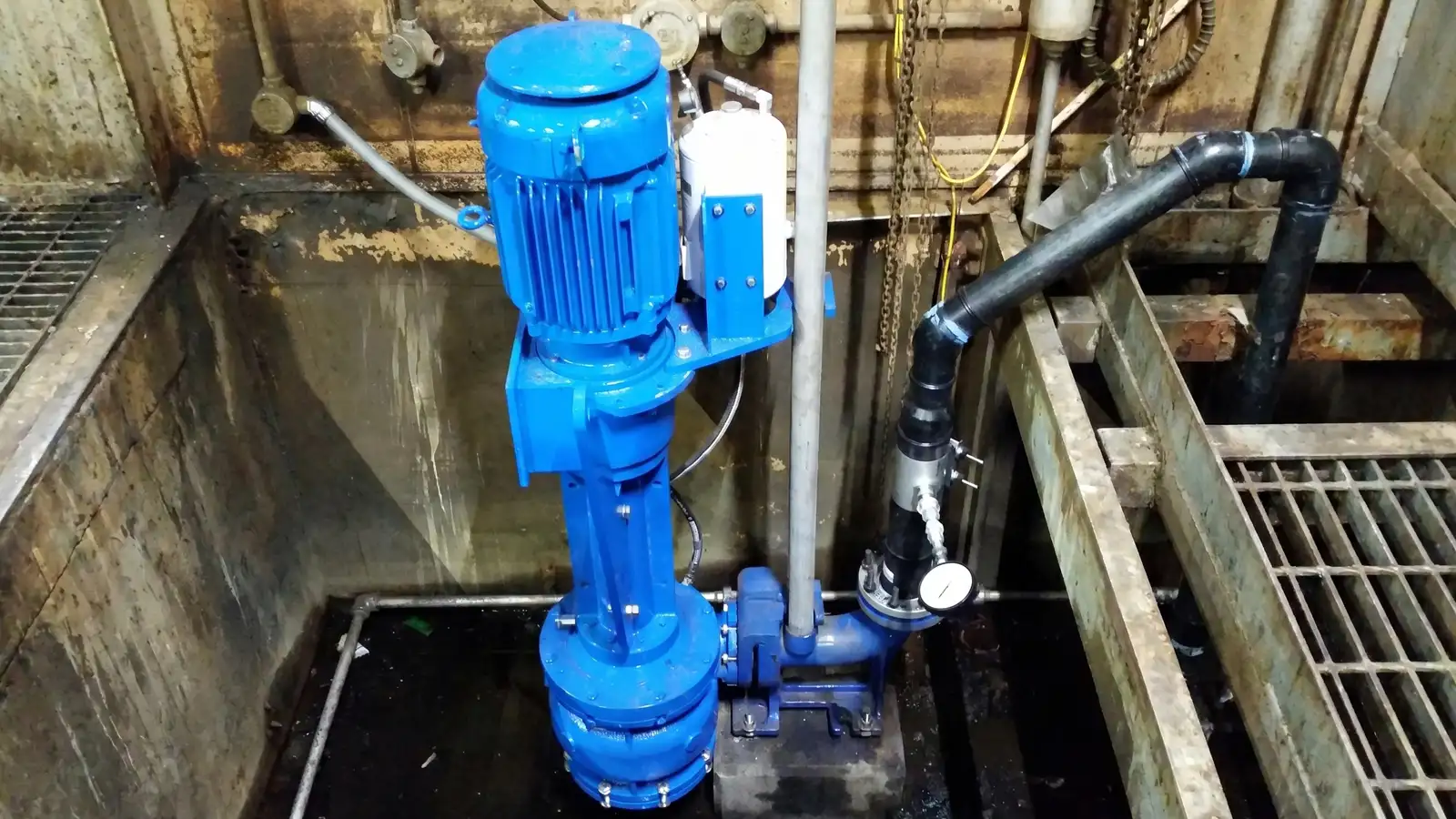
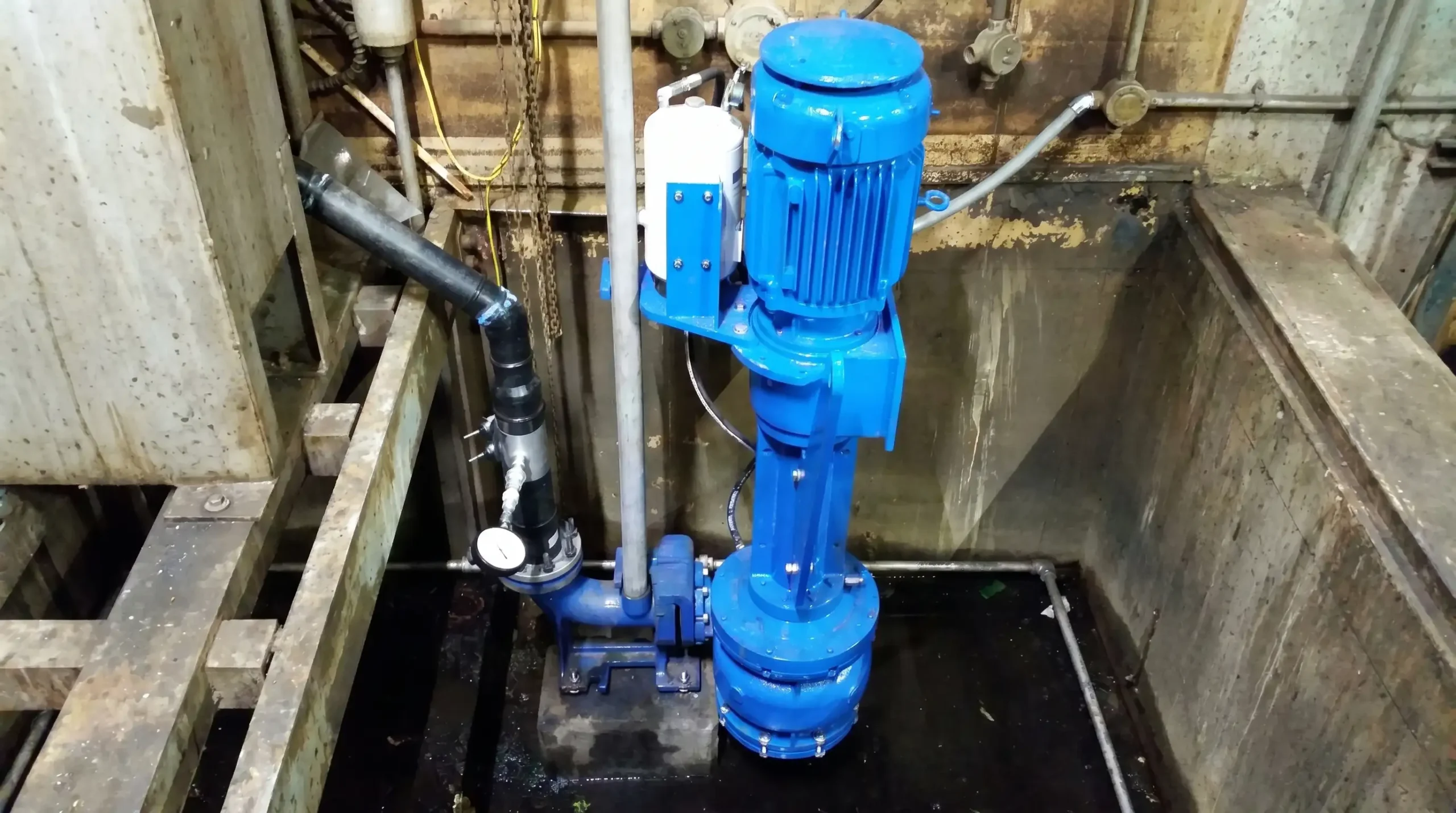
Industrial Sump Pump Pictures Gallery
Technical Specifications


EDDY Pump – Industrial Sump Pump
PUMP CURVE
The performance curve of EDDY Pump high-solids sump pumps reflects stable operation across a wide range of flow rates and head conditions, even at elevated solids concentrations. Unlike traditional centrifugal pumps, these pumps maintain consistent performance without sharp efficiency drops when handling abrasive or high-density slurries. Actual operating points vary based on pump size, impeller configuration, slurry characteristics, and system design requirements.
Application Areas for High-Solids Sump Pumps

Wastewater Sludge Sumps
These pumps are used to remove thick sludge, grit, and debris from wastewater sump systems. They maintain consistent flow in high-solids environments and prevent clogging in sludge-heavy collection areas, lift stations, and treatment basins.

Ash Sumps
In power plants, they handle fly ash, bottom ash, and abrasive residue collected in ash sumps. Their ability to move dense, abrasive material supports continuous cleanup and reduces buildup that can disrupt plant operations.

Process Waste Pits
Industrial facilities rely on these pumps to transfer process waste, metal fines, and settled solids from pits. They operate reliably in confined sump environments where material consistency and solids loading vary throughout production cycles.

Mining Collection Sumps
Used in mining operations to clear water mixed with ore fines, sand, and tailings from collection sumps. They maintain stable performance under high solids loading and help keep sump areas clear for uninterrupted operations.

Clarifier and Containment Cleanout
These pumps remove settled solids, sludge, and residual buildup from clarifiers and containment basins. Their non-clog design allows efficient cleanout without disruption, even when handling dense or compacted material.
Case Study

The Problem
A municipal wastewater treatment facility was dealing with persistent clogging in sludge collection sumps, requiring manual cleaning two to three times per week. The existing pumps struggled to handle sludge concentrations exceeding 30% solids, especially with the presence of rags, debris, and fibrous material. This led to unstable flow rates, frequent pump shutdowns, and increased labor dependency. As a result, the plant experienced reduced throughput, higher maintenance costs, and operational inefficiencies during peak loading periods.

The Solution
To address these challenges, the facility installed an EDDY Pump high-solids sump pump designed for non-clog operation in demanding sludge environments. The pump’s recessed rotor design allowed it to handle sludge with up to 40% solids by volume, including debris and stringy materials, without internal blockage. The unit was integrated into the existing sump system with minimal modifications, enabling continuous-duty operation while eliminating the need for frequent manual intervention and reducing strain on maintenance teams.

The Result
After implementation, the facility achieved consistent, uninterrupted sludge transfer with zero clogging incidents over a 4-month operating period. Sludge throughput increased by 25%, allowing the plant to process higher volumes more efficiently. Maintenance labor hours were reduced by 60%, and unplanned downtime dropped by over 50%. The improved reliability and performance led to lower operating costs, enhanced system stability, and a more efficient overall wastewater treatment process.
Call for sales or support
If you need assistance with pump selection, sales or engineering support, call 619-404-1916.
Questions? Talk to an Engineer
Frequently Asked Questions
What makes EDDY Pump sump pumps suitable for high-solids applications?
EDDY Pump sump pumps use a recessed rotor design that creates an eddy current to move slurry rather than relying on tight clearances. This allows them to handle 40–70% solids by volume, including large debris and abrasive materials, without clogging or excessive internal wear.
What types of materials can these sump pumps handle?
These pumps are designed to handle abrasive slurries, sludge, sand, gravel, tailings, ash, and fibrous materials. They are especially effective in applications where conventional pumps fail due to clogging, high viscosity, or large particle size.
How do EDDY Pump sump pumps prevent clogging?
The non-clog design eliminates close tolerances between components, allowing solids and debris to pass through freely. The recessed rotor creates a vortex that moves material without direct contact, reducing the likelihood of blockages even in heavy sludge conditions.
What solids concentration can these pumps operate at?
EDDY Pump sump pumps can operate effectively at solids concentrations ranging from 40% up to 70% by volume, depending on the specific model and application. This makes them ideal for dense slurry and sludge handling environments.
How does industrial sump pump performance compare to traditional centrifugal pumps?
Unlike centrifugal pumps, which lose efficiency and clog at higher solids levels, EDDY Pump sump pumps maintain stable flow and performance even as solids concentration increases. They also experience significantly less wear due to reduced internal contact.
What maintenance advantages do these pumps offer?
With fewer wear components and no tight clearances, maintenance requirements are significantly reduced. Users typically see longer service intervals, lower replacement part costs, and reduced downtime compared to conventional slurry or sump pumps.
Are these sump pumps suitable for continuous-duty operation?
Yes, EDDY Pump sump pumps are designed for continuous-duty applications in demanding environments such as mining, wastewater treatment, and industrial processing. Their robust construction ensures reliable operation over extended periods.
What installation configurations are available?
These pumps are available in vertical and horizontal configurations to suit different sump designs and site requirements. They can be installed in fixed positions or integrated into mobile or modular systems, depending on operational needs.
What factors should be considered when selecting a sump pump for high-solids applications?
Key factors include solids concentration, particle size, slurry density, required flow rate, discharge head, and sump geometry. Proper system design ensures optimal performance and prevents issues such as cavitation or insufficient flow. Read More
Can EDDY Pump provide custom solutions for specific applications?
Yes, EDDY Pump offers engineered solutions tailored to site-specific requirements. This includes custom sizing, material selection, drive options, and system integration support to ensure the pump performs reliably under actual operating conditions.
HD (Heavy Duty) Slurry Pumps / Dredge Equipment
Related Products
For assistance Call 619-404-1916 and let us help match your project
with the right pump.