In order to meet the difficult criteria needed for liner dredging, EDDY Pump Corporation will utilize a custom dredging system capable of meeting the stringent requirements of this challenge. This technology has been proven as an effective tool on many projects in the United States and around the world. The EDDY Pump operates by harnessing the power of a tornado’s rotating column of energy or eddy making it the most powerful high solids pump on the market today. The EDDY Pump offers many advantages in the field of dredging, including the ability to handle a higher percentage of solid and highly viscous material than any existing centrifugal pump. The EDDY Pump system incorporates advanced torsion control to safeguard pond liners through sophisticated stabilization and sensor integration, enabling sediment removal and liner inspection without damage or interruption.
The EDDY Pump is precisely engineered to create a synchronized, swirling column of fluid in the center of its intake pipe which in turn agitates the material in suspension and causes it to travel up along the sides of the pipe by the reverse flow of the eddy current. These hydrodynamic principles allow the EDDY Pump to remove materials at a rate of 40-80% solids by volume with production rates between 300-350 cubic yards per hour. The system is capable of removing various sediments, including sand, from lined ponds and other environments, making it suitable for a wide range of dredging projects.
Jump to the Liner Safe Dredging Page. See your options HERE.
The EDDY Pump technology was contracted by one of the largest Municipal Sewage Treatment Plants to pump digested sewage sludge. Due to the physical properties of digested sewage sludge the material is particularly difficult to transfer efficiently and economically using conventional methods such as pumping with centrifugal pumps or dredging with draglines, clambuckets or backhoes. Centrifugal pumps typically can only handle sludge containing only about 4-6 percent total solids by weight. Since transportation costs represent the vast majority of the total sludge handling budget, it is desirable to maximize the total solids by weight (TSW) of the sludge being transported. For example, if TSW can be increased from 6 to 14 percent, transportation cost could be cut almost in half; reduced sludge volume can also lower costs associated with landfill disposal. The EDDY Pump exceeded all expectations by operating 95% of the work day at rates of 100 ft of head while pushing 18.6% TSW sludge 1,320 ft at rates averaging 2,500 gpm. These unheard of pumping capabilities were achieved without any assistance of external intake-feeder devices or booster pumps and could fill a 21-ton payload dump truck with concentrated sludge in less than 3 minutes. The EDDY Pump efficiently handles dredged material, including the management and transport of slurry, ensuring optimal performance in demanding environments.
These impressive numbers are achieved through the EDDY Pump’s hydrodynamic principles which creates a column of swirling fluid close to the bed of sediment, causing the materials to swirl upward into the pump and then into the discharge line without the need for a cutterhead. The ability to remove the materials without the need for a cutterhead has the monumental advantage of being able to operate close to the plastic liner without damaging it. This technology allows operators to safely dredge back to the bare liner, ensuring complete sediment removal without causing damage.
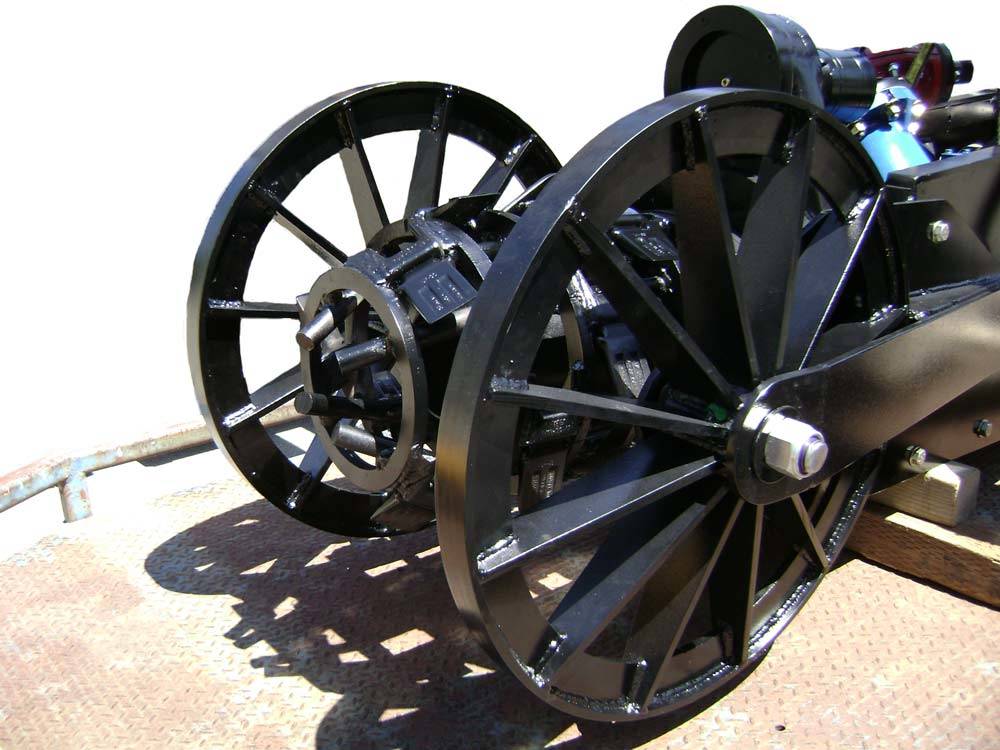
The ability to remove the sediment from the pond without damaging the poly-liner is of monumental concern for this project. For this reason EDDY Pump Corporation utilizes its PLC (programmable logic controller) ground sensing technology which can achieve vertical accuracy in the range of +/- 2 to 4 cm. The PLC monitors the down pressure that is exerted on the bottom by the pump head and either raises or lowers the head to maintain the down pressure programmed by the operator. The target sediment is immediately removed by the powerful suction of the EDDY Pump. This allows the smooth level cut head to get down to the plastic liner and ride on top of it like a wheel with out cutting into it like conventional dredging equipment. This technology developed by EDDY Pump Corporation allows the dredge to remove all of the sediment in the pond and maximize production without damaging the plastic liner. Underwater videos and inspection reports confirm the accuracy. On the other hand Cutterhead dredges do not have this capability and will damage the liner. The PLC ground sensing system can be used at mine sites and in the mining sector to protect critical assets and infrastructure during sediment removal operations.
EDDY Pump Corporation has developed a cable deployment system that positions itself from blocks or fixed points on shore. This technology enables the dredge to maneuver effectively throughout the canal while having no impact on the plastic liner. Conventional spud positioning technology would compromise the liner. The EDDY Pump can also be deployed from a barge or barges for larger dredging projects, including those in harbors, providing flexibility and stability for a variety of operational environments.
Clam shell dredges typically use a bucket to scoop and remove sediment, depositing it onto barges or land, but the EDDY Pump offers an alternative solution that eliminates the need for mechanical buckets and reduces the risk of liner damage. Managing pipelines during the dredging process is also crucial to ensure efficient material flow and prevent blockages.
EDDY Pump technology addresses ongoing challenges in the mining sector by providing a liner safe dredging solution that improves job efficiency and protects valuable assets. Its robust design and advanced features make it ideal for large-scale dredging projects, handling a variety of dredged materials and environments with precision and reliability.
Introduction to Liner Dredging
Liner dredging is a specialized process designed to remove accumulated sediment and debris from lined ponds, reservoirs, and other water-retaining structures. This method is essential for maintaining the integrity and functionality of these assets, ensuring they continue to operate efficiently and safely. In the mining industry, lined ponds are commonly used to store tailings and other byproducts, making regular dredging a critical part of site management. The process typically involves hydraulic dredges equipped with centrifugal pumps and, when necessary, cutterheads to efficiently extract sediment and transport it to designated disposal sites. By effectively managing the removal of materials, liner dredging helps extend the service life of ponds, reduces the risk of overflow or environmental hazards, and safeguards the underlying liner from damage. This proactive approach is vital for maintaining compliance, minimizing operational risks, and ensuring the long-term viability of mining and industrial operations.
Types of Dredges
When it comes to lined pond dredging, selecting the right type of dredge is crucial for project success. There are three main types of dredges commonly used in these applications: clam shell, cutter-suction, and horizontal auger dredges. Clam shell dredges are highly versatile, capable of operating in a variety of environments, including large areas and harsh conditions, making them suitable for projects that require flexibility. Cutter-suction dredges excel at removing compacted materials and are frequently chosen for demanding mining and construction projects where efficiency and power are paramount. For more delicate sites, such as lined ponds, horizontal auger dredges are often preferred due to their precision and minimal environmental impact. Each dredge type offers unique advantages, allowing operators to tailor their approach to the specific requirements of the site, the nature of the materials, and the overall goals of the dredging project.
Liner Safe Dredging Solutions
Liner safe dredging solutions are engineered to protect the pond liner throughout the dredging process, ensuring that the integrity of the lining material is never compromised. These advanced systems utilize proprietary technologies, such as sophisticated torsion control and integrated sensor networks, to precisely navigate the dredge and remove accumulated sediment without risking damage to the liner. By eliminating the need for human entry into the pond, these solutions not only enhance safety but also reduce operational costs and downtime. Liner safe dredging is especially valuable in lined ponds found in the mining, power, and industrial sectors, where even minor liner damage can lead to significant environmental and financial risks. With these innovative solutions, operators can maintain the performance and longevity of their ponds while efficiently managing sediment removal.
Dredge Robotics
Dredge Robotics stands at the forefront of liner safe dredging technology, offering cutting-edge robotic systems specifically designed for challenging environments like lined ponds. Their proprietary robotics solutions are engineered to navigate complex pond geometries and remove accumulated sediment with exceptional precision, all while preserving the integrity of the liner. These systems are highly efficient and scalable, making them ideal for a wide range of industries, including mining, power generation, and industrial water management. Dredge Robotics’ technology has proven its reliability in harsh environments, such as those with high pH levels or abrasive materials, demonstrating both versatility and durability. By leveraging advanced robotics, Dredge Robotics delivers cost-effective, liner safe dredging solutions that minimize risk and maximize operational efficiency.
Applications of Dredging
Dredging plays a vital role across multiple industries, offering solutions that help maintain the service life and efficiency of critical infrastructure. In the mining industry, dredging is essential for removing tailings and other materials from lined ponds, thereby protecting the pond’s integrity and preventing environmental hazards. The power sector relies on dredging to keep reservoirs and waterways clear, supporting uninterrupted operation of power generation facilities. Industrial applications include the removal of sediment and debris from tanks, pipelines, and other water-containing structures, ensuring optimal performance and reducing maintenance costs. By effectively managing sediment and debris, dredging helps extend the lifespan of assets, lowers operational risks, and supports compliance with environmental regulations. As technology continues to advance, the applications of dredging are expanding, offering industries more efficient and environmentally responsible ways to manage their water resources.

Call For Sales or Support
Slurry Pumps