- What is a Sand Dredging Machine?
- Key Benefits of Sand Dredging Machines
- Types of Sand Dredging Machines
- Mini Sand Dredging Machine: Small-Scale Power
- Choosing the Right Sand Dredger Machine
- Innovations and Technology Trends
- Why EDDY Pump Sand Dredging Machines Stand Out
- Sand Dredging Is Easy With EDDY Pump
Sediment management is at the core of maintaining healthy waterways and supporting critical infrastructure. Whether it’s keeping ports and shipping channels open, controlling flooding in rivers, or ensuring mining and construction projects run efficiently, dredging remains indispensable. Accumulated sand, silt, and debris reduce water depth, impair vessel navigation, and increase the risk of flooding. They can also affect construction timelines, damage equipment, and delay industrial operations.
Modern projects require solutions that strike a balance between speed, efficiency, and environmental responsibility. This is where the sand dredging machine has become a cornerstone of dredging operations. Selecting the right machine—whether a full-scale sand dredger machine or a compact mini sand dredging machine—directly impacts costs, uptime, and overall project success.
In the sections that follow, we’ll explore how these machines work, their benefits, and the advancements driving their adoption worldwide.
What is a Sand Dredging Machine?
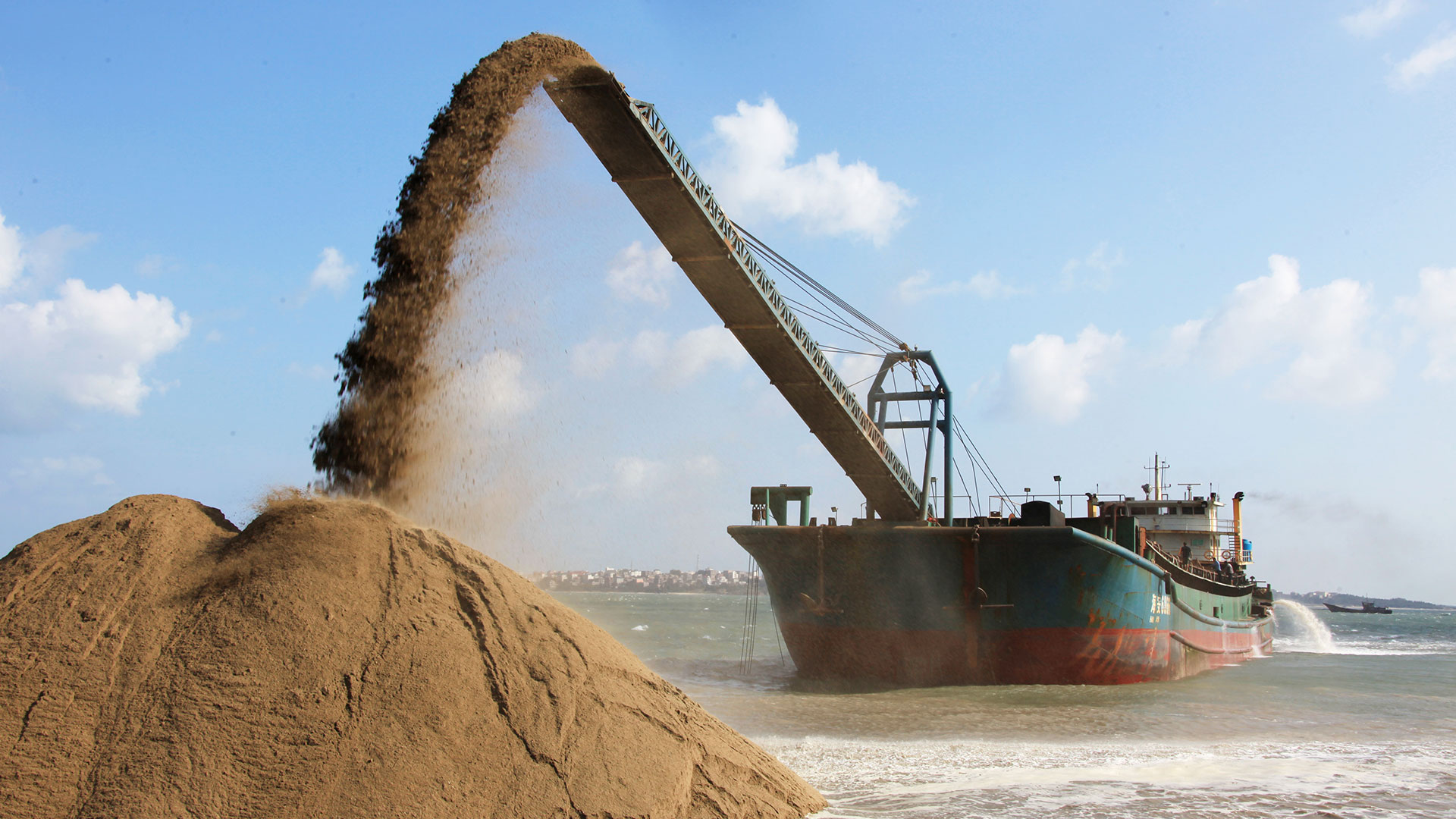
At its core, a sand dredging machine is a specialized piece of equipment designed to excavate, transport, and discharge sand and other sediments from underwater locations to designated areas onshore or into containment facilities. These machines play a crucial role in various industries such as mining, construction, and environmental management, particularly in projects that require the extraction or removal of sand, silt, and mud from bodies of water.
Definition and Working Principle
A sand dredging machine operates using various methods, including suction, pumping, or mechanical excavation, to capture loose or compacted sand and soil material. Once the material is dislodged, powerful pumps transfer the slurry through pipelines, allowing it to be disposed of, reclaimed for use, or sent for further processing. The process typically involves a combination of excavation and fluidization to make the materials easier to move. This equipment is used in various contexts, including dredging rivers, harbors, lakes, and even offshore areas to ensure the waterway remains navigable and safe for commercial and recreational activities.
The dredging process is often assisted by a cutter head, suction system, or high-pressure water jets, depending on the type of dredger. These machines are equipped with highly durable pumps that can handle abrasive materials, making them well-suited for tough, sediment-heavy environments.
Differences Between Designs
There are several types of sand dredging machines, each designed for specific applications. These can be broadly categorized based on their operational methods and size:
-
Sand Dredger Machine (General Use):
This category encompasses both stationary and mobile dredgers, designed for medium- to large-scale dredging projects. These machines are versatile and capable of handling significant volumes of abrasive slurry, making them ideal for use in ports, rivers, and industrial applications where high throughput is necessary.
-
Cutter Suction Dredge:
A cutter suction dredge features a rotating cutter head that breaks down compacted sand, clay, and other materials before suctioning them into a slurry pipeline. These dredges are particularly effective in challenging environments where sediment is heavily compacted. They are commonly used in large-scale coastal and river projects where deep and consistent dredging is required.
-
Jet Pump Systems:
These systems utilize high-pressure water jets to fluidize the material, which is then transferred through pipelines by pumps. Jet pump systems are often used in shallow applications where the sediment is loose, such as small lakes or ponds. They are effective for removing fine materials with lower operational costs.
-
Mini Sand Dredging Machine:
Compact and portable, mini dredging machines are designed for use in confined spaces, such as small rivers, ponds, or urban construction sites. These machines provide a flexible solution for projects with limited access and are often favored in residential or local government projects where space constraints are significant.
By understanding these distinctions, contractors and engineers can make informed decisions when selecting dredging equipment that aligns with their project needs, whether it’s for a large-scale industrial operation or a small-scale dredging task.
Key Benefits of Sand Dredging Machines
High Efficiency in Removing Sediment
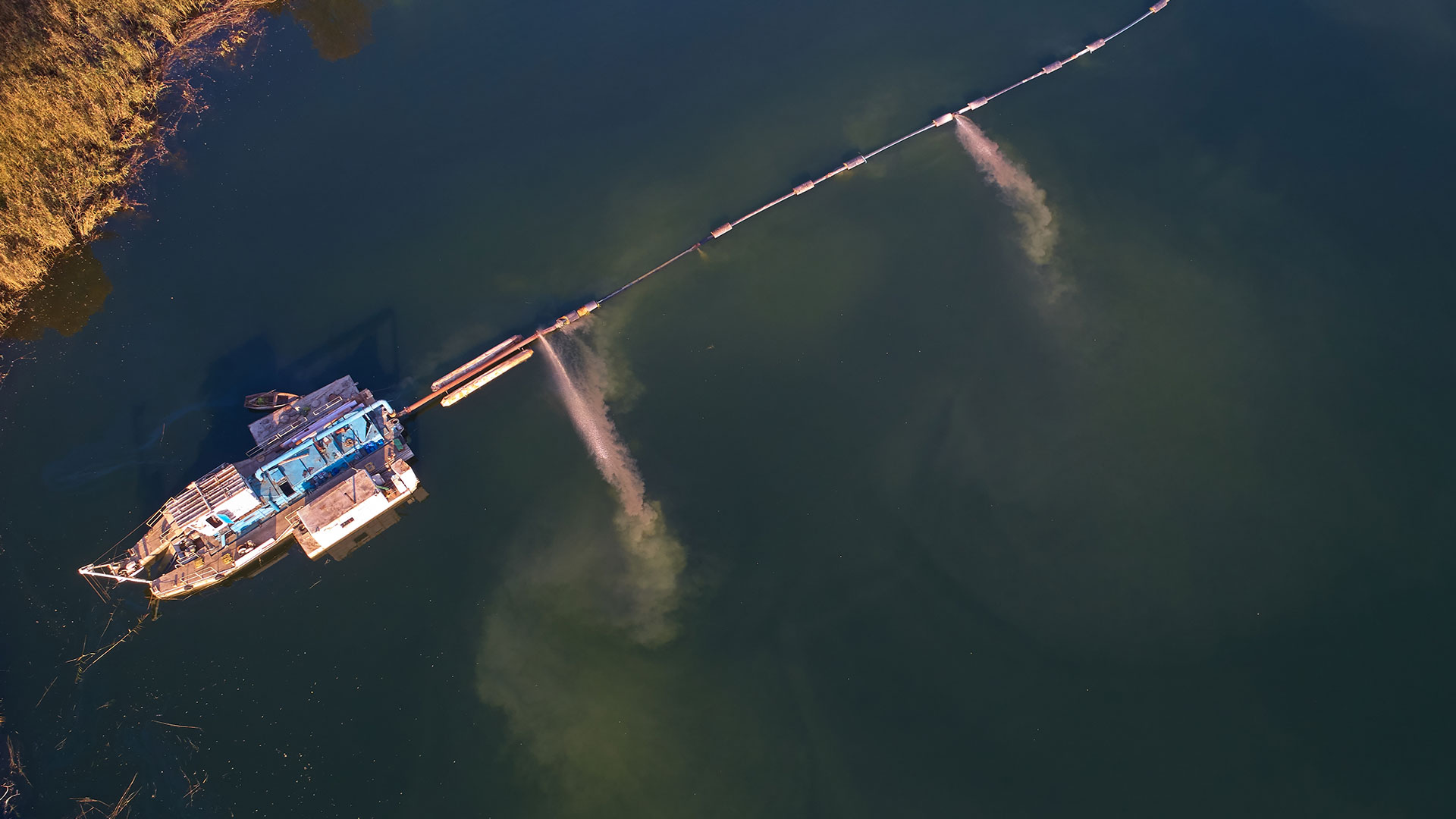
Sand dredging machines are highly efficient in removing large volumes of sediment. Designed for continuous operation in abrasive environments, these machines can move thousands of cubic meters of material per day. This significantly accelerates dredging schedules, reducing project timelines and improving operational efficiency. Whether for maintaining waterways, flood control, or site preparation, the speed and capacity of these machines are essential for keeping projects on track.
Cost Reduction and Productivity Improvements
Investing in a sand dredging machine leads to cost reductions and productivity improvements. These machines are designed to operate efficiently, minimizing fuel consumption while maximizing output. With fewer breakdowns, reduced maintenance needs, and less reliance on manual labor, they lower operational costs. Compact versions, such as mini sand dredging machines, further reduce setup and mobilization expenses, offering a cost-effective solution for smaller-scale projects without sacrificing performance.
Suitability for Multiple Environments
Sand dredging machines are versatile and perform consistently across various environments, making them suitable for a range of applications:
- Marine environments are utilized for dredging harbors, ports, and coastlines, thereby maintaining navigable water depths and supporting the development of coastal infrastructure.
- River and Lake Restoration: This process enhances flood control, improves water quality, and promotes ecological restoration by removing sediment buildup in rivers and lakes.
- Industrial Facilities: These machines are crucial for cleaning tailings ponds and water treatment basins, enhancing operational efficiency and ensuring compliance with environmental regulations.
In summary, sand dredging machines offer high efficiency, cost savings, and adaptability, making them essential for projects across marine, industrial, and environmental sectors.
Types of Sand Dredging Machines
Heavy-Duty Dredger Machines for Large Projects
Heavy-duty sand dredger machines are built to tackle the most demanding projects. These machines are equipped with high-horsepower engines and reinforced pumps to handle coarse aggregates, as well as extended discharge pipelines. They are ideal for large-scale applications, such as port deepening, offshore mining, and extensive dredging of rivers or canals. Their powerful design allows them to handle challenging sediment conditions, including abrasive materials, making them indispensable in major infrastructure or industrial projects.
Mini Sand Dredging Machine for Confined Sites
The mini sand dredging machine is a compact, yet powerful solution designed for confined spaces where larger dredgers cannot operate. These machines are perfect for sites with limited space or shallow waters, such as urban construction projects, small rivers, or ponds. Despite their small size, mini dredgers offer flexibility and high performance, making them a popular choice for municipalities and contractors working in restricted areas. Their portability and ease of setup provide an efficient solution for smaller-scale dredging tasks.
Specialized Designs for Mining vs. Environmental Dredging
- Mining Applications: Dredging machines used in mining are designed to handle abrasive and heavy solids, such as sand, clay, and minerals. These machines are often paired with slurry separation systems to ensure efficient material processing and transportation.
- Environmental Applications: For environmental dredging, the focus is on minimizing disturbance and controlling turbidity. The mini sand dredging machine is particularly well-suited for these applications due to its agility, controlled operation, and ability to perform precise sediment removal with minimal environmental impact.
Each type of dredging machine is tailored to meet the unique demands of different projects, whether it’s large-scale mining, municipal restoration, or environmentally sensitive dredging.
Mini Sand Dredging Machine: Small-Scale Power
Why Mini Dredgers Are Rising in Demand
In many cases, large dredgers are not necessary for smaller-scale projects. Urban expansion, infrastructure development, and river restoration often require more affordable, versatile equipment that can operate efficiently in confined spaces. Mini sand dredging machines are designed to meet this demand, providing a cost-effective solution for various applications. These compact dredgers are in high demand due to their ability to handle specific tasks that larger machines are not suited for, particularly in urban or remote locations.
Ease of Transport and Rapid Deployment
The compact size of mini sand dredging machines makes them easy to transport and handle. They can be loaded onto trailers or trucks for quick and efficient movement from one site to another. Unlike larger dredgers, which may require extensive setup and mobilization, mini dredgers can be deployed rapidly. In many cases, operators can begin dredging just hours after arrival, drastically reducing project timelines and minimizing downtime. This rapid deployment makes mini dredgers a preferred choice for projects with tight deadlines or limited operational windows.
Applications in Ponds, Small Rivers, and Construction Sites
Mini sand dredging machines are particularly well-suited for projects that take place in confined spaces, including:
- Cleaning Residential or Agricultural Ponds: Removing Excess Sediment to Improve Water Quality and Restore Aquatic Habitats.
- Maintaining Irrigation Channels: Clearing out silt and debris to ensure proper water flow for agricultural needs.
- Removing Sediment in Construction Foundation Pits: Preparing sites for building projects by efficiently removing sediment that may disrupt foundation work.
- Supporting Small-Scale Mining or Tailings Cleanup: Offering a flexible solution for dredging in mining areas where space and accessibility are restricted.
Overall, mini sand dredging machines are the ideal tool for small-scale projects, offering power, flexibility, and cost efficiency without compromising performance.

Choosing the Right Sand Dredger Machine
Selecting the appropriate sand dredging machine is crucial for the success of any dredging project. Several factors must be evaluated to ensure the chosen equipment meets the project’s specific needs.
Project Size and Sediment Type
- Large-Scale Projects: For projects such as port deepening, offshore mining, or large river dredging, a heavy-duty sand dredger machine is required. These machines are built to handle coarse sand, gravel, and other heavy aggregates. They can operate for extended periods in demanding environments, efficiently moving large volumes of material.
- Small or Localized Projects: For tasks like pond cleaning or small river restoration, a mini sand dredging machine is better suited. These machines excel in handling fine sand and operating in shallow depths, offering flexibility and precision without the need for large-scale equipment.
Depth and Environment
The depth of the dredging site plays a critical role in determining the required suction power and pump selection. Deeper projects will require more powerful pumps to ensure the proper extraction of materials. Additionally, environmental sensitivity must be considered—some projects, especially those in ecologically sensitive areas, require low-turbidity or environmentally friendly options to minimize disruption to surrounding ecosystems.
Diesel vs. Electric Options
- Diesel-Powered Machines: These machines offer mobility and independence, especially in remote or off-grid areas. Diesel engines are ideal for projects where a constant power source is not available.
- Electric-Powered Machines: These are typically more energy-efficient and produce fewer emissions, making them a better choice for industrial, municipal, or environmentally-conscious projects.
Mobility, Automation, and Maintenance
Machines equipped with modular pontoons and advanced automation features offer enhanced mobility, enabling easy transport and deployment in various locations. Additionally, wear-resistant parts and simplified servicing features ensure long-term performance, reducing downtime and maintenance costs.
By considering these variables—project size, sediment type, depth, environmental impact, and power source—contractors and engineers can select the most suitable sand dredging machine to optimize efficiency and achieve project objectives.
Innovations and Technology Trends
The dredging industry is undergoing rapid advancements, with sand dredging machines at the forefront of these technological improvements. These innovations are enhancing performance, efficiency, and environmental sustainability across various applications.
Smart Automation and Remote Control
One of the most significant technological trends is the integration of smart automation and remote control capabilities. Remote monitoring systems enable operators to precisely adjust and control critical aspects of dredging operations, including dredging depth, pump flow, and positioning, thereby enhancing operational efficiency. This level of control not only increases operational efficiency but also enhances safety by reducing the need for manual intervention in potentially hazardous environments. Automation further minimizes downtime by optimizing machine performance and streamlining maintenance processes, resulting in more consistent output and reduced labor costs.
Energy Efficiency Improvements
Energy efficiency is a key area of focus in the development of modern sand dredging machines. Next-generation pumps and engines are being engineered to consume less fuel while still maintaining high levels of output. These improvements are particularly advantageous in large-scale dredging operations, where fuel costs can be a substantial portion of the overall project expenses. By lowering fuel consumption and increasing operational hours per tank, these machines offer a more cost-effective and environmentally friendly solution, reducing both operational costs and the carbon footprint of dredging projects.
Integration with Slurry Pumps
Another innovative trend is the integration of sand dredging machines with high-performance slurry pumps. This synergy enhances the overall dredging process by enabling the direct transfer of abrasive material from the dredging site to the discharge area without the risk of clogging or excessive wear on equipment. This integration enhances efficiency and reliability, making it easier to manage challenging materials in dredging projects, whether in mining, environmental restoration, or large-scale infrastructure development.
These advancements in automation, energy efficiency, and equipment integration are revolutionizing the dredging industry, leading to more sustainable, cost-effective, and high-performance dredging operations.
Why EDDY Pump Sand Dredging Machines Stand Out
EDDY Pump has carved a global reputation for delivering machines that outperform conventional dredgers in abrasive and high-solids environments.
Non-Clog Design and Superior Performance
Unlike traditional centrifugal pumps, EDDY Pump’s patented non-clog design can handle high-viscosity, abrasive, and solid-laden slurries without frequent breakdowns. This makes them ideal for both large-scale sand dredger machines and compact mini sand dredging machines.
Versatility Across Industries
EDDY Pump machines are used in:
- Ports and Harbors: Channel deepening and maintenance.
- Mining: Tailings transport and recovery.
- Municipal Projects: Pond, lake, and stormwater management.
- Construction: Foundation preparation and sediment removal.
Global Case References and Reliability
From river restoration projects in Asia to tailings management in North America, EDDY Pump equipment has consistently proven its durability and efficiency. The company’s sand dredging machines deliver unmatched ROI through reduced downtime and lower lifecycle costs.
Sand Dredging Is Easy With EDDY Pump
Sand dredging is essential to global infrastructure, mining, and environmental management. Selecting the right machine—whether a heavy-duty sand dredger machine or a compact mini sand dredging machine—directly affects efficiency, compliance, and project outcomes.
EDDY Pump’s solutions stand apart due to their non-clog design, versatility, and proven track record in abrasive environments. By aligning machine type with project requirements, organizations can achieve maximum ROI and operational reliability.
Contact EDDY Pump today to explore tailored sand dredging machine solutions that meet the demands of your project.