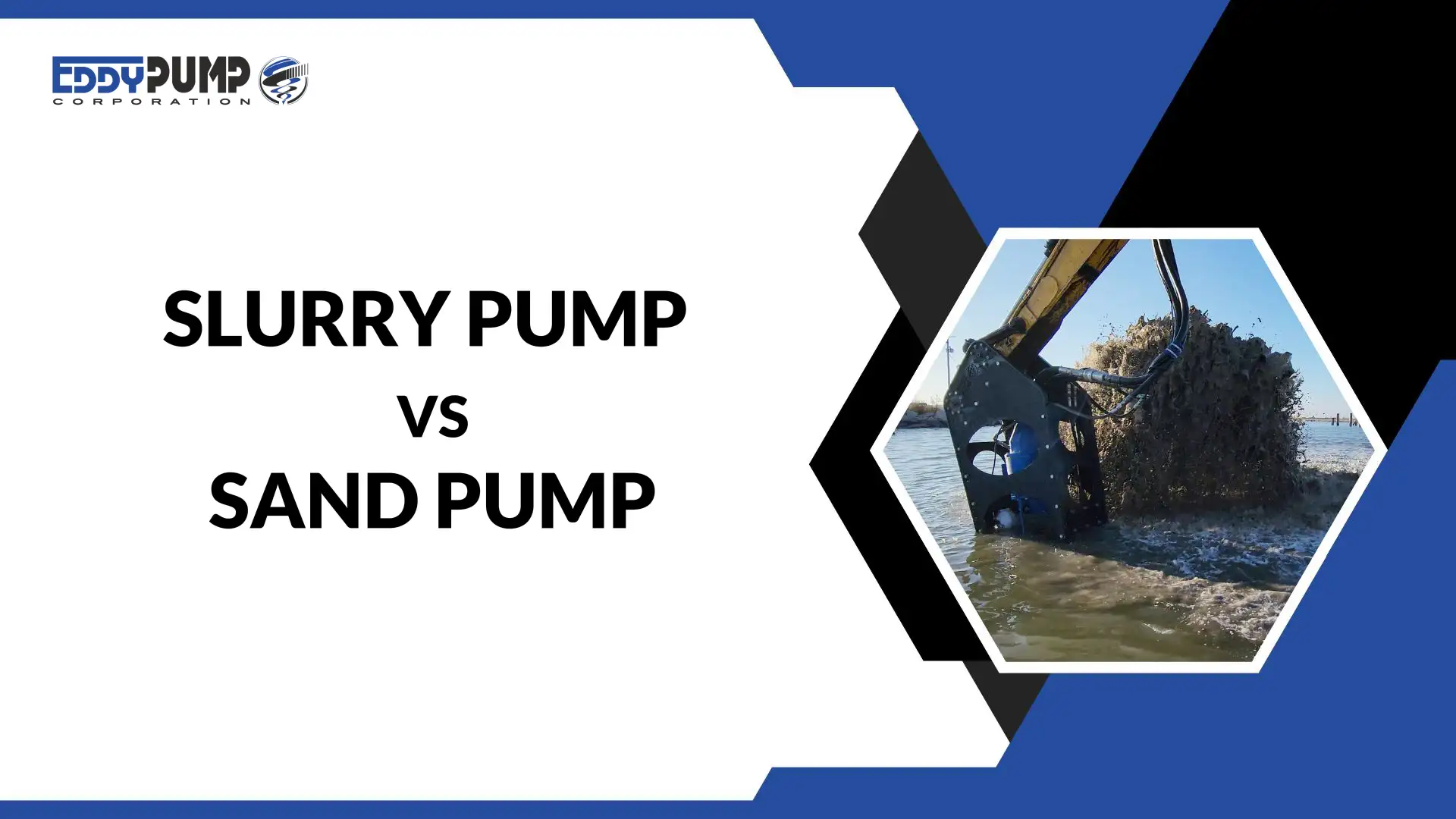
Lagoon dredging is critical for maintaining the functionality and efficiency of lagoons, which are widely used in wastewater treatment, industrial operations, and agricultural applications. Over time, these water bodies often accumulate sludge, sediment, and debris, which can hinder their performance and lead to environmental and operational challenges. By understanding the process, equipment, and benefits of lagoon dredging, businesses and municipalities can ensure the long-term viability of these essential systems.
Lagoons are integral to various industries. Wastewater treatment lagoons are essential for processing sewage and industrial effluents, while agricultural lagoons store manure and other organic waste for later use. Neglecting their maintenance can result in severe consequences, including contamination of surrounding water sources, legal penalties, and costly emergency interventions. In this comprehensive guide, we will delve into the intricacies of lagoon dredging, explore the equipment involved, discuss the challenges and solutions, and highlight the benefits of proactive lagoon management.

What is Lagoon Dredging?
Lagoon dredging refers to the process of removing accumulated sludge, sediment, and other debris from the bottom of lagoons to restore their capacity and functionality. Over time, lagoons naturally collect organic and inorganic materials, often leading to reduced storage capacity, poor water quality, and operational inefficiencies.
The buildup of sludge can cause several problems, including:
Reduced Lagoon Volume:
As sludge and sediment accumulate, the lagoon’s storage capacity diminishes, making it less effective in handling wastewater, stormwater, or industrial byproducts. This reduction can lead to overflow during heavy rainfall or increased operational costs due to the need for more frequent maintenance.
Algae Blooms:
Nutrients in accumulated organic matter, such as nitrogen and phosphorus, create an ideal environment for algae blooms. Harmful algae blooms can suffocate aquatic life by depleting oxygen levels, reduce the lagoon’s treatment efficiency, and pose serious health risks to humans and animals by producing toxins.
Foul Odors:
Decomposing organic matter produces gases such as hydrogen sulfide, ammonia, and methane, which can produce unpleasant odors that can affect the quality of life for nearby residents and businesses. In severe cases, these odors may indicate potential safety hazards, such as the buildup of combustible gases.
Environmental Contamination:
Excess sludge can leach nutrients, heavy metals, and other pollutants into surrounding groundwater or streams, harming aquatic ecosystems. This contamination can negatively affect biodiversity, disrupt local water supplies, and lead to regulatory fines or cleanup mandates for lagoon operators.
Despite its importance, lagoon dredging presents unique challenges, such as accessing remote or confined locations, working in shallow waters, and minimizing environmental impact. These challenges highlight the need for specialized equipment, such as dredge pumps and amphibious dredgers, and technical expertise to ensure effective lagoon dredging operations while adhering to environmental regulations.

Equipment for Lagoon Dredging
The success of a lagoon dredging project largely depends on selecting the right equipment. Various dredging technologies are available, each suited to different lagoon types and conditions.
Cutterhead Dredges
Cutterhead dredges use a rotating head to break up compacted sediment, which is then pumped out through a pipeline. They are ideal for larger lagoons with dense sludge accumulation. Their robust design enables them to handle challenging dredging scenarios, such as thick sludge and heavily compacted sediments. Additionally, cutterhead dredges often come with advanced automation systems, allowing operators to control lagoon dredging depth and speed precisely. These features make them an effective dredge for lagoon operations.
Submersible Dredges
Submersible dredges are highly versatile and operate by being submerged directly into the lagoon. They are effective for smaller lagoons or areas with limited access, as they can be easily deployed and maneuvered. These dredges often feature high-performance pumps capable of handling abrasive and viscous materials, making them ideal for removing sludge with minimal clogging. Submersible dredges are often used in lagoon systems where flexibility is required.
Floating Dredges
Floating dredges are mounted on pontoons and can navigate across the surface of the lagoon. They are particularly useful for deep lagoons or when precision dredging for lagoon systems is required. Equipped with remote control capabilities, floating dredges allow operators to work from a safe distance while ensuring accurate sediment removal. As reliable dredges for lagoon solutions, they provide efficiency and precision.
Key Features of Lagoon Dredging Equipment:
- Compact Designs: Many dredges for lagoon systems are designed for easy transport and deployment, making them suitable for remote or confined locations.
- High-Performance Pumps: The ability to handle abrasive and viscous sludge is critical for efficient lagoon pumping and dredging.
- Remote Operation Capabilities: Modern dredges often include remote control or automation features, enhancing safety and efficiency.
- Durability: Specialized materials and construction ensure that the equipment can withstand harsh conditions and prolonged use.
Specialized dredges, like those offered by EDDY Pump, are designed to handle the unique demands of lagoon dredging. These systems provide superior suction power, reduced clogging, and minimal downtime, making them an ideal choice for challenging environments. Whether you need a dredge for lagoon maintenance or lagoon pumping and dredging, having the right equipment is critical.
Small Lagoon Dredging: Challenges and Solutions
Smaller lagoons, such as those used in agricultural settings or small industrial facilities, often present unique challenges. These include:
- Limited Access: Small lagoons are often located in remote areas or surrounded by structures that restrict equipment access.
- Shallow Depths: Traditional dredging equipment may struggle to operate effectively in shallow waters.
- Sensitive Ecosystems: Small lagoons may support delicate aquatic ecosystems that need to be preserved during dredging operations.
Specialized dredging methods and equipment are essential to overcome these challenges. For instance, submersible dredges with compact designs are perfect for navigating tight spaces. Floating dredges equipped with GPS technology ensure precise sediment removal without disturbing the surrounding environment. Both options can effectively dredge lagoons in challenging settings.
Recommended Techniques for Small Lagoons:
- Hydraulic Dredging: This method involves using a pump to remove sediment and sludge in the form of a slurry. It minimizes disruption to the lagoon bed and is ideal for sensitive ecosystems.
- Portable Dredges: These lightweight systems can be easily transported and deployed in remote or confined locations. They are a convenient dredge for lagoon options for smaller setups.
- Remote Monitoring: Modern dredging equipment often includes sensors and cameras, allowing operators to monitor progress and make real-time adjustments.
EDDY Pump’s Approach:
EDDY Pump has developed innovative dredging solutions specifically tailored for small lagoon dredging. Their systems prioritize minimal environmental disruption, ease of deployment, and high efficiency. Additionally, their pumps’ non-clogging design makes them well-suited for handling the thick sludge commonly found in small lagoons. With customizable configurations, EDDY Pump ensures that each project’s unique requirements are met for both lagoon dredging and small lagoon dredging needs. Their commitment to designing the best dredge for lagoon operations has made them a leader in the industry.

The Process of Lagoon Pumping and Dredging
Efficient lagoon dredging requires careful planning, specialized equipment, and meticulous execution. Below is a step-by-step breakdown of the process:
Pre-Dredging Assessments and Planning
Conduct a Thorough Assessment:
To evaluate the extent and composition of sludge accumulation, advanced techniques such as sonar mapping, core sampling, and sediment density testing are used. These assessments help determine the appropriate dredging method and equipment.
Identify Environmental Factors:
Analyze nearby ecosystems, groundwater sources, and surrounding communities to identify potential risks. Sensitive aquatic habitats may require special precautions to minimize disturbance during dredging.
Develop a Comprehensive Plan:
Create a detailed project plan that includes the selection of equipment (e.g., cutter head dredges, submersible pumps), a project timeline, and sludge disposal strategies. The plan should also account for local regulations and ensure compliance with environmental, health, and safety standards.
Obtain Necessary Permits:
Regulatory approval is a critical component of this stage. Permits may include water quality certifications, sediment disposal authorizations, and environmental impact assessments.
Mobilization of Equipment
Transport and Setup:
Dredging equipment, such as floating dredgers, submersible pumps, and pipeline systems, is transported to the project site. This step often includes assembling pontoons, calibrating pumps, and setting up pipeline routes for sediment transport.
Ensure Operational Readiness:
Conduct rigorous equipment inspections to identify potential issues before operations begin. Implement safety measures, such as spill containment systems, operator training, and emergency response protocols, to mitigate risks.
Customize Equipment for Site Conditions:
Adapt equipment to specific site challenges, such as confined lagoon spaces or varying sediment depths. This may involve using amphibious dredgers or specialized cutter heads.
Sediment Removal
Initiate Dredging Operations:
Begin removing sediment using a reliable dredge for lagoon systems. Operators continuously monitor key performance indicators such as flow rates, sediment density, and water clarity to optimize the process.
Adjust Dredging Parameters:
Fine-tune operational settings to account for variations in sludge composition, lagoon depth, or environmental conditions. For example, reducing pump speed in sensitive areas can minimize disturbances.
Maintain Efficiency and Safety:
Routine checks on equipment and ongoing communication between operators ensure smooth and efficient operations. Advanced systems, such as GPS-guided dredging, can enhance precision and reduce the risk of over-dredging.
Handling and Disposal of Dredged Material
Dewater the Sediment:
Separate water from dredged material using techniques like geotextile bags, belt presses, or centrifuges. Dewatered material is easier to transport and can often be reused.
Repurpose or Dispose of Sediment:
Where feasible, reuse the sediment as fertilizer, landfill cover, or construction material. For hazardous waste, additional treatment (e.g., chemical stabilization) is required before disposal at designated sites.
Comply with Regulations:
Follow local, state, and federal guidelines for the safe disposal or repurposing of dredged materials.
Environmental Considerations
Minimize Environmental Impact:
Employ silt curtains, turbidity barriers, and other containment measures to prevent sediment plumes from spreading. Real-time monitoring ensures compliance with environmental standards.
Rehabilitate the Lagoon:
After dredging, restore the lagoon and its surroundings. Erosion control measures, such as installing riprap or replanting vegetation, help stabilize the area and prevent future sediment runoff.
Protect Aquatic Life:
To safeguard aquatic species, schedule dredging during non-breeding seasons and avoid high-impact techniques in sensitive areas.
Following these steps can efficiently carry out lagoon dredging, ensuring long-term functionality while minimizing environmental and operational challenges.

Benefits of Regular Lagoon Dredging
Regular dredging is vital for maintaining the health and functionality of lagoons. Key benefits include:
Enhanced Lagoon Capacity and Efficiency
Removing sludge restores the lagoon's storage capacity, allowing it to handle higher volumes of wastewater or other inputs. This is particularly important for facilities experiencing increased demand or seasonal surges.
Prevention of Algae Blooms and Odor Issues
By eliminating nutrient-rich sediments, dredging reduces the likelihood of harmful algae blooms and unpleasant odors. This improvement in water quality benefits both the environment and nearby communities.
Prolonged Lagoon Lifespan
Routine maintenance prevents structural damage and extends the lagoon’s operational life, reducing the need for costly repairs or replacements. A well-maintained lagoon can remain functional for decades.
Cost Savings
Proactive dredging minimizes the risk of environmental fines, emergency repairs, and operational downtime, leading to significant long-term savings. Facilities that neglect dredging often face higher costs in the form of penalties and crisis interventions.
Improved Compliance
Regular lagoon pumping and dredging help facilities comply with environmental regulations and avoid legal issues. Properly maintained lagoons also make it easier to comply with wastewater discharge limits and other standards.

Why Choose EDDY Pump for Lagoon Dredging?
EDDY Pump stands out as a leader in the dredging industry, offering advanced technology and customized solutions for lagoon maintenance. Here’s why EDDY Pump is the preferred choice:
Superior Technology
EDDY Pump’s unique design ensures high suction power, minimal clogging, and reduced wear and tear, making it ideal for handling abrasive sludge and sediment. The patented pump technology allows for efficient dredging even in challenging conditions.
Proven Track Record
With numerous successful lagoon dredging projects, EDDY Pump has demonstrated its ability to deliver reliable and efficient results. For example, a recent project in a wastewater treatment lagoon achieved a 40% increase in capacity after dredging with EDDY Pump equipment. These success stories underline the effectiveness of their solutions.
Customizable Solutions
EDDY Pump offers tailored dredging systems to meet the specific needs of each lagoon. Whether it’s a small agricultural pond or a large industrial lagoon, their team works closely with clients to develop the most effective solution. Options include portable systems, automated controls, and specialized pump configurations.
Environmental Responsibility
EDDY Pump prioritizes sustainable practices, ensuring that its dredging operations minimize environmental impact while maintaining regulatory compliance. Its equipment is designed to reduce turbidity and preserve aquatic habitats, making it a responsible choice for lagoon maintenance.
Comprehensive Support
From initial assessments to post-dredging cleanup, EDDY Pump provides end-to-end support for lagoon dredging projects. Their team of experts offers training, troubleshooting, and ongoing maintenance to ensure long-term success.

Conclusion
Lagoon dredging is an essential practice for ensuring the longevity and efficiency of these vital systems. By removing accumulated sludge and sediment, businesses and municipalities can prevent operational issues, protect the environment, and save costs in the long run.
When it comes to lagoon dredging, the right equipment and expertise make all the difference. EDDY Pump’s innovative technology, proven success, and commitment to customization and sustainability make them the ideal partner for your dredging needs. Contact EDDY Pump today for professional advice and high-performance lagoon pumping and dredging solutions tailored to your lagoon maintenance requirements.