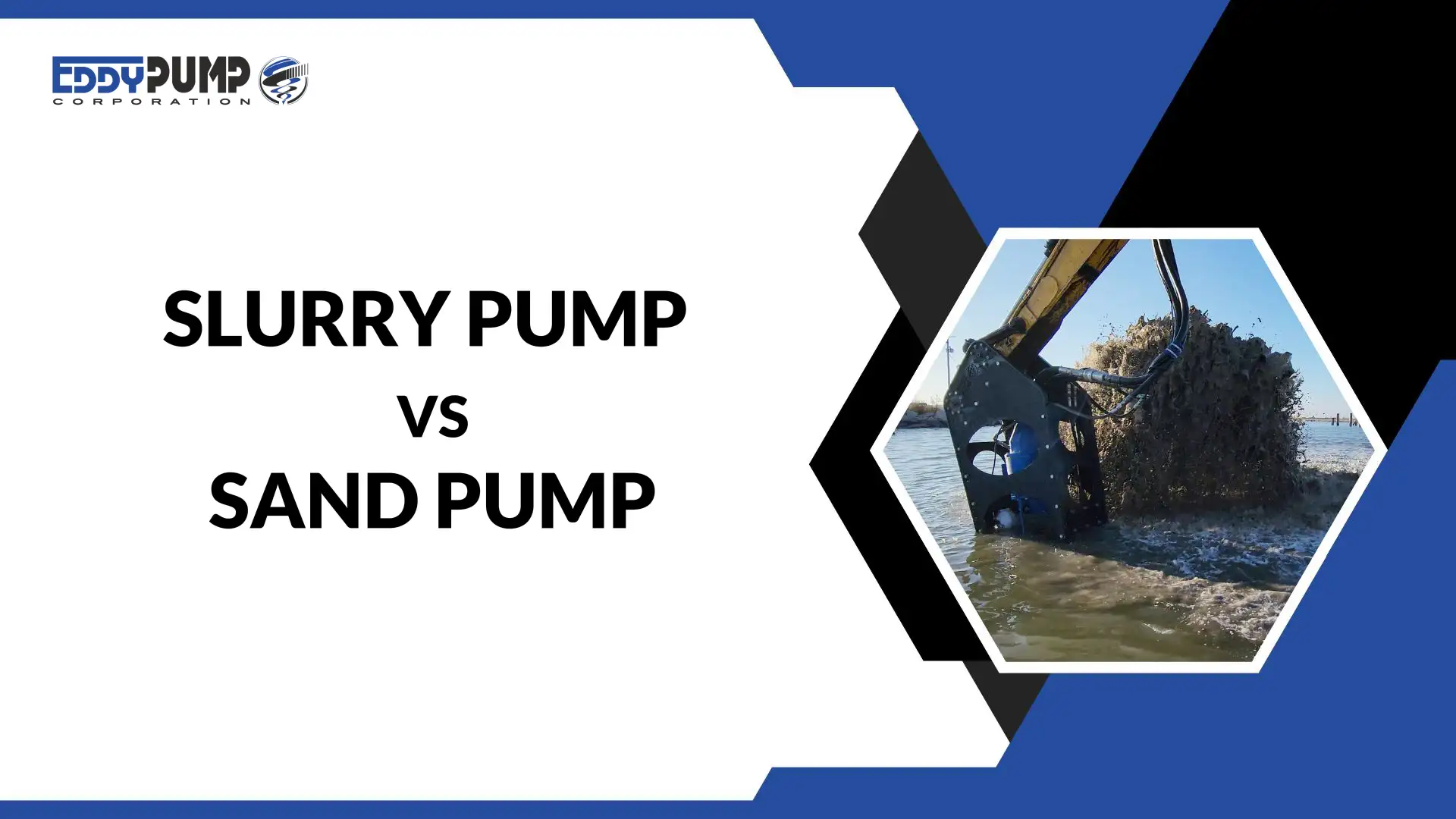
Lagoon systems are a popular and cost-effective choice for wastewater treatment. These systems utilize natural processes to break down organic materials and reduce pollutants. However, the efficiency of lagoon systems heavily depends on the performance of lagoon pumps. These pumps are crucial for maintaining proper lagoon pumping, as they facilitate circulation, aeration, and sludge removal.
Effective lagoon pumping and dredging are crucial to preventing stagnation, maintaining optimal oxygen levels, and minimizing sludge accumulation. Without proper lagoon pumps, treatment systems are at risk of inefficiencies, resulting in poor water quality and potential environmental contamination. Advanced lagoon pumping technologies address these challenges by improving system performance, reducing maintenance costs, and supporting sustainability.
This article examines the significance of lagoon pumps in wastewater management, highlighting their role in enhancing lagoon efficiency, addressing operational challenges, and advancing toward more sustainable solutions. Additionally, it highlights innovations in lagoon pumping and showcases how these technologies are revolutionizing wastewater treatment systems. Advanced lagoon pumps now offer customizable hydraulic controls, further optimizing system performance and adapting to specific operational needs.
Understanding Lagoon Systems in Wastewater Management
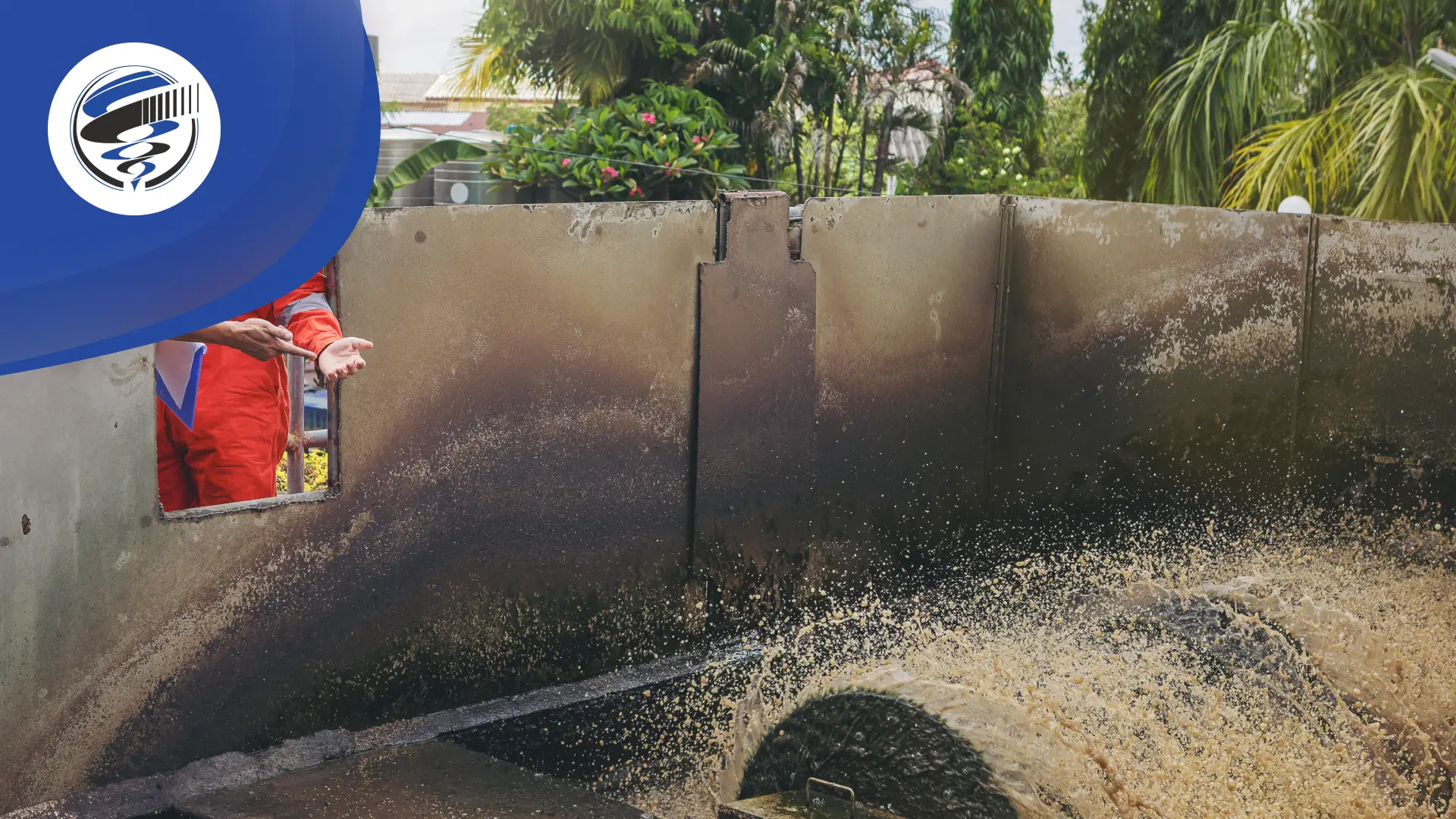
Lagoon systems are open ponds that treat wastewater using natural biological processes and mechanical aids. Commonly employed in municipal, industrial, and agricultural settings, these systems are valued for their simplicity, cost-effectiveness, and adaptability. Lagoon systems utilize natural processes to break down organic material, while relying on mechanical components, such as pumps and aerators, to enhance treatment efficiency. They are particularly effective for handling large volumes of wastewater with varying levels of contaminants. The combination of biological treatment and mechanical support makes lagoon systems a practical choice for facilities seeking low-maintenance and energy-efficient wastewater management solutions. Their versatility and ability to address diverse treatment needs make them a popular option across various sectors.
Types of Wastewater Lagoons
- Aerated Lagoons: Utilize mechanical aerators to supply oxygen, promoting rapid breakdown of organic material by aerobic bacteria. Ideal for handling high volumes of organic waste.
- Anaerobic Lagoons: Operate without oxygen, relying on anaerobic bacteria to digest high-strength wastewater, such as agricultural or industrial effluents.
- Facultative Lagoons: Combine aerobic and anaerobic processes, making them versatile for treating a wide range of wastewater types.
Key Components of a Lagoon System
- Inlet and Outlet Structures: Control wastewater flow in and out of the lagoon.
- Baffles and Liners: Enhance flow patterns and prevent seepage to protect groundwater.
- Pumps and Aerators: Essential for lagoon pumping, maintaining water circulation, aeration, and sludge management.
Benefits of Lagoon Systems
- Cost-Effectiveness: Require minimal infrastructure and operational resources, making them a budget-friendly choice.
- Natural Treatment Process: Depends on biological processes, reducing the need for chemicals.
- Low Energy Requirements: Particularly in non-aerated seal systems, lagoons consume far less energy compared to advanced treatment plants.
Lagoon pumps play a crucial role in these systems, optimizing efficiency by supporting lagoon pumping and dredging activities. By maintaining proper circulation and sludge management, they ensure the long-term sustainability and effectiveness of lagoon systems.
The Role of Lagoon Pumps
Lagoon pumps are vital components in wastewater lagoon systems, ensuring efficient movement, circulation, and treatment of wastewater. These specialized devices are designed to address the unique challenges of lagoon systems, including high solids content, corrosive environments, and varying flow demands. Many models offer different mounting options, and some lagoon pumps are also available with trailer hitch options, providing flexibility for different installation and transport requirements. By maintaining optimal performance, a lagoon pump is integral to the success of wastewater treatment operations.
What Are Lagoon Pumps?
A lagoon pump is a mechanical device engineered to handle the demanding conditions of wastewater lagoons. Its primary role is to circulate water, introduce oxygen, and transport sludge, ensuring the lagoon functions effectively. Many lagoon pumps are constructed with specialized materials and designs that allow them to handle abrasive conditions, such as sand or sediment-laden wastewater. Designed for durability and efficiency, lagoon pumps tackle issues like heavy solids, minimizing the risk of clogging and maintenance delays. The impeller is a critical component in lagoon pumps, responsible for moving liquid and solids efficiently through the pump.
Types of Lagoon Pumps and Their Applications
- Submersible Pumps: Operate fully submerged, making them ideal for efficient circulation and effective sludge removal.
- Centrifugal Pumps: Suitable for high-flow, low-pressure applications, such as transferring water between lagoon cells.
- Diaphragm Pumps: Known for their ability to handle thick sludge and solids, making them crucial for sludge-heavy operations.
The Lagoon Agi-Pompe is a specialized model designed for managing or transferring manure in deep lagoons. It features ease of maintenance, offers different length options, and provides high discharge capacity for efficient manure handling.
There are various models of lagoon pumps available, each tailored for specific applications, such as manure management, sludge removal, or high-solids handling. These models offer versatility, enabling users to select the optimal configuration for their specific needs.
How Lagoon Pumps Enhance Lagoon Efficiency
- Circulation and Mixing: Prevents stagnation, enhances oxygenation, and supports aerobic bacterial processes. Many lagoon pumps are equipped with an agitator to improve mixing and keep solids suspended for more effective treatment.
- Sludge Removal and Transport: Ensures timely removal of settled solids, avoiding excessive buildup and maintaining capacity.
- Prevention of Stagnation and Odor Issues: Keeps water moving to prevent foul odors and reduce the proliferation of harmful bacteria.
Lagoon pumping and dredging activities rely on these pumps to maintain system efficiency and environmental compliance. By integrating the right lagoon pump into operations, wastewater treatment facilities can optimize performance and extend the lifespan of their lagoon systems.
Lagoon Pump Components and Maintenance
Key Components of Lagoon Pumps
Lagoon pumps are engineered with a range of robust components to ensure reliable performance in demanding wastewater environments. At the heart of the system is the propeller, which is designed to agitate and transfer manure efficiently throughout the lagoon. The nozzle mounted above the liquid level allows for easy access during maintenance and helps direct the flow for optimal agitation and discharge. A directional valve is integrated to control the movement of liquid precisely, enabling operators to manage manure flow and agitation with accuracy.
Many critical parts, such as the shaft and housing, are often made from stainless steel to resist corrosion and extend service life.
A standout feature of modern lagoon pumps is the low-maintenance gearbox protected by a remote grease line kit. This setup enables convenient lubrication without requiring the pump to be dismantled, thereby reducing downtime and ensuring the gearbox remains in optimal condition. The heavy-duty drive line and double wheels provide the stability and support needed to operate in deep lagoons, even under heavy load conditions. To further protect the system, a robust seal system, oil bath, and bearing housing work together to minimize contamination and extend the pump’s life. These components are all designed for heavy-duty use, ensuring the pump can handle the rigors of continuous operation in challenging lagoon environments.
Routine Maintenance Practices
Consistent maintenance is essential for keeping lagoon pumps running smoothly and avoiding unexpected breakdowns. Operators should regularly inspect the driveline joint and ensure the gearbox is properly lubricated, using the remote grease line kit for ease and efficiency. Regular inspection and servicing of each grease fitting is essential to ensure all moving parts remain properly lubricated. It’s important to review the pump’s overall performance, making adjustments to the nozzle-mounted and directional valve as needed to maintain optimal manure flow and agitation.
The air relief valve should be checked frequently to confirm it is functioning correctly, preventing pressure build-up and ensuring safe operation. Inspecting the discharge line for blockages or wear is also crucial, as any obstruction can hinder the pump’s ability to manage manure effectively. Additionally, the housing and shaft should be examined for signs of corrosion or damage, and any issues should be addressed promptly to prevent further complications. By following these routine maintenance practices, operators can ensure their lagoon pumps continue to operate efficiently, providing reliable manure management with minimal effort.
Troubleshooting and Longevity Tips
When issues arise with lagoon pumps, effective troubleshooting starts with identifying the source of the problem. If the pump is not agitating as expected, check for blockages in the nozzle or a malfunctioning directional valve—removing obstructions or replacing faulty components can quickly restore performance. To maximize the longevity of lagoon pumps, it’s recommended to operate them at low rpm, which reduces wear on the drive line and bearing housing while maintaining efficient manure transfer.
Regular lubrication of the low-maintenance gearbox, facilitated by the remote grease line kit, is crucial for preventing contamination and extending the pump’s life. Inspect the bearing housing and driveline for signs of wear, and address any issues before they escalate. The universal joint should be checked regularly for wear or misalignment to prevent driveline failure. Always ensure the minimum HP required for the pump is met, as underpowered operation can lead to premature failure. Utilizing heavy-duty components and adhering to a strict maintenance schedule will protect the pump from contamination and minimize the need for frequent repairs. By following these best practices, operators can enjoy ease of operation, reduced downtime, and long-lasting performance from their lagoon pumps, ensuring effective lagoon management for years to come.
Challenges in Wastewater Lagoons Without Proper Pumps
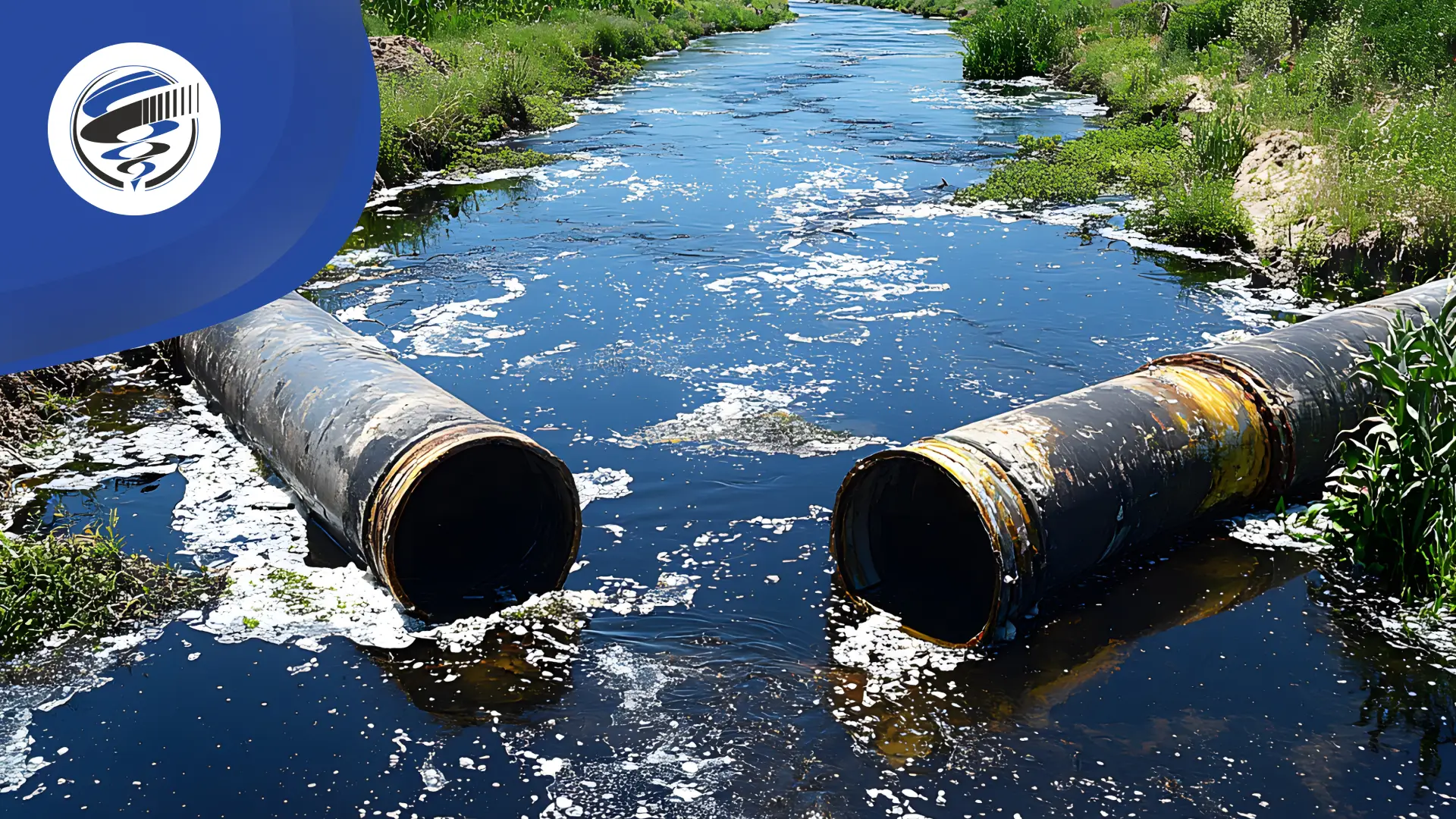
The efficiency of wastewater lagoon systems depends heavily on the performance of lagoon pumps. Without proper pumps, these systems face significant operational challenges that can hinder wastewater treatment and lead to environmental risks. Inadequate pumps often suffer from poor suction, which limits their ability to remove sludge and maintain proper lagoon circulation.
Consequences of Inadequate Pumping
- Uneven Sludge Accumulation: Without an efficient lagoon pump, sludge accumulates unevenly, reducing lagoon capacity and compromising treatment efficiency.
- Poor Water Quality: Insufficient aeration, often due to inadequate lagoon pumping, results in low dissolved oxygen levels, which disrupts biological treatment processes. Pumps with difficult or unreliable priming can cause delays in operations and reduce overall system efficiency.
- Environmental Contamination: Ineffective wastewater treatment increases the risk of releasing untreated or partially treated effluent, threatening ecosystems and public health.
Common Issues with Outdated or Inefficient Pumps
- High Maintenance Costs: Outdated pumps are prone to frequent breakdowns, resulting in increased operational expenses and downtime.
- Reduced Performance: Older pumps may struggle to handle the demands of modern lagoon systems, particularly those with high solids content or variable flow requirements. They are also more prone to clogging, especially when handling high solids content.
- Energy Inefficiency: Outdated designs consume excessive energy, increasing costs and the system’s environmental footprint.
Inadequate lagoon pumping and dredging can result in long-term inefficiencies, increased costs, and regulatory compliance issues. Utilizing a reliable and efficient lagoon pump is crucial for maintaining system performance, minimizing maintenance needs, and supporting sustainable wastewater treatment. By addressing these challenges proactively, operators can ensure their lagoon systems operate effectively and environmentally responsibly.
Benefits of Advanced Lagoon Pumps
Investing in advanced lagoon pumps can revolutionize wastewater treatment systems by enhancing efficiency, lowering costs, and promoting sustainability. Advanced lagoon pumps are capable of delivering high flow rates, which is essential for rapid sludge removal and effective lagoon management. These pumps are specifically designed to address the challenges of modern lagoon systems, ensuring optimal performance.
Improved Efficiency in Sludge Management
A modern lagoon pump is engineered to handle high solids content, allowing for effective sludge removal and transportation. Advanced lagoon pumps are specifically engineered for superior solids handling, reducing the risk of blockages and downtime. This reduces sludge buildup, maintains lagoon capacity, and ensures smooth operation. Advanced lagoon pumping solutions prevent clogging and enhance system reliability.
Enhanced Aeration
Effective lagoon pumps play a critical role in aeration by promoting water circulation and maintaining optimal oxygen levels. Advanced lagoon pumps are designed to maximize oxygen transfer, a critical factor for effective biological treatment. This supports biological treatment processes, leading to superior water quality and reduced odors.
Reduced Energy Consumption
Modern lagoon pumps are designed for energy efficiency, significantly lowering power usage. Pumps with variable speed drives can automatically adjust their output to match system demands, further reducing energy consumption. This not only reduces operational costs but also minimizes the system’s environmental impact, contributing to sustainability goals.
Long-Term Cost Savings with Low-Maintenance Gearbox
Advanced lagoon pumping and dredging technologies utilize durable materials and innovative designs to minimize maintenance requirements. The inclusion of a replaceable wear plate helps protect critical pump components from abrasion, extending the pump’s service life. Their extended lifespans result in fewer replacements and significant long-term savings.
By integrating advanced lagoon pumps into wastewater treatment operations, facilities can optimize efficiency and performance while addressing environmental concerns. Reliable lagoon pumps ensure effective sludge management, energy efficiency, and sustainable lagoon pumping practices, making them an essential investment for modern wastewater management systems.
Selecting the Right Lagoon Pump
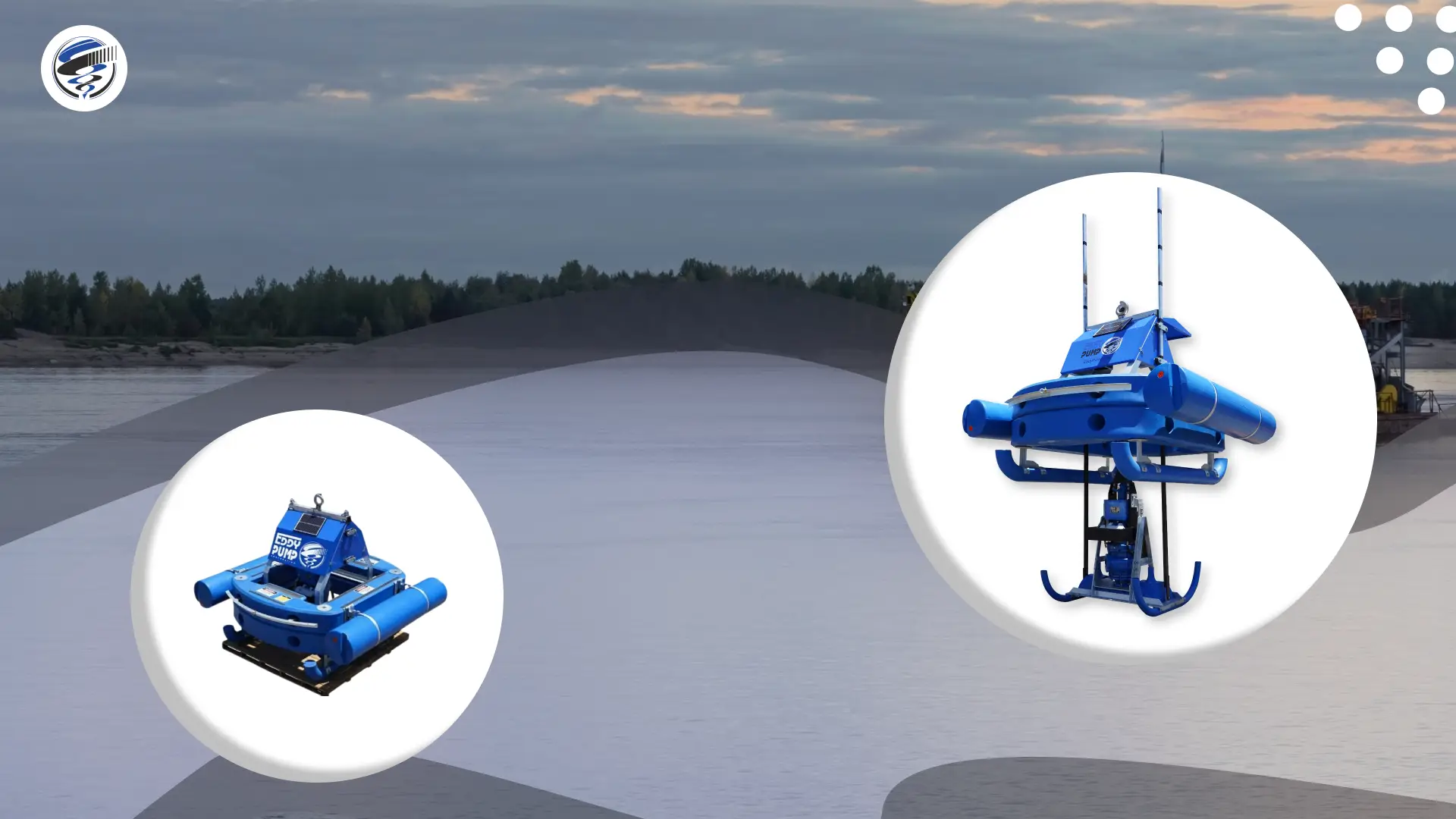
Choosing the right lagoon pump is critical for ensuring the efficiency, reliability, and longevity of a wastewater treatment system. There are various models of lagoon pumps available, each designed for specific operational needs, so selecting the appropriate model is essential. Reviewing the pump curve is essential to ensure the selected pump meets the required flow and head conditions for the lagoon system. The proper selection not only optimizes performance but also minimizes long-term operational costs and maintenance challenges.
Factors to Consider
- Lagoon Size and Depth: The size and depth of the lagoon directly influence the pump’s power and capacity requirements. Larger or deeper lagoons often need high-capacity pumps for effective operation.
- Type of Wastewater: Understanding the characteristics of the wastewater is vital. A lagoon pump must be able to handle high solids content, corrosive materials, and varying chemical compositions.
- Desired Flow Rate, Pump Power, and Required Head: The pump must provide the right flow rate, power, and required head to support circulation, aeration, and sludge management, ensuring efficient lagoon pumping operations. Considering the required head ensures the pump can move liquid to the necessary height or distance.
- Tractor Hitch Compatibility: Verify that the lagoon pump is compatible with your tractor’s hitch system, such as a 3-point or trailer hitch, to ensure easy installation and operation with your existing equipment.
Key Features to Look For
- Corrosion Resistance: Pumps operating in harsh, chemical-rich environments require durable materials to withstand wear and tear.
- Energy Efficiency: Modern lagoon pumps are designed to minimize energy consumption, thereby reducing operational costs and lowering the system’s environmental footprint.
- Ease of Maintenance: Pumps with user-friendly designs simplify repairs, reduce downtime, and extend their lifespan.
- Automatic Shutoff: An automatic shutoff feature protects the pump from damage due to dry running or system faults, thereby enhancing operational safety.
Partnering with Reliable Suppliers
Collaborating with reputable suppliers is essential to accessing high-quality lagoon pumping solutions tailored to specific system requirements. Partnering with established companies, such as those with ‘Inc.’ in their name, can provide added assurance of product quality and ongoing support. Reliable suppliers also provide expert advice, installation support, and ongoing maintenance services. Strong aftermarket support is crucial for ensuring long-term pump performance and easy access to replacement parts.
Incorporating the right lagoon pump enhances overall system efficiency, ensuring effective lagoon pumping and dredging practices. By addressing system demands with carefully selected equipment, operators can maintain sustainable wastewater treatment processes and achieve long-term operational success.

Future Trends in Lagoon Pump Technology
Advancements in technology are transforming lagoon pump designs, making them smarter, more efficient, and environmentally sustainable. Remote monitoring capabilities are becoming standard, allowing operators to track pump performance and receive alerts from anywhere. These innovations address the growing demands of wastewater treatment while focusing on reducing costs and environmental impact. Future lagoon pump technologies are being developed to allow users to customize hydraulic controls and other features to match their specific workflows and operational preferences.
Innovations in Pump Design and Materials for Deep Lagoons
Modern lagoon pumps are now constructed with advanced, corrosion-resistant alloys and composite materials, enabling them to withstand harsh, chemically rich environments. Improved abrasion resistance is also a key focus, ensuring pumps can withstand the wear caused by sand and other solids. Additionally, manufacturers are developing pumps capable of handling higher solids content, making them more reliable for operations involving sludge-heavy applications. These advancements enhance durability and performance, ensuring that lagoon pumping systems operate efficiently over time.
Smart Pumps and IoT Integration
The integration of IoT technology is revolutionizing lagoon pumping systems. Smart lagoon pumps now feature real-time monitoring capabilities, allowing operators to remotely track performance metrics. Integrated data logging features enable operators to record and analyze historical performance, thereby optimizing maintenance schedules. Predictive maintenance tools identify potential issues before they escalate, reducing downtime and maintenance costs. This increased automation improves operational reliability while minimizing the need for manual intervention.
Advances in Energy-Efficient and Solar-Powered Pumps
Energy efficiency is a key focus in the development of lagoon pumps. Enhanced motor technologies significantly reduce energy consumption, lowering operational costs. Solar-powered lagoon pumps are emerging as a sustainable solution, particularly for off-grid locations. These renewable energy-driven pumps offer an eco-friendly alternative to traditional power sources, further promoting sustainability in wastewater management.
Sustainability in Wastewater Management
Future trends emphasize reducing the environmental impact of lagoon pumping and dredging through efficient resource use, waste minimization, and energy conservation. Advanced lagoon pump technologies also help reduce the overall carbon footprint of wastewater treatment operations. These advancements align with global sustainability goals, making lagoon pump technology a cornerstone of modern wastewater treatment systems.
As these trends continue, wastewater operators can expect smarter, more efficient lagoon pumping solutions that strike a balance between performance, cost-effectiveness, and environmental stewardship.
Conclusion
Lagoon pumps play a critical role in ensuring the efficiency and sustainability of wastewater lagoon systems. These specialized devices are integral to maintaining proper circulation, aeration, and sludge management—key processes required for effective wastewater treatment. Without an efficient lagoon pump, lagoon systems risk stagnation, uneven sludge accumulation, and compromised water quality, resulting in increased costs and environmental concerns.
Investing in advanced lagoon pump technologies provides operators with significant benefits. Modern lagoon pumps are designed for durability, energy efficiency, and the ability to handle high concentrations of solids. These features not only enhance system performance but also reduce maintenance requirements and operational costs. Moreover, innovative lagoon pumping solutions now incorporate smart technology, such as real-time monitoring and predictive maintenance, enabling better management and enhanced reliability. Advanced designs also support sustainability by minimizing energy consumption and environmental impact.
Lagoon pumping and dredging activities are essential for maintaining the longevity and capacity of lagoon systems. Proper dredging ensures the removal of accumulated sludge, preserving lagoon efficiency and preventing overloading. Incorporating high-quality lagoon pumping solutions into these operations further optimizes the process, ensuring that wastewater systems meet regulatory standards and environmental goals.
Operators and facility managers should take the time to review their current systems and consult with industry experts to find the best lagoon pump for their situation. Working with a reliable supplier is crucial for accessing the latest technology and receiving ongoing technical support. Such partnerships will ensure the long-term success of lagoon pumping and dredging, contributing to more sustainable wastewater management.
By incorporating advanced lagoon pumps, facilities can achieve improved efficiency, cost savings, and enhanced environmental stewardship, ultimately becoming leaders in modern wastewater treatment.
FAQs
How can I tell if my lagoon pump system needs an upgrade or replacement?
Look for signs like recurring strong odors, slower wastewater flow, persistent sludge buildup, or higher energy bills. If you’re dealing with more frequent maintenance, longer downtime, or compliance warnings, it’s a good indicator that the system could benefit from evaluation or replacement—even before technical failures appear.
What are ordinary seasonal considerations for lagoon usage I should be aware of?
Seasonal changes—like heavy rainfall or heat—can affect lagoon performance. In wet seasons, the lagoon may collect more water, diluting treatment but increasing overflow risk. In hot, dry periods, evaporation can concentrate contaminants. Regular checks before and after such seasons help keep the system balanced and prevent surprises.
How often should I check or maintain my lagoon pump if I’m not a technician?
Even without technical knowledge, a quick weekly walk-around can go a long way. Check for odd noises, visible leaks, or changes in flow. Keeping the area clear of debris and vegetation also helps the system run smoothly and reduces wear.
Can bad lagoon pump performance affect property value or operations?
Absolutely. If the lagoon system causes odor, overflow, or environmental concerns, it may lead to complaints or fines, and could make your property less desirable for future buyers or tenants. Smooth pump operation keeps everything discreet and efficient.
How does proper lagoon management benefit broader environmental or regulatory compliance?
Healthy lagoon circulation and regular sludge removal reduce the risk of contaminants seeping into groundwater or nearby streams. This helps meet environmental guidelines and can prevent costly penalties or cleanup actions—especially important for agricultural or municipal users.