
Kereta Keruk - Peralatan Pengerukan Laguna yang Dipatenkan
Yang dipatenkan Kereta Keruk peralatan pengerukan laguna sangat direkayasa untuk pengerukan submersible dengan kemampuan meluncur dengan lembut di sepanjang dasar untuk memompa material yang sangat kental atau abrasif, lumpur, lumpur, pasta, padatan tinggi, dan aplikasi pemompaan kolam yang keras lainnya.
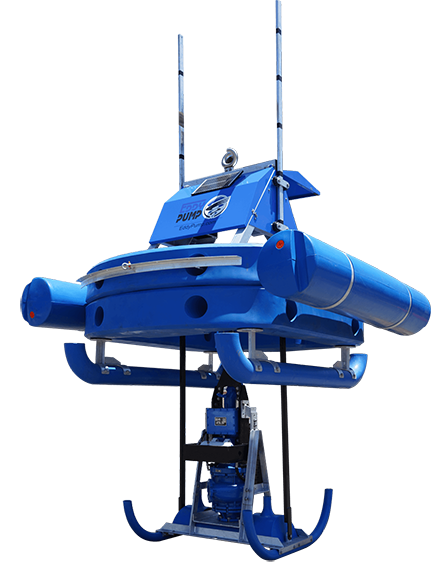
Peralatan Pengerukan Laguna yang Efisien
EDDY Pump sekarang dapat menawarkan solusi pengerukan lengkap untuk pembuangan lumpur, lumpur, dan padatan yang efektif, yaituDredge Sled yang telah dipatenkan. . Dengan teknologi terbaru, Dredge Sled merupakan solusi yang hemat biaya untuk pembersihan kolam, laguna, kanal, kolam tailing, dan tangki pengendapan.
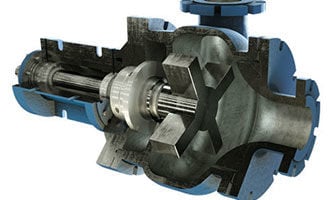
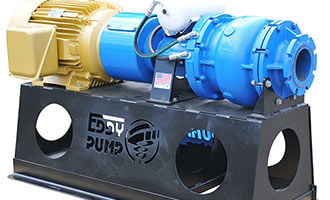
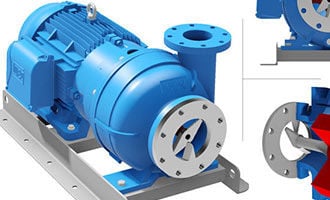
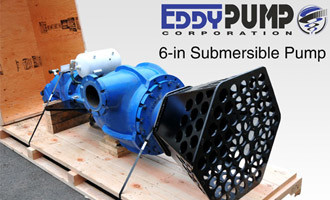
Dredge Sled didukung oleh EDDY Pump yang merupakan pompa lumpur non-bakiak industri tugas berat yang dirancang untuk aplikasi pemompaan dan pengerukan industri.
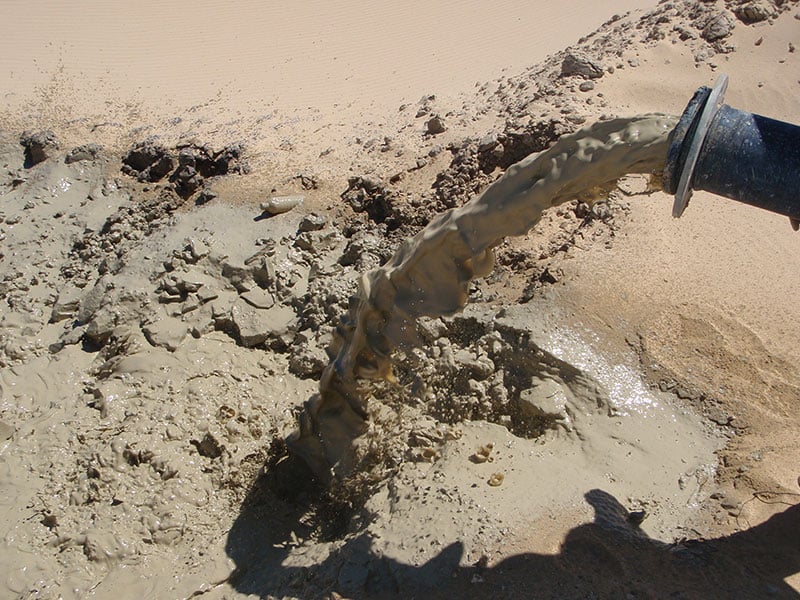
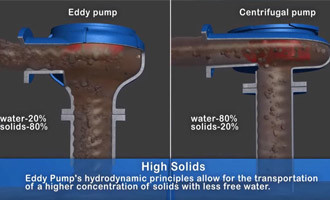
Tergantung pada proyek Anda, The EDDY Kereta Keruk berukuran untuk memenuhi kebutuhan klien kami. Didukung oleh Pompa EDDY yang berkinerja tinggi dan minim perawatan, peralatan pengerukan kami biasanya mencapai 30-70% padatan dan menangani material dengan viskositas tinggi, abrasi tinggi, dan pH rendah tanpa membuat pompa menjadi aus atau membutuhkan perawatan terus-menerus.

Cara Kerja Kereta Keruk
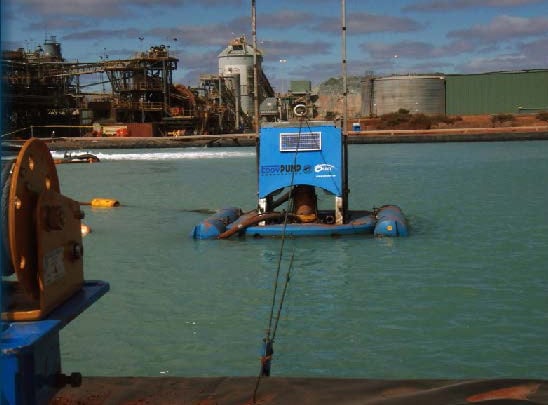
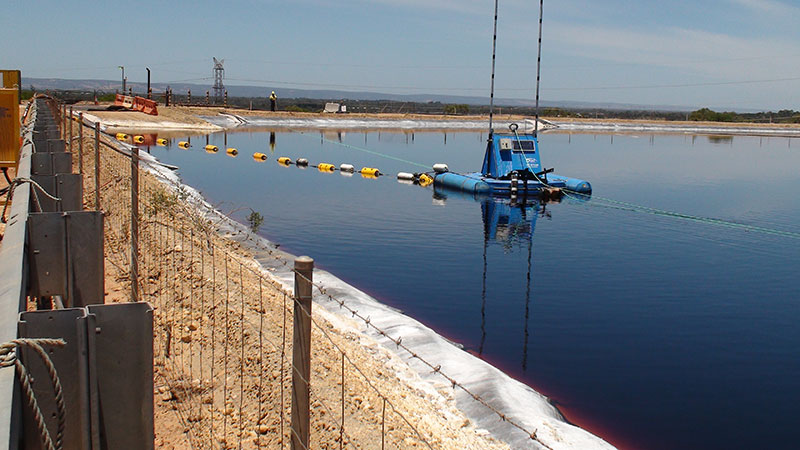
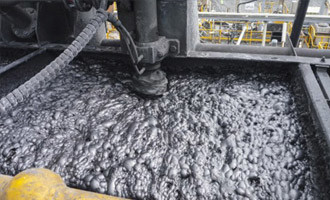
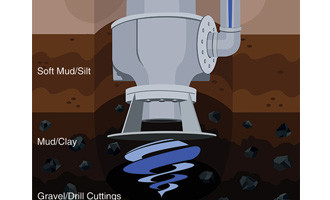
Istilah bubur banyak digunakan dalam aplikasi industri. Bubur sangat bervariasi tergantung pada ukuran butiran, agregasi, distribusi, kekompakan, tingkat pH, karakteristik aliran, laju sedimentasi dan berat jenis material. The Kereta Keruk telah digunakan di seluruh lokasi pertambangan terpencil di Australia selama lebih dari 15 tahun untuk memerangi tailing tambang. Desain yang kokoh namun sederhana ini menggunakan komponen yang dapat diakses secara umum untuk memastikan waktu kerja maksimum dan perbaikan yang mudah. Komponen utamanya meliputi pembangkit listrik tenaga diesel-listrik, tongkang apung yang terpasang ke pantai dengan sistem kabel dan winch. Pompa EDDY diturunkan ke dalam laguna dan distabilkan dengan kereta luncur untuk memulai pengerukan. Cincin pengaliran air opsional tersedia untuk agitasi maksimum bila diinginkan.
Pompa & Pengerukan
Aplikasi - Pengerukan Kolam & Laguna
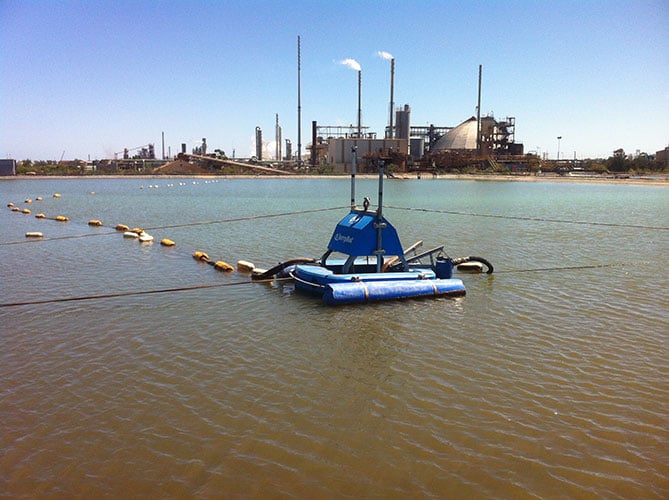
Pemindahan Tailing Tambang
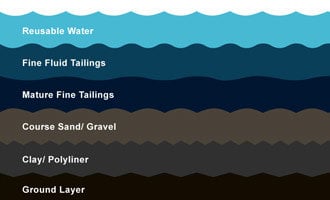
Kolam tailing mineral menghasilkan sejumlah besar limbah limbah tambang padat dan cair yang berbahaya seperti: logam berat, metaloid, limbah radioaktif, air asam, dan bahan kimia proses. Limbah ini (tailing) terakumulasi di dasar kolam penampungan, sehingga menyebabkan beberapa bahaya lingkungan dan berkurangnya volume air.

Pemeliharaan Kolam Penampungan
Kolam penampungan melindungi air permukaan dan sungai dari air limbah yang kotor. Kolam penampungan sering digunakan untuk peningkatan kualitas air, perlindungan banjir, dan pengisian air tanah. Sedimen dan lumpur terakumulasi dari waktu ke waktu di dasar, membatasi volume air dan menciptakan bahaya lingkungan. Kereta keruk adalah solusi yang hemat biaya untuk sedot tangki pengendapan Anda.
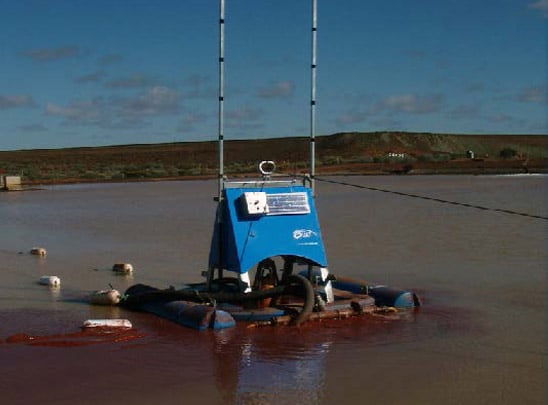
Pembersihan Kolam Pertanian
Kolam pertanian digunakan untuk irigasi, pakan ternak, pengendalian erosi, atau akuakultur. Seiring berjalannya waktu di dalam peternakan, limbah padat yang padat terakumulasi di bagian bawah sementara material yang kurang padat mengapung ke atas, menyebabkan berkurangnya volume air.
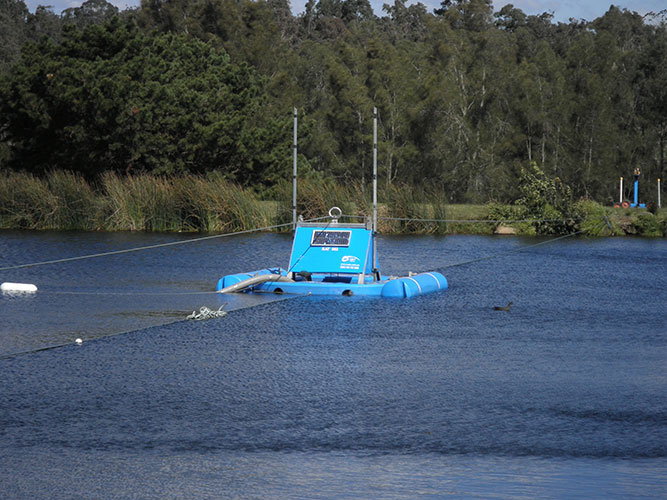
Pengerukan Laguna
Laguna adalah badan air seperti kolam yang menerima, menyimpan, dan mengolah air limbah untuk jangka waktu tertentu. Pengerukan laguna digunakan ketika penumpukan sedimen terakumulasi dari waktu ke waktu. Mengabaikan perawatan pengerukan laguna akan menyebabkan kotoran dan puing-puing yang berlebihan mengapung ke permukaan, menciptakan bau busuk. Saat mencari peralatan pengerukan laguna, kereta keruk mudah dioperasikan dan bermanuver sehingga Anda dapat dengan mudah memperdalam dan mengembalikan tampilan dan warnanya.
Pemulihan Logam Berat
Menghilangkan logam berat di dalam air limbah, seperti tembaga, timbal, seng, perak, dan logam lainnya, merupakan sebuah tantangan dan sering kali dianggap tidak ekonomis. Kereta keruk menghilangkan logam-logam berbahaya ini melalui agitasi fisik dengan tetap mempertahankan efisiensi biaya. Gunakan kereta keruk untuk menjalankan kembali material target melalui pabrik proses Anda untuk menciptakan ROI dengan Kereta Keruk Anda.

Pengelolaan Air Limbah
Pengelolaan air limbah yang tepat sangat penting untuk memastikan fungsionalitas sistem yang optimal. Sangat penting untuk menjaga kontrol sedimen dan kedalaman air yang tepat, terutama dengan tangki digester dan tangki pengendapan. Penumpukan sedimen akan mengurangi volume air dan membahayakan integritas sistem air limbah. Pengerukan adalah metode yang diperlukan untuk mengembalikan danau atau kolam ke sistem yang fungsional dan efisien.
THE EDDY PUMP
Spesifikasi Kereta Keruk Keruk
| Hydraulic Specs | PDF  |
|---|---|
| 4-Inch Hydraulic DSH-4000 | ENG  |
| Electric Specs | PDF |
|---|---|
| 4-Inch Electric DSE-4000 | ENG |
Pengaturan Penempatan Alternatif Dengan Pompa Pemancing Otomatis
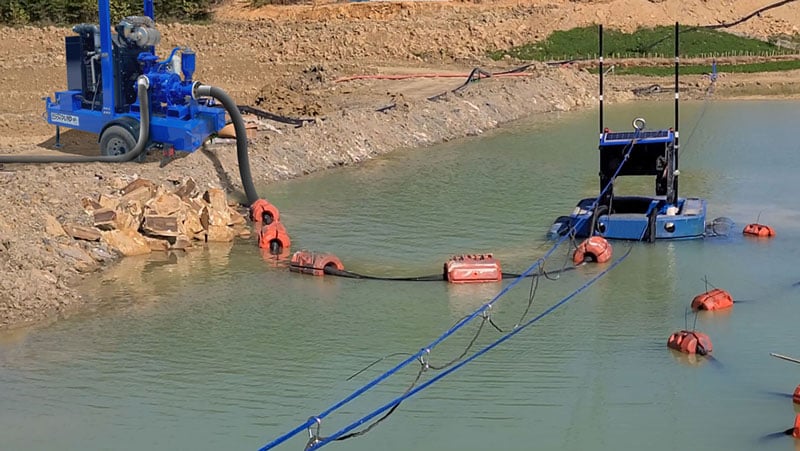
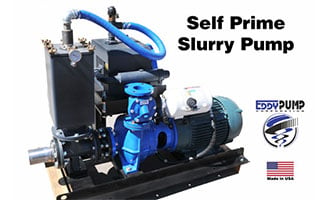
Pompa EDDY menawarkan beberapa opsi penggunaan pompa kereta keruk, termasuk menggunakan Pompa EDDY submersible standar atau opsi Self-Prime Pump Trailer .
Menggunakan pompa pemancing otomatis bersama dengan Dredge Sled menawarkan beberapa keuntungan:
- Membatasi korosi pompa di lingkungan yang keras
- Lebih sedikit bobot untuk mengapung
- Kemudahan servis pompa yang lebih mudah
- Jauh lebih aman untuk kolam dengan lapisan yang halus


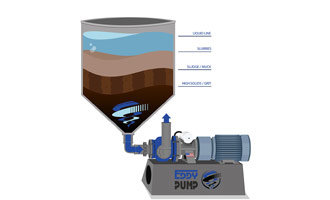
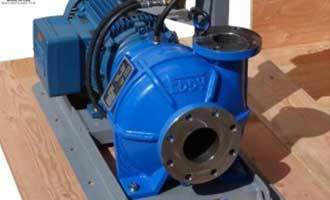
Pompa Lumpur Horisontal
- Lebih mudah dipasang dan dirawat, karena akses cepat ke komponen pompa memungkinkan pekerjaan perbaikan yang mudah.
- Membutuhkan lebih banyak ruang, karena tapaknya yang lebih besar dibandingkan dengan vertikal.

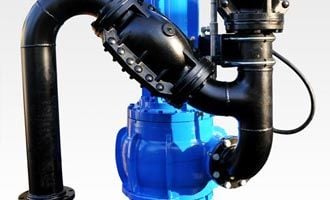
Pompa Lumpur Vertikal
- Jejak kaki yang lebih kecil, memungkinkannya diimplementasikan pada pekerjaan yang sulit dijangkau.
- Lebih serbaguna, dapat digantung kabel lurus ke bawah dan dimasukkan langsung ke media untuk memompa material target.
- Lebih sulit diperbaiki dan perawatannya lebih sulit.
Fitur dan Manfaat Pompa EDDY
Kereta Keruk - Spesifikasi Sistem
Keuntungan Kereta Keruk Keruk
- Desain yang Dipatenkan
- Pompa bertenaga listrik - Tidak perlu khawatir akan tumpahan oli, bahan bakar, atau cairan hidrolik
- Opsi pompa bertenaga hidrolik juga tersedia
- Kekeruhan rendah - suspensi padatan yang rendah, mengurangi kerusakan ekologis
- Desain yang kokoh dan sederhana - memastikan waktu kerja maksimum dan perawatan yang mudah
- Tenang - Pengoperasian yang tenang untuk mengurangi polusi suara
- Mudah diangkut - Unit muat dalam kontainer tertutup berukuran 20 kaki
- Tersedia Penyewaan - Kemampuan untuk menyewa untuk proyek yang lebih kecil atau satu kali
- Mudah digunakan - dapat dioperasikan oleh orang yang menyewa peralatan, 1 operator berawak
- Tanpa Waktu Henti - Kolam dapat tetap beroperasi saat unit digunakan
- Liner-safe - Kapal keruk luncur submersible yang tidak memiliki cutterhead sangat membantu melindungi lapisan poli/tanah liat dari kerusakan
- Otomasi - Unit dapat dioperasikan secara otonom menggunakan sistem rel
Komponen Sistem
- Pompa EDDY dan Kereta Luncur dengan Ponton
- Kepala hisap dengan sistem derek
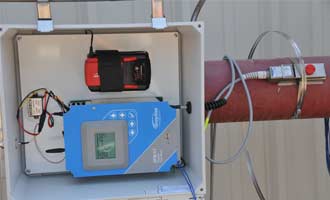
- Panel kontrol listrik
- Kabel Daya Pompa Utama, 311 kaki (95 meter)
- Kontrol kedalaman jarak jauh genggam
- Baterai 12V HD dengan sistem pengisian daya tenaga surya
- Kabel dan selang mengapung
- Tali, katrol, dan sistem penahan pantai
- Sistem Hidraulik Termasuk HPU
- Sistem Bertenaga Listrik VFD dengan harga terpisah
- OPSIONAL. Kontainer untuk menampung seluruh unit
- OPSIONAL. Selang Pembuangan
Sistem Kerekan Darat
- Sistem tali loop kontinu
- Winch tarik garis, berbasis darat, Winch Fase Tunggal 110 VAC
- Sensor yang dioperasikan dari jarak jauh dan berhenti
- Dapat sepenuhnya diotomatisasi dengan pemasangan rel pemandu
Perakitan Ponton
- Mengapung - HDPE diisi dengan busa uretan yang diisi dengan polietilena dan terlindung dari sinar UV
- Struktur Rangka - Untuk kolam proses, penyimpanan tailing, pemulihan logam berat - Baja Galvanis atau Baja Tahan Karat (opsional)
Persyaratan Daya Pompa
- Kebutuhan bervariasi berdasarkan ukuran pompa dan jenis motor, Listrik ATAU Hidraulik.
Ukuran Kolam atau Laguna (Ukuran Ideal)
- Semua bentuk dan ukuran dapat diakomodasi. Berikut ini adalah ukuran kolam yang umum untuk EDDY Pump Dredge Sled 4 inci. Hubungi jika ada pertanyaan.
- Kedalaman Minimal yang Dibutuhkan 24-38 inci, bervariasi tergantung ukuran. Hubungi kami.
- Mengeruk hingga kedalaman 16-18 Kaki (5M)
- Ideal untuk kolam berukuran 5.000 Cy3 hingga 20.000 Cy3
- Antara 330 kaki (100 m) kuadrat hingga 660 kaki (200 m) kuadrat
- Laguna berukuran sekitar 1,5 hingga 4 hektar
- Untuk proyek dengan volume yang lebih dalam atau lebih besar, lihat Autonomous Dredge
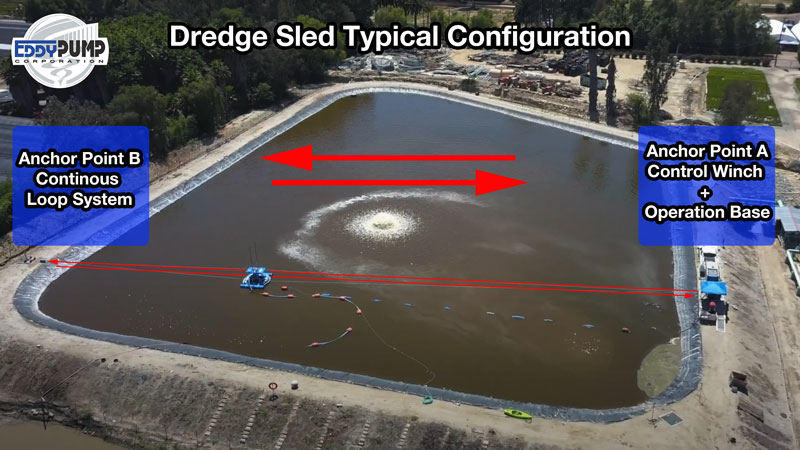
- TIDAK ideal untuk perairan terbuka tanpa dua titik jangkar yang dapat diakses di setiap sisi area pengerukan (ditunjukkan pada foto di bawah)
VIDEO POMPA EDDY
Tonton video kami yang menampilkan kinerja dunia nyata Eddy Pump dan hasil yang mengesankan di berbagai aplikasi.


Produsen Kapal Keruk Pompa EDDY
Manfaat dan Tinjauan Teknologi
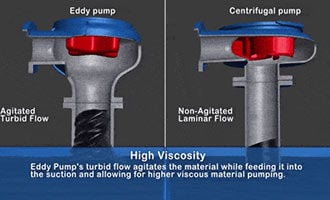
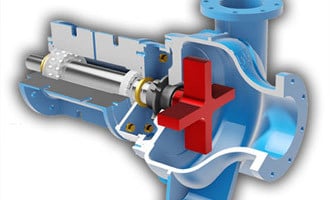
Lewati padatan dari 1-12 inci (batu, kain, puing-puing). Desain rotor terbuka EDDY Pump dengan toleransi tinggi memungkinkan apa pun yang akan masuk ke intake dilewatkan melalui discharge tanpa masalah.
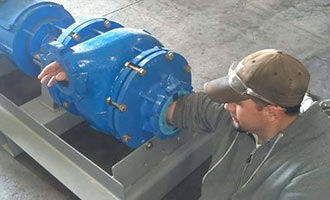
Toleransi antara rotor dan volute pada Pompa EDDY 4″ dengan mudah memungkinkan lewatnya lengan seorang pria (*lihat gambar di bawah). Dibandingkan dengan toleransi dalam pompa sentrifugal, Pompa EDDY dengan mudah menang. Rentang Pompa mencakup garis Pompa EDDY 1 inci hingga 12 inci, toleransi berkisar antara 1-12 inci.
Hal ini berarti sejumlah besar padatan dan puing-puing dapat melewatinya, tanpa menyumbat pompa. Untuk mempelajari lebih lanjut tentang teknologi di balik pompa kami, lanjutkan membaca di sini.
Sistem Jangkar Berbasis Pantai
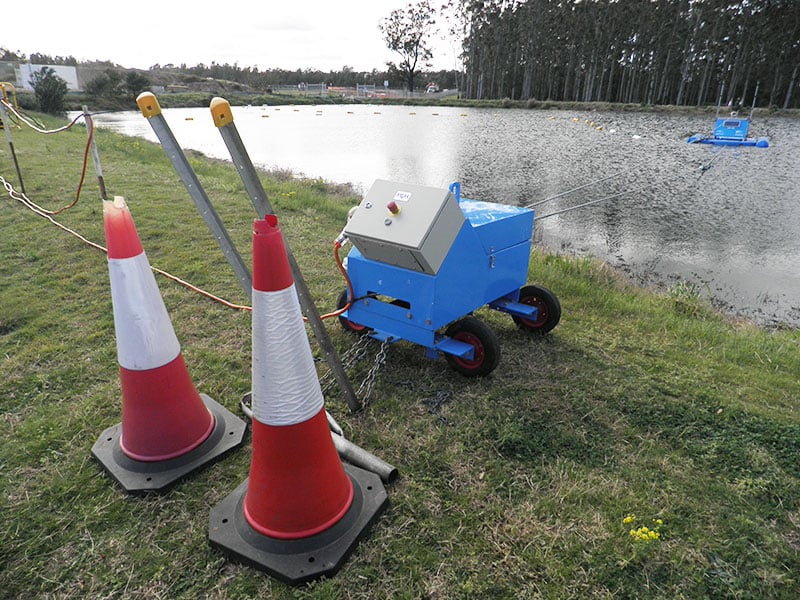
- Keruk bagian, lepaskan pin dan gulingkan jangkar ke lokasi baru.
- Memasang pin ke tanah dengan mudah, sederhana dan cepat.
- Sistem pengerukan laguna dangkal terbaik
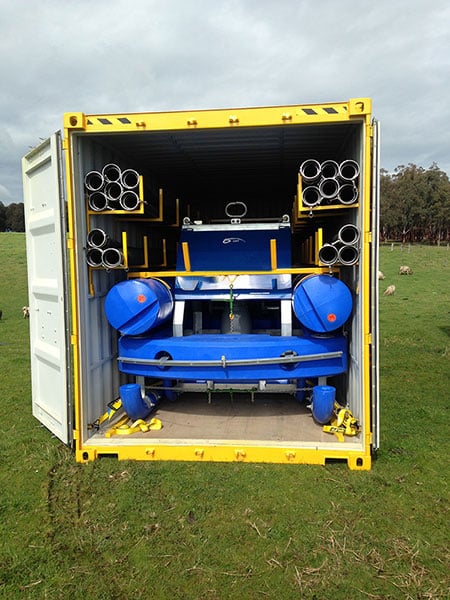
Mudah Diangkut - Kontainer Tunggal
- Dapat memuat semua komponen dalam wadah penyimpanan kecil untuk memudahkan akses dan relokasi pekerjaan.
- 1-2 orang dibutuhkan untuk menyiapkan dan menyebarkan dalam waktu empat jam.
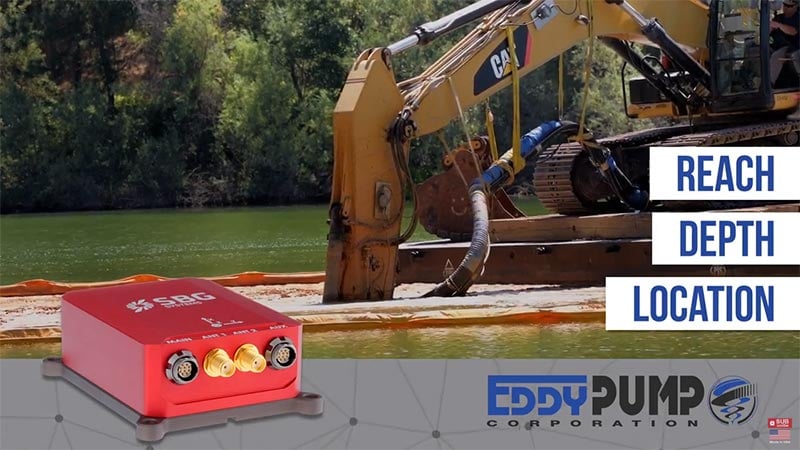
Mengeruk Dengan Presisi
Pompa EDDY menawarkan solusi yang efektif untuk melacak dengan tepat di mana Anda melakukan pengerukan setiap saat. Singkirkan tebakan dan gunakan informasi waktu nyata yang mendetail untuk keuntungan Anda.
- Melihat Jangkauan, Kedalaman, dan Lokasi GPS yang Tepat secara Real-time
- Mengoptimalkan Produksi
- Hanya Mengeruk Material Target
- Mencegah pengerukan berlebihan
- Peningkatan Kecepatan Proyek
- Mengurangi Perawatan Peralatan
Dredge Sled yang telah dipatenkan adalah alternatif yang sederhana, efisien, dan mudah digunakan untuk peralatan pengerukan tugas berat yang lebih rumit. Solusi terbaik untuk pengerukan kolam dangkal atau laguna
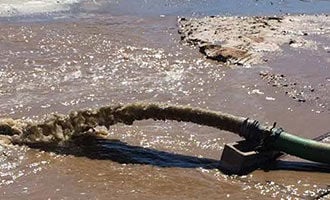
Penghapusan Bubur
Lubang Lumpur untuk Penambangan dan Pemulihan Mineral.
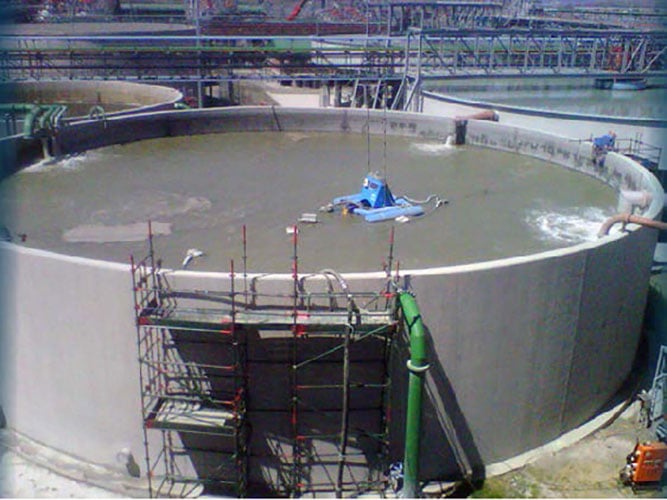
Pembuangan Lumpur
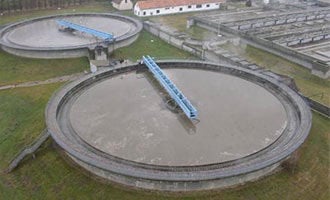
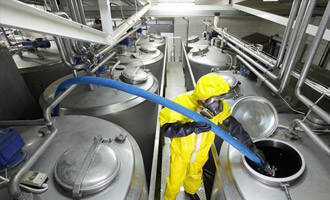
Pembersihan lumpur dari tangki pengendapan & tangki digester
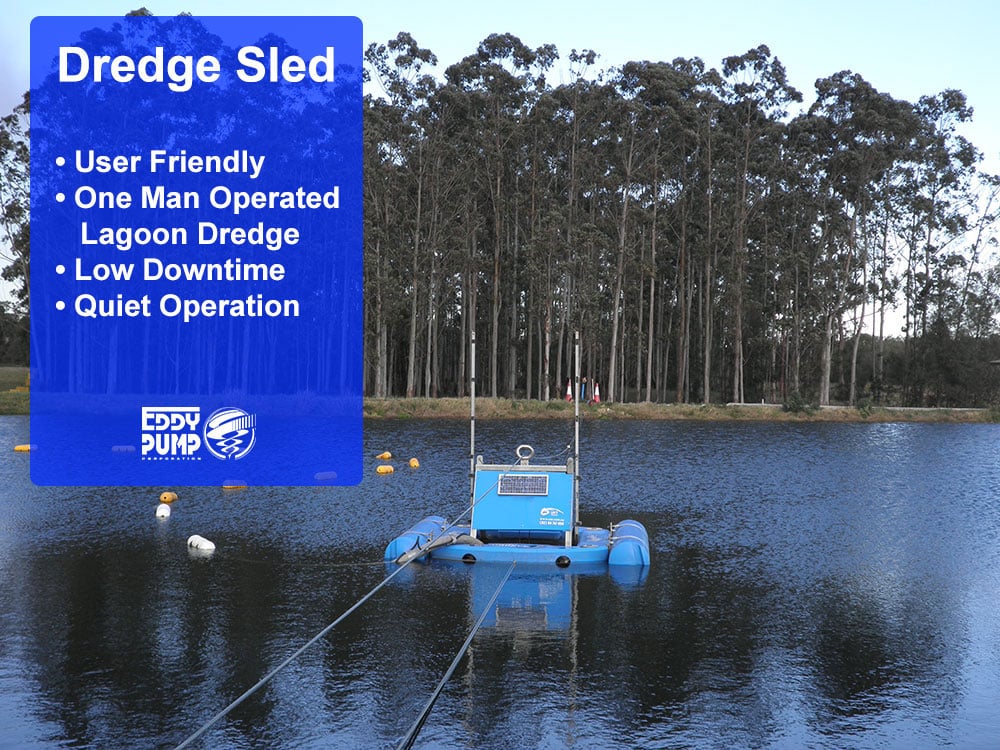
Kereta Keruk yang Dapat Disesuaikan untuk Pembuangan Sedimen yang Efisien di Badan Air dan Laguna
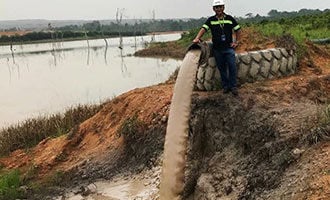
Dredge Sled unggul dalam menghilangkan sedimen dari badan air, danau, atau kolam penampungan. Sistem ini juga digunakan untuk tangki pengendapan lumpur tinja. Sebuah Dredge Sled tunggal biasanya digunakan untuk perairan hingga 20.000 meter persegi. Selain itu, EDDY Dredge Sled direkayasa dan berukuran untuk memenuhi kebutuhan klien. Hubungi kami untuk membantu proyek Anda.
Peralatan ini ideal untuk ukuran laguna 330 kaki (100 m) persegi hingga 660 kaki (200 m) persegi. Luasnya sekitar 1,5 hingga 4 hektar dan kedalamannya mencapai sekitar 16 kaki (5m). 5.000 hingga 20.000 Cy3 material. Dimensi adalah panduan kasar, hubungi dengan pertanyaan.
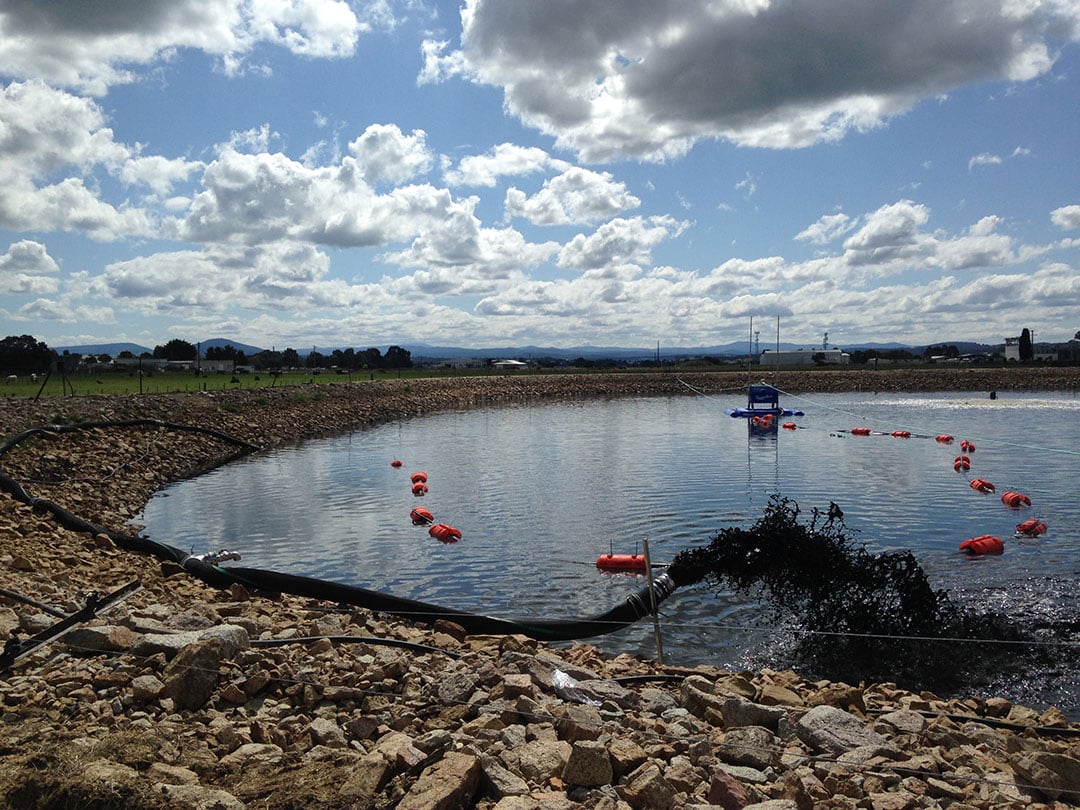
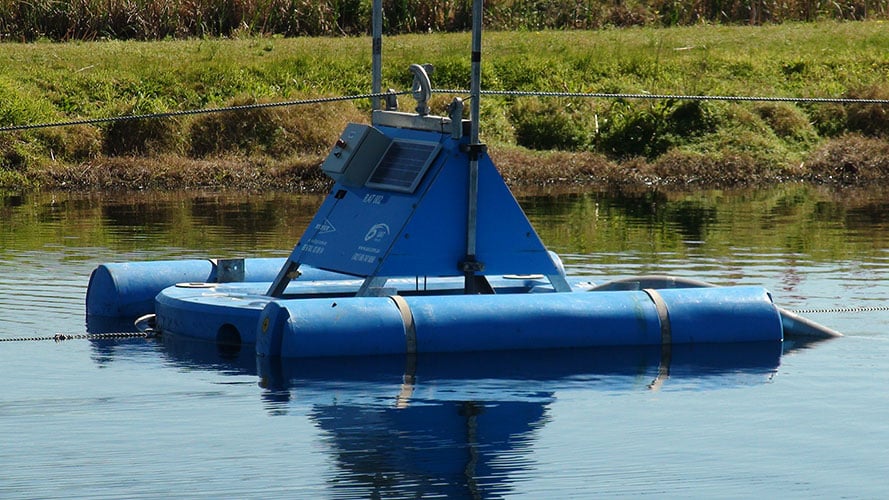
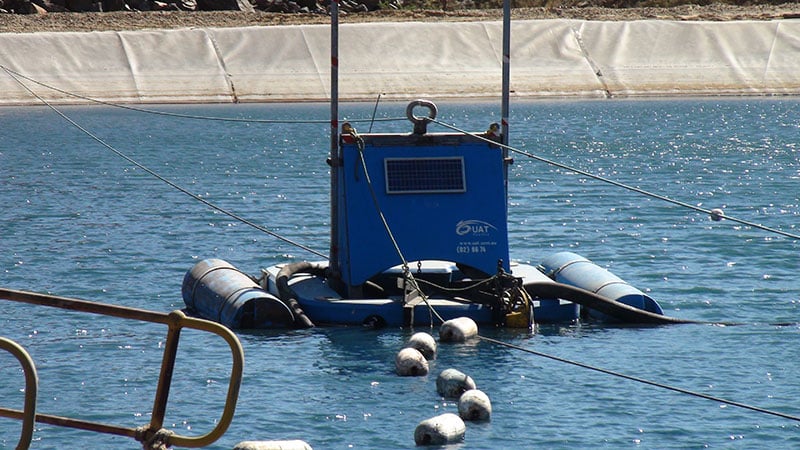
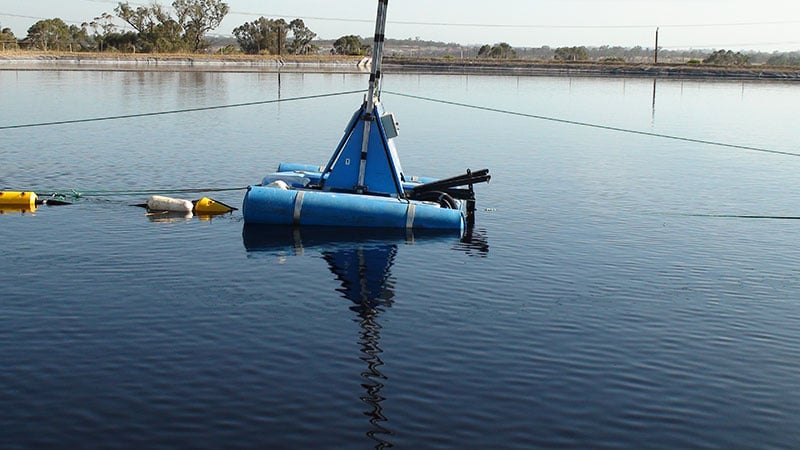
Galeri Foto Kereta Keruk
Mengapa Pompa EDDY Lebih Baik - Sorotan
Pompa Lumpur Non-Menyumbat dan Padatan Tinggi Terbaik di Pasar. Sejak tahun 1984.
Kami adalah salah satu dari sedikit perusahaan yang memproduksi pompa dan peralatan pengerukan untuk memastikan dukungan yang optimal. Semua peralatan Didukung oleh Pompa EDDY.
Aplikasi Terbaik: Jika Anda memompa bubur, padatan tinggi, material yang sangat kental, pasta, abrasif tinggi (pasir & kerikil), dan material yang penuh dengan padatan, maka Anda telah menemukan pompa yang ideal untuk pekerjaan Anda. Hubungi Kami.
Industri yang paling banyak dilayani: Pertambangan, Fly Ash, Pemompaan Abu Batu Bara, Minyak dan Fracking, Air Limbah, Kertas/Pulp, Kimia, Energi, Distrik Air, Distrik Irigasi dan Perusahaan Pengerukan.


Panggilan untuk penjualan atau dukungan
Jika Anda memerlukan bantuan dalam pemilihan pompa, dukungan penjualan atau teknik, hubungi 619-404-1916.
Bicaralah dengan Kami Tentang Pertanyaan Apa Pun?
Pertanyaan yang Sering Diajukan
Apa yang dimaksud dengan Kereta Keruk?
Dredge Sled adalah peralatan pengerukan laguna yang telah dipatenkan yang dirancang untuk secara efisien menghilangkan sedimen, lumpur, dan bahan lainnya dari badan air seperti laguna, kolam, dan danau kecil. Ini adalah solusi portabel dan hemat biaya untuk menjaga kualitas dan kapasitas air.
Bagaimana cara kerja Dredge Sledge?
Kereta Keruk beroperasi dengan cara ditarik melintasi dasar laguna atau kolam. Saat bergerak, desain khususnya mengaduk dan mengendurkan sedimen, yang kemudian dipompa keluar melalui selang atau pipa yang terhubung. Proses ini berlangsung terus menerus, sehingga memungkinkan pemindahan material secara efisien.
Apa saja manfaat menggunakan Dredge Sled?
Dredge Sled menawarkan beberapa keuntungan, termasuk:
- Efektivitas biaya dibandingkan dengan metode pengerukan tradisional
- Portabilitas dan kemudahan penerapan
- Dampak lingkungan yang minimal
- Kemampuan untuk beroperasi di perairan dangkal atau kecil
- Mengurangi waktu henti untuk laguna dan kolam
Dapatkah Dredge Sled digunakan di semua jenis laguna atau kolam?
Kereta Keruk Serbaguna dan dapat digunakan di berbagai jenis badan air, termasuk laguna industri, kolam pertanian, dan fasilitas pengolahan air kota. Namun, alat ini paling cocok untuk laguna dan kolam yang dangkal hingga sedang.
Jenis material apa yang dapat dihilangkan oleh Dredge Sled?
Dredge Sled mampu memindahkan berbagai macam material, termasuk:
- Lumpur dan padatan hayati
- Sedimen dan pasir
- Alga dan gulma air
- Puing-puing dan bahan limbah
Bagaimana cara membuang material yang sudah tidak terpakai?
Material yang dibuang oleh Dredge Sled dapat dibuang dengan berbagai cara, tergantung pada komposisinya dan peraturan setempat. Metode yang umum dilakukan adalah pengeringan dan pembuangan ke tempat pembuangan akhir, aplikasi ke tanah sebagai pupuk, atau pengolahan lebih lanjut dan penggunaan kembali.
Apakah Dredge Sled ramah lingkungan?
Ya, Dredge Sled dirancang untuk memiliki dampak lingkungan yang minimal. Alat ini beroperasi tanpa bahan kimia dan dapat digunakan untuk menjaga kualitas air dan kesehatan ekosistem di laguna dan kolam.
Berapa lama waktu yang dibutuhkan untuk menyiapkan dan mengoperasikan Dredge Sled?
Waktu penyiapan untuk Dredge Sled relatif singkat, biasanya membutuhkan waktu beberapa jam untuk memasang dan menyambungkannya ke sistem pemompaan. Waktu operasi bervariasi tergantung pada ukuran laguna atau kolam dan jumlah material yang akan dipindahkan.
Dapatkah Dredge Sled dioperasikan dari jarak jauh?
Tergantung pada model dan konfigurasinya, beberapa Dredged Sled dapat dilengkapi dengan sistem kendali jarak jauh, yang memungkinkan operator untuk mengelola peralatan dari jarak yang aman.
Produk Terkait
Pompa Lumpur HD (Tugas Berat) / Peralatan Keruk
Untuk bantuan, Hubungi 619-404-1916 dan biarkan kami membantu mencocokkan proyek Anda
dengan pompa yang tepat.
Artikel Pompa Lumpur & Pengerukan Populer
Tingkatkan bisnis Anda dengan perusahaan manufaktur pompa keruk dan pompa lumpur yang canggih.
Di EDDY Pump Corporation, kami menjanjikan solusi pompa yang inovatif, andal, dan efisien dengan layanan yang luar biasa, memastikan kinerja yang optimal dan waktu henti yang minimal di lingkungan yang paling menantang.