- The Engineering Behind Positive Displacement Pumps
- The Evolution of Positive Displacement Pumps
- Categories of Positive Displacement Pumps
- Industrial Applications of Positive Displacement Pumps
- Performance Characteristics of Positive Displacement Pumps
- Case Studies: Positive Displacement Pumps in Action
- Maintenance and Longevity: Best Practices
- Future Trends in Positive Displacement Pumps
- Conclusion
- Frequently Asked Questions
In the world of industrial operations, pumps are key to moving fluids efficiently, reliably and precisely. Among the many types of pumps out there, the positive displacement pump is a mainstay in industries like oil and gas, chemical processing, pharmaceuticals and food and beverage. They can handle a wide range of fluids with unmatched precision. In this blog we will go deep into the engineering, evolution and applications of these pumps and compare them to non-positive displacement pumps. We will look at the different types and the benefits of the rotary positive displacement pump.
The Engineering Behind Positive Displacement Pumps
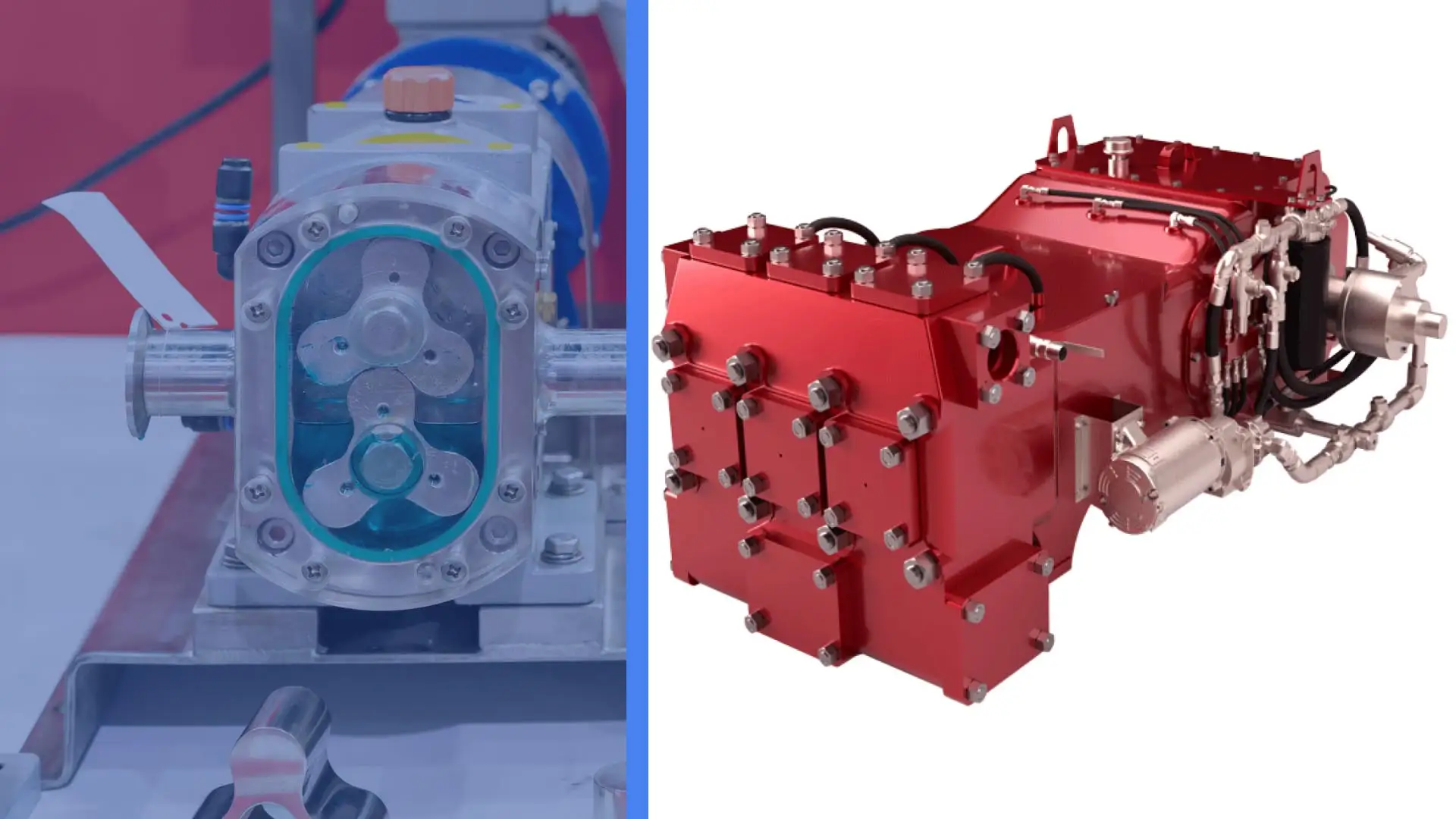
A positive displacement pump operates on a straightforward yet highly effective principle: displacing a fixed volume of fluid with each pump cycle. This mechanism is a key differentiator between positive displacement pumps and non-positive displacement pumps; unlike non-positive displacement pumps, which rely on fluid velocity and kinetic energy to move fluids, positive displacement pumps work by trapping a set amount of fluid in a pumping chamber and forcing it out through the discharge outlet. The pumping action involves a cyclic process where internal components draw fluid into the pumping chamber and then expel it, ensuring a consistent volume transfer each cycle. Positive displacement pumps work by drawing fluid into the chamber, increasing its pressure through the cyclic pumping action, and discharging it into the system. Unlike centrifugal pumps, which rely on centrifugal force generated by rotating impellers to move fluids and are best suited for low viscosity fluids, positive displacement pumps use a different mechanism that excels with a wider range of fluid types. Centrifugal pumps use centrifugal force to move fluids, while positive displacement pumps rely on the mechanical movement of internal components to draw fluid and expel it.
The engineering behind a positive displacement pump allows it to handle a variety of fluid types, including high-viscosity, abrasive, and shear-sensitive substances. These pumps excel at transferring high viscosity liquids and viscous liquids, such as oils, pastes, and syrups, making them an ideal choice for industries where precise control over fluid handling is critical. For example, in chemical processing or pharmaceutical manufacturing, the positive displacement pump can maintain consistent performance without frequent adjustments, unlike non-positive displacement pumps.
The versatility of these pumps also extends to their ability to deliver precise flow control, which is particularly valuable in applications requiring meticulous handling of fluid properties. Positive displacement pumps can maintain constant pressure even when flow conditions change, providing reliable performance in demanding scenarios. In contrast, a non-positive displacement pump may struggle with these demanding conditions, often leading to efficiency losses and inconsistent performance.
The Evolution of Positive Displacement Pumps
The history of these pumps is rich with innovation and advancements that have enhanced their efficiency and broadened their application. The earliest versions of the positive displacement pump were simple devices used for irrigation in ancient civilizations. Over time, these pumps evolved, giving rise to various rotary displacement pumps, including the rotary positive displacement pump. As pump designs developed, positive displacement pumps came to be classified into two categories or main families: rotary and reciprocating, each with distinct operational mechanisms and applications.
Early Beginnings
The pump has its origins in ancient engineering, with early examples such as the Archimedes screw being used for water lifting. Unlike the non-positive displacement pump, which relies on continuous flow dynamics, these early displacement pumps used mechanical means to trap and move water, laying the groundwork for more complex designs.
Industrial Revolution and Mechanization
The Industrial Revolution marked a significant turning point in the development of positive displacement pumps. The introduction of steam power and, later, electric motors allowed for the mechanization of these pumps, leading to the creation of more efficient and reliable positive displacement pump types. During this period, the rotary positive displacement pump emerged as a crucial innovation, capable of handling higher volumes and more viscous fluids than non-positive displacement pumps.
20th Century Innovations
The 20th century saw significant advancements in displacement pump technology, including the development of new materials and precision manufacturing techniques. These innovations led to the creation of more durable and reliable pumps that could handle an even broader range of fluids and applications. The rotary positive displacement pump became a mainstay in industries such as chemical processing and oil and gas, where its ability to handle high-viscosity fluids made it superior to non-positive displacement pumps.
Modern Era and Advanced Technologies
Today, the positive displacement pump has continued to evolve, incorporating advanced sealing technologies and materials that enhance wear resistance and fluid compatibility. The modern rotary positive displacement pump is a prime example of this evolution, offering superior performance in applications where non-positive displacement pumps may fall short. As industries continue to advance, the positive pump will undoubtedly play a central role in meeting the challenges of modern fluid handling.
Categories of Positive Displacement Pumps
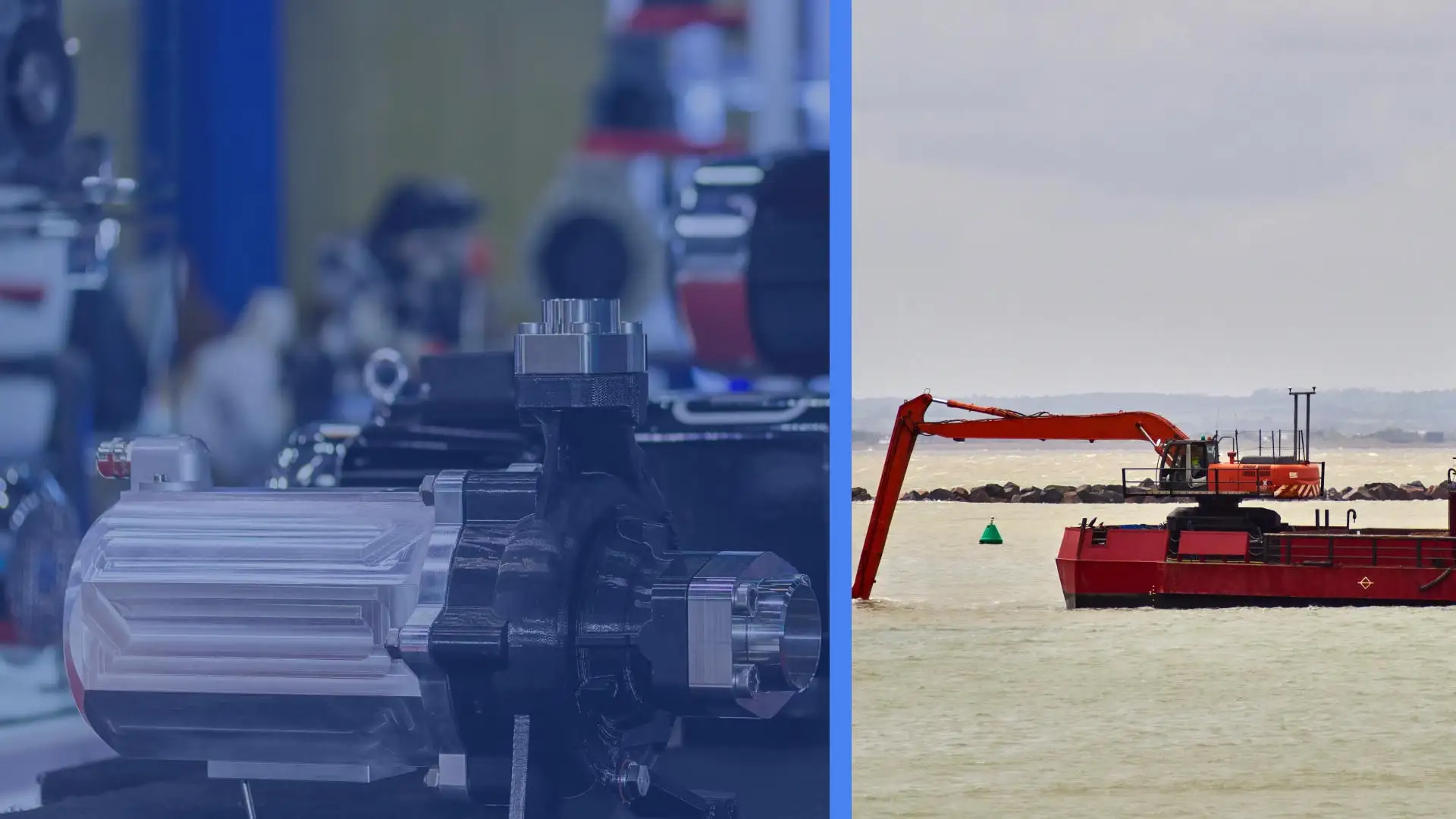
Positive displacement pumps can be categorized into three main types: rotary pumps, reciprocating positive displacement pumps, and peristaltic pumps. These are the primary types of positive displacement pumps, each utilizing different mechanisms to achieve positive displacement. Each type is designed to meet specific industrial needs and offers unique advantages over non-positive displacement pumps.
Rotary Positive Displacement Pumps
The rotary positive displacement pump uses rotating components to move fluid through the pump. Rotary pumps, as a broader category, are widely used to transfer fluid in various industries due to their ability to handle high viscosity liquids and provide precise flow control. This category includes several displacement pump types, such as gear pumps, lobe pumps, screw pumps, and vane pumps.
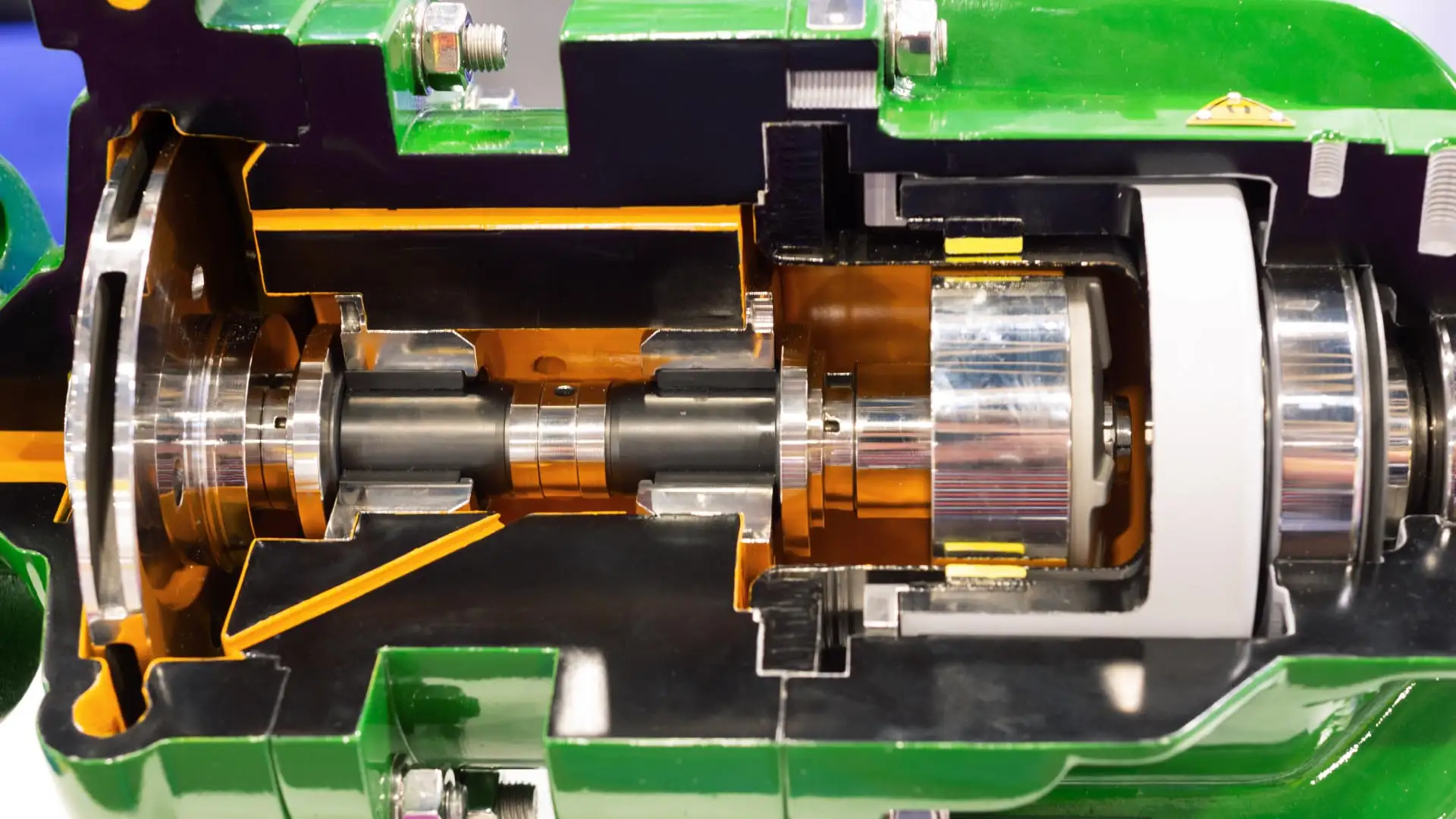
The key rotating element—such as gears, lobes, or vanes—captures and moves the fluid within the pump mechanism. The pump casing and pump housing serve as the main structural components, supporting and sealing the internal mechanisms to ensure efficient operation and pressure containment. The internal design of rotary pumps is crucial, as it directly impacts performance, maintenance complexity, and the ability to handle different fluids.
Gear Pumps
Gear pumps are a popular rotary positive displacement pump type. They consist of two interlocking gears that trap fluid and move it through the pump. The pump shaft is responsible for driving the gears, enabling fluid movement, pressure build-up, and discharge through the pump. These pumps are highly efficient at handling high-viscosity fluids, a task that non-positive displacement pumps often struggle with.
Lobe Pumps
A lobe pump is a type of rotary positive displacement pump that uses lobed rotors to move fluid. The gentle pumping action of a lobe pump allows it to handle fluids containing solid particles, reducing wear and minimizing product damage. Their design reduces wear and allows for the handling of shear-sensitive fluids, making them ideal for applications such as food and beverage processing, where non-positive displacement pumps might cause product damage.
Screw Pumps
Screw pumps, a type of rotary positive displacement pump, utilize one or more screws to move fluid. These pumps are known for their ability to handle high flow rates with minimal pulsation, making them superior to non-positive displacement pumps in applications like oil transfer and chemical processing. Screw pumps are especially effective for pumping highly viscous fluids, such as thick oils and slurries, due to their design that allows efficient transfer of such challenging materials.
Vane Pumps
Vane pumps are another rotary positive displacement pump type that uses sliding vanes to create a seal and move fluid. These pumps are versatile and can handle a range of viscosities, making them suitable for a variety of industrial applications where non-positive displacement pumps may not perform as well.
Reciprocating Pumps
A reciprocating pump, another category of positive displacement pumps, uses reciprocating motion—a back-and-forth movement—to move fluid through the pump. In a reciprocating pump, the pumping chamber is the space where the pumped fluid is drawn in during the suction stroke and expelled during the discharge stroke. Valves, including the discharge valve, play a crucial role in controlling the flow of the pumped fluid, sealing the pump head, and ensuring efficient operation without leaks. This category includes piston pumps, diaphragm pumps, and plunger pumps, each offering unique advantages over non-positive displacement pumps.
Piston Pumps
A piston pump is a type of reciprocating positive displacement pump that uses a piston moving back and forth within a cylinder to create pressure and move fluid. With each cycle, a piston pump moves a fixed amount of fluid, ensuring precise and consistent delivery. These pumps can be adjusted to deliver the required flow for specific applications, making them ideal for precise metering and handling hazardous fluids. Piston pumps are also capable of handling high pressures, a task where non-positive displacement pumps may falter.
Diaphragm Pumps
A diaphragm pump uses a flexible diaphragm to move fluid, isolating it from the pump’s moving parts. The diaphragm pump operates by means of a flexible membrane, which facilitates fluid movement while maintaining a hermetically sealed environment. This design makes diaphragm pumps ideal for handling hazardous or sensitive fluids, where a non-positive displacement pump might introduce contamination risks. Additionally, diaphragm pumps are well-suited for pumping abrasive fluids due to their robust construction and ability to handle challenging liquids.
Plunger Pumps
Plunger pumps, similar to piston pumps, use a plunger to move fluid. These pumps excel in high-pressure applications, making them a better choice than non-positive displacement pumps in certain industrial scenarios.
Peristaltic Pumps
A peristaltic pump is a unique type of positive displacement pump that uses a rotating mechanism, such as rollers or shoes, to compress and release a flexible tube, moving fluid through the pump. Peristaltic pumps create a vacuum as the tube returns to its original shape after compression, which draws fluid into the tube for effective and gentle fluid transfer. In some applications, peristaltic pumps may require pulsation dampeners to reduce flow pulsations caused by the reciprocating action, minimizing noise, vibration, and measurement inaccuracies. This design is particularly advantageous in applications requiring hygiene and contamination prevention, areas where non-positive displacement pumps may not be suitable.
How Peristaltic Pumps Work:
Peristaltic pumps operate by compressing a flexible tube with rollers or shoes, creating a seal that moves fluid through the pump. The flexible tube in this mechanism acts similarly to a flexible impeller, as it bends to form a tight seal and facilitates smooth, gentle fluid transfer. This design ensures that the fluid is completely contained within the tube, eliminating the risk of contamination, a common issue with non-positive displacement pumps.
Applications of Peristaltic Pumps:
Peristaltic pumps are commonly used in pharmaceutical manufacturing, food and beverage production, and water treatment. Their ability to handle sensitive or hazardous fluids without contamination makes them superior to non-positive displacement pumps.
They are also ideal for transferring sensitive, viscous fluids such as cosmetic products, where gentle, controlled pumping is essential to preserve product consistency and quality.

Industrial Applications of Positive Displacement Pumps
Positive displacement pumps are integral to a wide range of industrial applications, offering solutions that non-positive displacement pumps cannot match. These pumps are widely used to transfer fluids across various industries due to their accuracy and versatility. It is crucial to match the pump to the specific fluid transferred—whether viscous, shear-sensitive, or dry—to ensure optimal performance. For efficient operation, the pump must be properly integrated into the overall system, considering components like valves and control mechanisms. Selecting the right pump for each industrial application is essential to achieve reliable and safe fluid handling. Their ability to handle challenging fluids with precision and reliability makes them indispensable in industries such as oil and gas, chemical processing, pharmaceuticals, and food and beverage production.
Oil and Gas Industry
In the oil and gas industry, the positive displacement pump is essential for handling high-pressure systems and transporting viscous fluids. For example, the rotary positive displacement pump is used to transport heavy crude oil over long distances, maintaining consistent flow without significant pressure drops, a task where non-positive pumps might need help.
Positive displacement pumps are also vital in offshore drilling operations, where they inject chemicals into wells, control pressure during drilling, and manage the flow of oil and gas. Their ability to handle high pressures and viscous fluids with precision makes them invaluable tools, especially compared to non-positive displacement pumps.
Chemical Processing
Chemical processing often involves handling hazardous, corrosive, and viscous materials. Positive displacement pumps, particularly diaphragm and rotary positive pumps, are favored for their ability to safely transfer these challenging fluids while maintaining process integrity and ensuring operational safety. In contrast, non-positive displacement pumps may struggle with these materials, leading to inefficiencies and safety risks.
In chemical manufacturing, these pumps meter and transfer precise amounts of chemicals, ensuring consistent product quality and minimizing waste. Their ability to handle a wide range of viscosities and chemical compositions makes them a better choice than non-positive displacement pumps in these critical applications.
Pharmaceuticals
Precision and sterility are critical in pharmaceutical manufacturing, where even minor deviations can impact product efficacy. The pumps, especially peristaltic and rotary positive displacement pumps, are used to accurately dose liquid medications and maintain sterile conditions throughout the process. This level of precision and contamination prevention is often unattainable with non-positive displacement pumps.
In addition to dosing, positive displacement pumps are used in the production of vaccines, where their ability to handle sensitive biological materials without contamination is crucial. Their precise control over flow rates ensures that the correct amount of active ingredients is delivered in each dose, something that non-positive displacement pumps may need to achieve more effectively.
Food and Beverage
In the food and beverage industry, hygiene is paramount. These pumps, such as lobe and peristaltic pumps, are designed with smooth, easy-to-clean surfaces to prevent contamination. These pumps transfer viscous food products, such as syrups and creams, while preserving the quality and consistency of the final product. This level of hygiene and precision is often not possible with non-positive displacement pumps.
The pumps are also used in beverage production, where their ability to handle carbonation and maintain precise flow rates ensures consistent product quality. In applications such as dairy processing, these pumps transfer milk, cream, and yogurt without damaging the delicate structure of the products, something non-positive displacement pumps might struggle to achieve.
Performance Characteristics of Positive Displacement Pumps
These pumps are renowned for their ability to handle high-viscosity fluids and maintain a stable, constant flow rate under varying conditions, regardless of pressure changes. However, when dealing with low viscosity fluids, positive displacement pumps may experience slippage and leaks, making centrifugal pumps a better choice for such applications. In high-volume applications where high flow rates are required, centrifugal pumps are generally preferred over positive-displacement pumps. Ultimately, one pump can be selected or designed to meet specific operational requirements, depending on the application’s needs. These performance characteristics make them indispensable in applications requiring precise fluid control, where non-positive displacement pumps might fall short.
High-Viscosity Fluid Handling
One of this pump’s key strengths is its ability to handle high-viscosity fluids. Unlike non-positive displacement pumps, which rely on fluid velocity and can struggle with thick, sticky substances, a positive displacement pump is designed to move a set volume of fluid with each cycle, regardless of its viscosity. This makes it ideal for applications such as oil transfer, chemical processing, and food production.
Flow Rate Stability
A positive displacement pump is also known for its ability to maintain a stable flow rate under varying conditions. This is particularly important in applications where precise fluid control is required, such as chemical dosing, pharmaceutical production, and food processing. The consistent flow rate provided by these pumps ensures that products are manufactured to exact specifications, reducing waste and improving overall efficiency, a feat often not achievable by non-positive displacement pumps.
Energy Efficiency Considerations
Energy efficiency is a critical consideration in many industrial applications, particularly as industries seek to reduce their environmental impact and lower operating costs. Positive displacement pumps are often more energy-efficient than non-positive displacement pumps, particularly when operating at low flow rates or when handling high-viscosity fluids. Their ability to maintain efficiency across a wide range of operating conditions makes them an attractive option for industries looking to optimize their energy use.
Case Studies: Positive Displacement Pumps in Action
The versatility and reliability of positive displacement pumps are evidenced by their successful application across various industries, outperforming non-positive displacement pumps in many scenarios. Below are a few real-world examples:
Oil and Gas Industry
A leading oil company used rotary positive displacement pumps to transport heavy crude oil over extended distances. The pumps’ ability to handle high-viscosity fluids without significant pressure drops ensured the operation’s success, reducing downtime and lowering maintenance costs compared to non-positive displacement pumps.
Chemical Processing
In a chemical manufacturing facility, diaphragm positive displacement pumps were employed to transfer aggressive chemicals with high precision. The pumps’ design prevented leaks and contamination, ensuring the safety of the plant and its workforce, a task where non-positive displacement pumps might not have been as effective.
Pharmaceuticals
A pharmaceutical company utilized peristaltic positive displacement pumps for the accurate dosing of liquid medications. The pumps’ ability to maintain sterile conditions throughout the process was crucial in producing high-quality, safe products, something that non-positive displacement pumps might not have achieved as reliably.
These examples demonstrate the critical role these pumps play in optimizing industrial processes, improving efficiency, and ensuring product quality, often surpassing the capabilities of non-positive displacement pumps.
Maintenance and Longevity: Best Practices
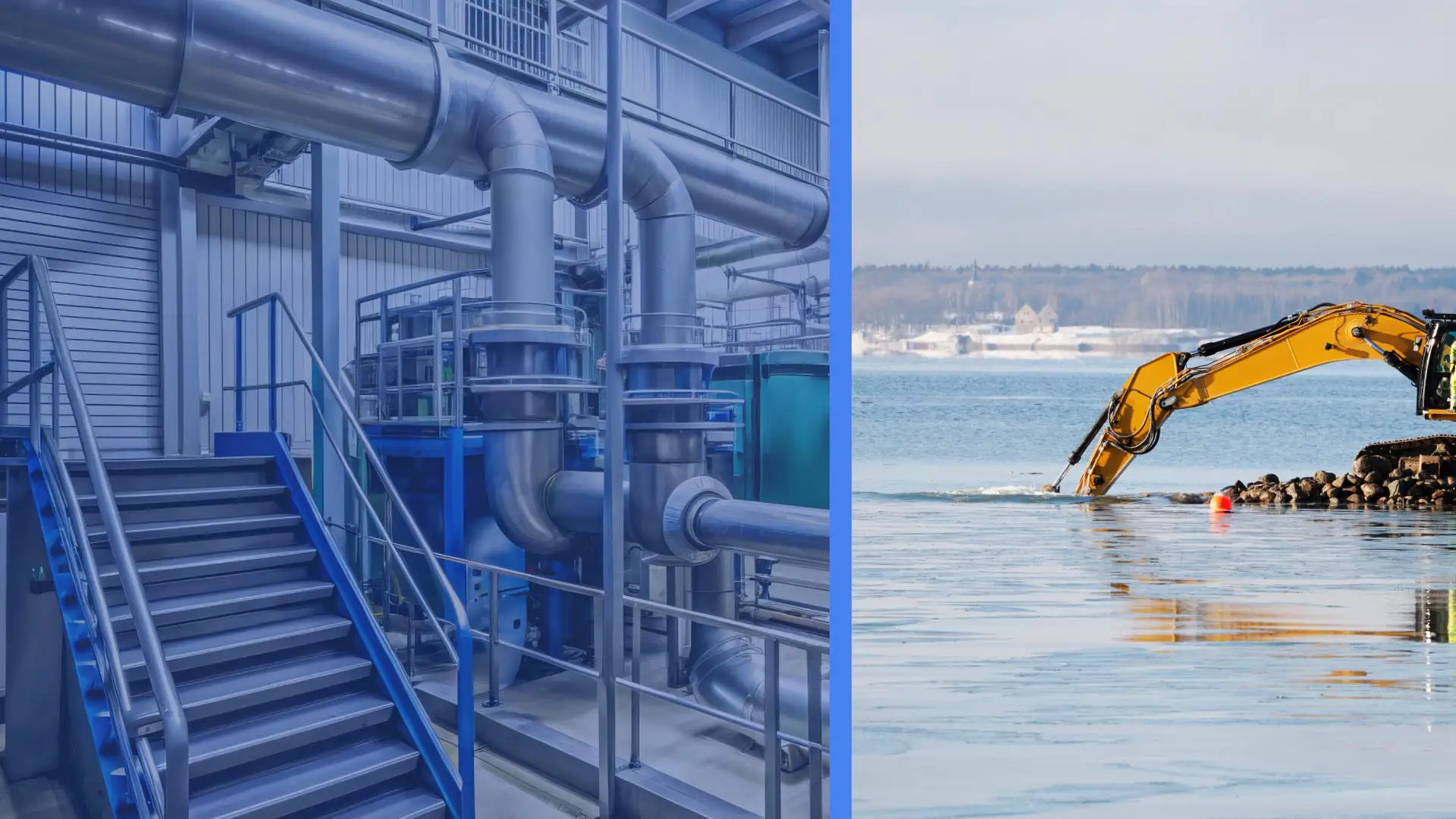
Regular maintenance is essential to ensure the long-term performance of these pumps, which, due to their robust design, often require less maintenance than non-positive displacement pumps. However, positive displacement pump maintenance presents unique challenges due to their internal design, necessitating specialized skills for servicing, regular inspection, and wear reduction, particularly when handling abrasive liquids. Routine checks should include inspecting seals, bearings, and other moving parts for signs of wear and tear. Lubricating components and replacing worn parts in a timely manner can prevent costly downtime and maintain the pump’s efficiency.
Routine Maintenance Schedules
Implementing a routine maintenance schedule is critical for the longevity and optimal performance of positive displacement pumps. Regular inspection of key components, including seals, bearings, and diaphragms, helps identify wear and potential failures before they cause significant problems. Lubrication of moving parts, where applicable, ensures smooth operation and reduces friction, which can extend the life of the pump, an advantage over non-positive displacement pumps.
Common Issues and Troubleshooting Tips
Even with regular maintenance, these pumps can encounter issues that affect their performance. Common problems include cavitation, where vapor bubbles form in the pump and cause damage and leakage, which can lead to product loss and contamination. Addressing these issues promptly is essential to prevent more severe damage and maintain the pump’s efficiency, which can be more straightforward than troubleshooting non-positive displacement pumps.
To troubleshoot these problems, operators should start by checking for proper alignment, ensuring that seals are intact, and verifying that the pump is operating within its specified parameters. In cases where cavitation is suspected, reducing the pump speed or increasing the inlet pressure may help alleviate the issue, something that might require more complex adjustments in non-positive displacement pumps.
Innovations That Reduce Maintenance Needs
Recent innovations in this pump’s design have focused on reducing maintenance requirements. For example, self-lubricating bearings and improved sealing technologies have been developed to extend the intervals between maintenance checks. These advancements not only reduce downtime but also lower the total cost of ownership, making positive displacement pumps an even more attractive option compared to non-positive displacement pumps in industrial applications.
Future Trends in Positive Displacement Pumps
Ongoing technological advancements and the increasing demand for energy efficiency and sustainability shape the future of these pumps. These pumps are expected to continue outperforming non-positive displacement pumps in many key areas, especially as they integrate smart technologies and automation.
Smart Technology and Automation
Smart technology is expected to play a pivotal role in the future of these pumps. Innovations such as remote monitoring, predictive maintenance, and real-time data analytics are becoming increasingly integrated into pump systems, allowing for proactive management and optimization of operations. These advancements enable operators to monitor pump performance in real time, identify potential issues before they become critical, and make adjustments on the fly to optimize efficiency and reduce energy consumption. This level of control and automation is often beyond the capabilities of non-positive displacement pumps.
Automation is also reducing the need for human intervention in pump operations, leading to more consistent performance and fewer operational errors. As industries prioritize sustainability, the next generation of these pumps is likely to feature enhanced energy efficiency, reduced environmental impact, and greater adaptability to various industrial applications, further distancing them from non-positive displacement pumps.
Sustainability and Energy Efficiency
Sustainability will also be a driving force in the development of positive displacement pumps. Manufacturers are focusing on creating pumps that are not only energy-efficient but also designed with environmentally friendly materials and processes. This trend aligns with the broader industrial shift towards reducing carbon footprints and improving overall sustainability.
The development of more efficient drive systems, such as variable frequency drives (VFDs), is one example of how manufacturers are improving the energy efficiency of these pumps. VFDs allow pumps to operate at variable speeds, adjusting the flow rate to match the process’s needs, thereby reducing energy consumption. This feature is often less effective in non-positive-displacement pumps.
Advanced Materials and Manufacturing Techniques
Another trend shaping the future of positive displacement pumps is the use of advanced materials and manufacturing techniques. New materials, such as advanced ceramics and composites, offer improved wear resistance, chemical compatibility, and temperature tolerance, extending the life of pumps and reducing maintenance needs, areas where non-positive displacement pumps may not compete as effectively.
As these trends continue to develop, these pumps will become even more versatile and reliable. They will meet the evolving needs of modern industry and contribute to more sustainable, efficient operations, setting them apart from non-positive displacement pumps.

Conclusion
The positive displacement pump remains a cornerstone of modern industry, offering unmatched precision, reliability, and versatility compared to non-positive displacement pumps. Their engineering principles, which have evolved over centuries, have made them indispensable in various sectors, from oil and gas to pharmaceuticals. As technological advancements continue to shape the future of fluid handling, these pumps are poised to play a crucial role in driving industrial efficiency, sustainability, and innovation.
If you want to improve your operations, you should consider the latest positive displacement pump technology. Then you will be ready for today’s challenges and tomorrow’s demands and stay ahead of the curve in an ever changing industrial landscape where non-positive displacement pumps won’t cut it.
Frequently Asked Questions
1. What types of industries commonly benefit from positive displacement pumps?
Positive displacement pumps are widely used in sectors that handle thick, viscous, or shear-sensitive materials. Industries such as wastewater treatment, food processing, oil and gas, mining, and chemical production rely on them because these pumps deliver consistent flow rates even when fluid conditions or pressure change.
2. How do positive displacement pumps support energy efficiency in industrial systems?
These pumps maintain a steady flow and operate efficiently under varying pressures, reducing the energy wasted through turbulence and recirculation. When paired with modern variable-speed drives, they help lower operational energy costs by matching pump output to process demand.
3. Are positive displacement pumps difficult to maintain?
Maintenance is typically straightforward but depends on the pump design. Routine inspection of seals, valves, and internal surfaces is essential to prevent leaks or wear. Many modern models are designed with quick-access components, which simplifies upkeep and minimizes downtime.
4. What safety measures should be in place when operating positive displacement pumps?
Because these pumps continue building pressure even when discharge lines are blocked, having a relief or bypass valve is critical. Operators should also ensure proper alignment, stable mounting, and adherence to start-up/shutdown protocols to avoid system overpressure and mechanical stress.
5. How does a positive displacement pump contribute to process reliability?
Their ability to deliver a consistent flow regardless of pressure variations makes them ideal for applications requiring precise dosing or transfer. This reliability improves overall process control, reduces material waste, and enhances long-term operational stability in continuous or batch operations.