This Article Includes
- Geotextile Tubes
- Role of Stingers in Geotextile Tube
- Geotextile Tube Dewatering Process
- Flocculents
- Applications of Chemical Pumps

Geotextile Tubes: A Cost-Effective Solution for Dewatering
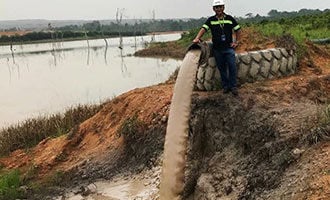
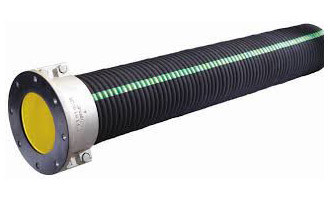
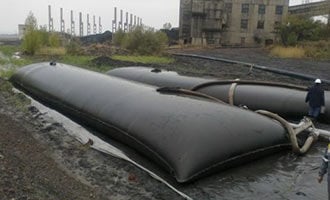
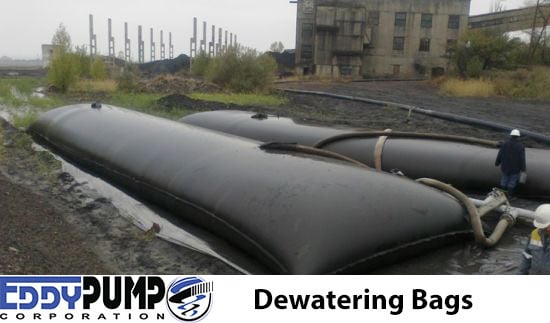
Geotextile Tubes, or containers made of interwoven high strength fabric, are used in many dewatering applications to separate solids from water in a solid-laden slurry. The bag’s interwoven holes allow water to pass through, leaving the solids behind for later removal. They are particularly effective for contaminated sediments dewatering and shoreline erosion control because they can be filled then stored indefinitely. It is a cost-effective means of dewatering, as no electricity is required.
Geotextile tubes can be fabricated to any desired length and varying widths. This is useful for sites that are not perfectly square. You can have geotextile tubes perfectly made to fit the area you are using to dewater.
Role of Stingers in Geotextile Tube Dewatering
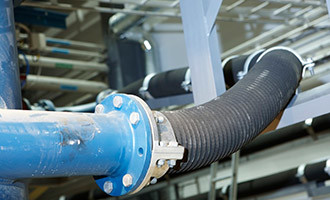
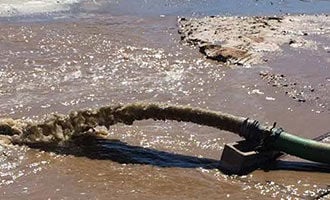
The pipe that goes into the geotextile tube is called typically called the stinger. Priming the tubes is used to encourage the release of water, usually by walking on the tube. You fill the tube 3-4 feet high with slurry then allow it to decant, you do that over and over again until the geotextile bag has become full of sediments, ready for disposal.
When sufficient material consolidation is achieved, the dewatered material is excavated and disposed of. Alternatively, geotextile tubes can be filled in a landfill and ultimately capped in place.
Call for sales or support
If you need assistance with pump selection, sales or engineering support, call 619-404-1916.
Geotextile Tube Dewatering Process
- Dredge slurry or contaminants are pumped to a land-based dewatering bag
- The dredged material is conditioned with additives that help separate solid particles from the water
- GeoTextile tubes are filled with conditioned dredge slurry, releasing water & retaining solids.
- When sufficient material consolidation is achieved, dewatered material is excavated and disposed of.
Geotextile Bags for Chemical Waste or Toxic Material
Geotextile bags can be useful for the disposal of hazardous materials. In most cases, the dredged slurry flow and percent solids are measured with a density meter. Having a precise flow and solids content measurements are highly important to the chemical feed system. The chemical feed system is paced based on target dose, and the measured flow and density of the dredge slurry. Polymers can be added to the sediment and when mixed they bind together in larger particles for better containment. As the solution settles water is freed from sediments and the water flows out of the GeoTextile tube while the sediments settle to the bottom for removal.
Flocculents
The flocculated slurry mixture flows into the geotextile tube. As the tube fills, the pores in the fabric open to allow water to escape. Solids collect inside and consolidate over time. The pores in the fabric can be encouraged to open by physical action on the outer surface of the tube by sweeping, slapping, vibrating and even a good rain can stimulate water release.
Applications of Chemical Pumps in Diverse Industries
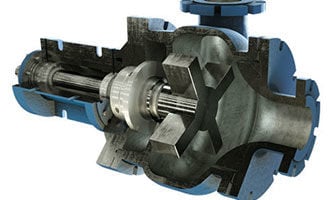
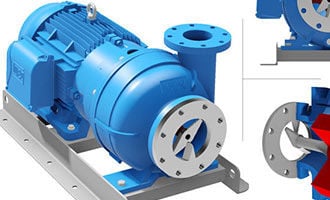
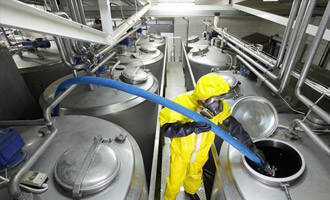
With chemical processing, highly corrosive chemicals are often employed to aid in the manufacturing process, however, this material quickly wears down standard pump components. Consequently, the pumps used for chemical applications need to withstand materials that are highly corrosive, abrasive, and viscous. This usually means that the top chemical pumps are made out of alloy metals such as nickel, steel or titanium. In addition, chemical pumps often need to be leak-free, preventing the potential to spread of toxic or caustic chemicals into the environment. Chemical pumps have vast applications in many different industries ranging from oil and gas, paper/pulp production, semiconductors, and manufacturing.
Corrosion vs. Abrasion: Identifying Different Types of Pump Damage
The damage caused by corrosion can often be confused with damage caused by abrasion but can be identified if known what to look for. With corrosion, the wear and pitting patterns are evenly distributed across the pump. Abrasion, however, causes uneven wear that follows the mechanics of the pump, or where the material flows. If pumping both a corrosive and abrasive slurry, both types of wear can be seen on the pump and extra care should be taken to ensure the longevity of the pump.
Call for sales or support
If you need assistance with pump selection, sales or engineering support, call 619-404-1916.
We Pump Solids
Not Water
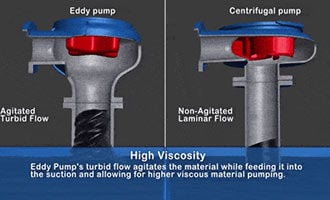
See The EDDY Pump Benefits When Compared to a Centrifugal Pump
HD (Heavy Duty) Slurry Pumps / Dredge Equipment
Other EDDY Pump Products
ARTICLES
Popular Slurry Pump & Dredging Articles