Floods are among the most destructive natural disasters, capable of causing extensive damage to homes, infrastructure, and natural landscapes. Effective flood management is crucial for protecting communities, minimizing property damage, and reducing risks to human health and safety. A critical component of any flood response strategy is the use of a water removal pump designed specifically to quickly and efficiently remove excess water from flood-affected areas.
A water removal pump serves as an essential tool for flood management, helping to prevent damage, ensure safety, and enable faster recovery. In this article, we will explore the primary benefits of using a pump to remove water in flood scenarios and how they contribute to comprehensive flood management efforts.
The Growing Need for Effective Flood Management Solutions
With climate change leading to an increase in severe weather events, floods are becoming more frequent and intense worldwide. Flooding can cause significant damage to infrastructure, homes, and ecosystems, often requiring costly and lengthy repairs. As a result, the need for efficient and reliable flood management solutions is more pressing than ever.
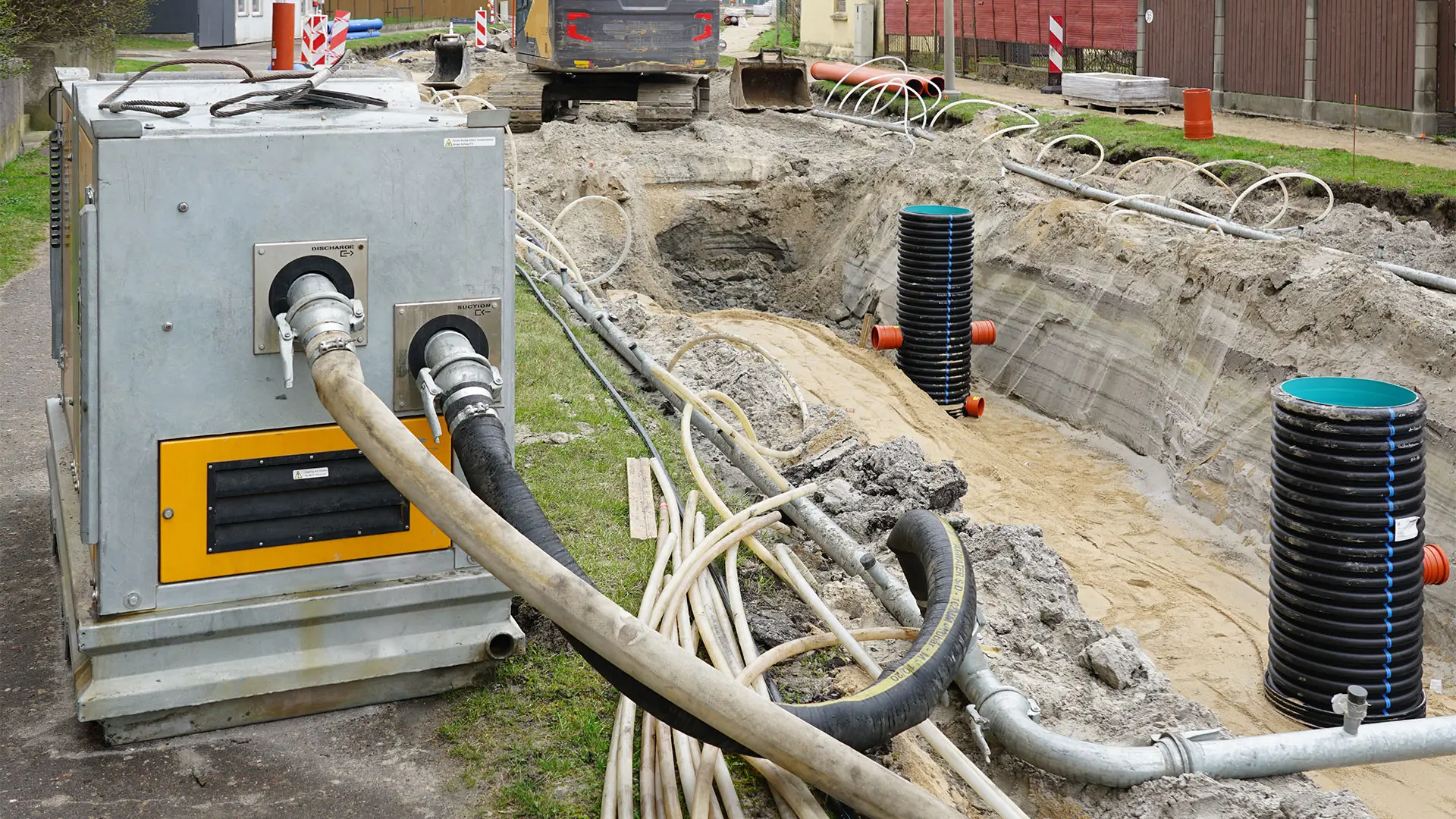
Quick water removal is essential to minimizing flood damage. Excess water left standing can lead to structural deterioration, mold growth, and contamination, all of which exacerbate the impact of floods. A water removal pump offers a quick and effective way to remove water, making it an invaluable asset in both urban and rural flood-prone areas. A pump for removing water is essential in these situations to provide rapid relief.
What is a Water Removal Pump?
A water removal pump, also known as a dewatering pump, is a device specifically designed to remove water from flooded or waterlogged areas. There are various types of water removal pumps, each suited to specific applications and flood conditions:
- Submersible Pumps: These are fully submerged in water, making them ideal for removing standing water in deep areas like basements.
- Sump Pumps: Often used in basements, sump pumps collect and pump out water from pits or sump basins to prevent basement flooding.
- Trash Pumps: These heavy-duty pumps can handle water containing debris, such as mud, leaves, and small solids, making them suitable for larger flood areas.
A pump for removing water operates by drawing in floodwater and directing it away from affected areas, either to a drainage system or a safer location. Their high efficiency in flood management applications makes them crucial for reducing flood-related damage.
Top Benefits of Using a Water Removal Pump for Flood Management
A. Rapid Water Extraction
One of the primary benefits of a removal water pump is its ability to extract water quickly. By promptly lowering water levels in flood-prone areas, these pumps protect buildings, roads, and properties from prolonged exposure to water. Faster water removal can be the difference between minor repairs and extensive restoration, making these pumps invaluable for disaster response teams and property owners alike.
B. Prevention of Structural Damage
Water can be particularly destructive to a building’s structural integrity if it seeps into foundations, walls, or flooring. A pump to remove water helps prevent water from compromising a building’s foundation and structural elements by rapidly evacuating water. By keeping structural damage to a minimum, the removal of water pumps ensures that properties remain safe and stable, even after a flood.
C. Protection of Health and Safety
Floodwater is often contaminated with harmful substances, including bacteria, chemicals, and other pollutants. Standing water also creates an ideal environment for mold and bacteria growth, which can pose serious health risks. By using a pump for removing water to dry out areas quickly, homeowners and responders can reduce the risk of mold and bacterial contamination, helping to maintain a healthier, safer environment.
D. Minimizing Property Damage and Costs
The faster water is removed from a flooded area, the less damage it will cause to furniture, appliances, personal belongings, and interior materials like drywall and insulation. By swiftly clearing out floodwater, a pump to remove water can significantly reduce repair and replacement costs. For flood-affected businesses, this also means a quicker return to normal operations, preventing prolonged downtime and revenue loss.
E. Adaptability for Different Environments
Water removal pumps are designed to handle a range of flood scenarios and environments. They are versatile tools that can be used in urban settings, rural areas, residential properties, and commercial spaces. With different types of pumps available, users can select the most suitable pump for removing water based on flood severity, water volume, and area size, ensuring an adaptable solution for various flood management needs.
F. Energy Efficiency and Reliability
Modern water removal pumps are engineered to be energy-efficient, making them cost-effective for long-term use. Advanced technology ensures that these pumps use less power while still providing high-performance water extraction. Furthermore, a water removal pump is built to be reliable, even during prolonged flood events, providing consistent water removal without frequent maintenance or repairs.
G. Easy Setup and Portability
Water removal pumps are generally easy to set up and are available in portable models, which can be deployed quickly in emergencies. Their portability is a major advantage for flood management teams, allowing them to respond swiftly to waterlogging or flooding in various locations. This mobility enables property owners and first responders to move pumps as needed, addressing floodwater wherever it accumulates.

How to Choose the Right Water Removal Pump for Flood Management
Choosing the right water removal pump depends on several factors, including the size of the area, the volume of water, and the type of flood. Key considerations when selecting a pump to remove water include:
- Capacity: The pump’s capacity should match the volume of water it needs to handle. Larger pumps with higher capacity are ideal for extensive flooding, while smaller pumps may suffice for moderate water levels.
- Pump Type: Consider the specific conditions (debris, depth, water volume) and select the appropriate type, such as submersible, sump, or trash pump.
- Energy Efficiency: Look for pumps that offer energy efficiency, particularly if the pump will be used for long periods.
- Durability: Durability is essential, especially for pumps used in challenging conditions. Choose a pump for removing water that is designed for long-lasting performance to avoid frequent replacements.
By taking these factors into account, users can select a water removal pump that aligns with their specific flood management requirements, maximizing both efficiency and effectiveness.

Conclusion
A water removal pump is an essential tool for flood management, offering a wide range of benefits that help protect properties, reduce health risks, and minimize costs. From rapid water extraction to safeguarding structural integrity, these pumps play a vital role in mitigating the impact of floods and aiding in faster recovery. By using a pump to remove water, homeowners and businesses can prevent extensive damage and secure their environments against future flooding threats.
As the frequency and severity of flooding continue to increase, investing in a pump to remove water can be a proactive step toward better flood preparedness. Whether for residential or commercial use, a water removal pump or a pump to remove water offers peace of mind, knowing that when floods strike, you have a reliable solution to minimize damage and protect your property. In flood-prone areas, having a pump to remove water readily available ensures that you are well-prepared for sudden flood events, enabling quicker recovery and less long-term damage.