

An electric submersible pump (ESP) plays a vital role in industrial, municipal, and agricultural applications, offering reliable solutions for water management, dewatering, and fluid transfer. These pumps are indispensable for their ability to operate efficiently in diverse environments where solids may be present, from irrigation systems to wastewater treatment plants. They are designed to operate efficiently even in harsh environments. However, the key to ensuring optimal performance and extended lifespan with an ESP system lies in proper maintenance. Neglecting routine care can lead to costly repairs, operational downtime, and reduced efficiency for any ESP system.
In this article, we’ll explore the basics of electric submersible pumps, highlight the importance of maintenance, and share practical tips for keeping your pumps in top condition. Whether you’re managing an electric submersible water pump with a VSD automated with downhole data, or using it in harsh industrial settings or agricultural fields, these guidelines will help you maintain efficiency and longevity of the unit.

Understanding the Basics of Electric Submersible Pumps
What Are Electric Submersible Pumps?
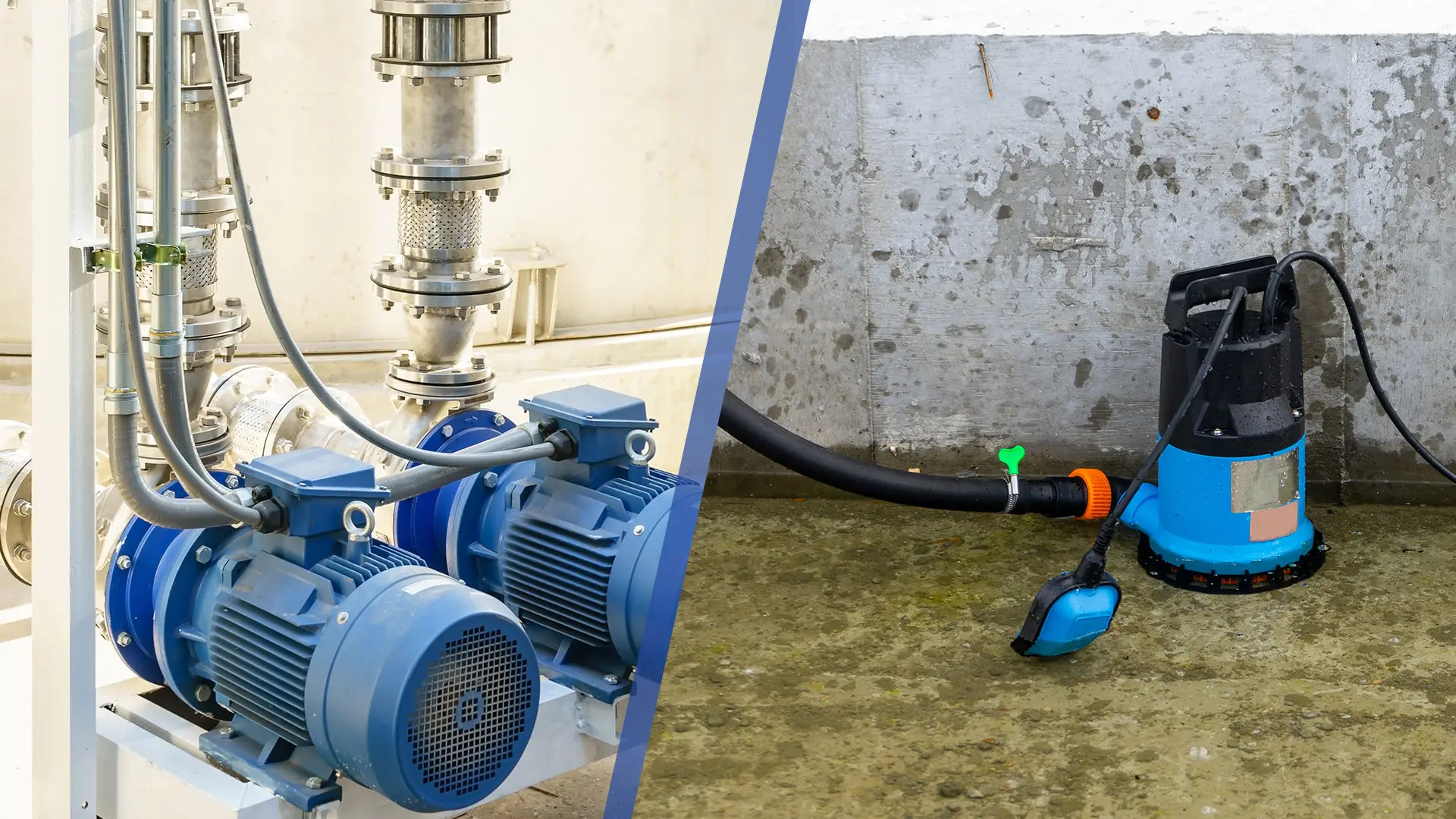
An electric submersible pump is a compact, versatile device designed to operate underwater, making it ideal for applications where fluid needs to be transported from below ground level. Its design and functionality make it a preferred choice across multiple industries.
Key Components of ESPs
-
Motor: Powers the pump for continuous operation.
-
Impellers: Rotating blades that create the force to move fluids.
-
Seals and Bearings: Prevent leakage and ensure smooth performance.
-
Cables and Electrical Connections: Deliver the power needed for functionality.
-
Casing: Encloses the motor and pump elements, protecting them from the liquid being pumped and enabling the pump's operation while fully submerged.
Common Applications
-
Industrial: Dewatering construction sites or mines.
-
Municipal: Handling wastewater and stormwater.
-
Agricultural: Irrigating crops and draining flooded fields with an electric submersible water pump.
-
Residential: Utilizing well pumps for efficiently moving water from underground sources, such as water wells.
The Importance of Regular Maintenance
Impact on Efficiency and Lifespan
Routine maintenance ensures that an electric submersible pump operates at its peak efficiency, maximizing production and increasing run life, which reduces energy consumption and prevents premature wear and tear.
Cost Savings
Preventive maintenance for electric submersible pumps is far less expensive than addressing failures after they occur. A well-maintained pump reduces downtime, which can be critical in industries requiring uninterrupted operation.
Risks of Neglect
Ignoring maintenance can result in:
-
Clogged inlets reduce flow.
-
Electrical faults causing motor failure.
-
Damage to seals and bearings, leading to leaks.
Neglecting maintenance can also negatively impact production performance, reducing the efficiency of oil extraction and overall productivity.
Daily and Weekly Maintenance Tips
Power Supply Checks
Monitor for fluctuations or abnormalities in voltage, as these can damage the motor of your electric submersible pump.
Performance Monitoring
Track flow rate, pressure, liquid levels, and energy consumption. Any significant deviations in your electric submersible water pump performance may signal a problem.
Visual Inspections
Inspect for unusual vibrations, noise, or overheating. Addressing these issues early can prevent larger problems.
Debris Removal
Clean the pump inlets regularly to prevent clogging, especially in environments with high sediment levels.
Monthly Maintenance Best Practices
Electrical Connections
Inspect and clean connections to prevent corrosion, which can lead to power interruptions.
Seal and Gasket Integrity
Examine seals and replace any worn-out components to avoid leaks in your electric submersible pump.
Insulation Resistance Testing
Regularly test the motor insulation to ensure it’s functioning correctly.
Coating Verification
Ensure the pump’s protective coatings remain intact, especially if operating in corrosive environments.
Seasonal and Annual Maintenance Guidelines
Deep Cleaning
Remove scaling, sediment, or any buildup that can hinder your electric submersible pump performance.
Critical Component Replacement
Replace worn bearings, seals, or impellers to avoid unexpected breakdowns.
Full Motor Testing
Conduct efficiency tests to identify any underlying issues with the electric submersible pumps.
Alignment and Calibration
Review pump alignment and recalibrate sensors and controllers to maintain accurate performance.
Troubleshooting Common Issues
Even with routine maintenance, issues may arise. Here’s how to address some common ones:
Low Flow Rates or Pressure Drops
Check for clogs or impeller wear, which can reduce your electric submersible pump performance. Issues with centrifugal pumps can lead to low flow rates or pressure drops, as these pumps are crucial for drawing and pressurizing fluids in various systems.
Unusual Noise or Vibrations
Inspect for loose components or misalignment.
Motor Overheating
Verify proper voltage levels and ensure adequate cooling mechanisms are in place.
When to Call a Professional
For persistent or complex problems with your electric submersible water pump, consult an expert to prevent further damage.
Advanced Maintenance Tips for Harsh Conditions
High-Temperature or Corrosive Environments
Consider using specialized materials and coatings for your electric submersible pumps to withstand extreme conditions. Additionally, in high-temperature or corrosive environments, the importance of gas separation cannot be overstated, as it enhances the efficiency and longevity of the pump systems.
Additional Filtration Systems
Install filters to protect the pump from abrasive particles or debris in the fluid.
Preventive Measures
Utilize real-time monitoring systems to track pump health and performance.
Best Practices for Optimizing Efficiency
Energy Monitoring
Install Variable Frequency Drives (VFDs) to regulate energy use based on operational demands for your electric submersible pump.
Proper Pump Sizing
Ensure the electric submersible water pump is appropriately sized for its application to prevent overloading or inefficiency.
Maintenance Logs
Keep detailed records of all maintenance activities, repairs, and replacements to track performance trends over time.
Signs It’s Time for a Replacement
While maintenance extends the lifespan of electric submersible pumps, there comes a point when replacement is more cost-effective. Look for these signs:
- Frequent breakdowns despite regular maintenance.
- Persistent inefficiency leads to increased energy costs.
- Irreparable damage to critical components.
Upgrading to modern electric submersible pump models can improve efficiency and reliability, providing long-term savings.
Conclusion
An electric submersible pump is a vital asset across many industries, but its efficiency and lifespan heavily depend on proper maintenance. By following these tips—daily inspections, monthly checks, and seasonal overhauls—you can ensure your electric submersible water pump operates at peak performance while avoiding costly repairs and downtime.
Take a proactive approach to maintenance today. Consult an expert or schedule a professional service to keep your electric submersible pumps running smoothly for years to come!