
Skid-Mounted Booster Pump
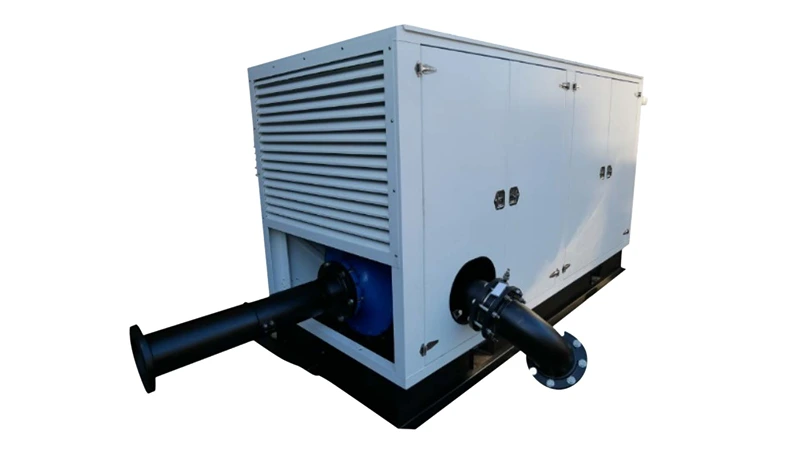
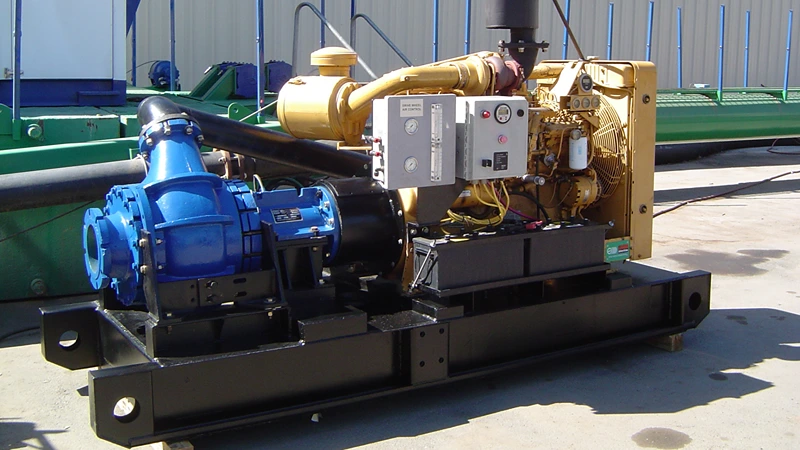
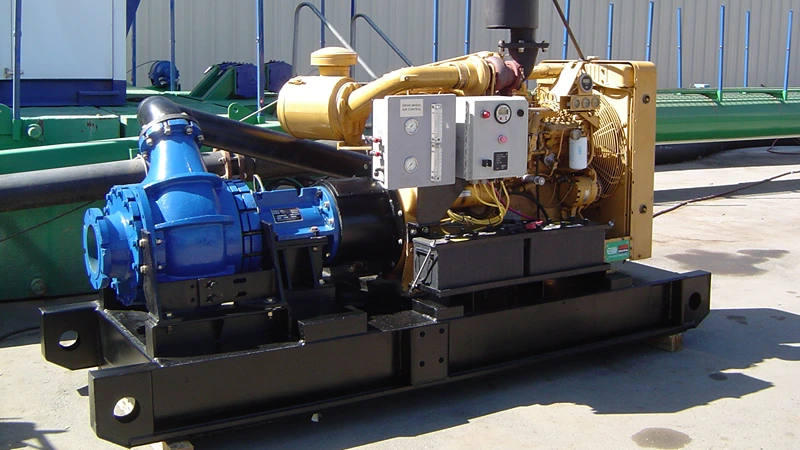
Skid-mounted booster pumps are engineered to extend pipeline reach and maintain consistent slurry velocity across long distances. Built for dredging, mining, and high-solids transfer, this platform scales from 4-inch to 12-inch configurations with diesel power from 150 to 700 HP. Flow capacities range from 250 to 7,300 GPM, with head performance up to 240 feet and solids handling up to 11 inches. Designed for horizontal or vertical deployment, each unit integrates non-clog pump geometry, heavy-duty wear materials, and sealed bearing systems for continuous operation in abrasive, high-density environments. This is a modular booster solution for real-world production pipelines.
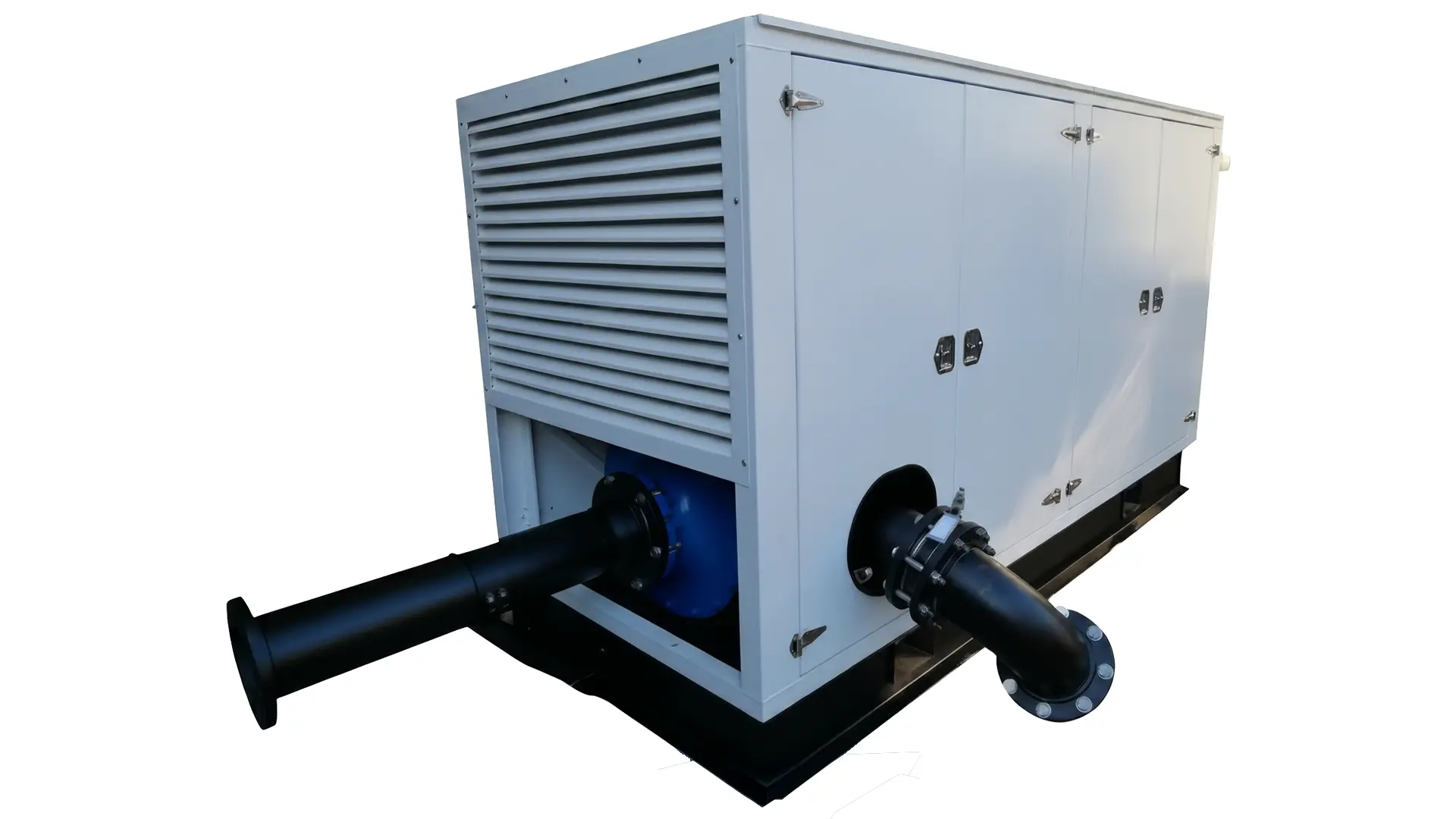
Built for Demanding Slurry Transport
- Non-clog pump geometry keeps slurry moving even at high solids concentrations, reducing the risk of blockages when pumping sand, tailings, clay, and mixed debris. This allows operators to maintain steady production without frequent shutdowns for cleaning or inspection.
- A scalable platform from 4-inch to 12-inch configurations makes system design straightforward across project sizes. Whether supporting a small dredge line or a high-volume production pipeline, the same booster architecture adapts without custom fabrication.
- High head capability enables long pipeline runs, elevation changes, and multi-stage dredging layouts. These units maintain slurry velocity over distance, preventing settling in the line and protecting overall system efficiency.
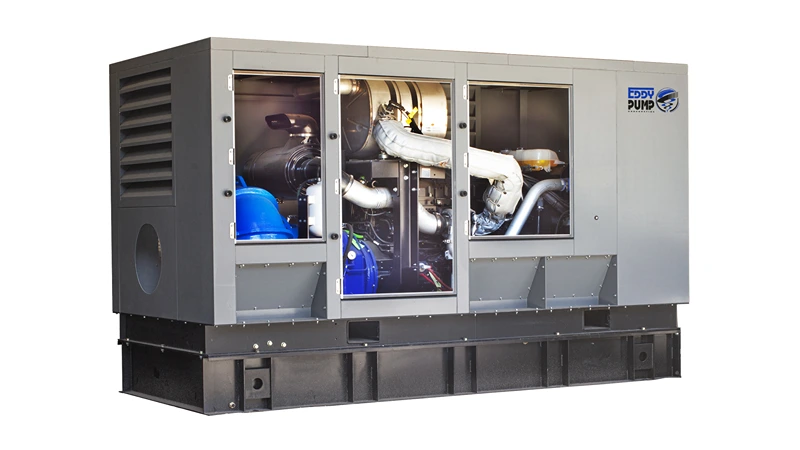
- Heavy-duty wear components in high chrome and stainless alloys are engineered for abrasive environments. This extends service life in sand, gravel, and mining applications while lowering rebuild frequency and total operating cost.
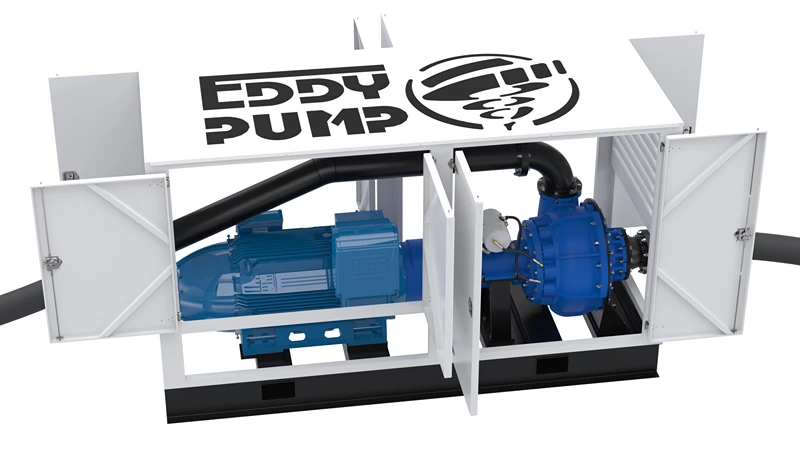
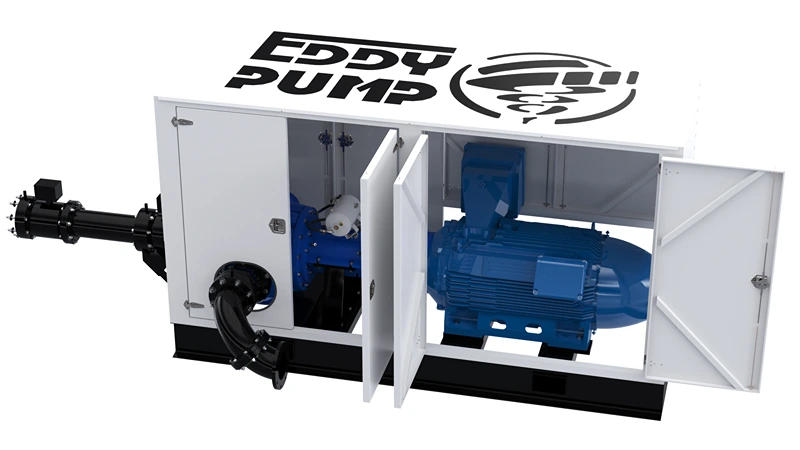
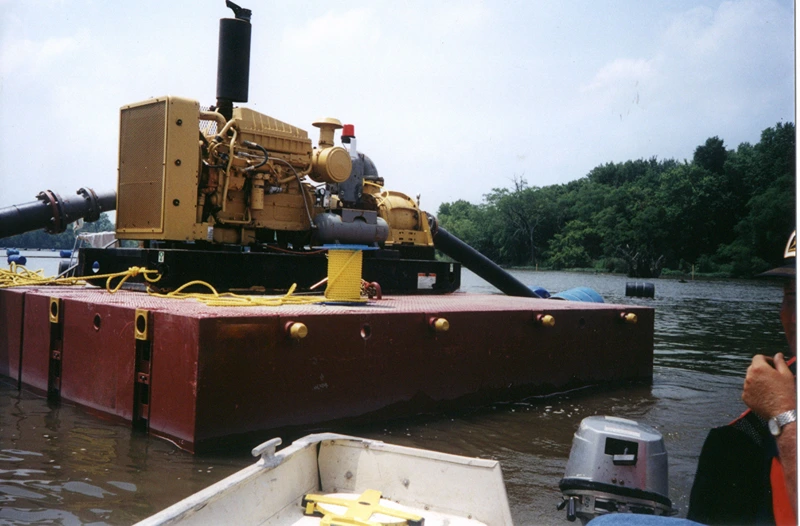
- Horizontal or vertical deployment options simplify integration on dredge decks, shore-based stations, or confined sites. This flexibility allows installers to fit the booster into real-world layouts without reworking infrastructure.
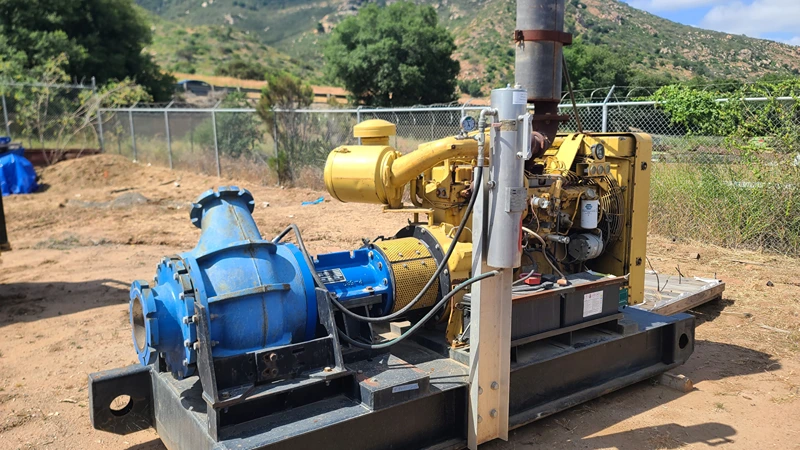
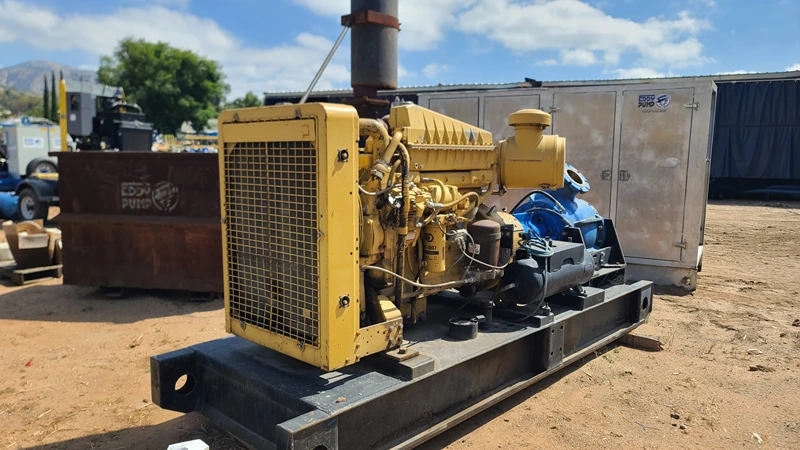
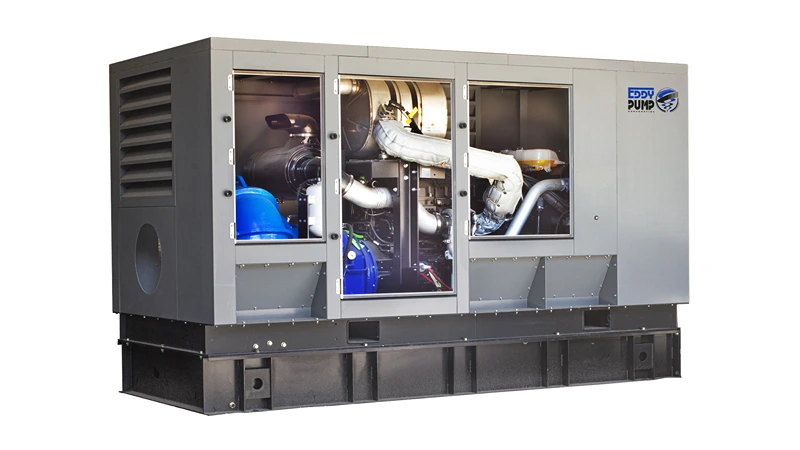
- Diesel-powered, skid-mounted construction supports rapid deployment in remote or off-grid locations. Crews can mobilize quickly and maintain production without relying on site power or permanent foundations.
- Built for continuous-duty operation, these boosters are designed to run for extended cycles under heavy load, improving uptime and reducing the cost per yard moved across long-term dredging and slurry transport projects.
Gallery
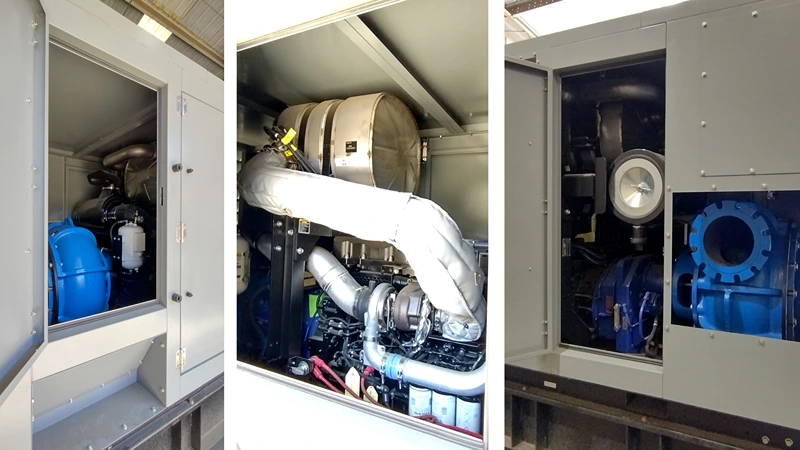
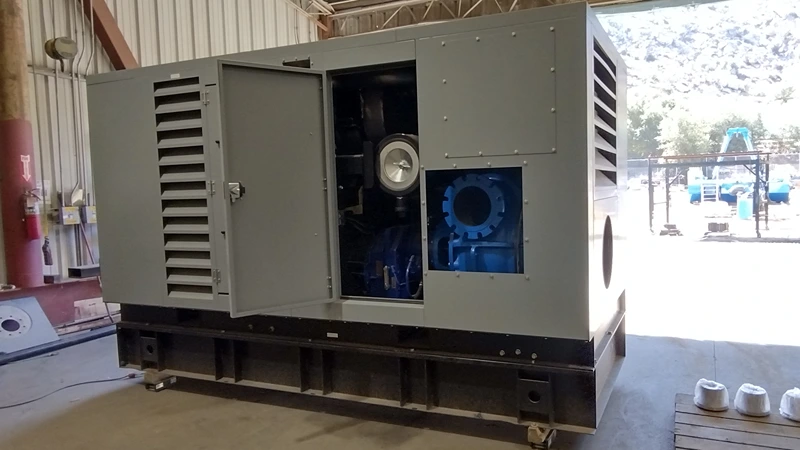
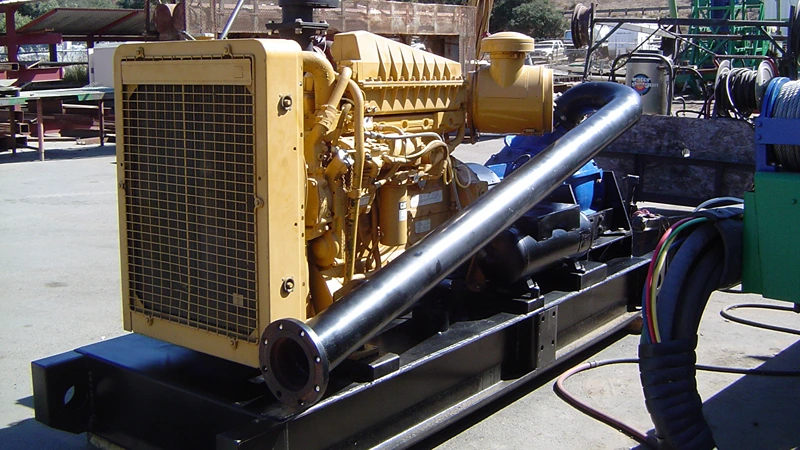
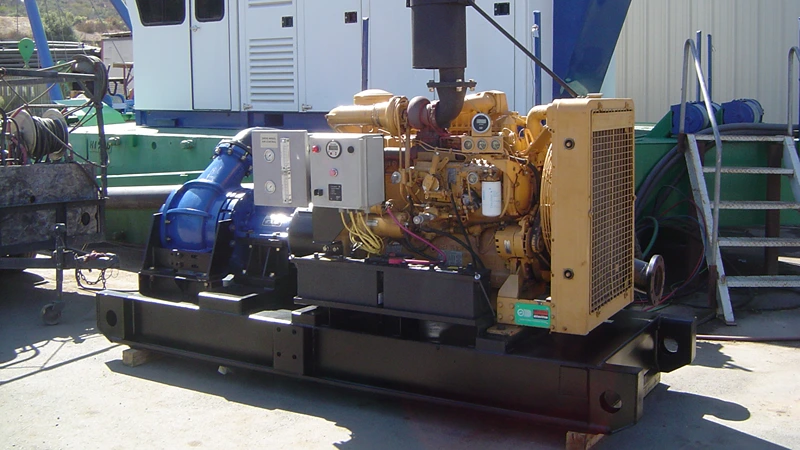
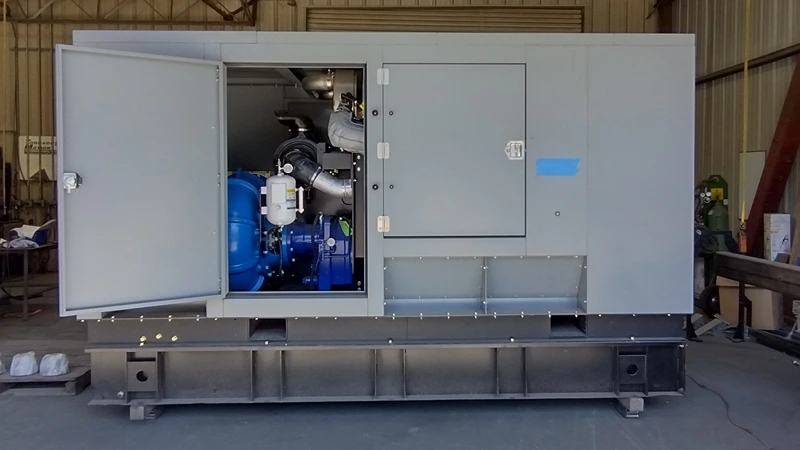
Skid-Mounted Booster Pump Image Gallery
Technical Specifications
Performance Specifications
- Flow Range: 250 to 7,300 GPM
- Head Range: 160 to 240 ft (by model)
- Solids Handling: Up to 3 to 11 inches
- Percent Solids by Weight: Up to 70%
- Production Rate: 75 to 600 yd³/hr
- Motor Speed: 900 to 1,800 RPM

Physical Specifications
- Discharge Size: 4-inch to 12-inch
- Suction Size: 6-inch to 14-inch
- Pump Orientation: Can be deployed horizontally or vertically
Material Construction
- Rotor: High Chrome 28%, Ductile Iron, Stainless Steel, Duplex Stainless
- Volute Casing: High Chrome 28%, Ductile Iron, Stainless Steel, Duplex Stainless
- Shaft: Chromoly or Stainless Steel
- Mechanical Seal: Dual Tungsten Carbide or Silicon Carbide with self-contained seal flushing system
- Bearing Housing: Ductile Iron or Stainless Steel
| Model | HP | Download Spec Sheet |
|---|---|---|
| 4-Inch Diesel Booster Pump | 150 HP | Download  |
| 6-Inch Diesel Booster Pump | 325 HP | Download |
| 8-Inch Diesel Booster Pump | 550 HP | Download |
| 10-Inch Diesel Booster Pump | 550 HP | Download |
| 12-Inch Diesel Booster Pump | 700 HP | Download |
Booster Pump Diesel-Powered Models Comparison
| Specification | HDX 4000 | HDX 6000 | HDX 8000 | HDX 10000 | HDX 12000 |
|---|---|---|---|---|---|
| Engine Power | 150 HP | 325 HP | 550 HP | 550 HP | 700 HP |
| Discharge Size | 4 in | 6 in | 8 in | 10 in | 12 in |
| Suction Size | 6 in | 8 in | 10 in | 12 in | 14 in |
| Min Flow (GPM) | 250 | 450 | 1,400 | 1,600 | 2,600 |
| Max Flow (GPM) | 1,200 | 2,500 | 3,600 | 5,000 | 7,300 |
| Head Range (ft) | Up to 160 | Up to 200 | Up to 230 | Up to 240 | Up to 180 |
| Max Solids Size | Up to 3 in | Up to 5 in | Up to 7 in | Up to 9 in | Up to 11 in |
| Motor Speed (RPM) | 1,800 | 1,800 | 1,200 | 1,200 | 900 |
| Production Rate | 75–150 yd³/hr | 150–200 yd³/hr | 250–300 yd³/hr | 300–350 yd³/hr | 500–600 yd³/hr |
| Download Spec Sheet | Download |
Download |
Download |
Download |
Download |
Selection note: Final pump selection should be based on the full duty point, including slurry density, total dynamic head, discharge distance, pipe size, elevation change, solids size, abrasiveness, available power source, and duty cycle.
Where Skid-Mounted Booster Pumps Perform

Mining and Mineral Processing
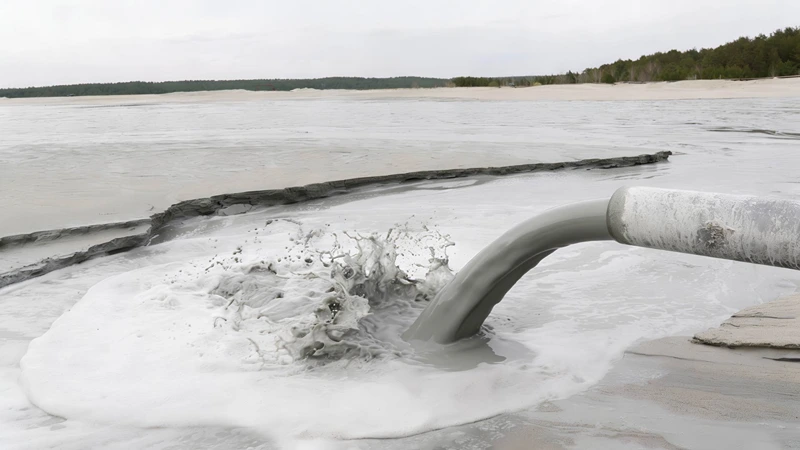
In mining operations, booster pumps extend slurry pipelines across pits, tailings areas, and processing zones. They maintain velocity in abrasive, high-density material streams, preventing settling and enabling continuous transport of ore slurry, tailings, and process waste over long distances.
Dredging and Marine Construction
Dredging projects rely on boosters to move sediment from cutterheads to distant discharge zones. These pumps support long pipeline runs, elevation changes, and multi-stage layouts, keeping sand, silt, and debris flowing efficiently during port deepening, channel maintenance, and land reclamation.

Sand and Aggregate
Aggregate producers use booster pumps to move sand-and-gravel slurry from extraction points to stockpiles or processing areas. High solids handling and wear-resistant construction allow continuous operation in highly abrasive material streams without frequent downtime.

Oil and Gas
In oilfield environments, these pumps handle drilling mud, produced water, and waste slurry. Their skid-mounted design supports rapid deployment across remote sites while maintaining consistent flow in high-viscosity, debris-laden fluids.

Chemical and Industrial Processing
Chemical plants use booster pumps to move slurries, byproducts, and process waste between stages. Non-clog performance and corrosion-resistant materials ensure reliable transfer of challenging fluids that conventional centrifugal pumps struggle to handle.

Power Generation and Ash Handling
Coal ash and fly ash transport systems depend on steady slurry movement across long distances. Booster pumps prevent line settling, reduce system pressure loss, and support continuous removal of abrasive ash material.

Construction and Infrastructure
Large civil projects use booster pumps for dewatering, trench slurry management, and spoil transport. Their ability to handle mixed solids and operate off-grid makes them ideal for remote or temporary construction zones.

Environmental Remediation
Cleanup projects require controlled movement of contaminated sediment and sludge. Booster pumps provide the pressure and solids tolerance needed to move material safely to treatment or containment areas without clogging or flow interruption.
Remote Aggregate Operation Without Grid Power
Case Study
The Problem
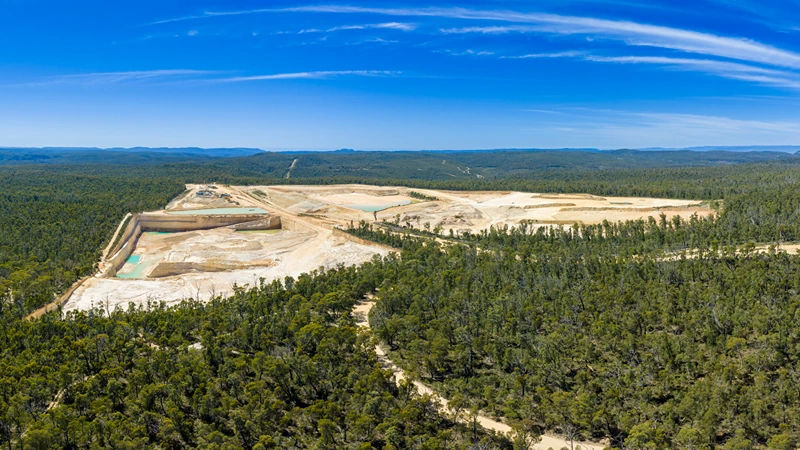
A sand quarry operating in a remote location needed to move slurry from the extraction pit to a wash plant positioned far across uneven terrain. The pipeline included long horizontal runs and multiple elevation changes, creating significant pressure loss. With no access to grid power, the operation relied on temporary equipment that could not sustain a consistent flow. Slurry frequently slowed, settled in the line, and caused blockages, forcing crews to stop production for manual clearing. These interruptions reduced daily output, increased labor costs, and made production planning unreliable.
The Solution
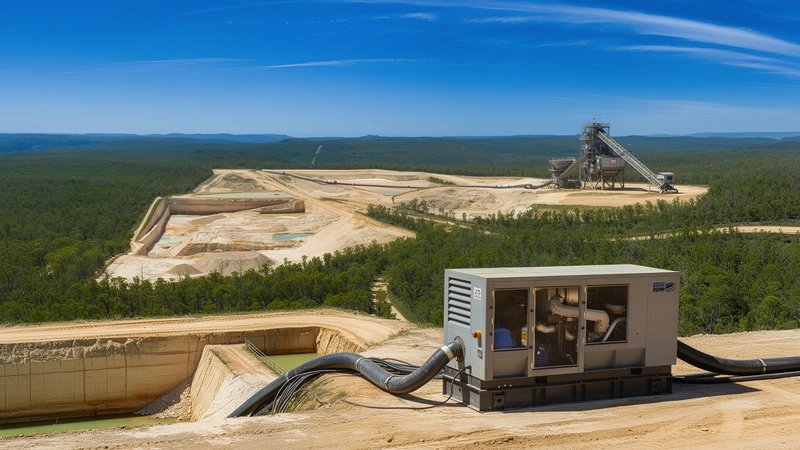
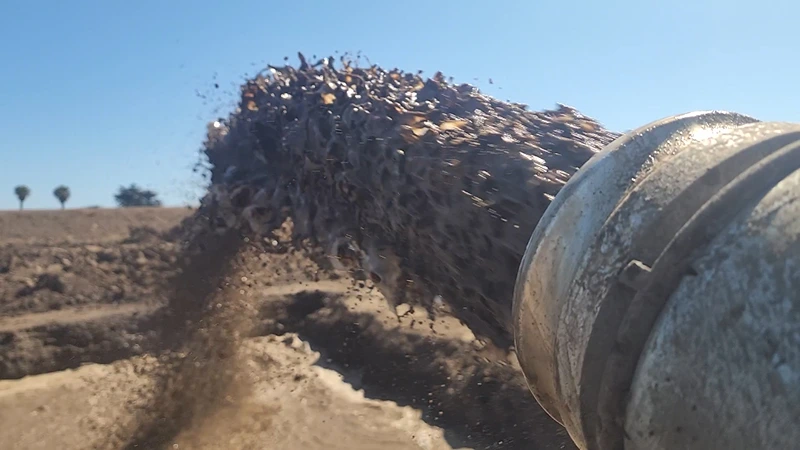
The EDDY Pump’s Diesel-Powered Skid-Mounted Booster Pump was installed at a mid-line pressure drop point to restore head and maintain slurry velocity. The unit was deployed directly on compacted ground without foundations or electrical infrastructure. Its self-contained power system allowed immediate operation in the off-grid environment. The booster was integrated into the existing pipeline within hours, providing the additional pressure required to overcome elevation changes and friction losses across the full run.
The Result
With consistent pressure restored, the slurry moved smoothly across the entire pipeline without settling. Line blockages were eliminated, and production stabilized across full shifts. The quarry increased daily throughput, reduced downtime, and avoided the cost and delays of extending permanent power infrastructure. The booster pump converted an unreliable transfer line into a reliable, high-output material-handling system.
Questions? Talk to an Engineer
Frequently Asked Questions
What is a skid-mounted booster pump used for?
A skid-mounted booster pump extends the reach of slurry pipelines by adding pressure and maintaining flow velocity over long distances. It is typically installed mid-line in dredging, mining, and aggregate systems to overcome head loss caused by elevation changes, pipe length, and friction. This prevents settling in the line and keeps production continuous.
When do I need a booster pump in my system?
A booster pump is required when the primary pump can no longer maintain slurry velocity across the full pipeline. This usually occurs in long discharge runs, uphill pumping, multi-stage dredging layouts, or high-solids applications. If material slows, settles, or causes frequent line blockages, a booster becomes essential.
Can these pumps handle high-solids slurry?
Yes. These booster pumps are engineered to move slurry with solids concentrations up to 40 to 70 percent by weight. Their non-clog geometry and heavy-duty construction allow them to transport sand, tailings, clay, and mixed debris without choking or excessive wear.
What sizes are available in this booster pump series?
The platform scales from 4-inch to 12-inch configurations. Discharge sizes range from 4 to 12 inches, with suction sizes from 6 to 14 inches. This allows the booster to match both compact dredge lines and large production pipelines.
How much flow and head can these pumps deliver?
Flow capacity ranges from 250 to 7,300 GPM, depending on the model. Head performance spans up to 160 to 240 feet. This range supports everything from short transfer runs to long-distance, high-output slurry transport systems.
Can the pump be installed horizontally or vertically?
Yes. The pump can be deployed in either horizontal or vertical orientation. This flexibility allows installation on dredge decks, shore-based booster stations, confined sites, or modular pipeline layouts without reworking infrastructure.
Are these booster pumps suitable for remote or off-grid sites?
They are ideal for remote operations. The diesel-powered, skid-mounted design allows rapid deployment without electrical infrastructure or permanent foundations. Crews can mobilize quickly and maintain production in isolated locations.
What materials are used in construction?
Major components are built from high chrome 28 percent alloys, ductile iron, stainless steel, and duplex stainless steel. Shafts are chromoly or stainless steel, and the mechanical seal uses dual tungsten or silicon carbide with a self-contained flushing system. These materials are selected for abrasive and corrosive environments.
How do booster pumps reduce downtime?
By maintaining slurry velocity, the booster prevents settling and line blockages that force shutdowns. The non-clog design, wear-resistant materials, and continuous-duty construction reduce maintenance frequency and keep systems running longer between service intervals.
How do I determine the right model for my project?
Selection depends on pipeline length, elevation changes, target flow rate, solids size, and slurry density. Engineers evaluate total dynamic head and system losses to determine where a booster is needed and which model provides the required pressure and throughput for stable operation.
HD (Heavy Duty) Slurry Pumps / Dredge Equipment