This Article Includes
- Considerations in Dredging Safety
- Safety Organizations and Standardizing
- Top 10 Ways Dredging Accidents Happen
- Drive for World Class Dredge Safety

Considerations in Dredging Safety
Dredging is a dangerous business, but “cowboy behavior” makes it even more dangerous than it needs to be. Hurry up, rush-and-get-it-done, going faster doesn’t help. It can hurt people or the environment. Since the inception of dredging, safety wasn’t always on the top of one’s mind, so the industry as a whole slowly evolved because of so many years of accidents. Changing an entire industry’s safety direction can take years to take hold. However, with perseverance, a safety-first mindset, and compliance with dredging rules and regulations, has made progress to eliminate work-related incidents and injuries while dredging.
Safety Organizations and Standardizing
The main governing body of workplace safety is the Occupational Safety and Health Administration, or commonly referred to as OSHA. The Occupational Safety and Health Administration is a large regulatory agency of the United States Department of Labor that originally had federal visitorial powers to inspect and examine workplaces and even penalize the workplace for policy violations.
Call for sales or support
If you need assistance with pump selection, sales or engineering support, call 619-404-1916.
Top 10 Ways Dredging Accidents Happen
1. Urgency of production
2. Complacency
3. Not paying attention
4. Rushing
5. Wrong equipment
6. Losing Focus
7. Lack of sleep
8. Changing conditions
9. Lack of trust
10. Lack of training
11. Unpreparedness
Lime Applications
The dominant construction-related use of lime is soil stabilization for roads, building foundations, and earthen dams. In addition, lime pumping applications can also apply to wastewater treatment. Lime is added to low-quality soils to produce a usable base and sub-base. Hydrated lime has long been acknowledged to be a superior anti-stripping additive for asphalt pavements. It also helps resist rutting and fracture growth at low temperatures, reduce age hardening, and improve the moisture resistance and durability. A recent study shows lime holds significant advantages over other additives for hot mix asphalt roads, including long-term cost savings and increased durability. Perhaps the oldest and most traditional use of lime has been in mortar and plaster, because of its superior plasticity and workability.
In regards to wastewater treatment, lime can be used as a far less expensive treating agent. This is because lime has the abilities to increase the alkaline content in water along with controlling bacteria growth commonly found in storage and aeration tanks. This lime slurry process also aids in the removal of manganese, fluoride, tannin, and iron from wastewater systems.
The Ongoing Drive for World Class Dredge Safety
As the industry evolves, the tools we use and the way we use them evolve too. Along with that are rules and compliances that are created to prevent accidents while on a dredging project. Some of these action items a company should take are listed below.
- Safety Leadership Teams and Safety Action Plans
- Product Launch Meetings
- Multiple Cause Incident Analysis Remedial Measures Improvements for a Deep Dive into Incidents.
- Safety Rule Book Written By Employees
- Onboarding Safety Class run by Employees
- Life Saving Absolutes for Accountability
- Not wearing proper PPE
- Jumping from Vessel to Vessel
- No Drug and Alcohol Use
- Getting Under the Load of a Crane
- Entering Confined Spaces without a Permit
- Company Qualified to use Particular Equipment
“It’s very, very difficult to dictate a safety culture – you have to let all of the people in the organization participate in building that culture.”
What Dredging Employees & Management can Expect from Each Other
Employees:
Common Sense: If it’s not safe, don’t do it. Unsafe behavior is selfish behavior.
Be Vocal: If you see something unsafe speak up immediately.
Ask Questions: If you are not sure of something or do not understand something, ask for clarification.
Management:
Employee backing: If you stop a task for a safety reason, we will back you up.
Quick Response: If you bring up a safety concern, we will address it promptly
No-Blame Policy: If there is an injury, our focus is on lessons learned and implementing corrective actions.
Front Line Supervision
Ability to Correct Unsafe Behavior
Ability to Recognize Safe Behavior
Ability to Make Safety Personal at all Times
Ability to Assign Work Safely
Call for sales or support
If you need assistance with pump selection, sales or engineering support, call 619-404-1916.
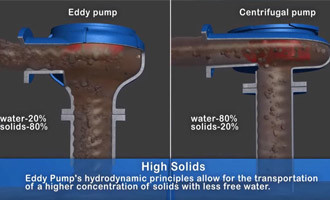
We Pump Solids
Not Water
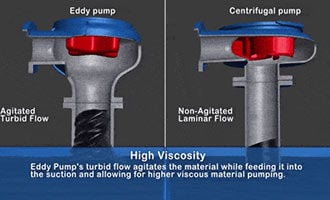
See The EDDY Pump Benefits When Compared to a Centrifugal Pump
HD (Heavy Duty) Slurry Pumps / Dredge Equipment
Related Products
For assistance Call 619-404-1916 and let us help match your project
with the right pump.