- Importance of Durability in Industrial Sump Pumps
- Pump Capacity and Flow Rate
- Ability to Handle Solids and Debris
- Energy Efficiency and Operational Costs
- Automatic vs. Manual Operation
- Overload Protection and Safety Features
- Ease of Maintenance and Accessibility
- Versatility and Adaptability
- Industrial Sump Pumps - An Investment That Pays Dividends

An industrial sump pump plays a vital role in managing wastewater, controlling flooding, and maintaining dry working conditions in industrial settings. Whether used in manufacturing facilities, mining operations, or construction sites, these pumps move water and other liquids away from areas where they can cause damage or downtime. Selecting a reliable industrial sump pump is crucial, as an unreliable pump can lead to operational inefficiencies, unexpected downtime, and increased maintenance costs.
Industrial sump pumps offer key benefits such as improved safety, reduced downtime, and enhanced operational efficiency. Their practical applications and advanced safety features make them valuable assets across various industries.
In this article, we’ll explore the key features to look for in reliable heavy-duty industrial sump pumps, which are engineered for reliability and performance in demanding environments. Understanding these factors, from durability and capacity to energy efficiency and maintenance needs, can help ensure that you choose the best pump for your application.

Importance of Durability in Industrial Sump Pumps
Durability is one of the most critical aspects to consider when selecting a sump pump for industrial use. The harsh environments in which industrial sump pumps operate demand construction materials that can withstand constant exposure to water, chemicals, and abrasive debris. Common materials used in heavy-duty industrial sump pumps include cast iron, stainless steel, and thermoplastic. Cast iron and stainless steel, in particular, are corrosion-resistant materials, making them ideal for harsh industrial environments where exposure to corrosive substances is common. Their excellent resistance to corrosion and wear ensures suitability for long-term use in tough conditions.
A durable industrial sump pump ensures better performance and minimizes the need for frequent replacements or repairs. Over time, this can result in significant cost savings, as fewer pump failures translate into less operational downtime.

Pump Capacity and Flow Rate
The capacity of an industrial sump pump is determined by two key factors: gallons per minute (GPM) and horsepower (HP). GPM refers to the amount of liquid a pump can move in a minute, while HP indicates the power of the pump’s motor. For industrial applications that require moving large volumes of liquid, high flow rates are crucial to ensure efficient and reliable performance. The right pump capacity depends on the specific needs of your industrial application, whether it involves draining flooded areas or managing continuous liquid flow in manufacturing processes.
For large-scale industrial operations, selecting a pump with a high flow rate and sufficient horsepower is essential to ensure efficiency. However, it’s also important to balance power and efficiency—choosing an overly powerful, heavy-duty industrial sump pump can result in unnecessary energy consumption. In contrast, an underpowered pump may struggle to meet operational demands.
Ability to Handle Solids and Debris
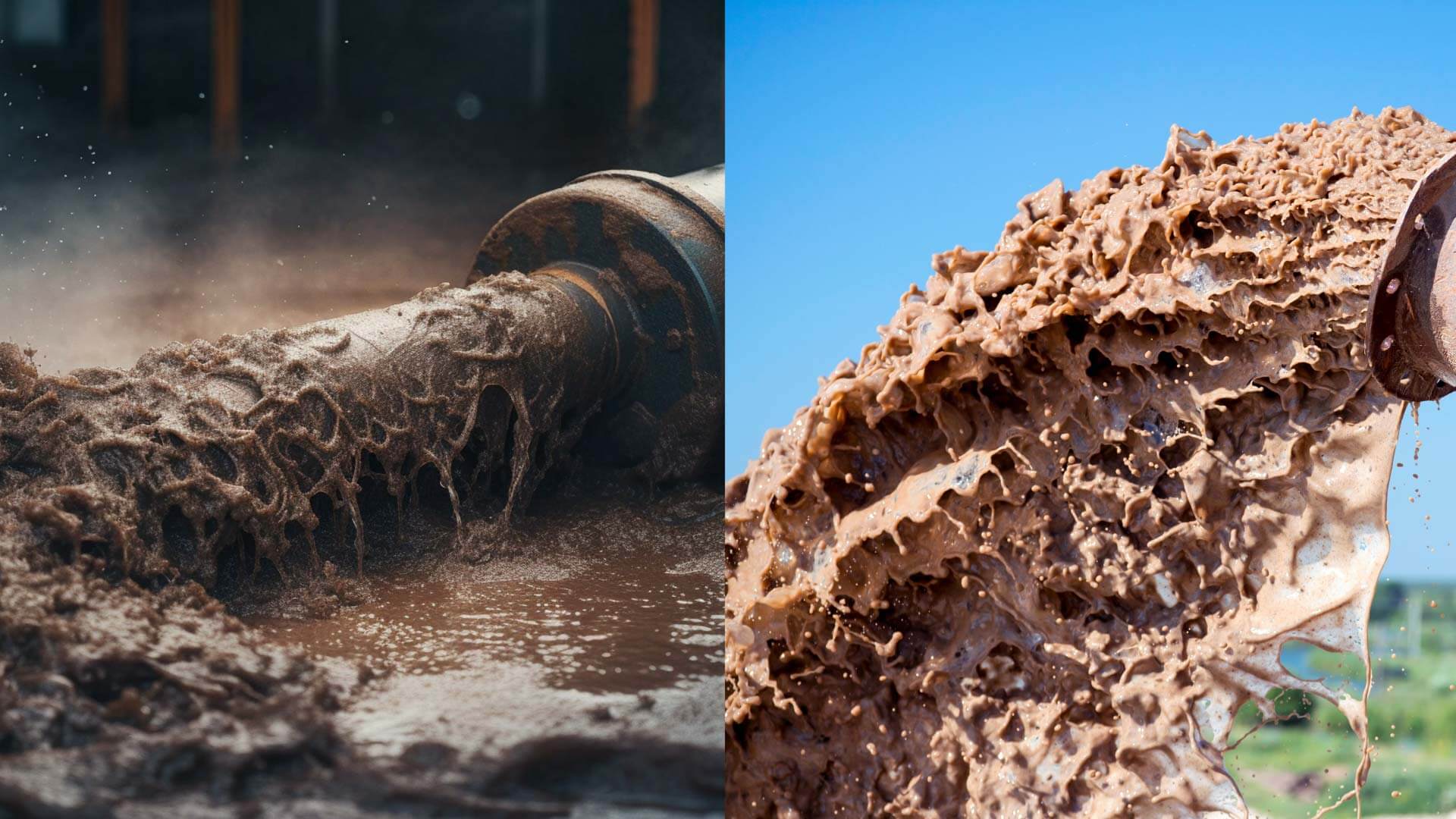
Many heavy-duty industrial sump pumps must handle not only water but also solids and debris that come along with it. In these cases, it’s essential to look for pumps equipped with non-clog impellers. These impellers are specifically designed to prevent clogging, ensuring reliable operation and smooth performance even when dealing with materials like sludge, sand, and small rocks.
Various types of impellers, such as vortex and semi-open impellers, are suited for solid handling. Vortex impellers are particularly effective in handling large solids, while semi-open impellers are suitable for applications involving smaller particulates. Ensuring that your industrial sump pump can manage debris and trash effectively is crucial for maintaining consistent performance, especially in industries like mining and construction, where debris-laden water is common.


Energy Efficiency and Operational Costs
Energy efficiency is another critical feature to consider when choosing an industrial sump pump. Pumps that use less energy to move the same amount of water can significantly reduce operational costs over time. Energy-efficient designs often include features like variable-speed motors, which adjust the pump’s output based on demand rather than running at full speed constantly.
Real-world examples show that investing in an energy-efficient, heavy-duty industrial sump pump can lead to substantial cost savings, particularly in industries where pumps are required to operate continuously. By reducing energy consumption, these pumps not only lower operational costs but also contribute to more sustainable business practices.
Automatic vs. Manual Operation
When selecting an industrial sump pump, you’ll need to decide between automatic and manual operation. Automatic pumps come equipped with float switches and sensors that detect water levels and activate the pump as required. Submersible pumps are often equipped with these features, providing reliable automatic operation in industrial settings. This can be particularly beneficial in applications where water levels fluctuate frequently, as it reduces the need for manual monitoring and intervention.
Manual industrial sump pumps, on the other hand, require human operation and are typically used in situations where precise control is needed. The choice between automatic and manual operation depends on your specific industrial needs. In most cases, automatic pumps offer convenience and reliability, making them a better fit for large-scale operations.
Overload Protection and Safety Features
To ensure long-term reliability, heavy-duty industrial sump pumps should include safety features such as thermal overload protection. This feature helps prevent motor damage by shutting down the pump if it begins to overheat. In addition to thermal protection, other safety features—such as built-in alarms or secondary float switches—can further enhance the pump’s reliability. These safety features are particularly crucial in hazardous environments such as chemical plants, where managing hazardous liquids and ensuring compliance are essential.
By preventing pump failure due to overheating or electrical issues, these safety features can help avoid costly downtime and ensure continuous operation in demanding industrial environments.
Ease of Maintenance and Accessibility
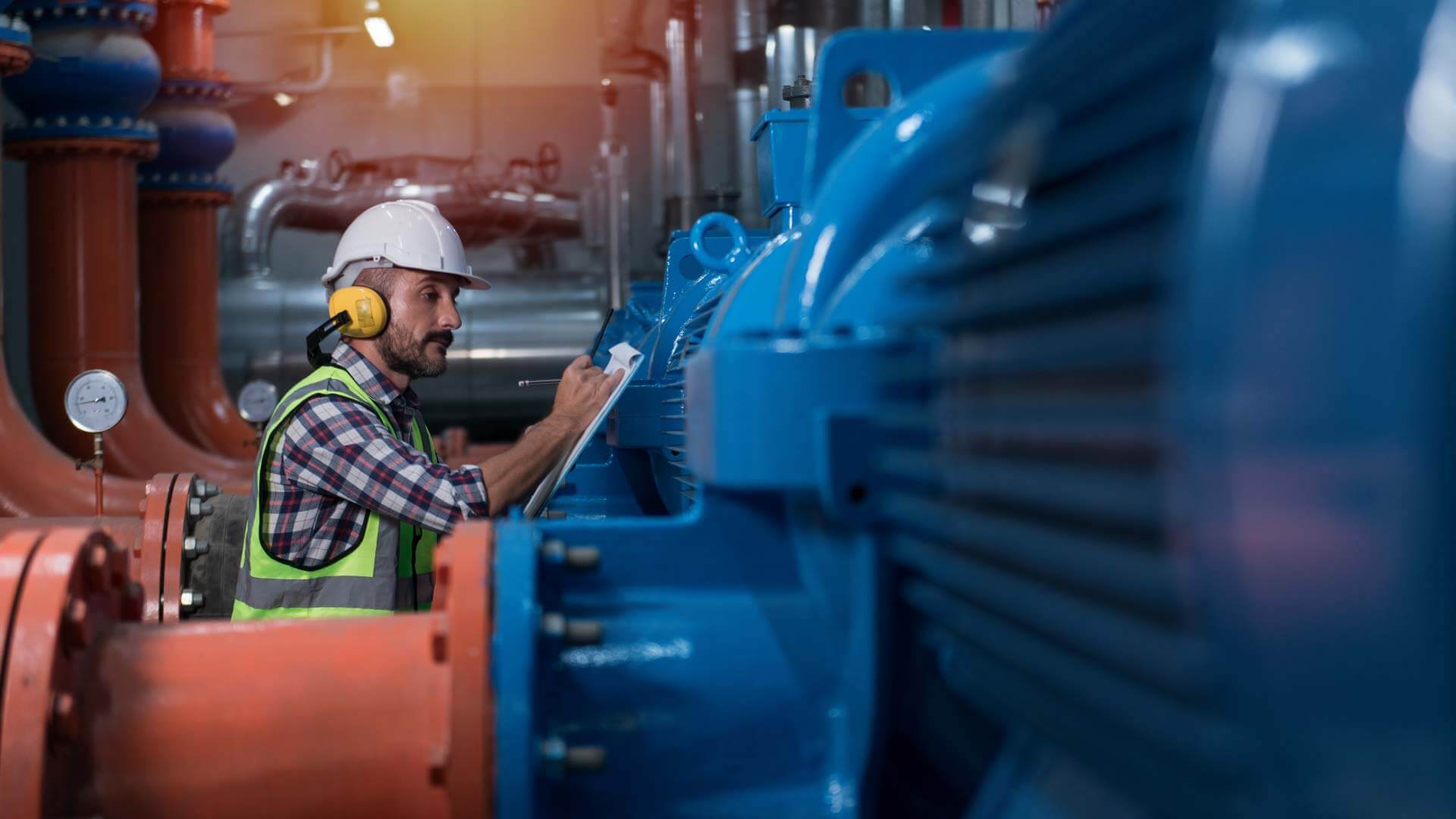
Even the most durable and efficient industrial sump pumps require regular maintenance to ensure optimal performance. When selecting a pump, it’s important to consider how easy it will be to access and service its components. Pumps with removable parts or simple access points for cleaning and repairs can significantly reduce maintenance time and costs.
Routine maintenance, such as cleaning impellers, checking seals, and inspecting for clogs or debris that could block the pump, is essential to prolonging the pump’s life. Removing any clogs ensures efficient operation. Choosing a heavy-duty industrial sump pump with easily accessible components allows for quicker repairs and less downtime during routine maintenance checks.
Versatility and Adaptability
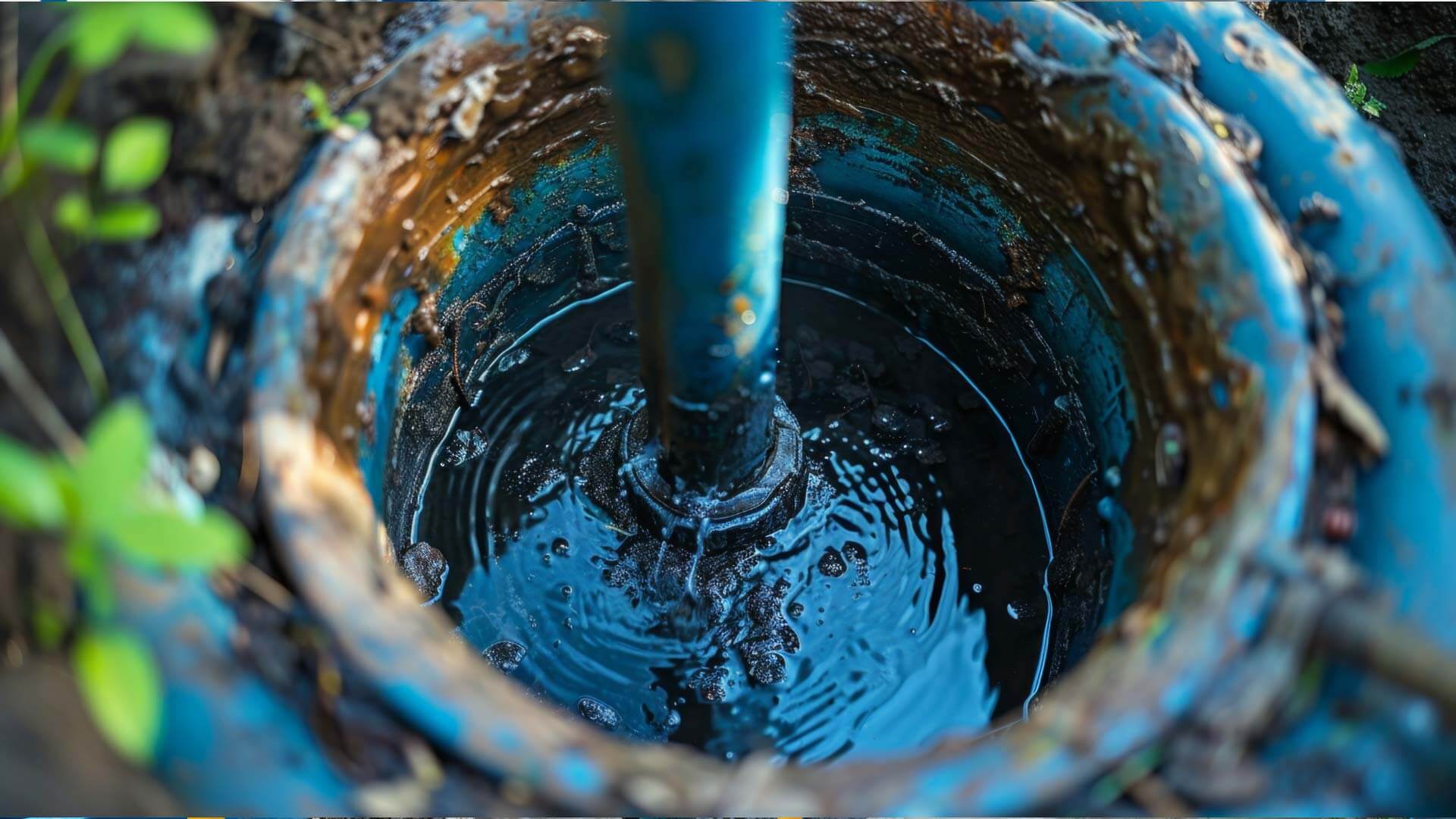
Finally, a reliable industrial sump pump should be versatile enough to work in a range of environments. Whether the pump is needed in a wet well, sump pit, or trench, it should be adaptable to various conditions. Versatile pumps should also be able to handle different types of liquids, from clean water to wastewater containing solids, as well as corrosive liquids, oil, gas, and process liquids used in food and beverage production.
For example, a heavy-duty industrial sump pump that efficiently handles both water and debris, as well as corrosive liquids, oil, gas, and food or beverage products, can be used in a wider range of industrial applications. Selecting the right pump suits the specific requirements of each application or industry, reducing the need to purchase multiple specialized pumps for different tasks.

Industrial Sump Pumps – An Investment That Pays Dividends
When selecting an industrial sump pump, several key features can ensure reliability, efficiency, and long-term performance. Durability, pump capacity, debris-handling capability, energy efficiency, and ease of maintenance are all essential factors to consider. For more demanding environments, heavy-duty industrial sump pumps are often the best choice due to their enhanced durability and ability to handle challenging conditions. By understanding these features, you can make an informed decision that meets the unique demands of your industrial operation.
Investing in a reliable, heavy-duty industrial sump pump enhances operational efficiency and reduces the risk of costly downtime and repairs. Be sure to evaluate your specific needs carefully and consult with professionals to find the best sump pump solution for your industrial environment.
To learn more about industrial sump pump solutions and how they can address your specific requirements, visit our website or explore our additional resources. If you have questions or would like to discuss your needs in detail, please contact our team for expert advice and personalized recommendations.