This Article Includes
- Common Causes of Mechanical Seal Failure
- Replacing the Mechanical Seal on a Centrifugal Pump

Common Causes of Mechanical Seal Failure
- Improper installation: If the mechanical seal is not installed correctly, it can cause it to fail. This can include incorrect alignment, incorrect seal size, or insufficient lubrication.
- Contamination: If dirt, debris, or other contaminants get into the pump, they can damage the mechanical seal. This can be caused by problems such as a clogged suction strainer or a leaking seal.
- Temperature fluctuations: If the temperature of the liquid being pumped fluctuates significantly, it can cause the mechanical seal to fail. This can be caused by issues such as the pump being started and stopped frequently or the liquid being pumped being too hot or too cold.
- Chemical corrosion: If the liquid being pumped is highly corrosive, it can cause the mechanical seal to fail. This can be caused by issues such as the pump used to pump acidic or alkaline liquids or the pump used in a highly corrosive environment.
- Lack of lubrication: If the mechanical seal is lubricated correctly, it can prevent the seal from failing. This can be caused by issues such as the pump running dry or the faulty lubrication system.
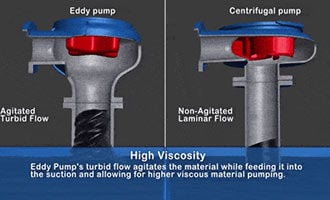
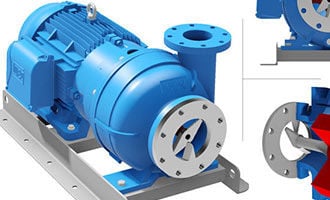
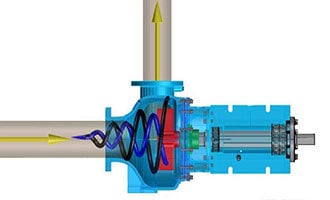
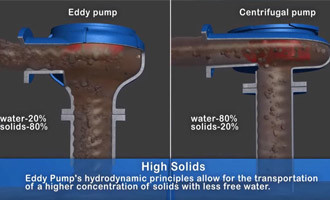
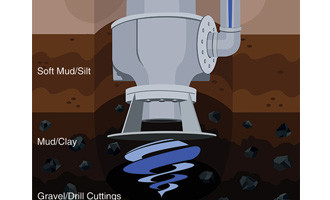
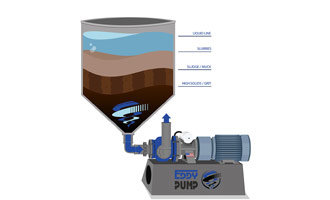
Due to the EDDY Pump’s ultra-recessed rotor, very few, if any, solids come into contact with the moving parts of the pump, including the rotor. This ensures the integrity of the slurry throughout the entire pumping process, leaving it undisturbed for further processing.
Call for sales or support
If you need assistance with pump selection, sales or engineering support, call 619-404-1916.
Replacing the Mechanical Seal on a Centrifugal Pump:
- Shut off the power supply to the pump and relieve any pressure.
- Drain the pump of any liquid and remove any piping or other attachments.
- Remove the impeller and any other components that need to be removed to access the mechanical seal. Please keep track of any gaskets, O-rings, or other features you can, as you will need to replace them later.
- Carefully remove the mechanical seal from the pump. Some seals may be held in place with screws, while others may be pressed in. Use a seal puller or a flat-blade screwdriver to pry the seal carefully.
- Clean the area around the seal with a lint-free cloth to remove any dirt or debris.
- Install the new mechanical seal, following the manufacturer’s instructions. Some seals may need to be lubricated with a small amount of petroleum jelly or other sealants before installation.
- Reassemble the pump and replace any gaskets, O-rings, or other components you removed earlier.
- Fill the pump with liquid and test it to ensure the mechanical seal is working correctly.
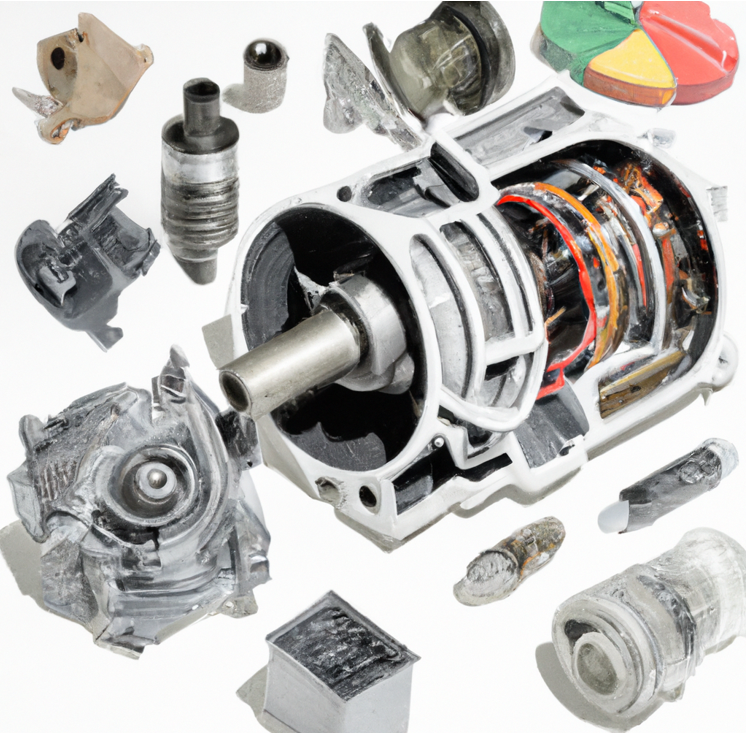
It is important to note that changing a mechanical seal can be complex and requires a certain level of mechanical aptitude. If you are not comfortable or experienced with this type of repair, it is recommended that you seek the assistance of a trained professional.
Call for sales or support
If you need assistance with pump selection, sales or engineering support, call 619-404-1916.
Why EDDY Pumps Are Better – Highlights
This video shows how EDDY Pump outperforms centrifugal pumps when pumping high solids abrasive, viscous or corrosive slurries.
HD (Heavy Duty) Slurry Pumps / Dredge Equipment
Related Products
For assistance Call 619-404-1916 and let us help match your project
with the right pump.