


HDPE Dredge Pipe
HDPE dredge pipes provide a reliable and efficient pipeline solution for transporting slurry, sediment, and dredged material in demanding environments. Manufactured from high-density polyethylene, these pipes offer excellent resistance to corrosion, abrasion, and chemicals commonly found in dredging and mining operations. Available in common dredging sizes (4-14 inches) with multiple wall thickness options. Supplied in standard 36-foot sections, with other lengths available based on project needs, HDPE pipelines combine strength with lightweight construction for easier handling and installation. Designed for long-distance slurry transport. HDPE offers strong corrosion resistance and good abrasion performance in demanding dredging environments (final performance depends on slurry, velocity, and pipeline design).
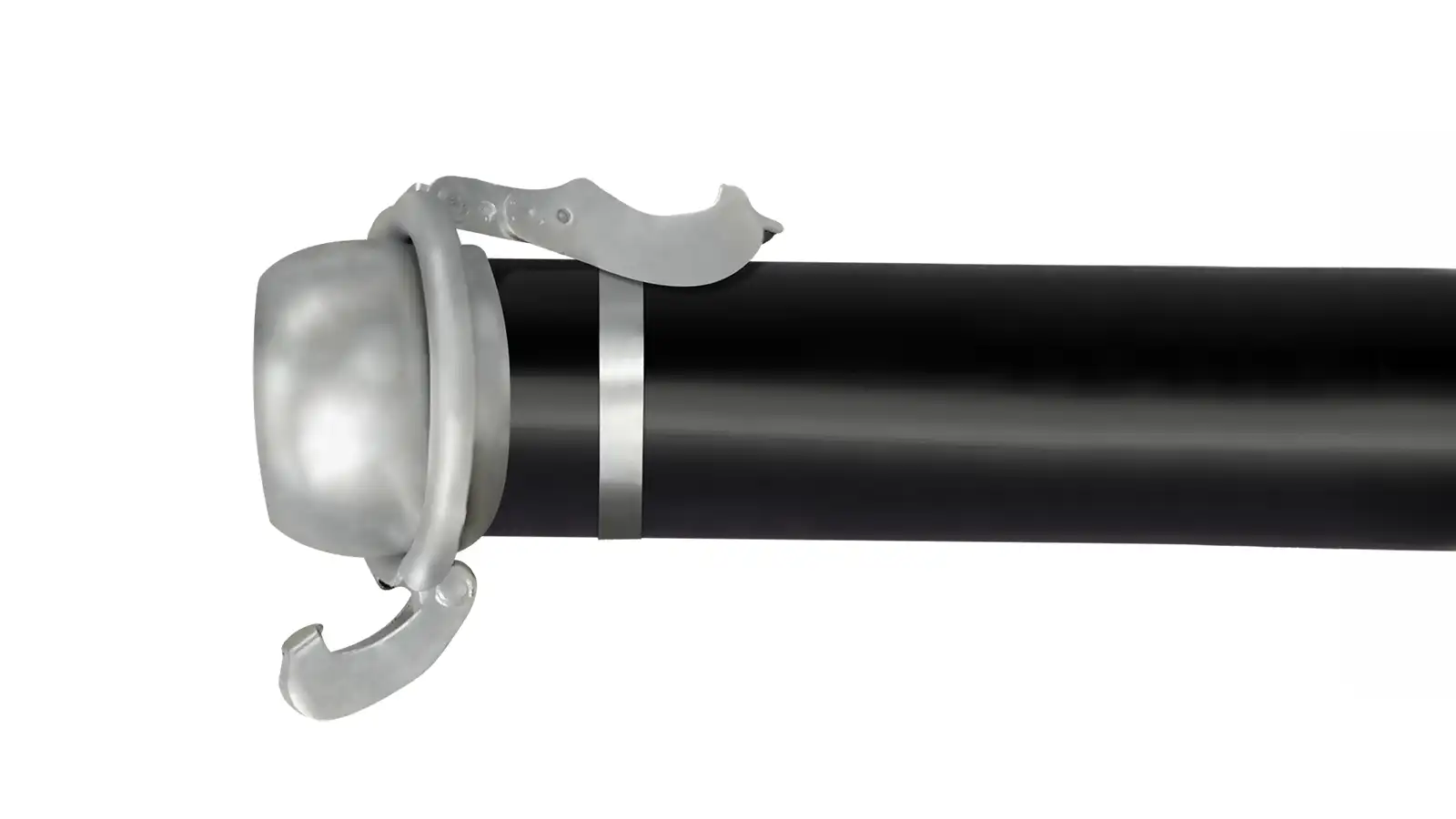
Design Advantages of HDPE Dredge Pipe
- High resistance to corrosion from saltwater, chemicals, and industrial contaminants, making the pipe suitable for marine dredging, mining, and slurry transport environments.
- Durable polyethylene construction designed to withstand abrasive slurry containing sand, sediment, and solids commonly found in dredging operations.
- Smooth internal surface that reduces friction and improves slurry flow efficiency, helping maintain consistent material transport over long pipeline distances.
- Lightweight structure compared to steel pipelines, simplifying transportation, handling, and installation during pipeline deployment.
- Flexible material that tolerates ground movement, vibration, and operational stresses without cracking or structural failure.
- Available in multiple pipe sizes with standard 36-foot sections, allowing efficient construction of long slurry transport pipelines.
- Compatible with ANSI 150 flange connections, enabling secure pipeline assembly and easier alignment during installation.
- Designed for long service life with lower maintenance requirements in demanding dredging and industrial pumping systems.

Gallery
HDPE Dredging Pipe In Action


Technical Specifications

Pipe Sizes
Available nominal pipe sizes include:
- 4 in (110 mm)
- 5 in (125 mm)
- 6 in (160 mm)
- 8 in (225 mm)
- 10 in (280 mm)
- 12 in (315 mm)
- 14 in (355 mm)
Standard Pipe Length
36 ft (11 m) per pipe section
Dimensional Specifications
| Nominal Size | Outer Diameter | Inner Diameter Range | Wall Thickness Range |
|---|---|---|---|
| 4 in (110 mm) | 4.33 in (110.0 mm) | 3.54 – 3.81 in (89.9 – 96.8 mm) | 0.260 – 0.394 in (6.6 – 10.0 mm) |
| 5 in (125 mm) | 4.92 in (125.0 mm) | 4.02 – 4.34 in (102.1 – 110.2 mm) | 0.291 – 0.449 in (7.4 – 11.4 mm) |
| 6 in (160 mm) | 6.30 in (160.0 mm) | 5.15 – 5.55 in (130.8 – 141.0 mm) | 0.374 – 0.575 in (9.5 – 14.6 mm) |
| 8 in (225 mm) | 8.86 in (225.0 mm) | 7.25 – 7.80 in (184.2 – 198.1 mm) | 0.528 – 0.807 in (13.4 – 20.5 mm) |
| 10 in (280 mm) | 11.02 in (280.0 mm) | 9.02 – 9.71 in (229.1 – 246.6 mm) | 0.654 – 1.000 in (16.6 – 25.4 mm) |
| 12 in (315 mm) | 12.40 in (315.0 mm) | 10.15 – 10.93 in (257.8 – 277.6 mm) | 0.736 – 1.126 in (18.7 – 28.6 mm) |
| 14 in (355 mm) | 13.98 in (355.0 mm) | 11.44 – 12.32 in (290.6 – 312.9 mm) | 0.831 – 1.268 in (21.1 – 32.2 mm) |

Material
- High-Density Polyethylene (HDPE)
Pipeline Characteristics
- Corrosion-resistant material suitable for marine and slurry environments
- Smooth internal surface reduces friction and improves slurry transport efficiency
- Lightweight construction simplifies handling and installation compared to steel pipelines
- Flexible structure tolerates ground movement and operational vibration
- Suitable for dredging slurry pipelines, mining slurry transport, and industrial material transfer systems

Connection Options
- ANSI 150 flange connections
- Rotatable flange configuration for easier pipeline alignment during installation
Typical Industry Applications

Hydraulic Dredging Operations
HDPE dredge pipes are widely used in hydraulic dredging systems to transport slurry containing sand, silt, and sediment from dredging equipment to designated disposal or processing areas. Their abrasion resistance and smooth internal surface help maintain consistent slurry flow while reducing friction losses over long pipeline distances.

Mining Slurry Transport
Mining operations use HDPE dredge pipes to transport slurry containing tailings, sand, and mineral-processing waste. The corrosion-resistant material performs reliably in abrasive and chemically aggressive environments often found in mining and mineral processing facilities.

Sand and Aggregate Processing
HDPE pipelines are used to transport slurry mixtures of sand, gravel, and fines in aggregate production plants. The lightweight structure simplifies installation, while the durable pipe walls withstand continuous abrasive material flow.

Harbor and Port Maintenance Dredging
Ports and harbors rely on HDPE dredge pipe systems to move dredged sediment away from navigation channels and berthing areas. The pipe’s corrosion resistance makes it suitable for continuous operation in saltwater and coastal environments.

Industrial Slurry Transfer Systems
Industrial facilities handling slurry waste or process materials use HDPE dredge pipes as part of slurry-transfer pipelines. The pipes help move abrasive or sediment-heavy mixtures efficiently between process areas, settling ponds, or disposal sites.

Land Reclamation Projects
HDPE dredge pipes are commonly used in land reclamation projects to transport dredged sand and fill material from offshore dredging locations to reclamation zones. The pipes support long-distance slurry transport while maintaining steady flow during large-scale coastal construction projects.

Tailings and Waste Pond Transport
Mining and industrial sites use HDPE pipelines to move slurry waste and tailings to containment ponds or storage facilities. The corrosion-resistant material helps ensure long service life in systems that continuously transport sediment-heavy waste streams.

River and Channel Sediment Removal
HDPE dredge pipe systems are used during river and channel dredging projects to move removed sediment away from waterways. Their lightweight structure enables faster pipeline deployment over long distances along rivers, canals, and flood-control channels.
Coastal Land Reclamation Sand Transport
Case Study

The Problem
A coastal infrastructure project required the placement of large volumes of dredged sand to expand shoreline land for a new industrial development zone. The contractor needed to transport sand slurry from the offshore dredging area to the reclamation site located approximately 3,200 feet away. The material contained a high concentration of sand and sediment, creating significant abrasion inside the pipeline. Previous steel pipelines used in similar projects experienced wear, saltwater corrosion, and frequent maintenance interruptions. The contractor needed a more reliable slurry transport pipeline that could maintain consistent flow while handling abrasive dredged material for continuous daily operations.

The Solution
The contractor deployed an EDDY Pump hydraulic dredging system connected to a floating slurry pipeline constructed using 12-inch HDPE dredge pipe sections. Each pipe section measured 36 feet long, enabling rapid assembly of a long-distance discharge line from the dredging vessel to the reclamation site. The smooth internal surface of the HDPE pipeline reduced friction losses and enabled the EDDY Pump system to maintain efficient slurry transport throughout the entire pipeline. The corrosion-resistant polyethylene material also allowed the pipeline to operate continuously in the saltwater environment without the rust and scaling issues commonly associated with steel pipelines.

The Result
The dredging system successfully transported an average of approximately 6,000 cubic yards of sand slurry per day during the project. Over a four-week dredging schedule, more than 160,000 cubic yards of material were placed at the reclamation site to support land expansion activities. The HDPE dredge pipeline required minimal maintenance throughout the project and maintained consistent flow conditions for the EDDY Pump dredging system. Compared to previous projects using steel pipelines, installation time was reduced by roughly 25 percent due to the lighter pipe sections and simplified pipeline assembly.
Call for sales or support
If you need assistance with pump selection, sales or engineering support, call 619-404-1916.
Talk To About Any Question?
Frequently Asked Questions
What pipe sizes are available for HDPE dredge pipes?
HDPE dredge pipes are commonly available in diameters ranging from about 4 to 14 inches. This range allows contractors to select a pipeline size that matches the pump capacity, slurry density, and required flow rate. Smaller pipes are typically used for localized dredging operations, while larger diameters are used for high-volume dredging and long-distance slurry transport. Read More
What is the standard length of HDPE pipe sections?
HDPE dredge pipes are typically supplied in 36-foot pipe sections. This length reduces the number of pipeline connections required while still allowing the pipes to be transported and installed efficiently on job sites. Fewer connections can also help speed up installation and reduce potential leak points.
What type of flange connections are used with these pipes?
Most HDPE dredge pipes use ANSI 150 flange connections. In many configurations, one flange is fixed, and the other is rotatable, simplifying alignment during pipeline assembly. This design helps contractors connect pipe sections quickly and maintain secure connections during dredging operations.
Why are HDPE dredge pipes preferred over steel pipelines?
HDPE dredge pipes resist corrosion from saltwater, chemicals, and industrial environments, unlike steel pipelines that can rust over time. They are also lighter, which makes transportation and installation easier. The smooth internal surface further reduces friction and maintains efficient slurry flow.
What materials can be transported through dredge pipes?
HDPE dredge pipes are designed to transport slurry mixtures containing sand, silt, sediment, and other abrasive solids. They are commonly used in dredging, mining slurry transport, aggregate processing, and industrial sediment removal systems.
How much maintenance do HDPE dredge pipelines require?
Maintenance requirements are generally low because HDPE does not corrode or scale. Routine checks usually focus on flange connections, pipeline alignment, and monitoring wear in areas with the highest slurry velocity.
Can HDPE dredge pipes be used in floating pipeline systems?
Yes. HDPE dredge pipes are often used in floating dredging pipelines when paired with pipe floats. Their lightweight and flexible structure helps maintain pipeline stability while transporting slurry across water surfaces.
What factors should be considered when selecting HDPE dredge pipe?
Key factors include pump capacity, slurry density, pipeline length, and the type of solids being transported. Choosing the correct pipe diameter and wall thickness helps maintain proper slurry velocity and ensures reliable pipeline performance.
HD (Heavy Duty) Slurry Pumps / Dredge Equipment
Related Products
For assistance Call 619-404-1916 and let us help match your project
with the right pump.