
This Article Includes
- Mining the New Ocean Floor
- Subsea Mining Equipment
- The Challenges of Deep Sea Mining
- Environmental Concerns

استكشاف الأعماق: إمكانات التعدين تحت سطح البحر للمعادن والفلزات القيمة
Subsea mining, or deep sea mining, is a method of retrieving minerals from the ocean floor. Deepsea mining operations typically occur at depths of 4500 ft. to 12,000 ft. around areas with metallic nodules, as well as areas with high levels of geothermal activity. These geothermal vents have a tendency to create globular deposits of valuable metals including gold, silver, copper, cobalt, and various other rare earth elements. These sulfide deposits, also called seafloor massive sulfides, can contain concentrations of minerals and resources of up to 10 times greater than what could be found on land.

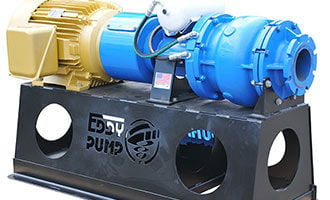
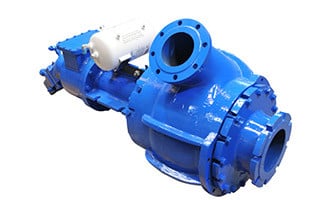
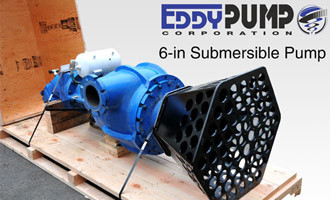
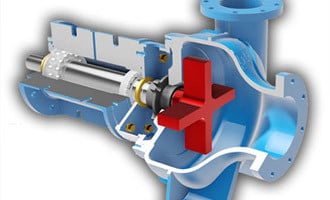
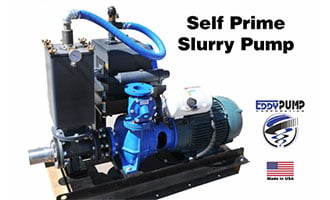
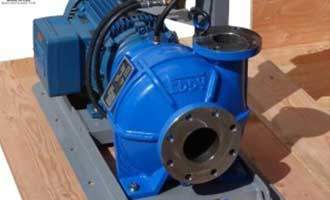
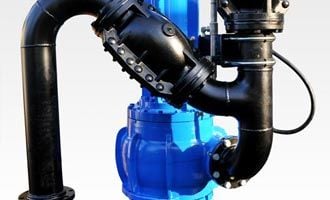
EDDY Dredge Equipment, combined with their industry-leading non-clog Slurry Pumps designed for high solids pumping applications, work more effectively in demanding subsea and deep sea mining environments than any other comparable equipment that exists in the world. The EDDY Pump will outperform any pump on the market while not clogging like conventional pumps or having downtime associated with maintaining critical tolerances.
التنقيب في قاع المحيط الجديد
Deepsea mining ventures have only recently gained in popularity, mainly due to the fact that technology and equipment costs for mining the ocean floor in the past were too cost-prohibitive. As technology has improved, subsea mining has become more economical, luring more and more companies to invest resources into subsea mining technologies. Now, several companies are ramping up and building entire fleets of unmanned vehicles for the sole purpose of underwater mining.
The valuable minerals sought after by deepsea miners are deposited by hydrothermal vents. A hydrothermal vent can be compared to a sort of underwater geyser. They are formed by sea water creeping down into the cracks and fissures created by the tectonics of the seafloor, sometimes miles deep into the crust. As the water comes into contact with channels of molten rock, the sea water is superheated, causing it to rapidly rise back to the surface. During this process, the water carries minerals leached from the rocky magma below. The superheated seawater then shoots out of vents dropping the minerals as the superheated water comes into contact with the cool ocean water. Over time, these hydrothermal vents form large formations of mineral and rock called chimneys.
Call for sales or support
If you need help with pump selection, sales or engineering support, call 619-404-1916.
معدات التعدين تحت سطح البحر
كانت إحدى أكبر العقبات هي إنشاء خريطة أولية فائقة التفصيل لقاع المحيط. تولد معدات التعدين تحت الماء المستخدمة في جمع الموارد قدراً كبيراً من الاضطراب في الماء. وهذا يخلق بيئة معتمة يصعب معها تحقيق أي نوع من الرؤية الواضحة، حتى بمساعدة الإضاءة القوية. ونتيجةً لذلك، يتم تشغيل هذه المركبات في معظم الأحيان دون رؤية واضحة، ولا يتم توجيهها إلا من خلال تحديد المواقع بالسونار ثلاثي الأبعاد والخرائط التفصيلية لقاع البحر. لهذا السبب، كانت الخرائط التفصيلية ضرورية للغاية لضمان عدم تعثر معدات التعدين الثقيلة أو سقوطها أو عدم تحركها في قاع المحيط.
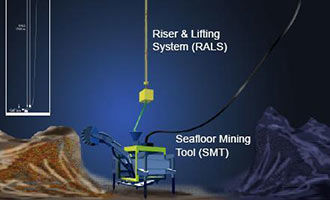
وتتراوح المعدات اللازمة للتنقيب في هذه المناطق الغنية بالمعادن بين مركبات صغيرة تعمل تحت الماء (مركبات ذاتية القيادة تحت الماء) ومركبات أكبر حجماً تعمل عن بُعد، وصولاً إلى حفارات عملاقة تحت الماء مزودة بمضخات جرافات هيدروليكية ورؤوس قواطع كبيرة. وتبدأ العملية بمركبة استكشافية صغيرة، عادةً ما تكون مؤتمتة، تقوم بمسح قاع المحيط باستخدام أجهزة السونار. والهدف من هذه المرحلة هو تحديد الرواسب المعدنية المحتملة وفتحات الطاقة الحرارية الأرضية التي غالباً ما تكون مليئة بالموارد. وحالما يتم العثور على موقع محتمل، يتم إرسال مركبات أكبر حجماً إلى قاع المحيط لأخذ عينات من الخام لإعادتها إلى السطح لتحليلها. تعمل هذه المركبات تحت الماء بالطاقة الكهربائية، ويتم توصيلها بالسفينة الرائدة بواسطة نظام سُرّي.
بمجرد تحديد موقع التعدين، يتم نشر المعدات الثقيلة. وتشمل هذه المعدات مركبات كبيرة مزودة بمضخات جرافات عالية الطاقة مصممة للتعدين في قاع المحيط، وهي تشبه نسخاً عملاقة من الجرافات التي يتم تشغيلها عن بعد. يتم التحكم في هذه الآلات عن بُعد من السفينة الرئيسية التي تستقر على السطح.

تحديات التعدين في أعماق البحار
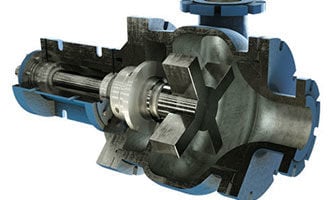
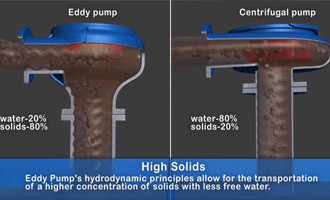
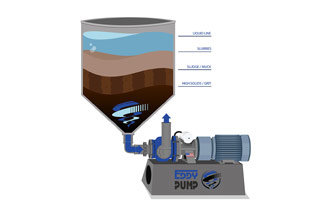
For deepsea mining, bringing the material from the ocean floor to the surface is quite a challenge. For one, the material that needs to be pumped is not only heavy, but also very abrasive. Small rocks, shells, sand, and metallic ore will all be driven to the surface using a series of high powered dredge and booster pumps. This abrasive material will quickly wear down the impellers of centrifugal pumps, requiring them to be replaced quickly at a high cost. This constant maintenance causes periods of downtime during the operation, wasting company resources. With an EDDY Pump, there are no critical tolerances between the volute and the rotor, ensuring that large objects and abrasive material can pass through the pump without damaging the rotor or volute. These features greatly extend the life and maintenance cycle of the pump.
In addition to having to pump heavy and abrasive material, mining a mile beneath the ocean surface is an incredibly hostile environment for heavy machinery. Aside from the engineering feats of getting machinery to adequately function so deep in the ocean, these machines must also contend with superheated pockets of highly pressurized water that can occur near geothermal vents.
الشواغل البيئية
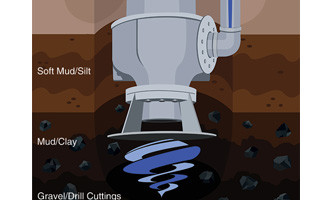
AAs with any mining operation, environmental concerns have been raised about what kind of footprint deepsea mining will leave on the local ecosystem. Some are concerned that heavy mining activity will disrupt vital habitats of marine life that thrive near geothermal vents. One of the main concerns involves heavy turbidity as a result of large mining equipment, which will rain sediment over long distances, slowly smothering lifeforms. Fears are that disrupting this ecosystem could lead to a chain reaction affecting many more ecosystems down the line. However, excessive turbidity is not an issue with the EDDY Pump. The intake of the EDDY Pump is designed so that the inlet port of the pump can be positioned close to the material that is to be pumped. This can reduce the potential detectable turbidity, which aids in conserving the environment.
After selecting an EDDY Pump you can be confident you will be rewarded with less clogging, lower maintenance costs, more uptime leading to higher overall production using the EDDY Pump.
أفضل التطبيقات - الصناعات الأكثر خدمة
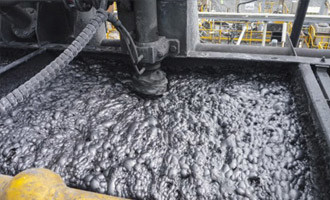
The EDDY Pump Corporation is a premier manufacturer of pumping and dredging equipment. If you are pumping or dredging slurry, high solids, extremely viscous material, paste, high abrasives (sand & gravel) and material filled with solids, then you found the best-suited product for the job. Go to: https://eddypump.com/ or Call Us!
Mining, Fly Ash, Coal Ash, Oil, Fracking, Gas, Wastewater, Pulp and Paper, Chemical, Energy, Water Municipalities, Irrigation, and Dredging Companies. For Access to Complete Product Line Go to: https://eddypump.com/products/
التجريف والإنشاءات البحرية
ضخ مخلفات المناجم
النفط والغاز
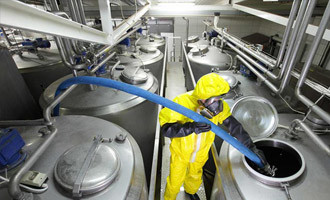
الضخ الكيميائي
Agricultural & Canal Pumping
Sand & Gravel Pumping
Sewage & Wastewater
Paper & Pulp Pumping
Call for sales or support
If you need help with pump selection, sales or engineering support, call 619-404-1916.
لماذا تُعد مضخات EDDY أفضل - أبرز المزايا
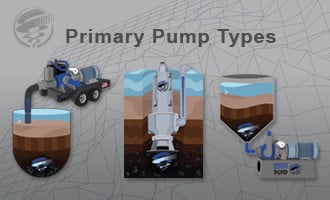
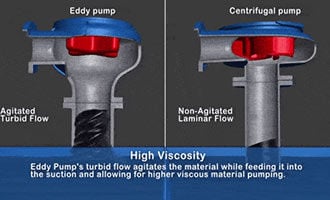
يوضح هذا الفيديو كيف تنقل مضخة EDDY المواد عالية الطين والمواد الكاشطة. تشمل معدات مضخة الجرافة المميزة ما يلي جرافة فرعية تعمل عن بُعد, غواص يعمل عن بعد مضخة و مضخة نعرات مرفق الحفارة.
المنتجات ذات الصلة
مضخات الطين عالية الدقة (للخدمة الشاقة) / معدات التجريف
للمساعدة اتصل على الرقم 619-404-1916 ودعنا نساعدك في مطابقة مشروعك
مع المضخة المناسبة.
مضخة الطين الشعبية ومقالات التجريف



ارتقِ بأعمالك مع أحدث ما توصلت إليه شركة هندسة مضخات الجرافات وتصنيع مضخات الطين.
At EDDY Pump Corporation, we promise innovative, reliable, and efficient pump solutions with exceptional service, ensuring optimal performance and minimal downtime in the most challenging environments.