


Application of EDDY Pump in Biomass Oil Production
EDDY Pump’s advanced technology enables cost-effective and environmentally friendly extraction and transportation of biomass, streamlining the process of producing biomass oil.
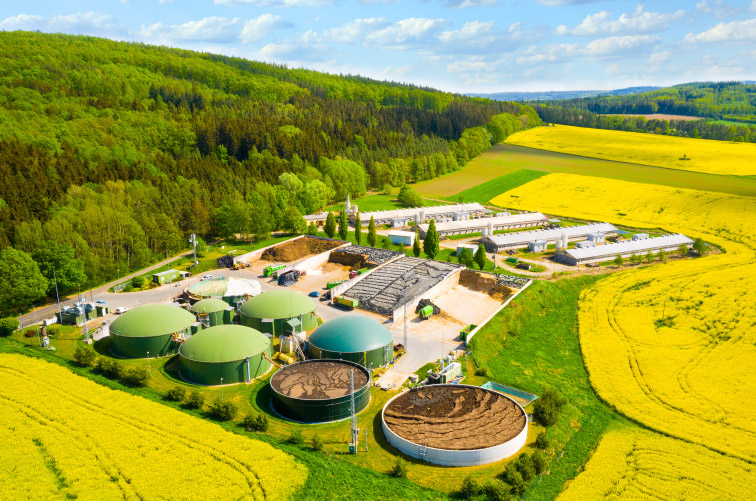
The EDDY Pump offers a game-changing approach to biomass oil production with its industrial slurry pump handling harsh and abrasive materials. In the dynamic and ever-evolving world of biomass oil production, the EDDY Pump stands out as a revolutionary and cutting-edge solution for optimizing extraction processes. Biomass oil, derived from organic materials such as agricultural residues, wood, and other renewable sources, has gained significant momentum as a sustainable alternative to conventional fossil fuels. Efficient oil extraction from biomass is crucial for advancing renewable energy technologies.
Application of Our Slurry Pumps in Biomass Oil Production
Industrial slurry pumps play a vital role in various applications within the biomass oil production process, particularly in handling challenging materials and optimizing extraction efficiency. Some of the essential slurry pump applications in biomass oil production include:
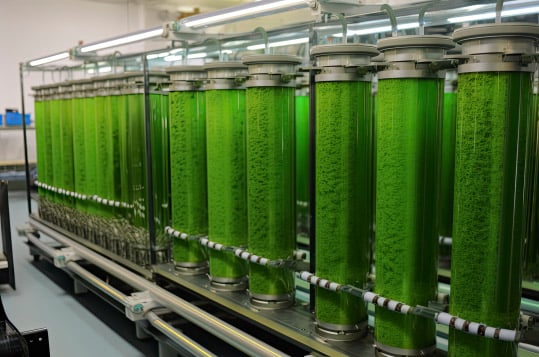
- Feedstock Preparation: Biomass feedstocks, such as agricultural residues and woody materials, often need to be processed and prepared for further conversion into oil. Slurry transport pumps transport and process these raw materials through grinding, chipping, and shredding operations, ensuring a consistent and manageable feedstock for downstream processes.
- Biomass Slurry Transport: Some applications require the biomass to be converted into a slurry during the biomass-to-oil conversion process. Slurry transport pumps transport this biomass slurry from the preparation stage to the conversion reactors or other processing units.
- Biomass Oil Extraction: Heavy-duty slurry pumps circulate and transport solvents or chemicals within the extraction system in specific biomass oil extraction techniques. These pumps ensure proper mixing and effective contact between the solvent and biomass to maximize oil yield.
- Pyrolysis Oil Extraction: Slurry pumps are crucial in extracting pyrolysis oil, a key component of biomass oil production. During pyrolysis, biomass or waste plastics undergo thermal decomposition without oxygen, producing pyrolysis oil. The abrasive handling pump manages the viscous and abrasive pyrolysis oil and transfers it from the pyrolysis reactor to storage tanks or downstream processing units.
- Residue Handling: Solid residues that require handling and disposal might be left over after the oil extraction. Abrasive handling pumps transfer the residues to storage or waste management facilities.
- Biorefinery Processes: Biomass oil production is often part of a biorefinery process where various biomass fractions are converted into valuable products. Heavy-duty slurry pumps are essential for handling different streams and maintaining the smooth material flow between the other processing units.
- Cooling and Heat Exchange: Industrial slurry pumps are utilized to circulate cooling water or heat transfer fluids, helping to control temperatures during various stages of biomass oil production, including condensation, cooling, and heat exchange.
- Wastewater Treatment: Biomass oil production generates wastewater containing byproducts and residues. High solids pump transfer and treat these effluents, ensuring proper handling and adherence to environmental regulations.
- Cleaning and Maintenance: A high solids pump is valuable for cleaning and maintaining equipment and processing vessels, removing sediments, and ensuring efficient operation throughout the biomass oil production facility.
Heavy-duty slurry pumps used in biomass oil production are designed to handle challenging materials, including fibrous and abrasive biomass feedstocks. They are constructed with materials and components that withstand the corrosive nature of biomass oils and other chemicals used in the process. Slurry transport pumps contribute significantly to the success and sustainability of biomass oil production by facilitating efficient material handling and improving overall process performance.
Call for sales or support
If you need assistance with pump selection, sales or engineering support, call 619-404-1916.


Dredge Project Consulting
- Easier to install and maintain, the horizontal slurry pump, a type of dredge pump, allows for quick access to pump components, making repair jobs straightforward. During repair jobs, pumps are completely disassembled for thorough inspection. All components are carefully inspected, and any parts not meeting standards are replaced. After reassembly, the pump is tested to ensure reliable performance. These steps help extend the service life of the hydraulic pump and maintain equipment reliability. EDDY Pump can also provide dredging project managers to oversee sediment projects and remediation projects, ensuring that all aspects of the dredging project are managed efficiently and in compliance with environmental regulations.
- Requires more room, due to its larger footprint compared to vertical
- Implementing best management practices and evaluating management alternatives are essential for effective material management in any dredging project.

Vertical Slurry Pump
-
Less smaller footprint, allowing the dredge pump to be implemented in hard to reach jobs
-
More versatile, can be cable hung straight down and inserted directly into medium to pump target material. The vertical slurry pump can also be used in mechanical dredging operations where minimal water addition is required.
-
The vertical slurry pump is typically situated within the excavator or dredging system so that it is optimally positioned for efficient material handling and performance.
-
More difficult to repair and tougher maintenance
Application of EDDY Pump’s Hydraulic Dredging in Biomass Oil Production
Hydraulic dredging equipment is crucial in various applications within the biomass oil production process, especially when dealing with water bodies and sediments. Here are some critical hydraulic dredging applications in biomass oil production:

- Algae Harvesting: Submersible hydraulic dredge collects and harvests algae from water bodies, such as ponds, lakes, or algae cultivation facilities. Algae are rich in oils, and hydraulic dredging facilitates efficient biomass collection for further processing.
- Biomass Concentration: Submersible hydraulic dredge can help concentrate algae or other aquatic biomass by removing excess water and creating a more concentrated slurry suitable for downstream processing.
- Pond and Lagoon Dredging: Biomass oil production facilities often have ponds or lagoons where water is used for various processes, including washing biomass feedstock or wastewater treatment. Over time, these ponds and lagoons can accumulate sediments, debris, and biomass residues. Submersible hydraulic dredge removes these materials, ensuring proper water management, maximizing storage capacity, and preventing potential environmental issues.
- Waterway Maintenance: A hydraulic dredger maintains waterways such as rivers, canals, and channels for transporting biomass feedstock or products. Dredging helps clear sediment buildup, ensuring smooth navigation and preventing blockages that could disrupt the transportation of biomass or biomass oil.
- Harbor Dredging: Some biomass oil production facilities are located near harbors or ports for transportation convenience. Harbor dredging is necessary to maintain vessel water depth, remove sedimentation, and improve accessibility to and from the biomass oil production site.
- Cleaning of Dewatering Equipment: Biomass oil production involves dewatering processes to separate oil from water and solids. The dewatering equipment can get clogged with biomass residues and sediments. Submersible hydraulic dredge can clean and unclog this equipment, ensuring consistent and efficient oil-water separation.
- Disposal Site Dredging: Disposal sites where residues or byproducts from biomass oil production are stored can accumulate sediment over time. Hydraulic dredgers remove these sediments, manage the disposal site capacity, and promote environmental compliance.
- Cooling Water Intake Dredging: Biomass oil production facilities often use cooling water intake systems to regulate process temperatures. Over time, these intake systems can become clogged with sediment and debris. Hydraulic dredging helps clear the intakes, ensuring uninterrupted cooling water supply and maintaining equipment efficiency.
- Wetland Restoration: Some biomass oil production facilities may impact wetlands or natural water bodies. Hydraulic dredging can be utilized as part of wetland restoration efforts to improve water flow, remove invasive species, and restore ecological balance.
Hydraulic dredging equipment is designed to handle various types of sediments and debris while minimizing environmental impact. By efficiently removing unwanted materials from water bodies and ensuring the smooth operation of water-related processes, hydraulic dredging contributes to the overall efficiency and sustainability of biomass oil production operations.
The Best Non-Clog and High Solids Slurry Pump on the Market. Since 1984.
We manufacture both pump and dredge equipment for maximum compatibility


Call for sales or support
If you need assistance with pump selection, sales or engineering support, call 619-404-1916.
HD (Heavy Duty) Slurry Pumps / Dredge Equipment
Related Products
For assistance Call 619-404-1916 and let us help match your project
with the right pump.