


This Article Includes
- What is Lime Slurry?
- Lime Applications
- How to Safely Pump Lime Slurry
- EDDY Pump for Lime Slurry

What is Fly Ash?
Coal-fired power plants are utilized to generate electricity. Millions of tons of coal are burned within these coal power plants as fuel. Combustion of coal produces several toxins as a byproduct, this waste is composed of silicon dioxide, calcium oxide and aluminum oxide while bottom ash contains high concentrations of heavy metals including mercury, lead, chromium selenium and arsenic. These substances are hazardous to health and the environment and require careful handling and disposal. Coal power plants in the US generate about 110 million tons of ash and residuals annually.
The Solution To Fly Ash
Disposal Methods
According to EPA regulations, there are several options on how properly dispose of fly ash such as:
- Dewatering and/or stabilizing
- Consolidating into a new landfill
- Disposing off-site
- Capping
- Converting to wetlands
Fly ash settling ponds over time will enter nearby rivers or contaminate groundwater, it is vital to dredge out the fly ash material before causing bigger public health issues.

Call for sales or support
If you need help with pump selection, sales or engineering support, call 619-404-1916.
Fly Ash and Coal Ash Pumping Applications:
- Tailing Ponds
- Poly-Lined Tailings Ponds
- River Cleanups
- Sumps
- Concrete Basins
- Process Pumps
- Fly Ash Transport, Mixing, and Remediation
Where Is Fly Ash Used?
Fly ash is used in various industrial applications such as manufacturing of bricks, wallboards, and cement. 20% is stored within large containment areas in a wet state known as ash ponds while 40% is recycled. The remainder coal ash is disposed of as dry ash in large on-site or off-site landfills.
Fly Ash Pumping Challenges
Fly Ash or Coal Ash is a challenging material to pump due to its abrasive qualities. Centrifugal pumps rapidly get wear out and lose their tolerances and suction capabilities. Resulting in significant downtime and increased project duration / costs.
As fly ash accumulates, it is very costly and time-consuming to remove. The most difficult stages are dealing with the lined and unlined tailings ponds, rivers, sumps, and concrete basins.
Tailings ponds and rivers continuously need to be cleaned out to increase capacity. This process is known as maintenance dredging. Finding the right pump and dredging equipment can often be a complicated process. Centrifugal pumps will only pump 10-20% solids by volume. This means that most of the discharge is water and very little fly ash is coming out of the pipeline. In contrast, the EDDY Pump design can pump 50-60% solids by volume. Pump less water, more solids.
EDDY Pump Dredge Equipment
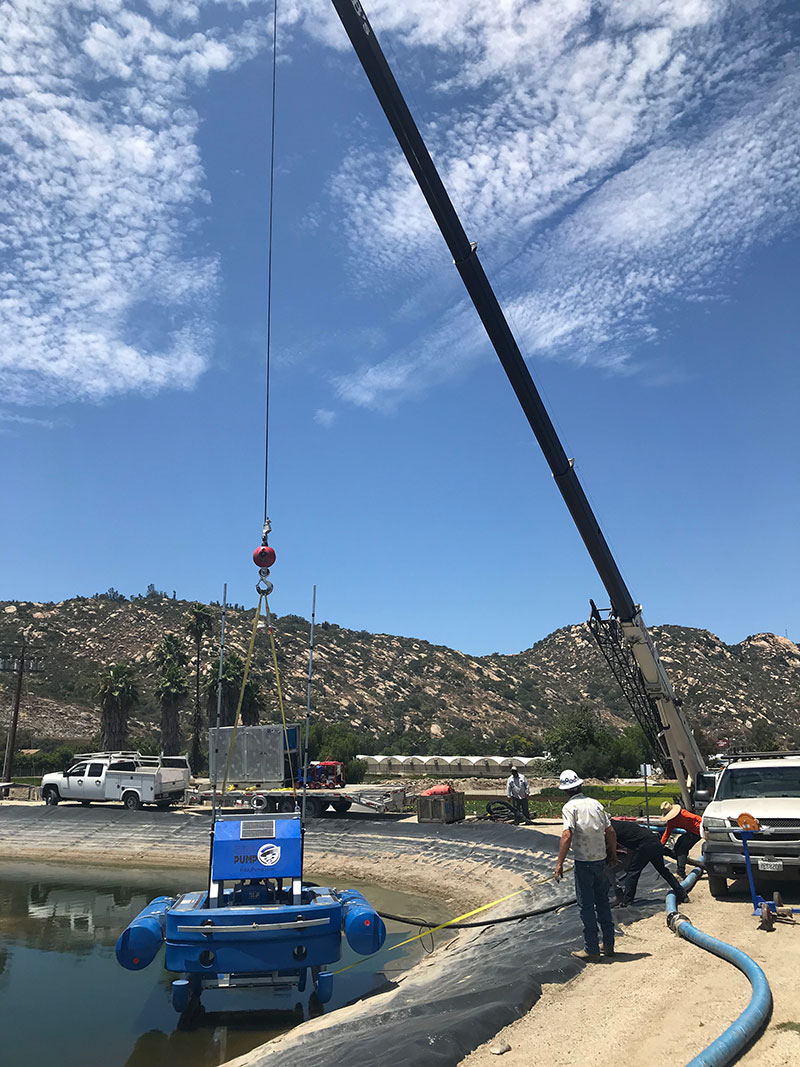
The EDDY Pump can be deployed in various dredge configurations to optimize cleanup of tailings ponds and rivers. Some of the ideal deployments for fly ash tailings ponds are Excavator Pump Attachments, Liner-Safe Dredges, Cable-Deployed Pumps, Autonomous Dredges, Spud-Dredges, and the Subdredge. Learn more about fly ash removal methods by clicking the button below:

Equipment Options For Job
- Tailing Ponds: Excavator Pump Attachment, Autonomous Dredge, Cable Deployed Pump, Subdredge
- Poly-Lined Tailings Ponds: Liner-Safe Dredges
- River Cleanups: Excavator Pump Attachment, Environmental Dredge, Autonomous Dredge, Cable Deployed Pump, Subdredge
- Sumps: Submersible, Self-Priming Pump
- Concrete Basins: Submersible, Self-Priming Pumps, Liner-Safe Dredges
- Process Pumps: Electric Pumps, Self-Priming Pumps, Diesel Driven Pumps, Hydraulic Pumps, Vertical Pumps, Horizontal Pumps
- Fly Ash Mixing and Remediation: Electric or Diesel Driven EDDY Pump
Call for sales or support
If you need help with pump selection, sales or engineering support, call 619-404-1916.
Why EDDY Pumps Are Better – Highlights
This video shows how EDDY Pump transports high slurry and abrasive materials. Featured dredge pump equipment includes the Remote Operated Subdredge, Diver Operated Pump and a Excavator Attachment Dredge Pump.
Related Products
HD (Heavy Duty) Slurry Pumps / Dredge Equipment
For assistance Call 619-404-1916 and let us help match your project
with the right pump.
Related Products
HD (Heavy Duty) Slurry Pumps / Dredge Equipment
For assistance Call 619-404-1916 and let us help match your project
with the right pump.
Elevate your business with the state-of-the-art dredge pump engineering and slurry pump manufacturing company.
At EDDY Pump Corporation, we promise innovative, reliable, and efficient pump solutions with exceptional service, ensuring optimal performance and minimal downtime in the most challenging environments.