Sargassum Removal | Seaweed Removal With EDDY Pump
What is Sargassum?
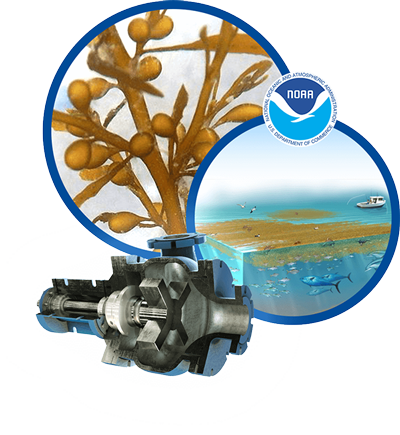
- Sargassum is a free-forming brown algae or seaweed represented by over 300 different species.
- It never attaches to the seafloor and can bloom into floating sargassum rafts that stretch for miles.
- Floating root networks provides habitat, food, refuge, and breeding grounds for fish, sea turtles, marine birds, crabs, shrimp, and other wildlife.
- Sargassum can be processed into many products such as biofuels, clothing and textiles, paper, fertilizers, construction materials, plastics, and more.
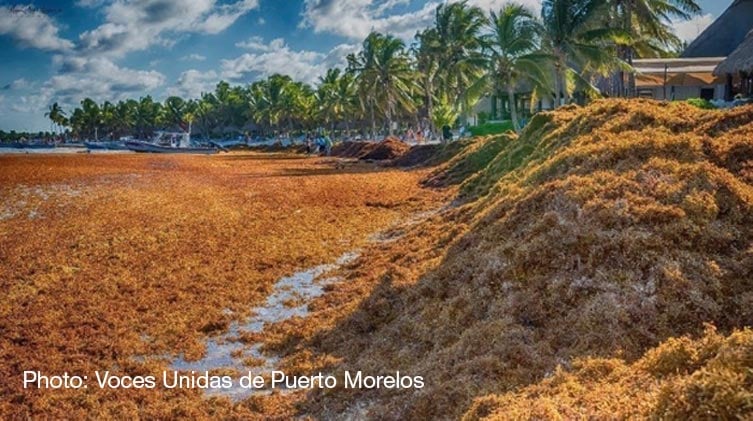
- Sargassum seaweed removal is an ongoing endeavor in several areas around the Caribbean and costal Mexico areas to control the rapid spread.
What’s at Stake?
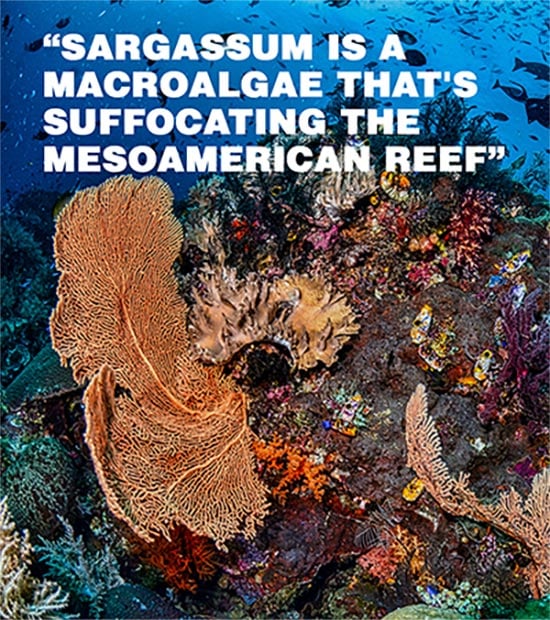
Death of Coral Reefs
CALL FOR SALES OR SUPPORT
If you need help with Pump Selection, Sales or Engineering Support
Call 619-345-5446
What are the Seasonal Effects of SARGASSUM?
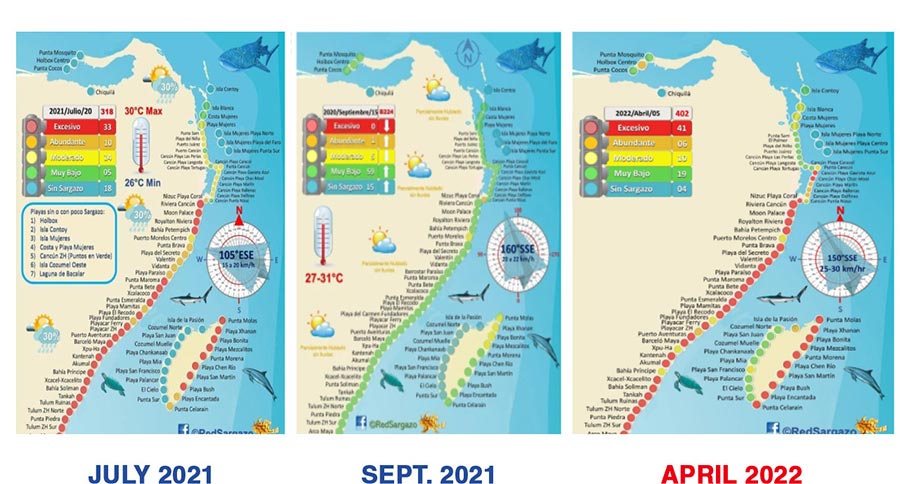
Sargassum season is typically April – August
QUINTNA ROO, MEXICO
The Mexican NAVY has been in charge of controlling the unprecedented sargassum seaweed blooms since 2019.
In 2021 they removed 1,483 tonnes from the sea, a 173% increase compared to 2019, but still only a very small fraction of the total quantity of the weed that reaches the shore. This means that the majority of the removal work happens on shore, and is being done by manual labor.
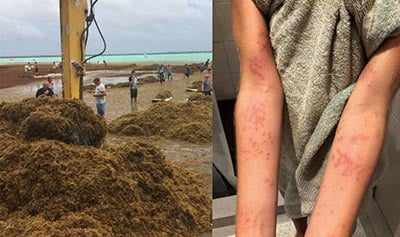
Is Sargassum Dangerous?
Decomposing sargassum releases H2S, Hydrogen Sulfide Gas, a colourless, poisonous gas with an unpleasant rotten-egg odor. This colorless gas can have lasting effects after prolonged exposure that can range from mild headaches or eye and skin irritation, to very serious respiratory symtoms.
Where is Sargassum Seaweed Found?
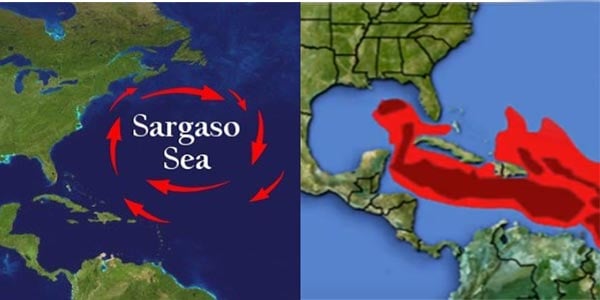
The Sargaso Sea
Made up of four ocean currents that form a giant 1.1K by 3.2K kilometer gyre of floating seaweed. In recent years nutrient-rich run-offs from the Amazon and the Orinoco rivers have combined with upwelling seawater pushing floating sargassum into the Caribbean sea. Warmer temperatures have only contributed to an increase in the explosive bloom.
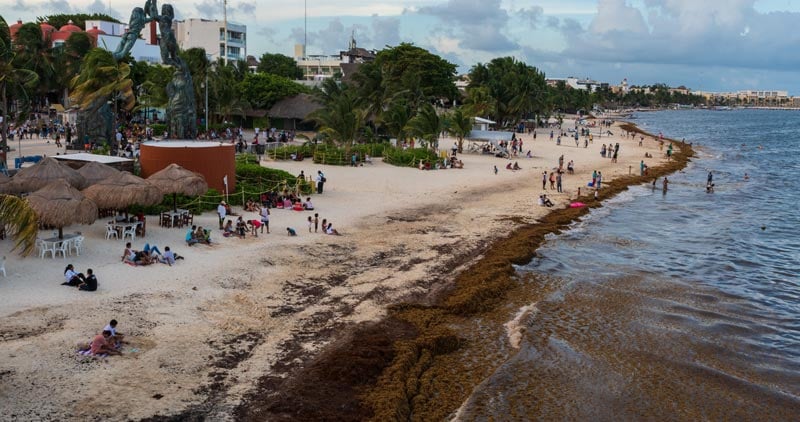
Caribbean coasts are overwhelmed
Beach clean up cost the city of Cancún, Mexico, $36.7 Million in 2019 alone. 2022 is turning out to be the worst year on record as millions of tonnes have already washed up ashore throughout the Mayan Riviera, Punta Cana D.R., and the Small Antilles. Arriving earlier than expected tourism has seen a steady decline as a result.
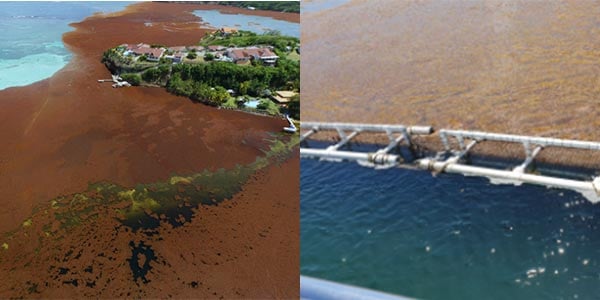
Current Efforts to Protec
2020, the Navy collected 4% of sargassum at sea, while 96% was raked off beaches. But that figure fell to 3% in 2021 and about 1% so far in 2022. There is so much algae reaching the beaches that hotels and local authorities are barely able to keep up with cleaning efforts. Industrial equipment is required.

How to Remove Sargassum?
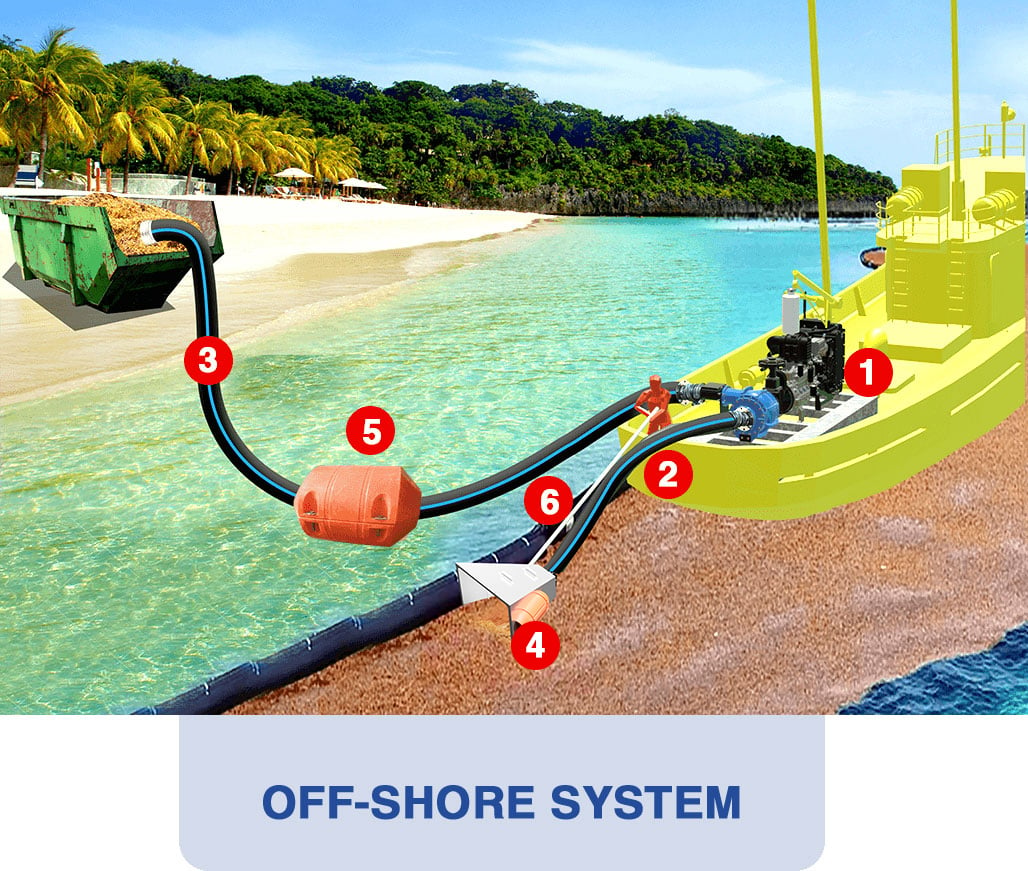
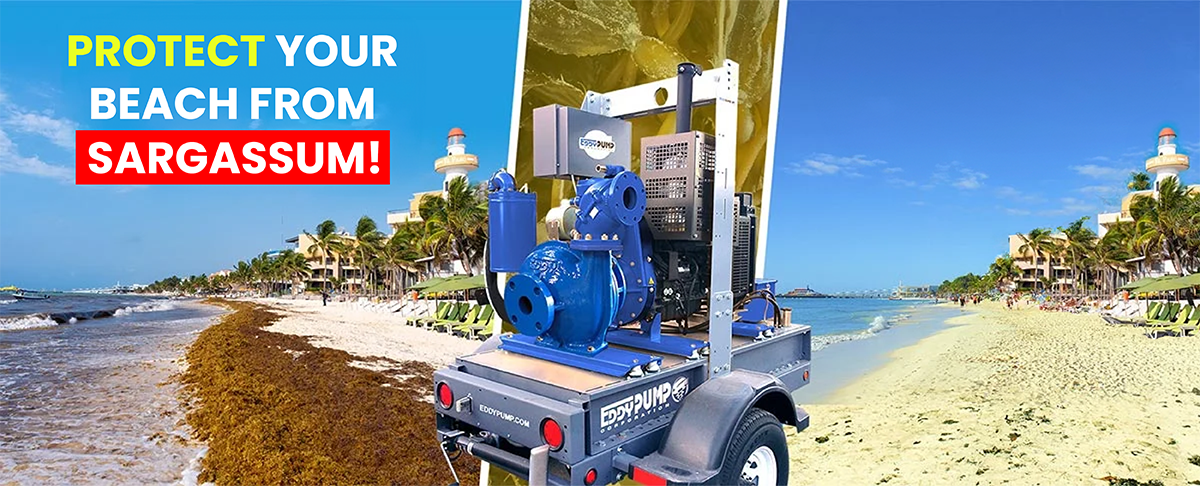
Sargassum Removal Pump Systems
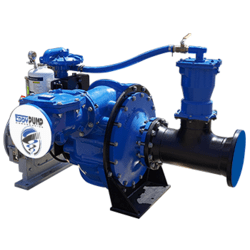
- 4-Inch Self-Prime Pump
(118HP) with a Diesel motor Optional trailer tow or Skid - Intake Slurry Hose
(15-150 feet) - Discharge Slurry Hose
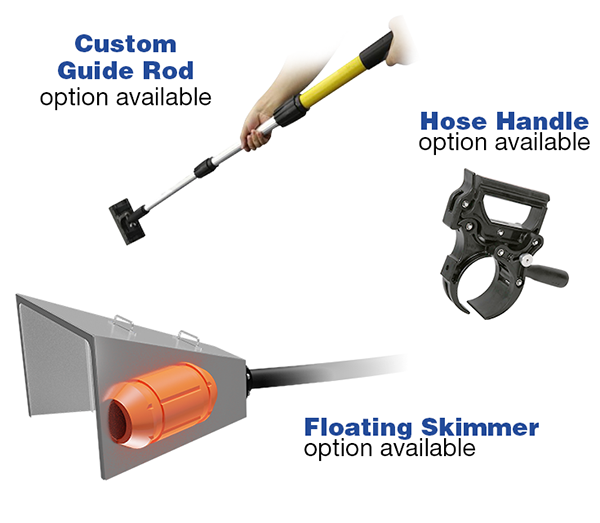
(Up to 1,000 feet recommended) - Floating Skimmer or Handle
(optional) - Hose Floats (optional)
- Custom Guide Rod (optional)
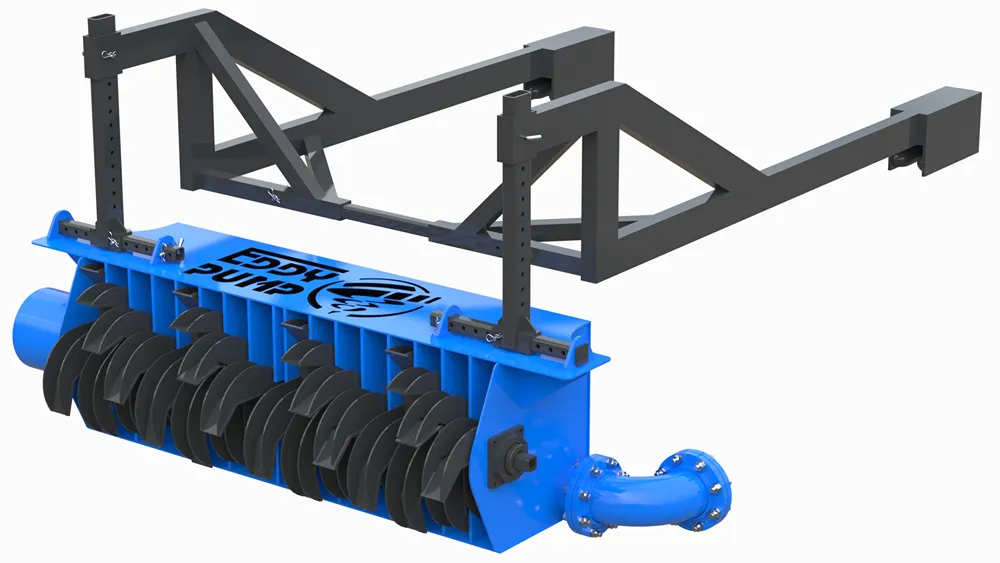
Hydraulic Sargassum Removal Attachment (HSRA)
Additional Components