


Lead Mining Applications of EDDY Pump
EDDY Pump is pivotal in lead mining by providing advanced slurry pumps and hydraulic dredging solutions. These technologies optimize lead ore extraction and tailings management, ensuring efficient operations while minimizing environmental impact.
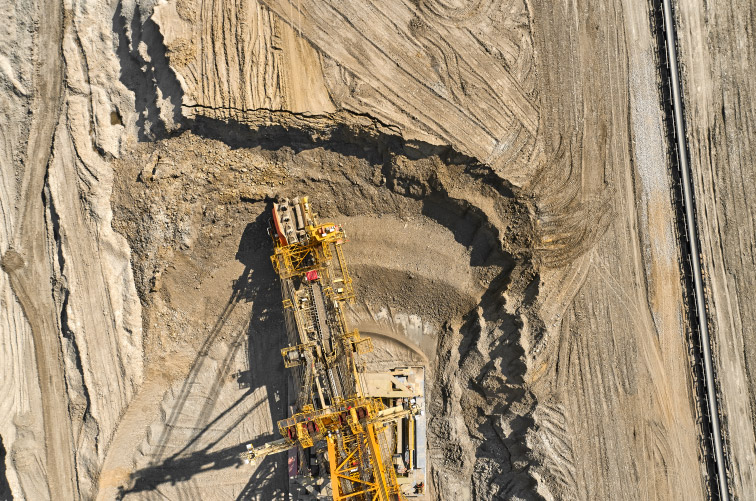
EDDY Pump is crucial in lead mining because it can handle abrasive materials effectively. With specialized mining slurry pumps and hydraulic dredging, it optimizes lead ore extraction, transportation, and processing, enhancing operational productivity and minimizing equipment wear.
Applications of Our Slurry Pumps in Lead Mining
Heavy-duty slurry pumps are essential in various industries, including mining, where they transport and handle abrasive and viscous slurries. In lead mining specifically, industrial slurry pumps have several critical applications:

- Ore Transport: Our submersible slurry pumps transport the mined lead ore as a slurry in lead extraction. The ore is often crushed and mixed with water to form a slurry that can be more easily transported through pipelines or other conveyance systems. Heavy-duty slurry pumps help move this mixture from the mining site to the processing plant.
- Tailings Management: After the lead ore has been processed to extract the desired metal, the remaining materials, known as tailings, must be managed. Submersible pumps from EDDY Pump handle these tailings, often as a thick, abrasive, and potentially toxic slurry. The submersible slurry pumps help transport the tailings to ponds or storage areas for further treatment or containment.
- Processing Operations: Lead ore often requires various processing steps to separate the valuable lead concentrate from impurities. Our submersible pumps are used in different stages of the processing plant to move the ore and slurry through processes like grinding, flotation, thickening, and dewatering. These submersible pumps are designed to handle the abrasive nature of the slurry and to withstand the wear and tear caused by the particles in the mixture.
- Water Management: Lead extraction operations typically require significant amounts of water for processing and dust suppression. Industrial slurry pumps play a role in water management by assisting in the circulation and movement of water within the mining site. They can pump water from one area to another, ensuring efficient usage and preventing flooding.
- Environmental Considerations: Lead mining and processing can have ecological impacts, mainly related to the handling and disposal of tailings. Our submersible slurry pumps transport tailings to specially designed containment areas or ponds where the tailings can settle, and the water can be separated and recycled. This helps mitigate the potential for environmental contamination.
- Underground Mining: Our mining slurry pumps remove water from tunnels and shafts in underground lead mining. These pumps aid in dewatering the mining areas to create safer working conditions for miners and to facilitate the extraction of lead ore from underground deposits.
- Recovery Processes: In some lead mining operations, secondary recovery processes might extract additional valuable minerals from the waste streams. Submersible pumps can play a role in transporting these materials through the recovery processes, helping to maximize the extraction of valuable resources from the ore.
- Remote Locations: Many lead extraction operations are in remote areas with limited infrastructure. Submersible pumps play a critical role in ensuring the efficient transportation of materials in these challenging environments, where other transportation methods might be less practical.
Given the abrasive nature of lead ore and the harsh conditions in mining environments, mining slurry pumps used in lead mining applications are designed to be robust, durable, and capable of handling the challenges posed by the abrasive and corrosive slurry. They often feature specialized materials and designs to ensure extended pump life and minimized maintenance requirements.
Call for sales or support
If you need assistance with pump selection, sales or engineering support, call 619-404-1916.


Dredge Project Consulting
- Easier to install and maintain, the horizontal slurry pump, a type of dredge pump, allows for quick access to pump components, making repair jobs straightforward. During repair jobs, pumps are completely disassembled for thorough inspection. All components are carefully inspected, and any parts not meeting standards are replaced. After reassembly, the pump is tested to ensure reliable performance. These steps help extend the service life of the hydraulic pump and maintain equipment reliability. EDDY Pump can also provide dredging project managers to oversee sediment projects and remediation projects, ensuring that all aspects of the dredging project are managed efficiently and in compliance with environmental regulations.
- Requires more room, due to its larger footprint compared to vertical
- Implementing best management practices and evaluating management alternatives are essential for effective material management in any dredging project.

Vertical Slurry Pump
-
Less smaller footprint, allowing the dredge pump to be implemented in hard to reach jobs
-
More versatile, can be cable hung straight down and inserted directly into medium to pump target material. The vertical slurry pump can also be used in mechanical dredging operations where minimal water addition is required.
-
The vertical slurry pump is typically situated within the excavator or dredging system so that it is optimally positioned for efficient material handling and performance.
-
More difficult to repair and tougher maintenance
Application of EDDY Pump’s Hydraulic Dredging in Lead Mining
Hydraulic dredging, a process that involves using water to excavate and remove sediment, is a common technique in various mining operations, including lead mining. In lead extraction, hydraulic dredging can have several applications:
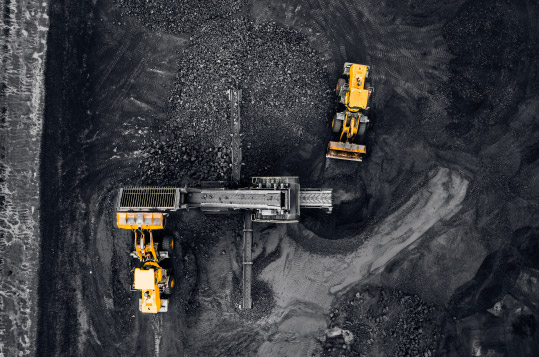
- Sediment Removal: Hydraulic dredging equipment removes sediment and debris from water bodies, such as rivers, streams, and ponds, that are contaminated with lead-rich materials. This helps prevent further pollution of water sources and can be a part of environmental remediation efforts to clean up areas impacted by mining activities.
- Tailings Management: Lead extraction generates tailings, which are leftover materials from the ore processing that often contain residual lead and other minerals. These tailings might be deposited in containment areas or ponds. Slurry pump dredge can remove and transport these tailings to designated storage areas or for further processing, reducing the risk of environmental contamination.
- Dredging Ponds and Reservoirs: Mining operations might have to settle ponds, reservoirs, or other water storage areas where sediments accumulate over time. Slurry pump dredge can remove these accumulated sediments, which could contain traces of lead and other minerals. Regular maintenance dredging can help maintain the capacity and functionality of these water storage facilities.
- Site Rehabilitation: After mining activities have ceased, the environmental dredging system can rehabilitate and restore impacted water bodies. This might involve removing contaminated sediments and restoring natural habitats, helping to mitigate the long-term environmental effects of lead mining.
- Contaminated Soil Removal: In areas where lead contamination has spread to the soil due to mining activities, hydraulic dredging can be used to excavate contaminated soil underwater. The dredged material can then be processed to remove lead and other contaminants, and the clean ground can be returned to the site.
- Water Management: Dredging can also play a role in managing water resources within a mining site. This could include dredging to create or maintain waterways for transporting materials, controlling water levels, and preventing flooding in active mining areas.
- Erosion Control: Lead extraction activities can disturb the landscape and potentially lead to increased erosion. environmental dredging systems can control erosion by reshaping water bodies, stabilizing shorelines, and managing sediment transport.
It’s important to note that while hydraulic dredging equipment can effectively manage sediment and environmental impacts in lead extraction, it also requires careful planning and consideration of environmental regulations. The extracted residues must be appropriately handled and treated to minimize the dispersion of lead and other contaminants. Additionally, sediment dredging should be conducted to reduce disturbance to aquatic ecosystems and maintain water quality standards.
The Best Non-Clog and High Solids Slurry Pump on the Market. Since 1984.
We manufacture both pump and dredge equipment for maximum compatibility


Call for sales or support
If you need assistance with pump selection, sales or engineering support, call 619-404-1916.
HD (Heavy Duty) Slurry Pumps / Dredge Equipment
Related Products
For assistance Call 619-404-1916 and let us help match your project
with the right pump.